Refugee Status & Resettlement in Florida: Your 2026 Guide
Understanding refugee status and resettlement in Florida is crucial for those seeking protection. This guide covers eligibility, the step-by-step process, essential documents, and what to expect regarding timelines and costs in 2026. Learn about the roles of UNHCR and USRAP, and how to distinguish between refugees and asylum seekers. We also highlight common mistakes to avoid and when to seek expert legal assistance. Florida Immigration Lawyers provides comprehensive support, from initial application guidance to navigating the path to lawful permanent residence and citizenship. Contact us for a free consultation to secure your future in Florida.
Obtaining refugee status in Florida involves a complex legal process for individuals fleeing persecution. This typically requires a referral to the U.S. Refugee Admissions Program (USRAP) and subsequent processing by USCIS and other agencies. Resettlement services in Florida help refugees achieve self-sufficiency, offering support with housing, employment, and integration into communities like Hialeah.
- Refugee status is granted to those outside their home country unable or unwilling to return due to persecution.
- The process often begins with a referral from UNHCR or a U.S. Embassy.
- Florida offers various resettlement services to aid new arrivals.
- Legal guidance is crucial for navigating the eligibility and application stages.
- Refugee status can lead to a Green Card and eventual U.S. citizenship.
Fleeing persecution and seeking safety is an unimaginable challenge. If you or a loved one are considering seeking refugee status and resettlement in Florida, you are embarking on a journey that requires careful navigation and expert legal support.
Florida, particularly areas like Hialeah, has long been a haven for individuals seeking refuge, offering a pathway to a new life. This comprehensive guide from Florida Immigration Lawyers will walk you through the intricacies of obtaining refugee status in 2026.
We will also cover understanding the resettlement process and accessing the vital resources available across the state. Our goal is to empower you with the knowledge needed to make informed decisions for your future.
Do not face this complex legal journey alone. Call Florida Immigration Lawyers at 1-844-967-3536 for a free consultation to discuss your specific situation and explore your options.
Understanding Refugee Status and Eligibility in Florida
The term 'refugee' has a specific legal definition under U.S. immigration law. According to the Immigration and Nationality Act (INA) Section 101(a)(42), a refugee is a person outside their country of nationality or habitual residence.
They are unable or unwilling to return, or avail themselves of their country's protection, due to persecution or a well-founded fear of persecution. This fear must be based on race, religion, nationality, membership in a particular social group, or political opinion.
Unlike asylum seekers who apply from within the U.S., refugee status is generally sought from outside the United States. This distinction is critical for understanding the application process.
Individuals typically receive a referral to the U.S. Refugee Admissions Program (USRAP) from the United Nations High Commissioner for Refugees (UNHCR), a U.S. Embassy, or a designated non-governmental organization (NGO).
Florida has a long history of welcoming individuals fleeing persecution. Many communities, including those in Hialeah and Miami, have established support networks for new arrivals. Understanding the legal basis for your claim is the first step toward building a successful case for refugee resettlement in Florida.
Distinguishing Refugees from Asylum Seekers
It is important to clarify the difference between a refugee and an asylum seeker. While both seek protection from persecution, their application locations differ significantly.
A refugee applies from outside the U.S., while an asylum seeker applies from within the U.S. or at a U.S. port of entry. This distinction impacts the procedures, agencies involved, and initial support systems available upon arrival.
Both paths can lead to similar protections and opportunities for a new life in Florida. However, the entry point to the U.S. determines the legal classification.
The Role of UNHCR and USRAP
The United Nations High Commissioner for Refugees (UNHCR) plays a pivotal role in identifying individuals who may qualify as refugees globally. UNHCR often conducts initial screenings and may refer eligible individuals to countries like the United States for resettlement.
The U.S. Refugee Admissions Program (USRAP), managed by the Department of State, coordinates the U.S. government's efforts to resettle refugees. This program works with various agencies, including USCIS, to process applications and facilitate safe arrivals.
Without a referral through USRAP, obtaining refugee status in the U.S. is generally not possible. This makes the referral process a critical first step.
The Step-by-Step Refugee Resettlement Process for Florida in 2026
Navigating the refugee resettlement process can feel overwhelming. However, breaking it down into manageable steps can help. This guide outlines the typical journey for individuals seeking refugee status and eventual resettlement in Florida.
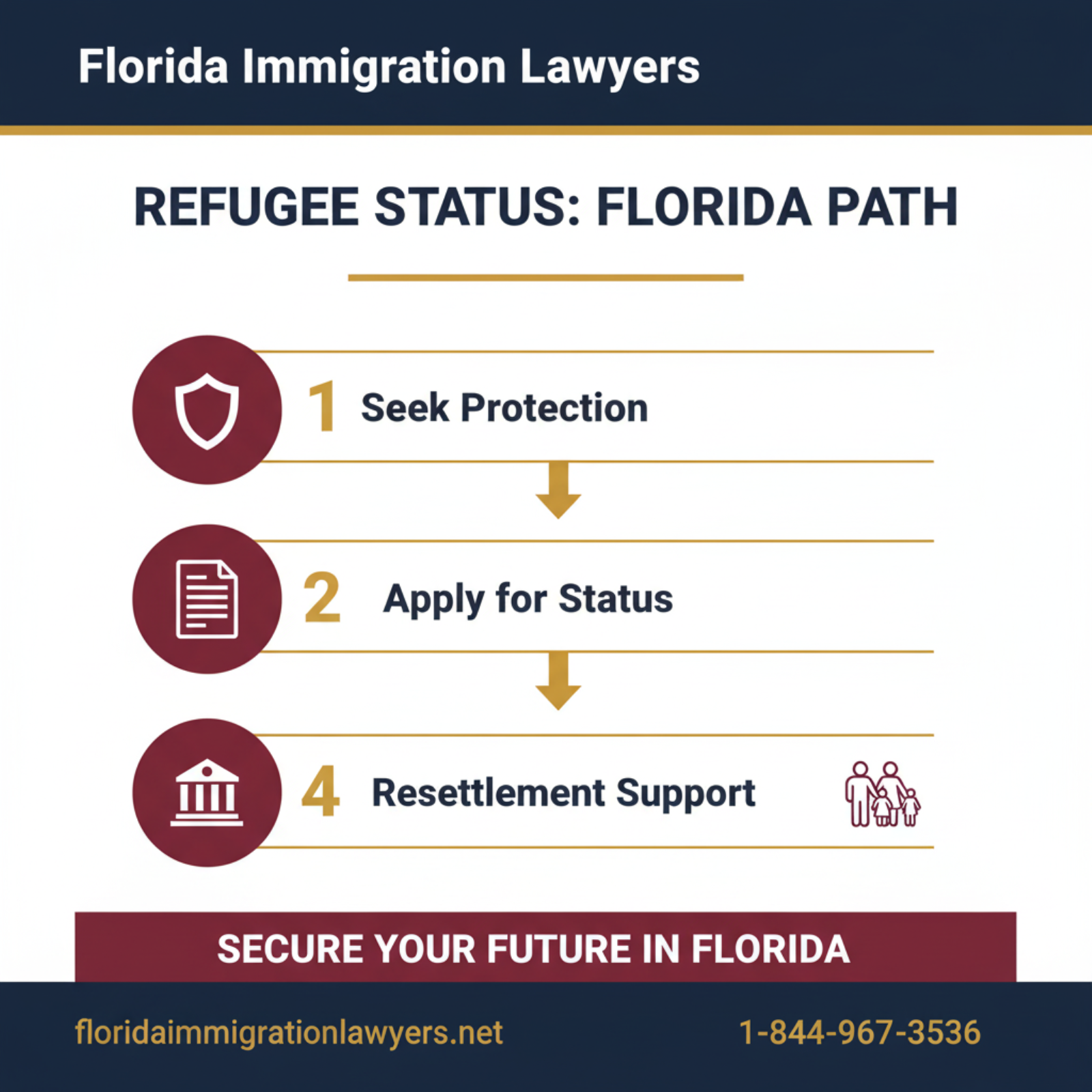
- Referral to the U.S. Refugee Admissions Program (USRAP): The process typically begins with a referral. This may come from UNHCR, a U.S. Embassy, or a qualified NGO. You cannot directly apply for refugee status from outside the U.S. without such a referral.
- Resettlement Support Center (RSC) Processing: Once referred, your case is assigned to an RSC. These centers, managed by non-governmental organizations, collect biographic information and prepare cases for interview. They also conduct initial security checks.
- USCIS Interview and Adjudication: A U.S. Citizenship and Immigration Services (USCIS) officer will interview you to determine if you meet the legal definition of a refugee. This is a crucial step where you must clearly articulate your fear of persecution.
- Extensive Security Clearances: All applicants for refugee status undergo rigorous security checks by multiple U.S. government agencies. This process is comprehensive and can take a significant amount of time, ensuring national security.
- Medical Examination: You will undergo a medical examination to ensure you meet U.S. health requirements. This also helps identify any medical needs that may require attention upon arrival.
- Cultural Orientation: Before departure, you will typically participate in a cultural orientation program. This program provides vital information about life in the United States, including laws, customs, and expectations.
- Assignment to a Resettlement Location in the U.S.: Upon approval, you will be assigned to a resettlement agency in a specific U.S. city. This is often based on family ties or resource availability. Many refugees find their way to Florida, including cities like Hialeah, Miami, Orlando, and Tampa.
- Travel to the United States: The International Organization for Migration (IOM) arranges your travel to the U.S. This travel is typically facilitated through a loan, which refugees are expected to repay over time.
- Initial Resettlement Services: Upon arrival in Florida, a local resettlement agency will meet you and provide initial support. This includes assistance with housing, food, clothing, school enrollment for children, and applying for social security cards and other benefits.
Essential Document Checklist for Refugee Applicants
A thorough and accurate collection of documents is vital for a successful refugee status application and subsequent resettlement in Florida. While the exact requirements can vary, preparing these documents in advance will significantly aid your process.
- Identity Documents: Any available national ID cards, passports, birth certificates, or other identification. Even if expired or difficult to obtain, provide what you have.
- Proof of Family Relationships: Marriage certificates, birth certificates for children, adoption papers, or other documents demonstrating family ties. This is crucial for family reunification.
- Evidence of Persecution: Any documents, reports, photos, letters, or testimonies that substantiate your claims of persecution or well-founded fear. This evidence forms the core of your refugee claim.
- Educational Records: Diplomas, transcripts, or certificates of schooling. These can be helpful for school enrollment and employment prospects in Florida.
- Work History Documents: Resumes, employment letters, or professional licenses. These aid in job placement services during resettlement.
- Medical Records: Vaccination records, medical histories, or any records of past treatments. These are important for your medical examination and ongoing healthcare.
- Referral Documents: Any official correspondence or referral letters from UNHCR, a U.S. Embassy, or an NGO. This is the gateway to the USRAP process.
- Criminal Records (if applicable): Any court documents or police reports, even if minor. Transparency is key, and an attorney can help explain these to authorities.
Ensure all documents are translated into English by a certified translator if they are not originally in English. Keep original documents safe and provide copies when requested. Florida Immigration Lawyers can assist you in organizing and preparing your documentation, offering valuable Florida immigration assistance.
Timeline and Processing Expectations for Refugee Cases in 2026
The timeline for obtaining refugee status and completing the resettlement process can vary significantly. It is important to have realistic expectations, as these cases often involve multiple agencies and extensive security checks.
From the initial referral to the final travel to Florida, the process can take anywhere from 18 months to several years. Factors influencing the timeline include your country of origin, case complexity, application volume, and processing center efficiency.
For example, individuals from certain regions may face more extensive security screenings. After arrival in Florida, initial resettlement services typically last for 30-90 days, with some benefits extending up to 5 years.
During this period, local agencies in Hialeah, Miami, or other cities will help you find housing, enroll in English classes, and seek employment. The goal is to achieve self-sufficiency as quickly as possible.
Post-Arrival: Adjusting to Life in Florida
Once you arrive in Florida, the focus shifts to integration and building a new life. Refugee resettlement agencies provide critical support during this initial phase. This includes cultural orientation, assistance with enrolling children in school, and connecting you with community resources.
Many individuals seeking protection find strong support networks within existing communities, particularly in diverse areas like Hialeah. These networks offer invaluable assistance with housing, employment, and navigating daily life in a new country. Learning English is often a high priority to facilitate quicker integration and employment.
Path to Lawful Permanent Residence and Citizenship
After one year of continuous physical presence in the United States as a refugee, you are generally eligible to apply for Lawful Permanent Resident (LPR) status, also known as a Green Card. This is a crucial step towards long-term stability and security in Florida.
Five years after obtaining your Green Card, you may be eligible to apply for U.S. citizenship, provided you meet other naturalization requirements. These include demonstrating good moral character and passing civics and English tests. This pathway offers the full rights and responsibilities of U.S. citizenship.
Cost Factors and Fee Breakdown for Refugee Resettlement
Understanding the financial aspects of refugee status and resettlement in Florida is important. While the U.S. government covers many initial costs, there are still expenses to consider.
It is important to note that specific fees can change, and applicants should always refer to official USCIS sources for current amounts. There are generally no government filing fees for the initial refugee application itself when processed through USRAP.
The U.S. government and resettlement agencies cover the costs of security checks, medical exams, and initial travel. However, the travel costs are typically provided as a loan that refugees are expected to repay after arrival.
Once in Florida, you may encounter various costs. These can include:
- Travel Loan Repayment: The loan for your airfare to the U.S. must be repaid. Repayment plans are typically flexible and interest-free.
- Living Expenses: Rent, utilities, food, and transportation are ongoing costs. Initial assistance from resettlement agencies helps, but self-sufficiency is the goal.
- Application Fees for Adjustment of Status: When you apply for your Green Card (Form I-485) one year after arrival, there will be USCIS filing fees. Always check the USCIS website for current amounts.
- Legal Fees: While not mandatory, hiring an immigration attorney for guidance through the Green Card application and eventual citizenship process can be invaluable. Attorneys help ensure correct filing.
- Translation Services: If you have documents not in English, certified translation services will incur costs.
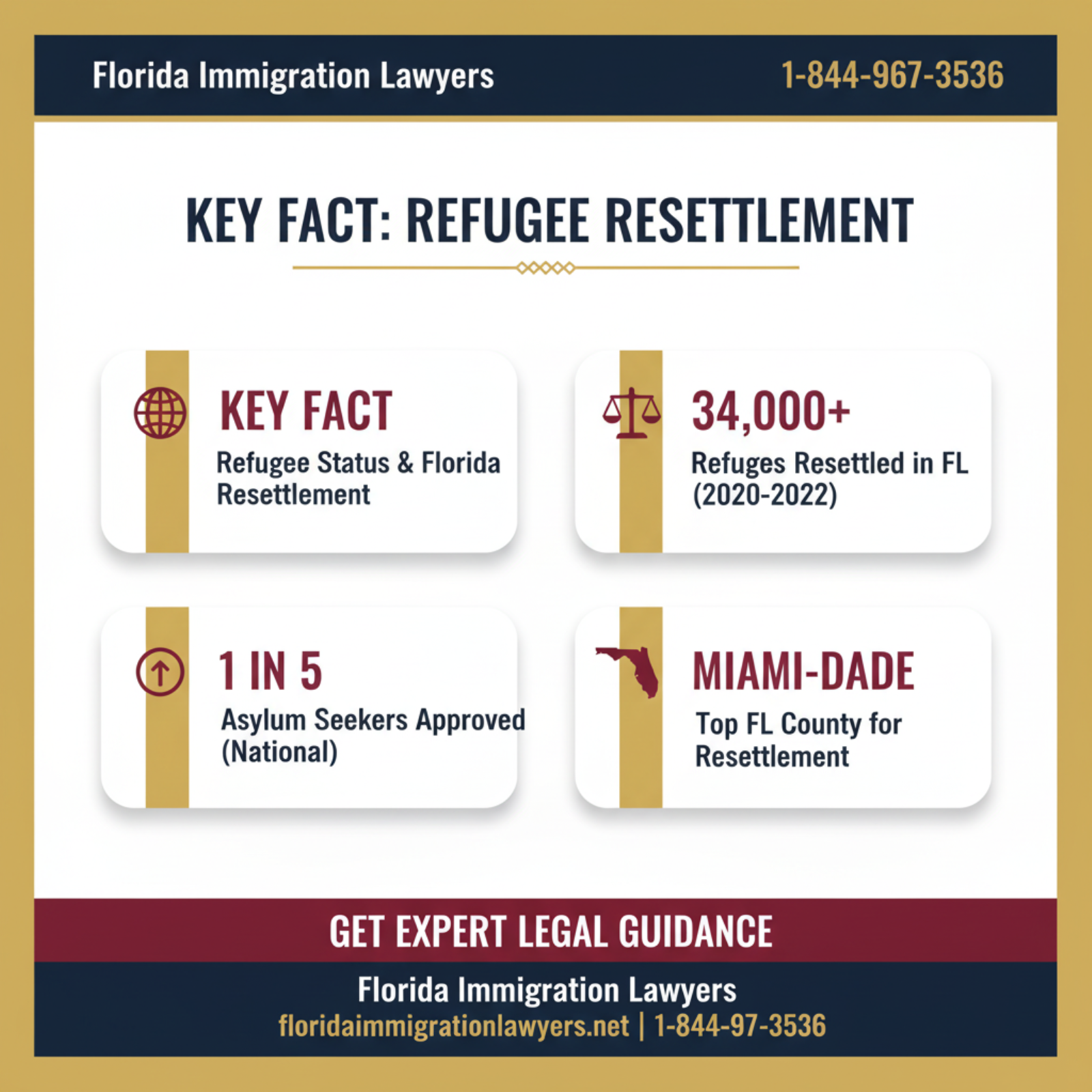
Local refugee resettlement agencies in Florida often provide initial financial assistance. They also connect individuals with public benefits like Refugee Cash Assistance (RCA) and Refugee Medical Assistance (RMA) to help cover early living expenses, contributing to comprehensive humanitarian relief Florida offers.
Do not navigate this complex process alone. The journey to refugee status and resettlement in Florida is filled with legal intricacies. Contact Florida Immigration Lawyers today for expert legal guidance and support. We are here to help you every step of the way.
Common Mistakes to Avoid During Your Refugee Journey
The path to refugee status and resettlement in Florida is challenging. Even minor errors can lead to significant delays or denials. Being aware of common pitfalls can help you avoid them.
- Providing Inconsistent Information: Any discrepancies in your story or documents can raise doubts about your credibility. Be truthful and consistent in all statements. This can severely damage your case.
- Failing to Disclose All Relevant Information: Withholding information, even if you think it is minor, can be seen as an attempt to deceive. Full transparency is always the best policy. This may lead to a finding of misrepresentation.
- Missing Deadlines: Immigration processes have strict deadlines, especially for applying for a Green Card after one year. Missing these can jeopardize your eligibility. Your application could be rejected or denied.
- Not Seeking Legal Counsel: Attempting to navigate the complex legal framework without an experienced attorney can lead to critical errors. An attorney ensures compliance and protects your rights. This significantly reduces your chances of success.
- Lack of Evidence: Your claim of persecution must be supported by credible evidence. Vague or insufficient evidence weakens your case significantly. Your application may be denied without strong supporting documentation.
- Not Understanding the Legal Definition of a Refugee: Many applicants misunderstand what legally qualifies as persecution. Ensure your story aligns with the INA's definition. Misinterpreting the law can lead to an ineligible claim.
- Traveling Back to Your Home Country: Once granted refugee status, returning to the country from which you fled persecution can indicate that you no longer fear persecution. This may lead to the termination of your status. This is a critical mistake.
- Failing to Inform USCIS of Address Changes: You must update USCIS with any change of address within 10 days. Failure to do so can result in missed notices and processing delays. You could miss important communications about your case.
- Not Preparing for Your Interview: The USCIS interview is critical. Not being prepared to clearly articulate your story and answer questions can undermine your case. A poor interview performance can lead to denial.
- Ignoring Medical or Security Clearance Requests: Failing to complete required medical exams or respond to security clearance inquiries will halt your application. Prompt compliance is essential. This will cause indefinite delays.
When to Call a Lawyer for Refugee Status and Resettlement in Florida
While the refugee resettlement process is designed to assist vulnerable individuals, having experienced legal counsel from Florida Immigration Lawyers can make a profound difference. Our attorneys are dedicated to protecting your rights and ensuring the best possible outcome for your case.
You should consider calling an attorney if:
- You are unsure about your eligibility for refugee status: An attorney can assess your unique situation against the legal definitions and advise on the strength of your claim.
- You need assistance gathering and organizing evidence: Collecting credible evidence of persecution can be challenging. We can help you identify and prepare the necessary documentation.
- You are preparing for a USCIS interview: We can help you prepare for your interview, ensuring you are confident and ready to articulate your story effectively.
- You have a complex case history: If you have prior immigration issues, criminal history, or other complicating factors, legal expertise is essential to navigate these challenges.
- You need help understanding the resettlement services available in Florida: We can guide you through the initial resettlement phase, connecting you with local resources and ensuring you receive entitled benefits.
- You are ready to apply for your Green Card (Adjustment of Status): The application for lawful permanent residence is a critical step, and an attorney can ensure all forms are correctly filed and deadlines are met.
- You face potential termination of your refugee status: If you receive any notice regarding the termination of your status, immediate legal intervention is paramount.
- You are facing an immigration enforcement action: In the current climate, with initiatives like Operation Tidal Wave in Florida, it's crucial to have legal representation if you or a family member encounter ICE or other law enforcement, especially if you are an asylum seeker Florida resident.
Florida Immigration Lawyers has extensive experience in immigration and asylum law. We serve clients across Florida, including Hialeah, Miami, Orlando, and Tampa. Our firm is committed to providing compassionate and effective legal representation. We understand the unique challenges faced by those seeking protection and are here to advocate for you. For assistance with deportation defense or citizenship matters, our team is ready to help.
About Florida Immigration Lawyers
Florida Immigration Lawyers is a leading law firm dedicated to providing comprehensive and compassionate immigration legal services throughout Florida. With years of experience, our team understands the complexities and sensitivities involved in immigration cases, especially those seeking refugee status and resettlement.
We offer a wide range of services, including assistance with asylum claims, deportation defense, family-based immigration, business immigration, citizenship applications, and guidance for refugee and humanitarian cases. Our attorneys are committed to upholding the rights of immigrants and helping them build new lives in the United States.
Why choose us? We pride ourselves on personalized attention, transparent communication, and a track record of success. Our lawyers are available 24/7 to address your concerns and provide clear, actionable advice. We offer free consultations to help you understand your options without financial obligation. Our firm serves clients in all corners of Florida, from Hialeah to Jacksonville, Orlando to Fort Myers.
Visit our website at floridaimmigrationlawyers.net or call us directly at 1-844-967-3536 to schedule your free consultation. Let us be your trusted legal partner in your journey towards stability and security in Florida.
Sources and References
- U.S. Citizenship and Immigration Services (USCIS) - Refugees
- U.S. Department of State - Bureau of Population, Refugees, and Migration (PRM)
- United Nations High Commissioner for Refugees (UNHCR) - USA
- 8 U.S.C. Chapter 12 - Immigration and Nationality Act (INA) Section 101(a)(42)
- 8 U.S.C. § 1157 - Annual admission of refugees
- 8 CFR Part 207 - Refugee status procedures
- USCIS Policy Manual, Volume 7 - Adjustment of Status
This article provides general legal information and is not intended as legal advice. Every case is unique, and outcomes depend on specific facts and circumstances. Contact an attorney for advice about your particular situation.
Your journey to refugee status and resettlement in Florida is a significant undertaking. With the right legal support, you can navigate the complexities and build a secure future. Trust the experienced team at Florida Immigration Lawyers to be your advocates.
We offer free consultations to discuss your case confidentially. Call us today at 1-844-967-3536 to take the first step towards your new life. Se Habla Español - Estamos aquí para ayudarle.
Frequently Asked Questions
Florida Immigration Lawyers
Legal Team
Our experienced attorneys at Florida Immigration Lawyers have been serving clients across Florida for over 20 years. We specialize in immigration, personal injury, criminal defense, workers compensation, and family law.