Naturalization Ceremony ICE Concerns Florida: Your 2026 Guide
For aspiring U.S. citizens in Florida, the naturalization oath ceremony is a moment of immense pride, but it can also bring anxieties about potential ICE presence. This guide addresses your naturalization ceremony ICE concerns in Florida for 2026, clarifying your rights and outlining the path to citizenship. While naturalized citizens are generally safe from deportation, understanding the process, avoiding common mistakes, and knowing when to seek legal counsel are crucial. Learn how to protect yourself, prepare your application, and navigate potential challenges like criminal records. Florida Immigration Lawyers offers free consultations and expert guidance to ensure a smooth and successful naturalization journey. Do not face this process alone.
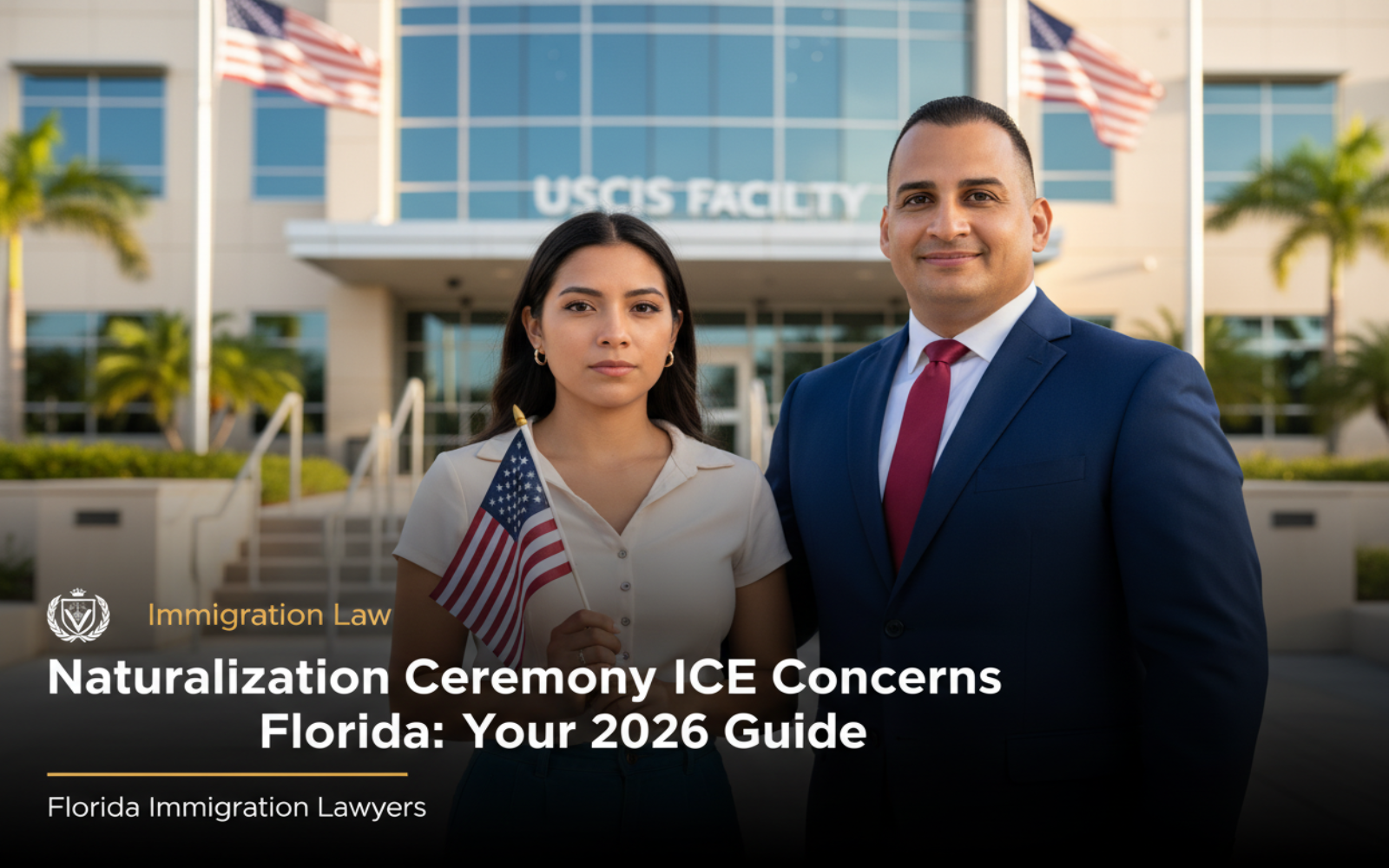
While U.S. Citizenship and Immigration Services (USCIS) naturalization ceremonies are generally safe spaces, concerns about Immigration and Customs Enforcement (ICE) activity persist in Florida. New citizens are typically protected, but individuals with outstanding issues or prior immigration violations may face scrutiny. Understanding your rights and having legal representation is crucial for a smooth process.
- Naturalized citizens are generally safe from ICE detention.
- Be aware of your rights if approached by ICE.
- Prior immigration issues can complicate your naturalization.
- Always consult an experienced immigration lawyer.
- Prepare thoroughly for your oath ceremony.
Becoming a U.S. citizen is a monumental achievement, the culmination of years of effort and dedication. For many aspiring citizens in Florida, particularly in communities like Hialeah, the final step-the naturalization oath ceremony-can be overshadowed by anxieties. Concerns about potential Immigration and Customs Enforcement (ICE) presence at these ceremonies are real for some, leading to unnecessary stress and uncertainty.
This comprehensive guide addresses your naturalization ceremony ICE concerns in Florida for 2026. We will explore your rights, outline the naturalization process, discuss what to expect, and highlight why legal guidance is invaluable. Do not let fear deter you from achieving your American dream. Call Florida Immigration Lawyers at 1-844-967-3536 for a free consultation and let our experienced team help you navigate this important journey.
Understanding Naturalization and ICE Presence in Florida
Naturalization is the process by which a lawful permanent resident (green card holder) becomes a U.S. citizen. It is a deeply significant step, conferring full rights and responsibilities of citizenship. For many, it represents the ultimate goal of their immigration journey.
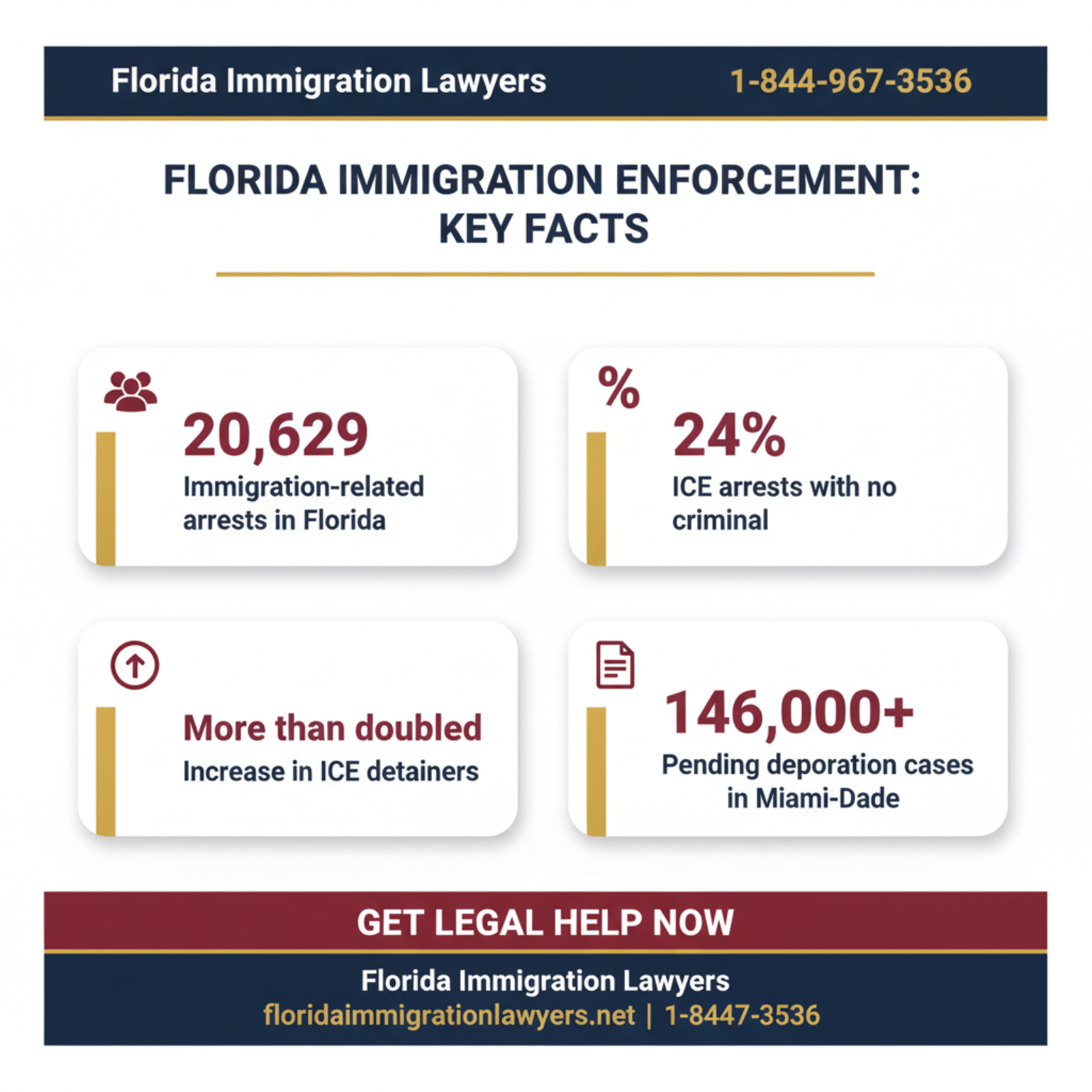
The U.S. Citizenship and Immigration Services (USCIS) oversees this process, including the final oath ceremony. These ceremonies are typically public and joyous events, celebrating new citizens. However, in recent years, heightened immigration enforcement has led to concerns about ICE activity in various settings, including those related to immigration proceedings.
In Florida, a state with a large immigrant population, these concerns are particularly relevant. While naturalization ceremonies are generally considered sensitive locations by ICE, enforcement actions can sometimes occur in the vicinity or for specific individuals with active warrants. It is essential to distinguish between a routine ceremony and a targeted enforcement action. The Immigration and Nationality Act (INA) outlines the foundation of naturalization eligibility, specifically INA § 316 (8 U.S.C. § 1427), which sets forth general requirements.
ICE's Role and Authority
Immigration and Customs Enforcement (ICE) is a federal law enforcement agency. Its primary mission is to enforce immigration laws. This includes identifying, apprehending, and removing undocumented immigrants, as well as those who have violated immigration laws or committed crimes.
While ICE generally avoids enforcement actions inside courthouses and other sensitive locations without prior approval, the definition and application of these policies can sometimes be complex. Understanding ICE's authority and your rights is key to addressing any naturalization ceremony ICE concerns you may have.
Are You Safe from ICE as a Naturalized Citizen?
Once you take the Oath of Allegiance and become a naturalized U.S. citizen, you are generally safe from ICE detention and deportation. You possess the same rights and protections as a native-born citizen. This means ICE cannot deport you, even if you had a prior immigration violation or criminal record that USCIS overlooked during your naturalization process.
However, naturalization can be revoked in rare cases of fraud or misrepresentation during the application process. This is why honesty and accuracy in your application are paramount. Consult with a Florida immigration lawyer to ensure your application is flawless.
The Naturalization Process: A Step-by-Step Guide for Florida Residents
The path to U.S. citizenship involves several critical steps. Each stage requires careful attention to detail and adherence to regulations. Understanding this process can alleviate many naturalization ceremony ICE concerns.
-
Determine Eligibility: First, ensure you meet the basic requirements. These typically include being at least 18 years old, a lawful permanent resident for a specific period (usually 5 years, or 3 years if married to a U.S. citizen), demonstrating continuous residence and physical presence in the U.S., and exhibiting good moral character. You must also pass English and civics tests, as outlined in INA § 312 (8 U.S.C. § 1423).
Florida residents must meet the same federal standards as applicants nationwide. Our firm can help you assess your individual eligibility.
-
File Form N-400, Application for Naturalization: This is the official application form. It requires extensive personal information, immigration history, and details about your good moral character. Accuracy is critical; any misrepresentations can lead to serious issues, including denial or accusations of fraud.
The form asks about your criminal history, even minor infractions. Be truthful and provide all requested documentation. You can find the latest version and instructions on USCIS.gov.
-
Attend Biometrics Appointment: After filing Form N-400, USCIS will schedule an appointment at an Application Support Center (ASC) to collect your fingerprints, photograph, and signature. This data is used for background checks by the FBI and other agencies.
These appointments are generally straightforward. Ensure you bring your appointment notice and identification.
-
Complete the Naturalization Interview: You will be scheduled for an interview with a USCIS officer. During the interview, the officer will review your N-400 application, test your ability to read, write, and speak English, and administer a civics test.
The officer will also assess your good moral character. Be prepared to answer questions about your entire immigration history and any potential issues. This interview typically takes place at a USCIS field office, such as the one in Miami, serving areas like Hialeah.
-
Receive a Decision: After the interview, the USCIS officer will issue a decision. This could be an approval, a request for more evidence (RFE), a notice of intent to deny (NOID), or a continuance for further review. If approved, you will receive a notice for your Oath of Allegiance ceremony.
An RFE or NOID means USCIS has concerns or needs additional information. This is a critical point where legal counsel is highly recommended to prevent denial.
-
Attend the Oath of Allegiance Ceremony: This is the final step where you take an oath pledging allegiance to the United States. You will surrender your Permanent Resident Card (green card) and receive your Certificate of Naturalization. This document is proof of your U.S. citizenship.
While typically a celebratory event, this is also where some applicants harbor naturalization ceremony ICE concerns. However, the ceremony itself is a protected event. For general guidance on immigration processes, visit our immigration practice area page.
Essential Documents for Your Naturalization Application
A complete and accurate submission of documents is vital for a successful naturalization application. Missing or incorrect documents can cause delays or even lead to denial. Prepare these items meticulously.
- Your Permanent Resident Card (Green Card).
- Your state-issued identification (driver's license or state ID).
- All passports, current and expired.
- Marriage certificate (if applicable).
- Divorce decrees or death certificates for previous spouses (if applicable).
- Birth certificates for your children (if applicable).
- Tax transcripts or returns for the past five years (or three years if married to a U.S. citizen).
- Evidence of selective service registration (for male applicants aged 18-26).
- Certified court dispositions for any arrests or citations, even if charges were dropped or expunged.
- Travel records, including dates of all trips outside the U.S. since becoming a permanent resident.
- Any USCIS correspondence, notices, or previously filed applications.
Naturalization Timeline and Processing Expectations in Florida
The naturalization process timeline can vary significantly. Several factors influence how long it takes to become a U.S. citizen. These include the volume of applications, the efficiency of the USCIS field office, and the complexity of your individual case.
For applicants in Florida, processing times are generally similar to national averages, but specific field offices, such as the Miami office, may have their own unique backlogs. You can check estimated processing times for Form N-400 on the USCIS website by selecting your form type and field office.
Typically, the entire process, from filing Form N-400 to attending the Oath of Allegiance Ceremony, can take anywhere from 8 to 18 months, or sometimes longer. Factors like requests for evidence, re-interviews, or complex background checks can extend this timeline. Patience and preparedness are essential throughout this journey.
Cost Factors and Fee Breakdown for U.S. Citizenship
Applying for U.S. citizenship involves certain fees that applicants must pay directly to USCIS. These fees are subject to change, so always check the most current fee schedule on the USCIS website before filing. The primary costs include:
- Form N-400 Application Fee: This is the main fee for processing your naturalization application.
- Biometrics Services Fee: This covers the cost of collecting your fingerprints and other biometric data. In some cases, this fee may be included with the N-400 fee.
Beyond USCIS fees, you may also incur other costs. These can include fees for obtaining necessary documents, such as birth certificates, marriage licenses, or criminal court records. If you choose to hire an immigration attorney, which is highly recommended, you will also pay legal fees for their services.
USCIS offers fee waivers for eligible applicants who demonstrate an inability to pay. If you believe you qualify for a fee waiver, you must submit Form I-912, Request for Fee Waiver, along with your N-400 application. Our team can help you determine if you are eligible for a fee waiver and assist with the application.
Do not navigate this process alone. Contact Florida Immigration Lawyers today for expert guidance and support through every step of your naturalization journey. We are here to protect your interests.
Protecting Your Rights: Addressing ICE Concerns at Naturalization Ceremonies
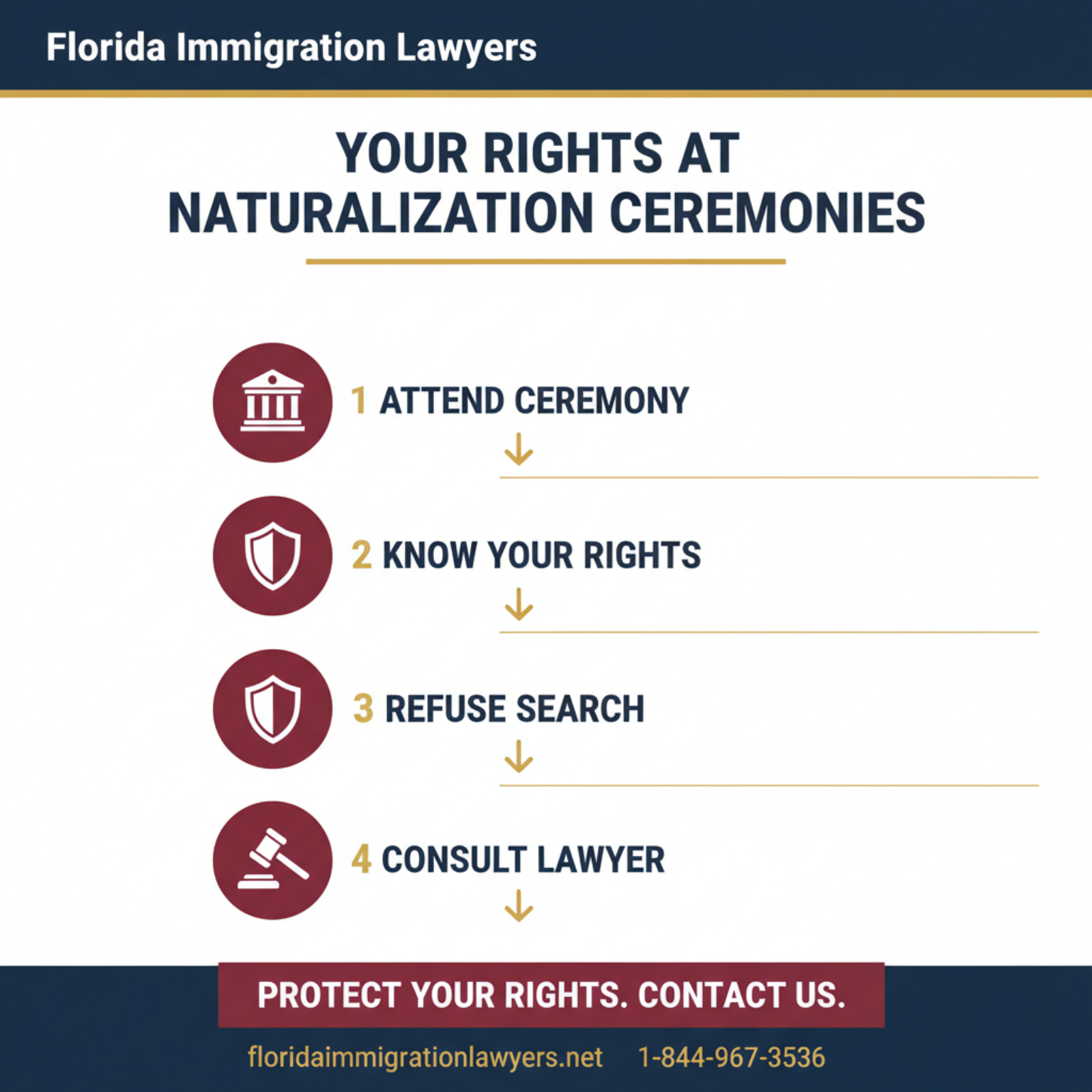
Many applicants experience naturalization ceremony ICE concerns. It is important to know your rights and understand the typical procedures. While naturalization ceremonies are generally considered sensitive locations, it is wise to be informed.
First, remember that once you become a U.S. citizen at the oath ceremony, you are protected from deportation. Any concerns about ICE activity are primarily for individuals who have not yet naturalized or who might have outstanding issues that were not resolved prior to the ceremony. Even for those individuals, knowing your rights is paramount.
Your Rights When Interacting with ICE
If you are approached by ICE, whether at a ceremony, near a USCIS office, or elsewhere, you have specific constitutional rights. You have the right to remain silent, and you do not have to answer questions about your immigration status or where you were born. You also have the right to speak with an attorney before answering any questions.
Do not sign anything without consulting a lawyer. If you are detained, ask to speak to an attorney immediately. Always carry a copy of your lawyer's contact information. For more on protecting yourself, visit the Executive Office for Immigration Review (EOIR) for general information on immigration courts and rights. If you have concerns about deportation defense, we can help.
Navigating Potential Challenges: What if You Have a Criminal Record?
A criminal record can significantly complicate your naturalization application. USCIS meticulously reviews an applicant's criminal history to determine if they meet the good moral character requirement. This is a crucial aspect of eligibility.
Minor Offenses vs. Serious Crimes
The impact of a criminal record varies depending on the nature and severity of the offense. Minor infractions, such as traffic violations, generally do not prevent naturalization. However, more serious offenses, including felonies or certain misdemeanors, can be a significant barrier. Crimes involving moral turpitude, controlled substances, or domestic violence are particularly problematic.
Even if a crime was expunged or occurred many years ago, you must still disclose it on your N-400 application. Failing to disclose any criminal history is considered misrepresentation and can lead to denial or even accusations of fraud. Always be truthful and provide all certified court documents.
Moral Character Requirements
USCIS defines good moral character as character which measures up to the standards of the average citizen of the community in which the applicant resides. Certain criminal convictions automatically make you ineligible to demonstrate good moral character for the statutory period, or even permanently. These include aggravated felonies, murder, and certain other offenses.
For other crimes, USCIS will consider all facts and circumstances surrounding the offense. This is where the guidance of an experienced attorney becomes invaluable. They can help present your case in the best possible light and address any potential issues. This is also important for family immigration cases, where good moral character is often a factor.
Seeking Legal Counsel for Criminal Issues
If you have any criminal history, no matter how minor you perceive it to be, you should consult with an immigration lawyer before filing your N-400. An attorney can review your criminal record, explain its potential impact on your naturalization eligibility, and advise you on the best course of action. They can also help gather necessary court documents and prepare you for your interview.
Common Mistakes to Avoid During Naturalization
Avoiding these common pitfalls can help ensure a smoother naturalization process and reduce your naturalization ceremony ICE concerns.
-
Inaccurate or Incomplete N-400 Application: Submitting a form with errors or omissions can lead to delays, Requests for Evidence (RFEs), or even denial. Always double-check all information and ensure every section is properly completed. Misrepresentations, even unintentional ones, can have severe consequences.
-
Failing to Disclose All Criminal History: Even minor arrests or charges, regardless of the outcome, must be disclosed. USCIS has access to extensive databases. Failure to disclose can be interpreted as fraud, leading to denial and potential legal repercussions.
-
Missing Deadlines or Appointments: Ignoring USCIS notices for biometrics, interviews, or RFEs can result in your application being denied or abandoned. Always respond promptly to all communications.
-
Insufficient English or Civics Knowledge: Applicants must demonstrate a basic understanding of English and U.S. civics. Failing these tests can lead to a re-test or denial. Prepare thoroughly using official USCIS study materials. Some exemptions may apply based on age and length of residency.
-
Not Maintaining Continuous Residence or Physical Presence: Long absences from the U.S. can disrupt your continuous residence requirement. Understand the rules regarding travel outside the U.S. and how it impacts your eligibility. Extended trips can reset your required residency period.
-
Assuming ICE Will Not Be Present at the Ceremony: While rare, it is always best to be prepared. Knowing your rights and having legal counsel available can provide peace of mind. Do not assume complete immunity if you have unresolved immigration issues.
-
Lying or Misrepresenting Facts During the Interview: Honesty is paramount. Any false statements or attempts to conceal information during your interview can lead to immediate denial, allegations of fraud, and even criminal charges. Always tell the truth, even if it is difficult.
When to Call a Lawyer
While some naturalization cases are straightforward, many benefit immensely from legal counsel. If you have any of the following circumstances, contacting an experienced Florida immigration lawyer is highly advisable:
- You have a criminal record, even a minor one, or previous arrests.
- You have received a Request for Evidence (RFE) or a Notice of Intent to Deny (NOID) from USCIS.
- You have spent significant time outside the U.S. since becoming a lawful permanent resident.
- You have previously been placed in removal (deportation) proceedings.
- You have multiple marriages or divorces, or complex family situations.
- You have concerns about demonstrating good moral character.
- You are unsure about your eligibility for naturalization.
- You have naturalization ceremony ICE concerns due to past issues.
- You simply want peace of mind that your application is correctly prepared and filed.
Our attorneys at Florida Immigration Lawyers are here to provide the expertise and support you need. We understand the nuances of immigration law and are committed to helping you achieve citizenship. Do not wait for a problem to arise; proactive legal advice can prevent many issues. Learn more about our team at our attorneys page or contact us directly.
About Florida Immigration Lawyers
Florida Immigration Lawyers is a leading immigration law firm dedicated to serving individuals and families across the entire state of Florida. With a deep understanding of complex immigration laws and a passion for helping our clients, we provide compassionate, effective legal representation for a wide range of immigration matters.
Our services include assistance with naturalization and citizenship, family-based immigration, business immigration, asylum claims, and deportation defense. We pride ourselves on offering personalized attention and strategic advice tailored to your unique situation.
Why choose us? We offer free consultations, are available 24/7 to address your urgent needs, and our team is fully bilingual (English and Spanish). We are committed to guiding you through every step of your immigration journey with integrity and professionalism. Let us be your trusted advocates. Call Florida Immigration Lawyers today at 1-844-967-3536 or visit our website at www.floridaimmigrationlawyers.net.
Sources and References
- U.S. Citizenship and Immigration Services (USCIS)
- Executive Office for Immigration Review (EOIR)
- 8 U.S.C. Chapter 12 - Immigration and Nationality Act (INA)
- INA § 312 (8 U.S.C. § 1423) - English Language and Civics Requirements
- INA § 316 (8 U.S.C. § 1427) - General Requirements for Naturalization
- 8 CFR Part 316 - General Requirements for Naturalization
This article provides general legal information and is not intended as legal advice. Every case is unique, and outcomes depend on specific facts and circumstances. Contact an attorney for advice about your particular situation.
Do not let concerns about ICE at your naturalization ceremony cause undue stress. Understand your rights and prepare thoroughly with expert legal assistance. Our dedicated team at Florida Immigration Lawyers is ready to support you. Call us today at 1-844-967-3536 for a free consultation. Se Habla Español - Estamos aquí para ayudarle.
Need help with Immigration?
Our Florida immigration attorneys offer free consultations. Call today or schedule online.
Frequently Asked Questions
Florida Immigration Lawyers
Legal Team
Our experienced attorneys at Florida Immigration Lawyers have been serving clients across Florida for over 20 years. We specialize in immigration, personal injury, criminal defense, workers compensation, and family law.