Abrego Garcia Deportation: Florida Due Process & Defense Guide 2026
The Abrego Garcia deportation case highlighted critical due process rights for immigrants. For those in Florida facing similar challenges, understanding these rights and having skilled legal representation is crucial. This guide from Florida Immigration Lawyers provides comprehensive information on navigating deportation proceedings, including step-by-step actions, essential documents, timelines, and cost factors. We emphasize the importance of avoiding common mistakes and knowing when to seek legal counsel. Our firm offers dedicated immigration defense services across Florida, ensuring every client receives empathetic and strategic advocacy. We are available 24/7 for free consultations to help protect your future.
The **Abrego Garcia deportation** case highlights critical due process rights in immigration law. For those in Florida facing similar deportation challenges, understanding these fundamental rights and securing skilled legal representation is paramount. Navigating complex legal procedures, especially concerning ICE detention and removal proceedings, requires a robust defense strategy to challenge removal orders effectively and protect your future in the United States.
- The Abrego Garcia case underscores due process importance in immigration.
- Florida residents facing deportation have specific legal rights under U.S. law.
- Navigating ICE detention and removal proceedings is a complex legal challenge.
- Skilled legal assistance is vital for a strong defense in Florida immigration courts.
- Challenging deportation orders requires strategic action and diligent preparation.
Abrego Garcia Deportation: Florida Due Process & Defense Guide 2026
The threat of deportation looms large for many non-citizens in Florida. The anxiety, uncertainty, and fear associated with removal proceedings are immense. Cases like the highly publicized **Abrego Garcia deportation** serve as a stark reminder of the complexities and critical importance of due process in the U.S. immigration system. Understanding your rights and having expert legal guidance is not just beneficial-it's essential.
This comprehensive guide from Florida Immigration Lawyers aims to demystify the deportation process for individuals in Florida. We will explore the significance of due process, outline defense strategies, and detail how professional legal support can make a profound difference. Our goal is to empower you with the knowledge needed to navigate these challenging times. If you or a loved one are facing a deportation issue in Florida, do not hesitate to seek immediate legal counsel. Call Florida Immigration Lawyers at 1-844-967-3536 for a free consultation.
Understanding Abrego Garcia Deportation and Due Process in Florida
The case of Kilmar Abrego Garcia brought significant attention to the concept of due process within immigration law. His wrongful deportation and subsequent return to the U.S. highlighted severe procedural errors and the profound impact they can have on an individual's life. This case underscores that even in complex immigration matters, individuals are entitled to fair treatment and adherence to established legal procedures.
For immigrants in Florida, the principles illuminated by the **Abrego Garcia deportation** are highly relevant. Due process in immigration generally includes the right to a fair hearing, the right to present evidence, the right to cross-examine witnesses, and the right to legal representation. These rights are enshrined in the Fifth Amendment of the U.S. Constitution and further detailed in the Immigration and Nationality Act (INA).
In Florida, immigration courts, such as those in Miami and Orlando, handle a vast number of deportation cases. The state's diverse population means many individuals may find themselves in situations similar to the one highlighted by the Abrego Garcia case. Protecting your due process rights is a cornerstone of any effective **immigration defense Florida** strategy, especially when facing a potential **abrego garcia deportation** scenario.
Understanding the intricacies of the INA and its application is crucial. For example, INA § 240 (8 U.S.C. § 1229a) outlines the procedures for removal proceedings, emphasizing the importance of a fair hearing. Our firm, Florida Immigration Lawyers, is dedicated to upholding these rights for our clients across Florida, including communities like Hialeah, where immigration matters are particularly prevalent. Learn more about how we can defend you by visiting our Deportation Defense page.
Navigating a Deportation Order: Your Step-by-Step Guide in Florida
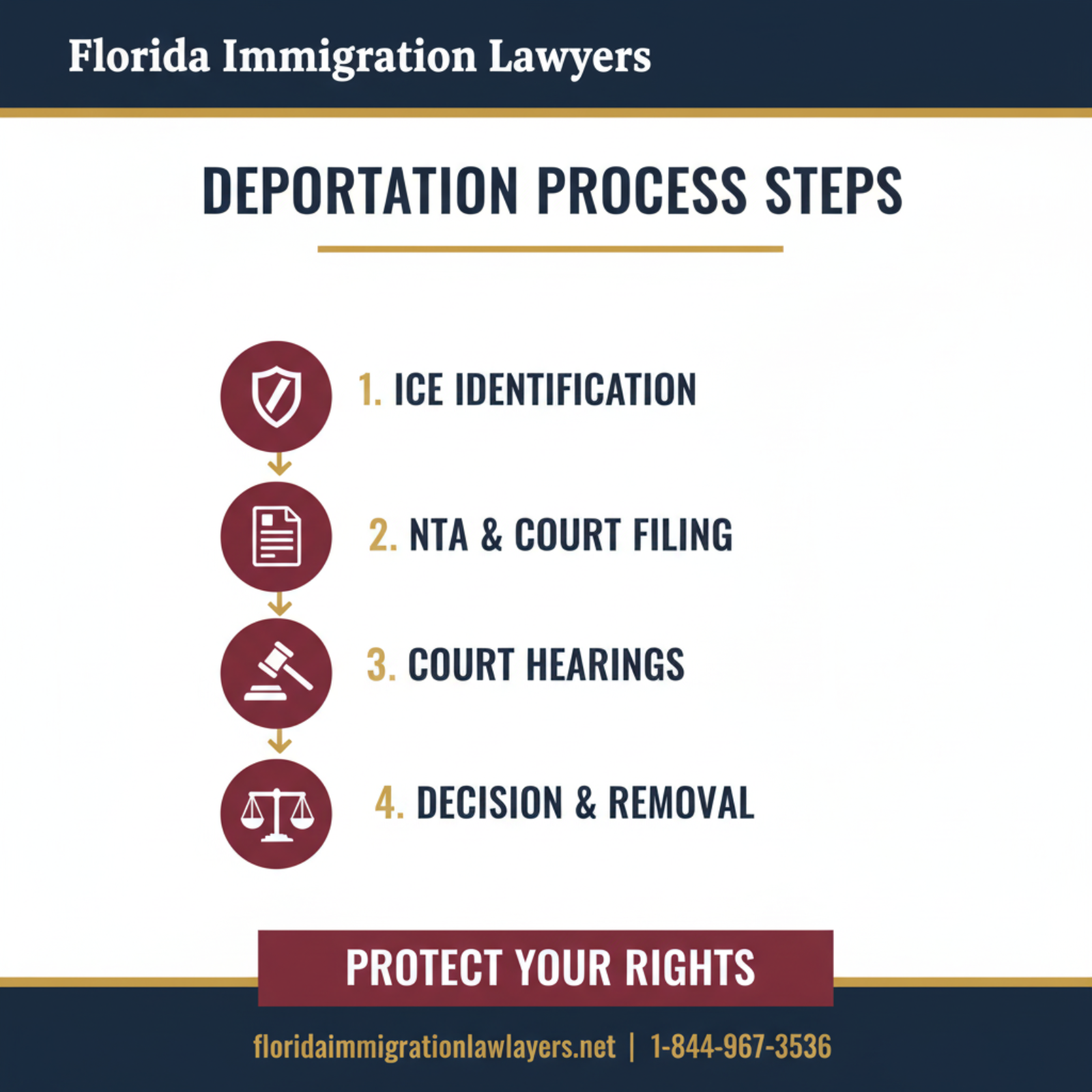
Receiving a Notice to Appear (NTA) for removal proceedings can be terrifying. However, taking immediate and informed action is crucial. Here is a general step-by-step guide on how to navigate a deportation order in Florida, keeping the lessons from the **Abrego Garcia deportation** in mind:
-
Receive Notice to Appear (NTA): This document from the Department of Homeland Security (DHS) formally notifies you of the government's intent to deport you. It lists the reasons for your deportability and the date and time of your first hearing before an immigration judge. Do not ignore this document under any circumstances.
-
Seek Legal Counsel Immediately: As soon as you receive an NTA, it is imperative to contact an experienced **deportation lawyer Hialeah** or elsewhere in Florida. An attorney can review your NTA, explain the charges against you, and advise you on the best course of action. This early intervention is critical for building a strong defense.
-
Understand Your Rights: You have the right to legal representation, though not at government expense. You also have the right to present evidence, call witnesses, and cross-examine government witnesses. Your attorney will ensure these due process rights are protected throughout the proceedings.
-
Attend All Hearings: It is absolutely critical to attend every scheduled hearing before the immigration court. Missing a hearing can result in an order of removal being issued against you in absentia, making it significantly harder to fight your deportation. Keep detailed records of all court dates and communications.
-
Explore Forms of Relief: Your attorney will assess your eligibility for various forms of relief from removal. These may include asylum, cancellation of removal for certain non-permanent residents, adjustment of status, waivers, or voluntary departure. Each form of relief has specific eligibility requirements, which your lawyer will help you understand. For example, if you fear persecution, you may be eligible for asylum.
-
Prepare Your Defense: This involves gathering all necessary documents, evidence, and witness testimonies to support your case. Your lawyer will guide you through this process, ensuring all relevant information is presented to the immigration judge. A well-prepared defense is essential to counter the government's allegations.
-
Appeal Decisions (if necessary): If the immigration judge rules against you, you generally have the right to appeal the decision to the Board of Immigration Appeals (BIA). Your attorney can help you determine if an appeal is appropriate and guide you through the complex appeal process. This step is crucial for ensuring all legal avenues are explored.
The U.S. Department of Justice's Executive Office for Immigration Review (EOIR) oversees immigration courts and the BIA. For more information on the immigration court system, you can visit justice.gov/eoir.
Essential Document Checklist for Your Abrego Garcia Deportation Defense
A robust defense against deportation, especially in cases reminiscent of the **Abrego Garcia deportation**, hinges on thorough documentation. Gathering the correct papers can significantly strengthen your case before an immigration judge. Here is a checklist of documents typically required, though your specific situation may necessitate others:
- Notice to Appear (NTA): The official document initiating your removal proceedings.
- Proof of Identity: Passport, birth certificate, national ID card.
- Proof of Residency in the U.S.: Utility bills, lease agreements, property deeds, bank statements, school records, showing continuous presence in Florida.
- Family Relationship Documents: Marriage certificates, birth certificates of U.S. citizen or permanent resident spouses, children, or parents. This is particularly relevant for family-based immigration defenses.
- Employment History: Pay stubs, tax returns (W-2s, 1099s), employment verification letters, showing your contributions and ties to the community in Florida.
- Evidence of Good Moral Character: Letters of recommendation from employers, community leaders, religious figures, volunteer records, awards, and certifications.
- Criminal Records (if any): Certified disposition documents for any arrests or convictions, demonstrating the final outcome of any legal issues.
- Any Prior Immigration Applications or Decisions: Copies of previous visa applications, green card petitions, asylum claims, or any other immigration-related paperwork.
- Medical Records: If you are seeking humanitarian relief or asylum based on medical conditions or past persecution, relevant medical and psychological evaluations.
- Evidence of Hardship: Documents demonstrating extreme hardship to qualifying U.S. citizen or permanent resident family members if you were to be deported.
Your **immigration defense Florida** attorney will help you identify and organize these crucial documents. A well-prepared document portfolio can significantly impact the outcome of your case in the Miami or Orlando Immigration Court.
Timeline and Processing Expectations for Florida Deportation Cases
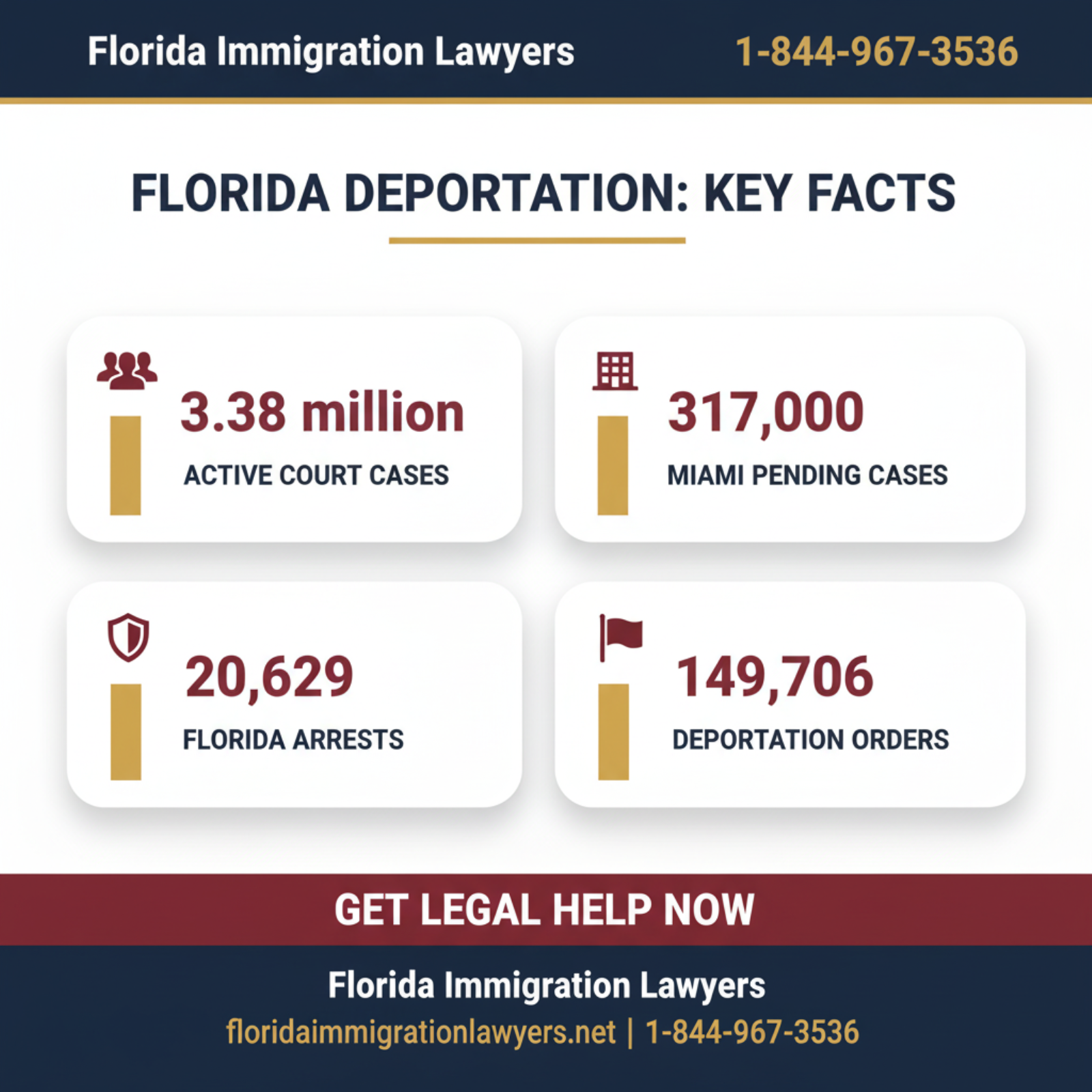
The timeline for deportation cases in Florida, much like the broader U.S., can vary significantly. There is no one-size-fits-all answer, as the duration depends on numerous factors, including the complexity of your case, the specific immigration court (e.g., Miami or Orlando), and the current backlog of cases. Cases involving **ICE detention Florida** residents face often proceed more quickly due to statutory deadlines for bond hearings and detained dockets.
Generally, a deportation case can take anywhere from a few months to several years to resolve. Initial hearings, known as master calendar hearings, are usually scheduled within weeks or a few months of receiving your NTA. Individual hearings, where evidence is presented and arguments are made, can be scheduled much further out, sometimes over a year from the initial hearing, especially in non-detained cases.
Factors influencing the timeline include:
- Detention Status: Detained individuals often have their cases expedited.
- Case Complexity: Cases involving criminal convictions, multiple forms of relief, or appeals to the BIA will take longer.
- Court Caseload: Immigration courts in Florida, particularly in densely populated areas like Hialeah, often have heavy caseloads, leading to delays.
- Availability of Evidence and Witnesses: Delays can occur if crucial evidence is difficult to obtain or witnesses are unavailable.
- Government Appeals: The Department of Homeland Security can appeal adverse decisions, extending the process.
While USCIS generally handles benefit applications, the Executive Office for Immigration Review (EOIR) manages deportation proceedings. However, some forms of relief, like adjustment of status, may involve coordination with USCIS. You can find general processing times for USCIS applications at uscis.gov/processing-times, but remember that deportation case timelines are dictated by immigration court schedules.
Cost Factors and Fee Breakdown in Florida Deportation Defense
Understanding the potential costs associated with a deportation defense in Florida is an important aspect of preparing your case. Legal fees can vary widely based on the complexity of your situation, the forms of relief pursued, and the experience of your **deportation lawyer Hialeah** or other Florida attorney. It is crucial to have a clear understanding of these costs upfront.
Key cost factors typically include:
- Legal Fees: Attorneys may charge hourly rates or a flat fee for specific stages of the deportation process. Flat fees are common for bond hearings, master calendar hearings, and individual hearings. Complex cases requiring extensive research, multiple filings, or appeals will generally incur higher legal fees. A retainer is often required at the beginning of the representation.
- Government Filing Fees: While the immigration court does not typically charge fees for removal proceedings themselves, filing applications for relief from deportation (e.g., Application for Asylum and for Withholding of Removal, Application for Cancellation of Removal, or Application to Adjust Status) may require separate government filing fees. These fees are set by USCIS and are subject to change, so it's always best to check the most current fee schedule on the USCIS website.
- Ancillary Costs: These can include expenses for document translation, expert witness fees (e.g., psychological evaluations for asylum claims or hardship waivers), travel expenses for witnesses, and fees for obtaining certified records (e.g., criminal records or birth certificates).
While the costs can seem daunting, investing in experienced legal representation is invaluable. An attorney can help you navigate the system efficiently, avoid costly mistakes, and significantly increase your chances of a favorable outcome. Many firms, including Florida Immigration Lawyers, offer payment plans to help manage these expenses. Do not let financial concerns prevent you from seeking the legal help you need.
Do not navigate this process alone. The complexities of immigration law, especially concerning deportation, require seasoned expertise. Contact Florida Immigration Lawyers today at 1-844-967-3536 for dedicated legal support and a free consultation.
Common Mistakes to Avoid in Florida Deportation Cases
Facing a potential **abrego garcia deportation** scenario can be overwhelming, leading to mistakes that can jeopardize your case. Being aware of these common pitfalls can help you avoid them:
-
Missing Court Hearings: Failing to appear for any scheduled immigration court hearing can result in an order of removal in absentia. This means the judge orders your deportation without hearing your side, making it extremely difficult to reverse.
-
Failing to Disclose Criminal History: Attempting to hide past arrests or convictions, even minor ones, can be detrimental. Immigration authorities have access to these records, and a lack of candor can lead to accusations of misrepresentation, potentially barring you from relief.
-
Providing False Information: Any false statement or document provided to immigration officials or the court can lead to serious consequences, including permanent bars from immigration benefits and even criminal charges. Always be truthful and accurate.
-
Not Seeking Legal Counsel Promptly: Delaying consultation with an experienced **immigration defense Florida** attorney can mean missed deadlines, forfeited opportunities for relief, and a weaker overall defense strategy. Time is often of the essence in deportation cases.
-
Voluntarily Departing Without Understanding Consequences: Agreeing to voluntary departure might seem like an easy way out, but it can have long-term consequences, including bars to future re-entry. Always consult an attorney before making such a decision.
-
Ignoring Deadlines: Immigration proceedings are strict with deadlines for filing documents, appeals, and responses. Missing these deadlines can lead to the denial of applications or the loss of the right to appeal.
-
Not Gathering Sufficient Evidence: A weak case often stems from insufficient supporting documentation or testimony. Your attorney will guide you on what evidence is needed, but it's your responsibility to help gather it diligently.
When to Call a Lawyer for Your Immigration Case in Florida
The complexities of immigration law, particularly regarding deportation, mean that legal representation is almost always advisable. While cases like the **Abrego Garcia deportation** highlight extreme circumstances, many situations warrant immediate legal intervention. Here are specific scenarios where you should contact Florida Immigration Lawyers:
- You have received a Notice to Appear (NTA) for removal proceedings. This is the most critical juncture to seek legal counsel.
- You or a loved one are in ICE detention in Florida. Our firm can assist with bond hearings and strategies for release, navigating the specifics of **ICE detention Florida** facilities.
- You are facing a denied asylum claim or other immigration benefit. An attorney can help you understand the reasons for denial and explore options for appeal or reconsideration.
- You have a prior deportation order and have re-entered the U.S. This situation carries severe penalties, and immediate legal advice is essential.
- You have a criminal record, even a minor one, and are concerned about its impact on your immigration status. Certain convictions can trigger deportability.
- You are a lawful permanent resident who has been accused of a deportable offense. Even green card holders can face deportation.
- You are unsure about your immigration status or believe you might be at risk of deportation. Proactive legal advice can prevent future problems.
Do not wait until it is too late. The early involvement of an experienced **deportation lawyer Hialeah** or anywhere in Florida can significantly improve your chances of a positive outcome. Our attorneys at Florida Immigration Lawyers are ready to provide the guidance and robust defense you deserve.
About Florida Immigration Lawyers
Florida Immigration Lawyers is a leading immigration law firm dedicated to serving individuals and families across the entire state of Florida. With a deep understanding of U.S. immigration law and a compassionate approach, we are committed to providing exceptional legal representation to our diverse clientele. Our team of experienced attorneys is passionate about helping immigrants achieve their American dreams and navigate the often-challenging legal landscape.
We offer a comprehensive range of immigration services, including deportation defense, asylum claims, family-based immigration, business immigration, citizenship applications, and more. Our firm prides itself on personalized attention, strategic advocacy, and unwavering support for every client. We understand the unique concerns of Florida's immigrant communities, from Miami to Orlando, Tampa to Jacksonville.
Choosing Florida Immigration Lawyers means selecting a partner who will stand by you every step of the way. We are available 24/7 to address urgent concerns and offer free consultations to help you understand your options without financial commitment. Our commitment to justice and our clients' well-being is at the core of everything we do. For dedicated and effective legal assistance, contact us today.
Phone: 1-844-967-3536
Website: https://www.floridaimmigrationlawyers.net
Sources and References
- U.S. Citizenship and Immigration Services (USCIS)
- Executive Office for Immigration Review (EOIR)
- U.S. Department of State (travel.state.gov)
- 8 U.S.C. Chapter 12 - Immigration and Nationality Act (INA)
- INA § 240 (8 U.S.C. § 1229a) - Removal Proceedings
- 8 CFR Part 1003 - Executive Office for Immigration Review (Immigration Court Procedures)
This article provides general legal information and is not intended as legal advice. Every case is unique, and outcomes depend on specific facts and circumstances. Immigration laws are complex and subject to change. Contact an attorney for advice about your particular situation.
Facing deportation is one of the most stressful experiences an individual can endure. With the insights gained from cases like the **Abrego Garcia deportation**, it is clearer than ever that due process and skilled legal representation are non-negotiable. Do not face this challenge alone. Florida Immigration Lawyers is here to provide the compassionate and effective legal defense you need to protect your rights and your future in Florida.
Call us today for a free, confidential consultation: 1-844-967-3536. Se Habla Español - Estamos aquí para ayudarle.
Need help with Immigration?
Our Florida immigration attorneys offer free consultations. Call today or schedule online.
Frequently Asked Questions
Florida Immigration Lawyers
Legal Team
Our experienced attorneys at Florida Immigration Lawyers have been serving clients across Florida for over 20 years. We specialize in immigration, personal injury, criminal defense, workers compensation, and family law.