Florida Green Card Holder ICE Detention: Rights &...
For green card holders in Florida, facing detention by U.S. Immigration and Customs Enforcement (ICE) can be a terrifying reality. While a green card offers significant protections, it does not provide absolute immunity from detention or deportation, particularly if certain criminal convictions or immigration violations occur. This comprehensive guide from Florida Immigration Lawyers in Hollywood, FL, explains why lawful permanent residents might be detained, outlines your critical rights during an ICE encounter, and provides a step-by-step approach if you or a loved one is taken into custody. Learn about the importance of legal counsel, essential documents for your defense, and how to navigate the complex immigration bond process. We also cover common mistakes to avoid that could jeopardize your case. If you are an LPR concerned about your status or facing ICE detention in 2026, understanding these details is vital. Florida Immigration Lawyers offers free consultations and is available 24/7 to provide immediate assistance and expert deportation defense across Florida.

Green card holders, also known as Lawful Permanent Residents (LPRs), can be detained by U.S. Immigration and Customs Enforcement (ICE) primarily due to certain criminal convictions, immigration violations, or instances of misrepresentation. While possessing a green card provides significant protection, it does not grant absolute immunity from detention or potential deportation. Understanding your legal rights and securing experienced legal representation immediately are crucial steps if you or a loved one faces such a situation in Florida.
- Green card holders face detention risks for specific criminal offenses or serious immigration issues.
- Legal representation is vital for challenging detention and navigating deportation proceedings.
- You retain due process rights even if detained by ICE.
- An immigration bond may be available to secure release from detention.
- Seeking immediate legal counsel from an immigration lawyer is the best course of action.
Imagine you have built a life in Florida, secured your green card, and feel a sense of stability and belonging. Then, unexpectedly, you or a loved one faces detention by U.S. Immigration and Customs Enforcement (ICE). This can be a terrifying and confusing experience, leaving you with urgent questions about your rights and future. In 2026, the landscape of immigration law continues to evolve, making expert guidance more critical than ever.
This comprehensive guide from Florida Immigration Lawyers aims to demystify the complex process surrounding green card holder ICE detention in Florida. We will explore the reasons for detention, your legal rights, the steps to take, and how to effectively fight for your freedom and right to remain in the United States. If you are facing detention or have concerns about your immigration status, do not hesitate to seek professional legal advice.
Your future in Florida is too important to leave to chance. Call Florida Immigration Lawyers at 1-844-967-3536 for a free consultation to discuss your specific situation and understand your options.
Understanding Green Card Holder ICE Detention in Florida
A green card, officially known as a Permanent Resident Card, grants foreign nationals the legal right to live and work permanently in the United States. It signifies lawful permanent resident (LPR) status, offering many benefits and protections. However, this status is not absolute and can be revoked under specific circumstances, leading to detention and potential deportation.
U.S. Immigration and Customs Enforcement (ICE) is the federal agency responsible for enforcing immigration laws within the U.S. interior. Their duties include identifying, apprehending, and detaining noncitizens who violate immigration laws. This includes lawful permanent residents if they are deemed deportable under the Immigration and Nationality Act (INA).
In Florida, particularly in areas like Hollywood and surrounding communities, ICE maintains a significant presence. They operate detention facilities and conduct enforcement actions to identify individuals who may be subject to removal. Understanding that even green card holders can fall under ICE's jurisdiction is a critical first step in protecting your rights.
If you are an LPR facing detention, it is crucial to remember that you still have rights. Your green card provides a strong defense against arbitrary detention, but certain actions or past events can put your status at risk. For more information on protecting your residency, visit our immigration practice area page or the official U.S. Citizenship and Immigration Services (USCIS) website.
Common Reasons for Lawful Permanent Resident Detention
Many green card holders wonder, "Can ICE detain you if you have a green card?" The answer is yes, but only under specific legal grounds outlined in federal law. Your green card provides significant protection, but it does not make you immune to detention or deportation if certain conditions are met. Understanding these conditions is vital for all LPRs in Florida.
Criminal Grounds for Deportation
One of the most common reasons for lawful permanent resident detention and subsequent deportation proceedings stems from criminal convictions. While not every criminal offense leads to deportation, certain types of crimes are considered particularly severe. These include:
- Aggravated Felonies: This broad category encompasses a wide range of crimes, from murder and rape to drug trafficking, certain theft offenses, and fraud. A conviction for an aggravated felony almost always leads to detention and deportation, with very limited relief options.
- Crimes Involving Moral Turpitude (CIMT): These are offenses that involve an act of depravity or baseness, such as serious assault, certain theft crimes, or fraud. Even a single CIMT conviction can trigger deportation proceedings, especially if committed within five years of admission or if you have multiple CIMT convictions.
- Controlled Substance Offenses: Convictions related to illegal drugs, even for minor possession, can make a green card holder deportable, except for a single offense of possession for personal use of 30 grams or less of marijuana.
- Firearms Offenses: Certain violations involving firearms can also lead to deportation.
- Domestic Violence and Child Abuse: Convictions for these types of offenses are serious grounds for removal.
These criminal grounds are codified in the Immigration and Nationality Act, specifically INA § 237 (8 U.S.C. § 1227), which outlines the classes of deportable aliens. It is critical for any green card holder in Florida facing criminal charges to consult with an attorney specializing in both criminal defense and immigration law.
Immigration Violations and Other Grounds
Beyond criminal conduct, green card holders can also face detention and deportation for immigration-related violations. These include:
- Visa Fraud or Misrepresentation: If it's discovered that you obtained your green card through fraud or misrepresentation of a material fact, your status can be revoked.
- Abandonment of Residency: Spending too much time outside the U.S. (typically over 6 months to a year) without demonstrating an intent to return can be interpreted as abandoning your permanent residency. This can lead to issues upon re-entry.
- Failure to Register: LPRs are required to notify USCIS of any change of address within 10 days. Failure to do so can be a deportable offense, though it is rarely pursued unless combined with other violations.
- National Security Grounds: Involvement in terrorist activities or other activities deemed a threat to national security can lead to immediate detention and deportation.
These reasons highlight that lawful permanent resident detention is a serious matter, often initiated when an LPR comes to the attention of law enforcement or immigration authorities. Whether through a routine traffic stop, an arrest, or even upon returning to the U.S. at an airport, the risk exists if these grounds apply. This directly answers the question, "Can green card holders be deported right now?" Yes, if they meet the grounds for deportability.
What to Do If You or a Loved One is Detained: A Step-by-Step Guide
Being detained by ICE can be a frightening experience, especially for green card holders who believe their status offers full protection. Knowing your rights and the proper steps to take can significantly impact the outcome of your case. This guide is for immediate action in Florida.
-
Remain Calm and Do Not Resist: It is crucial to stay calm and avoid any physical or verbal resistance. Resisting arrest or detention can lead to additional criminal charges that complicate your immigration case significantly. Cooperate physically, but remember your rights.
-
Do Not Sign Anything Without Legal Review: ICE agents may present you with documents to sign. These could include a Notice to Appear (NTA), a voluntary departure agreement, or a waiver of your rights. Never sign any document without first having an attorney review it. Signing certain documents can waive your right to a hearing or make it easier for ICE to deport you.
-
Exercise Your Right to Remain Silent: You have the right to remain silent. You are not required to answer questions about your immigration status, your country of origin, or how you entered the U.S. beyond providing your name. Simply state, "I wish to remain silent and speak with my attorney."
-
Request to Speak with an Attorney Immediately: This is your most important right. Clearly and repeatedly state that you want to speak with an attorney. ICE must provide you with a list of pro bono legal service providers, but it is best to have an attorney already lined up or to contact Florida Immigration Lawyers directly.
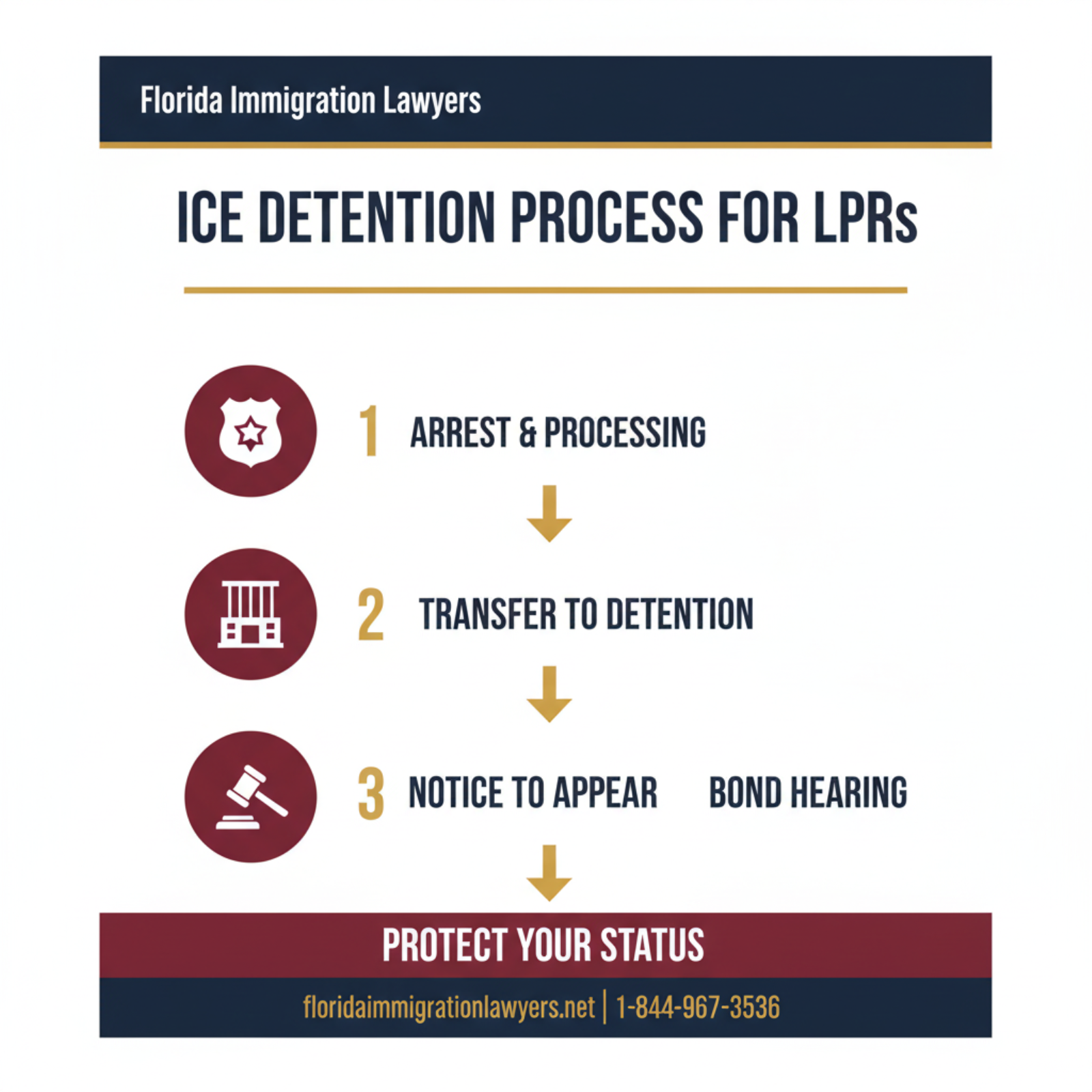
Step-by-Step Process Guide -
Identify the Detaining Agency and Location: Try to ascertain which agency has detained you (e.g., ICE, CBP, local police). Also, ask for the name and location of the detention facility where you will be held. This information is critical for your family and attorney to locate you.
-
Gather Information for Your Attorney: If possible, try to remember any details about your arrest, the officers involved, and any documents you were given. This information will be invaluable to your attorney. If you have your A-number (Alien Registration Number) memorized, provide it to your family or lawyer.
-
Contact Florida Immigration Lawyers: As soon as you or a loved one is detained, contact us. Our experienced attorneys are available to provide immediate assistance. We can help you understand the charges, explore bond options, and begin building a robust defense strategy. Visit our contact page to reach out immediately.
Essential Documents for Your Deportation Defense in Florida
Preparing a comprehensive set of documents is crucial for mounting an effective deportation defense, especially when facing green card holder ICE detention. These documents serve as evidence of your eligibility to remain in the U.S. and can help an immigration judge make a favorable decision. Collecting these items promptly can significantly strengthen your case.
- Green Card (Form I-551): Your original Permanent Resident Card is the primary proof of your LPR status.
- Proof of Continuous Residence and Physical Presence: Documents demonstrating your long-term ties to Florida and the U.S. are vital. This includes utility bills, lease agreements or property deeds, tax returns (going back several years), employment records, school records for children, and bank statements.
- Family Relationship Documents: If you have U.S. citizen or LPR family members, especially a spouse, children, or parents, these relationships can be a basis for relief. Provide marriage certificates, birth certificates, and copies of their immigration documents.
- Criminal Records and Dispositions: Obtain certified copies of all arrest records, charging documents, plea agreements, court dispositions, and sentencing orders for any criminal history. This allows your attorney to accurately assess the immigration consequences of your convictions.
- Evidence of Rehabilitation and Good Moral Character: Letters of recommendation from employers, community leaders, and family members, proof of community service, enrollment in counseling or rehabilitation programs, and membership in religious or civic organizations can demonstrate your positive contributions.
- Medical Records: If you or a family member has serious medical conditions that would be difficult to treat in your home country, these records can support claims for certain forms of relief.
- Any Previous Immigration Documents: Copies of all past immigration applications (e.g., I-130, I-485, I-765, I-140), approval notices, and any communication from USCIS or the Executive Office for Immigration Review (EOIR).
- Travel Records: A record of your entries and exits from the U.S. can be important, especially if abandonment of residency is a potential issue.
Navigating the Immigration Bond Process and Release
For many facing lawful permanent resident detention, securing release on an immigration bond is a primary goal. An immigration bond allows a detained individual to be released from ICE custody while their immigration case proceeds. This enables them to prepare their defense from outside detention, which is often a significant advantage.
Eligibility for an Immigration Bond
Not all detained green card holders are eligible for an immigration bond. Eligibility is determined by an Immigration Judge, who considers several factors, including:
- Flight Risk: The likelihood that the individual will appear for all future court hearings. Factors like family ties in Florida, employment history, and lack of a criminal record can weigh in favor of lower flight risk.
- Danger to the Community: Whether the individual poses a threat to the safety of others. Serious criminal convictions, especially those involving violence, can significantly reduce the chances of bond.
- Mandatory Detention: Certain criminal convictions, particularly aggravated felonies, trigger mandatory detention under federal law (8 CFR § 236.1(c)). This means the individual is generally not eligible for bond, regardless of other factors.
An experienced attorney from Florida Immigration Lawyers can assess your eligibility for an immigration bond in Florida and advise on the best strategy for your bond hearing.
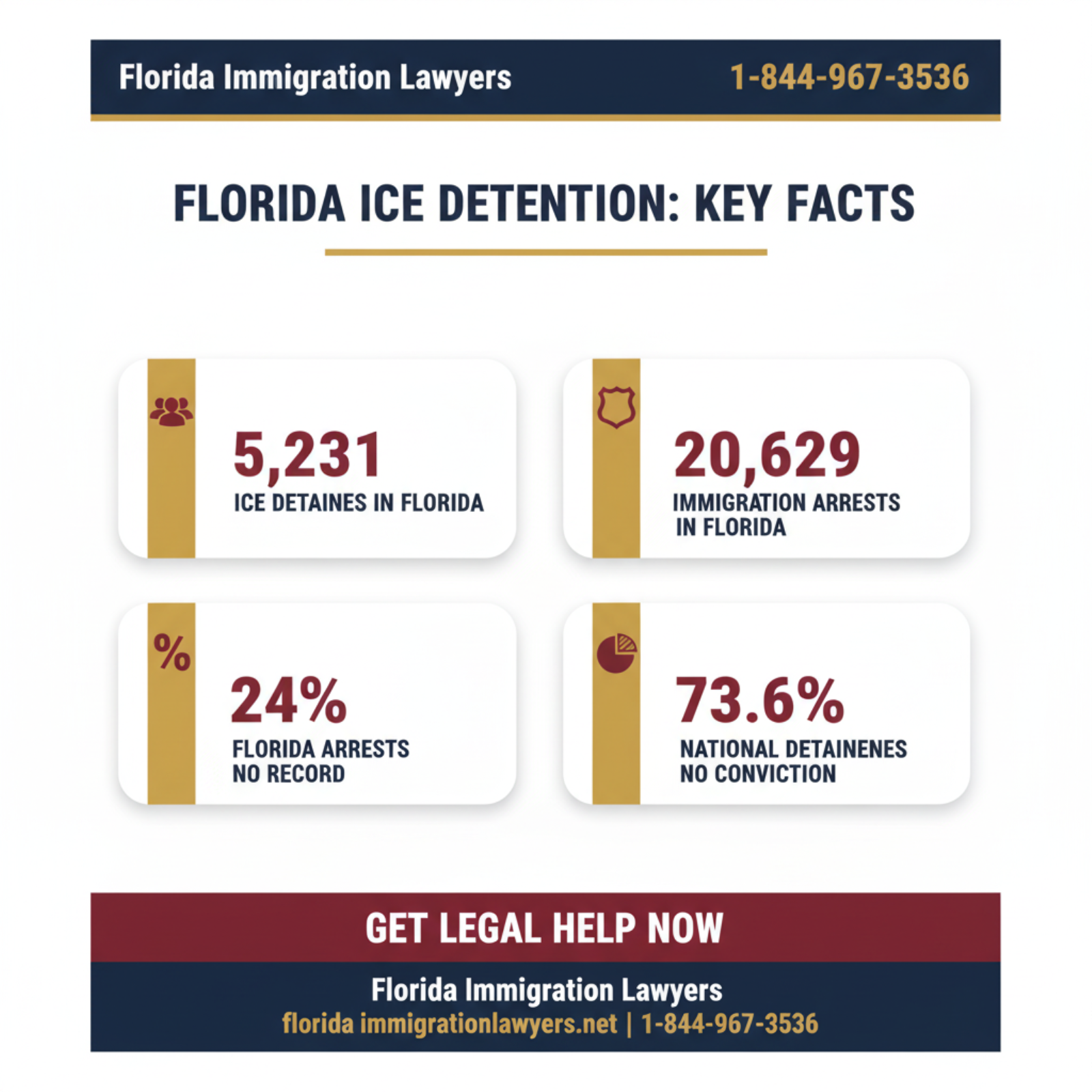
How a Bond Hearing Works
A bond hearing is a formal proceeding before an Immigration Judge. During the hearing, your attorney will present arguments and evidence demonstrating that you are not a flight risk and do not pose a danger to the community. This may involve presenting:
- Testimony from family members and community members in Florida.
- Proof of employment and financial stability.
- Evidence of strong community ties, such as property ownership, school enrollment for children, and church membership.
- A detailed explanation of your criminal history, if any, highlighting any mitigating circumstances or rehabilitation efforts.
The Immigration Judge will then decide whether to grant a bond and, if so, the amount. Bond amounts can vary widely, typically ranging from a few thousand dollars to tens of thousands. Our attorneys are skilled at presenting compelling arguments to secure the lowest possible bond amount for our clients.
Timeline and Processing Expectations for Detention Cases
The timeline for immigration detention cases involving green card holders in Florida can be highly variable. There is no fixed duration, as each case depends on its specific facts, the complexity of the legal issues, and the caseload of the immigration courts. However, understanding general expectations can help manage the process.
Initially, after detention, an individual will typically receive a Notice to Appear (NTA), which formally initiates deportation proceedings. The first hearing, known as a Master Calendar Hearing, may occur within a few weeks to several months, depending on the court's schedule. Immigration courts in Florida, like the one in Miami or Orlando, often face significant backlogs, leading to delays.
If a bond is granted and posted, the individual can be released, but the deportation case continues. If a bond is denied or not posted, the individual remains in ICE custody throughout the proceedings. Contested cases, involving multiple hearings, applications for relief, and appeals, can stretch on for many months, sometimes even years.
Factors influencing the timeline include the specific grounds for deportation, the availability of relief from removal, the need for expert witnesses, and the appeals process. Working with an attorney who understands the nuances of the Executive Office for Immigration Review (EOIR) system, which oversees immigration courts, is crucial for navigating these timelines effectively. You can learn more about immigration court proceedings on the Department of Justice's EOIR website.
Cost Factors and Legal Fees in Detention Cases
Addressing green card holder ICE detention involves various costs, and it is important for individuals and their families in Florida to be prepared. These costs typically fall into two main categories: legal fees and potential bond amounts.
Legal Fees: The cost of legal representation can vary significantly based on the complexity of the case, the experience of the attorney, and the amount of work required. Immigration lawyers may charge hourly rates or offer flat fees for specific services, such as bond hearings, deportation defense, or appeals. Engaging an attorney for a comprehensive deportation defense is a significant investment, but it is an investment in your freedom and your future in the United States.
Bond Amounts: If an immigration bond is granted, the amount can range from a few thousand dollars to tens of thousands, depending on the judge's assessment of flight risk and danger to the community. This money must be paid to ICE to secure release. While the bond amount is often returned once the case concludes (provided all court appearances are met), it represents a substantial upfront cost.
Additional costs may include filing fees for any applications for relief from removal, translation services for documents, and travel expenses for witnesses. Florida Immigration Lawyers believes in transparent fee structures and will discuss all potential costs with you during your initial consultation. We understand the financial strain these situations can cause and work with our clients to find suitable arrangements.
Do not navigate this process alone. Contact Florida Immigration Lawyers today to understand the potential costs and how we can assist you in your detention case.
Common Mistakes to Avoid in ICE Detention Cases
When facing ICE detention as a green card holder, even seemingly minor missteps can have severe and lasting consequences for your immigration case. Avoiding these common mistakes is crucial for protecting your rights and maximizing your chances of a favorable outcome in Florida.
-
Lying to Immigration Officials: Providing false information or making misrepresentations to ICE or any immigration officer can lead to additional charges of fraud, which are serious grounds for deportation and can bar you from future immigration benefits.
-
Signing Documents Without Understanding: Never sign any document presented by an immigration official without fully understanding its contents and implications, and without your attorney's review. You could unknowingly waive critical rights, such as your right to an immigration court hearing.
-
Failing to Disclose Criminal History Accurately: If you have any past arrests or convictions, it is vital to disclose them truthfully and completely to your immigration attorney. Hiding information can severely undermine your defense strategy and lead to accusations of misrepresentation.
-
Missing Court Dates: Failure to appear for scheduled immigration court hearings will almost certainly result in an in absentia order of deportation, making it incredibly difficult to reopen your case and fight for your right to remain in the U.S.
-
Not Seeking Legal Counsel Promptly: Delaying in contacting an experienced immigration attorney can mean missed deadlines, forfeited opportunities for bond, and a weaker defense. The sooner you engage legal help, the better your chances.
-
Abandoning Your Green Card: If you are detained, do not give up your green card or sign any document stating you wish to return to your home country without fighting your case. This is a common tactic used by ICE, and doing so will result in immediate deportation.
-
Traveling Internationally Without Proper Advice: If you have any criminal history, even minor, or pending immigration issues, traveling outside the U.S. can put you at risk of detention upon re-entry, especially at Florida's international airports. Always consult an attorney before international travel.
-
Assuming Your Green Card Protects You From Everything: While a green card offers significant protection, it is not absolute. Certain actions or convictions can jeopardize your status. Understanding these limitations is crucial, particularly for green card holders in Florida.
-
Not Updating Your Address with USCIS and EOIR: LPRs are legally required to inform USCIS of any change of address within 10 days. If you are in deportation proceedings, you must also inform the immigration court (EOIR) of your current address. Failure to do so means you might not receive important notices, including hearing dates.
-
Discussing Your Case with Others in Detention: Be cautious about discussing the specifics of your immigration case with other detainees. Information shared could be misinterpreted or used against you. Confine discussions about your case to your attorney and trusted family members.
When to Call a Lawyer for Green Card Holder ICE Detention
Knowing when to seek legal counsel is paramount for green card holders in Florida, especially when dealing with the complexities of ICE. The moment you suspect an issue or directly encounter immigration enforcement, it is time to call an attorney. Proactive legal intervention can make all the difference in your case.
You should immediately contact Florida Immigration Lawyers if:
- You are contacted by ICE or CBP: Any interaction, even seemingly informal questions, warrants legal advice.
- You are arrested by local law enforcement: Even for minor offenses, an arrest can trigger an ICE detainer, leading to detention.
- You receive a Notice to Appear (NTA): This document formally begins deportation proceedings against you.
- You are denied entry into the U.S.: If you are an LPR returning to a Florida port of entry and are stopped or questioned extensively by Customs and Border Protection (CBP).
- You have a criminal record: If you have any past convictions, particularly those for aggravated felonies or crimes involving moral turpitude, your green card status may be at risk.
- You are concerned about your residency status: If you have spent extended periods outside the U.S. or believe your green card might be considered abandoned.
Florida Immigration Lawyers specializes in deportation defense and navigating complex immigration detention cases. Our experienced attorneys understand the specific challenges faced by green card holders in Florida, including those in Hollywood and surrounding areas. We can represent you in bond hearings, fight against removal, and explore all available forms of relief. Do not wait until it is too late; early intervention is key to a successful outcome.
About Florida Immigration Lawyers
Florida Immigration Lawyers is a leading immigration law firm dedicated to serving individuals and families across the entire state of Florida. With years of specialized experience, our team provides compassionate yet aggressive legal representation for a wide range of immigration matters, from family-based petitions and citizenship applications to complex deportation defense cases.
We understand that immigration challenges can be incredibly stressful and life-altering. Our mission is to provide clear, reliable legal guidance and unwavering support to our clients. We pride ourselves on our deep knowledge of immigration law, our commitment to personalized service, and our proven track record of achieving favorable outcomes for those we represent.
When you choose Florida Immigration Lawyers, you gain a dedicated advocate who will tirelessly protect your rights and fight for your future. We offer free consultations to assess your situation and explain your options, ensuring you feel empowered and informed every step of the way. Our team is available 24/7 to address urgent needs, and we proudly offer bilingual services (English and Spanish) to ensure effective communication for all our clients.
We serve all of Florida, including Hollywood, Miami, Orlando, Tampa, and beyond. Let us be your trusted legal partner in navigating the complexities of U.S. immigration law. Call us today at 1-844-967-3536 or visit https://www.floridaimmigrationlawyers.net to learn more about how we can help you with your immigration needs.
Sources and References
- U.S. Citizenship and Immigration Services (USCIS)
- Executive Office for Immigration Review (EOIR)
- 8 U.S.C. Chapter 12 - Immigration and Nationality Act (INA)
- INA § 237 (8 U.S.C. § 1227) - Deportable Aliens
- 8 CFR § 236 - Detention and Release of Alien Detained by the Service
This article provides general legal information and is not intended as legal advice. Every case is unique, and outcomes depend on specific facts and circumstances. Immigration laws are complex and subject to change. Contact an attorney for advice about your particular situation.
Facing ICE detention as a green card holder in Florida is an intensely challenging situation, but you do not have to face it alone. The experienced and empathetic legal team at Florida Immigration Lawyers is here to protect your rights, advocate for your release, and fight for your ability to remain in the United States. We are committed to providing the aggressive and knowledgeable representation you deserve.
Contact Florida Immigration Lawyers today for a free, confidential consultation. Call us at 1-844-967-3536. Se Habla Español - Estamos aquí para ayudarle.
Do Not Navigate This Process Alone
Our experienced immigration attorneys are ready to fight for you. Get a free, confidential consultation today.
Se Habla Español
Frequently Asked Questions
Florida Immigration Lawyers
Immigration Attorney | Founder, Vasquez Law Firm
U.S. Air Force veteran and immigration attorney with thousands of cases resolved. J.D., NCCU School of Law. AILA member. Admitted to the 4th, 5th, and 11th Circuit Courts.
Available 24/7 - Free Evaluations
Related Legal Services
Our Florida immigration attorneys can help you with family immigration services, immigration practice areas and free immigration consultation. Call today at 1-844-967-3536 for a free consultation.
Related Links
Related Topics
Free Legal Consultation
Discuss your case with our experienced attorneys. We're available 24/7.
Se Habla Español - Estamos aquí para ayudarle.
Related Articles
Understanding the O-1 Visa for Extraordinary Ability
Explore the O-1 visa, designed for individuals with extraordinary ability, and learn how to navigate the application process in Florida. Call 1-844-967-3536 for expert guidance.
J-1 Waiver Physician Placement in Florida | VLF Florida
Explore how to secure a J-1 waiver for physicians in Florida's underserved areas. Learn about the Conrad 30 program and the steps to work in St. Petersburg.
Protect Yourself from Immigration Scams in Florida
Immigration scams are a growing concern in Florida, especially in areas like Kissimmee. Learn how to protect yourself and seek legitimate help from licensed attorneys. Call Florida Immigration Lawyers for a free consultation.
Immigration Services Kissimmee Florida | Expert Legal Help
For residents of Kissimmee, Osceola County, and communities across Florida, including the vibrant Puerto Rican population, understanding the complex world of immigration services is essential. This guide from Florida Immigration Lawyers covers family petitions, employment visas, asylum, naturalization, and crucial deportation defense strategies. We provide a step-by-step overview of common processes, essential document checklists, and insights into processing timelines and costs. Learn about common mistakes to avoid and when to seek professional legal help. Our firm offers comprehensive, compassionate, and expert legal representation to help you achieve your immigration goals in Florida. We serve clients throughout the state, ensuring personalized attention and effective strategies for every unique case.
