Immigration Policy News Florida 2026: What You Need to Know
Florida's immigration policies are continually evolving, and staying informed is crucial for residents in Naples and across the state. This guide provides essential <strong>immigration policy news</strong> for 2026, covering potential changes in family-based petitions, business immigration, asylum, and enforcement. Learn about the step-by-step process for navigating new regulations, essential documents, and common mistakes to avoid. Discover when to seek professional legal assistance and how Florida Immigration Lawyers can offer expert guidance. We are dedicated to helping you understand your rights and options amidst these changes, ensuring your peace of mind.

Florida's immigration policies in 2026 continue to evolve, impacting residents across the state, including Naples. Key changes may affect visa processes, enforcement, and eligibility for benefits. Staying informed is crucial for immigrants and their families to navigate potential legal shifts effectively and protect their status.
- Stay Updated: Policies are dynamic and require continuous monitoring.
- Legal Impact: Changes can affect family petitions, employment visas, and asylum claims.
- Local Effect: Naples and other Florida communities experience direct impacts.
- Seek Counsel: Professional legal advice is vital for navigating complex changes.
- USCIS Resources: Utilize official government resources for accurate information.
Are you an immigrant in Florida, or do you have family members navigating the complex U.S. immigration system? The landscape of immigration policy is constantly shifting, and staying informed is not just helpful-it's essential for your future and peace of mind.
This comprehensive guide focuses on the latest immigration policy news for Florida in 2026. We will explore potential changes, their impact on residents in Naples and across the state, and how to prepare for what lies ahead. Our goal is to provide clear, actionable insights to help you understand your rights and options.
For personalized guidance on your specific situation, call Florida Immigration Lawyers at 1-844-967-3536 for a free consultation today. Our experienced team is ready to assist you.
Understanding Florida's Evolving Immigration Landscape
Florida's diverse population makes immigration policy news particularly relevant here. From bustling Miami to the serene communities of Naples, changes in regulations can have profound effects on individuals, families, and businesses. Florida often sees both federal and state-level actions that shape the immigrant experience.
In 2026, we anticipate continued discussions around border security, workforce needs, and family reunification. These broad themes often translate into specific legislative actions or administrative directives that impact daily life for many Floridians. Understanding the interplay between state laws and federal immigration statutes is critical for anyone residing in our beautiful state.
The legal framework for immigration is primarily federal, governed by the Immigration and Nationality Act (INA). However, state policies can influence aspects like law enforcement cooperation, access to certain state services, and even local employment practices. Our firm monitors these developments closely to provide the most current advice.
Key Immigration Policy Updates in Florida for 2026
The year 2026 is expected to bring continued evolution in immigration policies at both federal and state levels, directly affecting residents across Florida. Staying informed about these potential changes is crucial for proactive planning and maintaining your immigration status.
Impact on Family-Based Petitions
While federal law governs family petitions, state-level initiatives can sometimes create challenges or opportunities for sponsors and beneficiaries. We are monitoring any proposed changes that might affect sponsorship requirements, processing times for Florida families, or the availability of state resources. Our goal is to help you keep your family together.
Business Immigration Considerations in Naples
For employers and skilled workers in Naples and other Florida economic hubs, shifts in H-1B, L-1, or other employment-based visa categories are always a concern. The 2026 outlook suggests continued focus on workforce development and potential adjustments to visa programs. Navigating these changes requires diligent legal support. You can learn more about business immigration on our dedicated page: business immigration.
Asylum Seekers and Humanitarian Relief
Florida remains a significant entry point and destination for individuals seeking asylum and other forms of humanitarian protection. Immigration policy news regarding asylum procedures, credible fear interviews, and access to legal aid is particularly crucial for those fleeing persecution. We understand the unique challenges faced by asylum seekers. Explore our services for asylum.
Enforcement and Deportation Defense
State laws that impact cooperation with federal immigration enforcement agencies, like ICE, are always a focal point in Florida. Any new measures could influence arrest procedures, detention practices, and the overall landscape for individuals facing removal proceedings. If you or a loved one are facing such challenges, our deportation defense team is ready to help.
Citizenship and Naturalization Pathways
The path to U.S. citizenship remains a cornerstone of the immigration system. Policy discussions in 2026 may touch upon processing efficiencies or eligibility requirements, potentially affecting those living in Florida. We emphasize the importance of understanding the naturalization process and ensuring all steps are meticulously followed.
Navigating New Immigration Policies: A Step-by-Step Guide for Florida Residents
Successfully navigating changes in immigration policy news requires a methodical approach. Here is a practical, step-by-step guide to help Florida residents manage their immigration journey amidst evolving regulations.
- Stay Informed Through Official Channels: Regularly check websites like U.S. Citizenship and Immigration Services (USCIS) and the Department of State for official updates. Avoid relying solely on social media or unofficial news sources for critical immigration policy news.
- Assess Your Current Immigration Status: Understand how any new policies might specifically apply to your visa, green card, or other immigration classification. This self-assessment is the first step toward proactive planning and identifying potential impacts.
- Gather and Organize Essential Documents: Proactively collect all relevant personal and immigration documents, ensuring they are current and easily accessible. This includes passports, birth certificates, marriage licenses, past immigration filings, and financial records.
- Consult with an Experienced Immigration Lawyer: Policies are complex and their application can be nuanced. A qualified florida immigration lawyer can provide tailored advice, clarify new regulations, and help you strategize your next steps. This is especially true for residents in Naples and throughout Florida.
- Plan for Potential Changes: Discuss various scenarios with your attorney, including best-case and worst-case outcomes. This might involve expediting a filing, preparing for an interview, or understanding potential delays in processing.
- Maintain Meticulous Records: Keep copies of all correspondence, application receipts, and legal documents in a secure place. This practice is invaluable for any future interactions with immigration authorities and for proving compliance.
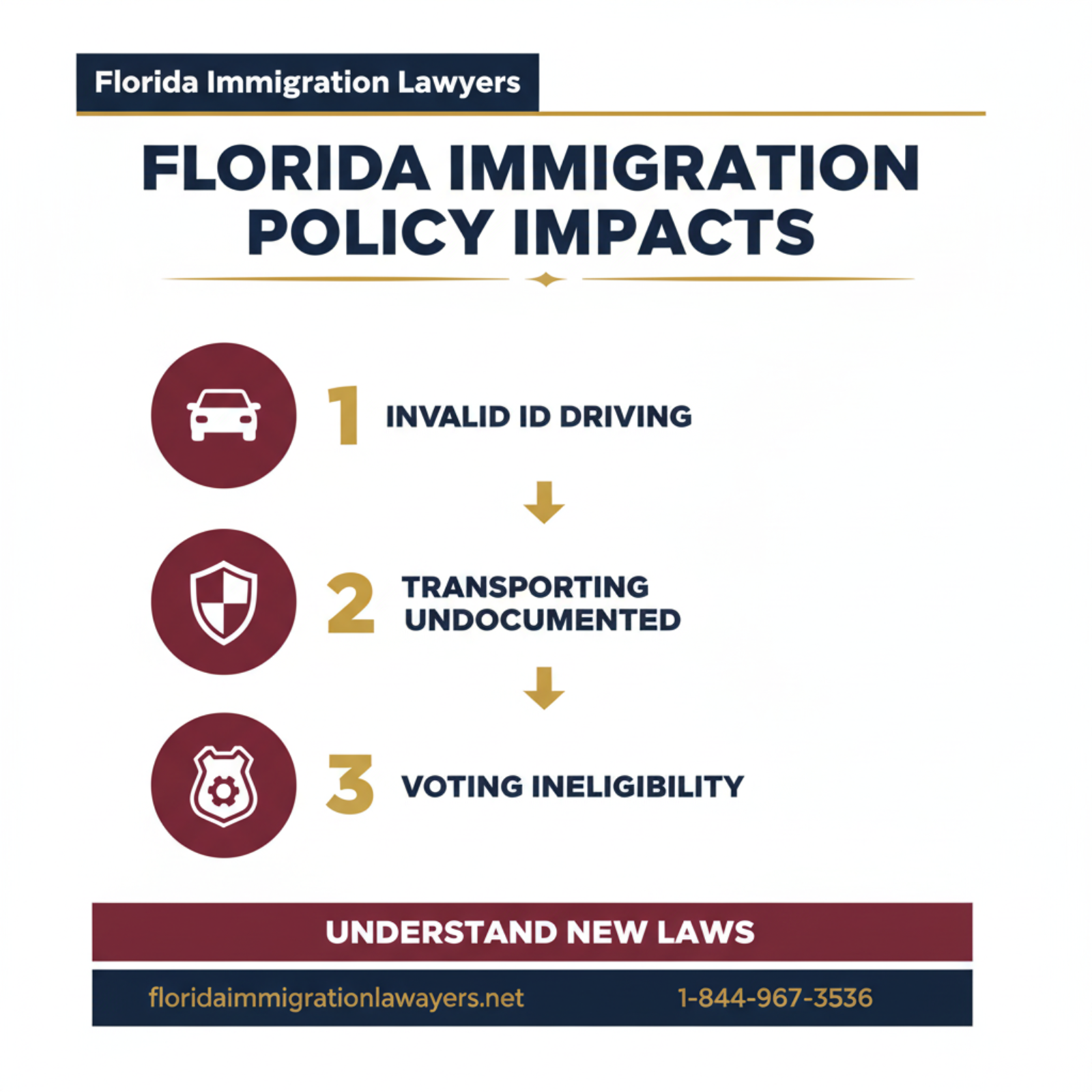
Essential Documents for Immigration Filings in Florida
When preparing for any immigration application or responding to recent immigration policy news, having your documents in order is paramount. A missing or incorrect document can significantly delay your case or even lead to a denial. Here is a general checklist of documents you may need:
- Valid Passport and travel documents
- Birth Certificates for all family members
- Marriage Certificate (if applicable)
- Divorce Decrees (if applicable)
- Previous Visa Stamps and I-94 Arrival/Departure Records
- Proof of Relationship (e.g., photos, joint bank accounts, correspondence)
- Financial Documents (e.g., tax returns, employment letters, bank statements)
- Medical Examination Records (Form I-693)
- Police Clearance Certificates from all countries of residence
- Affidavits of Support (Form I-864) with supporting financial evidence
- Educational Transcripts and Degrees (for employment-based cases)
- Employment Verification Letters and Pay Stubs
- Copies of all prior immigration applications and receipts from USCIS
Always consult with your florida immigration lawyer to ensure you have the precise documents required for your specific case. Each immigration pathway has unique requirements that must be met according to federal regulations.
Florida Immigration Processing Timelines and Costs
Understanding the timeframe and potential costs associated with immigration processes is vital for planning your future in Florida. Processing times for various applications can fluctuate significantly based on USCIS workload, policy changes, and the specific service center handling your case.
Current Processing Trends
In 2026, we expect USCIS processing times to remain a key concern for many applicants. While some applications may be processed quickly, others can take months or even years. Factors like the type of petition, your country of origin, and the complexity of your case all play a role. You can check estimated processing times on the USCIS website, which is updated regularly.
Government Filing Fees
All immigration applications require government filing fees. These fees are subject to change and vary widely depending on the form and type of application. It is crucial to always check the most current fee schedule on the official USCIS website before submitting any application. These fees are separate from any legal fees you might incur.
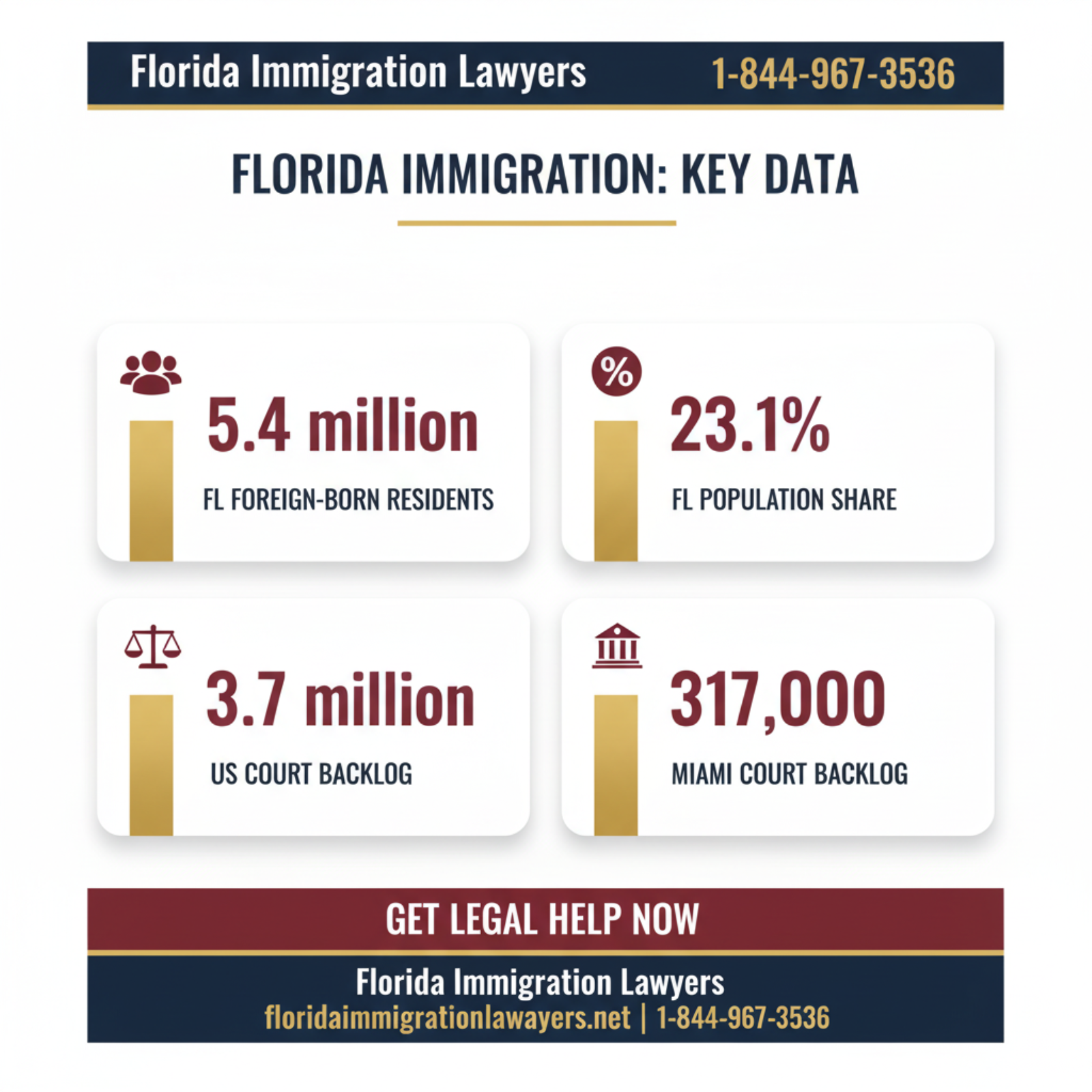
Legal Fees and Representation
Engaging a qualified florida immigration lawyer involves legal fees. These fees cover the professional expertise, preparation of documents, representation, and strategic advice provided by your attorney. While an investment, legal representation can often save you time, stress, and potential pitfalls in the long run. We offer transparent fee structures, discussing all costs upfront during your consultation.
Do not navigate this complex process alone. Contact Florida Immigration Lawyers today for expert guidance and support.
Common Mistakes to Avoid in Florida Immigration Cases
Even minor errors in immigration cases can lead to significant delays or even denials. Being aware of these common pitfalls, especially with dynamic immigration policy news, can help you protect your application and future.
- Failing to Disclose Complete Information: Any omission or misrepresentation, even unintentional, can lead to serious consequences, including denial or accusations of fraud. Be honest and thorough in all your submissions.
- Missing Deadlines: Immigration deadlines are strict and unforgiving. Missing a filing deadline for an application, response to a Request for Evidence (RFE), or court appearance can result in automatic denial or even a deportation order.
- Providing Inaccurate or Inconsistent Information: Ensure all information across various forms and interviews is consistent with your records. Discrepancies can raise red flags with USCIS officers and lead to increased scrutiny.
- Not Seeking Legal Counsel: Attempting to navigate complex immigration policy news and procedures without an experienced florida immigration lawyer is a common and often costly mistake. The law is intricate and constantly changing, as outlined in 8 U.S.C. Chapter 12.
- Ignoring Minor Criminal Offenses: Even seemingly minor arrests or convictions can have significant immigration consequences. Always disclose any legal issues to your attorney, no matter how small they seem, as per 8 CFR regulations.
- Failing to Keep Copies of All Documents: Always retain copies of every document you submit to USCIS or other agencies, along with proof of mailing or delivery. This is essential for your records and for any future inquiries.
- Assuming Policies Haven't Changed: Immigration policy news is dynamic. Relying on outdated information or advice from friends can lead to critical errors. Always verify with official sources or an attorney who stays current with USCIS Policy Manual updates.
- Not Preparing for Interviews: Interviews with USCIS or consular officers are crucial. Lack of preparation can lead to misunderstandings or an inability to articulate your case effectively, potentially jeopardizing your application.
- Traveling Without Proper Authorization: Leaving the U.S. without advance parole or other necessary travel documents can jeopardize your pending application or even prevent your re-entry. Always consult your lawyer before planning international travel.
- Using a Notary Public for Legal Advice: Notarios in the U.S. are NOT attorneys and cannot provide legal advice. Seeking legal help from unqualified individuals is dangerous and often leads to irreparable harm to your case.
When to Consult a Florida Immigration Lawyer
While this article provides general immigration policy news and guidance, your situation is unique. There are specific circumstances where professional legal assistance from Florida Immigration Lawyers becomes not just helpful, but absolutely essential to protect your rights and future.
Complex Case Details: If your case involves a criminal record, previous immigration violations, or a history of deportation, you absolutely need an experienced attorney. These complexities can drastically alter your eligibility and require specialized legal strategies.
Denied Applications or RFEs: If your application has been denied, or you receive a Request for Evidence (RFE) or Notice of Intent to Deny (NOID) from USCIS, do not try to respond alone. A lawyer can help craft a compelling, legally sound response to address the issues raised.
Facing Deportation or Removal Proceedings: This is a critical situation where legal representation is non-negotiable. Our deportation defense team fights tirelessly for our clients in immigration court, including those at the Executive Office for Immigration Review (EOIR) in Miami or Orlando.
Uncertainty About New Policies: Given the constant flow of immigration policy news, it's easy to feel overwhelmed. If you are unsure how a new law or regulation impacts your status or application, seek immediate legal clarification from an expert.
Preparing for Interviews: An attorney can help you prepare thoroughly for any USCIS or consular interview, ensuring you understand the process, anticipate questions, and can present your case confidently and accurately.
Seeking Specific Visas or Benefits: For complex applications like employment-based visas, investment visas, or certain waivers, an attorney ensures all requirements are met and the application is submitted correctly, increasing your chances of success.
Q: How does Florida's state policy affect my federal immigration case? A: While federal law governs immigration, state policies can influence aspects like law enforcement cooperation, access to certain state services, and local employment. A florida immigration lawyer can explain these nuances and their potential impact on your specific situation.
Q: What if I live in Naples and need to go to an immigration court in Miami? A: Our firm serves clients across Florida, including Naples. We can represent you in immigration courts throughout the state, including Miami and Orlando, ensuring you have local support regardless of your residence.
Q: Can Florida Immigration Lawyers help with green card renewals or citizenship applications? A: Yes, we assist with a wide range of general immigration services, including family petitions, green card renewals, and citizenship applications. Our dedicated attorneys at Florida Immigration Lawyers are here to provide the support and expertise you need. Contact us today.
About Florida Immigration Lawyers
Florida Immigration Lawyers is a premier law firm dedicated to serving the diverse needs of immigrants across the entire state of Florida. With years of experience and a deep understanding of U.S. immigration law, our firm is committed to providing compassionate, effective, and results-driven legal representation.
We specialize in a wide range of immigration services, including family-based petitions, employment visas, deportation defense, asylum claims, naturalization, and more. Our team is passionate about helping individuals and families achieve their American dream and navigate the complexities of the immigration system.
We pride ourselves on clear communication, personalized strategies, and unwavering advocacy for our clients. We understand the stakes involved in every case and work tirelessly to protect your rights and pursue the best possible outcome. Your success is our priority.
Call us at 1-844-967-3536 or visit our website at https://www.floridaimmigrationlawyers.net. We are available 24/7 and offer free consultations. Serving all of Florida, including Naples, Miami, Orlando, and Jacksonville, we are here to help.
Sources and References
- U.S. Citizenship and Immigration Services (USCIS)
- Executive Office for Immigration Review (EOIR)
- U.S. Department of State - Visa Bulletin
- 8 U.S.C. Chapter 12 - Immigration and Nationality Act (INA)
- 8 CFR - Code of Federal Regulations, Title 8 (Aliens and Nationality)
- USCIS Policy Manual
This article provides general legal information and is not intended as legal advice. Every case is unique, and outcomes depend on specific facts and circumstances. Contact an attorney for advice about your particular situation.
Navigating the complexities of immigration policy news in Florida requires expert legal guidance. Do not leave your future to chance. Contact Florida Immigration Lawyers today at 1-844-967-3536 for a free, confidential consultation. We are here to help you understand your options and achieve your immigration goals. Se Habla Español - Estamos aquí para ayudarle.
Do Not Navigate This Process Alone
Our experienced immigration attorneys are ready to fight for you. Get a free, confidential consultation today.
Se Habla Español
Frequently Asked Questions
Florida Immigration Lawyers
Immigration Attorney | Founder, Vasquez Law Firm
U.S. Air Force veteran and immigration attorney with thousands of cases resolved. J.D., NCCU School of Law. AILA member. Admitted to the 4th, 5th, and 11th Circuit Courts.
Available 24/7 - Free Evaluations
Related Legal Services
Our Florida immigration attorneys can help you with free immigration consultation, experienced immigration attorneys and business immigration. Call today at 1-844-967-3536 for a free consultation.
Related Links
Related Topics
Free Legal Consultation
Discuss your case with our experienced attorneys. We're available 24/7.
Se Habla Español - Estamos aquí para ayudarle.
Related Articles
Understanding the O-1 Visa for Extraordinary Ability
Explore the O-1 visa, designed for individuals with extraordinary ability, and learn how to navigate the application process in Florida. Call 1-844-967-3536 for expert guidance.
J-1 Waiver Physician Placement in Florida | VLF Florida
Explore how to secure a J-1 waiver for physicians in Florida's underserved areas. Learn about the Conrad 30 program and the steps to work in St. Petersburg.
Protect Yourself from Immigration Scams in Florida
Immigration scams are a growing concern in Florida, especially in areas like Kissimmee. Learn how to protect yourself and seek legitimate help from licensed attorneys. Call Florida Immigration Lawyers for a free consultation.
Immigration Services Kissimmee Florida | Expert Legal Help
For residents of Kissimmee, Osceola County, and communities across Florida, including the vibrant Puerto Rican population, understanding the complex world of immigration services is essential. This guide from Florida Immigration Lawyers covers family petitions, employment visas, asylum, naturalization, and crucial deportation defense strategies. We provide a step-by-step overview of common processes, essential document checklists, and insights into processing timelines and costs. Learn about common mistakes to avoid and when to seek professional legal help. Our firm offers comprehensive, compassionate, and expert legal representation to help you achieve your immigration goals in Florida. We serve clients throughout the state, ensuring personalized attention and effective strategies for every unique case.