Japan Immigration News 2026: What Florida Residents Need to Know
Discover the latest Japan immigration news for 2026 and what it means for Florida residents. This guide details the visa application process through the Consulate General of Japan in Miami, emphasizing the crucial Certificate of Eligibility (COE) and document requirements. Learn about timelines, cost factors, and common mistakes to avoid. Whether you are pursuing work, study, or family reunification in Japan, understanding these evolving policies is essential. Florida Immigration Lawyers offers expert guidance for both Japanese and U.S. immigration matters.
Japan's immigration landscape in 2026 is evolving, with new policies aimed at addressing demographic challenges and attracting skilled labor. For Florida residents interested in moving to Japan, understanding the Certificate of Eligibility (COE) and visa application process through the Consulate General of Japan in Miami is crucial. These changes reflect Japan's strategic shift in immigration policy.
- Japan is adapting its immigration policies to attract foreign talent.
- The Certificate of Eligibility (COE) is a key document for most long-term visas.
- Florida residents apply through the Consulate General of Japan in Miami.
- Visa types include work, student, family, and highly skilled professional.
- Legal guidance is essential for navigating complex requirements.
Imagine a future where new opportunities await in a vibrant culture. Many Floridians dream of living and working in Japan, drawn by its unique heritage and advanced economy. However, navigating international immigration can be complex, especially with evolving global policies.
This comprehensive guide covers the latest Japan immigration news for 2026, focusing on what Florida residents need to know. We will explore visa types, application processes, and crucial considerations for those looking to make Japan their new home. For personalized guidance on your immigration journey, do not hesitate to call Florida Immigration Lawyers at 1-844-967-3536 for a free consultation. Our experienced team is ready to assist you.
Understanding Japan's Evolving Immigration Landscape in 2026
Japan, like many developed nations, faces demographic challenges, including an aging population and declining birth rates. In 2026, the country continues to refine its immigration policies to attract foreign talent and bolster its workforce. These changes are crucial for economic growth and maintaining social services.
Recent legislative updates often focus on expanding categories for skilled workers, introducing more flexible visa options, and streamlining application procedures. The goal is to make Japan a more attractive destination for professionals, entrepreneurs, and students from around the world, including those residing in Florida. This directly addresses the question: Why is Japan allowing so many immigrants? The answer lies in economic necessity and demographic shifts.
The government has been proactive in creating pathways for highly skilled professionals, IT specialists, and individuals in specific industrial sectors. This strategic shift aims to integrate foreign residents more effectively into Japanese society and contribute to innovation. Understanding these new rules for Japan in 2026 is vital for any prospective immigrant.
Regarding the question, Is Japan paying people to move there and have kids? While Japan has implemented various incentives to encourage childbirth among its citizens and support families in rural areas, there is no widespread national program directly paying foreigners to move to Japan and have children. Some local municipalities may offer relocation subsidies, but these are generally for internal migration or specific demographic needs, not a broad immigration policy.
Navigating the Visa Application Process from Florida: A Step-by-Step Guide
For Florida residents, the primary point of contact for Japanese visa applications is the Consulate General of Japan in Miami. It serves individuals residing in Florida, Puerto Rico, and the U.S. Virgin Islands. Understanding their specific requirements is paramount. This answers the common query: Is there a Japanese consulate in Florida? Yes, in Miami.
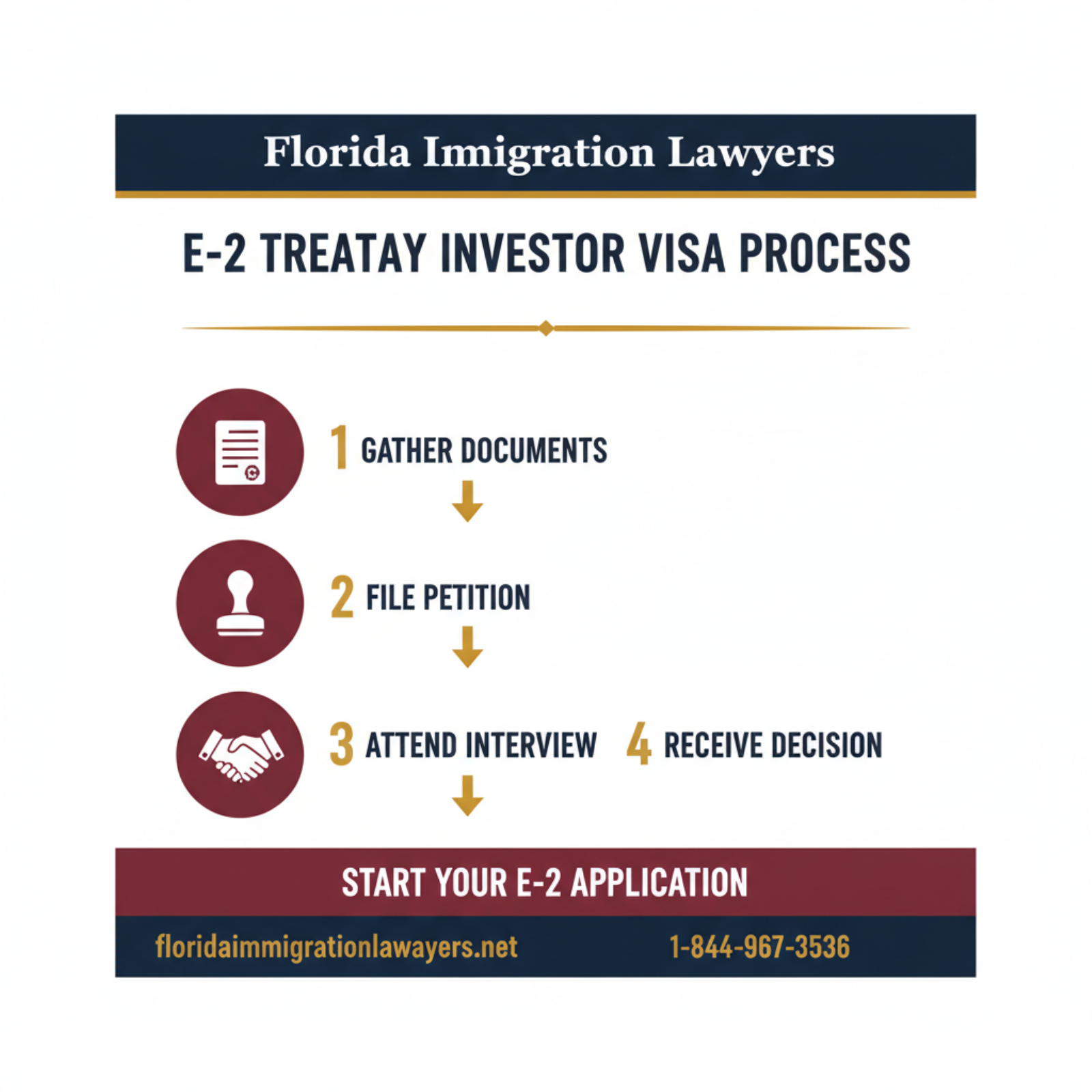
Here is a general step-by-step guide for applying for a long-term visa to Japan, crucial for staying updated on Japan immigration news:
- Determine Your Visa Category: Identify the appropriate visa type based on your purpose of stay (e.g., work, student, spouse, highly skilled professional). Each category has distinct requirements. Researching these thoroughly is your first critical step.
- Obtain a Certificate of Eligibility (COE): For most long-term visas, a Certificate of Eligibility (COE) is required. This document is issued by the Immigration Services Agency of Japan, typically through a sponsor in Japan (e.g., employer, school, family member). The COE confirms that the applicant meets the basic conditions for entry under Japanese immigration law, specifically referencing sections of the Immigration Control and Refugee Recognition Act of Japan.
- Gather Required Documents: Collect all necessary documents as specified by the Consulate General of Japan in Miami. This includes your passport, visa application form, photographs, the original COE, and supporting documents related to your visa category. Accuracy and completeness are vital for a successful Japan Visa Miami application.
- Submit Your Application: Schedule an appointment or submit your application package to the Consulate General of Japan in Miami. Some applications may be submitted by mail, but in-person submission is often recommended for clarity and to address any immediate questions.
- Attend an Interview (If Required): Depending on your visa type and individual circumstances, you may be asked to attend an interview at the Consulate. This is an opportunity for consular officers to verify information and assess your intent to comply with Japanese immigration regulations.
- Receive Your Visa: If your application is approved, your visa will be affixed to your passport. Review all details carefully to ensure accuracy before traveling.
Essential Documents for Your Japan Visa Application (COE Focus)
The Certificate of Eligibility (COE) Japan is a cornerstone of the Japanese long-term visa application process. It acts as a pre-approval from the Japanese immigration authorities, significantly streamlining the visa issuance at the consulate. Without a COE, obtaining a long-term visa is generally not possible, making it a critical piece of Japan immigration news.
When applying for your visa after receiving your COE, you will typically need the following documents. Understanding the documents required for COE Japan and the subsequent visa application is crucial:
- Valid Passport: Your passport must be valid for the entire duration of your intended stay in Japan, with sufficient blank pages for the visa sticker.
- Visa Application Form: A fully completed and signed visa application form, available from the Consulate General of Japan in Miami's website. Ensure all information is accurate and consistent with your COE.
- Photograph: One recent passport-sized photograph (usually 2x2 inches), meeting specific requirements regarding background and facial expression.
- Original Certificate of Eligibility (COE): The original COE issued by the Immigration Services Agency of Japan. This is the most crucial document for most long-term visa categories.
- Copy of COE: A clear photocopy of your Certificate of Eligibility.
- Proof of Financial Means: Documents demonstrating your ability to support yourself financially during your stay in Japan, such as bank statements or a letter from your sponsor. This aligns with general immigration requirements under 8 U.S.C. § 1182(a)(4) for those seeking to immigrate to the U.S. after a stay abroad, emphasizing self-sufficiency.
- Supporting Documents for Visa Category: These vary widely based on your specific visa type. For COE Japan Visa requirements:
- Work Visas: Employment contract, company registration details, letter of invitation from employer.
- Student Visas: Acceptance letter from a Japanese educational institution, proof of scholarship or financial support.
- Spouse/Family Visas: Marriage certificate, birth certificates, proof of relationship, family register (Koseki Tohon) from the Japanese spouse/relative. For those with family in Florida, this could involve family immigration considerations.
Step-by-Step Process Guide - Travel Itinerary: While less critical with a COE, basic travel plans might be requested.
Timeline and Processing Expectations for Japan Visas in 2026
The processing time for a Japanese visa can vary based on the visa category, the completeness of your application, and the workload at the Consulate General of Japan in Miami. It is crucial to apply well in advance of your intended travel date, keeping in mind the latest Japan immigration news.
COE Issuance: The initial step, obtaining the Certificate of Eligibility from Japan, can take anywhere from 1 to 3 months, or even longer for complex cases. This process is handled by your sponsor in Japan with the Immigration Services Agency, not directly by you at the consulate in Florida. This phase is critical and often the longest part of the process.
Visa Processing at Consulate: Once you have the COE, the actual visa processing at the Consulate General of Japan in Miami typically takes 5 business days. However, this can be extended if additional documentation or an interview is required. During peak travel seasons or for specific visa types, expect potential delays. Always confirm the most current processing times directly with the consulate.
Planning Ahead: We strongly advise Florida residents to begin their Japan immigration planning at least 4-6 months before their desired departure date. This allows ample time for COE issuance, document gathering, and consulate processing without undue stress. Remember, unforeseen circumstances can always arise, making early preparation your best strategy. For businesses in Jacksonville looking to send employees to Japan, this timeline is particularly important for business immigration planning.
Cost Factors and Fee Breakdown for Japan Immigration
Understanding the financial aspects of your move to Japan is essential. While the Japanese government aims to attract foreign talent, there are various fees associated with the application process. These costs are subject to change, so always verify current rates directly with the Consulate General of Japan in Miami or the Immigration Services Agency of Japan. This is important Japan immigration news for financial planning.
Visa Application Fees: The visa application fee is generally nominal, often around $25-$30 USD for a single-entry visa, and slightly more for multiple-entry or transit visas. These fees are paid to the Consulate General of Japan in Miami upon application. It is important to note that these fees are typically non-refundable, regardless of the application outcome. This is standard practice in many consular operations, including those governed by 22 CFR § 41.107 for U.S. visas.
Certificate of Eligibility (COE) Related Costs: While there is not a direct fee for the COE itself, your sponsor in Japan may incur costs related to document preparation, mailing, and potentially legal or administrative assistance. These are typically handled by the sponsoring entity (e.g., employer, school). These indirect costs are important to factor into your overall budget.
Translation and Document Preparation: You may incur costs for translating documents into Japanese or English, if required. Professional translation services can range widely in price depending on the volume and complexity of documents. Ensuring accurate translations is critical for your application's success and to avoid delays. Any discrepancies can be grounds for rejection.
Travel and Living Expenses: Beyond application fees, consider the significant costs of international travel from Florida to Japan, initial accommodation, and living expenses until you establish yourself. Japan can be an expensive country, especially in major cities like Tokyo or Osaka. Having sufficient funds for your initial months is a key requirement for most long-term visas, demonstrating your ability to support yourself without becoming a public charge.
Do not navigate this complex international immigration process alone. The nuances of Japanese immigration law, coupled with U.S. immigration considerations for returning nationals, require expert guidance. Contact Florida Immigration Lawyers today at 1-844-967-3536 to ensure your application is handled correctly and efficiently.
Common Mistakes to Avoid in Your Japan Visa Application
Navigating the complexities of international visa applications requires meticulous attention to detail. Even minor errors can lead to significant delays or outright rejections. Avoid these common pitfalls when applying for your Japan visa from Florida:
- Incomplete or Inaccurate Documentation: Submitting an application with missing forms, incorrect information, or outdated documents is a primary reason for delays or rejections. *Consequence:* Your application will be returned, requiring resubmission and significant delays, potentially impacting your travel plans and costing you additional time and effort.
- Lack of a Certificate of Eligibility (COE): For long-term visas, attempting to apply without first obtaining a COE from the Immigration Services Agency of Japan will almost certainly lead to rejection. *Consequence:* Your application will not be processed, and you will need to restart the entire COE process, causing substantial setbacks.
- Applying to the Wrong Consulate: Florida residents must apply through the Consulate General of Japan in Miami. Applying to another consulate or embassy if you reside in Florida will result in your application being rejected or transferred, causing delays. *Consequence:* Wasted time and potential travel expenses if you try to apply in person elsewhere.
- Disregarding Visa Category Specifics: Each visa type has unique requirements. Failing to meet the specific criteria for your chosen category, such as insufficient financial proof for a student visa or an unapproved employer for a work visa, will lead to denial. *Consequence:* Visa rejection and the need to re-evaluate your eligibility and reapply, potentially delaying your move indefinitely.
- Overlooking Visa Validity and Renewal: Not paying attention to the validity period of your visa or failing to apply for extensions in a timely manner can lead to serious legal issues in Japan, including overstaying. *Consequence:* Fines, detention, deportation, and a ban from re-entering Japan, with severe long-term consequences for future international travel.
- Providing Inconsistent Information: Any discrepancies between your application forms, supporting documents, or interview statements can raise red flags with immigration officials. This includes past U.S. immigration history, which can be checked against databases like those maintained by USCIS. *Consequence:* Suspicion of misrepresentation, which can lead to denial and future immigration difficulties, as well as potential legal repercussions.
- Ignoring Japanese Immigration Law Updates: Immigration policies are dynamic and subject to change, especially with ongoing Japan immigration news. Relying on outdated information can lead to errors in your application. *Consequence:* Your application may not meet the current requirements, resulting in rejection and the need to stay informed on the latest regulations.
When to Call a Lawyer for Japan Immigration Matters
Navigating international immigration, even to a country like Japan, can present unexpected challenges. While this article provides general information, your specific situation may require professional legal assistance. Florida Immigration Lawyers are here to help, offering expertise in both international and U.S. immigration law.
You should consider contacting an immigration attorney if:
- You have a complex case history, such as previous visa denials or overstays in any country, which can complicate any new application.
- Your sponsor in Japan is having difficulty obtaining your Certificate of Eligibility (COE) Japan, indicating potential issues with the underlying application.
- You are unsure which visa category best suits your unique circumstances or have questions about eligibility requirements, especially with evolving Japan immigration news.
- You receive a Request for Evidence (RFE) or a Notice of Intent to Deny (NOID) from the Consulate General of Japan in Miami or Japanese immigration authorities, requiring a strong legal response.
- You are a Japanese national in Florida seeking U.S. immigration benefits, such as a green card, or facing deportation defense, requiring specialized knowledge of 8 U.S.C. and 8 CFR.
- You are a Florida business looking to transfer employees to Japan or bring Japanese talent to Florida and need guidance on both Japanese and U.S. business immigration laws.
- You need assistance with appealing a denied visa application, which requires a thorough understanding of administrative procedures and legal arguments.
- You require general immigration advice for yourself or your family, or need to understand dual nationality implications.
Our team at Florida Immigration Lawyers understands the intricacies of international and U.S. immigration laws. We are dedicated to providing clear, effective legal strategies for clients throughout Florida, including Jacksonville, Miami, and Orlando. We can help you navigate the complexities of your journey, whether it involves Japan or the U.S.
About Florida Immigration Lawyers
Florida Immigration Lawyers is a leading law firm dedicated to providing exceptional immigration services across the entire state of Florida. Our firm is committed to guiding individuals, families, and businesses through the complexities of immigration law with compassion and expertise. We stay updated on all relevant Japan immigration news and U.S. policy changes to best serve our diverse clientele.
We offer a comprehensive range of immigration services, including visa applications, green cards, citizenship, family-based petitions, business immigration solutions, and deportation defense. Our attorneys are passionate advocates for our clients' rights and futures, ensuring personalized attention to every case. We understand the unique challenges faced by immigrants and their families in Florida.
Choose Florida Immigration Lawyers for our unwavering commitment to client success, our deep understanding of both U.S. and international immigration nuances, and our personalized approach to every case. We strive to make your immigration journey as smooth and successful as possible, from initial consultation to final resolution. Our firm prides itself on its ethical practice and client-first philosophy.
Contact us today for a free consultation. We are available 24/7 to answer your questions and provide the legal support you need. Phone: 1-844-967-3536. Website: https://www.floridaimmigrationlawyers.net. Serving all of Florida with dedicated legal support and a commitment to excellence.
Sources and References
- U.S. Citizenship and Immigration Services (USCIS)
- U.S. Department of State - Bureau of Consular Affairs
- Consulate General of Japan in Miami
- 8 U.S.C. Chapter 12 - Immigration and Nationality Act (INA)
- 8 CFR (Code of Federal Regulations related to Immigration)
- Immigration Control and Refugee Recognition Act of Japan (Act No. 319 of 1951)
- Ministry of Justice, Immigration Services Agency of Japan
This article provides general legal information and is not intended as legal advice. Every case is unique, and outcomes depend on specific facts and circumstances. Contact an attorney for advice about your particular situation.
Ready to explore your options for Japan immigration or need assistance with any U.S. immigration matter? Don't leave your future to chance. Call Florida Immigration Lawyers now for a free, confidential consultation. Our dedicated team is here to provide the expert legal support you deserve. Dial 1-844-967-3536 today. Se Habla Español - Estamos aquí para ayudarle.
Florida Immigration Lawyers
Legal Team
Our experienced attorneys at Florida Immigration Lawyers have been serving clients across Florida for over 20 years. We specialize in immigration, personal injury, criminal defense, workers compensation, and family law.