Green Card Holder ICE Detention Florida: Your Rights & Defense
Green card holders in Florida can face ICE detention due to criminal convictions or immigration violations. This comprehensive guide explains your rights, the detention process, and essential documents needed for your defense. Learn about bond hearings, immigration court, and common mistakes to avoid. Florida Immigration Lawyers offers expert legal assistance for green card holders facing detention and deportation in Hialeah and throughout Florida. Contact us for a free consultation to protect your future.
Yes, U.S. green card holders can be detained by ICE under specific circumstances, often related to criminal convictions or immigration violations. While lawful permanent residents have more rights than undocumented individuals, they are not immune to detention or deportation. Understanding your rights and having legal representation is crucial to challenge detention and defend against removal proceedings in Florida.
- Green card holders can face ICE detention, especially due to criminal offenses.
- You have rights, including the right to legal counsel, even in detention.
- The detention process involves interviews, bond hearings, and immigration court.
- Gathering essential documents quickly is vital for your defense.
- Seeking immediate legal assistance from an experienced immigration lawyer is highly recommended.
Imagine living for years as a lawful permanent resident in Florida, building a life, a family, and a career. Then, unexpectedly, you or a loved one with a green card is detained by Immigration and Customs Enforcement (ICE). This can be a terrifying and confusing experience, leaving you wondering about your rights and what steps to take next. Many green card holders in areas like Hialeah and across Florida face this daunting reality.
While a green card grants you significant rights and privileges, it does not provide absolute immunity from immigration enforcement actions. Certain actions, particularly criminal convictions, can trigger green card holder ICE detention and even lead to deportation proceedings. Understanding the intricacies of this process is essential for protecting your future in the United States.
This comprehensive guide from Florida Immigration Lawyers will walk you through the complexities of ICE detention for green card holders in Florida. We will cover your rights, the typical detention process, crucial documents, and how to effectively navigate these challenging circumstances. Our goal is to empower you with knowledge and provide a clear path forward. If you or someone you know is facing green card holder ICE detention, do not wait. Call Florida Immigration Lawyers at 1-844-967-3536 for a free consultation. Our experienced team is ready to help you understand your options and fight for your freedom.
Understanding Green Card Holder ICE Detention in Florida
Living as a lawful permanent resident (LPR) in Florida offers many benefits, but it also comes with responsibilities. A green card, or Form I-551, signifies your authorized status to live and work permanently in the U.S. However, it is not an absolute shield against immigration enforcement. ICE has the authority to detain LPRs under specific, legally defined conditions.
Can ICE legally detain a green card holder? Yes, ICE can legally detain a green card holder. This often occurs when an LPR is deemed "removable" or "inadmissible" under immigration law. The Immigration and Nationality Act (INA) outlines the grounds for detaining and deporting lawful permanent residents. These grounds are serious and can have life-altering consequences for individuals and families throughout Florida.
Florida, with its diverse population and significant immigrant communities in cities like Miami, Orlando, and Hialeah, sees a considerable number of immigration enforcement actions. This includes the detention of green card holders. Understanding the legal framework is the first step in preparing a robust defense against green card holder ICE detention. For general immigration questions, visit our immigration practice area page.
The Legal Basis for ICE Detention
The authority for ICE to detain individuals, including green card holders, stems primarily from the Immigration and Nationality Act. Specifically, INA § 236 (8 U.S.C. § 1226) grants the Department of Homeland Security (DHS) the power to detain aliens pending a decision on their removability. This section broadly covers the detention of individuals during immigration proceedings.
For green card holders, detention is often mandatory if they have certain criminal convictions. This is known as "mandatory detention." While some LPRs may be eligible for bond, others are held without bond, making legal representation even more critical. The distinction between mandatory and discretionary detention is a complex legal point that can significantly impact a case.
Common Reasons for Detention
Several factors can lead to a green card holder detained by ICE. The most common triggers involve criminal offenses. Even seemingly minor criminal infractions can have severe immigration consequences for an LPR.
Aggravated felonies, as defined by INA § 101(a)(43) (8 U.S.C. § 1101(a)(43)), are particularly serious. These can include crimes like drug trafficking, murder, sexual abuse of a minor, and certain theft offenses. A conviction for an aggravated felony almost always results in mandatory detention and makes deportation defense Florida extremely challenging.
Other reasons for ICE to detain a green card holder include convictions for crimes involving moral turpitude (CIMT), certain firearms offenses, domestic violence, or multiple criminal convictions. Furthermore, if an LPR has a prior order of deportation or removal, or if there's suspicion of immigration fraud, they could also face detention. Even traveling internationally with an unresolved criminal issue can lead to a green card holder detained by ICE upon re-entry to the U.S.
Are green card holders at risk of deportation? Yes, absolutely. Green card holders are at risk of deportation if they commit certain crimes or violate immigration laws. The most common grounds for deportability include criminal convictions, marriage fraud, or becoming a public charge within five years of adjusting status. These risks highlight why understanding your rights and obligations as an LPR is paramount, especially in a high-traffic area like Florida.
Which two states detain the most immigrants? While specific numbers fluctuate, Texas and California consistently rank among the top states for immigrant detentions. Florida also has a significant number of immigration detentions, reflecting its substantial immigrant community and enforcement activities.
The ICE Detention Process for Lawful Permanent Residents (LPRs)
Navigating the ICE detention process can be overwhelming, especially when you are a green card holder detained by ICE. Understanding each stage is crucial for mounting an effective defense. This process typically unfolds in a series of steps, each with its own legal implications.
-
Encounter and Arrest:
An encounter with ICE can happen in various ways: during a traffic stop, at a courthouse, during a raid, or upon re-entry to the U.S. at an airport or seaport in Florida. If ICE has probable cause to believe you are removable, they can arrest you. They may also execute an administrative warrant at your home or workplace.
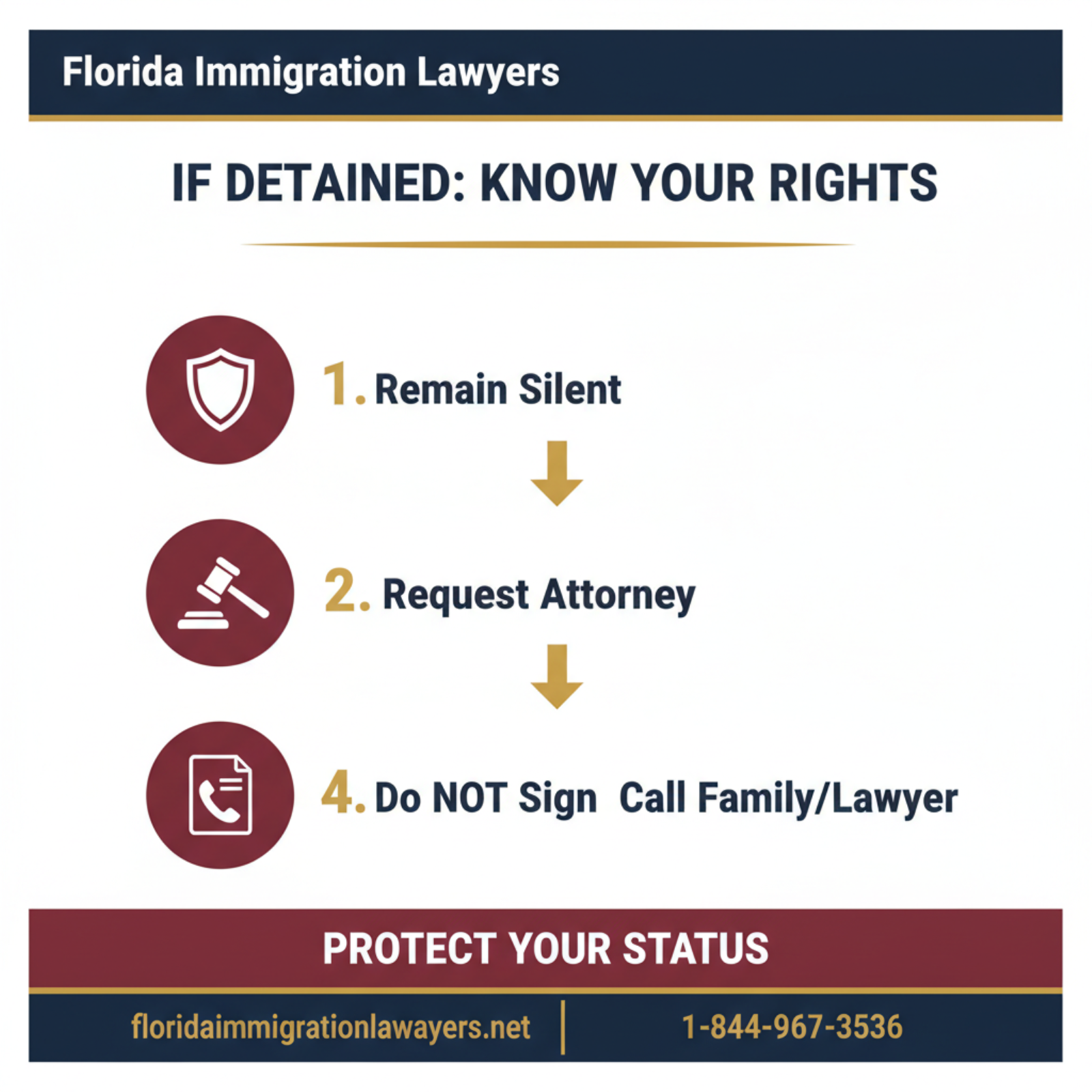
During an encounter, remember your rights. You have the right to remain silent and to speak with an attorney. Do not sign any documents or answer questions about your immigration status without legal counsel present. Politely state that you wish to speak with your lawyer.
-
Processing and Booking:
Following arrest, you will be taken to an ICE processing facility or a local jail. Here, you will be fingerprinted, photographed, and interviewed. This booking process establishes your identity and begins the official record of your detention. ICE officers will review your immigration history and any criminal background.
During this stage, ICE determines whether you are subject to mandatory detention or if you might be eligible for a bond hearing. This initial assessment is critical and can significantly impact the path your case takes.
-
Initial Interview and Notice to Appear (NTA):
You may be interviewed by an ICE officer who will ask about your immigration history, family, and any criminal record. Again, you have the right to remain silent and to have an attorney present. After processing, if ICE determines you are removable, they will issue a Notice to Appear (Form I-862). The NTA is the charging document that initiates formal removal proceedings in immigration court.
The NTA will state the specific legal grounds under which ICE believes you are deportable. It will also provide information about your first hearing before an immigration judge. Reviewing this document carefully with an attorney is paramount.
-
Bond Hearing (if eligible):
If you are not subject to mandatory detention, you may be eligible for an immigration bond. A bond hearing is held before an immigration judge, who determines if you pose a flight risk or a danger to the community. The judge will also set a bond amount, which must be paid for your release.
An experienced immigration lawyer can argue for a lower bond or even for release on your own recognizance. Factors considered include your ties to the community, employment history, family responsibilities, and criminal record. This is a critical opportunity for a green card holder detained by ICE to seek temporary freedom.
-
Immigration Court Proceedings:
Once an NTA is issued, your case proceeds to immigration court. In Florida, courts are located in cities like Miami, Orlando, and Bradenton. These proceedings are administrative in nature, not criminal. You will appear before an immigration judge who will hear arguments from both your attorney and the ICE attorney (Department of Homeland Security counsel).
Your attorney will present your defense, which could involve challenging the grounds of deportability, applying for forms of relief from removal (such as cancellation of removal, adjustment of status, or asylum), or demonstrating rehabilitation. This process can be lengthy and involves multiple hearings.
-
Release or Deportation:
The outcome of your immigration court case will determine your fate. If the immigration judge rules in your favor, you may be allowed to keep your green card and be released from detention. If the judge orders your removal, you will be deported from the United States. Appeals can be filed with the Board of Immigration Appeals (BIA) or even federal circuit courts, but these are complex and time-sensitive processes.
Throughout this entire process, having a skilled immigration lawyer Florida is indispensable. They can protect your rights, navigate the legal complexities, and advocate vigorously on your behalf.
Essential Documents for Your ICE Detention Case
When facing green card holder ICE detention, having immediate access to critical documents can significantly strengthen your case and expedite the process. Collecting these documents as quickly as possible is vital for your legal team. If you are detained, your family members or trusted contacts in Hialeah or elsewhere in Florida should gather these items.
- Your Green Card (Form I-551): This is paramount as it proves your lawful permanent resident status.
- Passport and Birth Certificate: Your current passport and original birth certificate from your country of origin are essential for proving identity and nationality.
- Marriage Certificate and Children's Birth Certificates: If applicable, these documents prove family ties to U.S. citizens or other LPRs, which can be crucial for certain forms of relief from removal.
- Criminal Records: Obtain certified copies of all arrest records, charging documents, plea agreements, sentencing orders, and proof of completion for any criminal cases. This includes any expunged or sealed records, as immigration law treats them differently.
- Immigration Documents: Copies of all previous immigration applications (I-130, I-485, I-765, etc.), approval notices, and any prior court orders from USCIS or immigration court.
- Financial Documents: Proof of employment, tax returns, bank statements, and property deeds. These documents demonstrate your financial stability and ties to the community in Florida.
- Proof of Residence: Utility bills, lease agreements, or property deeds showing your long-term residence in Florida.
- Medical Records: Any relevant medical or psychological evaluations, especially if they support a claim for asylum or other relief.
- Character Reference Letters: Letters from employers, community leaders, and family members attesting to your good moral character and contributions to society.
Having these documents readily available can save valuable time and provide your attorney with the necessary tools to build a robust defense strategy against green card holder ICE detention.
Timelines and Expectations in Florida ICE Detention
The timeline for green card holder ICE detention cases in Florida can vary significantly. There is no one-size-fits-all answer, as each case depends on individual circumstances, the specific grounds for detention, and the current caseload of the immigration courts. However, understanding general expectations can help manage the uncertainty.
Initially, after being detained, you might spend several days or even weeks in an ICE processing facility or contract jail while your immigration history is reviewed. During this period, ICE determines if you are subject to mandatory detention or if you qualify for a bond hearing. The speed of this initial review can depend on the complexity of your case and how quickly your attorney can submit relevant documents.
If a bond hearing is scheduled, it typically occurs within a few weeks to a few months after detention. The immigration courts in Florida, including the Miami Immigration Court, Orlando Immigration Court, and Bradenton Immigration Court, are often backlogged. This backlog can lead to delays in scheduling hearings. An immigration lawyer Florida can sometimes request an expedited hearing, but this is not always granted.
Once your case moves to immigration court, the process can extend for many months, or even years, especially if there are multiple hearings, requests for evidence, or appeals. Factors influencing the timeline include:
- Court Backlogs: High caseloads at Florida immigration courts mean longer waits between hearings.
- Complexity of the Case: Cases involving extensive criminal histories, multiple forms of relief, or asylum claims often take longer.
- Availability of Evidence: Delays in obtaining crucial documents or witness testimony can prolong proceedings.
- Appeals: If either party appeals the immigration judge's decision to the Board of Immigration Appeals (BIA), the case can be extended by several months to over a year.
Managing expectations during this period is crucial. While the process can be slow, consistent legal representation from Florida Immigration Lawyers ensures your case is moving forward as efficiently as possible. We actively monitor court dockets and communicate with ICE and court officials on your behalf.
Understanding Costs and Fees in Detention Cases
Facing green card holder ICE detention involves various costs, and understanding these financial aspects is an important part of preparing for your defense. While we cannot provide specific dollar amounts as fees are subject to change and vary by case, we can outline the general categories of expenses you might encounter.
The primary costs associated with an ICE detention case typically include:
- Attorney Fees: Legal representation is often the most significant expense. Attorney fees vary based on the complexity of your case, the attorney's experience, and the services required. Many firms, including Florida Immigration Lawyers, offer free initial consultations to discuss your case and provide a fee structure.
- Immigration Bond: If you are granted a bond, you will need to pay the specified amount to ICE for your release. This amount is set by an immigration judge and can range from a few thousand dollars to tens of thousands, depending on the specifics of your case. Bond money is typically returned at the conclusion of your case, provided all court appearances are met.
- Filing Fees: Certain applications for relief from removal (like Cancellation of Removal for LPRs) require filing fees payable to USCIS. Your attorney will advise you on any applicable fees for your specific defense strategy.
- Translation and Document Procurement Costs: If your documents are not in English, you will need certified translations. There may also be costs associated with obtaining certified copies of criminal records or other official documents.
- Travel and Miscellaneous Expenses: Depending on the location of the detention facility and the court, there might be travel costs for family members visiting or for attorneys if they need to travel significant distances.
It is essential to discuss all potential costs upfront with your legal team. Florida Immigration Lawyers believes in transparent fee structures and works to provide clarity during these stressful times. We encourage you to schedule a free consultation to discuss your specific situation and get a clear understanding of the financial commitment involved in your deportation defense Florida.
Do not navigate this process alone. The complexities of green card holder ICE detention demand immediate, expert legal attention. Your rights and your future in Florida are too important to leave to chance. Contact Florida Immigration Lawyers today at 1-844-967-3536 to secure the experienced representation you deserve.
Common Mistakes to Avoid During Green Card Holder ICE Detention
When facing green card holder ICE detention, even seemingly small errors can have significant and detrimental impacts on your case. Being aware of these common pitfalls can help you protect your rights and improve your chances of a successful outcome. Avoid these mistakes at all costs.
-
Lying to ICE Officers or Immigration Judges:
Consequence: Any false statements can be considered immigration fraud or misrepresentation. This can lead to severe penalties, including a permanent bar from the U.S. and denial of any immigration benefits. Always be truthful, or politely decline to answer without your attorney.
-
Signing Documents Without Understanding Them:
Consequence: ICE officers may present documents for your signature, including waivers of rights or voluntary departure forms. Signing these without fully understanding their implications, or without legal counsel, can waive crucial defenses or result in immediate deportation. Never sign anything you do not comprehend.
-
Missing Court Dates:
Consequence: Failure to appear at any scheduled immigration court hearing can result in an automatic Order of Removal (deportation) issued in absentia. This is one of the most serious mistakes and is extremely difficult to reverse. Always keep track of your court schedule and attend all hearings.
-
Not Seeking Legal Counsel Immediately:
Consequence: Delaying legal representation can mean missed deadlines, forfeiture of potential defenses, or improper handling of initial interviews. An attorney can intervene early, advise you on your rights, and begin building your defense from day one. This is especially true for green card holders detained by ICE in Florida.
-
Failing to Disclose All Criminal History to Your Attorney:
Consequence: Even old or seemingly minor arrests and convictions can have major immigration consequences. Withholding information from your lawyer prevents them from preparing a complete and accurate defense. Be fully transparent with your legal team.
-
Traveling Internationally with Unresolved Immigration or Criminal Issues:
Consequence: Leaving the U.S. while having certain criminal convictions or pending immigration issues can lead to being deemed inadmissible upon re-entry. This can result in immediate detention at the port of entry. Always consult with an immigration lawyer Florida before international travel if you have any concerns.
-
Not Updating Your Address with USCIS and ICE:
Consequence: If you move, you are legally required to notify USCIS and ICE of your new address within 10 days. Failure to do so can lead to missed court notices, orders of removal in absentia, or other severe penalties. Keep your contact information current.
-
Believing Your Green Card Provides Absolute Immunity:
Consequence: Many green card holders mistakenly believe they cannot be deported. This false sense of security can lead to complacency regarding criminal charges or other violations. Understanding that LPRs can be deported under specific grounds is crucial for proactive self-protection.
-
Ignoring the Severity of Your Situation:
Consequence: Dismissing the seriousness of green card holder ICE detention can lead to inaction. This can result in lost opportunities for bond, appeals, or relief from removal. Treat every stage of the process with the gravity it demands.
-
Accepting Voluntary Departure Without Legal Advice:
Consequence: While voluntary departure might seem like an easier option, it can have long-term bars to re-entry and may prevent you from seeking future immigration benefits. Always consult an attorney before agreeing to voluntary departure.
When to Call a Lawyer for Green Card Holder ICE Detention
The decision to contact an immigration attorney is critical, especially when dealing with green card holder ICE detention. The U.S. immigration system is complex, and navigating it without expert legal guidance can have severe consequences, including deportation. Knowing when to seek legal help can make all the difference for your future in Florida.
You should call Florida Immigration Lawyers immediately if any of the following scenarios apply to you or a loved one:
- You or a Family Member Has Been Detained by ICE: This is the most urgent situation. Early intervention by an attorney can ensure your rights are protected from the moment of detention. We can attempt to locate the detainee, communicate with ICE, and prepare for initial hearings.
- You Have Received a Notice to Appear (NTA): An NTA signifies the start of formal removal proceedings. An attorney can review the charges, identify potential defenses, and represent you in immigration court.
- You Have a Criminal Record, Even if it Seems Minor: Any interaction with the criminal justice system, past or present, can impact your immigration status as an LPR. An attorney specializing in "crimmigration" can assess the immigration consequences of your convictions.
- You Are Facing a Bond Hearing: An attorney can present a compelling argument to an immigration judge for your release on bond, potentially reducing the bond amount or securing release on your own recognizance. This is a crucial step for many facing ICE detain Florida green card applicant situations.
- You Believe You Are Eligible for Relief from Removal: There are various forms of relief, such as cancellation of removal for LPRs, adjustment of status, or asylum. An attorney can determine your eligibility and help you prepare and present a strong application.
- You Have Been Ordered Deported or Are Considering an Appeal: If an immigration judge has issued a removal order, an attorney can evaluate grounds for appeal to the Board of Immigration Appeals (BIA) or higher courts.
- You Are Concerned About Your Immigration Status Due to Past Issues: If you have any doubts about your current green card status, or if you have old immigration violations or criminal history, a proactive consultation can help you understand potential risks and prepare.
Florida Immigration Lawyers specializes in deportation defense Florida and is dedicated to protecting the rights of green card holders. We understand the specific challenges faced by immigrants in Hialeah and across the state. Our team is available to provide the strategic and compassionate legal support you need during this critical time. Do not face the complexities of the immigration system alone. Learn more about our experienced attorneys.
About Florida Immigration Lawyers
Florida Immigration Lawyers is a leading law firm dedicated to providing exceptional legal representation to immigrants and their families throughout Florida. With a deep understanding of U.S. immigration law and a compassionate approach, we proudly serve clients in Hialeah, Miami, Orlando, Tampa, and all surrounding areas. Our mission is to protect your rights, navigate complex legal challenges, and help you achieve your immigration goals.
We offer a comprehensive range of immigration legal services, including deportation defense, asylum claims, family-based immigration, business immigration, citizenship applications, and visa petitions. Our experienced attorneys are adept at handling even the most challenging cases, including those involving green card holder ICE detention. We are committed to providing personalized attention and strategic advocacy tailored to your unique situation.
Why choose Florida Immigration Lawyers? Our firm stands out for its unwavering commitment to clients, proven track record of success, and deep legal expertise. We believe in clear communication, transparent processes, and fighting tirelessly on your behalf. We understand the anxieties and uncertainties that come with immigration matters, and we are here to offer guidance and support every step of the way.
We are available 24/7 to address your urgent immigration needs. We offer free consultations to discuss your case and provide an initial assessment without any obligation.
Phone: 1-844-967-3536
Website: https://www.floridaimmigrationlawyers.net
Serving all of Florida. Se Habla Español.
Sources and References
- U.S. Citizenship and Immigration Services (USCIS) - Official website for immigration benefits and policy information.
- Executive Office for Immigration Review (EOIR) - Manages the U.S. immigration court system and Board of Immigration Appeals.
- 8 U.S.C. Chapter 12 - Immigration and Nationality Act (INA) - The primary body of law governing immigration in the United States.
- INA § 101(a)(43) (8 U.S.C. § 1101(a)(43)) - Defines "aggravated felony" for immigration purposes.
- INA § 236 (8 U.S.C. § 1226) - Authority for the apprehension and detention of aliens.
- INA § 237 (8 U.S.C. § 1227) - Grounds for deportation of aliens.
- 8 CFR Part 236 - Regulations related to the apprehension and detention of aliens.
- U.S. Immigration and Customs Enforcement (ICE) - Federal agency responsible for enforcing immigration laws.
This article provides general legal information and is not intended as legal advice. Every case is unique, and outcomes depend on specific facts and circumstances. Contact an attorney for advice about your particular situation. Immigration laws are subject to change, and this content should not be relied upon as a substitute for professional legal counsel.
Your freedom and your future are too important to risk. If you or a loved one is facing green card holder ICE detention in Florida, immediate action is essential. Do not delay in seeking expert legal guidance. Contact Florida Immigration Lawyers today at 1-844-967-3536 for a free, confidential consultation. Let us put our experience to work for you. Se Habla Español - Estamos aquí para ayudarle.
Florida Immigration Lawyers
Legal Team
Our experienced attorneys at Florida Immigration Lawyers have been serving clients across Florida for over 20 years. We specialize in immigration, personal injury, criminal defense, workers compensation, and family law.