Immigration Policy Changes 2026 Florida: New Rules Explained
Stay informed about the significant immigration policy changes expected in Florida for 2026. This comprehensive guide from Florida Immigration Lawyers details new rules impacting visas, green cards, asylum, and enforcement. Learn how federal and state reforms could affect you in Coral Springs and across Florida. We provide a step-by-step approach to navigating these updates, a document checklist, and crucial advice on avoiding common mistakes. Do not face these complex changes alone; contact our experienced attorneys for a free consultation to protect your immigration future.
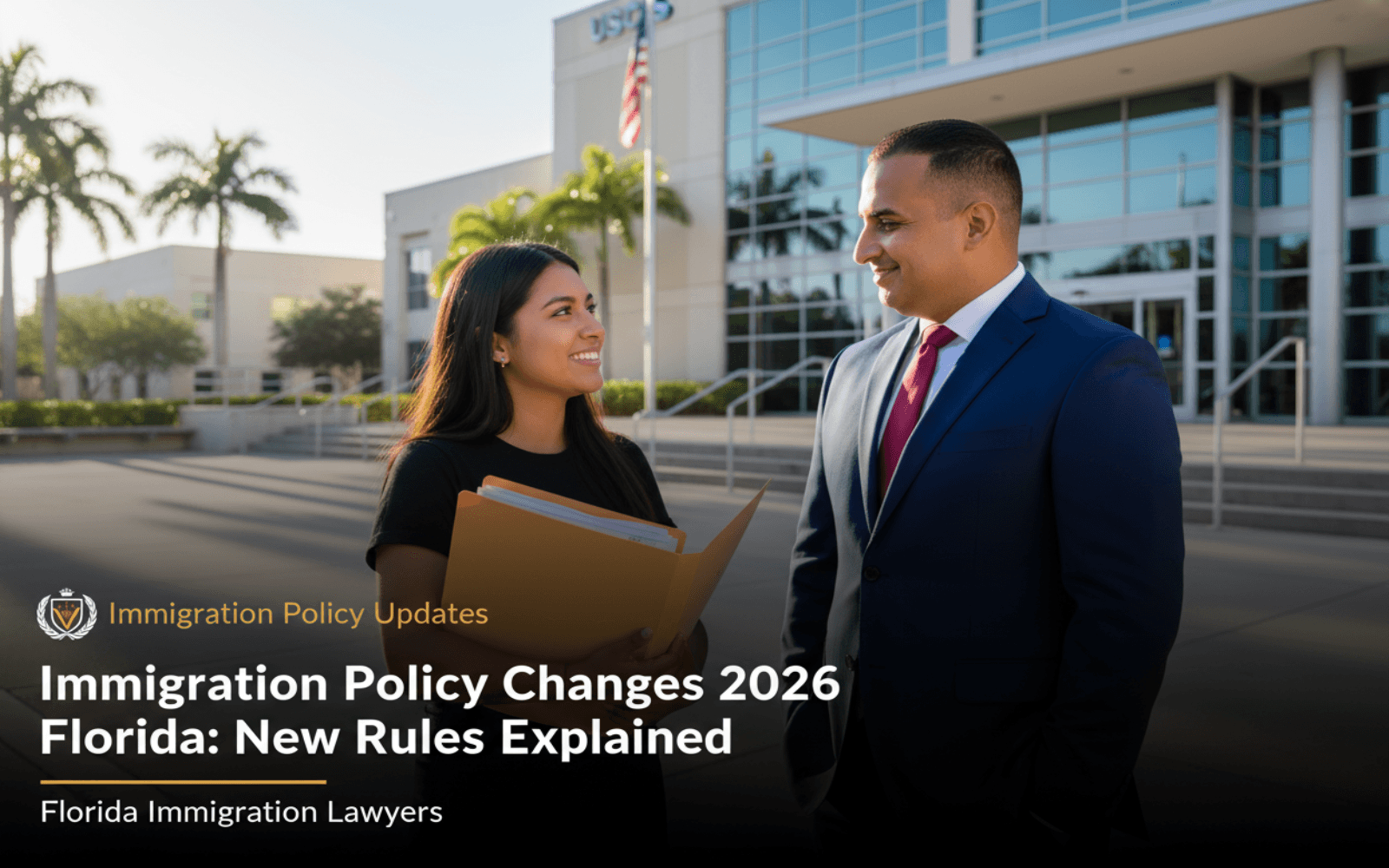
Immigration policy in Florida for 2026 introduces several significant changes impacting visa applications, asylum claims, and enforcement measures. These new rules aim to streamline some processes while increasing scrutiny in other areas, particularly affecting those seeking to live and work in the state. Understanding these reforms is crucial for anyone navigating the U.S. immigration system this year.
- New visa categories and eligibility criteria may be introduced by federal or state authorities.
- Asylum processing could see faster adjudication or stricter interview protocols and evidentiary standards.
- Increased state-level enforcement initiatives are expected across Florida, influencing daily life for immigrants.
- Digital application processes and enhanced background checks are becoming more common for all applicants.
- Consulting an attorney is vital to adapt to these evolving regulations and protect your immigration status.
Are you an immigrant, a family member of an immigrant, or an employer in Florida concerned about the upcoming immigration policy changes in 2026? The landscape of U.S. immigration law is constantly evolving, and 2026 brings new rules and immigration reform that could significantly impact your status or future plans. Staying informed is not just beneficial, it's essential for your peace of mind and legal standing. This comprehensive guide from Florida Immigration Lawyers will break down the key updates, helping you understand what these changes mean for you in Coral Springs and across the Sunshine State. We will cover everything from new visa requirements to shifts in enforcement and how to prepare effectively. Do not face these complex changes alone; call Florida Immigration Lawyers at 1-844-YO-PELEO for a free consultation to discuss your specific situation and navigate the 2026 immigration policy.
Understanding Florida's Evolving Immigration Policy Landscape in 2026
The year 2026 marks a period of notable adjustments in both federal and state immigration policy, with particular implications for residents and newcomers in Florida. These new rules reflect broader national priorities alongside specific state-level initiatives. For individuals and businesses in Coral Springs, Miami, Orlando, and Tampa, comprehending these shifts is paramount. Florida's unique position as a gateway to the U.S., with its extensive coastline and diverse population, means that federal immigration policy often has a magnified effect here. Additionally, state laws can introduce supplementary layers of regulation or enforcement that directly impact immigrant communities. We are seeing a trend towards more digital processing, enhanced security measures, and a greater emphasis on economic contributions. These reforms are designed to address various concerns, from border security to economic impacts and labor needs across the state. Understanding the intricate interplay between federal and state mandates is key to successfully navigating the new immigration environment in 2026.
Federal Reforms and Their Impact on Florida's Immigration Landscape
At the federal level, 2026 could see significant adjustments to visa programs, asylum procedures, and naturalization pathways. Policy discussions often center on modernizing existing laws to address current global challenges and economic demands. For instance, there might be new rules or guidelines for H-1B visas, affecting tech workers and employers in major economic hubs like Orlando and Tampa. Similarly, changes to family-based immigration petitions, which are crucial for many families throughout Florida, including those in Coral Springs, could alter eligibility or processing. The Department of Homeland Security (DHS) and U.S. Citizenship and Immigration Services (USCIS) are often at the forefront of implementing these nationwide changes to immigration policy. These federal directives set the baseline for immigration across the country, influencing everything from application forms to processing times at Florida's USCIS field offices in Miami, Orlando, and Tampa. It is vital to monitor announcements from these agencies for the latest federal immigration reform updates.
State-Specific Immigration Initiatives and Their Local Effects in Florida
Beyond federal mandates, Florida has historically implemented its own immigration policy and related initiatives. These state-level actions can range from regulations affecting undocumented workers to specific requirements for businesses employing foreign nationals. In 2026, we anticipate continued focus on areas such as E-Verify mandates for employers, which impact hiring practices statewide, and potentially stricter penalties for certain immigration-related offenses. These state laws often aim to complement or, at times, diverge from federal guidelines, creating a complex legal framework for immigrants in Florida. For example, state legislation may affect access to services, employment opportunities, or even interactions with local law enforcement. It is important for residents of Coral Springs and other Florida communities to stay updated on how Florida's legislature addresses immigration reform concerns, as these laws directly affect daily life and legal standing within the state. Navigating this dual legal system requires careful attention to both federal and state new rules.
Navigating New Immigration Rules: A Step-by-Step Guide for Floridians in 2026
Adapting to new immigration policy changes requires a proactive and informed approach. Here is a general step-by-step guide to help you prepare for and respond to the 2026 reforms in Florida. This process is inherently complex and often necessitates professional legal expertise to ensure compliance and success.
- Stay Informed About Specific Changes: Make it a priority to regularly check official government websites like USCIS.gov, Travel.State.Gov, and reliable legal news sources for updates on immigration reform. Pay close attention to announcements from federal agencies and the Florida state legislature regarding new immigration policy. Timely information is your first line of defense against potential complications.
- Assess Your Current Immigration Status and Eligibility: Understand how potential immigration policy changes might specifically affect your visa, green card, or asylum application. This involves carefully reviewing your current immigration documents and understanding your eligibility under both existing and proposed new rules. Knowing your current standing is the foundation for any future action.
- Gather and Organize Essential Documents Proactively: Begin collecting all necessary identification, financial records, birth certificates, marriage certificates, educational documents, and any other relevant paperwork. Having these readily accessible and well-organized will save significant time and reduce stress if new rules or requirements emerge for your application. This proactive step is crucial for any immigration reform.
- Consult with an Experienced Immigration Attorney in Florida: Seek professional legal advice from a Florida immigration lawyer early in the process. An attorney can provide personalized guidance, clarify complex regulations, and help you strategize the best course of action under the new immigration policy. This is especially true for residents of Coral Springs, Miami, Fort Lauderdale, and surrounding areas, where local nuances can be significant.
- Update Your Applications or Petitions as Necessary: If you have pending applications or petitions, be prepared to provide additional information or adjust your submissions according to new rules or guidelines. Your attorney can assist in ensuring full compliance with all new immigration policy requirements, preventing potential delays or denials.
- Understand New Enforcement Protocols and Your Rights: Familiarize yourself with any new state or federal enforcement measures that may arise from 2026 immigration reform. Knowing your rights and responsibilities is crucial if you encounter immigration officials. This includes understanding what information you are required to provide and when to seek legal counsel.
- Plan for Potential Delays or Expedited Processes: Major immigration policy changes can unpredictably impact processing times. Be prepared for either longer waits as agencies adapt, or in some cases, expedited procedures for certain categories as part of the new rules. Flexibility and patience are key during periods of immigration reform. Always monitor official USCIS processing times.
Essential Document Checklist for 2026 Immigration Policy Updates in Florida
Preparing for new immigration rules means having your paperwork in impeccable order. This general checklist outlines documents that are typically vital for various immigration processes. Remember, specific requirements will depend on the type of application you are filing and the precise new immigration policy guidelines introduced in 2026.
- Proof of Identity and Nationality: This includes your valid passport, original birth certificate, and any national ID cards from your home country. Ensure all documents are current and unexpired.
- Proof of Current Legal Status in the U.S.: Provide copies of your current visa, I-94 arrival/departure record, Employment Authorization Document (EAD), or green card (Form I-551). This demonstrates your legal presence.
- Financial Documentation: Gather recent bank statements, tax returns (Forms W-2, 1099, 1040), letters of employment, and any affidavits of support (Form I-864) from sponsors. These prove financial stability.
- Educational and Professional Records: Include diplomas, academic transcripts, professional licenses, and any certifications relevant to your skills or profession. These are vital for employment-based petitions.
- Marriage and Family Records: Provide original marriage certificates, divorce decrees (if applicable), and birth certificates of all children, whether U.S. citizens or not. These establish family relationships.
- Medical Records: This typically involves vaccination records and the results of a medical examination (Form I-693) conducted by a USCIS-approved civil surgeon. These are essential for adjustment of status.
- Police Records and Court Dispositions: Any records of arrests, criminal convictions, or court dispositions, even if charges were dropped or expunged. Full disclosure is critical.
- Passport-Style Photographs: Recent photographs meeting strict USCIS specifications (typically 2x2 inches, white background). Ensure you have several copies.
- Proof of Residence in Florida: Utility bills, lease agreements, property deeds, or official mail showing your current address in Florida, especially important for demonstrating state residency.
- Application-Specific Forms: All relevant USCIS forms (e.g., I-130 Petition for Alien Relative, I-485 Application to Register Permanent Residence, N-400 Application for Naturalization), completed accurately and signed. Do not forget any required supplements.
- Certified Translations: Any document not in English must be accompanied by a certified English translation.

Timeline and Processing Expectations for 2026 Immigration Reforms in Florida
The implementation of new immigration policy often brings shifts in processing times, which can be a source of anxiety for applicants in Florida. While it is challenging to provide exact timelines without knowing the specific new rules of 2026 immigration reform, we can outline general expectations. Federal agencies like USCIS and the Department of State (DOS) publish average processing times on their websites, which are subject to change based on workload, policy shifts, and funding. For example, some family-based petitions (Form I-130) or adjustment of status applications (Form I-485) filed by residents in Coral Springs, Miami, or Orlando might see significant variations.
Historically, major immigration policy changes can initially cause delays as agencies adapt to new rules, staff are trained on revised procedures, and new forms are introduced. This initial period of adjustment often leads to a backlog. However, some immigration reform initiatives might also aim to streamline certain processes, potentially leading to faster adjudication for specific case types, especially those deemed high-priority or those with robust digital filing options. For those in Coral Springs and across Florida, monitoring the USCIS processing times page for the service center handling your application (e.g., Texas Service Center, Nebraska Service Center) is crucial. Remember that state-level immigration policy initiatives may also introduce their own timelines for compliance or enforcement, which could affect local residents and businesses. Always plan for potential variability, maintain open communication with your legal counsel, and consult with an attorney to get the most up-to-date information for your unique situation under the new rules of 2026.
Cost Factors and Fee Breakdown for New Immigration Policy Applications in 2026
Navigating immigration processes in 2026 involves various costs beyond just legal fees. Understanding these financial aspects is crucial for planning your immigration reform journey. While specific filing fees are subject to change and are not provided here (as per legal safety rules), applicants should be aware of the general categories of expenses. USCIS periodically adjusts its fees based on operational costs and budgetary needs, and new immigration policy in 2026 might introduce new fees or alter existing ones, particularly for certain visa categories or services.
These costs typically include:
- USCIS Filing Fees: These are mandatory fees for submitting various forms (e.g., I-130, I-485, N-400, I-765, I-131). Always check the official USCIS website for the most current fee schedule, as these fees can change without extensive prior notice.
- Biometrics Fees: A separate fee is often required for fingerprinting and background checks, which are part of the security screening process for most immigration benefits.
- Medical Examination Fees: Costs associated with the required immigration medical exam, which must be conducted by a USCIS-approved civil surgeon. These fees vary by provider and location across Florida.
- Translation Services: If any supporting documents are not in English, certified translations are required by USCIS. This incurs additional costs, depending on the volume and complexity of the documents.
- Document Procurement: Fees for obtaining original or certified copies of birth certificates, marriage licenses, divorce decrees, police records, or other official documents from various domestic or international jurisdictions.
- Attorney Fees: Legal representation from experienced immigration lawyers is a significant but worthwhile investment. It can prevent costly mistakes, ensure compliance with complex new rules from 2026 immigration reform, and significantly improve your case's chances of success. Florida Immigration Lawyers offers transparent fee structures and free consultations.
- Travel Expenses: Costs for travel to interviews at USCIS field offices in Florida (e.g., Miami, Orlando, Tampa), to attend court hearings at the Executive Office for Immigration Review (EOIR) courts, or for consular interviews abroad.
- Postage and Courier Fees: Costs associated with sending important documents securely and tracking their delivery.

Do not navigate this complex process alone. The new immigration policy changes in 2026 can be daunting, but you do not have to face them without guidance. Contact Florida Immigration Lawyers today for dedicated support and personalized legal strategies tailored to your needs. We are here to help protect your future in Florida, whether you are in Coral Springs, Miami, or anywhere else in the state.
Common Mistakes to Avoid with 2026 Immigration Policy Changes in Florida
Making errors during any immigration process can lead to significant delays, denials, or even more severe consequences. With new immigration policy expected in 2026, it is more critical than ever to avoid these common pitfalls that can derail your immigration journey in Florida.
- Failing to Stay Updated on Official Sources: Relying on outdated information, social media rumors, or unofficial advice instead of official government sources like USCIS.gov. Consequence: Applications may be rejected or denied based on superseded rules or you might miss crucial deadlines under the new immigration policy.
- Submitting Incomplete or Inaccurate Applications: Missing required documents, providing incorrect information, or leaving unanswered questions on forms are frequent reasons for RFEs (Requests for Evidence) or outright denials. Consequence: Significant delays, rejections, or the need to refile entirely, costing valuable time and money.
- Missing Critical Deadlines: Immigration processes are extremely time-sensitive. Failing to submit applications, responses to RFEs, or attend appointments by the specified deadline can have severe repercussions. Consequence: Automatic denial of your application or even initiation of removal proceedings.
- Misrepresenting Information or Committing Fraud: Providing false or misleading information on any immigration form or during an interview is a serious offense under 8 U.S.C. § 1325. Consequence: Permanent bars to future immigration benefits, potential criminal charges, and severe penalties.
- Not Disclosing All Relevant Information: Hiding past arrests, previous immigration violations, or other pertinent details, even if seemingly minor or expunged. Consequence: Accusations of fraud, denial of benefits, and severe immigration consequences, as USCIS conducts thorough background checks.
- Ignoring Florida State Laws and Local Ordinances: Focusing solely on federal immigration laws and neglecting specific state-level regulations or local ordinances that may apply to your situation, especially in Florida. Consequence: Legal issues within Florida, including employment difficulties, specific state penalties, or interaction with local law enforcement.
- Attempting to Navigate Complex Cases Alone: Believing you can handle intricate legal matters, such as asylum claims, deportation defense, or complex waiver applications, without professional legal help. Consequence: Missed legal arguments, procedural errors, and a significantly higher likelihood of an unfavorable outcome.
- Failing to Respond Adequately to RFEs or NOIDs: Not understanding the specific requirements of a Request for Evidence (RFE) or a Notice of Intent to Deny (NOID) from USCIS, or failing to provide a comprehensive and timely response. Consequence: Automatic denial of your application if the response is insufficient or late.
- Improperly Preparing for USCIS Interviews: Going to a USCIS interview without understanding the process, potential questions, or having all required documents organized. Consequence: Delays, requests for more information, or denial if you appear unprepared or provide inconsistent answers.
- Overlooking Eligibility for Waivers: Not exploring or applying for available waivers that could overcome certain inadmissibilities or bars to relief, which can be crucial for many applicants. Consequence: Missing out on a critical opportunity to secure your immigration benefit, leading to denial of your case.
- Failing to Maintain Legal Status: Allowing your current visa or authorized period of stay to expire without filing for an extension or adjustment of status. Consequence: Accrual of unlawful presence, potential bars to re-entry, and eligibility issues for future immigration benefits.
- Traveling Internationally Without Proper Authorization: Leaving the U.S. while an application for adjustment of status is pending without obtaining advance parole. Consequence: Abandonment of your application and potential inadmissibility upon return.
Frequently Asked Questions About 2026 Immigration Policy in Florida
The upcoming year brings many questions for immigrants and their families in Florida regarding new rules and immigration reform. Here are answers to some common concerns about the 2026 immigration policy.
1. What are the new immigration rules for 2026?
The new immigration policy rules for 2026 are multifaceted, encompassing potential changes to visa categories, eligibility criteria for green cards, and stricter enforcement measures. These may include updates to employment-based visas like H-1B, adjustments to family reunification processes (e.g., INA Section 203), and reformed asylum procedures. Specific details are continually emerging from federal agencies like USCIS and the Department of State, so staying informed through official government channels is crucial. For specific guidance on how these apply to your situation in Florida, a consultation with an immigration attorney is recommended.
2. What are the new immigration laws for 2026?
New immigration laws for 2026 could originate from both federal legislative action and state-level initiatives within Florida. Federally, immigration reform might target border security, visa quotas, or pathways to citizenship. In Florida, new rules may focus on employer verification (e.g., E-Verify expansion, as per Florida Statute 448.095) or local enforcement cooperation. These laws directly impact how immigrants live and work in areas like Coral Springs, Miami, and across the state. Understanding both federal and state statutes, such as those found in 8 U.S.C., is key.
3. Is the US suspending immigrant visas in 2026?
While the U.S. has, at times, suspended or limited certain immigrant and non-immigrant visa categories due to national emergencies or specific policy objectives, there is no blanket suspension of all immigrant visas currently announced for 2026. Any future suspensions would be announced by the State Department or DHS and would typically target specific visa types or countries. It is important to consult official government sources like travel.state.gov for the latest information on visa availability and processing, as immigration policy can change.
4. What is the new law for green card holders in 2026?
There is no single "new law" for green card holders in 2026 that universally changes their status. However, new immigration policy could introduce changes affecting green card renewal processes, eligibility for naturalization (N-400 applications), or requirements for maintaining permanent resident status (e.g., continuous residence under INA Section 316). For instance, increased scrutiny on continuous residence or good moral character requirements might be implemented. Green card holders in Florida should remain vigilant about their responsibilities and rights, especially concerning international travel and re-entry to the U.S. Always refer to 8 CFR for regulations impacting permanent residents.
When to Call Florida Immigration Lawyers for Help with 2026 Immigration Policy
The complexities of new immigration policy in 2026 make professional legal assistance invaluable. Florida Immigration Lawyers are here to guide you through every challenge related to immigration reform. You should consider contacting our firm if any of the following scenarios apply to your situation:
- Uncertainty about New Rules: If you are confused about how the 2026 immigration policy changes affect your specific case, or if you need clarification on eligibility requirements for visas, green cards, or asylum.
- Complex Case Details: Your situation involves criminal history, previous immigration violations, or other factors that significantly complicate your application under the new rules.
- Receiving RFEs or NOIDs: You have received a Request for Evidence (RFE) or a Notice of Intent to Deny (NOID) from USCIS. Our attorneys can help you craft a strong and timely response to prevent denial.
- Facing Deportation or Removal Proceedings: If you or a loved one are facing deportation proceedings in immigration courts in Miami, Orlando, or outside Florida, immediate legal intervention is critical. We focus on deportation defense.
- Asylum or Refugee Claims: Navigating the intricate process of asylum requires specialized knowledge, especially with evolving immigration policy and evidentiary standards.
- Family-Based Immigration Needs: You are seeking to unite with family members through petitions like Form I-130 and need assistance with the new rules or complex requirements. Our experience in family immigration ensures your loved ones can join you.
- Business or Employment Immigration Concerns: Your business needs to understand the impact of new rules for H-1B or other employment visa categories, or you are an individual seeking an employment-based visa. We assist with business immigration matters.
- Citizenship and Naturalization Applications: You are ready to apply for citizenship but are unsure about updated eligibility or procedures, especially concerning good moral character.
- General Immigration Guidance: For any questions related to your overall immigration journey in Florida, from initial visa applications to permanent residency, our general immigration services cover a wide range of needs.
Do not wait for a crisis to seek legal help. Proactive consultation can prevent future problems and ensure you are prepared for the new rules of 2026 immigration policy. Our dedicated attorneys are here to provide clear, compassionate, and effective legal representation for clients in Coral Springs and throughout Florida.
Florida Immigration Lawyers is a leading law firm dedicated to providing comprehensive and compassionate immigration legal services across the entire state of Florida. From our base, we serve individuals, families, and businesses in Orlando and all other Florida communities. Our team of experienced attorneys understands the unique challenges immigrants face, especially with evolving policies like the 2026 immigration policy changes and new rules. We are committed to protecting your rights and helping you achieve your immigration goals under the latest immigration reform.
We offer a wide range of services, including family-based petitions, employment visas, deportation defense, asylum claims, naturalization, and more. Our approach is client-centered, ensuring that you receive personalized attention and strategic legal advice tailored to your specific situation. We pride ourselves on clear communication, ethical practices, and a deep commitment to our clients' success. We are available 24/7 for support and offer free consultations to discuss your case. Visit our website at Vasquez Law Firm or call us at 1-844-YO-PELEO to speak with a dedicated legal professional.
Sources and References: Immigration Policy Changes 2026 Florida
- U.S. Citizenship and Immigration Services (USCIS)
- Executive Office for Immigration Review (EOIR)
- U.S. Department of State (Travel.State.Gov)
- 8 U.S.C. Chapter 12 - Immigration and Nationality Act (INA) - 8 U.S.C. § 1101 et seq.
- 8 CFR (Code of Federal Regulations) - Aliens and Nationality - 8 CFR Parts 1-1300
- USCIS Policy Manual - USCIS Policy Manual
- Florida Statute 448.095 - Required E-Verify for Employers - Florida Statute 448.095
This article provides general legal information and is not intended as legal advice. Every case is unique, and outcomes depend on specific facts and circumstances. Contact an attorney for advice about your particular situation. Immigration laws are subject to frequent change.
Do not let the new immigration policy changes in 2026 overwhelm you. Secure your future in Florida with knowledgeable legal representation from a team that understands the latest immigration reform. Call Florida Immigration Lawyers today at 1-844-YO-PELEO for a free, confidential consultation. We are dedicated to providing the guidance you need. Se Habla Español - Estamos aquí para ayudarle.
Do Not Navigate This Process Alone
Our experienced immigration attorneys are ready to fight for you. Get a free, confidential case review today.
Se Habla Español
Or leave your details and we’ll call you:
Free Evaluation in 24 Hours
Or talk to us right now
AI voice assistant — available 24/7
FreeFrequently Asked Questions

William J. Vásquez
Founding Attorney · Vasquez Law Firm
U.S. Air Force veteran and immigration attorney with years of hands-on U.S. immigration experience. J.D., NCCU School of Law. AILA member. Admitted to the 4th, 5th, and 11th Circuit Courts.
Available 24/7 - Free Evaluations
Reviewed for legal accuracy by William J. Vásquez
Licensed in North Carolina; U.S. immigration is federal practice.
Related Legal Services
Our Florida immigration attorneys can help you with citizenship and naturalization, immigration practice areas and free immigration consultation. Call today at 1-844-YO-PELEO for a free case review.
Related Links
Related Topics
Free Legal Case Review
Discuss your case with our experienced attorneys. We're available 24/7.
Se Habla Español - Estamos aquí para ayudarle.
Related Articles
Certificate of Eligibility for Expungement in Florida 2026
For non-U.S. citizens in Florida, understanding how a state expungement impacts immigration status is critical. A certificate of eligibility for expungement in Florida allows a criminal record to be sealed or expunged under state law. However, federal immigration agencies often disregard such state-level relief, still considering the original criminal offense as a conviction for immigration purposes. This can have severe implications for visa applications, green card eligibility, naturalization, and even lead to deportation. This guide clarifies the Florida expungement process, its limited effect on federal immigration law, and key steps to protect your status in 2026. Learn about common mistakes, required documents, timelines, and when to seek expert legal counsel from Florida Immigration Lawyers to navigate these complex issues effectively.
Immigration Lawyer Orlando Free Consultation in Florida
For individuals and families in Orlando, Florida, navigating the complexities of U.S. immigration law requires expert guidance. An immigration lawyer in Orlando offers crucial support for everything from visa applications and green card processes to naturalization and deportation defense. This comprehensive guide details what a free consultation covers, providing a step-by-step overview of immigration pathways, essential document checklists, and expected timelines in 2026. We also highlight common mistakes to avoid, discuss the critical role of legal counsel in deportation and asylum cases, and explain why choosing a local Orlando immigration attorney is beneficial. Florida Immigration Lawyers is dedicated to serving the diverse community of Orlando with compassionate, effective legal solutions, ensuring you receive personalized advice and robust representation for a successful immigration journey.
Immigration Interview Preparation Florida 2026 Guide
Facing an immigration interview in Florida? This comprehensive guide offers essential 2026 USCIS interview tips for green card and naturalization applicants. Learn how to meticulously prepare your documents, understand the typical timelines, and avoid common mistakes that could jeopardize your case. We cover what to expect at the Orlando USCIS Field Office, provide a detailed document checklist, and explain the various costs involved in the process. With insights into naturalization specifics and when to seek legal counsel, Florida Immigration Lawyers helps you approach your interview with confidence. Our firm is dedicated to empowering immigrants across Florida with the knowledge and support needed for a successful outcome. Get a free case review today.
I-601A Provisional Waiver: Florida Eligibility 2026
The I-601A provisional waiver offers a critical pathway for individuals in Florida to overcome inadmissibility due to unlawful presence. This guide, updated for 2026, explains the eligibility requirements, focusing on the crucial element of demonstrating extreme hardship to a U.S. citizen or LPR spouse or parent. Learn about the step-by-step application process, essential documents, typical costs, and current processing timelines. We also highlight common mistakes to avoid that could jeopardize your application. Whether you are in Orlando or another part of Central Florida, understanding this waiver is vital for those undergoing consular processing. Discover when to seek professional legal assistance from Florida Immigration Lawyers to navigate these complexities and secure your path to lawful permanent residency. Call us for a free case review.