Immigration Policy News Florida: What You Need to Know for 2026
Stay current on the latest immigration policy news in Florida for 2026. This comprehensive guide from Florida Immigration Lawyers covers evolving state laws, federal USCIS updates, and their impact on residents across the Sunshine State, including Tallahassee. Learn about navigating complex processes, essential documentation, processing timelines, and cost factors. We highlight common mistakes to avoid and explain when legal counsel is indispensable, especially for deportation defense, asylum claims, or complex family petitions. Our firm provides empathetic, expert guidance, ensuring you are well-prepared for any changes. Contact us for a free consultation to protect your rights and secure your future in Florida.
Navigating immigration policy news in Florida for 2026 requires vigilance as state and federal laws evolve. Changes can significantly impact eligibility, processing times, and daily life for immigrants. Staying informed and seeking expert legal counsel from firms like Florida Immigration Lawyers is crucial to protect your rights and ensure compliance with the latest regulations.
- Florida's state immigration policies continue to evolve, affecting residents.
- Federal USCIS updates and executive actions also shape immigration pathways.
- Understanding the interplay between state and federal law is essential for compliance.
- Gathering all required documentation and adhering to deadlines is critical.
- Consulting an experienced immigration lawyer can prevent costly mistakes and delays.
Florida, a vibrant melting pot of cultures and communities, is consistently at the forefront of immigration discussions. For many residents, understanding the latest immigration policy news is not just about staying informed; it is about securing their future and navigating complex legal pathways. As we look ahead to 2026, the landscape of immigration law in the Sunshine State continues to shift, presenting both challenges and opportunities.
Whether you are a long-term resident, a new arrival, or an employer, these changes can directly affect your life and plans. From state-level legislative efforts impacting daily life in cities like Tallahassee to federal updates from USCIS, staying abreast of developments is paramount. This comprehensive guide will break down the key areas of immigration policy, offering clarity and actionable insights.
At Florida Immigration Lawyers, we understand the anxieties and uncertainties that come with legal changes. Our mission is to provide clear, empathetic guidance through every step of your immigration journey. Do not face these complexities alone. Call Florida Immigration Lawyers at 1-844-967-3536 for a free consultation today.
Understanding Recent Immigration Policy News in Florida
Florida has often been a focal point for immigration policy debates, reflecting its diverse population and strategic geographic location. In recent years, state legislative bodies have enacted laws that significantly impact immigrants, sometimes creating tension with federal guidelines and local enforcement practices.
These state-level policies can range from employment verification requirements to restrictions on certain types of identification. For instance, ongoing discussions between state officials and local leaders, such as those recently seen involving the Florida Attorney General and the Tampa Mayor, highlight the complexities of immigration enforcement within Florida's cities. These debates underscore the importance of understanding jurisdiction and enforcement nuances.
It is crucial for immigrants and their families across Florida, including those in Tallahassee, Orlando, and Miami, to understand that state laws exist alongside federal immigration statutes. While states can pass laws affecting immigrants within their borders, federal law generally governs who can enter and remain in the U.S. This interplay often creates a dynamic and sometimes confusing legal environment. Our team at Florida Immigration Lawyers closely monitors these developments to provide the most current advice.
Staying informed about these state-specific policy shifts is vital for compliance and protection. We recommend consulting with an experienced immigration lawyer to understand how Florida's unique legal landscape might affect your specific situation. Our firm offers comprehensive legal services to help you navigate these intricate policy changes effectively.
Navigating USCIS Updates and Federal Immigration Changes in 2026
Beyond state-specific initiatives, federal immigration policy, primarily managed by U.S. Citizenship and Immigration Services (USCIS), continues to evolve. These federal updates can profoundly impact visa categories, green card processing, naturalization pathways, and asylum claims for individuals across Florida.
In 2026, we anticipate continued adjustments to application procedures, fee schedules, and adjudication priorities. Executive actions and new regulations can introduce significant shifts, affecting everyone from family-based petitioners to business immigration applicants. Understanding these federal changes is as important as comprehending state laws.
USCIS, as the primary agency for legal immigration, regularly updates its policies and forms. These updates are often designed to streamline processes or address national security concerns. However, they can also introduce new requirements or change eligibility criteria, making professional legal guidance indispensable.
Our firm, Florida Immigration Lawyers, stays current with all USCIS announcements and policy manuals. We ensure our clients in Florida are fully prepared for any federal changes, helping them to avoid common pitfalls and delays. We are here to guide you through every federal immigration process, from initial filing to final decision.
Step-by-Step Guide to Common Immigration Processes
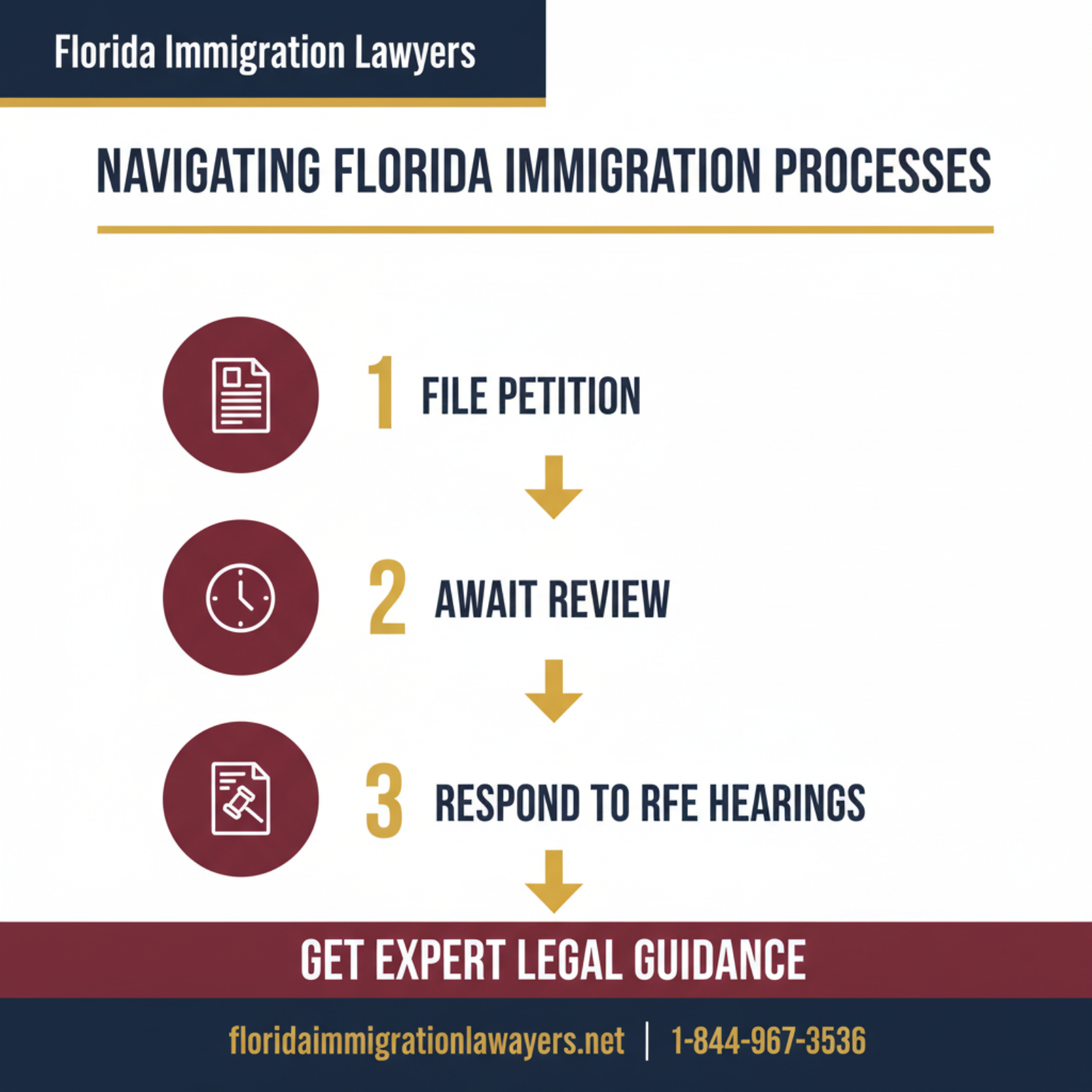
While each immigration case is unique, many processes follow a general sequence. Here is a simplified step-by-step guide to common immigration applications handled by USCIS:
- Initial Consultation and Eligibility Assessment: Your first step should be to consult with an immigration attorney to determine the most appropriate immigration pathway for your situation. An attorney will assess your eligibility based on current laws and your personal circumstances.
- Gathering Required Documentation: Once an immigration path is identified, you will need to collect all necessary documents. This includes personal identification, birth certificates, marriage certificates, financial records, and any other supporting evidence.
- Form Preparation and Filing: Your attorney will assist in accurately completing all required USCIS forms (e.g., Form I-130, I-485, N-400). Precision is critical, as errors can lead to denials or significant delays.
- Biometrics Appointment: After filing, USCIS will typically schedule a biometrics appointment to collect fingerprints, photographs, and signatures. This is a mandatory step for most applications.
- Interview (if required): Depending on your application type, you may be scheduled for an interview at a USCIS field office, such as those in Miami, Orlando, or Tampa. An attorney can help you prepare for this crucial step.
- Decision and Follow-Up: USCIS will issue a decision on your application. If approved, you will receive your immigration benefit. If denied, your attorney can advise on possible appeals or other remedies.
This process can be lengthy and complex, but with the right legal support, it becomes manageable. Our attorneys specialize in citizenship applications and various other pathways.
Key Immigration Documents and Forms: A Florida Checklist
Proper documentation is the backbone of any successful immigration application. Missing or incorrect documents can lead to significant delays, requests for evidence (RFEs), or even denials. We cannot overstate the importance of meticulous preparation.
For those in Florida navigating USCIS processes, having a comprehensive understanding of required documents is essential. This often includes original copies, certified translations, and specific formats. Always ensure all documents are legible and up-to-date.
The specific documents you need will vary greatly depending on the type of immigration benefit you are seeking. However, some categories of documents are almost universally required for most applications. Our experienced attorneys can provide a tailored checklist for your unique case.
If you are concerned about obtaining certain documents or fear your documents may be insufficient, contact Florida Immigration Lawyers immediately. We can help you strategize and prepare, even for challenging situations that might otherwise lead to deportation defense issues.
Essential Document Checklist (General)
- Valid Passport and travel documents
- Birth Certificate (original or certified copy, with translation if not in English)
- Marriage Certificate(s) (if applicable, with translation)
- Divorce Decrees or Death Certificates for previous spouses (if applicable, with translation)
- Police Clearances from all countries resided in for 6+ months since age 16
- Medical Examination Report (Form I-693) completed by a USCIS-approved civil surgeon
- Affidavit of Support (Form I-864) and supporting financial documents (tax returns, employment letters)
- Photographs meeting USCIS specifications
- Copies of all previous visa pages, I-94 records, and immigration documents
- Educational degrees, diplomas, and transcripts (for employment-based visas)
- Employer letters and job offer details (for employment-based visas)
Remember, this is a general list. Your specific case may require additional or different documents. Always consult with your attorney to confirm what is needed.
Immigration Timelines and Processing Expectations for Florida Residents
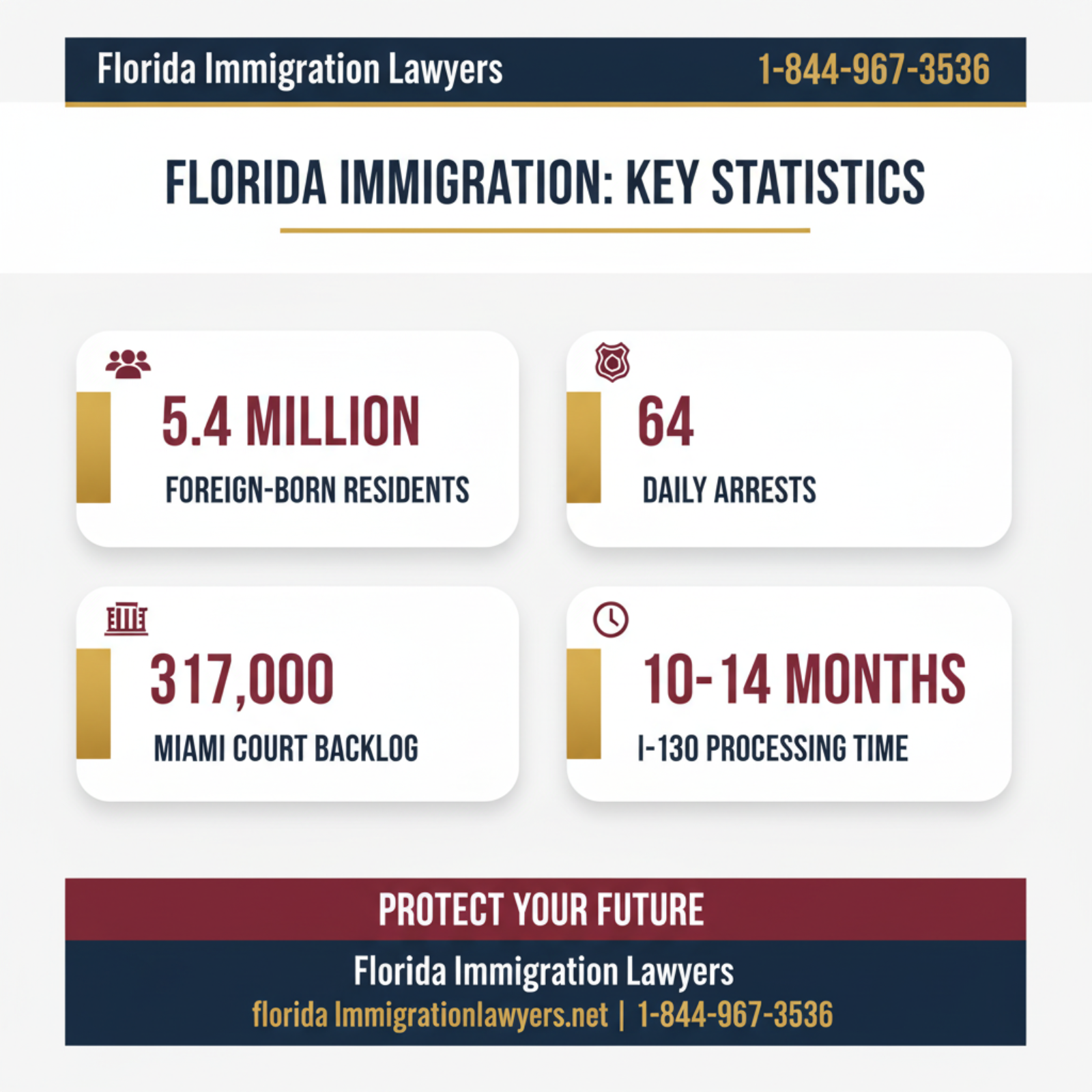
One of the most common questions our clients in Florida ask is, "How long will my case take?" The truth is, immigration processing times can vary significantly. They depend on numerous factors, including the type of application, the specific USCIS field office or service center handling your case, and current backlogs.
For Florida residents, applications might be processed through service centers or local field offices in cities like Miami, Orlando, Jacksonville, or Tampa. Each office can have different processing workloads and speeds. For example, family-based petitions (Form I-130) often have different timelines than naturalization applications (Form N-400) or asylum claims.
USCIS regularly updates its processing times on its website, providing estimated ranges. However, these are just estimates, and individual cases can fall outside these averages. Factors like requests for evidence, interview scheduling, and background checks can all extend the timeline. It is important to manage expectations and understand that patience is often required.
While we cannot guarantee specific timelines, Florida Immigration Lawyers can provide you with the most up-to-date information available and help you understand what to expect for your particular case. We proactively monitor your case status and communicate any changes or delays to you promptly. For official processing time estimates, you can visit the USCIS website.
Understanding Immigration Costs and Fees in Florida
The financial aspect of immigration can be a significant concern for many families and individuals in Florida. It is important to budget for various costs associated with immigration applications, including government filing fees, legal fees, and other related expenses.
USCIS filing fees are set by the government and are subject to change. These fees vary depending on the specific form and immigration benefit you are seeking. For example, a Form I-485 (Application to Register Permanent Residence or Adjust Status) will have a different fee than a Form N-400 (Application for Naturalization). It is crucial to check the most current fee schedule on the USCIS website before submitting any application.
In addition to government fees, you should also account for legal fees charged by an immigration attorney. While these represent an investment, the expertise and guidance provided can save you from costly mistakes, delays, and potential denials. Many firms, including Florida Immigration Lawyers, offer flexible payment options and initial free consultations to help you understand the total investment.
Other potential costs may include fees for medical examinations by USCIS-approved civil surgeons, translation services for foreign-language documents, and travel expenses for interviews. Some applicants may be eligible for fee waivers for certain USCIS forms based on financial hardship. An experienced attorney can help you determine if you qualify. Contact us to discuss your specific needs.
Do not navigate this process alone. Contact Florida Immigration Lawyers today to schedule your free consultation. Our experienced team is ready to provide the guidance and support you need.
Common Mistakes to Avoid in Immigration Applications
The immigration process is fraught with potential pitfalls that can lead to significant delays or even denial of your application. Avoiding these common mistakes is crucial for a successful outcome. Here are some key errors to watch out for:
- Incomplete or Inaccurate Forms: Failing to fill out every section of a form or providing incorrect information is a frequent cause of RFEs and denials. Always double-check all entries.
- Missing Deadlines: USCIS deadlines are strict. Missing a deadline for filing an application, responding to an RFE, or attending an appointment can lead to case closure or denial.
- Failure to Disclose All Information: Intentionally or unintentionally omitting relevant details, especially concerning criminal history or previous immigration issues, can be considered misrepresentation and lead to severe consequences, including inadmissibility.
- Not Updating Your Address: If you move, you must inform USCIS within 10 days using Form AR-11. Failure to do so can result in missed notices, interviews, or even deportation orders.
- Traveling Without Proper Authorization: Leaving the U.S. without Advance Parole while an adjustment of status application is pending can lead to abandonment of your application.
- Ignoring Legal Notices: Disregarding any mail or notices from USCIS or immigration courts can have dire consequences, including orders of removal in your absence.
- Submitting Untranslated Documents: Any document not in English must be accompanied by a certified English translation. Failure to do so will result in an RFE or rejection.
- Not Keeping Copies of Everything: Always keep a complete copy of every form, document, and piece of correspondence you send to or receive from USCIS.
- Failing to Prepare for Interviews: Appearing at an interview unprepared or without all requested documents can lead to delays or denials.
- Using Unqualified Assistance: Relying on notarios or unethical consultants who are not licensed attorneys can lead to disastrous legal outcomes and even fraud.
- Overstaying Your Visa: Remaining in the U.S. beyond your authorized period of stay can trigger bars to future immigration benefits and make you deportable under INA § 237.
- Not Seeking Legal Counsel: Attempting to navigate complex immigration laws without an experienced attorney significantly increases the risk of errors and unfavorable outcomes.
When to Call a Lawyer: Navigating Complex Immigration Challenges
While some immigration processes may seem straightforward, the complexities of U.S. immigration law often require the expertise of a qualified attorney. Recent immigration policy news in Florida further emphasizes the need for professional guidance. Here are specific scenarios where contacting Florida Immigration Lawyers is not just helpful, but often essential:
- Facing Deportation or Removal Proceedings: If you or a loved one has received a Notice to Appear (NTA) in immigration court, immediate legal representation is critical. Our deportation defense attorneys can build a strong case for you.
- Applying for Asylum or Refugee Status: These cases are highly complex and require strong legal arguments and extensive documentation. An attorney can help you present a compelling case to USCIS or the immigration court.
- Previous Denials or Immigration Issues: If you have had a visa denied, an application rejected, or have a history of immigration violations, an attorney can help analyze your options and strategize a new approach.
- Criminal History: Even minor criminal offenses can have severe immigration consequences, potentially leading to inadmissibility or deportability. An attorney can assess the impact and advise on waivers or defense strategies.
- Complex Family-Based Petitions: While family immigration can seem simple, issues like prior divorces, step-relationships, or age-out situations can complicate matters. Our family immigration lawyers are experts in these nuances.
- Business or Employment-Based Immigration: Navigating the requirements for various work visas, PERM labor certifications, or investor visas demands specialized knowledge. Our business immigration team can guide employers and employees.
- Concerns about New Policies: If you are unsure how recent immigration policy news, whether state or federal, might affect your status or application, a consultation can provide clarity and peace of mind.
Do not wait until a problem arises. Proactive legal counsel can often prevent issues before they escalate. Our attorneys at Florida Immigration Lawyers are dedicated to protecting your rights and achieving the best possible outcome for your case.
About Florida Immigration Lawyers
Florida Immigration Lawyers is a leading law firm dedicated to providing comprehensive and compassionate immigration legal services throughout Florida. With years of experience and a deep understanding of U.S. immigration law, we are committed to helping individuals, families, and businesses navigate the complexities of the immigration system.
Our firm offers a wide range of services, including family-based immigration, employment visas, deportation defense, asylum claims, naturalization, and assistance with USCIS applications. We pride ourselves on our client-focused approach, ensuring that each client receives personalized attention and strategic legal advice tailored to their unique circumstances.
Why choose Florida Immigration Lawyers? We are available 24/7, offering free consultations to discuss your case. Our team is fluent in English and Spanish, ensuring clear communication and understanding. We serve clients in all of Florida, from Tallahassee to Miami, and are dedicated to achieving favorable outcomes for those seeking to live, work, and thrive in the United States.
Your immigration journey is important, and we are here to support you every step of the way. Contact us today. Phone: 1-844-967-3536 | Website: https://www.floridaimmigrationlawyers.net
Sources and References
- U.S. Citizenship and Immigration Services (USCIS)
- Executive Office for Immigration Review (EOIR)
- U.S. Department of State (travel.state.gov)
- 8 U.S.C. Chapter 12 - Immigration and Nationality Act (INA)
- Immigration and Nationality Act (INA) § 212 - General Classes of Aliens Ineligible for Visas and Admission; Waivers of Inadmissibility
- Immigration and Nationality Act (INA) § 237 - Deportable Aliens
- 8 CFR § 204 - Petitions
This article provides general legal information and is not intended as legal advice. Every case is unique, and outcomes depend on specific facts and circumstances. Contact an attorney for advice about your particular situation.
The landscape of immigration policy news is constantly changing, but your right to expert legal representation remains constant. Do not leave your future to chance. Call Florida Immigration Lawyers at 1-844-967-3536 for a free consultation. Se Habla Español - Estamos aquí para ayudarle.
Need help with Immigration?
Our Florida immigration attorneys offer free consultations. Call today or schedule online.
Frequently Asked Questions
Florida Immigration Lawyers
Legal Team
Our experienced attorneys at Florida Immigration Lawyers have been serving clients across Florida for over 20 years. We specialize in immigration, personal injury, criminal defense, workers compensation, and family law.