Annual Asylum Fee in Florida: 2026 Guide for Applicants
For asylum seekers in Florida, understanding the annual asylum fee for 2026 is critical. This guide from Florida Immigration Lawyers covers who must pay, how to navigate the payment process, and crucial deadlines. Learn about potential fee waivers and common mistakes to avoid that could jeopardize your asylum application. Whether your case is with USCIS or EOIR, this recurring fee requires careful attention. Do not risk your future; get expert legal guidance to ensure compliance and protect your path to asylum. Contact us for a free consultation to discuss your specific situation.

The annual asylum fee, applicable in Florida for 2026, requires certain asylum applicants to pay a yearly charge while their case remains pending. This fee aims to help fund the immigration system. Eligibility typically depends on how long your asylum application has been pending. It is crucial to understand payment procedures and potential exemptions to avoid jeopardizing your asylum case.
- Certain asylum applicants may owe an annual fee.
- The fee applies to cases pending for specific durations.
- Non-payment can lead to adverse immigration consequences.
- Waivers may be available for eligible individuals.
- Consulting an attorney is highly recommended for guidance.
Understanding the Annual Asylum Fee in Florida for 2026
Are you an asylum seeker in Florida, wondering about the complexities of your immigration journey? The landscape of U.S. immigration law is constantly evolving. For those with pending asylum applications, an important development to be aware of for 2026 is the potential requirement of an annual asylum fee.
This fee, a significant change in immigration policy, can impact many individuals and families throughout Florida, from Miami to Orlando and Tampa. Understanding its implications is crucial for the success of your asylum case. Our firm, Florida Immigration Lawyers, is dedicated to helping you navigate these challenging waters.
This comprehensive guide will break down everything you need to know about the annual asylum fee for 2026. We will cover who must pay, how to pay, and common pitfalls to avoid. Do not face this complex legal challenge alone. Call Florida Immigration Lawyers at 1-844-967-3536 for a free consultation today.
Overview: The Annual Asylum Fee and Its Impact in Florida
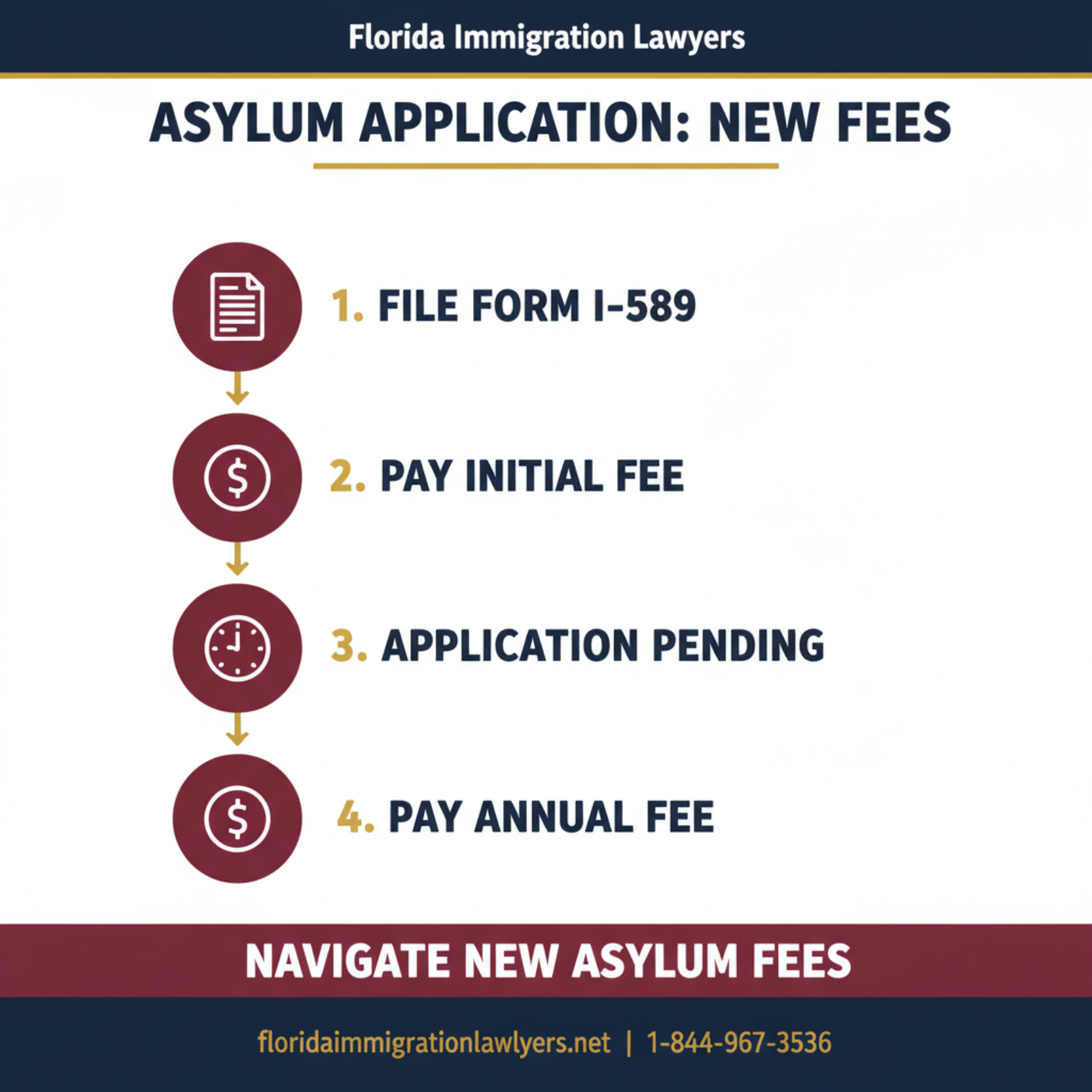
The concept of an annual asylum fee represents a notable shift in how asylum claims are processed and funded. Historically, filing an asylum application (Form I-589) did not incur a fee. However, recent legislative and regulatory changes have introduced a recurring charge for certain pending asylum cases.
This fee, often referred to as the USCIS annual asylum fee or EOIR annual asylum fee depending on where your case is pending, is intended to help cover the costs associated with processing asylum applications. It applies to individuals whose asylum applications have been pending for a specified period, typically one year or more, as of a certain date.
For asylum seekers in Florida, this means an additional consideration in your ongoing immigration process. Whether your case is with the U.S. Citizenship and Immigration Services (USCIS) at an office like the one in Miami or pending before an Immigration Judge at the Miami Immigration Court, this fee could apply to you. It is essential to stay informed about its implementation and any specific guidance issued by immigration authorities for the year 2026.
The fee's implementation stems from legislative efforts aimed at reforming the immigration system, such as those that led to the passage of H.R. 1, which included provisions for new immigration fees. While the specific details and effective dates have been subject to legal challenges and adjustments, the underlying intent to impose an annual asylum fee for long-pending cases remains a critical aspect of current immigration policy. See 8 U.S.C. § 1808 for related statutory provisions.
Who is Subject to the Annual Asylum Fee?
Generally, the annual asylum fee applies to individuals whose asylum applications have been pending for a certain duration. This often means cases that have been active for over one year. The specific start date for counting this period is crucial and is typically outlined in official USCIS or Executive Office for Immigration Review (EOIR) guidance.
Certain categories of applicants might be exempt or eligible for waivers. For instance, some regulations provide for exemptions based on age or income level. It is important not to assume you are exempt; always verify your status against the latest official guidelines.
Why Was This Fee Introduced?
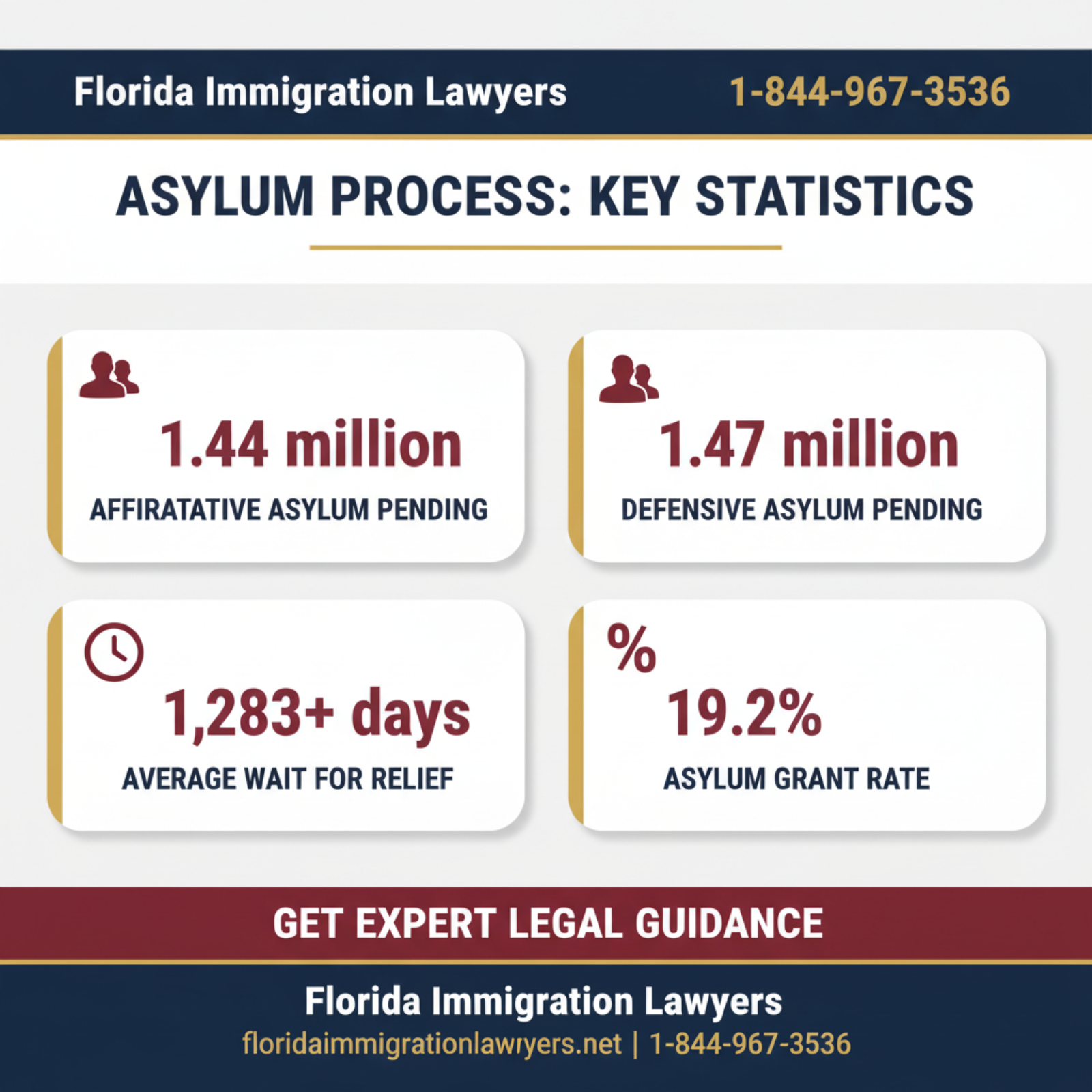
The introduction of the annual asylum fee is part of a broader strategy to manage the increasing volume of asylum applications and the associated administrative costs. Proponents argue it helps create a more sustainable funding model for the immigration system. However, critics express concerns that it places an undue burden on vulnerable asylum seekers.
Regardless of the debate, this fee is a reality that many asylum applicants in Florida must contend with for 2026. Understanding your obligations is the first step towards successfully navigating this requirement and protecting your path to asylum in the United States. Your Florida immigration lawyer can help clarify if this fee applies to your unique situation.
Step-by-Step Guide to the Annual Asylum Fee for 2026
If you believe you may be subject to the annual asylum fee in Florida for 2026, following a clear process is essential. This guide outlines the typical steps involved in understanding and fulfilling this requirement.
-
Determine Your Eligibility and Notification: The first step is to ascertain if the fee applies to your case. USCIS or EOIR will generally send a notice to eligible applicants. This notice will detail the requirement, the amount due, and the deadline for payment. Make sure your contact information with USCIS and EOIR is always up-to-date to receive these critical notifications.
Review this notice carefully. It will specify the payment period, such as whether your asylum application was pending during a particular fiscal year or a 12-month period.
-
Understand the Payment Deadline: Each notification for the annual asylum fee will include a specific deadline. Missing this deadline can have severe consequences for your asylum application, potentially leading to dismissal or denial. Mark this date clearly and plan your payment accordingly.
Deadlines are strict and typically allow a reasonable window for payment after notification. Do not wait until the last minute to address this requirement.
-
Explore Fee Waiver Options: If paying the annual asylum fee presents a financial hardship, you may be eligible for a fee waiver. USCIS and EOIR have specific criteria for granting waivers, often based on income below a certain poverty level or receipt of means-tested public benefits. You will need to submit a formal request for a fee waiver, usually on Form I-912, Request for Fee Waiver, for USCIS cases, or by specific motion for EOIR cases.
Gather all necessary documentation to support your waiver request. This includes proof of income, household size, and any public benefits you receive. A successful waiver can relieve the financial burden.
-
Choose Your Payment Method: If a waiver is not applicable or denied, you will need to pay the annual asylum fee. Payment methods typically include online payment through the USCIS online payment system, by mail with a check or money order, or potentially in person at a designated location. The notice you receive will provide specific instructions for accepted payment methods.
Always ensure your payment information is accurate and that you keep a record of your payment, including confirmation numbers or copies of checks. This documentation is vital proof of compliance.
-
Confirm Payment Receipt: After submitting your payment, it is crucial to confirm that USCIS or EOIR has received and processed it. For online payments, you should receive an immediate confirmation. For mailed payments, monitor your bank statements or check for a receipt notice from the agency. If you do not receive confirmation within a reasonable timeframe, follow up promptly.
Retain all payment receipts and correspondence. These documents are your evidence that you have met the annual asylum fee requirement.
Document Checklist for the Annual Asylum Fee
To successfully navigate the annual asylum fee process in Florida for 2026, having the correct documentation ready is paramount. This checklist will help you prepare for payment or a fee waiver request.
- Annual Asylum Fee Notification: The official letter from USCIS or EOIR detailing your obligation to pay the fee, including the amount and deadline.
- Proof of Identity: A copy of your government-issued identification, such as your passport, driver's license, or other valid ID.
- Asylum Application (Form I-589) Copy: A copy of your original asylum application, especially the receipt notice (Form I-797C, Notice of Action), which includes your A-number.
- Payment Information: If paying online, ensure you have a valid credit/debit card or bank account details. If paying by mail, prepare a check or money order made payable to "U.S. Department of Homeland Security."
- Fee Waiver Request (Form I-912, if applicable): If applying for a waiver, complete Form I-912 thoroughly.
- Proof of Income (for Fee Waiver): Recent pay stubs, income tax returns, or a letter from your employer.
- Proof of Public Benefits (for Fee Waiver): Documentation showing receipt of means-tested public benefits, such as Medicaid, SNAP, or Temporary Assistance for Needy Families (TANF).
- Household Information (for Fee Waiver): Documentation to support your household size, such as birth certificates for dependents or marriage certificates.
- Correspondence Records: Keep copies of all communications with USCIS or EOIR regarding your asylum case and fee obligations.
- Proof of Previous Payments: If you have made previous payments related to your asylum case, retain those receipts.
Timeline and Processing Expectations for the Annual Asylum Fee
Understanding the timeline for the annual asylum fee is crucial for asylum seekers in Florida. The fee is generally assessed on an annual basis for cases that have been pending for a certain period. For 2026, you can expect notifications to be sent out at specific times, usually corresponding to the anniversary of your asylum application filing or a designated fiscal year.
Once you receive a notification, you typically have a limited window, often 30 to 60 days, to submit your payment or fee waiver request. It is vital to adhere strictly to these deadlines. Failure to do so can result in significant delays or even the denial of your asylum application.
After you submit your payment or waiver request, processing times can vary. Online payments are usually processed quickly, often within a few days. Mailed payments may take longer, sometimes several weeks, to be acknowledged and processed. USCIS and EOIR websites provide general processing times, but these can fluctuate.
If you submit a fee waiver request, it will be reviewed by the agency. This review process can add to the overall timeline. If your waiver is denied, you will be given another opportunity to pay the fee, but with a new, often shorter, deadline. Monitoring your case status online through the USCIS website or EOIR's automated system is highly recommended.
Cost Factors and Fee Breakdown for Asylum Seekers
While this article cannot provide specific dollar amounts for the annual asylum fee, as fees are subject to change by regulation, it is important to understand the components of potential costs. The annual asylum fee is a recurring charge, distinct from other fees you might encounter in your immigration journey.
This fee is separate from the initial asylum application fee, which historically has been zero for Form I-589. It is also different from fees associated with employment authorization documents (EADs) or other immigration benefits. The annual fee is specifically tied to the ongoing adjudication of your asylum claim.
Beyond the direct fee, consider other potential costs. These might include postal fees for mailing documents, travel expenses if you need to visit a USCIS office in Florida (like the one in Miami or Orlando) or the Immigration Court, and the cost of obtaining supporting documents. However, the most significant additional cost for many is legal representation.
Engaging a skilled Florida immigration lawyer, such as those at Florida Immigration Lawyers, is an investment in your future. While there are legal fees associated with professional representation, the expertise and guidance provided can be invaluable. This can help you avoid costly mistakes, ensure timely submissions, and increase your chances of a successful outcome, potentially saving you more in the long run.
Do not underestimate the complexity of immigration law. Do not navigate this process alone. Contact Florida Immigration Lawyers today to discuss your case and how we can assist you with the annual asylum fee and other immigration matters.
Common Mistakes to Avoid with the Annual Asylum Fee
Navigating the annual asylum fee for 2026 can be tricky. Even minor errors can lead to significant setbacks for your asylum case. Be mindful of these common mistakes to protect your application.
-
Ignoring the Notification: Failing to open or read official mail from USCIS or EOIR is a critical error. These notices contain vital information about the fee, deadlines, and consequences. Consequences: Missing the deadline, leading to potential case dismissal or denial without proper consideration.
-
Missing the Payment Deadline: The deadlines provided in the fee notification are strict. Assuming a grace period or forgetting the date can be detrimental. Consequences: Your asylum application may be deemed abandoned or denied for non-compliance, jeopardizing your ability to remain in the U.S.
-
Incorrect Payment Amount: Submitting an amount different from what is specified in the official notice. Consequences: Your payment will likely be rejected, causing delays and potentially leading to a missed deadline if not corrected promptly.
-
Improper Payment Method: Using an unaccepted form of payment, such as cash by mail or an expired credit card. Consequences: Payment rejection, further delays, and the risk of your case being negatively impacted due to non-payment.
-
Failing to Request a Fee Waiver (if eligible): Not exploring or applying for a fee waiver when you meet the financial hardship criteria. Consequences: Unnecessary financial burden, or if you cannot pay, the eventual denial of your application due to non-payment.
-
Incomplete Fee Waiver Application: Submitting Form I-912 or an EOIR fee waiver motion without all required supporting documentation or with missing information. Consequences: Denial of the fee waiver, requiring you to pay the fee with a potentially shortened new deadline, or outright denial of your asylum case.
-
Not Keeping Records: Failing to keep copies of your payment receipts, fee waiver applications, and all correspondence. Consequences: If there's a dispute about payment, you will lack proof of compliance, making it difficult to resolve the issue.
-
Assuming Exemption: Believing you are automatically exempt from the fee without verifying the criteria against current regulations. Consequences: Receiving a notice of non-compliance and facing the same negative outcomes as those who simply fail to pay.
-
Outdated Contact Information: Not updating your mailing address or phone number with USCIS and EOIR. Consequences: Missing critical notifications about the annual asylum fee, leading to unawareness of your payment obligation and subsequent adverse actions on your case.
-
Confusing Annual Asylum Fee with Other Fees: Mistaking the annual asylum fee for the EAD fee or other application fees. Consequences: Incorrect payments or missed payments for the specific annual asylum charge, causing confusion and potential issues with your asylum case.
-
Not Seeking Legal Advice: Attempting to navigate the complexities of the annual asylum fee and its potential waivers without consulting an experienced immigration attorney. Consequences: Increased risk of making any of the above mistakes, potentially leading to the denial of your asylum claim or deportation proceedings.
When to Call a Florida Immigration Lawyer
The immigration process, especially concerning asylum and new fees like the annual asylum fee, is incredibly complex. While this guide provides general information, your specific situation will always require personalized attention. Knowing when to seek legal counsel can make all the difference in your case.
You should immediately contact Florida Immigration Lawyers if any of the following scenarios apply to you:
- You have received a notice for the annual asylum fee but are unsure if it applies to you or how to proceed.
- You believe you are eligible for a fee waiver but need assistance preparing your request and gathering supporting documents.
- Your fee waiver request has been denied, and you need to understand your options for appeal or payment.
- You missed a deadline for payment or waiver submission and need urgent advice on how to mitigate the consequences.
- You are facing deportation defense proceedings due to issues related to your asylum case or fee payment.
- You are considering applying for asylum or have an existing asylum case and want to ensure compliance with all requirements, including the annual asylum fee.
- You have questions about how the annual asylum fee interacts with other immigration benefits, such as general immigration applications or citizenship pathways.
- You need to understand the latest policy updates or legal challenges related to the annual asylum fee that may affect your case in Florida.
Our experienced asylum attorneys at Florida Immigration Lawyers are here to provide the expert guidance you need. We understand the nuances of immigration law and are committed to protecting your rights and helping you achieve a favorable outcome. We serve clients across all of Florida, including Miami, Fort Lauderdale, Orlando, and Tampa.
About Florida Immigration Lawyers
Florida Immigration Lawyers is a leading immigration law firm dedicated to serving individuals and families across the entire state of Florida. With a deep understanding of U.S. immigration laws and a compassionate approach, we provide comprehensive legal representation for a wide range of immigration matters.
Our firm specializes in various practice areas, including family immigration, business immigration, asylum, deportation defense, and naturalization. We pride ourselves on offering personalized strategies tailored to each client's unique circumstances, ensuring the highest level of advocacy and support.
Why choose Florida Immigration Lawyers? Our team of dedicated attorneys is committed to excellence, providing transparent communication, ethical representation, and tireless effort on behalf of our clients. We understand the stakes involved in immigration cases and are here to guide you through every step of the process.
For expert legal assistance with your immigration needs, including guidance on the annual asylum fee and your asylum application, contact us today. We are available 24/7 to answer your questions and offer free consultations. Visit our website at https://www.floridaimmigrationlawyers.net or call us directly at 1-844-967-3536.
Sources and References
- U.S. Citizenship and Immigration Services (USCIS)
- Executive Office for Immigration Review (EOIR)
- U.S. Department of State (Travel.State.Gov)
- 8 U.S.C. Chapter 12 - Immigration and Nationality Act (INA)
- 8 U.S.C. § 1158 - Asylum
- 8 U.S.C. § 1808 - Annual Asylum Fee (as enacted or proposed)
- 8 CFR Part 103 - Adjudication of Applications
This article provides general legal information and is not intended as legal advice. Every case is unique, and outcomes depend on specific facts and circumstances. Immigration laws are subject to change. Contact an attorney for advice about your particular situation.
Do not let the complexities of the annual asylum fee or other immigration challenges overwhelm you. The dedicated team at Florida Immigration Lawyers is ready to provide the expert legal support you deserve. We offer free consultations to discuss your case and outline your best path forward. Call us now at 1-844-967-3536 to schedule your free consultation. Se Habla Español - Estamos aquí para ayudarle.
Do Not Navigate This Process Alone
Our experienced immigration attorneys are ready to fight for you. Get a free, confidential consultation today.
Se Habla Español
Or leave your details and we’ll call you:
Free Evaluation in 24 Hours
Or talk to us right now

AI voice assistant — available 24/7
FreeFrequently Asked Questions

William J. Vásquez
Founding Attorney · Vasquez Law Firm
U.S. Air Force veteran and immigration attorney with years of hands-on U.S. immigration experience. J.D., NCCU School of Law. AILA member. Admitted to the 4th, 5th, and 11th Circuit Courts.
Available 24/7 - Free Evaluations
Reviewed for legal accuracy by William J. Vásquez
Licensed in North Carolina; U.S. immigration is federal practice.
Related Legal Services
Our Florida immigration attorneys can help you with business immigration, asylum protection and deportation defense. Call today at 1-844-967-3536 for a free consultation.
Related Links
Related Topics
Free Legal Consultation
Discuss your case with our experienced attorneys. We're available 24/7.
Se Habla Español - Estamos aquí para ayudarle.
Related Articles
Immigration Lawyer Orlando Free Consultation 2026
Discover how to find an immigration lawyer in Orlando offering a free consultation. Understand the services available and why choosing Florida Immigration Lawyers can make a difference in your case.
Military Naturalization Expedited in Florida Bases
Explore military naturalization options for families at Florida bases, including parole in place benefits in Miami. Learn how to expedite your application with expert guidance from Florida Immigration Lawyers.
K-3 Visa Timeline in Florida: What to Expect
Learn the K-3 visa timeline process in Florida, including steps, costs, and documentation. Understand your options in 2026 with guidance from Florida Immigration Lawyers.
Adjustment of Status Gulfport FL: 2026 Green Card Guide
For foreign nationals in Gulfport, FL, and across Florida, adjusting status offers a path to a green card without leaving the U.S. This comprehensive 2026 guide details eligibility, the I-485 application process, required documents, typical timelines, and associated costs. Learn about family-based and employment-based adjustments, waivers for inadmissibility, and life while your application is pending. Avoid common mistakes and understand when to seek expert legal counsel. Florida Immigration Lawyers provides compassionate guidance for your journey to permanent residency.