2026 Winter Olympics Ice Hockey & Immigration in Florida: Your Guide
The 2026 Winter Olympics ice hockey event, while held in Italy, profoundly impacts Florida's immigration landscape. Florida serves as a key hub for athletes, coaches, and support staff, making U.S. immigration processes highly relevant. This comprehensive guide from Florida Immigration Lawyers explores the necessary visa categories, step-by-step application procedures, and essential documentation for those connected to the Olympics. We delve into timelines, costs, and crucial mistakes to avoid, emphasizing the importance of legal counsel. Whether you're an athlete, support staff, or family member in West Palm Beach or elsewhere in Florida, understanding these immigration pathways is vital. Learn how our firm can help you navigate these complexities, offering expert guidance and support to ensure a smooth process for your Olympic-related immigration needs.
The 2026 Winter Olympics ice hockey event, while held in Italy, profoundly impacts Florida's immigration landscape for athletes, staff, and their families. Florida serves as a crucial training ground and residence for many involved in international sports. Preparing for global sporting events involves various visa categories, including P-1 visas for athletes and O-1 visas for individuals with extraordinary ability. Understanding these pathways is crucial for those in Florida connected to the Olympics.
- Specialized visas are essential for Olympic participants and support staff.
- Florida-based teams, athletes, and support personnel often require immigration guidance.
- USCIS processes are critical for both temporary and potentially permanent stays.
- Early legal consultation helps prevent common application errors and delays.
- The event highlights Florida's role in international sports and migration.
2026 Winter Olympics Ice Hockey & Immigration in Florida: Your Guide
Imagine the excitement building for the 2026 Winter Olympics, especially for ice hockey enthusiasts. While the games will primarily take place in Milan and Cortina d'Ampezzo, Italy, the impact on Florida's vibrant sports community is significant. Many athletes, coaches, support staff, and even their families connected to the 2026 Winter Olympics ice hockey teams have strong ties to Florida, whether through training facilities, professional teams like the Florida Panthers in Sunrise or the Tampa Bay Lightning in Tampa, or as residents in areas like West Palm Beach.
Florida's role as an international sports hub means that individuals involved in global events frequently navigate complex U.S. immigration laws. This blog post explores the immigration considerations for individuals involved with the 2026 Winter Olympics ice hockey events, focusing on how Florida residents and those looking to come to Florida can navigate these intricate processes. We will discuss various visa options, application procedures, and the vital role of skilled legal guidance.
If you or someone you know needs assistance with immigration matters related to the Olympics or any other immigration challenge, call Florida Immigration Lawyers at 1-844-967-3536 for a free consultation.
Understanding Immigration for the 2026 Winter Olympics Ice Hockey Community in Florida
Florida has long been a magnet for professional and amateur athletes alike. Its world-class training facilities and favorable climate make it an ideal base. This means that many athletes and support staff participating in the 2026 Winter Olympics ice hockey tournament may reside in Florida or conduct significant preparations here.
For these individuals, understanding the specific U.S. visa categories is paramount. The U.S. Citizenship and Immigration Services (USCIS) offers several nonimmigrant visa options tailored for athletes, entertainers, and their essential support personnel. These visas are designed to facilitate temporary stays for specific events or performances.
The primary visa categories often considered include the P-1 visa for internationally recognized athletes and teams, and the O-1 visa for individuals with extraordinary ability. Each category has distinct requirements that must be met to ensure a successful application. Navigating these requirements effectively often requires professional legal assistance.
Florida's diverse population and its numerous international connections mean that immigration processes are a daily reality. For those in West Palm Beach and other Florida cities involved in the Olympic preparations, specialized legal advice ensures compliance with federal immigration laws. Our firm can assist with various business immigration matters, including those for athletes and sports professionals.
Navigating the Visa Application Process for Olympic Hockey Participants
The process of obtaining a U.S. visa for an Olympic athlete or support staff member can be detailed. It typically involves several key stages, from initial petition filing to the final visa interview. Understanding each step helps streamline the journey.
-
Determine the Appropriate Visa Category: The first crucial step is identifying the correct visa type. The P-1 visa is generally for internationally recognized athletes, individually or as part of a team, coming to the U.S. to participate in specific competitions. The O-1 visa is for individuals with extraordinary ability in the sciences, arts, education, business, or athletics, who have sustained national or international acclaim. For short-term business visitors, a B-1 visa might be applicable, though it has stricter limitations.
For P-1 visas, the Immigration and Nationality Act (INA) at INA §101(a)(15)(P) outlines the specific criteria. Similarly, INA §101(a)(15)(O) details the requirements for O-1 visas. These legal frameworks govern who qualifies for these specialized visas.
-
Gather Required Documentation: Extensive documentation is necessary to support a visa petition. This includes letters from U.S. employers or agents, detailed contracts, evidence of international recognition (such as awards, rankings, or media coverage), and a clear itinerary for the stay in the U.S. All documents must be accurate and comprehensive.
For athletes, evidence of participation in major international events, significant achievements, and endorsements from sports organizations are often critical. Support staff, such as coaches or trainers, must demonstrate their essential role and expertise.
-
File the Petition with USCIS (if applicable): For P-1 and O-1 visas, a U.S. employer or agent must file Form I-129, Petition for a Nonimmigrant Worker, with USCIS. This petition must be approved before the athlete or staff member can apply for a visa at a U.S. Embassy or Consulate abroad. The petitioner must clearly demonstrate the beneficiary's qualifications and the nature of their temporary stay.
USCIS reviews these petitions rigorously, often issuing Requests for Evidence (RFEs) if initial documentation is insufficient. Timely and thorough responses are crucial to avoid delays in the application for the 2026 Winter Olympics ice hockey participants.
-
Attend Visa Interview (if applicable): Once the Form I-129 petition is approved, the applicant typically schedules an interview at a U.S. Embassy or Consulate in their home country. During this interview, a consular officer will review the application, verify documents, and determine eligibility. Applicants must clearly articulate the purpose of their visit and their intent to return home after the event.
Preparation for the interview is key. Applicants should be ready to discuss their involvement with the 2026 Winter Olympics ice hockey team, their professional background, and their ties to their home country. This is a critical step in the visa process.
-
Entry to the U.S.: Upon approval of the visa, the individual can travel to the U.S. At the Port of Entry, a Customs and Border Protection (CBP) officer will review their documents and determine final admissibility. They will issue an I-94 Arrival/Departure Record, which electronically records the authorized period of stay. It is vital to ensure the I-94 reflects the correct visa classification and duration.
Even with a valid visa, final entry is at the discretion of the CBP officer. Any discrepancies or unaddressed issues could lead to complications at the border, underscoring the need for meticulous preparation.
Essential Document Checklist for 2026 Winter Olympics Ice Hockey Visas
Accurate and complete documentation is critical for any U.S. visa application. For those involved with the 2026 Winter Olympics ice hockey, meticulous preparation of these documents will significantly aid the process. Missing or incorrect paperwork can lead to significant delays or even denial.
Here is a general checklist of documents typically required:
- Passport valid for at least six months beyond the intended period of stay in the U.S.
- Confirmation page of the Nonimmigrant Visa Application, Form DS-160.
- Visa interview appointment confirmation letter.
- Form I-797, Notice of Action, indicating the approval of the I-129 petition by USCIS.
- Original letter from the U.S. employer, agent, or sports organization detailing the event, duration, and terms of employment or participation.
- Comprehensive resume or curriculum vitae highlighting professional experience and achievements.
- Evidence of international recognition or extraordinary ability, such as:
- Awards, medals, or significant honors received.
- Membership in professional associations requiring outstanding achievement.
- Published material about the applicant in major professional publications.
- Evidence of participation on a panel or as a judge of others' work.
- Original or copies of contracts, endorsements, or agreements.
- Evidence of high salary or other remuneration for services.
- Detailed itinerary for the entire period of stay in the U.S., including training, competition, and travel dates related to the 2026 Winter Olympics ice hockey event.
- Proof of strong ties to the home country to demonstrate intent to depart the U.S. after the temporary stay. This can include property deeds, family ties, or employment contracts.
- For dependents (spouses and unmarried children under 21) applying for derivative visas (P-4 or O-3):
- Original marriage certificate for spouses.
- Original birth certificates for children.
- Their own DS-160 confirmation and passport.
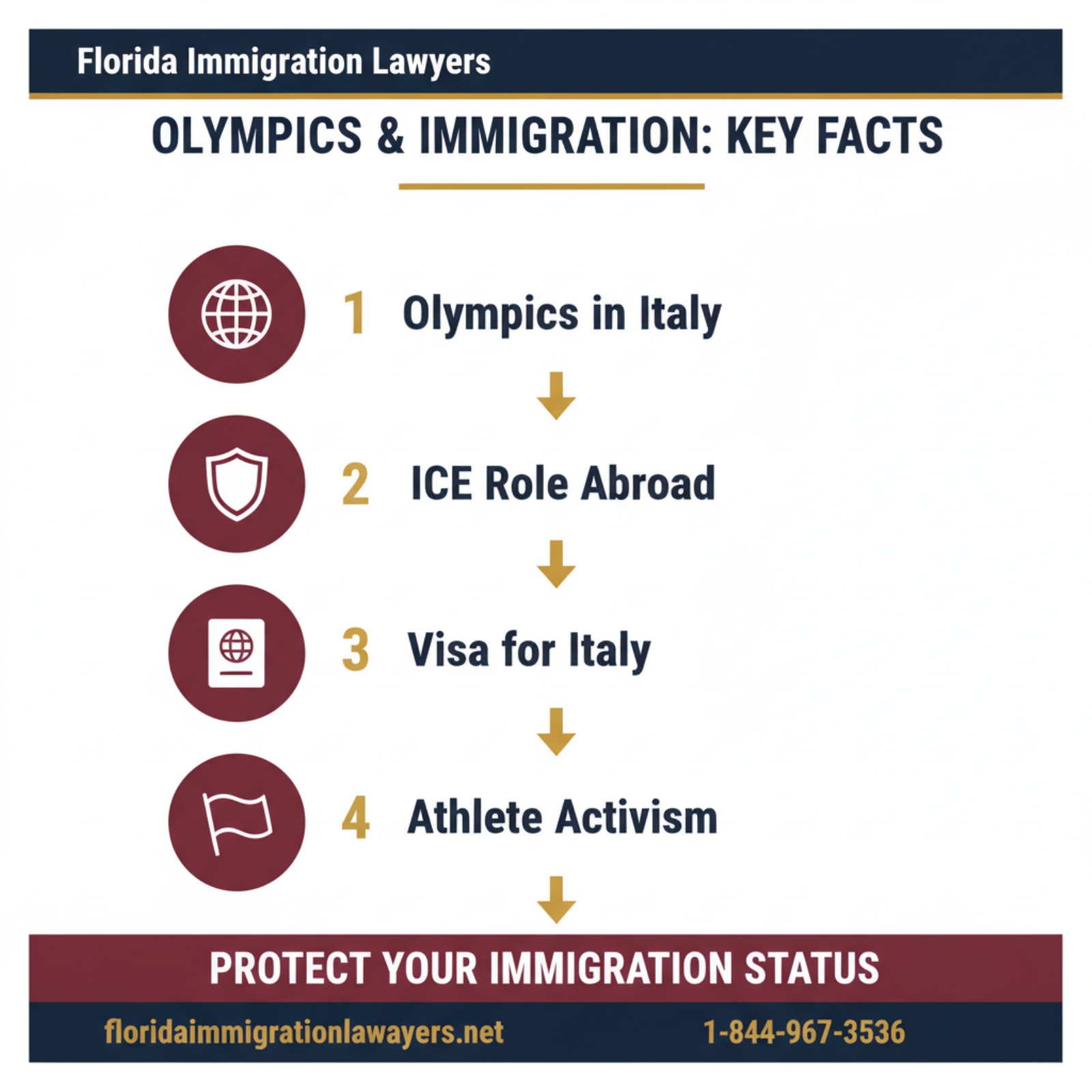
Ensuring all family immigration documents are in order is just as vital as the primary applicant's. It prevents unnecessary complications for accompanying family members.
Timeline and Processing Expectations for Olympic-Related Immigration
The timeline for obtaining U.S. visas for participants in the 2026 Winter Olympics ice hockey can vary significantly. Several factors influence processing times, including the specific visa category, the volume of applications, and the location of the U.S. Embassy or Consulate.
For I-129 petitions (P-1, O-1), USCIS processing times can range from several weeks to several months. Applicants have the option of Premium Processing, which, for an additional fee, guarantees a 15-calendar-day processing time for the petition. This can be invaluable for time-sensitive events like the Olympics. However, Premium Processing only expedites the petition's review by USCIS, not the subsequent consular interview.
After USCIS approves the petition, the applicant must schedule a visa interview at a U.S. Embassy or Consulate abroad. Appointment wait times can vary widely depending on the country and time of year. For instance, wait times at the U.S. Embassy in Rome, Italy, or other European capitals, might differ from those in other regions. It is crucial to check the specific embassy's website for current availability. The U.S. Department of State provides estimated visa wait times online.
Given that the 2026 Winter Olympics ice hockey event is still some time away, early planning is highly recommended. Starting the immigration process well in advance of the event dates will help mitigate potential delays and stress. Unexpected requests for evidence or administrative processing can add weeks or months to the overall timeline.
Cost Factors and Fee Breakdown for 2026 Winter Olympics Ice Hockey Immigration
Understanding the financial aspects of the immigration process is essential for athletes, teams, and sponsoring organizations involved in the 2026 Winter Olympics ice hockey. Several fees are associated with obtaining U.S. visas, and these can accumulate.
Key cost factors typically include:
- USCIS Petition Filing Fees: The fee for filing Form I-129, Petition for a Nonimmigrant Worker, is required for P-1 and O-1 visas. These fees are set by USCIS and are subject to change. It is important to check the most current fee schedule on the USCIS website.
- Premium Processing Fees: If expedited processing of the I-129 petition is desired, an additional fee is required for Premium Processing. This fee guarantees a faster review by USCIS.
- Department of State Visa Application Fees: Once the USCIS petition is approved, each applicant (and any dependents) must pay a non-refundable visa application fee (MRV fee) to the U.S. Embassy or Consulate before their interview.
- Attorney Fees: Engaging an experienced immigration lawyer, such as Florida Immigration Lawyers, involves legal fees for their expertise, guidance, and handling of the application process. These fees vary based on the complexity of the case and the services provided.
- Ancillary Costs: Other potential costs include translation services for foreign documents, courier fees, travel expenses for visa interviews, and medical examinations if required.
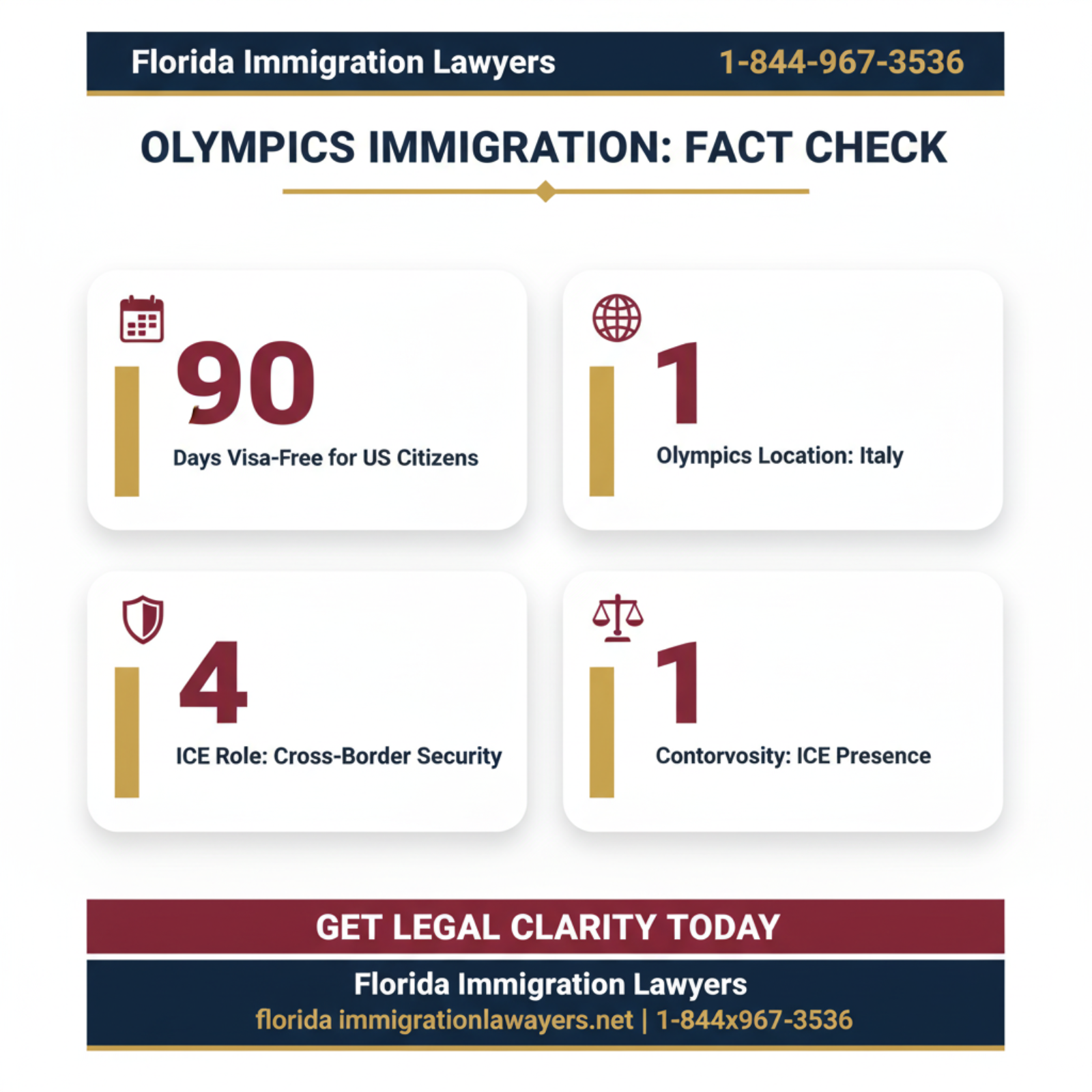
It is important to remember that all government fees are subject to change without notice. We always advise clients to consult the official USCIS and Department of State websites for the most up-to-date fee information. While we cannot provide specific fee amounts, budgeting for these various components is a critical part of the preparation for the 2026 Winter Olympics ice hockey immigration process.
Do not navigate this complex process alone. Contact Florida Immigration Lawyers today for expert guidance tailored to your specific immigration needs. We serve clients across Florida, including West Palm Beach.
Common Mistakes to Avoid in Olympic-Related Immigration Applications
Navigating U.S. immigration law can be fraught with potential pitfalls. For athletes and support staff involved in the 2026 Winter Olympics ice hockey, avoiding common mistakes is crucial to ensure a smooth application process. Errors can lead to significant delays, denials, and even adverse immigration consequences.
-
Incorrect Visa Category Selection: Applying for a visa that does not accurately reflect the applicant's purpose of visit or qualifications is a frequent error. This can lead to immediate denial and wasted time and money.
-
Incomplete or Inaccurate Documentation: Submitting petitions or applications with missing forms, incomplete information, or insufficient supporting evidence is a major cause of Requests for Evidence (RFEs) or outright denials. All required documents must be meticulously gathered and presented.
-
Failure to Prove Intent to Depart: For nonimmigrant visas, applicants must demonstrate strong ties to their home country and a clear intent to return after their temporary stay. Lack of such evidence can lead to visa denial, as consular officers need assurance that the individual will not overstay.
-
Ignoring Deadlines: Immigration processes have strict deadlines for filing petitions, responding to RFEs, and attending interviews. Missing these deadlines, especially for time-sensitive events like the 2026 Winter Olympics ice hockey, can result in the inability to participate.
-
Misrepresenting Information: Any false statements or fraudulent documents on an immigration application can have severe and long-lasting consequences. This can include a permanent bar from entering the U.S., as outlined in 8 U.S.C. §1182(a)(6)(C). Honesty and accuracy are paramount.
-
Lack of Proper Petitioner Support: P and O visas require a U.S. employer or agent to file the petition on behalf of the athlete or staff member. Without a qualified petitioner, the application cannot proceed. Ensuring the petitioner meets all requirements is essential.
-
Not Disclosing Prior Immigration Issues: Failure to disclose previous visa denials, overstays, or other immigration violations can be seen as misrepresentation and lead to serious problems. It is always best to be transparent and address any past issues with legal guidance.
-
Poorly Prepared for Interview: Appearing unprepared or unable to articulate the purpose of the visit and details of their involvement with the 2026 Winter Olympics ice hockey can raise doubts with consular officers, potentially leading to denial.
-
Assuming Automatic Approval: Even highly qualified individuals with significant achievements must still meet every legal and procedural requirement. No visa is guaranteed, and every application is subject to scrutiny.
-
Delaying Legal Consultation: Waiting until a problem arises often makes it more difficult and costly to resolve. Proactive legal advice from the outset can prevent many common mistakes and ensure a smoother process.
-
Failing to Track Application Status: Not monitoring the status of a petition or application can lead to missed requests for evidence or interview notices. Staying informed is crucial for timely responses.
-
Using Outdated Forms: USCIS forms are regularly updated. Using an old version of a form will result in its rejection, causing significant delays. Always download the latest version from the USCIS website.
Consequences of these mistakes can range from minor delays to permanent inadmissibility to the U.S. For those facing serious issues like potential deportation defense, immediate legal counsel is critical.
When to Call a Florida Immigration Lawyer for Olympic-Related Matters
While some immigration processes may seem straightforward, the complexities of U.S. law often warrant professional legal assistance. This is especially true for individuals involved in high-profile events like the 2026 Winter Olympics ice hockey, where timelines are strict and stakes are high.
You should consider contacting Florida Immigration Lawyers if you encounter any of the following scenarios:
- Complex Visa Requirements: If your situation involves multiple visa types, dependents, or unique professional circumstances that don't fit standard categories.
- Previous Immigration Issues: If you have had past visa denials, overstays, or other violations that could impact your current application.
- Expedited Processing Needs: When time is of the essence, and you need to ensure your application is filed correctly and efficiently to meet Olympic deadlines.
- Requests for Evidence (RFEs) or Notices of Intent to Deny (NOIDs): Receiving these from USCIS indicates a problem with your application that requires an expert response.
- Consular Interview Concerns: If you are nervous about your visa interview or have a complicated case that needs thorough preparation.
- Family Members' Immigration Needs: When you need to ensure your spouse or children can accompany you to the U.S.
- Uncertainty About Documentation: If you are unsure what documents are required or how to properly present them.
Warning signs that you need a lawyer include receiving official notices from USCIS or the Department of State, being denied a visa, or facing questions about your eligibility. Our attorneys at Florida Immigration Lawyers have extensive experience navigating these challenges. We are dedicated to providing clear, effective legal strategies for clients throughout Florida, including the West Palm Beach area. We can help you understand your options and work towards a successful outcome. Don't hesitate to contact us for assistance.
About Florida Immigration Lawyers
Florida Immigration Lawyers is a leading immigration law firm dedicated to serving individuals and families across the entire state of Florida. With a deep understanding of complex U.S. immigration laws, our team provides compassionate yet aggressive representation for all types of immigration challenges.
We offer a comprehensive range of immigration services, including family-based visas, employment-based visas, naturalization and citizenship, asylum, deportation defense, and specialized visas for athletes and professionals. Our firm is committed to helping clients achieve their American dreams, whether it's uniting families, securing employment opportunities, or seeking protection.
Why choose Florida Immigration Lawyers? Our commitment to client success, personalized legal strategies, and unwavering support sets us apart. We pride ourselves on clear communication, transparency, and a client-focused approach. Our attorneys are available 24/7 to address urgent concerns and provide peace of mind.
We understand that immigration journeys can be stressful and overwhelming. That's why we offer free consultations to help you understand your legal options without any initial financial commitment. Our firm serves all of Florida, ensuring that expert immigration assistance is accessible wherever you are in the state.
Contact us today at 1-844-967-3536 or visit our website at https://www.floridaimmigrationlawyers.net to schedule your free consultation. Let us be your trusted partner in navigating the complexities of U.S. immigration law.
Sources and References
- U.S. Citizenship and Immigration Services (USCIS)
- U.S. Department of State - Bureau of Consular Affairs
- 8 U.S.C. Chapter 12 - Immigration and Nationality Act (INA)
- INA §101(a)(15)(P) - Nonimmigrant P Visas (8 U.S.C. §1101(a)(15)(P))
- INA §101(a)(15)(O) - Nonimmigrant O Visas (8 U.S.C. §1101(a)(15)(O))
- 8 CFR Part 214 - Nonimmigrant Classes; Regulations Governing Nonimmigrant Classes
This article provides general legal information and is not intended as legal advice. Every case is unique, and outcomes depend on specific facts and circumstances. Contact an attorney for advice about your particular situation.
Don't let immigration complexities dim your Olympic dreams or your involvement with the 2026 Winter Olympics ice hockey events. For dedicated and experienced legal assistance in Florida, including West Palm Beach, trust Florida Immigration Lawyers. Call us today at 1-844-967-3536 for your free, confidential consultation. Se Habla Español - Estamos aquí para ayudarle.
Need help with Immigration?
Our Florida immigration attorneys offer free consultations. Call today or schedule online.
Frequently Asked Questions
Florida Immigration Lawyers
Legal Team
Our experienced attorneys at Florida Immigration Lawyers have been serving clients across Florida for over 20 years. We specialize in immigration, personal injury, criminal defense, workers compensation, and family law.