Citizenship Attorney Near Orlando
October 10, 2026
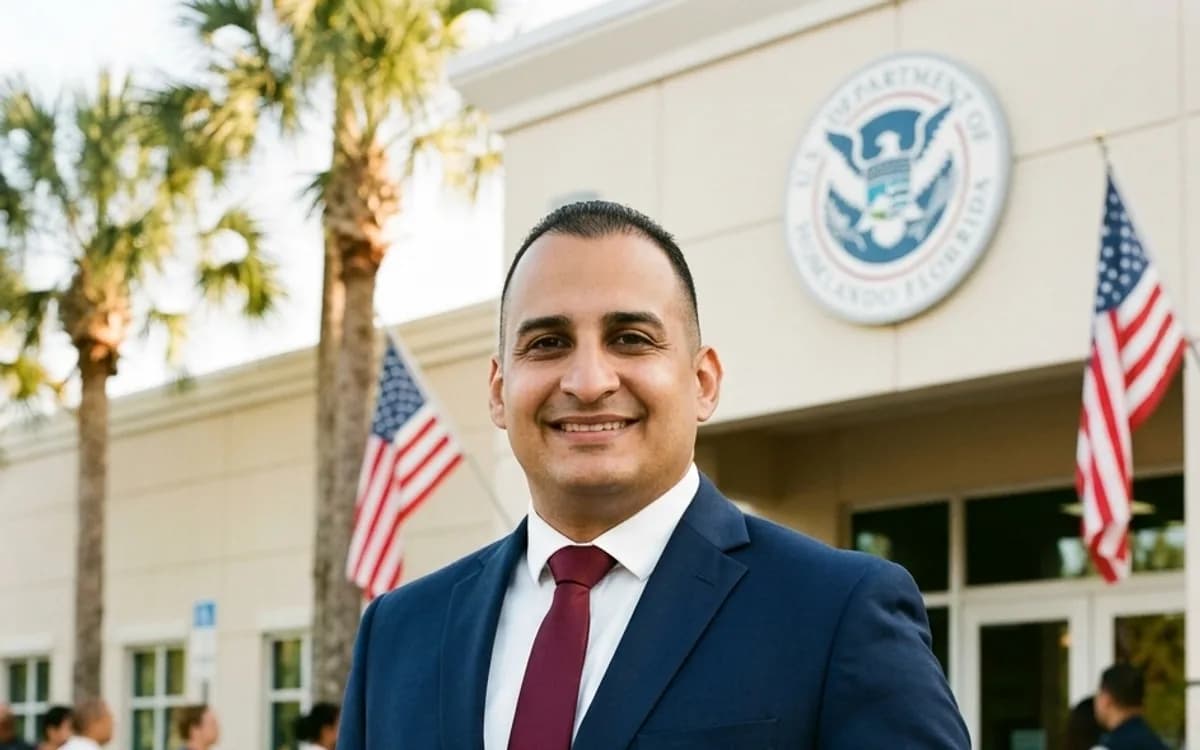
You passed your green card interview years ago. Now the paperwork for citizenship is sitting on your table, and you are stuck on one question: the old DUI from 2017, or the juvenile record you thought was sealed and forgotten. You do not know if it disqualifies you, and you do not know who to ask before you put it in writing on a federal form. That hesitation is the right instinct. Form N-400 asks USCIS to judge your character over the last five years, and a wrong answer on paper is harder to fix than a wrong answer in person.
A citizenship attorney near Orlando reviews your Form N-400 before filing, prepares you for the English and civics test and the naturalization interview at the Orlando Field Office, and addresses good moral character issues like an old DUI or a sealed juvenile record. Our firm handles federal naturalization matters for Central Florida applicants.
The Hard Truth
Most N-400 denials have nothing to do with paperwork backlogs. They come from the good moral character review under 8 C.F.R. § 316.10, which looks at your conduct during the statutory period, usually the five years before filing (three years if you are applying based on marriage to a U.S. citizen under 8 U.S.C. § 1427). A single DUI will not automatically disqualify you, but an undisclosed one, or an inconsistent answer about it, can. The Supreme Court in Kungys v. United States, 485 U.S. 759 (1988), held that a misrepresentation only matters if it was material, but USCIS does not make that call in your favor by default. You have to show your work.
What Happens If You Wait
Missing your biometrics appointment at the Orlando Application Support Center does not cancel your case, but it stalls it. USCIS will typically send one notice to reschedule, and a second missed appointment can lead to denial for abandonment. A trip abroad during your continuous residence period, especially one longer than six months, can also reset your eligibility clock and force you to refile later than you planned. If your N-400 is denied for failing the English and civics test, you get one retest within 60 to 90 days under USCIS Policy Manual, Volume 12, and after that your only path forward is a new filing or an administrative appeal, both of which take more time than getting it right the first time.
Step-by-Step Process
Step one is an eligibility review: confirming your continuous residence, physical presence, and good moral character period line up with either the five-year or three-year rule under 8 U.S.C. § 1427. Step two is filing Form N-400 with supporting evidence, including explanations for any arrests, citations, or sealed records. Step three is biometrics, processed through the Orlando Application Support Center, where USCIS takes your fingerprints and photo for the background check. Step four is interview scheduling at the USCIS Orlando Field Office, 9403 Tradeport Drive, Orlando, FL, where you take the English and civics test and an officer reviews your application under oath. Step five, if approved, is the oath ceremony. Current processing times by field office are published at uscis.gov/processing-times and change throughout the year, so check them directly rather than relying on a fixed number.
A Real-World Example
A composite example: a green card holder in his late thirties, five years in the U.S., came in with a single DUI conviction from eight years earlier and a question about whether to disclose it on Form N-400. We pulled the certified court disposition, confirmed the conviction fell outside the five-year good moral character window, and prepared a written explanation to attach to the filing anyway, since USCIS asks about any arrest regardless of when it occurred. At his interview at the Orlando Field Office, the officer asked follow-up questions about the arrest and the explanation on file. He answered consistently with what was submitted in writing. The interview concluded with the officer noting the case would be held for a supervisory review of the moral character determination, a routine step for cases with any criminal history, not a sign of a final decision either way.
William J. Vasquez handles federal immigration matters, including naturalization proceedings before USCIS, the Board of Immigration Appeals, and removal proceedings before the Executive Office for Immigration Review. He holds admission to the North Carolina State Bar and to the 4th, 5th, and 11th Circuit Courts of Appeals. Naturalization and other proceedings before USCIS and the BIA are federal practice: under 8 C.F.R. § 1292.1, an attorney licensed and in good standing in any single U.S. state bar may represent clients nationwide in these federal matters, which is the basis for his work with applicants in the Orlando area.
Key Terms Explained
Form N-400: the federal application for naturalization filed with USCIS. Good moral character: a statutory standard under 8 U.S.C. § 1427 and 8 C.F.R. § 316.10 requiring an applicant's conduct during the relevant period to meet certain baseline requirements; certain convictions or conduct can bar a finding of good moral character for a set period or permanently. Continuous residence: the requirement that an applicant maintain an uninterrupted period of residence in the U.S., which can be disrupted by extended trips abroad. Physical presence: the separate requirement that an applicant actually be in the U.S. for a minimum number of days within the statutory period. Biometrics: the fingerprinting and photograph appointment USCIS uses to run background and identity checks. Form N-648: a medical certification completed by a qualifying medical professional that can waive the English and civics test requirements for applicants with a qualifying disability or impairment.
Frequently Asked Questions
Q: How long does USCIS take to schedule a naturalization interview at the Orlando Field Office? A: Processing times vary by filing volume and change throughout the year. USCIS publishes current, field-office-specific processing times at uscis.gov/processing-times, which is the most accurate source for your expected wait.
Q: What happens if my N-400 is denied for failing the English and civics test? A: USCIS gives you one opportunity to retake the portion you failed, scheduled 60 to 90 days after your first interview under USCIS Policy Manual, Volume 12. If you fail again, your application is denied, and you can appeal through a Form N-336 request for hearing or file a new N-400.
Q: Can a green card holder with an old DUI still meet the good moral character standard? A: It depends on when the conviction occurred relative to your statutory period (five years, or three years if applying through marriage to a U.S. citizen) and on the specifics of the offense. A single, older DUI does not automatically bar a finding of good moral character under 8 C.F.R. § 316.10, but it must be disclosed and explained.
Q: Do I need to disclose a sealed juvenile record on Form N-400? A: USCIS generally asks about arrests and charges regardless of sealing or expungement status, and the form's instructions should be followed literally rather than assumed away. Whether a specific sealed juvenile record must be listed depends on the exact wording of the question being answered and the record itself.
Q: What if I miss my biometrics appointment at the Orlando Application Support Center? A: USCIS will usually send one notice allowing you to reschedule. A second missed appointment without a timely request to reschedule can result in your case being denied for failure to prosecute.
Client feedback on platforms like Google and Avvo describes the firm's communication during naturalization filings and the explanation of each step before the Orlando Field Office interview. We do not publish star ratings or outcome statistics here; immigration results depend on facts specific to each applicant, and any firm that quotes a success rate for naturalization cases is not giving you a verifiable number.
If you are not sure whether an old conviction, a sealed record, or a long trip abroad affects your eligibility, that is a question worth answering before you sign Form N-400, not after.
Schedule a consultation with our immigration team to review your N-400 eligibility, your good moral character period, and your documentation before you file with USCIS.
- Naturalization and Citizenship Services
- N-400 Application Review Consultation
- Green Card and Adjustment of Status
- Immigration Court and BIA Appeals
- Contact Our Immigration Team