Best Immigration Lawyers in the US
October 10, 2026
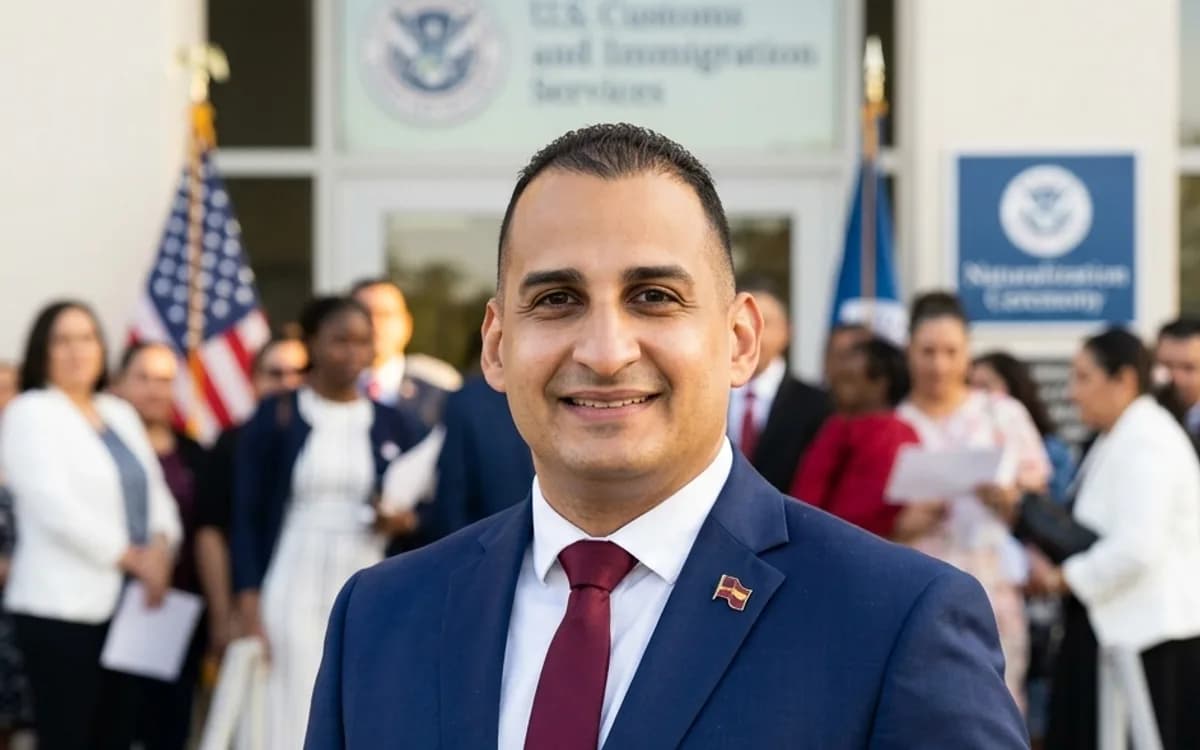
You typed 'best immigration lawyer in the US' at midnight because something scared you today. Maybe a Notice to Appear arrived in the mail. Maybe your H-1B petition came back with a Request for Evidence you don't understand, or a family member is sitting in a cell at Krome North Service Processing Center in Miami right now. No national ranking tells you who the best lawyer is for your specific court, your specific judge, or your specific deadline. What helps is someone who knows the Miami and Orlando Immigration Courts, files correctly in EOIR's electronic system, and tells you the truth about your timeline before you pay anything.
There is no single 'best' immigration lawyer in the U.S. Immigration law is federal, but outcomes depend on the specific immigration court, USCIS field office, or detention center handling your case. Look for federal immigration-bar standing, direct experience before your actual court (per EOIR's court locator), and clear fee and process explanations before hiring.
The Hard Truth
'Best' is a marketing word, not a legal fact. Per attorney-advertising rules in Florida and most states, lawyers cannot verify or publish win rates, so any firm claiming to be the 'best' or citing a success percentage is making a claim it cannot prove. The national immigration court backlog exceeds 3.7 million pending cases, per EOIR's FY2024 statistics yearbook. Your outcome depends heavily on which judge is assigned, what evidence you can gather, and whether you meet strict filing deadlines, not on which firm's name sounds most impressive in a search result.
What Happens If You Wait
Deadlines in immigration law don't bend for a job search or a busy week. Miss a master calendar hearing and the immigration judge can order removal in absentia under INA § 240(b)(5), without you present to explain why. Miss the 30-day window to appeal a judge's decision to the Board of Immigration Appeals under 8 C.F.R. § 1003.38, and that decision becomes final even if the judge misapplied the law. If you're applying for asylum, INA § 208(a)(2)(B) generally requires filing Form I-589 within one year of your last entry, with narrow exceptions. Wait another month to call a lawyer, and some of these doors close permanently.
Step-by-Step Process
Find your actual court. Check the hearing location printed on your Notice to Appear, or call the EOIR automated case information line at 1-800-898-7180 to confirm whether your case is docketed at Miami Immigration Court or Orlando Immigration Court.
Confirm the attorney has federal immigration-bar standing. Immigration law is federal, so an attorney admitted to any U.S. state bar in good standing and authorized to appear before EOIR can represent you nationwide, per 8 C.F.R. § 1292.1. Ask directly whether they've appeared at your specific court before.
File Form EOIR-28, Notice of Entry of Appearance, with the immigration court as soon as you retain counsel. Without it on file, the court will keep sending notices directly to you, not your attorney.
Attend the master calendar hearing. This is a short procedural hearing, usually 5 to 15 minutes, where the judge confirms your identity, takes your plea on the charges in the Notice to Appear, and sets a date for the individual hearing.
Build your evidence file before the individual hearing. Depending on the relief you're seeking, this includes country-condition evidence for asylum, medical and financial records for a waiver, or employment documentation for a visa petition.
If USCIS denies a petition, confirm the correct appeal route before paying a fee. Most denials go to the Administrative Appeals Office through Form I-290B; others require a motion to reopen or reconsider with the original service center instead.
A Real-World Example
Consider a composite scenario based on patterns we commonly see, not a real client. Ana (a composite name) is detained at Krome North Service Processing Center after an enforcement stop in Miami-Dade County. Her family calls several firms online, each advertising itself as the top-rated choice, before retaining counsel. The attorney first files Form EOIR-28 with the Miami Immigration Court, then requests a custody redetermination hearing under 8 C.F.R. § 1003.19. At the bond hearing, the attorney presents evidence of community ties, a lease, an employment letter, and family declarations, to argue for a reasonable bond amount. The immigration judge weighs flight-risk and danger factors and issues a bond decision; whatever that decision is, the underlying removal case continues separately, and the family still has to prepare for the individual hearing on the merits. From detention to a bond decision commonly takes one to three weeks, depending on the court's docket, though this varies case by case.
William J. Vasquez handles federal immigration matters, including removal defense before the Miami and Orlando Immigration Courts, family-based and employment-based petitions before USCIS, and appeals before the Board of Immigration Appeals. He is admitted to practice before the U.S. Courts of Appeals for the Fourth, Fifth, and Eleventh Circuits. Immigration law is federal jurisdiction: representing clients before EOIR, USCIS, and the BIA does not require admission to any particular state's courts, and his practice is limited to federal immigration law rather than state-court matters. Years of experience with Notices to Appear, bond hearings, waiver applications, and USCIS Requests for Evidence inform how our team prepares each filing.
Key Terms Explained
Notice to Appear (NTA): The charging document that starts removal proceedings, listing the allegations against you and your first hearing date or location.
EOIR: The Executive Office for Immigration Review, the Department of Justice agency that runs the immigration courts, including Miami and Orlando.
Master Calendar Hearing: A short, preliminary hearing where the judge confirms identity, takes pleadings on the NTA, and sets a date for the individual hearing. It is not the trial.
Individual (Merits) Hearing: The full hearing where you present evidence and testimony and the judge decides whether you qualify for relief.
Form EOIR-28: The form an attorney files with the immigration court to formally enter an appearance as your counsel of record.
Credible Fear Interview: A screening interview, usually conducted by a USCIS asylum officer, to determine whether someone in expedited removal has a significant possibility of establishing eligibility for asylum.
I-601A Provisional Unlawful Presence Waiver: A waiver filed with USCIS, before leaving the U.S. for a consular interview, for certain unlawful presence grounds of inadmissibility.
Administrative Appeals Office (AAO): The USCIS body that reviews appeals of certain denied petitions, typically filed on Form I-290B.
Bond/Custody Redetermination Hearing: A hearing before an immigration judge, under 8 C.F.R. § 1003.19, to request release from detention or a lower bond amount.
PERM Labor Certification: A process administered by the U.S. Department of Labor, using ETA Form 9089, in which an employer certifies there are no qualified U.S. workers for a position before sponsoring a foreign worker.
Frequently Asked Questions
Q: How do I know if an immigration lawyer is legitimate and not a notario? A: Ask for their bar number and confirm it on your state bar's attorney lookup, and confirm they are authorized to practice before EOIR. A notario público, despite the Spanish-language title, is not a licensed attorney in the U.S. and cannot represent you in immigration court; only a licensed attorney or accredited representative can file Form EOIR-28 on your behalf.
Q: Can any lawyer in the U.S. represent me in immigration court, or do I need one licensed in my state? A: Immigration proceedings are federal, so an attorney licensed in good standing in any U.S. state and authorized to practice before EOIR can represent you nationwide, per 8 C.F.R. § 1292.1. What matters more than their state license is whether they've actually appeared before your specific immigration court.
Q: What happens if I can't afford an immigration lawyer right away? A: EOIR maintains lists of free and low-cost legal service providers by court location, available through the Immigration Court Practice Manual and the EOIR website. Contingency fees don't apply to immigration cases because there's no monetary recovery to take a fee from, so ask any firm for a clear flat-fee or hourly agreement upfront.
Q: How long does a typical removal defense case take from Notice to Appear to a final decision? A: Per EOIR's FY2024 data, the national backlog means many cases take two to five years from the Notice to Appear to a final individual hearing decision, though detained cases typically move faster than non-detained ones. Your specific timeline depends on your court's docket and how much evidence your case requires.
Clients searching for immigration help often read online reviews before calling anyone. We encourage you to read ours, and to also check your state bar's consumer complaint records and any attorney's disciplinary history before hiring, for this firm or any other. Reviews tell you about communication and responsiveness; they don't predict how a judge will rule on your case, and no honest review should claim otherwise.
You don't have to decide who to hire tonight. But if you have a hearing date, an RFE deadline, or a family member in custody, the clock is already running whether you've picked an attorney or not.
Call our office to schedule a consultation about your removal defense, family-based petition, or USCIS matter. We'll review your Notice to Appear, USCIS notice, or detention paperwork, tell you which court or field office has your case, and explain your actual filing deadlines before you decide anything.
- Removal Defense Attorney Florida
- Immigration Bond Hearings at Krome North SPC
- Family-Based Immigration Petitions
- Employment-Based Visas and PERM Labor Certification
- USCIS RFE Response Assistance
- Immigration Appeals Before the BIA
- Contact Our Immigration Team