Supreme Court TPS Venezuela Decision: A Comprehensive Guide for Florida Immigrants
Navigate the Supreme Court's TPS Venezuela decision and its profound impact on Florida immigrants. Explore your eligibility, future options, and get expert legal guidance from Florida Immigration Lawyers.
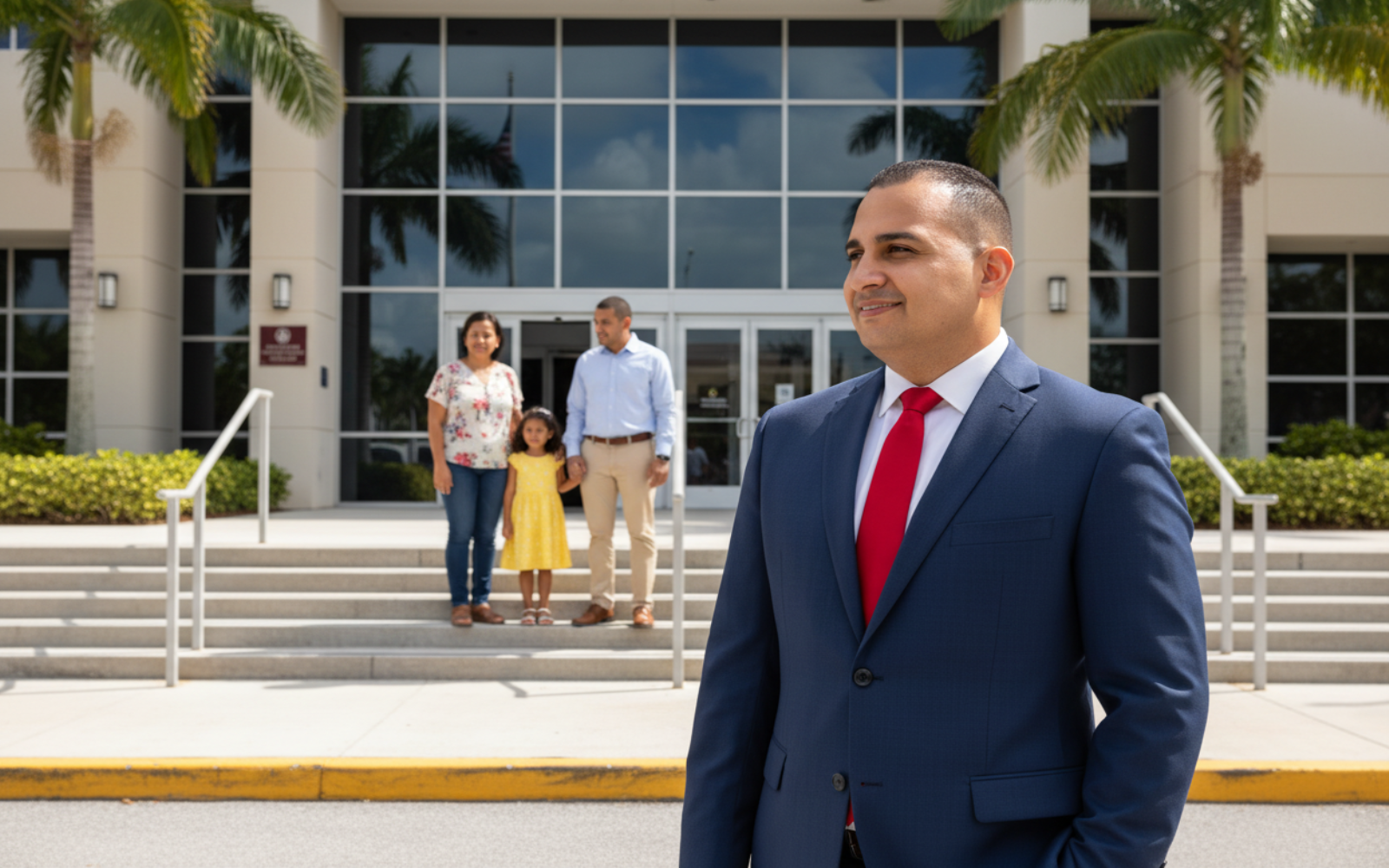
Supreme Court TPS Venezuela Decision: A Comprehensive Guide for Florida Immigrants
The landscape of U.S. immigration law is constantly evolving, and recent developments regarding Temporary Protected Status (TPS) for Venezuelan nationals have significant implications, particularly for the large Venezuelan community residing in Florida. The Supreme Court's involvement in cases related to TPS can create both clarity and uncertainty. This comprehensive guide will break down the Supreme Court's TPS Venezuela decision, its impact on Florida immigrants, and the crucial steps you need to take to protect your status and future in the United States.
Understanding these legal nuances is paramount. Whether you are currently under TPS, considering applying, or exploring other immigration pathways, staying informed and seeking expert legal counsel is essential. Our firm is dedicated to providing up-to-date information and robust legal representation to help you navigate these complex issues.
Understanding Temporary Protected Status (TPS)
What is TPS?
Temporary Protected Status (TPS) is a humanitarian immigration benefit granted by the Secretary of Homeland Security to eligible nationals of designated countries. This designation is made when conditions in a country temporarily prevent its nationals from returning safely, or when the country is unable to handle the return of its nationals adequately. Such conditions can include ongoing armed conflict, environmental disaster, or other extraordinary and temporary conditions. TPS provides protection from deportation and allows beneficiaries to obtain work authorization and, in some cases, travel authorization within the U.S. It is a temporary status, meaning it does not lead directly to a green card or permanent residency, but it offers a crucial lifeline during periods of crisis. Eligibility criteria typically include continuous physical presence in the U.S. since a specified date and continuous residence in the U.S. since another specified date, along with meeting other admissibility requirements. For more detailed information on general immigration matters, visit our Immigration Practice Areas page.
Who is Eligible for TPS Venezuela?
Venezuela was initially designated for TPS on March 8, 2021, due to extraordinary and temporary conditions, including a complex humanitarian crisis, economic collapse, and political instability. This initial designation provided a lifeline for many Venezuelans already in the United States. To be eligible for TPS under this designation, individuals must have been continuously residing in the U.S. since March 8, 2021, and continuously physically present in the U.S. since March 9, 2021. Subsequent extensions and redesignations have updated these dates, but the core principle remains: applicants must meet specific residency and presence requirements, pass security checks, and not have certain criminal convictions. The most recent extension and redesignation for Venezuela announced in October 2023 allows eligible Venezuelan nationals who have been continuously residing in the U.S. since July 31, 2023, to apply. It is crucial to consult the official USCIS website for the most current eligibility dates and application procedures.
The Supreme Court's Role and the Venezuela Decision
Background of the Legal Challenge
The Supreme Court's involvement in TPS cases often stems from legal challenges regarding the interpretation of immigration laws, particularly concerning continuous residence and presence requirements for adjustment of status. While TPS itself is a statutory benefit, questions often arise when TPS beneficiaries attempt to adjust their status to lawful permanent residency (obtain a green card). A key issue that has reached the Supreme Court in various contexts is whether a grant of TPS constitutes an 'admission' into the United States for the purpose of adjustment of status under Section 245(a) of the Immigration and Nationality Act. This distinction is critical because individuals who were never 'admitted' or 'paroled' into the U.S. might face significant hurdles in adjusting their status without leaving the country, which could trigger a re-entry bar. The specific case involving TPS Venezuela that garnered Supreme Court attention often revolved around these technical interpretations, impacting how TPS holders can transition to permanent status.
Key Takeaways from the Decision
The Supreme Court's rulings, particularly in cases like Sanchez v. Mayorkas, have clarified that while TPS provides protection from removal and work authorization, it does not inherently change an individual's immigration status regarding their initial entry. Specifically, the Court affirmed that a grant of TPS does not count as an 'admission' into the U.S. for purposes of adjusting status to a lawful permanent resident under Section 245(a) of the Immigration and Nationality Act, unless the individual was lawfully admitted or paroled into the U.S. prior to receiving TPS. For many Venezuelan nationals who entered the U.S. without inspection, this means that while TPS offers temporary relief, it does not automatically open a pathway to a green card from within the U.S. without further legal action or a separate qualifying pathway. This decision underscores the importance of understanding your specific entry history and consulting with an immigration attorney to assess all available options for long-term residency.
Immediate Impact on Venezuelan Immigrants in Florida
Florida is home to one of the largest Venezuelan diaspora communities in the United States, making the implications of the Supreme Court's TPS Venezuela decision particularly significant for residents across the state. The decision, particularly regarding the 'admission' issue, means that many Venezuelan immigrants in Florida who entered the U.S. without inspection will find their pathway to permanent residency from within the country more challenging, even with TPS. While TPS continues to offer vital protection from deportation and the ability to work legally, it does not, by itself, cure the lack of a lawful admission for adjustment of status purposes. This creates a critical distinction for individuals planning their long-term immigration strategy.
For those who were lawfully admitted or paroled into the U.S. before receiving TPS, the path to adjustment of status remains more straightforward, assuming all other eligibility requirements are met. However, for the substantial number of Venezuelans in Florida who did not have a lawful admission, the Supreme Court's interpretation necessitates exploring alternative avenues. This might involve seeking a waiver, pursuing a different immigration category, or, in some cases, considering consular processing abroad, which carries its own set of risks and complexities. The decision emphasizes the need for a thorough review of each individual's immigration history and goals. It also highlights the importance of understanding that while TPS provides immediate relief and stability, it is not a direct bridge to permanent residency for everyone. Florida immigrants must be proactive in understanding how their specific circumstances align with current immigration laws and seek tailored legal advice to navigate these complexities effectively.
Navigating Your Immigration Options Beyond TPS
Given the temporary nature of TPS and the Supreme Court's clarifications, many Venezuelan immigrants in Florida need to explore other potential avenues for long-term residency. Relying solely on TPS without considering other options might leave you vulnerable if the designation is eventually terminated or not extended. Proactive planning is key to securing your future in the U.S.
Asylum and Refugee Status
For many Venezuelans fleeing the dire conditions in their home country, asylum may be a viable option. Asylum status is granted to individuals who can demonstrate a well-founded fear of persecution in their home country based on race, religion, nationality, political opinion, or membership in a particular social group. Unlike TPS, asylum can lead to permanent residency. The process involves filing an I-589 application, often followed by an interview with an asylum officer or a hearing before an immigration judge. It is a complex process requiring strong evidence and legal argumentation. If you are considering asylum, it is crucial to file within one year of your last arrival in the U.S., though exceptions exist. Our firm has extensive experience in Asylum cases and can help you build a compelling application.
Family-Based Petitions
If you have a qualifying family member who is a U.S. citizen or lawful permanent resident, you might be eligible for a family-based immigration petition. U.S. citizens can petition for spouses, children, parents, and siblings, while lawful permanent residents can petition for spouses and unmarried children. The availability of a visa and the processing times depend on the relationship category and the petitioner's status. For individuals who entered without inspection, even with a family petition, the Supreme Court's 'admission' ruling may still pose a challenge to adjusting status from within the U.S. In such cases, waivers or consular processing may be necessary, which involves leaving the U.S. to attend an interview at a U.S. consulate abroad. This path requires careful planning due to potential re-entry bars.
Employment-Based Visas
For individuals with specialized skills, advanced degrees, or significant investment capabilities, employment-based visas could be an option. These categories include H-1B visas for specialty occupations, EB-1, EB-2, and EB-3 visas for individuals with extraordinary ability, professionals, or skilled workers, and EB-5 visas for investors. Eligibility often requires a U.S. employer sponsor and a rigorous application process. While less common for those initially seeking TPS due to humanitarian concerns, it is a pathway worth exploring if your professional profile aligns with these requirements. The availability of these visas is often subject to annual quotas and extensive documentation.
Deportation Defense Considerations
For any immigrant, understanding the risks of deportation is paramount. If you are in removal proceedings or fear being placed in them, it is critical to seek immediate legal counsel. TPS provides temporary protection from deportation, but it does not grant permanent immunity. If your TPS is terminated or not renewed, you could become subject to removal. Our attorneys specialize in Deportation Defense and can represent you in immigration court, explore all available defenses, and help you understand your rights. This includes assessing eligibility for cancellation of removal, asylum, waivers, or other forms of relief that might prevent your deportation.
Steps Florida Immigrants Should Take Now
Given the complexities of immigration law and the specific implications of the Supreme Court's TPS Venezuela decision, proactive steps are essential for all Venezuelan immigrants in Florida. Do not wait for a crisis to seek assistance.
Consult an Experienced Immigration Attorney
The most crucial step is to schedule a consultation with a qualified immigration lawyer. An attorney can review your unique immigration history, including your entry method, any prior applications, and current status. They can assess your eligibility for TPS, guide you through the application or re-registration process, and, most importantly, explore all potential long-term immigration pathways beyond TPS. This personalized advice is invaluable in developing a robust strategy tailored to your specific circumstances. Our team of experienced attorneys is ready to assist you.
Gather and Organize All Immigration Documents
Maintain a comprehensive and organized file of all your immigration-related documents. This includes your passport, birth certificate, marriage certificate (if applicable), entry documents (I-94), previous visa stamps, TPS application receipts, work authorization cards (EADs), and any correspondence from USCIS or immigration court. Having these documents readily accessible will streamline any application process and help your attorney quickly understand your case. Ensure you have both physical and digital copies in a secure location.
Stay Informed About Policy Changes
Immigration law and policy are subject to frequent changes, especially concerning designations like TPS. Regularly check official government sources such as the U.S. Citizenship and Immigration Services (USCIS) website, the Department of State, and the Department of Justice for updates. Subscribing to reputable immigration news outlets or legal alerts can also help you stay informed. However, always verify information with an attorney, as interpretations can vary, and general news may not apply to your specific situation.
Plan for the Long Term
While TPS offers immediate relief, it is a temporary solution. Work with your attorney to develop a long-term immigration strategy. This might involve preparing for an asylum claim, exploring family-based petitions, or identifying potential employment-based opportunities. Understanding the limitations of TPS, particularly regarding adjustment of status for those without lawful admission, is vital for making informed decisions about your future in the United States. Do not delay in exploring these options.
Conclusion
The Supreme Court's TPS Venezuela decision has clarified important aspects of immigration law, particularly concerning pathways to permanent residency for TPS beneficiaries. For Venezuelan immigrants in Florida, this means a heightened need for vigilance, informed decision-making, and expert legal guidance. While TPS continues to provide crucial temporary protection, it is imperative to understand its limitations and proactively explore all available long-term immigration options.
Our firm is committed to empowering the Venezuelan community in Florida with the knowledge and legal representation needed to navigate these complex challenges. We encourage you to take immediate action, consult with an experienced immigration attorney, and secure your future in the United States. For a confidential consultation, please do not hesitate to contact us today.
¿Necesita ayuda con Inmigración?
Nuestros abogados de inmigración en Florida ofrecen consultas gratuitas. Llame hoy o programe en línea.
Preguntas Frecuentes
Vasquez Law Firm
Equipo Legal
Por más de 15 años, Vasquez Law Firm ha estado sirviendo a clientes en Florida. Nos especializamos en inmigración, lesiones personales, defensa criminal, compensación laboral y derecho familiar.