US Immigration Reform Latest News for Florida: Your 2026
Stay informed on the US immigration reform latest news impacting Florida residents in 2026. This comprehensive guide from Florida Immigration Lawyers explores potential changes in border security, pathways to legal status, and asylum policies. Learn actionable steps to prepare for USCIS updates, gather essential documents, and understand processing expectations and costs. Discover common mistakes to avoid and when to seek legal counsel to protect your immigration status. Our firm provides crucial insights and support for navigating the evolving immigration landscape in Florida.
Staying informed about US immigration reform latest news is crucial for Florida residents. While significant legislative changes can be slow, 2026 may bring shifts in policy regarding border security, pathways to legal status, and processing. Proactive preparation and legal guidance are essential to protect your immigration status and navigate potential updates from agencies like USCIS.
- Immigration reform discussions continue to impact Florida's diverse communities.
- Potential changes may affect visa categories, asylum, and enforcement.
- Monitoring official sources like USCIS and consulting a lawyer is vital.
- Gathering all necessary documents proactively can save time and stress.
- Legal counsel helps interpret complex regulations and avoid common pitfalls.
Are you a Florida resident feeling uncertain about the future of immigration in the United States? With ongoing discussions in Washington and evolving policy landscapes, staying informed about US immigration reform latest news is more critical than ever. The year 2026 holds potential for significant shifts that could directly impact your life, your family, or your business right here in Florida.
At Florida Immigration Lawyers, we understand the anxieties and complexities that come with navigating the U.S. immigration system. This comprehensive guide will explore the current climate of immigration reform, discuss potential changes, and provide actionable steps for you to prepare. We aim to equip you with the knowledge needed to protect your immigration status and plan for the future.
Do not face this uncertainty alone. For personalized advice and a clear understanding of how US immigration reform latest news might affect your specific situation, call Florida Immigration Lawyers at 1-844-YO-PELEO for a free consultation. Our experienced team is ready to assist you.
Understanding the Landscape of US Immigration Reform in 2026
The path to comprehensive US immigration reform latest news is often complex and subject to political tides. In 2026, discussions around immigration policy continue to be a prominent feature of the national conversation. These debates often center on border security, economic impacts, and humanitarian concerns.
For Florida residents, understanding this landscape is particularly vital. Our state is home to a vast and diverse immigrant population, with communities from Latin America, the Caribbean, and beyond contributing significantly to our economy and culture. Any federal changes to immigration laws have profound effects on families and businesses across Florida, from Miami to Orlando and Jacksonville.
Historically, legislative efforts to overhaul the immigration system have faced various challenges. While a grand, sweeping reform package might seem distant, incremental changes through executive actions, new regulations, or targeted legislation are always possible. These smaller adjustments can still have a significant impact on individuals seeking to live and work in the U.S. or to adjust their status.
Florida's unique geographical position also places it at the forefront of many immigration discussions. From the influx of new arrivals to the significant number of residents navigating long-standing immigration processes, the state is a microcosm of the national immigration experience. This makes monitoring the US immigration reform latest news essential for anyone with ties to the system.
Our firm closely monitors all developments to provide timely and accurate advice. Whether you are seeking to understand family-based immigration options or navigating complex deportation defense cases, our team is here to help. Learn more about our services at Florida Immigration Lawyers - Immigration Practice Areas.
Key Areas of Potential Change in New Immigration Laws 2026
As we look towards 2026, several key areas are consistently highlighted in discussions about new immigration laws 2026. These potential changes could reshape how individuals enter the country, gain legal status, and interact with immigration enforcement agencies. Remaining informed about these specific areas is crucial for effective planning.
Border Security and Enforcement
One of the most frequently debated topics is border security. Future legislation or executive actions could introduce new technologies, increased personnel, or stricter penalties for illegal entry. These measures often aim to deter unauthorized crossings and streamline the removal of individuals deemed inadmissible or deportable. Such changes could affect individuals apprehended at the border or those already present in the U.S. without authorization.
For individuals in Florida, changes in enforcement policies can have direct implications. Increased interior enforcement by agencies like U.S. Immigration and Customs Enforcement (ICE) might lead to more arrests and detention. Understanding your rights and having a defense strategy in place is paramount. If you or a loved one are facing such challenges, our deportation defense team can assist. Explore your options at Florida Immigration Lawyers - Deportation Defense.
Pathways to Legal Status
Another significant area of potential reform involves pathways to legal status. This could include adjustments to existing visa categories, such as those for family reunification or employment-based immigration. There might also be discussions about potential new avenues for certain undocumented populations to gain legal residency, though such broad programs are historically difficult to pass. Any changes here would directly impact those seeking green cards or other long-term statuses.
Specific proposals could target highly skilled workers, agricultural laborers, or individuals with long-standing ties to the U.S. These changes often come with strict eligibility requirements and application processes. Staying updated on these developments, particularly any USCIS Immigration case alert, is key to taking advantage of new opportunities. Our attorneys focus on guiding families through these processes. Visit Florida Immigration Lawyers - Family Immigration for more information.
Asylum and Refugee Policies
Given global events and ongoing humanitarian crises, asylum and refugee policies are also frequently revisited. Reforms might focus on expediting asylum claims, altering eligibility criteria, or changing the process for refugee resettlement. These changes can be particularly impactful for vulnerable populations seeking protection in the U.Florida, with its history of welcoming refugees, is especially sensitive to these policy shifts.
Understanding the nuances of asylum law is incredibly complex and requires specialized legal knowledge. New policies could affect interview procedures, appeals processes, or even the types of evidence required for a successful claim. If you are seeking asylum or refugee status, our firm can provide the dedicated legal support you need. Learn more about how we can help at Florida Immigration Lawyers - Asylum.
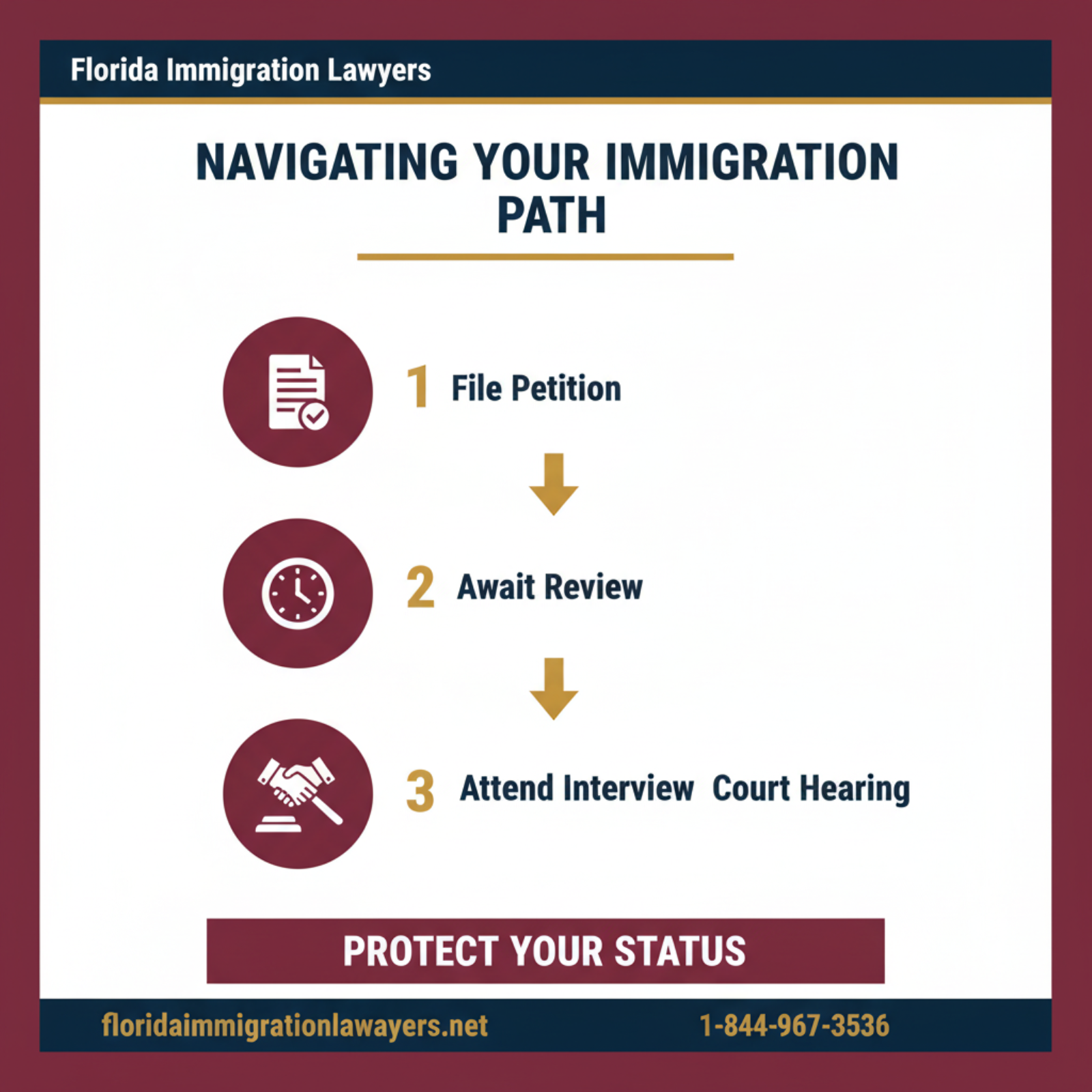
Navigating Potential USCIS Updates and Process Changes: A Step-by-Step Guide
The U.S. Citizenship and Immigration Services (USCIS) is the primary agency responsible for administering immigration benefits. Any US immigration reform latest news will almost certainly lead to USCIS updates and changes in processing procedures. Being prepared for these shifts is crucial for a smooth application process.
- Monitor Official Sources Regularly: Always rely on information directly from official government websites. The USCIS website, www.uscis.gov, is your primary source for forms, filing fees, policy alerts, and processing times. The Department of State website, travel.state.gov, provides updates on visa bulletins and consular processing.
- Consult with an Experienced Immigration Lawyer Florida: An attorney specializing in immigration law can interpret complex regulations and guide you through any changes. They can help you understand how new laws apply to your specific case and advise on the best course of action. This is especially important for navigating any USCIS Immigration case alert or significant policy shifts.
- Gather Essential Documents Proactively: Even before specific reforms are enacted, you can start organizing your critical documents. This includes birth certificates, marriage certificates, passports, educational transcripts, employment records, and financial statements. Having these ready can expedite your application once new processes are in place.
- Understand New Eligibility Criteria: If new pathways to legal status or adjustments to existing categories are introduced, there will be specific eligibility requirements. Work with your lawyer to determine if you qualify and what additional documentation or evidence might be needed. Early assessment is key to successful application.
- Prepare for Potential Increased Processing Times: Major reform efforts often lead to a surge in applications, which can overwhelm the system and cause delays. Be mentally prepared for longer processing times and plan accordingly. Your attorney can help manage expectations and inquire about your case status if necessary.
Essential Document Checklist for Proactive Preparation
Regardless of the specifics of US immigration reform latest news, certain documents are almost universally required for immigration applications. Proactively gathering and organizing these can significantly reduce stress and delays once you are ready to file. This checklist provides a general overview of documents you should consider preparing.
- Identification Documents: Valid passports from your home country, birth certificates for yourself and any family members included in your petition, national identity cards.
- Proof of Legal Entry and Status: I-94 arrival/departure records, visa stamps, previous USCIS approval notices (I-797s), employment authorization documents (EADs), or green cards.
- Family Relationship Documentation: Marriage certificates, divorce decrees, birth certificates of children, adoption decrees. These are crucial for family-based petitions.
- Financial Records: Bank statements, tax returns (IRS Form 1040), W-2s, pay stubs, and employment verification letters to demonstrate financial stability and support.
- Educational and Employment History: Diplomas, degrees, transcripts, professional licenses, letters from previous employers, résumés, and job offers (for employment-based visas).
- Police Clearances and Criminal Records: Certificates from police authorities in all countries and U.S. states where you have lived for a certain period. Any arrest records or court dispositions, even for minor incidents, must be disclosed.
- Medical Records: Vaccination records and results from required medical examinations conducted by USCIS-approved civil surgeons.
- Photos: Passport-style photographs meeting USCIS specifications.
This list is not exhaustive, and specific applications will require different sets of documents. Your immigration lawyer can provide a tailored list based on your individual case. For those considering business immigration, specific corporate and financial documents will also be vital. Visit Florida Immigration Lawyers - Business Immigration for more insights.
Timeline and Processing Expectations for Immigration Cases in 2026
The timeline for immigration cases is notoriously unpredictable, and any US immigration reform latest news can introduce additional variables. In 2026, applicants in Florida should generally anticipate fluctuating processing times influenced by various factors. These factors include the volume of applications, staffing levels at USCIS and consular offices, and the complexity of individual cases.
Major legislative changes, even if they simplify certain processes, often lead to an initial surge in applications. This can temporarily extend processing times across the board. Conversely, specific reforms might prioritize certain categories, potentially speeding up some cases while slowing others. It is important to remember that published processing times on the USCIS website are estimates and can change without notice.
Factors that can influence your personal timeline include the accuracy and completeness of your application, your eligibility for specific waivers, and any requests for additional evidence (RFEs) from USCIS. Delays can also arise from background checks, security clearances, and interview scheduling, especially at busy offices like the USCIS Miami Field Office or the Orlando Field Office.
Working with an experienced immigration lawyer Florida can help you prepare a robust application, minimizing the chances of RFEs or denials that can prolong your case. While no attorney can guarantee specific processing times, they can provide realistic expectations and advocate on your behalf to help prevent unnecessary delays. Patience and meticulous preparation are key virtues in this process.
Cost Factors and Fee Breakdown in a Changing Immigration Landscape
Understanding the costs associated with immigration processes is a critical part of planning, especially with potential US immigration reform latest news. Immigration fees can be a significant financial burden, and these costs are subject to change. It is important to distinguish between government filing fees and legal representation fees.
Government filing fees, charged by USCIS, are statutory and vary widely depending on the type of application. These fees are established to cover the administrative costs of processing applications and petitions. While we cannot provide specific amounts here as they are subject to change, it is advisable to always check the most current fee schedule directly on the USCIS website before filing. Changes in immigration law can lead to fee adjustments, so staying updated is vital. For example, 8 CFR outlines the regulations governing these fees.
Beyond government fees, legal representation constitutes another significant cost factor. Hiring an experienced immigration lawyer Florida provides invaluable expertise, ensuring your application is correctly prepared, all deadlines are met, and you are properly represented in interviews or court proceedings. Legal fees can vary based on the complexity of your case, the attorney's experience, and the services required.
Other potential costs might include fees for obtaining necessary documents (e.g., birth certificates, police clearances), translation services for foreign documents, medical examination fees, and travel expenses for interviews. It is essential to budget for all these components to avoid unexpected financial strain. Our firm believes in transparent fee structures and will discuss all costs with you upfront during your free consultation.
Do not navigate this complex process alone. The stakes are too high, and the legal landscape is constantly evolving. Contact Florida Immigration Lawyers today at 1-844-YO-PELEO to ensure your case is handled with the experience and care it deserves.
Common Mistakes to Avoid Amidst Immigration Reform Uncertainty
Navigating the U.S. immigration system can be challenging, and the uncertainty surrounding US immigration reform latest news only adds to the complexity. Making even a small error can lead to significant delays, denials, or even severe legal consequences. Avoid these common mistakes:
- Ignoring the Latest News and Policy Changes: Failing to stay updated on the US immigration reform latest news means you could miss critical deadlines, new eligibility criteria, or changes in filing procedures. This oversight can lead to missed opportunities or applications being rejected for outdated information.
- Delaying Consultation with an Immigration Lawyer: Many people wait until they encounter a problem before seeking legal advice. Proactive consultation with an immigration lawyer Florida can help identify potential issues early, ensure proper preparation, and prevent costly mistakes before they happen.
- Submitting Incomplete or Inaccurate Applications: Even minor errors or omissions can result in Requests for Evidence (RFEs) or outright denials. This prolongs processing times and adds to stress. Double-check everything, and ideally, have a legal professional review your application.
- Falling Victim to "Notario" Fraud: Unlicensed individuals posing as legal experts (notarios) often provide incorrect advice, submit fraudulent documents, or steal money. Always verify credentials and only work with licensed attorneys. This fraud is widespread in Florida and can lead to severe immigration consequences, including deportation.
- Overlooking Deadlines: Immigration processes are strict about deadlines. Missing a filing deadline, a response deadline for an RFE, or an appeal deadline can lead to your case being closed or denied, with limited options for recourse.
- Traveling Without Proper Authorization: Leaving the U.S. or re-entering without the correct travel documents or advance parole can jeopardize your pending application or even trigger bars to re-entry. Always consult your attorney before making international travel plans.
- Failing to Disclose All Relevant Information: Attempting to conceal past arrests, immigration violations, or other pertinent facts can be considered misrepresentation or fraud. This can lead to permanent bars from immigration benefits under sections like INA 212(a)(6)(C). Full disclosure, even of potentially negative information, is always the best approach.
- Assuming Old Laws Apply: The immigration landscape is dynamic. What was true last year or even last month regarding eligibility or procedure might not be true today. Relying on outdated information is a recipe for error, especially with potential new immigration laws 2026.
- Not Keeping Copies of Everything: Always keep a complete copy of every document you submit to USCIS or any other immigration agency. This includes applications, supporting evidence, and correspondence. These copies are vital for your records and for reference if an issue arises.
- Engaging in Unauthorized Employment: Working in the U.S. without proper authorization can lead to severe penalties, including bars to adjusting status and even deportation under INA 237(a)(1)(C). Ensure your employment authorization is current and appropriate for your status.
- Not Updating Your Address with USCIS: If you move, you are legally required to inform USCIS of your new address within 10 days using Form AR-11. Failure to do so can result in missed notices, interview appointments, or even a denial of your case.
- Misunderstanding the Impact of Minor Offenses: Even seemingly minor criminal offenses can have significant immigration consequences, potentially rendering you inadmissible or deportable. Never assume an offense is too small to matter; always discuss it with your lawyer.
When to Call a Florida Immigration Lawyer
The complexities of US immigration reform latest news and the intricate nature of immigration law mean that legal guidance is often indispensable. While some straightforward cases might seem manageable, many situations benefit immensely from the expertise of a dedicated Florida immigration lawyer. Here are specific scenarios where contacting Florida Immigration Lawyers is highly recommended:
- Complex Case Details: If your immigration history is not straightforward, includes previous denials, or involves criminal background issues, an attorney can navigate these complexities.
- Facing Deportation or Removal Proceedings: If you have received a Notice to Appear (NTA) in immigration court, immediate legal representation is crucial. Our firm focuses on deportation defense and can fight for your right to remain in the U.S.
- Seeking Asylum or Refugee Status: Asylum law is highly nuanced. An attorney can help you build a strong case, prepare for interviews, and present compelling evidence.
- Business or Employment-Based Immigration: These cases often involve intricate regulations, labor certifications, and specific employer requirements. A lawyer ensures compliance and maximizes your chances of approval.
- Family Petitions with Complications: While family-based immigration can seem simpler, issues like prior immigration violations, age-out concerns for children, or complex relationships require legal advice.
- Responding to Requests for Evidence (RFEs) or Notices of Intent to Deny (NOIDs): These notices indicate that USCIS requires more information or intends to deny your application. A lawyer can craft a comprehensive and persuasive response.
- Appealing a Denial: If your application or petition has been denied, an attorney can assess the grounds for denial and advise on the feasibility and strategy for an appeal.
- Uncertainty About Eligibility: If you are unsure whether you qualify for a specific immigration benefit, or how new immigration laws 2026 might affect your eligibility, a consultation can provide clarity.
Do not wait for a crisis to seek legal help. Proactive engagement with an attorney can prevent problems and ensure your immigration journey is as smooth as possible. Our dedicated attorneys at Florida Immigration Lawyers are here to offer guidance. Find out more about our team and services at Florida Immigration Lawyers - Our Attorneys or Florida Immigration Lawyers - Contact Us.
Addressing Your Concerns: What's Happening with Immigration in Florida?
Many Florida residents frequently ask, "What's happening with immigration in Florida?" The state is often a focal point for both federal enforcement and state-level legislative actions concerning immigration. Understanding these dynamics is crucial for immigrant communities across Miami, Tampa, Orlando, and beyond.
Florida often experiences the direct impacts of federal immigration policies, including enforcement operations by ICE and Customs and Border Protection (CBP). These operations can lead to arrests and detentions, raising questions about rights and legal protections. State legislation in Florida can also influence the daily lives of immigrants, affecting areas like employment, public services, and interaction with local law enforcement.
Regarding enforcement, a common question is, "Can ICE legally ask for ID?" Yes, ICE agents can ask for identification. However, you have the right to remain silent and do not have to answer questions about your immigration status or country of origin. You also have the right to speak with an attorney. It is crucial to carry your immigration documents if you are required to do so by law, such as a green card, but always consult a lawyer on how to respond to enforcement encounters.
Another concern often raised is, "Is ICE arresting green card holders?" Unfortunately, green card holders (Lawful Permanent Residents) can be arrested and even deported if they commit certain crimes or violate immigration laws. While a green card grants significant rights, it does not provide absolute immunity from immigration consequences. Grounds for removal for LPRs can include serious criminal offenses, fraud in obtaining the green card, or certain national security concerns.
This leads to the question, "Can a green card holder still be deported?" Yes, absolutely. A green card holder can be deported for various reasons, particularly if they commit certain criminal offenses, engage in fraud or misrepresentation to obtain immigration benefits, or violate other provisions of the Immigration and Nationality Act (INA). For example, INA 237 outlines many grounds of deportability for LPRs. It is vital for green card holders to understand their responsibilities and the potential consequences of certain actions. If you are an LPR facing criminal charges or allegations of immigration violations, immediate legal counsel is essential to protect your status.
For more information on immigration enforcement and your rights, you can visit the official website for U.S. Immigration and Customs Enforcement (ICE).
About Florida Immigration Lawyers
Florida Immigration Lawyers is a leading law firm dedicated to providing comprehensive and compassionate immigration legal services across the entire state of Florida. With years of specialized experience, our team of highly skilled attorneys is committed to guiding individuals, families, and businesses through the complexities of U.S. immigration law.
We offer a wide range of services, including family-based petitions, employment visas, deportation defense, asylum claims, naturalization, and assistance with various USCIS applications. Our firm understands the profound impact immigration matters have on our clients' lives, and we approach every case with diligence, empathy, and a commitment to achieving the strongest possible outcome.
Why choose Florida Immigration Lawyers? We are available 24/7 to address your urgent needs, offer free initial consultations to discuss your case without financial commitment, and serve clients in all cities and counties throughout Florida. Our bilingual team ensures that language is never a barrier to receiving top-tier legal representation. We pride ourselves on clear communication, strategic advocacy, and unwavering support for our clients.
Your immigration journey is our priority. Let us be your trusted legal partner. Contact us today. Phone: 1-844-YO-PELEO. Website: https://www.floridaimmigrationlawyers.net.
Sources and References
- U.S. Citizenship and Immigration Services (USCIS)
- U.S. Department of State - Bureau of Consular Affairs
- Executive Office for Immigration Review (EOIR)
- U.S. Immigration and Customs Enforcement (ICE)
- 8 U.S.C. Chapter 12 - Immigration and Nationality Act (INA)
- 8 CFR - Code of Federal Regulations, Title 8 (Aliens and Nationality)
- INA Section 212 - General Classes of Aliens Ineligible to Receive Visas and Inadmissible to United States
- INA Section 237 - Deportable Aliens
- USCIS Policy Manual
This article provides general legal information and is not intended as legal advice. Every case is unique, and outcomes depend on specific facts and circumstances. Contact an attorney for advice about your particular situation.
The landscape of US immigration reform latest news is constantly shifting, and navigating it requires vigilance and legal guidance. Do not leave your future to chance. Whether you are planning for family reunification, seeking employment opportunities, or defending your right to remain in the U.S., Florida Immigration Lawyers is here to provide the dedicated support you need.
Take the first step towards securing your immigration future. Call Florida Immigration Lawyers today at 1-844-YO-PELEO for a free, confidential consultation. We are available 24/7, ready to answer your questions and provide clarity. Se Habla Español - Estamos aquí para ayudarle.
Do Not Navigate This Process Alone
Our experienced immigration attorneys are ready to fight for you. Get a free, confidential case review today.
Se Habla Español
Or leave your details and we’ll call you:
Free Evaluation in 24 Hours
Or talk to us right now

AI voice assistant — available 24/7
FreeFrequently Asked Questions

William J. Vásquez
Founding Attorney · Vasquez Law Firm
U.S. Air Force veteran and immigration attorney with years of hands-on U.S. immigration experience. J.D., NCCU School of Law. AILA member. Admitted to the 4th, 5th, and 11th Circuit Courts.
Available 24/7 - Free Evaluations
Reviewed for legal accuracy by William J. Vásquez
Licensed in North Carolina; U.S. immigration is federal practice.
Related Legal Services
Our Florida immigration attorneys can help you with family immigration services, immigration lawyer cost in Florida and experienced immigration attorneys. Call today at 1-844-YO-PELEO for a free case review.
Related Links
Related Topics
Free Legal Case Review
Discuss your case with our experienced attorneys. We're available 24/7.
Se Habla Español - Estamos aquí para ayudarle.
Related Articles
DUI Immigration Consequences in Florida 2026
A DUI conviction in Florida can have severe immigration consequences, potentially leading to inadmissibility, deportation, or denial of immigration benefits. For non-citizens, a DUI is not just a traffic offense but a serious criminal matter that federal immigration law scrutinizes closely. Factors like multiple offenses, injury, or property damage can escalate a simple DUI to a Crime Involving Moral Turpitude (CIMT) or even an aggravated felony, triggering mandatory detention and removal proceedings. Understanding the specific nature of your Florida conviction and its interpretation under the Immigration and Nationality Act (INA) is crucial. This article outlines how DUIs impact immigration status, the grounds for inadmissibility and deportation, a step-by-step guide to navigating the process, essential documentation, and expected timelines for 2026. We also highlight common mistakes to avoid and when to seek legal counsel from an experienced immigration attorney. Florida Immigration Lawyers offers comprehensive support for individuals facing these challenging situations, providing expert guidance through complex legal landscapes.
Dual Citizenship Lawyer in Florida: What You Need to Know
For Florida residents, the concept of dual citizenship, or holding two passports, offers a compelling blend of opportunities and challenges. While the U.S. generally permits dual nationality, the path to achieving this status requires a meticulous understanding of both U.S. immigration laws and the citizenship policies of your country of origin. This guide explores the definition of dual citizenship, the detailed step-by-step process for U.S. naturalization, and the significant benefits and potential pitfalls involved. We cover essential documentation, typical timelines, and cost considerations for 2026, providing crucial insights for anyone in Orlando, Miami, or across Florida considering this important legal step. Learn about common mistakes to avoid and understand when to seek professional legal counsel to navigate this complex process successfully. Florida Immigration Lawyers is here to provide expert, bilingual support for your dual citizenship journey.
Immigration Lawyer Orlando Free Consultation in Florida
For individuals and families in Orlando, Florida, navigating the complexities of U.S. immigration law requires expert guidance. An immigration lawyer in Orlando offers crucial support for everything from visa applications and green card processes to naturalization and deportation defense. This comprehensive guide details what a free consultation covers, providing a step-by-step overview of immigration pathways, essential document checklists, and expected timelines in 2026. We also highlight common mistakes to avoid, discuss the critical role of legal counsel in deportation and asylum cases, and explain why choosing a local Orlando immigration attorney is beneficial. Florida Immigration Lawyers is dedicated to serving the diverse community of Orlando with compassionate, effective legal solutions, ensuring you receive personalized advice and robust representation for a successful immigration journey.
EAD Advance Parole Combo Card in Florida 2026
For individuals with a pending Form I-485, Application to Register Permanent Residence or Adjust Status, the EAD Advance Parole Combo Card is an essential document. This single card combines the authorization to work legally in the U.S. (Employment Authorization Document - EAD) with permission to travel internationally and re-enter without abandoning your green card application (Advance Parole). This guide from Florida Immigration Lawyers provides a comprehensive overview for applicants in Florida in 2026, covering eligibility, the step-by-step application process, required documents, expected processing times, and associated costs. We also highlight common mistakes to avoid and when to seek legal counsel to ensure a smooth and successful immigration journey. Understanding this vital card is key to maintaining stability while awaiting your permanent residency approval.