UK Immigration Reform Denmark Model: Florida Insights
Explore the UK's consideration of the Denmark model for immigration reform and its potential ripple effects on US immigration policy, especially in Florida. This detailed guide covers the Denmark model's principles, the UK's legislative efforts, and the implications for Florida's diverse immigrant communities, including Hialeah. Learn about the step-by-step immigration process, essential documents, timelines, and cost factors. Discover common mistakes to avoid and when to seek legal counsel from Florida Immigration Lawyers for your specific case. Stay informed about global trends that could shape your immigration future.
The UK is exploring a "Denmark model" approach to immigration reform, focusing on stricter asylum policies and external processing. While directly impacting UK law, these global shifts could influence US immigration debates and enforcement strategies, especially in states like Florida. For immigrants in Hialeah and across Florida, understanding these international trends is crucial as they may signal future domestic policy discussions. Consulting a Florida immigration lawyer is vital for personalized advice.
- The UK's proposed reforms aim for stricter asylum processing.
- The "Denmark model" includes processing asylum seekers outside national borders.
- These international changes may inspire US policy discussions on immigration.
- Florida's immigration landscape could be indirectly affected by these global trends.
- Legal guidance from a Florida immigration lawyer is essential for informed decisions.
Introduction: Understanding Global Immigration Shifts and Florida's Future
As an immigrant in Florida, you are likely aware that immigration laws are constantly evolving. Beyond the borders of the United States, significant reforms are taking place that can have ripple effects worldwide. One such development is the United Kingdom's consideration of the "Denmark model" for its immigration reform efforts, particularly concerning asylum seekers.
This article will delve into what the **UK immigration reform Denmark model** entails, its goals, and its potential implications for the United States and, specifically, for the vibrant immigrant communities across Florida, including Hialeah. We aim to provide you with a comprehensive understanding of these complex issues, offering clarity in an often-uncertain landscape.
Understanding these global trends is crucial for planning your future and protecting your rights. Do not navigate these complexities alone. Call Florida Immigration Lawyers at 1-844-967-3536 for a free consultation today. Our experienced team is here to help you understand how these broader discussions might impact your specific situation in Florida.
Understanding the Denmark Model of Immigration Reform
The Denmark model, often cited in discussions about the **UK immigration reform Denmark model**, represents a highly restrictive approach to asylum and immigration. Its core principle is to deter asylum seekers from reaching Denmark and, if they do, to process their claims outside Danish borders.
This model has been pursued by Denmark's Social Democrat-led government with the stated goal of reducing asylum applications. They have achieved some of the lowest asylum numbers in decades. The policy emphasizes temporary residency and external processing, making it less attractive for individuals seeking long-term settlement.
Key Features of Denmark's Immigration Policy
- External Processing: A cornerstone of the Denmark model is the ambition to transfer asylum processing to countries outside Denmark. This aims to ensure that asylum claims are assessed before individuals reach Danish soil.
- Temporary Status: For those granted asylum, the status is often temporary. This means refugees are expected to return to their home countries once conditions improve, rather than being offered permanent integration.
- Strict Integration Policies: Denmark has implemented policies aimed at discouraging parallel societies. This includes measures targeting certain neighborhoods and promoting Danish values and language.
- Reduced Benefits: Asylum seekers and refugees may receive lower benefits compared to other residents. This is intended to reduce the perceived attractiveness of seeking asylum in Denmark.
- Focus on Voluntary Return: Significant efforts are made to encourage voluntary return to countries of origin, sometimes through financial incentives.
The intent behind Denmark's approach is to regain control over immigration flows and ensure that only those with a genuine need for protection receive it, and then only temporarily. This approach has sparked considerable debate globally regarding human rights and international obligations under treaties like the Refugee Convention.
The UK's Pursuit of the Denmark Immigration Policy
The United Kingdom's government, facing increasing asylum applications and public pressure, has openly expressed interest in adopting elements of the Denmark model. This forms a significant part of their proposed **UK immigration reform Denmark model** strategy. The goal is to deter illegal migration and regain control over its borders.
The UK's approach, outlined in various legislative proposals, aims to make it less appealing for asylum seekers to travel to the UK through irregular routes. They seek to establish a system where those arriving without permission cannot claim asylum in the UK. Instead, their claims would be processed elsewhere, potentially in third countries.
Proposed Reforms and Legislative Efforts
- Illegal Migration Bill: The UK introduced legislation to prevent people arriving illegally from claiming asylum. This bill seeks to remove those who arrive via irregular routes, regardless of the merits of their asylum claim.
- Partnerships with Third Countries: The UK has explored agreements with countries like Rwanda to process asylum claims externally. This mirrors Denmark's ambition for offshore processing centers.
- Strict Enforcement: Increased powers for border forces and immigration authorities are central to these reforms. The emphasis is on detention and rapid removal.
- Reduced Appeal Rights: The reforms aim to limit the avenues for appeal and legal challenges for those deemed inadmissible under the new rules.
The UK's motivation is rooted in a desire to curb what it perceives as an abuse of the asylum system. Proponents argue that a robust and deterrent system is necessary to prevent dangerous crossings and ensure fairness to those who follow legal routes. Critics, however, raise concerns about international human rights obligations and the potential impact on vulnerable individuals.
For more information on general immigration law and policies, you can visit the U.S. Citizenship and Immigration Services (USCIS) website.
Potential Implications for US Immigration and Florida
While the **UK immigration reform Denmark model** directly impacts British policy, its influence can extend far beyond its borders. The global nature of immigration discussions means that successful or controversial models in one country often become talking points or even blueprints for others. The US immigration system, constantly under review, could potentially draw inspiration from such models.
Florida, with its diverse population and position as a gateway state, is particularly sensitive to changes in immigration policy. The state's proximity to the Caribbean and Latin America, coupled with its robust economy, makes it a significant destination for immigrants. Any national shift towards more restrictive policies, or even discussions around them, could have profound effects here.
How Global Trends May Influence US Policy Discussions
- Debates on Asylum: The effectiveness of the Denmark model in reducing asylum applications could fuel debates in the US regarding its own asylum system. Discussions might emerge about stricter eligibility criteria or even external processing.
- Enforcement Strategies: Increased emphasis on border control and rapid removal in the UK could inspire similar calls for enhanced enforcement at the US southern border and within states like Florida. Recent initiatives like "Operation Tidal Wave" in Florida, leading to over 10,400 immigration arrests, demonstrate a heightened enforcement environment in the state, often involving partnerships between state law enforcement and federal agencies like ICE through 287(g) agreements.
- Temporary Protected Status (TPS) and Humanitarian Parole: The Denmark model's focus on temporary status might lead to re-evaluation of programs like TPS in the US, potentially pushing for more transient protections rather than pathways to permanent residency.
- Economic Impact: Changes in immigration policies, even if inspired by foreign models, can have significant economic impacts. Florida's economy relies heavily on immigrant labor in sectors like agriculture, tourism, and construction. Any policy that restricts labor supply could have repercussions.
For residents of Hialeah and other Florida communities, these discussions are not abstract. They directly affect families, businesses, and the social fabric of the state. Staying informed and seeking expert legal counsel is paramount to understanding your rights and options in this evolving landscape.
Do not navigate this process alone. Contact Florida Immigration Lawyers today to discuss your concerns and explore your legal options. Our team is dedicated to providing clear, compassionate guidance.
Navigating Immigration in Florida: A Step-by-Step Guide
Regardless of global policy shifts, the process of immigrating to the US and residing in Florida involves specific steps. Understanding this journey is vital for anyone seeking legal status. This guide provides a general overview of a typical immigration process, emphasizing the need for precision and legal assistance.
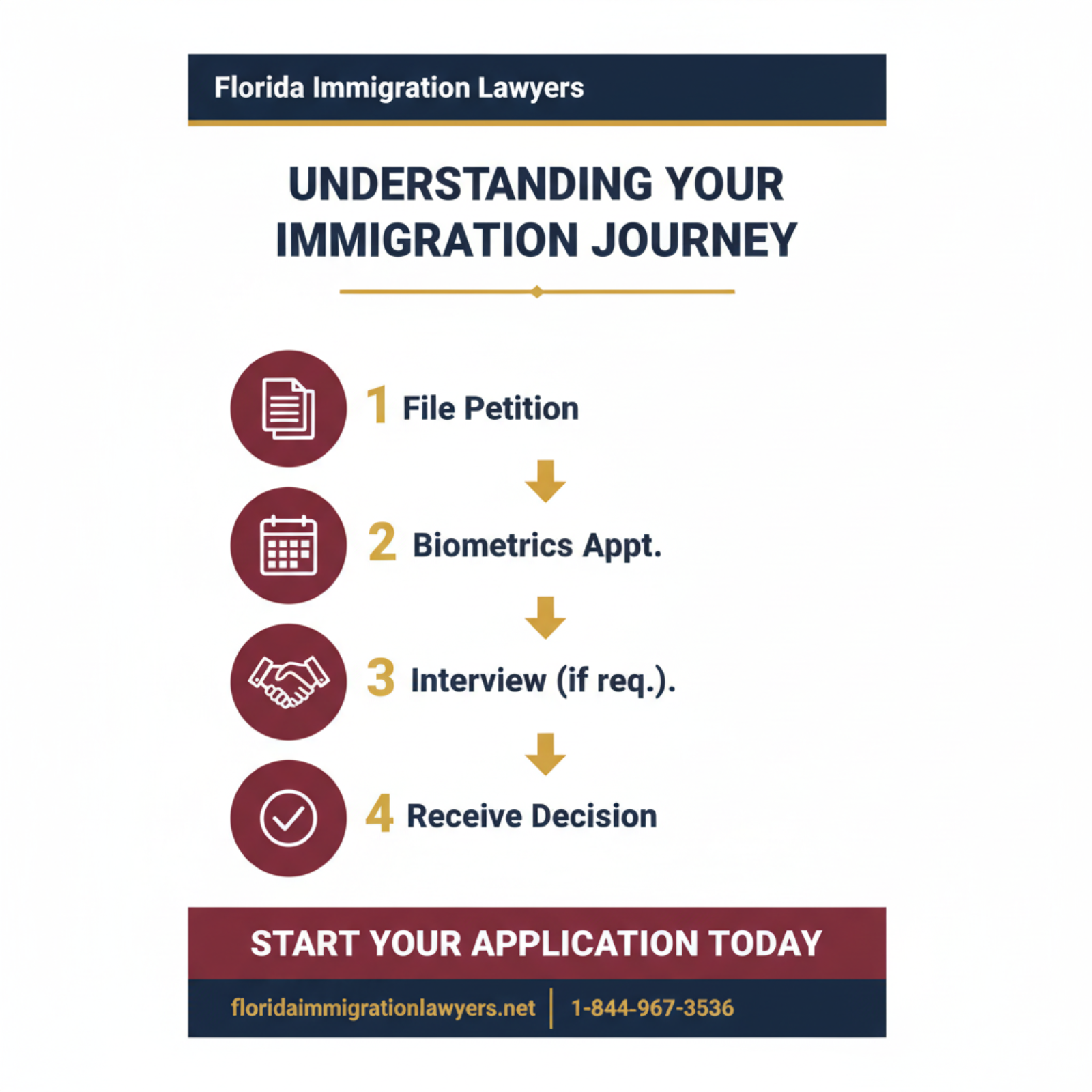
- Determine Your Eligibility and Visa Category: Your first step is to identify which visa category aligns with your goals. This could be family-based (e.g., immediate relatives of US citizens, family preference categories), employment-based, or humanitarian (e.g., asylum, refugee status). Each category has specific requirements outlined in the Immigration and Nationality Act (INA).
- Gather Necessary Documentation: Once your category is identified, you must collect all required documents. This typically includes birth certificates, marriage certificates, passports, financial records, and medical examination results. Accuracy and completeness are critical.
- File the Initial Petition (if applicable): For many family-based and employment-based visas, a US citizen or lawful permanent resident (LPR) or employer must file a petition on your behalf with USCIS. This might be Form I-130 (Petition for Alien Relative) or Form I-140 (Immigrant Petition for Alien Worker).
- Wait for Petition Approval and Visa Availability: After filing, USCIS will process the petition. For some categories, there may be a waiting period due to annual visa limits (visa bulletin). You can check visa bulletin updates on the Department of State website.
- File for Adjustment of Status or Consular Processing: Once a visa is available, you will either apply for Adjustment of Status (Form I-485) if you are already in the US and eligible, or undergo Consular Processing if you are outside the US. Adjustment of Status applications are typically filed with the USCIS field office serving your Florida location, such as the Miami Field Office for Hialeah residents.
- Attend Biometrics Appointment: USCIS will schedule an appointment for you to provide fingerprints, photographs, and a signature. This is part of the background check process.
- Attend Interview: Most applicants will attend an interview with a USCIS officer (for Adjustment of Status) or a Consular Officer (for Consular Processing). You will be asked questions about your application and supporting documents.
- Receive Decision: After the interview, you will receive a decision on your application. If approved, you will be granted lawful permanent residency (a Green Card).
Essential Documents for Florida Immigration Applications
Preparing a thorough and accurate document checklist is one of the most critical steps in any immigration application. Missing or incorrect documents can lead to significant delays or even denial. This list provides a general overview of commonly required documents; however, your specific case may require additional items.
- Valid Passport and travel documents
- Birth Certificate (original and certified translation, if applicable)
- Marriage Certificate (original and certified translation, if applicable)
- Divorce Decrees or Death Certificates for previous marriages (if applicable)
- Police Certificates from all countries where you have lived for 6+ months since age 16
- Medical Examination Report (Form I-693, completed by a USCIS-approved civil surgeon in Florida)
- Affidavit of Support (Form I-864) and supporting financial documents (tax returns, bank statements, employment letters)
- Photographs meeting USCIS specifications
- Evidence of relationship (for family-based petitions: photos, joint bank accounts, lease agreements, etc.)
- Employment verification letters, educational degrees, and professional licenses (for employment-based petitions)
- Proof of lawful entry and status (I-94 arrival record, previous visa stamps)
- Any previous immigration applications or notices from USCIS or immigration courts
It is imperative to maintain organized copies of all submitted documents. Always provide certified translations for documents not in English. Consulting with a Florida immigration lawyer can ensure your document package is complete and robust.
Immigration Processing Timelines and Expectations for Florida Residents
Immigration processing times can vary significantly based on the type of application, the specific USCIS service center or field office (such as the Miami Field Office for many Hialeah residents), and current caseloads. It is important to set realistic expectations and understand that delays are common.
Factors Influencing Processing Times
- Application Type: Some visa categories, especially family preference visas, have statutory waiting periods that can last years.
- Service Center Workload: Each USCIS service center has varying backlogs. You can check average processing times on the USCIS website.
- Completeness of Application: Incomplete applications or requests for additional evidence (RFEs) will inevitably extend processing times.
- Interview Scheduling: Scheduling for interviews at local field offices, like those in Orlando or Miami, can add several months to the process.
- Background Checks: Security and background checks are mandatory and can sometimes cause unforeseen delays.
For example, an Adjustment of Status application (Form I-485) filed in Florida might take anywhere from 10 months to several years to process, depending on the underlying visa category and individual circumstances. Work permits (EADs) and travel permits (Advance Parole) filed concurrently often process faster, typically within 6-12 months.
While frustrating, patience is key. Regularly check the status of your case online using your receipt number. A Florida immigration lawyer can help you monitor your case and respond promptly to any USCIS requests.
Understanding Immigration Costs and Fees in Florida
The cost of an immigration application goes beyond just filing fees. It includes various expenses that you should budget for. While specific filing fees are subject to change by USCIS and the Department of State, understanding the categories of costs will help you prepare.
Breakdown of Potential Costs
- USCIS Filing Fees: These are fees paid directly to USCIS for processing petitions and applications (e.g., I-130, I-485, I-765, I-131). Fees vary significantly by form type and can be substantial when multiple forms are filed together.
- Biometrics Fee: A separate fee is typically required for fingerprinting and background checks.
- Medical Examination Fees: You must pay a USCIS-approved civil surgeon for your medical exam. These fees are set by individual doctors and can vary.
- Translation Fees: If any of your supporting documents are not in English, you will need to pay for certified translations.
- Document Procurement Fees: Costs associated with obtaining birth certificates, marriage licenses, or police records from various jurisdictions.
- Attorney Fees: Legal fees for hiring an experienced immigration lawyer. While an investment, this can save you significant time, stress, and potential errors.
- Travel Expenses: Costs for traveling to interviews, biometrics appointments, or to collect documents, especially if you reside outside major metropolitan areas like Hialeah.
It is important to note that USCIS fees are non-refundable, even if your application is denied. Always verify current fees directly on the USCIS website before submitting any application. A free consultation with Florida Immigration Lawyers can help you understand the potential costs involved in your specific case.
Common Mistakes to Avoid in Your Immigration Journey
Navigating the complex US immigration system is challenging, and even minor errors can lead to significant delays or denials. Being aware of common pitfalls can help you avoid them. Here are some crucial mistakes to watch out for:
- Submitting Incomplete or Inaccurate Forms: Failing to fill out every section of a form or providing incorrect information is a frequent issue. This often results in a Request for Evidence (RFE) or outright denial, wasting valuable time and money.
- Missing Deadlines: Immigration processes are time-sensitive. Missing a deadline for an RFE response, a biometrics appointment, or an interview can lead to your application being considered abandoned or denied.
- Failing to Disclose All Relevant Information: Hiding past arrests, immigration violations, or other relevant facts, even if seemingly minor, can be considered misrepresentation. This can have severe consequences, including permanent bars from immigration benefits.
- Not Providing Certified Translations: Any document not in English must be accompanied by a complete and certified English translation. Submitting untranslated documents will cause delays and may lead to rejection.
- Ignoring Changes of Address: If you move, you must notify USCIS within 10 days using Form AR-11. Failing to do so can result in missed notices, interview appointments, or even deportation proceedings.
- Traveling Without Proper Authorization (Advance Parole): If you have a pending Adjustment of Status application, leaving the US without Advance Parole can be deemed an abandonment of your application. This can prevent you from re-entering the country.
- Not Consulting an Experienced Immigration Lawyer: Attempting to navigate complex immigration laws without legal guidance is a major risk. An attorney can identify potential issues, ensure proper documentation, and represent your best interests.
- Assuming Laws Remain Static: Immigration laws and policies, including those inspired by models like the **UK immigration reform Denmark model**, are dynamic. What was true last year may not be true today. Always seek current advice.
When to Call a Lawyer for Your Immigration Needs
While general information is helpful, every immigration case is unique. The complexities of US immigration law, especially with potential influences from global reforms like the **UK immigration reform Denmark model**, mean that professional legal guidance is often indispensable. Here are specific scenarios where contacting Florida Immigration Lawyers is highly recommended:
- Complex Case History: If you have previous denials, deportations, criminal records, or overstays, your case is inherently complex and requires expert review.
- Asylum or Refugee Claims: These cases are highly sensitive and require detailed legal arguments and documentation, especially if US policy might shift in response to international models.
- Deportation or Removal Proceedings: Facing removal proceedings in Florida immigration courts (like the one in Miami) is a serious matter. You need aggressive and knowledgeable defense. Our firm specializes in deportation defense.
- Difficult Family-Based Petitions: If your family relationships are complicated, or there are issues with the petitioner's status, legal help is crucial for family immigration.
- Business or Investment Visas: These categories involve intricate business plans and compliance with specific regulations. Our firm assists with business immigration matters.
- Citizenship or Naturalization Issues: If you have questions about eligibility for citizenship or potential bars, an attorney can guide you.
- Requests for Evidence (RFEs) or Notices of Intent to Deny (NOIDs): Receiving these from USCIS indicates a problem with your application that needs a precise and timely legal response.
- Changes in Law or Policy: Given the dynamic nature of immigration, an attorney can keep you updated on how global reforms or new US policies might affect your status.
Florida Immigration Lawyers stands ready to assist you. Our team understands the nuances of immigration law affecting residents throughout Florida, including Hialeah. We are committed to protecting your rights and helping you achieve your immigration goals. Visit our attorneys page to learn more about our team.
About Florida Immigration Lawyers
Florida Immigration Lawyers is a leading law firm dedicated to providing comprehensive and compassionate immigration legal services across the entire state of Florida. With years of experience and a deep understanding of US immigration law, our firm is committed to guiding individuals and families through every step of their immigration journey.
We offer a wide range of services, including assistance with visas, green cards, asylum applications, deportation defense, citizenship, and more. Our dedicated team is passionate about helping our clients achieve their dreams of living and working legally in the United States.
Why choose Florida Immigration Lawyers? We pride ourselves on personalized attention, strategic legal advice, and unwavering advocacy. We understand the challenges you face and are here to provide clarity and support. We serve all of Florida, including communities like Hialeah, Miami, Orlando, and Tampa.
Contact us today for a free consultation. We are available 24/7 to answer your questions. Call us at 1-844-967-3536 or visit our website at https://www.floridaimmigrationlawyers.net. Your future in Florida is our priority.
Sources and References
- U.S. Citizenship and Immigration Services (USCIS)
- U.S. Department of State
- Executive Office for Immigration Review (EOIR) - U.S. Department of Justice
- 8 U.S.C. Chapter 12 - Immigration and Nationality Act (INA)
- 8 CFR (Code of Federal Regulations, Title 8 - Aliens and Nationality)
- USCIS Policy Manual
This article provides general legal information and is not intended as legal advice. Every case is unique, and outcomes depend on specific facts and circumstances. Contact an attorney for advice about your particular situation.
Secure Your Immigration Future in Florida
The landscape of immigration law is complex and ever-changing, with international discussions like the **UK immigration reform Denmark model** potentially influencing future policies. Protecting your rights and securing your future in Florida requires vigilance and expert legal guidance. Do not leave your immigration journey to chance.
Florida Immigration Lawyers is here to provide the dedicated support you need. We offer free, confidential consultations to help you understand your options and navigate the immigration process effectively. Call us today at 1-844-967-3536 to speak with an experienced attorney. Se Habla Español - Estamos aquí para ayudarle.
Frequently Asked Questions
Florida Immigration Lawyers
Legal Team
Our experienced attorneys at Florida Immigration Lawyers have been serving clients across Florida for over 20 years. We specialize in immigration, personal injury, criminal defense, workers compensation, and family law.