Naturalization Ceremony ICE Concerns in Florida 2026
For many aspiring U.S. citizens in Florida, the naturalization ceremony is a highly anticipated event. However, concerns about U.S. Immigration and Customs Enforcement (ICE) presence can cast a shadow. This comprehensive guide addresses common naturalization ceremony ICE concerns for 2026, clarifying the agency's role, your rights, and how to prepare. While ICE presence at these ceremonies is rare and typically targeted, understanding the process and having legal guidance is crucial. We cover eligibility, the application process, required documents, timelines, and costs. Learn to avoid common mistakes and know when to seek legal assistance. Florida Immigration Lawyers provides support throughout your journey to citizenship.
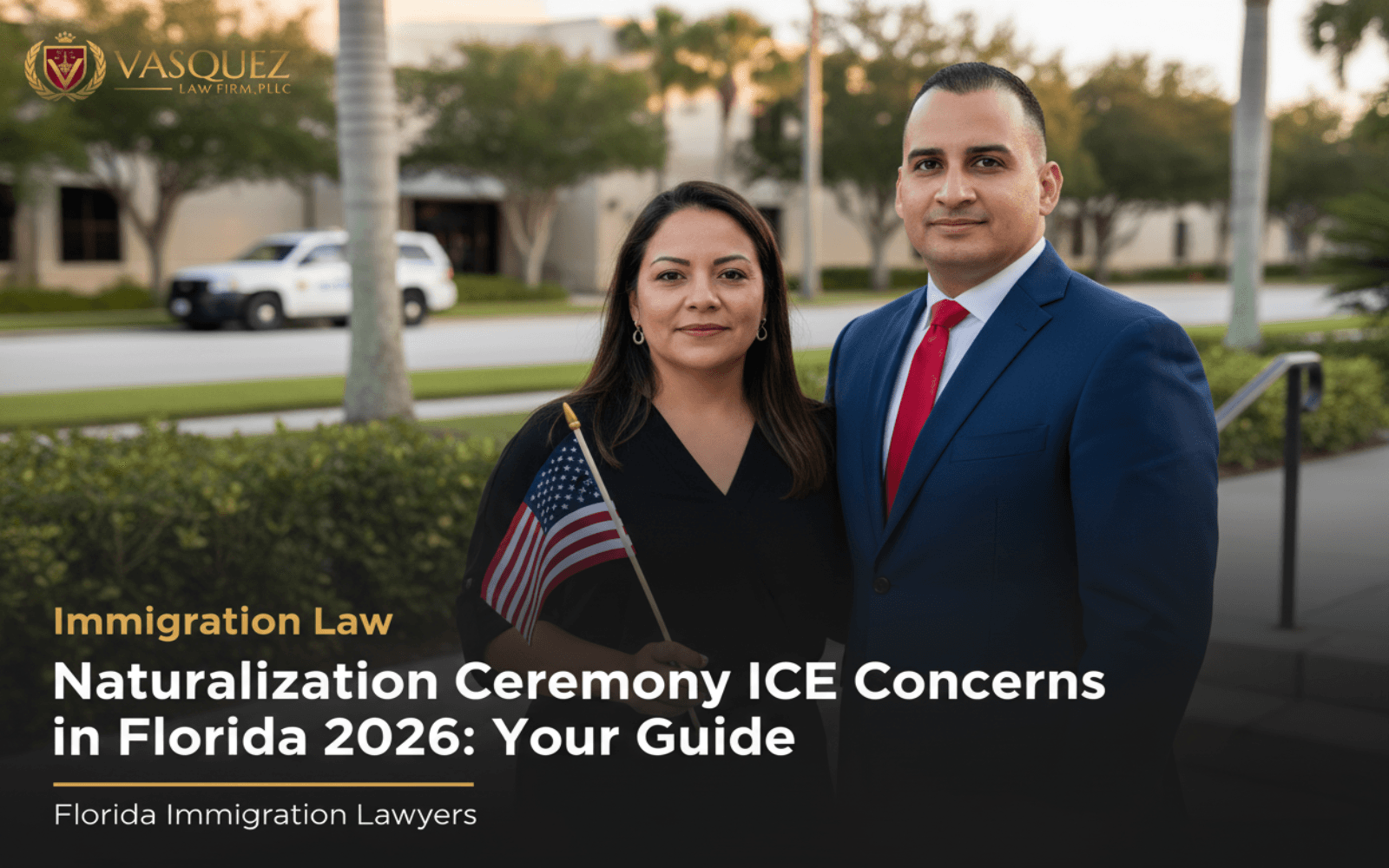
While rare, concerns about U.S. Immigration and Customs Enforcement (ICE) presence at naturalization ceremonies in Florida are understandable. Generally, ICE targets specific individuals with existing warrants or orders of removal, not randomly detaining new citizens. Understanding your rights and having proper legal counsel is crucial for a smooth naturalization process in 2026.
- ICE presence at naturalization ceremonies is typically targeted, not random.
- New citizens are generally protected from deportation once the Oath of Allegiance is taken.
- Always carry proof of your immigration status, especially during the process.
- Consult an experienced immigration lawyer if you have any past issues or concerns.
- Knowing your rights and preparing for your ceremony can alleviate anxiety.
Naturalization Ceremony ICE Concerns in Florida 2026: Your Essential Guide
Imagine the culmination of years of hard work, dedication, and patience: your naturalization ceremony. This is a moment of immense pride and celebration, a milestone in your journey to becoming a U.S. citizen. However, for many aspiring citizens in Florida, a lingering question often arises: what about naturalization ceremony ICE concerns? The thought of encountering immigration enforcement at such a pivotal event can be unsettling.
In Florida, a state with a vibrant immigrant community, understanding the realities of immigration enforcement, particularly regarding naturalization ceremonies, is vital. This comprehensive guide from Florida Immigration Lawyers aims to demystify these concerns for 2026. We will explore what typically happens at these ceremonies, your rights, and how you can prepare to ensure your special day proceeds without undue worry. Our goal is to provide clarity and peace of mind.
Do not let fear overshadow your path to citizenship. If you have specific questions or require personalized legal guidance, please call Florida Immigration Lawyers at 1-844-YO-PELEO for a free consultation. We are here to support you every step of the way.
Understanding Naturalization and ICE Presence in Florida
Naturalization is the process by which a lawful permanent resident (LPR) becomes a U.S. citizen. It is a rigorous process involving applications, interviews, and background checks. The naturalization ceremony, where you take the Oath of Allegiance, is the final step in this journey. This momentous occasion officially confers U.S. citizenship upon you, granting you all the rights and responsibilities that come with it.
The Role of USCIS and ICE
U.S. Citizenship and Immigration Services (USCIS) oversees the naturalization process. Their primary role is to process applications and administer the Oath of Allegiance. U.S. Immigration and Customs Enforcement (ICE), on the other hand, is responsible for enforcing immigration laws within the United States. While both are federal agencies under the Department of Homeland Security (DHS), their functions at a naturalization ceremony are distinct.
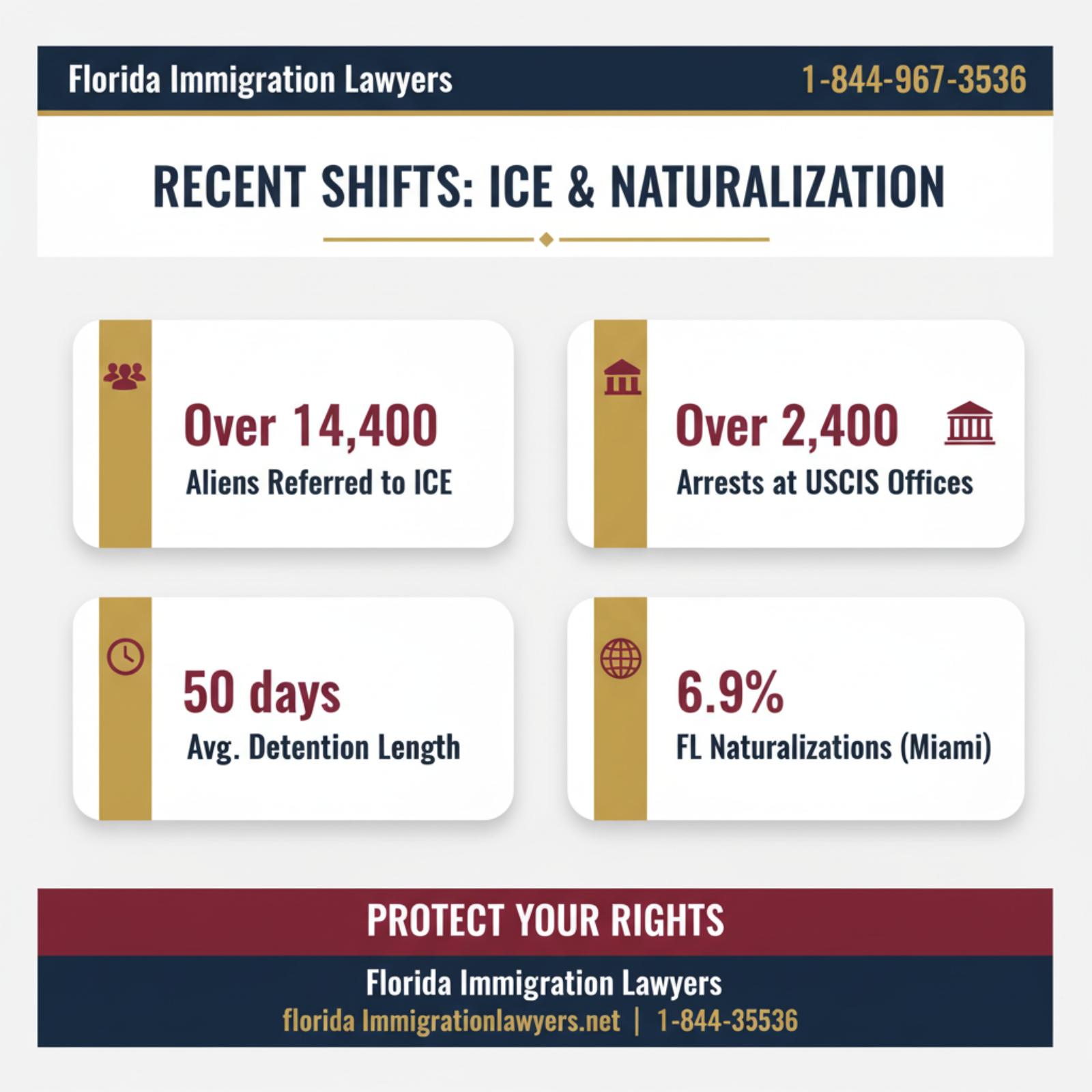
Historically, instances of ICE presence at naturalization ceremonies have been rare and typically targeted. This means that if ICE is present, it is generally because they have specific intelligence or an active warrant for an individual attending the ceremony. They are not usually there to conduct random arrests of all attendees, especially those who are about to become citizens. Understanding this distinction is key to addressing your naturalization ceremony ICE concerns.
Recent Trends and Florida Context for 2026
In recent years, there have been heightened concerns regarding immigration enforcement. However, it is important to note that once an individual takes the Oath of Allegiance and becomes a U.S. citizen, they are generally protected from deportation. This is a fundamental aspect of U.S. citizenship. Any attempt by ICE to detain a naturalized citizen without a lawful basis, such as suspicion of denaturalization-level fraud, would be highly unusual and legally complex.
Florida, including areas like Homestead and Miami, has a significant immigrant population. USCIS field offices in cities like Miami, Orlando, and Tampa conduct numerous naturalization ceremonies annually. While local enforcement policies can vary, the federal guidelines regarding citizenship status remain consistent. Our firm, Florida Immigration Lawyers, closely monitors these trends to provide the most current advice to our clients.
Navigating Your Naturalization Journey: A Step-by-Step Guide
The path to U.S. citizenship through naturalization involves several critical stages. Being informed about each step can help alleviate naturalization ceremony ICE concerns and ensure a smoother process.
-
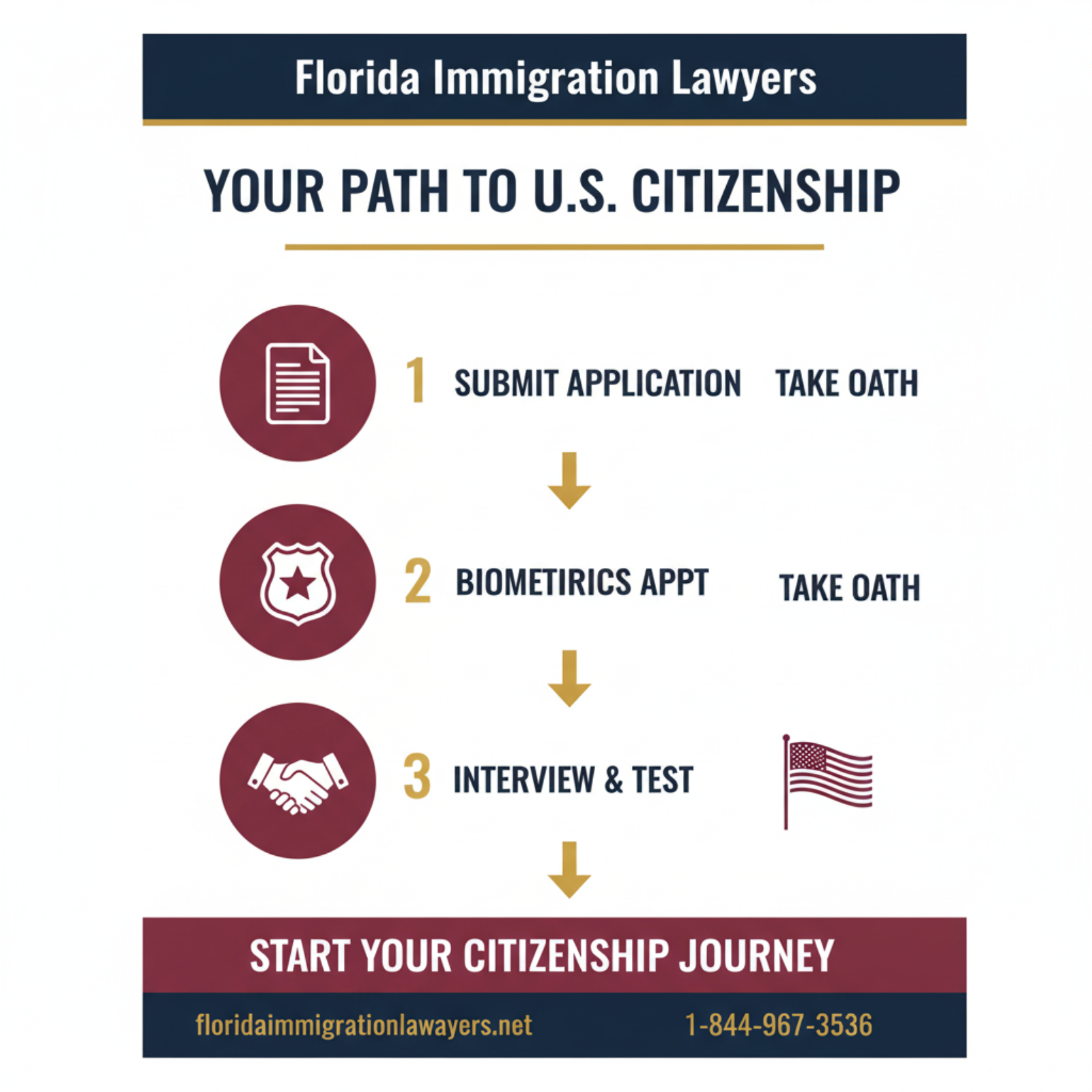
Determine Your Eligibility
Before applying, you must meet specific eligibility requirements. Generally, you must be 18 years old, a lawful permanent resident for at least five years (or three years if married to a U.S. citizen), demonstrate continuous residence and physical presence in the U.S., possess good moral character, and have basic English literacy and knowledge of U.S. history and government. There are specific exemptions and considerations, so it is wise to consult an attorney.
-
Prepare and File Form N-400
The Application for Naturalization, Form N-400, is the cornerstone of your application. This form is extensive and requires accurate and complete information about your personal history, residence, employment, and any interactions with law enforcement. Any discrepancies or omissions can lead to delays or issues. Our citizenship lawyers can assist with careful preparation.
-
Attend Biometrics Appointment
After filing Form N-400, USCIS will send you an appointment notice for biometrics collection. This involves fingerprinting, photographs, and a signature. These are used for background checks by the FBI and other agencies. This is a standard procedure for all applicants.
-
Undergo the Naturalization Interview
The interview is a crucial step where a USCIS officer will review your N-400 application, test your English reading, writing, and speaking abilities, and assess your knowledge of U.S. civics. They will also determine if you meet the good moral character requirement. Being truthful and prepared is paramount. If you have concerns about your interview, an immigration lawyer can help you prepare.
-
Receive a Decision and Attend the Oath Ceremony
If your application is approved, you will receive a notice for your Oath of Allegiance ceremony. This is the final and most anticipated step. At the ceremony, you will formally renounce allegiance to any foreign state and pledge loyalty to the United States. Once you take the oath, you are officially a U.S. citizen. You will receive your Certificate of Naturalization, which is proof of your new citizenship.
Essential Documents for Your Naturalization Ceremony
Proper documentation is key to a smooth naturalization process and can help address any lingering naturalization ceremony ICE concerns. While the ceremony itself is typically straightforward, being prepared is always best. Here is a general list of documents you should bring to your Oath of Allegiance ceremony:
- Your Permanent Resident Card (Green Card)
- The USCIS interview notice (Form N-400 interview appointment letter)
- The Oath of Allegiance ceremony notice (Form N-445, Notice of Naturalization Oath Ceremony)
- Any immigration documents issued by USCIS, such as advance paroles or work permits
- Two passport-style photos if USCIS requested them (check your N-445 for specific instructions)
- Any other documents requested by USCIS on your N-445 form
- State-issued identification (e.g., driver's license or state ID card)
- Proof of any name change if it was approved at your interview
It is critical to follow all instructions on your Form N-445. Failure to bring required documents can cause delays or necessitate rescheduling your ceremony. Always double-check your notice for any specific instructions from your local USCIS field office, such as those in Miami or Orlando.
Naturalization Processing: Timelines and Expectations in Florida
Understanding the typical processing times for naturalization can help manage expectations. While USCIS aims for efficiency, various factors can influence how long your application takes. These timelines are general estimates for 2026 and can fluctuate.
Average Processing Times
As of early 2026, the average processing time for Form N-400 can range from 8 to 14 months, from the date of filing to the Oath of Allegiance ceremony. However, this can vary significantly depending on the specific USCIS field office handling your case. For instance, processing times at the Miami Field Office might differ from those in Tampa or Orlando.
Factors Affecting Your Timeline
Several factors can impact your individual naturalization timeline:
- USCIS Workload: High volumes of applications can lead to longer wait times.
- Completeness of Application: Errors or missing documents will cause delays.
- Background Checks: Extensive background checks, especially if there are past issues, can prolong the process.
- Interview Performance: If the USCIS officer requires additional information or documents, it can extend the timeline.
- Response to Requests for Evidence (RFEs): Not responding promptly to RFEs will cause delays.
- Scheduling of Oath Ceremony: The availability of ceremony dates can also impact the final step.
You can check the status of your case online using the receipt number provided by USCIS. Our firm regularly assists clients in tracking their applications and addressing any unexpected delays. Having an attorney can often help expedite responses to USCIS requests and ensure your application remains on track, mitigating potential naturalization ceremony ICE concerns by ensuring timely processing.
Understanding the Costs of Naturalization
The naturalization process involves several costs that applicants should be aware of. While Florida Immigration Lawyers cannot provide specific fee amounts (as they are subject to change by USCIS), we can outline the general categories of expenses.
USCIS Filing Fees
The primary cost is the filing fee for Form N-400. This fee is set by USCIS and covers the processing of your application. There may also be a separate biometrics fee. It is crucial to check the most current fee schedule on the USCIS website before filing, as fees can change. Fee waivers may be available for eligible low-income applicants.
Legal Fees for Attorney Assistance
While not mandatory, retaining an experienced immigration attorney is a valuable investment. Legal fees cover services such as preparing and reviewing your N-400 application, preparing you for your interview, accompanying you to the interview, and addressing any complex issues that may arise. This can provide peace of mind and significantly increase the likelihood of a successful outcome, especially if you have complex naturalization ceremony ICE concerns or other eligibility questions.
Other Potential Costs
Additional costs might include:
- Translation fees for foreign documents.
- Photocopying and mailing expenses.
- Travel costs for appointments and the ceremony, especially for residents in areas like Homestead traveling to Miami or other USCIS offices.
- Educational materials or classes to prepare for the civics and English tests.
Planning for these expenses in advance is important. A free consultation with Florida Immigration Lawyers can help you understand the potential costs involved in your specific case and how our services can benefit you.
Do not navigate this process alone. The journey to U.S. citizenship is significant, and having legal support can make all the difference. Contact Florida Immigration Lawyers today to ensure your naturalization process is handled with precision and care.
Common Mistakes to Avoid During Naturalization
Avoiding common pitfalls can prevent delays, denials, and unnecessary naturalization ceremony ICE concerns. Be vigilant and thorough throughout your application process.
- Failing to Disclose All Information: Omitting details about arrests, even if charges were dropped, or past immigration violations can be considered misrepresentation and lead to denial or even denaturalization later. Be completely honest and upfront.
- Incorrectly Answering Good Moral Character Questions: Issues like tax evasion, false claims of U.S. citizenship, or certain criminal convictions can disqualify you. Consult an attorney if you have any doubts about your moral character eligibility.
- Not Meeting Continuous Residence or Physical Presence Requirements: Extended trips outside the U.S. can break your continuous residence. Keep meticulous records of all travel and consult an attorney if you have spent significant time abroad.
- Submitting an Incomplete or Inaccurate Form N-400: Small errors or missing signatures can cause your application to be rejected or significantly delayed. Double-check every section and ensure all supporting documents are included.
- Failing the English or Civics Test: While you get a second chance, failing these tests can prolong the process and add stress. Study diligently and consider preparatory courses.
- Missing Appointments: Not attending biometrics or interview appointments without proper rescheduling can lead to your application being considered abandoned and denied.
- Not Updating USCIS of Address Changes: All applicants must inform USCIS of any address change within 10 days. Failure to do so can result in missed notices and critical information, impacting your case.
- Traveling Internationally After Application Without Consulting an Attorney: While generally permitted, certain types of travel or extended absences can affect your continuous residence or good moral character assessment.
- Assuming You Are Protected Before the Oath: Until you take the Oath of Allegiance and receive your Certificate of Naturalization, you are still a lawful permanent resident and subject to LPR rules, including potential deportation for certain offenses. Do not assume full citizen protections until the ceremony is complete.
- Ignoring Warnings or Red Flags: If you receive a Notice of Intent to Deny or a Request for Evidence, do not ignore it. Respond promptly and comprehensively, ideally with legal assistance.
When to Call a Florida Immigration Lawyer
While the naturalization process is designed for self-representation, certain situations warrant the expertise of an experienced immigration attorney. At Florida Immigration Lawyers, we are dedicated to protecting your rights and ensuring a smooth journey to citizenship, especially when naturalization ceremony ICE concerns are on your mind.
You should consider contacting us if:
- You have a criminal record: Even minor offenses can impact your good moral character assessment. Our deportation defense team can assess your eligibility and advise on potential waivers or strategies.
- You have had prior immigration issues: This includes past deportations, voluntary departures, or previous visa denials.
- You have spent significant time outside the U.S.: Extended absences can affect your continuous residence requirement.
- You are concerned about potential ICE interaction: If you or a family member has an active warrant, a pending removal order, or any reason to believe ICE might be interested in your case, seeking legal counsel is paramount. We can help you understand your rights and develop a strategy.
- Your application is complex: If you have multiple marriages, children born abroad, or other unique family situations, an attorney can help navigate the complexities.
- You received a Request for Evidence (RFE) or Notice of Intent to Deny (NOID): These require precise and timely responses.
- You have difficulty with English or the civics test: While not a disqualifier, an attorney can help you understand the process and your rights during the interview.
Florida Immigration Lawyers has extensive experience in citizenship and naturalization cases across Florida, including Homestead, Miami, and surrounding areas. We can help you prepare thoroughly, address any red flags, and represent you during interviews, providing invaluable support and peace of mind.
About Florida Immigration Lawyers
Florida Immigration Lawyers is a leading law firm dedicated to providing exceptional immigration legal services across the entire state of Florida. With a deep understanding of complex U.S. immigration laws, our experienced attorneys are committed to helping individuals and families achieve their immigration goals. We pride ourselves on our client-focused approach, offering compassionate and effective legal representation.
Our comprehensive services include family immigration, business immigration, asylum claims, deportation defense, and naturalization assistance. We understand the unique challenges faced by immigrants in Florida and are here to offer strategic and personalized solutions. When you choose Florida Immigration Lawyers, you gain a dedicated advocate who will fight for your rights and guide you through every stage of your immigration journey.
We offer free consultations and are available 24/7 to address your urgent legal needs. Serving all of Florida, including Homestead, Miami, Orlando, and Tampa, our bilingual team is ready to assist you. Call us today at 1-844-YO-PELEO or visit https://www.floridaimmigrationlawyers.net to learn more about how we can help you.
Sources and References
- U.S. Citizenship and Immigration Services (USCIS) - Naturalization Information
- U.S. Citizenship and Immigration Services (USCIS) - Form N-400, Application for Naturalization
- U.S. Immigration and Customs Enforcement (ICE)
- 8 U.S.C. Chapter 12 - Immigration and Nationality Act (INA)
- 8 CFR Part 337 - Oath of Allegiance
- USCIS Policy Manual, Part L - Citizenship and Naturalization
- Executive Office for Immigration Review (EOIR) - Miami Immigration Court
This article provides general legal information and is not intended as legal advice. Every case is unique, and outcomes depend on specific facts and circumstances. Contact an attorney for advice about your particular situation.
Frequently Asked Questions (FAQ) About Naturalization and ICE
Here are answers to common questions about naturalization and potential ICE involvement, addressing prevalent naturalization ceremony ICE concerns.
Can ICE deport me if I am a naturalized citizen?
Once you are a naturalized U.S. citizen, you are generally protected from deportation. The only way a naturalized citizen can lose their citizenship is through a process called denaturalization, which typically occurs in cases of fraud or misrepresentation during the naturalization process. This is a complex legal proceeding initiated by the government.
Do naturalized citizens have to worry about ICE?
Generally, naturalized citizens do not have to worry about ICE. Once you take the Oath of Allegiance and receive your Certificate of Naturalization, you possess full U.S. citizenship. ICE's jurisdiction primarily targets non-citizens. However, if there is credible evidence of fraud in your naturalization application, that could lead to denaturalization proceedings, which are distinct and rare.
Can I sue ICE for detaining me as a citizen?
If you are a U.S. citizen and are unlawfully detained by ICE, you may have legal recourse to sue for damages. Such cases are serious and require immediate legal intervention. It is crucial to assert your citizenship and contact an attorney immediately if you or someone you know is a citizen and detained by ICE. This is a complex area of law, and prompt action is essential.
Do I have to prove my citizenship if ICE asks?
As a U.S. citizen, you have certain rights. You are not generally required to carry proof of citizenship, but it is always advisable to have your Certificate of Naturalization or U.S. passport readily available. If ICE or any law enforcement official asks about your citizenship, you can state that you are a U.S. citizen. You have the right to remain silent and the right to an attorney. Do not sign anything without consulting a lawyer.
Your journey to U.S. citizenship is a momentous achievement. Florida Immigration Lawyers is here to ensure your path is as smooth and worry-free as possible. Let us help you navigate any naturalization ceremony ICE concerns and celebrate your new status with confidence.
Ready to take the next step towards U.S. citizenship with confidence? Contact Florida Immigration Lawyers for a free, confidential consultation. Call us at 1-844-YO-PELEO today. Se Habla Español - Estamos aquí para ayudarle.
Do Not Navigate This Process Alone
Our experienced immigration attorneys are ready to fight for you. Get a free, confidential case review today.
Se Habla Español
Or leave your details and we’ll call you:
Free Evaluation in 24 Hours
Or talk to us right now
AI voice assistant — available 24/7
FreeFrequently Asked Questions

William J. Vásquez
Founding Attorney · Vasquez Law Firm
U.S. Air Force veteran and immigration attorney with years of hands-on U.S. immigration experience. J.D., NCCU School of Law. AILA member. Admitted to the 4th, 5th, and 11th Circuit Courts.
Available 24/7 - Free Evaluations
Reviewed for legal accuracy by William J. Vásquez
Licensed in North Carolina; U.S. immigration is federal practice.
Related Legal Services
Our Florida immigration attorneys can help you with immigration practice areas, free immigration consultation and business immigration. Call today at 1-844-YO-PELEO for a free case review.
Related Links
Related Topics
Free Legal Case Review
Discuss your case with our experienced attorneys. We're available 24/7.
Se Habla Español - Estamos aquí para ayudarle.
Related Articles
Dual Citizenship Lawyer in Florida: What You Need to Know
For Florida residents, the concept of dual citizenship, or holding two passports, offers a compelling blend of opportunities and challenges. While the U.S. generally permits dual nationality, the path to achieving this status requires a meticulous understanding of both U.S. immigration laws and the citizenship policies of your country of origin. This guide explores the definition of dual citizenship, the detailed step-by-step process for U.S. naturalization, and the significant benefits and potential pitfalls involved. We cover essential documentation, typical timelines, and cost considerations for 2026, providing crucial insights for anyone in Orlando, Miami, or across Florida considering this important legal step. Learn about common mistakes to avoid and understand when to seek professional legal counsel to navigate this complex process successfully. Florida Immigration Lawyers is here to provide expert, bilingual support for your dual citizenship journey.
Immigration Lawyer Orlando Free Consultation in Florida
For individuals and families in Orlando, Florida, navigating the complexities of U.S. immigration law requires expert guidance. An immigration lawyer in Orlando offers crucial support for everything from visa applications and green card processes to naturalization and deportation defense. This comprehensive guide details what a free consultation covers, providing a step-by-step overview of immigration pathways, essential document checklists, and expected timelines in 2026. We also highlight common mistakes to avoid, discuss the critical role of legal counsel in deportation and asylum cases, and explain why choosing a local Orlando immigration attorney is beneficial. Florida Immigration Lawyers is dedicated to serving the diverse community of Orlando with compassionate, effective legal solutions, ensuring you receive personalized advice and robust representation for a successful immigration journey.
EAD Advance Parole Combo Card in Florida 2026
For individuals with a pending Form I-485, Application to Register Permanent Residence or Adjust Status, the EAD Advance Parole Combo Card is an essential document. This single card combines the authorization to work legally in the U.S. (Employment Authorization Document - EAD) with permission to travel internationally and re-enter without abandoning your green card application (Advance Parole). This guide from Florida Immigration Lawyers provides a comprehensive overview for applicants in Florida in 2026, covering eligibility, the step-by-step application process, required documents, expected processing times, and associated costs. We also highlight common mistakes to avoid and when to seek legal counsel to ensure a smooth and successful immigration journey. Understanding this vital card is key to maintaining stability while awaiting your permanent residency approval.
F-1 to H-4 Change of Status Processing in Florida
Explore the F-1 to H-4 change of status process in Florida, including I-539 processing times, steps involved, and common pitfalls. Call Florida Immigration Lawyers for a free case review.