Citizenship Delay Florida: What to Do About N-400 Backlogs
Experiencing a citizenship delay in Florida can be incredibly frustrating, especially with the rising N-400 processing times and USCIS backlogs affecting applicants across the state, including Kissimmee. Many individuals find their naturalization applications pending for months or even years beyond published estimates. This comprehensive guide from Florida Immigration Lawyers delves into the common reasons for these delays, such as increased application volume, complex background checks, and administrative challenges at busy USCIS field offices like Orlando and Miami. We provide a step-by-step overview of the naturalization process, highlight essential documentation to avoid common pitfalls, and explain how to navigate the complexities of USCIS processing times. Crucially, we outline proactive steps you can take if your application is delayed and emphasize when professional legal assistance becomes vital. Our firm is dedicated to helping Florida residents overcome these hurdles, offering guidance and representation. Learn how to protect your journey to U.S. citizenship and ensure your application moves forward efficiently.
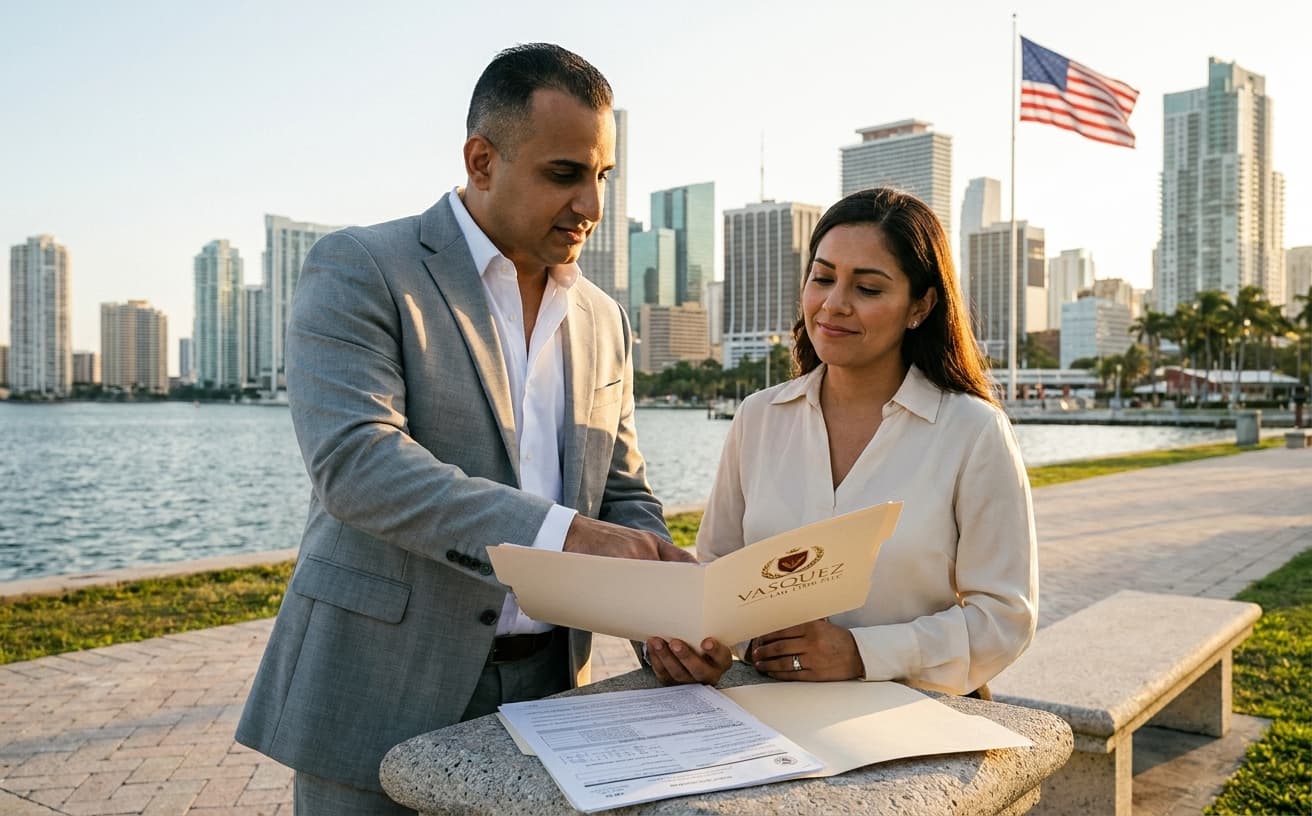
A citizenship delay in Florida typically occurs when the USCIS processing time for Form N-400, Application for Naturalization, extends beyond the published estimates. Common reasons include increased application volume, staffing shortages, complex background checks, or issues with an applicant's file. If your N-400 processing significantly exceeds average times, or if you receive a Request for Evidence (RFE) or Notice of Intent to Deny (NOID), it is crucial to understand your options. You can check your case status online, contact USCIS, or seek assistance from an experienced immigration attorney to address the delay effectively.
- USCIS backlogs are a primary cause of naturalization delays.
- Monitor your N-400 case status regularly through the USCIS website.
- Respond promptly and accurately to all USCIS requests for information.
- Legal counsel can help expedite or resolve complex delay issues.
- Delays can impact travel, employment, and other aspects of life in Florida.
Citizenship Delay Florida: What to Do About N-400 Backlogs
Are you an aspiring U.S. citizen in Florida, perhaps in Kissimmee or the greater Orlando area, eagerly awaiting the outcome of your naturalization application, only to face an unexpected citizenship delay? You are not alone. Many individuals across the Sunshine State and nationwide experience extended processing times for their N-400, Application for Naturalization.
The journey to U.S. citizenship is a significant milestone, promising stability and new opportunities. However, the path can sometimes be fraught with unforeseen obstacles, including frustratingly long waits. Understanding why these delays occur and what steps you can take is essential for navigating the process effectively.
This comprehensive guide from Florida Immigration Lawyers will explore the common reasons behind naturalization delays, provide actionable steps to address them, and explain how legal assistance can be invaluable. We serve clients throughout Florida, from Miami to Jacksonville, ensuring that no one has to navigate these complexities alone.
Do not let a prolonged wait jeopardize your American dream. If you are experiencing a significant citizenship delay, call Florida Immigration Lawyers at 1-844-YO-PELEO for a free consultation. Our dedicated team is ready to provide the guidance and support you need.
Understanding Your Citizenship Delay in Florida
A naturalization application, primarily Form N-400, is a critical step towards becoming a U.S. citizen. While the process is designed to be straightforward, various factors can lead to unexpected delays, leaving applicants in limbo. In Florida, with its diverse immigrant population and busy USCIS field offices in cities like Orlando, Miami, and Tampa, understanding these potential bottlenecks is crucial.
One of the most common reasons for a citizenship delay is the sheer volume of applications USCIS receives. The agency often faces significant backlogs, which can fluctuate based on policy changes, budget constraints, and staffing levels. These backlogs directly impact the N-400 processing times, causing waits that can sometimes stretch for months or even years beyond the estimated timelines published on the USCIS website. Applicants in Kissimmee, for instance, typically file through the Orlando field office, which can experience high traffic.
Beyond general backlogs, individual case complexities can also contribute to delays. This includes issues with background checks, which involve multiple federal agencies like the FBI. Any discrepancies, incomplete information, or security concerns can trigger extensive reviews, pausing the application progress. Furthermore, if an applicant has a complex immigration history, previous arrests, or multiple addresses, additional scrutiny may be required, extending the processing period significantly. It is important to remember that USCIS is obligated to conduct thorough vetting.
Moreover, responding to Requests for Evidence (RFEs) or Notices of Intent to Deny (NOIDs) can add substantial time. If USCIS believes your application lacks necessary documentation or has potential issues, they will issue one of these notices. Providing a comprehensive and timely response is vital, but the review of that response can still take several weeks or months. Understanding these factors is the first step in proactively addressing a naturalization delay and seeking appropriate legal intervention.
The Naturalization Application Process: A Step-by-Step Guide
The naturalization process, while varying in duration, generally follows a predictable series of steps. Understanding each stage can help you anticipate potential delays and prepare accordingly, especially when filing your N-400 application from Florida.
- Determine Eligibility: Before filing, ensure you meet all requirements under the Immigration and Nationality Act (INA), specifically INA § 316 (8 U.S.C. § 1427). This includes continuous residence, physical presence, good moral character, English language proficiency, and knowledge of U.S. history and government. For most, this means being a Permanent Resident for at least five years, or three years if married to a U.S. citizen.
- Prepare and File Form N-400: Complete Form N-400 accurately and thoroughly. Gather all required supporting documents, such as your Green Card, marriage certificate (if applicable), tax returns, and travel records. It is crucial to be honest and provide complete information. File the form with USCIS, along with the correct filing fee or an approved fee waiver request.
- Biometrics Appointment: After USCIS accepts your application, you will receive a notice for a biometrics appointment at an Application Support Center (ASC). This involves taking your fingerprints, photograph, and signature for background checks. This step is mandatory and a critical part of the security screening process that USCIS conducts for all applicants.
- Interview Scheduling: Once your background checks are cleared, USCIS will schedule you for a naturalization interview at a local field office, such as the ones in Orlando, Miami, or Tampa. The interview notice will specify the date, time, and location, as well as any additional documents you need to bring.
- The Naturalization Interview: During the interview, a USCIS officer will review your N-400 application, test your English proficiency (reading, writing, speaking), and assess your knowledge of U.S. civics. They will also verify your eligibility and good moral character. Be prepared to answer questions truthfully and provide any requested documentation.
- Decision and Oath Ceremony: Following a successful interview, USCIS will issue a decision. If approved, you will receive a notice for the Oath of Allegiance Ceremony, where you will take the oath and officially become a U.S. citizen. In some cases, the oath may be administered on the same day as the interview.
Essential Documents for Your N-400 Application
A complete and accurate application package is vital to avoid a citizenship delay. Missing or incorrect documents are frequent causes of RFEs and extended processing. When preparing your N-400, ensure you have the following essential documents ready:
- Green Card (Permanent Resident Card): A copy of both sides of your valid Form I-551, Permanent Resident Card.
- State-Issued Identification: A copy of your driver's license or state identification card.
- Passport and Travel Documents: Copies of all passports and travel documents used since becoming a lawful permanent resident.
- Marriage Certificate (if applicable): If applying based on marriage to a U.S. citizen, provide a copy of your marriage certificate.
- Spouse's Birth Certificate or Naturalization Certificate (if applicable): Proof of your spouse's U.S. citizenship.
- Divorce Decrees or Death Certificates (if applicable): For any previous marriages of you or your spouse.
- Children's Birth Certificates: Copies of birth certificates for all your children, regardless of their current immigration status.
- Tax Transcripts/Returns: Proof of income and tax compliance, especially if you have traveled extensively or have financial dependents.
- Court Dispositions (if applicable): Certified copies of any arrest records, court dispositions, or traffic citations, even if charges were dismissed or expunged.
- Selective Service Registration: If you are a male applicant between 18 and 26 years old, proof of Selective Service registration.
- Photographs: Two identical passport-style photographs taken within 30 days of filing the application.
- Form I-94 (if applicable): Arrival/Departure Record, if you have one.
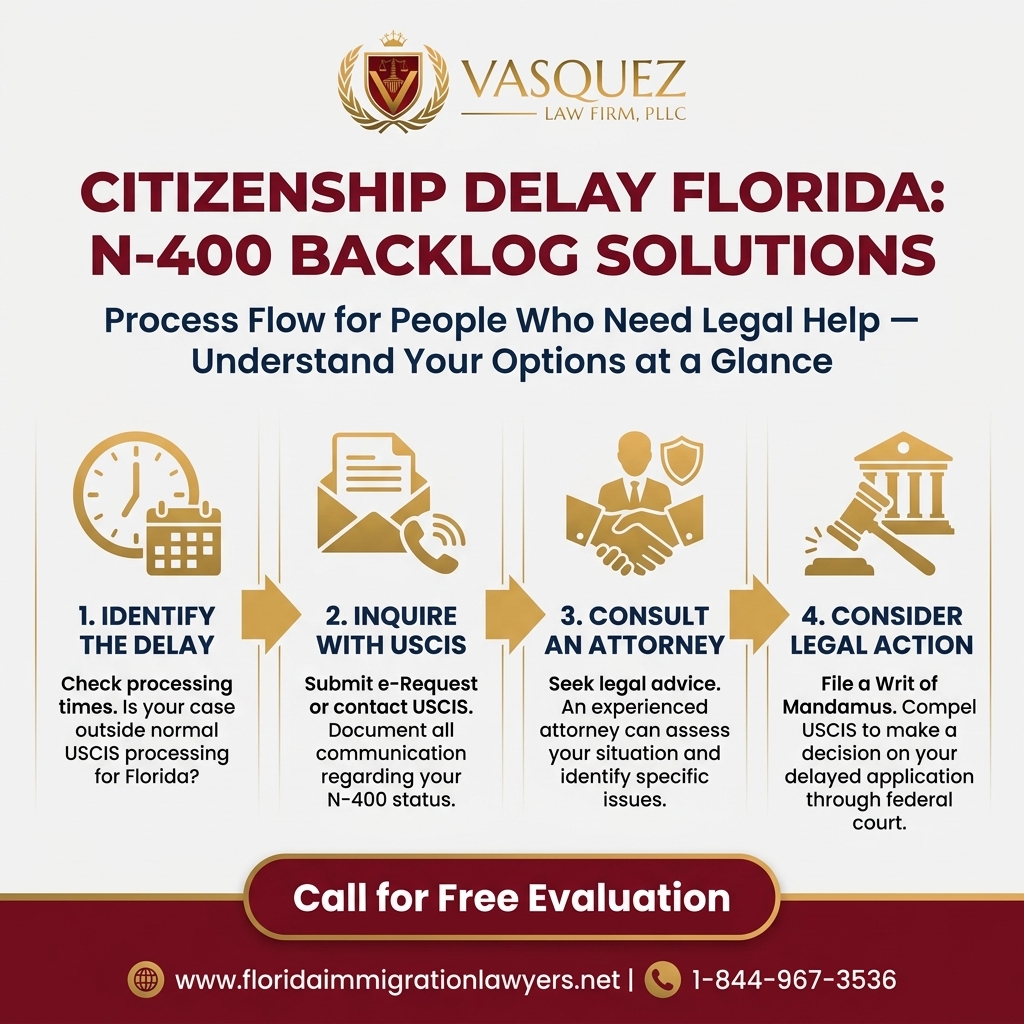
Organizing these documents thoroughly before submission can significantly streamline your N-400 processing. Keep original documents safe and only send copies unless USCIS specifically requests originals. An immigration lawyer can help you compile a robust application package, reducing the risk of a citizenship delay due to administrative errors.
Navigating USCIS Processing Times and Backlogs
Understanding USCIS processing times is crucial for managing expectations and identifying when a citizenship delay might be abnormal. USCIS provides estimated processing times on its website, which vary by form type and the specific field office or service center handling the application. For Florida residents, this often means checking times for the Orlando, Miami, or Tampa field offices.
These published times are averages and can fluctuate significantly due to various factors. A major contributor to extended N-400 processing is the USCIS backlog. Over the past few years, the agency has faced an unprecedented number of applications across all categories, compounded by staffing challenges and operational adjustments. This has led to longer waits for interviews, background checks, and final decisions.
Applicants in Kissimmee, for example, would typically fall under the Orlando Field Office's jurisdiction. If the posted processing time for N-400 applications at the Orlando office is 12-18 months, and your application has been pending for 24 months without an interview, you are likely experiencing an abnormal delay. In such cases, taking proactive steps becomes essential. You can start by checking your case status online using the receipt number provided by USCIS. The USCIS Case Status Online tool is the most direct way to monitor your application's progress.
If your case is outside the normal processing time, you can submit an e-Request to USCIS. This formal inquiry can sometimes prompt a review of your application. However, these e-Requests do not always yield immediate results. For persistent and unexplained delays, especially after exhausting administrative remedies, a Writ of Mandamus lawsuit in federal court may be an option. This legal action compels the government to make a decision on your application. Such a step should always be considered with the guidance of an experienced immigration attorney.
Cost Factors and Fee Breakdown for Naturalization
Understanding the costs associated with naturalization is an important part of the application process. While the emotional and practical benefits of U.S. citizenship are immeasurable, there are mandatory fees that applicants must pay to USCIS. These fees are subject to change, so it is always crucial to check the most current fee schedule on the USCIS website before filing your N-400 application.
Typically, the primary costs associated with the N-400 application include the application filing fee and the biometrics services fee. These two fees are often combined into a single payment. It is important to note that these fees are generally non-refundable, even if your application is denied or withdrawn. For many individuals, these fees represent a significant financial commitment, highlighting the importance of submitting a complete and accurate application to avoid unnecessary re-filing.
In addition to the standard fees, some applicants may incur other costs. For instance, if you need to obtain certified copies of documents, such as birth certificates, marriage certificates, or court records, there may be associated fees from the issuing agencies. Translation services for documents not in English can also add to the overall expense, as all foreign language documents must be accompanied by a certified English translation. These peripheral costs, while not paid directly to USCIS, are essential for a successful application and should be factored into your budget.
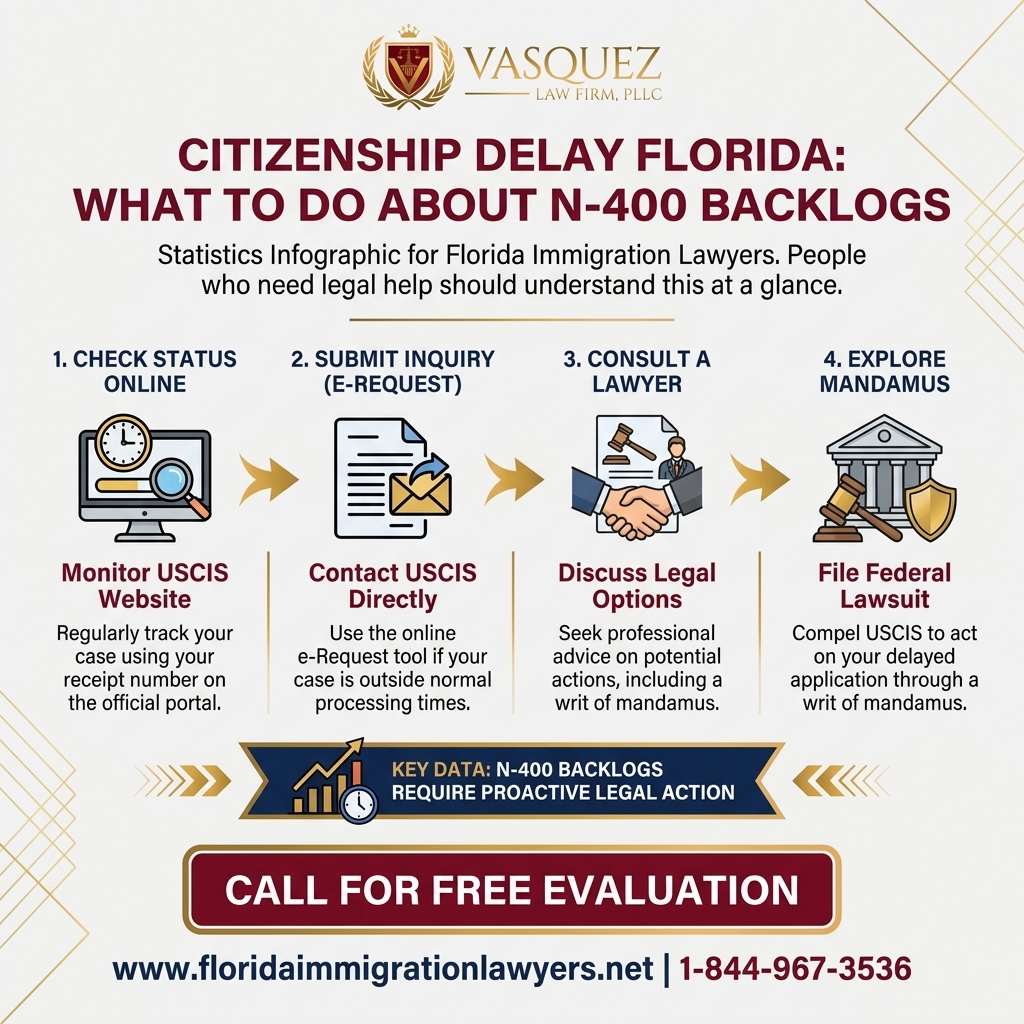
For applicants who demonstrate an inability to pay the required fees, USCIS offers a fee waiver option (Form I-912, Request for Fee Waiver). Eligibility for a fee waiver is based on certain income guidelines or if you receive a means-tested benefit. If approved, the fee waiver can significantly reduce the financial burden of the naturalization process. However, submitting a fee waiver request can sometimes add a slight delay to the initial processing of your application, as USCIS must review and approve the waiver before proceeding with the N-400. Consulting with an immigration attorney can help you determine your eligibility for a fee waiver and ensure it is filed correctly.
What to Do When Your N-400 Application is Delayed
Experiencing a citizenship delay can be frustrating, but there are proactive steps you can take to address the situation. Remaining informed and persistent is key, especially if you reside in Florida and are dealing with a busy USCIS office.
First and foremost, regularly check your case status online using the receipt number provided by USCIS. This tool offers real-time updates and can indicate if your application has moved to the next stage or if an RFE has been issued. If the processing time for your specific USCIS field office (e.g., Orlando or Miami) has exceeded the normal range published on the USCIS website, you can submit an e-Request. This formal inquiry informs USCIS that your case is outside their stated processing times and requests a review.
If an e-Request does not yield a satisfactory response within a reasonable timeframe (typically 30 days), or if you encounter persistent issues, contacting the USCIS Contact Center (1-800-375-5283) is another option. Be prepared to provide your case details and clearly explain your situation. While call center representatives can provide general information, they may have limited ability to expedite individual cases. However, they can sometimes escalate your inquiry to a higher level.
For more complex or prolonged delays, especially those extending significantly beyond normal processing times, seeking legal counsel becomes highly advisable. An experienced immigration attorney can help you understand the specific reasons for your delay, communicate directly with USCIS on your behalf, and explore advanced legal strategies. This might include filing a Congressional inquiry through your local representative or, in extreme cases, initiating a Writ of Mandamus lawsuit in federal court to compel USCIS to make a decision on your application. This is a powerful legal tool but requires careful consideration and legal guidance. An attorney can also help you gather any additional evidence USCIS may require to resolve the delay.
Common Mistakes to Avoid During Your Naturalization Process
Navigating the naturalization process requires careful attention to detail. Avoiding common pitfalls can prevent significant citizenship delay and potential denial of your N-400 application. Be vigilant about these mistakes:
- Incomplete or Inaccurate Application: Submitting an N-400 with missing information or errors is a leading cause of RFEs and delays. Double-check every section.
- Failure to Disclose All Information: Omitting details about arrests, previous marriages, or extensive travel history, even if seemingly minor, can lead to serious complications, including charges of misrepresentation.
- Ignoring USCIS Requests: Not responding promptly and thoroughly to RFEs or interview notices can result in abandonment or denial of your application.
- Lack of Good Moral Character: Engaging in activities that demonstrate a lack of good moral character during the statutory period (typically 3 or 5 years before filing) can lead to denial. This includes criminal offenses, false testimony, or failure to pay taxes.
- Insufficient English or Civics Knowledge: Failing the English or civics test during the interview can lead to re-testing or denial. Prepare adequately using official USCIS materials.
- Not Updating Address with USCIS: If you move, failing to update your address with USCIS (Form AR-11) can cause you to miss crucial notices, leading to delays or even application abandonment.
- Traveling During Processing Without Caution: Extended periods outside the U.S. during the N-400 processing can impact your continuous residence and physical presence requirements. Consult an attorney before significant travel.
- Missing Deadlines: Strict deadlines apply to submitting documents and responding to USCIS. Missing these can have severe consequences.
- Assuming Prior Issues Are Resolved: Do not assume that a past legal issue or immigration violation will not impact your N-400. Always disclose and provide documentation.
- Not Seeking Legal Advice for Complex Cases: Attempting to handle a complicated naturalization case, such as one with a criminal record or lengthy travel history, without legal counsel often leads to avoidable mistakes and delays.
When to Call a Lawyer for Your Naturalization Application
While some N-400 applications proceed smoothly, many benefit significantly from legal guidance, especially when a citizenship delay arises. Knowing when to consult an attorney can be the difference between a successful outcome and prolonged frustration or even denial.
You should consider contacting Florida Immigration Lawyers if you:
- Experience Significant Delays: If your N-400 application has been pending for an unreasonable amount of time, exceeding USCIS's published processing estimates for your field office (e.g., Kissimmee applicants through Orlando), an attorney can investigate the cause and pursue appropriate remedies, including administrative inquiries or a Writ of Mandamus.
- Receive a Request for Evidence (RFE) or Notice of Intent to Deny (NOID): These notices indicate that USCIS has concerns about your eligibility or requires more information. A lawyer can help you craft a comprehensive and persuasive response, ensuring all legal requirements are met.
- Have a Complex Immigration History: If you have previous arrests, convictions, multiple marriages, extensive travel, or any past immigration violations, these issues can complicate your N-400. An attorney can assess potential risks and prepare a strong application.
- Struggle with English or Civics: While USCIS provides accommodations, an attorney can help ensure you understand the requirements and explore waivers if applicable.
- Are Unsure About Good Moral Character: Any issues related to your good moral character can be a major hurdle. A lawyer can advise on how to present your case favorably.
- Need to Respond to an Interview: An attorney can prepare you for your naturalization interview, reviewing your application and potential questions, and in some cases, attend with you.
Florida Immigration Lawyers has extensive experience assisting individuals across Florida with their naturalization applications, from initial filing to addressing complex delays. Our attorneys understand the nuances of USCIS procedures and are dedicated to protecting your rights and interests.
About Florida Immigration Lawyers
Florida Immigration Lawyers is a leading law firm dedicated to providing comprehensive immigration services to individuals and families throughout the entire state of Florida. With a deep understanding of U.S. immigration law and a commitment to client success, we assist clients from Kissimmee to Miami, Orlando to Jacksonville, and everywhere in between. Our experienced attorneys focus on a wide range of immigration matters, including naturalization, asylum, deportation defense, family immigration, and business immigration.
We pride ourselves on offering personalized legal strategies tailored to each client's unique circumstances. Our firm understands the profound impact immigration issues have on lives and we approach every case with empathy, professionalism, and unwavering dedication. We believe in clear communication and keeping our clients informed at every stage of their journey.
When you choose Florida Immigration Lawyers, you gain a trusted advocate who will tirelessly work to achieve your immigration goals. We offer free consultations to help you understand your options and develop a strong plan forward. Our team is available 24/7, ensuring you have access to legal advice whenever you need it. Visit our website at Vasquez Law Firm or call us today at 1-844-YO-PELEO.
Sources and References
- U.S. Citizenship and Immigration Services (USCIS)
- Executive Office for Immigration Review (EOIR)
- U.S. Department of State
- Immigration and Nationality Act (INA) § 316 (8 U.S.C. § 1427) - General Requirements for Naturalization
- 8 Code of Federal Regulations (CFR) Part 316 - General Requirements for Naturalization
- USCIS Policy Manual - Citizenship and Naturalization
Related services: citizenship test preparation, dual citizenship guidance.
This article provides general legal information and is not intended as legal advice. Every case is unique, and outcomes depend on specific facts and circumstances. Contact an attorney for advice about your particular situation.
Do not let a citizenship delay in Florida derail your plans for the future. Take proactive steps and secure legal representation. Our experienced team at Florida Immigration Lawyers is here to guide you through every challenge. Contact us today for a free consultation and let us help you achieve your American dream.
Call Florida Immigration Lawyers at 1-844-YO-PELEO. Se Habla Español - Estamos aquí para ayudarle.
If you need legal assistance, learn more about experienced naturalization attorneys, or call us at 1-844-YO-PELEO for a free consultation.
Do Not Navigate This Process Alone
Our experienced immigration attorneys are ready to fight for you. Get a free, confidential case review today.
Se Habla Español
Or leave your details and we’ll call you:
Free Evaluation in 24 Hours
Or talk to us right now
AI voice assistant — available 24/7
FreeFrequently Asked Questions

William J. Vásquez
Founding Attorney · Vasquez Law Firm
U.S. Air Force veteran and immigration attorney with years of hands-on U.S. immigration experience. J.D., NCCU School of Law. AILA member. Admitted to the 4th, 5th, and 11th Circuit Courts.
Available 24/7 - Free Evaluations
Reviewed for legal accuracy by William J. Vásquez
Licensed in North Carolina; U.S. immigration is federal practice.
Related Legal Services
Our Florida immigration attorneys can help you with business immigration, deportation defense and family immigration services. Call today at 1-844-YO-PELEO for a free case review.
Related Links
Related Topics
Free Legal Case Review
Discuss your case with our experienced attorneys. We're available 24/7.
Se Habla Español - Estamos aquí para ayudarle.
Related Articles
EAD Advance Parole Combo Card in Florida: What You Need
An EAD advance parole combo card allows individuals with pending adjustment applications to both work and travel abroad without jeopardizing their green card application. Learn how to apply in Florida, what documents you need, and common mistakes to avoid.
PERM Labor Certification in Florida: A 2026 Guide
Learn all about the PERM labor certification process in Florida, essential for employers sponsoring green card applicants. Understand the steps, document requirements, and common mistakes to avoid in this 2026 guide.
Dual Citizenship Lawyer in Florida: What You Need to Know
For Florida residents, the concept of dual citizenship, or holding two passports, offers a compelling blend of opportunities and challenges. While the U.S. generally permits dual nationality, the path to achieving this status requires a meticulous understanding of both U.S. immigration laws and the citizenship policies of your country of origin. This guide explores the definition of dual citizenship, the detailed step-by-step process for U.S. naturalization, and the significant benefits and potential pitfalls involved. We cover essential documentation, typical timelines, and cost considerations for 2026, providing crucial insights for anyone in Orlando, Miami, or across Florida considering this important legal step. Learn about common mistakes to avoid and understand when to seek professional legal counsel to navigate this complex process successfully. Florida Immigration Lawyers is here to provide expert, bilingual support for your dual citizenship journey.
Immigration Lawyer Orlando Free Consultation in Florida
For individuals and families in Orlando, Florida, navigating the complexities of U.S. immigration law requires expert guidance. An immigration lawyer in Orlando offers crucial support for everything from visa applications and green card processes to naturalization and deportation defense. This comprehensive guide details what a free consultation covers, providing a step-by-step overview of immigration pathways, essential document checklists, and expected timelines in 2026. We also highlight common mistakes to avoid, discuss the critical role of legal counsel in deportation and asylum cases, and explain why choosing a local Orlando immigration attorney is beneficial. Florida Immigration Lawyers is dedicated to serving the diverse community of Orlando with compassionate, effective legal solutions, ensuring you receive personalized advice and robust representation for a successful immigration journey.