Naturalization Ceremony ICE Concerns Florida: Your Comprehensive 2026 Guide to Rights and Protection
Worried about ICE at your Florida naturalization ceremony? Understand your rights, prepare thoroughly, and protect your path to U.S. citizenship. This guide offers crucial tips and legal insights.
Naturalization Ceremony ICE Concerns Florida: Your Comprehensive 2026 Guide to Rights and Protection
The journey to becoming a U.S. citizen is a monumental achievement, culminating in the naturalization ceremony—a moment of immense pride and significance. However, for many aspiring citizens in Florida, this joyous occasion can be overshadowed by anxieties regarding potential encounters with U.S. Immigration and Customs Enforcement (ICE). Reports and rumors of ICE presence at or near naturalization ceremonies have understandably caused concern, leading individuals to question their rights and how to best protect themselves. This comprehensive guide aims to dispel myths, provide accurate information, and offer practical advice for navigating your naturalization ceremony in Florida with confidence and peace of mind.
Understanding Naturalization: The Path to U.S. Citizenship
Naturalization is the process by which a foreign citizen or national can voluntarily become a U.S. citizen. It is a rigorous process that requires meeting specific eligibility criteria and successfully completing several steps. Understanding each stage is crucial for a smooth application and a successful ceremony.
Eligibility Requirements for Naturalization
To be eligible for naturalization, applicants must generally meet several key requirements. These typically include being at least 18 years old, holding lawful permanent resident (green card) status for a specified period (usually five years, or three years if married to a U.S. citizen), demonstrating continuous residence and physical presence in the U.S., possessing good moral character, having a basic understanding of U.S. history and government (civics), and being able to read, write, and speak basic English. There are exceptions and specific circumstances that can alter these requirements, making it essential to review the official guidelines on uscis.gov or consult with an immigration attorney.
The Naturalization Application Process (N-400)
The naturalization process begins with filing Form N-400, Application for Naturalization, with U.S. Citizenship and Immigration Services (USCIS). After submitting the application and required fees, applicants typically undergo a biometrics appointment for fingerprints and background checks. The next critical step is the naturalization interview, where a USCIS officer reviews the application, tests English proficiency, and assesses knowledge of U.S. civics. If the interview is successful, the applicant will then be scheduled for the Oath of Allegiance ceremony, which is the final step to becoming a U.S. citizen. Throughout this process, maintaining accurate records and responding promptly to USCIS requests is paramount.
Addressing ICE Concerns at Your Naturalization Ceremony in Florida
The idea of encountering ICE at your naturalization ceremony can be daunting, but it's important to approach this concern with accurate information rather than fear. While ICE does conduct enforcement actions, their presence at or directly within naturalization ceremonies is generally not standard practice for individuals who have successfully passed all USCIS checks and are awaiting their oath. The focus of USCIS at these events is to finalize the citizenship process, not to initiate enforcement actions against approved candidates.
Dispelling Myths and Understanding Realities
It's crucial to differentiate between rumors and verified information. While ICE has the authority to operate in various public spaces, the naturalization ceremony itself is a federal event conducted by USCIS. Individuals attending these ceremonies have already undergone extensive background checks, and their eligibility for citizenship has been affirmed. The primary concern for ICE would typically be individuals with outstanding warrants, recent criminal activity, or those who have received a final order of removal. For the vast majority of applicants, who have diligently followed the process and passed all checks, the ceremony should proceed without incident. However, it's always wise to be informed and prepared, especially if you have any past immigration issues that were not fully resolved or disclosed during your application.
What to Do if Approached by ICE
Should you or a family member be approached by ICE officials outside the ceremony venue, it's vital to know your rights. Remember that you have the right to remain silent and the right to speak with an attorney. Do not lie or present false documents. You are not required to answer questions about your immigration status, country of origin, or how you entered the U.S. You also do not have to sign any documents without first consulting with an attorney. If ICE agents claim to have a warrant, ask them to show it to you. A warrant for arrest is different from a search warrant. An administrative warrant (Form I-200 or I-205) issued by ICE does not grant them permission to enter your home without your consent. If you are detained, ask to speak with your attorney immediately and provide them with the contact information for your legal counsel or a trusted family member. Documenting the encounter, including agent badge numbers and vehicle descriptions, can be helpful.
Your Rights During an Encounter with Immigration Officials
Understanding your constitutional rights is your strongest defense during any interaction with law enforcement, including immigration officials. These rights apply to everyone in the United States, regardless of immigration status. Exercising these rights calmly and clearly can help protect you and ensure due process.
The Right to Remain Silent
Under the Fifth Amendment, you have the right to remain silent. This means you do not have to answer questions from ICE agents. You can politely state, "I wish to remain silent." Anything you say can be used against you in immigration proceedings. It's generally advisable not to discuss your immigration status, citizenship, or how you entered the country. This right is fundamental and should be exercised if you are unsure about the implications of your answers. Remember, silence cannot be used as evidence of guilt.
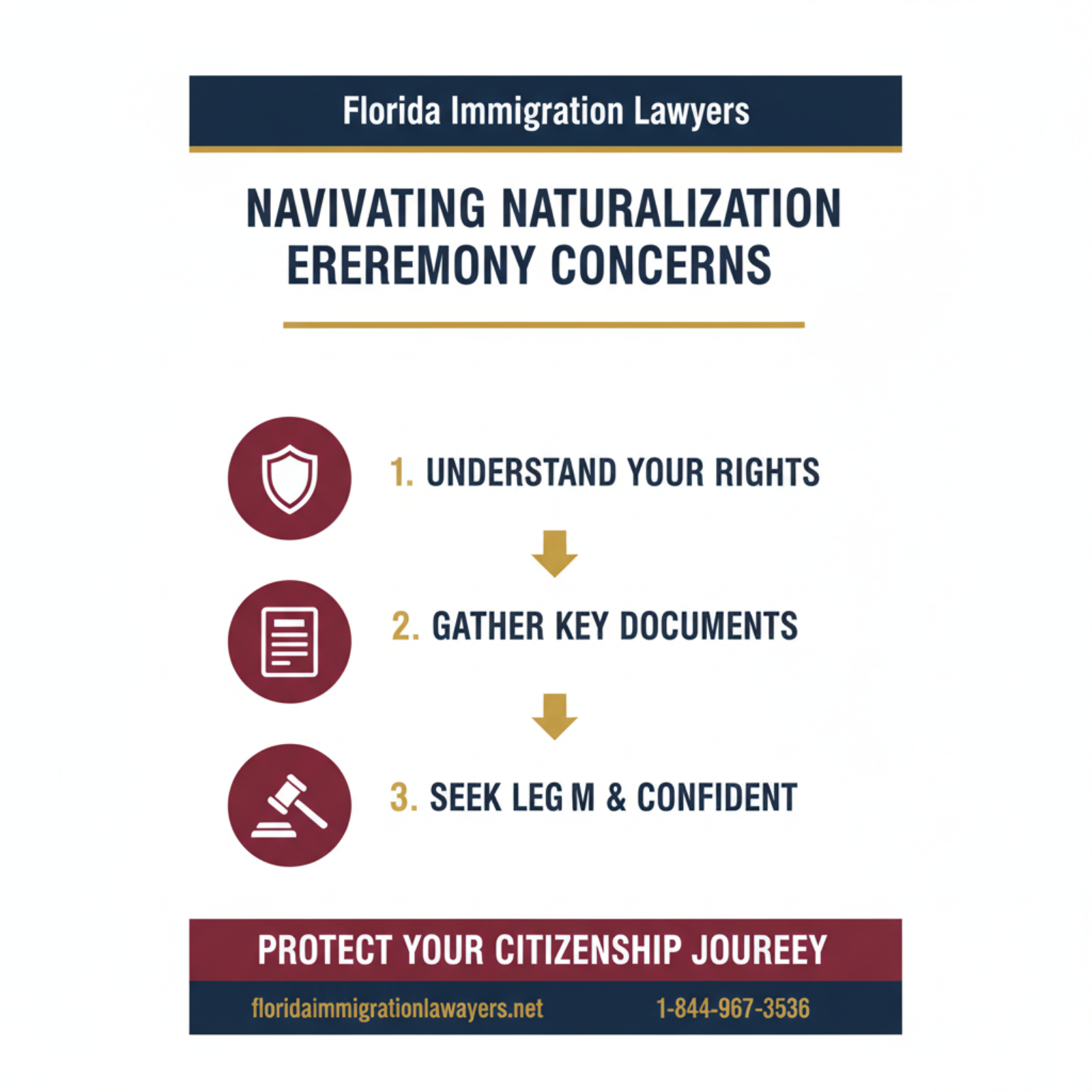
The Right to Legal Counsel
You have the right to speak with an attorney. If you are questioned or detained by ICE, you can state, "I want to speak with my lawyer." Do not sign any documents, especially those you do not understand or that waive your rights, until you have consulted with legal counsel. An attorney can advise you on your specific situation, review any documents presented by ICE, and represent your interests. If you have any concerns about deportation defense or other complex immigration matters, legal representation is absolutely critical. Our experienced attorneys are here to help.
Proactive Steps to Ensure a Smooth Ceremony
Preparation is key to reducing anxiety and ensuring your naturalization ceremony goes smoothly. By taking proactive steps, you can minimize potential issues and focus on the significance of the moment.
Gathering Essential Documents
Before attending your naturalization ceremony, ensure you have all necessary documents. This typically includes your USCIS interview notice, your Permanent Resident Card (Green Card), and any other immigration documents or travel documents you may have. You may also need to bring state-issued identification, such as a driver's license. Double-check the instructions on your ceremony notice for a definitive list of what to bring. Having everything organized will help you feel more prepared and prevent any last-minute stress. It's also a good idea to bring a copy of your N-400 application and any supporting documents you submitted, just for your reference.
Seeking Legal Guidance Beforehand
If you have any lingering concerns about your immigration history, past interactions with law enforcement, or any complex issues that arose during your naturalization process, it is highly advisable to seek legal guidance from an experienced immigration attorney before your ceremony. A lawyer can review your case, clarify your rights, and help you understand any potential risks. They can provide peace of mind and ensure you are fully prepared for any eventuality. For any questions regarding your path to citizenship or other immigration matters, don't hesitate to contact us for a consultation.
The Role of Immigration Law Firms in Protecting Your Journey
Navigating the complexities of immigration law, especially when concerns about enforcement arise, can be overwhelming. An experienced immigration law firm serves as a vital advocate and guide throughout your journey to citizenship. From the initial application to the final ceremony, legal professionals can provide invaluable support, ensuring that your rights are protected and that you are fully prepared for every step. They can help you understand intricate regulations, address potential issues proactively, and represent you if any unexpected challenges arise. Whether you are seeking assistance with asylum claims, deportation defense, or simply want to ensure your naturalization process is flawless, a dedicated legal team can make a significant difference. Our firm is committed to providing comprehensive legal services to individuals and families seeking to achieve their immigration goals in Florida.

Beyond the Ceremony: Life as a U.S. Citizen
Becoming a U.S. citizen is not just the end of a long journey; it's the beginning of a new chapter filled with rights, responsibilities, and opportunities. The naturalization ceremony marks your formal entry into the civic life of the United States, granting you a full stake in the nation's future. This transition brings with it a host of benefits and duties that are important to understand as you embrace your new status.
Rights and Responsibilities of Citizenship
As a U.S. citizen, you gain several fundamental rights, including the right to vote in federal, state, and local elections, which is a cornerstone of American democracy. You can also run for public office, serve on a jury, and hold certain federal jobs that are restricted to citizens. Furthermore, U.S. citizens are protected from deportation, offering unparalleled security and stability. With these rights come responsibilities: upholding the Constitution, participating in the democratic process by voting, serving on juries when called, and staying informed about national and local issues. Embracing these responsibilities strengthens both your community and the nation. For more on civic duties, you can explore resources from the Department of Justice.
Sponsoring Family Members
One of the most significant benefits of U.S. citizenship is the ability to petition for certain family members to immigrate to the United States. Citizens have priority in sponsoring immediate relatives, including spouses, unmarried children under 21, and parents, allowing them to obtain green cards without being subject to numerical quotas or long waits. Citizens can also sponsor married children and siblings, though these categories may involve longer waiting periods due to visa availability. This ability to unite families is a powerful aspect of citizenship, providing a pathway for loved ones to share in the American dream. Understanding the family-based immigration process is complex, and legal guidance is often beneficial to navigate the various forms, requirements, and potential challenges involved in sponsoring relatives. For details on visa categories and processing, refer to travel.state.gov.
Conclusion
The naturalization ceremony is a momentous occasion, a testament to your perseverance and commitment to the United States. While concerns about ICE are understandable, being informed about your rights and taking proactive steps can significantly alleviate anxiety. Remember, the vast majority of naturalization ceremonies proceed without incident for approved applicants. By understanding the process, knowing your rights, and seeking legal counsel when needed, you can approach your ceremony with confidence and focus on the joy of becoming a U.S. citizen. If you have any further questions or require assistance with your immigration journey, our dedicated team of Florida immigration lawyers is here to provide expert guidance and support. Your path to citizenship is important, and we are here to help protect it.
Need help with Immigration?
Our Florida immigration attorneys offer free consultations. Call today or schedule online.
Frequently Asked Questions
Florida Immigration Lawyers
Legal Team
Our experienced attorneys at Florida Immigration Lawyers have been serving clients across Florida for over 20 years. We specialize in immigration, personal injury, criminal defense, workers compensation, and family law.