Military Naturalization Expedited in Florida Bases
Explore military naturalization options for families at Florida bases, including parole in place benefits in Miami. Learn how to expedite your application with expert guidance from Florida Immigration Lawyers.

Military Naturalization Expedited in Florida Bases
For those who bravely serve our nation, the path to U.S. citizenship should be as streamlined as possible. The United States recognizes the immense sacrifices made by military personnel and their families, offering expedited naturalization processes to honor their dedication. In Florida, a state with a significant military presence, understanding these pathways is crucial for service members and their loved ones seeking to establish their lives in the U.S. This guide delves into the specifics of military naturalization, the benefits of expedited processing, and the critical role of programs like Parole in Place for military families, particularly within the context of Florida's numerous military installations.
Whether you're stationed at MacDill Air Force Base, Naval Station Mayport, or any other facility across the Sunshine State, the journey to becoming a U.S. citizen is a testament to your commitment. Our firm is dedicated to assisting military personnel and their families navigate the complexities of immigration law, ensuring they receive the support and legal guidance they deserve.
Eligibility for Military Naturalization
The criteria for military naturalization differ significantly from civilian naturalization, primarily due to the unique circumstances of military service. Generally, a service member may be eligible for naturalization if they meet specific requirements under Sections 328 or 329 of the Immigration and Nationality Act (INA). These sections address naturalization during periods of honorable service and during periods of hostilities, respectively.
Key eligibility factors include:
- Honorable Service: Applicants must have served honorably in the U.S. armed forces. For those applying under INA 328, this typically requires one year of honorable service. For those applying under INA 329 during designated periods of hostilities (such as the current period beginning September 11, 2001), immediate eligibility may apply.
- Good Moral Character: Like all naturalization applicants, military personnel must demonstrate good moral character for the statutory period. However, certain acts that might disqualify a civilian may be waived for military members, especially if related to combat or service.
- English Language and Civics Knowledge: While most civilian applicants must pass English and civics tests, military members are often exempt from these requirements, particularly if they apply while serving honorably or within a certain period after discharge. This waiver acknowledges the practical English proficiency gained through military service and the inherent understanding of civic duties.
- Residency and Physical Presence: Unlike civilians who must meet strict residency and physical presence requirements, military service members are generally exempt from these. Their time serving honorably abroad or within the U.S. counts towards eligibility, and they do not need to demonstrate continuous residence in a particular state or district.
- Oath of Allegiance: All applicants must take an Oath of Allegiance to the United States. For military members, this is often a deeply meaningful ceremony, cementing their commitment to the nation they have already served.
Understanding these specific eligibility requirements is the first step toward successful naturalization. Consulting with an experienced immigration attorney can help clarify individual circumstances and ensure all criteria are met before filing an application.
The Expedited Naturalization Process for Service Members
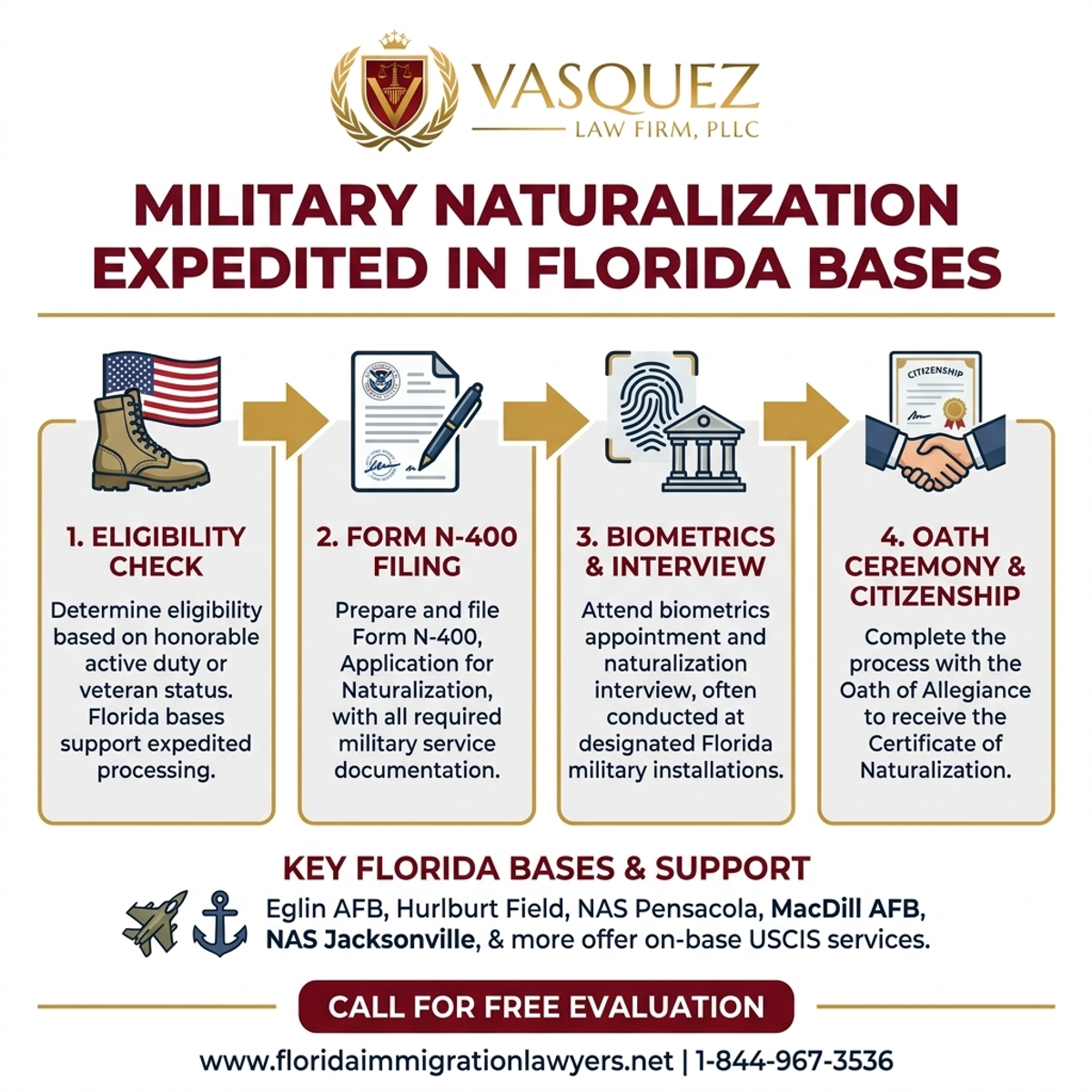
One of the most significant advantages for military personnel is the expedited nature of their naturalization process. While civilian applications can take months or even years, military naturalization is often fast-tracked, recognizing the transient nature of military life and the urgency of securing citizenship for those defending the country. The primary form used for military naturalization is Form N-400, Application for Naturalization, but it is accompanied by specific military documentation.
The expedited process typically involves:
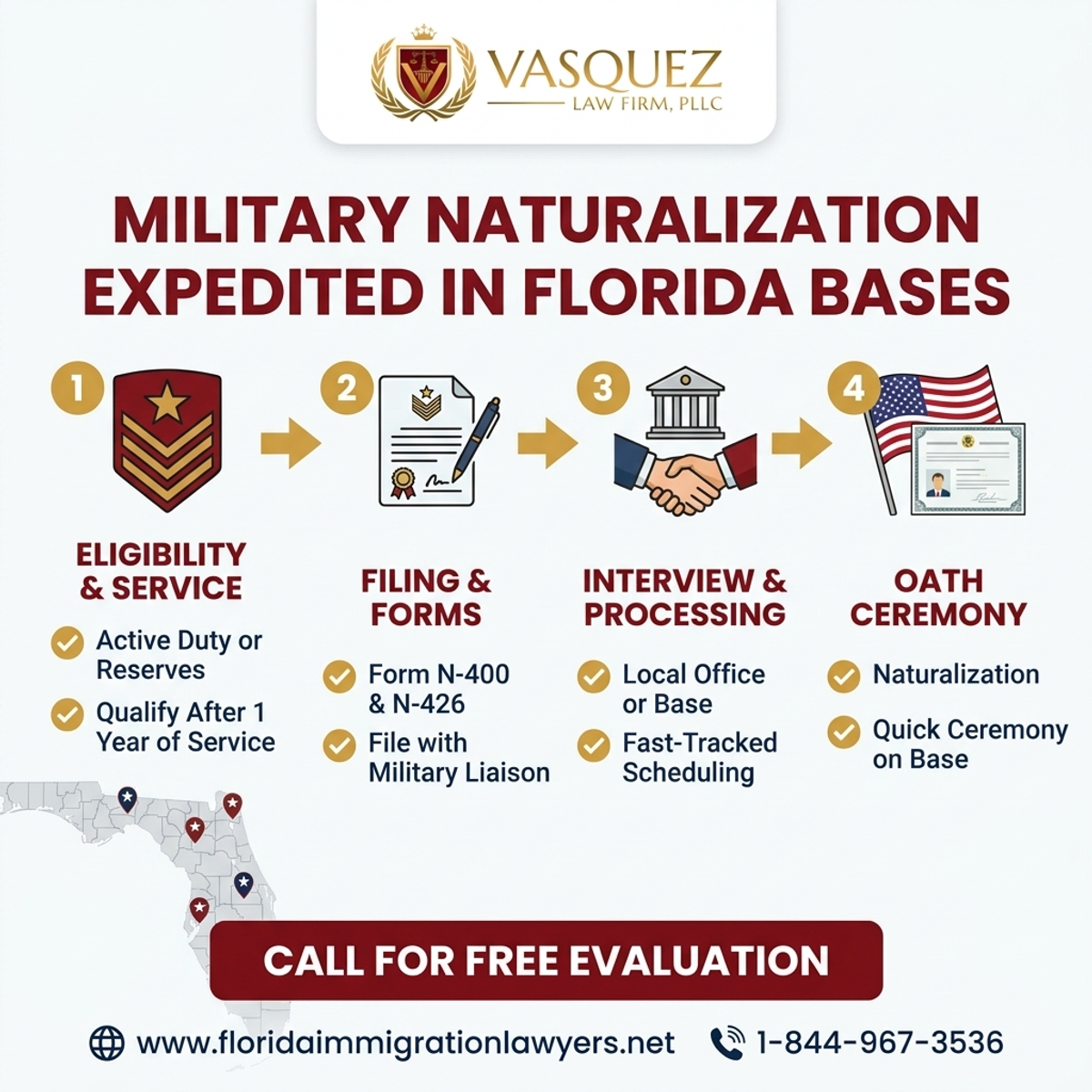
- Form N-400 with N-426: Service members file Form N-400 along with Form N-426, Request for Certification of Military or Naval Service. The N-426 is crucial as it verifies the applicant's honorable service, which is a cornerstone of their eligibility. This form is typically completed by a commanding officer or a designated military official.
- Biometrics Appointment: After filing, applicants will usually attend a biometrics appointment where their fingerprints, photograph, and signature are collected for background checks.
- Interview: A USCIS officer will conduct an interview to review the application, verify eligibility, and assess good moral character. While English and civics tests are often waived, the officer will still confirm the applicant's understanding of the oath and commitment to the U.S.
- Oath Ceremony: Upon approval, the final step is the Oath of Allegiance ceremony. These ceremonies can often be held on military bases or at USCIS offices, and sometimes even overseas for service members deployed abroad. The ability to naturalize while deployed is a powerful testament to the expedited nature of this process.
The benefits of this expedited process extend beyond just speed. It allows service members to gain full citizenship rights, including the right to vote, hold certain federal jobs, and travel with a U.S. passport, often before their military service concludes. This can also pave the way for family members to pursue their own immigration benefits more easily. For any questions regarding the N-400 or other forms, our legal team can provide detailed assistance.
Parole in Place (PIP) for Military Families in Florida
Beyond the service member's own naturalization, the U.S. government offers crucial relief for their undocumented family members through a program known as Parole in Place (PIP). This provision is particularly vital in states like Florida, where military families from diverse backgrounds reside. Parole in Place allows certain undocumented spouses, children, and parents of U.S. citizens who are serving or have served in the U.S. armed forces to apply for parole without leaving the United States.
What is Parole in Place? PIP grants a period of authorized stay in the U.S. to eligible family members, effectively protecting them from deportation and allowing them to apply for work authorization. Crucially, it also provides a pathway to adjust their status to lawful permanent resident (green card holder) without having to depart the U.S. and trigger a re-entry bar, which would otherwise be a significant hurdle for many undocumented individuals.
Who is Eligible for PIP? Eligibility typically extends to the spouse, child (unmarried and under 21), or parent of an active-duty member of the U.S. armed forces, an individual in the Ready Reserve or Selected Reserve, or an individual who previously served in the U.S. armed forces and was honorably discharged. The qualifying military family member must be a U.S. citizen. Applicants for PIP must also demonstrate good moral character and have no serious criminal record.
Step-by-Step Process — Military Naturalization Expedited in Florida Bases
Benefits of PIP: The impact of PIP on military families in Florida is profound. It provides stability and peace of mind, allowing families to remain together while the service member continues their vital work. Without PIP, many military families would face the agonizing choice between family separation or the service member leaving the military to be with their loved ones. Once parole is granted, the individual can apply for an Employment Authorization Document (EAD) and, most importantly, apply for adjustment of status to a green card holder, provided they have an eligible U.S. citizen petitioner (usually the military spouse or child).
Application Process: Applying for PIP involves filing Form I-131, Application for Travel Document, along with supporting documentation proving the military relationship, the service member's status, and the applicant's good moral character. It is a discretionary benefit, meaning USCIS has the authority to approve or deny applications based on individual circumstances. Due to the complexities and the discretionary nature of PIP, seeking legal counsel is highly recommended to ensure a comprehensive and compelling application is submitted. Our firm has extensive experience assisting military families in Miami and throughout Florida with these critical applications, helping them secure their future in the U.S.
Specific Considerations for Florida Military Bases
Florida is home to a robust network of military bases, each with its unique community and resources. For service members and their families seeking naturalization or other immigration benefits, understanding the local landscape is beneficial. Major installations include:
- MacDill Air Force Base (Tampa): A key strategic hub, MacDill hosts numerous service members and their families. Proximity to the USCIS Tampa Field Office can facilitate the naturalization process.
- Naval Station Mayport (Jacksonville): A significant naval port, Mayport supports a large population of Navy personnel. The USCIS Jacksonville Field Office serves this region.
- Eglin Air Force Base (Fort Walton Beach): Located in the Florida Panhandle, Eglin is a vast base with a diverse military community.
- Naval Air Station Pensacola: Known as the “Cradle of Naval Aviation,” Pensacola also has a USCIS office nearby.
- Patrick Space Force Base (Cocoa Beach): Home to space launch operations, this base supports a growing number of Space Force personnel.
Each of these bases, and many others across Florida, have family support centers and legal assistance offices that can provide initial guidance. However, for nuanced immigration cases, particularly those involving complex eligibility, waivers, or prior immigration issues, an independent immigration attorney offers specialized expertise. The local USCIS field offices are responsible for conducting interviews and processing applications, and understanding their specific procedures can be an advantage.
Overcoming Challenges in the Naturalization Process
While the military naturalization process is expedited, it is not without its potential challenges. Service members and their families may encounter issues that complicate their path to citizenship. These can range from minor administrative errors to more significant legal hurdles.
Common challenges include:
- Documentation Errors: Incorrect or incomplete forms, missing supporting documents, or discrepancies in records can lead to delays or even denials.
- Good Moral Character Issues: Although some waivers exist for military personnel, serious criminal convictions, false claims to U.S. citizenship, or other significant moral character issues can jeopardize an application. Understanding what constitutes good moral character and how to address any past issues is critical.
- Service Record Discrepancies: Issues with military service records, such as periods of non-honorable service or gaps in documentation, can create complications. Form N-426 must accurately reflect honorable service.
- Prior Immigration Violations: For family members seeking Parole in Place or adjustment of status, prior entries without inspection, overstays, or other immigration violations can pose significant challenges that require expert legal navigation.
- Deployment-Related Issues: While naturalization can occur during deployment, coordinating interviews and oath ceremonies can be logistically complex for service members stationed abroad.
Key Statistics — Military Naturalization Expedited in Florida Bases
When facing these or other complex situations, seeking the advice of experienced attorneys specializing in military immigration is paramount. Our legal team can help identify potential issues early, prepare robust applications, represent clients during interviews, and, if necessary, assist with appeals or re-filings. We also handle sensitive cases involving asylum claims or other unique immigration circumstances that may arise for military families.
The Broader Impact of Military Immigration Policies
The policies facilitating military naturalization and family relief programs like Parole in Place have a far-reaching impact beyond individual service members and their families. They contribute significantly to national security, military readiness, and the overall strength of the United States.
By allowing non-citizen service members to become citizens quickly, the U.S. military retains valuable talent and skills. Many non-citizens bring unique linguistic and cultural abilities that are crucial for various military operations, particularly in intelligence and special forces. Providing a clear path to citizenship incentivizes these individuals to continue their service and fully integrate into American society.
Furthermore, supporting military families through programs like Parole in Place enhances the morale and well-being of service members. When service members know their families are secure and protected from deportation, they can focus more effectively on their duties, reducing stress and improving overall readiness. Family unity is a cornerstone of a strong society, and these policies underscore the nation's commitment to those who serve. These policies also reflect American values of fairness and gratitude towards those who put their lives on the line for the country, ensuring that their sacrifices are met with opportunities for themselves and their loved ones.
Conclusion
Military naturalization and family immigration programs like Parole in Place are vital components of the U.S. immigration system, designed to honor the service and sacrifice of military personnel. For those serving in Florida's numerous bases, these provisions offer expedited pathways to citizenship and critical relief for family members, fostering stability and unity. Navigating these processes, while often streamlined, still requires careful attention to detail and a thorough understanding of immigration law.
If you are a service member or a family member seeking to understand your options for naturalization, Parole in Place, or any other immigration matter, do not hesitate to seek professional legal guidance. Our experienced immigration attorneys are dedicated to serving those who serve our country, providing comprehensive support and advocacy every step of the way. Contact us today to schedule a consultation and take the next step towards securing your future in the United States.
Sources and References
- U.S. Citizenship and Immigration Services (USCIS)
- Executive Office for Immigration Review (EOIR)
- U.S. Department of State - Bureau of Consular Affairs
- Immigration and Nationality Act (INA), 8 U.S.C. Chapter 12
Do Not Navigate This Process Alone
Our experienced immigration attorneys are ready to fight for you. Get a free, confidential consultation today.
Se Habla Español
Or leave your details and we’ll call you:
Free Evaluation in 24 Hours
Or talk to us right now

AI voice assistant — available 24/7
FreeFrequently Asked Questions

William J. Vásquez
Founding Attorney · Vasquez Law Firm
U.S. Air Force veteran and immigration attorney with years of hands-on U.S. immigration experience. J.D., NCCU School of Law. AILA member. Admitted to the 4th, 5th, and 11th Circuit Courts.
Available 24/7 - Free Evaluations
Reviewed for legal accuracy by William J. Vásquez
Licensed in North Carolina; U.S. immigration is federal practice.
Related Legal Services
Our Florida immigration attorneys can help you with asylum protection, deportation defense and citizenship and naturalization. Call today at 1-844-967-3536 for a free consultation.
Related Links
Related Topics
Free Legal Consultation
Discuss your case with our experienced attorneys. We're available 24/7.
Se Habla Español - Estamos aquí para ayudarle.
Related Articles
Immigration Lawyer Orlando Free Consultation 2026
Discover the cost of hiring an immigration lawyer in Orlando in 2026. Learn about various fees, free consultations, and how to choose the right legal representation for your immigration needs.
Orlando Immigration Lawyer Free Consultation 2026 Guide
Navigating U.S. immigration law in Orlando, Florida, can be daunting. This comprehensive guide details how an immigration lawyer can assist you, what to expect from a free consultation, and key aspects of the immigration process in 2026. From family-based petitions and employment visas to asylum and deportation defense, understanding your options is vital. Learn about essential documents, processing timelines, and common mistakes to avoid. Florida Immigration Lawyers offers expert guidance across the state, including Orlando, West Palm Beach, Sarasota, Bradenton, and Manatee County. Get personalized advice to secure your future.
Expungement Immigration Consequences in Florida 2026
Many immigrants in Florida mistakenly believe that an expunged criminal record is completely erased for immigration purposes. However, federal immigration law, including the INA, often does not recognize state expungements, meaning the underlying conviction can still lead to severe consequences for visas, green cards, or naturalization. This comprehensive guide, updated for 2026, explains the critical differences between state and federal law, outlines the steps to address a criminal record for immigration, details necessary documentation, and highlights common mistakes to avoid. Learn how to navigate these complexities in Florida, from Hollywood to Miami, and protect your immigration future. Florida Immigration Lawyers offers free consultations to assess your unique situation.
TPS Honduras: Latest News & Key Updates for 2026 in Florida
Stay informed on the latest news and key updates regarding Temporary Protected Status (TPS) for Honduras in 2026. This comprehensive guide from Florida Immigration Lawyers clarifies the evolving legal landscape, re-registration procedures, and essential documentation. Learn what these changes mean for Honduran immigrants in Florida, understand common pitfalls, and discover when professional legal assistance is crucial. With ongoing court challenges and potential policy shifts, proactive engagement and accurate information are vital to protect your TPS status and work authorization. Get expert insights and personalized guidance to navigate the complexities of TPS Honduras in 2026.