Immigration Reform Masters Degree: Florida Opportunities
Considering an immigration reform masters degree in Florida for 2026? This comprehensive guide from Florida Immigration Lawyers explores program options, career paths in immigration policy, and the unique context of Florida's immigration landscape. Learn about application processes, funding, and critical mistakes to avoid. Discover how advanced studies can prepare you for impactful roles in advocacy, government, and legal support. We also provide essential information for immigrants and international students navigating their status while pursuing higher education in Gainesville or other Florida communities. Understand when legal counsel is vital and how our firm can assist you every step of the way.
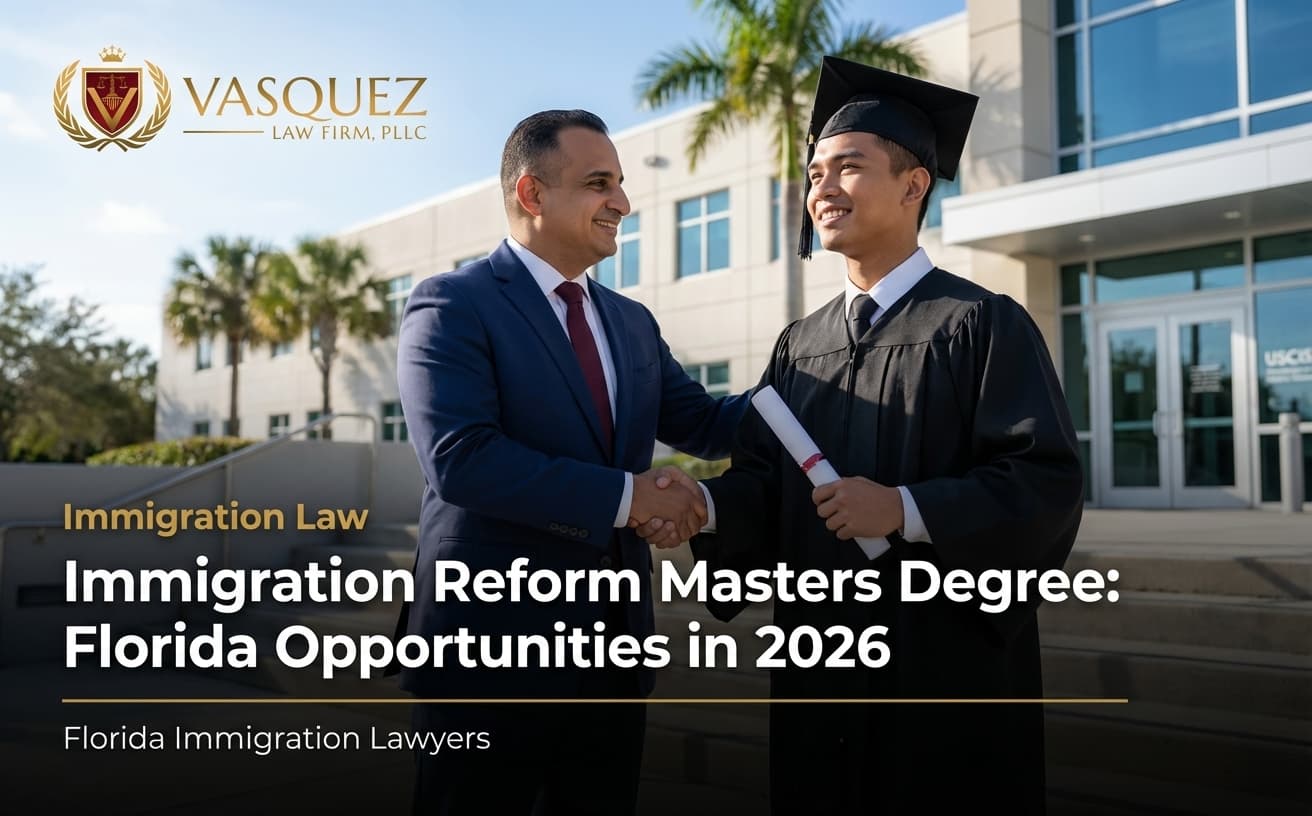
An immigration reform masters degree in Florida in 2026 can prepare you for impactful careers in policy, advocacy, and legal support. These programs focus on the complex interplay of law, economics, and social justice. Graduates typically work in government, non-profits, or international organizations, contributing to the evolving landscape of immigration. Understanding Florida's unique demographic needs is often a key component of such studies.
- Explore specialized programs in immigration policy or international affairs.
- Gain expertise for careers in advocacy, government, or legal support.
- Understand Florida's specific immigration context and challenges.
- Prepare for leadership roles in shaping future immigration policies.
- Connect with professionals dedicated to immigration justice.
Imagine a future where you actively shape immigration policy, advocating for fair and just systems. Perhaps you envision yourself working with communities, guiding them through complex legal landscapes, or influencing legislative change. If you are passionate about making a tangible difference in the lives of immigrants, pursuing an immigration reform masters degree in Florida could be your next strategic step.
Florida, with its diverse population and unique geopolitical position, is a critical hub for immigration discussions and reform efforts. As we look towards 2026, the need for skilled professionals who understand both the intricacies of immigration law and the broader implications of policy changes is more urgent than ever. This comprehensive guide will explore the opportunities available in Florida for those seeking advanced degrees in this vital field.
We will delve into program options, career paths, and provide essential advice for navigating your academic journey. Understanding the landscape of Florida immigration law and policy is crucial for anyone considering this path. If you have questions about your own immigration status or need legal guidance while pursuing your studies, remember that help is available. Call Florida Immigration Lawyers at 1-844-YO-PELEO for a free consultation.
Understanding the Landscape: Why an Immigration Reform Masters Degree in Florida?
Florida stands at the forefront of many national conversations surrounding immigration. Its extensive coastline, vibrant international communities, and bustling ports of entry make it a focal point for both immigration policy and its real-world impacts. Pursuing an immigration reform masters degree here offers a unique perspective on these dynamic issues.
The state's demographic makeup includes a significant percentage of foreign-born residents, particularly in areas like Miami, Orlando, and even growing communities around Gainesville. This diversity creates a rich environment for studying the social, economic, and legal dimensions of immigration. Graduates are well-positioned to contribute to solutions that address both local and national challenges.
An advanced degree in this field can equip you with the analytical tools and theoretical framework to understand the historical context, current legal frameworks, and future directions of immigration. You will gain expertise in policy analysis, international relations, human rights, and administrative law, all crucial for effective reform efforts.
The Growing Need for Immigration Policy Experts
The field of immigration is constantly evolving, driven by global events, economic shifts, and legislative actions. In 2026, the demand for professionals who can interpret complex regulations, advocate for vulnerable populations, and design effective policies remains high. An immigration reform masters degree directly addresses this critical need.
These experts are essential for government agencies, non-profit organizations, international bodies, and even private corporations. They work to ensure compliance, protect rights, and facilitate integration. Your specialized knowledge will be invaluable in a world grappling with significant migration patterns.
Whether you aim to work with USCIS, international NGOs, or local advocacy groups, your advanced studies will provide a foundation for leadership. You will be prepared to tackle challenges ranging from border security to refugee resettlement, from family reunification to economic immigration.
Florida's Unique Immigration Context
Florida's immigration landscape is particularly complex, influenced by its proximity to the Caribbean and Latin America, its agricultural industry, and its role as a tourism hub. Recent state-level legislative changes have also significantly impacted immigrant communities across Florida, including those in Gainesville and surrounding areas.
Studying here allows you to analyze these specific challenges firsthand. You can explore how state laws interact with federal immigration policies, the impact on local economies, and the experiences of diverse immigrant groups. This localized perspective adds depth to your understanding of broader immigration issues.
Programs in Florida often incorporate case studies and opportunities to engage with local organizations. This practical exposure can be invaluable for developing real-world solutions. It also helps you build a network of professionals actively involved in Florida immigration law and advocacy.
Charting Your Course: Step-by-Step Guide to Pursuing Advanced Immigration Studies
Embarking on a masters program in immigration reform is a significant undertaking. A structured approach can help you navigate the application process successfully and prepare for a rewarding academic and professional journey. This guide outlines the key steps involved in pursuing advanced immigration studies in Florida.
-
Research Programs and Institutions: Begin by identifying universities in Florida offering relevant masters degrees. Look for programs in international affairs, public policy, global studies, or specialized immigration studies. Evaluate curricula, faculty expertise, and opportunities for internships or research related to immigration reform masters degree topics. Consider institutions in areas like Gainesville, Orlando, or Miami that may have specific faculty interests or local partnerships.
-
Meet Admission Requirements: Each program will have specific prerequisites. Typically, these include a strong undergraduate GPA, letters of recommendation, a personal statement, and standardized test scores such as the GRE or GMAT. Ensure your academic background aligns with the program's focus. Some programs may prefer applicants with prior experience in related fields like social work, law, or public administration.
-
Prepare Compelling Application Materials: Your application is your opportunity to showcase your passion and qualifications. Craft a personal statement that clearly articulates your interest in immigration reform, your career goals, and why you believe this specific program is the right fit. Tailor your resume or CV to highlight relevant experiences, whether academic, professional, or volunteer. Seek out strong recommenders who can speak to your abilities and potential for graduate-level work.
-
Secure Funding and Financial Aid: Graduate education is an investment. Explore various funding options, including university scholarships, teaching or research assistantships, and external grants. Many universities offer financial aid packages specifically for masters students. Investigate opportunities from organizations dedicated to international studies or public service. Early application can often increase your chances of securing financial support.
-
Engage with Faculty and Alumni: Networking is crucial, even before you are admitted. Reach out to faculty members whose research aligns with your interests to discuss their work and potential opportunities. Connect with program alumni through LinkedIn or university events to gain insights into their experiences and career paths. These connections can provide valuable mentorship and open doors to future immigration policy careers.
-
Consider Practical Experience and Internships: While pursuing your degree, seek out internships or volunteer opportunities with immigration law firms, non-profits, or government agencies. Practical experience will complement your academic learning and provide valuable hands-on skills. Many programs encourage or require an internship component, which can be pivotal for your professional development and understanding of Florida immigration law in practice. Our attorneys at Florida Immigration Lawyers understand the value of practical experience in this field. Learn more about their backgrounds at /attorneys.
Essential Documents for Your Masters Program Application
A complete and well-organized application package is vital for admission to any competitive masters program. Gathering all necessary documents in advance will streamline your application process. Missing or incomplete submissions can significantly delay or even disqualify your application.
- Official Transcripts: Submit official transcripts from all undergraduate and graduate institutions you have attended. These must typically be sent directly from the institution to the admissions office.
- Letters of Recommendation: Secure 2-3 letters from professors or supervisors who can attest to your academic abilities, work ethic, and potential for success in graduate studies. Provide them with ample time and necessary information about your goals.
- Personal Statement/Statement of Purpose: This essay is your chance to convey your motivations, academic interests, career aspirations, and why you are drawn to an immigration reform masters degree. Tailor it to each specific program.
- Resume or Curriculum Vitae (CV): Detail your educational background, work experience, volunteer activities, research projects, publications, and any relevant skills. Highlight experiences that demonstrate your commitment to immigration issues.
- Standardized Test Scores: Most programs require GRE or GMAT scores. Ensure your scores are sent directly from the testing agency to the university. Check if any waivers are available based on your GPA or prior degrees.
- Completed Application Form: Fill out the university's online application form accurately and completely. Double-check all personal information and program selections.
- Application Fee: Pay the non-refundable application fee. Some universities offer fee waivers for certain circumstances or for attending recruitment events.
- Writing Sample (if required): Some programs may ask for a writing sample, such as an academic paper or a policy brief. This demonstrates your research and analytical writing skills.
Timeline and Processing Expectations for Your Immigration Masters Application
Understanding the typical timeline for graduate admissions is crucial for effective planning. Most programs follow a cycle that allows for fall or spring admissions, with application deadlines often several months in advance of the start date.
For fall admissions in 2026, application deadlines typically range from December 2025 to February 2026. Spring admission deadlines are usually in the late summer or early fall of the preceding year. It is important to check the specific dates for each program you are interested in.
After submitting your application, universities generally take several weeks to a few months to review materials and issue decisions. You can typically expect to hear back between March and May for fall admissions. Some programs may conduct interviews with shortlisted candidates, which can extend the decision timeline.
Once accepted, you will need to confirm your enrollment and begin preparing for your move, if applicable. This includes securing housing, arranging financial aid, and attending orientation. For international students, additional time will be needed for visa processing through relevant U.S. government agencies like the Department of State or USCIS.
Post-graduation, the timeline for securing employment in immigration policy careers can vary widely. Networking during your studies, utilizing career services, and gaining practical experience through internships can significantly shorten your job search. Many graduates find positions within 3-6 months of completing their advanced immigration studies.
Investing in Your Future: Cost Factors for an Immigration Reform Masters Degree
Pursuing an immigration reform masters degree is a significant investment in your professional future. Understanding the various cost factors involved will help you plan your finances effectively. While exact figures vary by institution and program, key expenses generally include tuition, fees, and living costs.
Tuition rates differ between public and private universities, and often between in-state and out-of-state residents. Florida's public universities generally offer more competitive tuition rates for residents. Always check the specific program website for the most current tuition schedule, as these figures are subject to change annually.
Beyond tuition, you will encounter various university fees, which can cover things like student health services, technology access, and activity costs. Books and supplies for your courses will also be an ongoing expense. Factor in these additional costs when calculating your total educational budget.
Living expenses, particularly in university towns like Gainesville, need careful consideration. These include housing, food, transportation, personal expenses, and health insurance. While Gainesville is generally more affordable than major metropolitan areas like Miami or Orlando, managing your budget is still essential. Some programs may offer cost-of-living estimates to assist with your planning.
Fortunately, numerous financial aid options are available to help offset these costs. These can include university scholarships, fellowships, grants, and graduate assistantships (teaching or research). Many departments offer assistantships that provide a tuition waiver and a stipend in exchange for part-time work. Additionally, external scholarships from foundations or professional organizations can provide significant support for those committed to immigration policy careers.
The return on investment for an advanced immigration studies degree can be substantial. Graduates are often prepared for higher-level positions with increased earning potential and greater influence in their field. The specialized knowledge and skills you acquire will be highly valued in various sectors dedicated to Florida immigration law and policy.
Do not navigate this process alone. Contact Florida Immigration Lawyers today.
Common Mistakes to Avoid When Pursuing an Immigration Reform Masters Degree
The path to an immigration reform masters degree can be challenging but rewarding. Avoiding common pitfalls can significantly improve your chances of success, both in your application and throughout your studies. Be mindful of these mistakes to ensure a smoother journey.
-
Underestimating the Application Complexity: Many applicants underestimate the time and effort required for a strong graduate school application. Rushing your essays, requesting last-minute recommendations, or overlooking specific requirements can lead to a weaker submission. Start early and meticulously review all instructions.
-
Neglecting the Personal Statement's Importance: Your personal statement is more than just a summary of your resume. It is your opportunity to tell your story, explain your motivations for an immigration reform masters degree, and demonstrate your critical thinking and writing skills. A generic or poorly written statement can significantly hurt your chances.
-
Ignoring Funding Opportunities: Many students focus solely on admission and overlook the vast array of scholarships, fellowships, and assistantships available. Failing to research and apply for financial aid can lead to unnecessary financial strain. Be proactive in seeking out funding sources.
-
Not Researching Faculty Interests Thoroughly: A strong connection with faculty is crucial in graduate school. If your research interests don't align with those of the professors in your chosen program, you may struggle to find mentorship and research opportunities. Investigate faculty profiles and their publications.
-
Choosing a Program Without Practical Components: While theoretical knowledge is vital, practical experience is equally important for immigration policy careers. Opting for a program that lacks internship opportunities, clinics, or experiential learning can leave you less prepared for the job market. Look for programs with strong practical elements.
-
Failing to Network: Graduate school is an excellent environment for building professional connections. Neglecting to attend seminars, engage with guest speakers, or connect with peers and alumni means missing out on valuable opportunities for mentorship, collaboration, and future job prospects. Your network is a key asset.
-
Misunderstanding Career Paths: A masters in immigration reform opens many doors, but it is not a direct path to becoming a licensed immigration lawyer (which requires a Juris Doctor degree). Understand the difference between policy analysis, advocacy, and legal practice. Research specific job roles to align your expectations.
-
Not Considering Florida's Specific Context: If you are studying in Florida, ignoring the state's unique immigration laws, policies, and demographics is a missed opportunity. Tailor your studies and research to incorporate Florida immigration law and its specific challenges, especially if you plan to work in the state.
-
Delaying Application Submission: While some programs have rolling admissions, many have strict deadlines. Submitting your application close to the deadline risks technical issues, limited availability of funding, or a less thorough review. Aim to submit well in advance of the final date.
-
Not Seeking Advice from Mentors or Professionals: Don't hesitate to reach out to current graduate students, professors, or professionals in the field for advice. Their insights can be invaluable for navigating the application process, choosing the right program, and preparing for advanced immigration studies.
When to Call a Lawyer: Navigating Immigration Status While Pursuing Your Degree
While an immigration reform masters degree prepares you to understand the system, navigating your own immigration status can be complex and stressful. If you are an immigrant or an international student in Florida, seeking legal counsel is often a wise decision. Florida Immigration Lawyers are here to help you understand your rights and options.
You should consider contacting an experienced immigration attorney if you encounter any of the following scenarios:
- Visa Issues or Changes: If you are an international student on an F-1 or J-1 visa and need to change your status, extend your stay, or have encountered any complications with your visa, legal advice is crucial.
- DACA Concerns: If you are a DACA recipient pursuing higher education in Florida, understanding the latest policy changes and renewal processes is vital. An attorney can help you navigate these often-uncertain waters.
- Seeking Permanent Residency or Citizenship: If your goal is to transition from a student visa to permanent residency or eventually pursue citizenship, the process involves intricate legal steps. An attorney can guide you through family-based petitions (family immigration), employment-based petitions (business immigration), or other pathways.
- Asylum or Refugee Status: If you are a student or individual seeking asylum in the U.S. and need assistance with your application or have an upcoming interview, legal representation is essential.
- Deportation or Removal Proceedings: Facing deportation defense can be terrifying. If you or a loved one receives a Notice to Appear (NTA) or are in immigration court in cities like Orlando, Miami, or Jacksonville, contact an attorney immediately.
- Requests for Evidence (RFEs) or Notices of Intent to Deny (NOIDs) from USCIS: If USCIS sends you an RFE or NOID regarding any application, it means they need more information or intend to deny your case. Responding effectively requires legal expertise.
- General Immigration Questions: Even if you don't have an immediate crisis, understanding your long-term immigration options as a student or professional in Florida is beneficial. A free consultation can provide clarity on your specific situation.
The immigration system is complex, and mistakes can have severe consequences. Don't risk your future by trying to navigate it alone. Florida Immigration Lawyers focus on all areas of immigration law and can provide the experienced guidance you need, whether you are in Gainesville, Orlando, or anywhere else in Florida.
About Florida Immigration Lawyers
Florida Immigration Lawyers is a leading law firm dedicated to providing comprehensive and compassionate immigration legal services across the entire state of Florida. Our team of experienced attorneys understands the unique challenges faced by immigrants and international students in a dynamic legal landscape. We are committed to upholding your rights and helping you achieve your immigration goals.
We offer a wide range of services, including family-based immigration, employment visas, asylum claims, deportation defense, citizenship applications, and assistance with various USCIS processes. Our attorneys are well-versed in both federal and state-specific immigration issues, including those impacting communities in Gainesville and surrounding areas.
Choosing Florida Immigration Lawyers means selecting a firm that prioritizes your needs. We offer personalized attention, clear communication, and strategic legal advice tailored to your unique circumstances. Our commitment to excellence and client success sets us apart. We believe everyone deserves dedicated legal representation.
We are available 24/7 to answer your questions and provide support. For your convenience, we offer free consultations to discuss your case and outline your options. Let us be your trusted advocates in your immigration journey.
Contact Florida Immigration Lawyers today:
- Phone: 1-844-YO-PELEO
- Website: Vasquez Law Firm
- Services: Serving all of Florida, free consultations, available 24/7
Sources and References
- U.S. Citizenship and Immigration Services (USCIS)
- Executive Office for Immigration Review (EOIR)
- 8 U.S.C. Chapter 12 - Immigration and Nationality Act (INA)
- INA Section 101 (8 U.S.C. 1101) - Definitions of terms used in the INA.
- INA Section 201 (8 U.S.C. 1151) - Numerical limitations on immigrant visas.
- INA Section 212 (8 U.S.C. 1182) - General classes of aliens ineligible to receive visas and excluded from admission.
- U.S. Department of State - Bureau of Consular Affairs
This article provides general legal information and is not intended as legal advice. Every case is unique, and outcomes depend on specific facts and circumstances. Contact an attorney for advice about your particular situation.
Embarking on an immigration reform masters degree in Florida can be a transformative experience, preparing you for a career dedicated to justice and change. Whether you are an aspiring policy expert or an immigrant student seeking to secure your future, understanding the legal landscape is paramount. Do not hesitate to seek professional guidance for your immigration needs.
For legal assistance with any immigration matter in Florida, contact Florida Immigration Lawyers today for a free consultation. Call us at 1-844-YO-PELEO. Se Habla Español - Estamos aquí para ayudarle.
Do Not Navigate This Process Alone
Our experienced immigration attorneys are ready to fight for you. Get a free, confidential case review today.
Se Habla Español
Or leave your details and we’ll call you:
Free Evaluation in 24 Hours
Or talk to us right now
AI voice assistant — available 24/7
FreeFrequently Asked Questions

William J. Vásquez
Founding Attorney · Vasquez Law Firm
U.S. Air Force veteran and immigration attorney with years of hands-on U.S. immigration experience. J.D., NCCU School of Law. AILA member. Admitted to the 4th, 5th, and 11th Circuit Courts.
Available 24/7 - Free Evaluations
Reviewed for legal accuracy by William J. Vásquez
Licensed in North Carolina; U.S. immigration is federal practice.
Related Legal Services
Our Florida immigration attorneys can help you with family immigration services, immigration lawyer cost in Florida and experienced immigration attorneys. Call today at 1-844-YO-PELEO for a free case review.
Related Links
Related Topics
Free Legal Case Review
Discuss your case with our experienced attorneys. We're available 24/7.
Se Habla Español - Estamos aquí para ayudarle.
Related Articles
EAD Advance Parole Combo Card in Florida: What You Need
An EAD advance parole combo card allows individuals with pending adjustment applications to both work and travel abroad without jeopardizing their green card application. Learn how to apply in Florida, what documents you need, and common mistakes to avoid.
PERM Labor Certification in Florida: A 2026 Guide
Learn all about the PERM labor certification process in Florida, essential for employers sponsoring green card applicants. Understand the steps, document requirements, and common mistakes to avoid in this 2026 guide.
Dual Citizenship Lawyer in Florida: What You Need to Know
For Florida residents, the concept of dual citizenship, or holding two passports, offers a compelling blend of opportunities and challenges. While the U.S. generally permits dual nationality, the path to achieving this status requires a meticulous understanding of both U.S. immigration laws and the citizenship policies of your country of origin. This guide explores the definition of dual citizenship, the detailed step-by-step process for U.S. naturalization, and the significant benefits and potential pitfalls involved. We cover essential documentation, typical timelines, and cost considerations for 2026, providing crucial insights for anyone in Orlando, Miami, or across Florida considering this important legal step. Learn about common mistakes to avoid and understand when to seek professional legal counsel to navigate this complex process successfully. Florida Immigration Lawyers is here to provide expert, bilingual support for your dual citizenship journey.
Immigration Lawyer Orlando Free Consultation in Florida
For individuals and families in Orlando, Florida, navigating the complexities of U.S. immigration law requires expert guidance. An immigration lawyer in Orlando offers crucial support for everything from visa applications and green card processes to naturalization and deportation defense. This comprehensive guide details what a free consultation covers, providing a step-by-step overview of immigration pathways, essential document checklists, and expected timelines in 2026. We also highlight common mistakes to avoid, discuss the critical role of legal counsel in deportation and asylum cases, and explain why choosing a local Orlando immigration attorney is beneficial. Florida Immigration Lawyers is dedicated to serving the diverse community of Orlando with compassionate, effective legal solutions, ensuring you receive personalized advice and robust representation for a successful immigration journey.