Immigration Policy News Florida: What You Need to Know in
Stay current with the latest immigration policy news Florida has in 2026. This comprehensive guide covers key state legislation, federal policy shifts from USCIS and other agencies, and practical steps for immigrants in St. Petersburg and across Florida. Understand how new laws, including potential impacts from bills like House Bill 1307, might affect your status, employment, and access to services. Learn about essential documents, processing timelines, and cost factors. Avoid common mistakes and know when to seek professional legal help. Florida Immigration Lawyers offers free consultations and expert guidance to help you navigate these complex changes and protect your future in Florida.

Immigration policy news Florida in 2026 continues to evolve, presenting both challenges and opportunities for immigrants and their families. New state legislation and federal changes often impact daily life, employment, and legal pathways for those residing in St. Petersburg and across the state. Understanding these updates is crucial for maintaining your status and pursuing your immigration goals.
- Florida's legislative landscape significantly affects local immigration practices.
- Federal policies from USCIS and other agencies dictate application processes.
- Staying informed about changes is vital for all immigrants.
- Consulting a Florida immigration lawyer is recommended to navigate complex laws.
- New bills like House Bill 1307 may introduce specific state-level restrictions or requirements.
Are you an immigrant living in St. Petersburg, Miami, Orlando, or anywhere else in Florida? Are you concerned about the latest immigration policy news Florida has seen, especially as we move further into 2026? The ever-changing landscape of immigration law can be daunting, leaving many feeling uncertain about their future and the legal pathways available to them. We understand your concerns and are here to provide clarity.
This comprehensive guide will break down the most significant immigration policy news and legislative updates impacting Florida residents in 2026. We will cover key state bills, federal policy shifts, and practical steps you can take to protect your interests. Our goal is to empower you with accurate, up-to-date information. If you have immediate questions or need personalized guidance, please do not hesitate. Call Florida Immigration Lawyers at 1-844-967-3536 for a free consultation today. We are ready to help you navigate these complex issues.
Understanding Recent Immigration Policy News Florida in 2026
Florida has consistently been a focal point for immigration discussions, with state-level legislative efforts often making headlines. These developments can create unique challenges for immigrants and their families residing here. Understanding the interplay between state and federal laws is crucial.
State policies, while not directly controlling federal immigration status, can profoundly affect immigrants' daily lives. They can influence access to services, employment opportunities, and even interactions with local law enforcement. For those in St. Petersburg, Tampa, and other Florida communities, staying informed is paramount.
Impact of State-Level Policies on Federal Cases
Florida's state laws often interact with, but do not override, federal immigration statutes. For example, state legislation may address issues like E-Verify requirements, transportation of undocumented individuals, or access to certain state-funded programs. While these laws are enacted at the state level, their enforcement can sometimes lead to complications in federal immigration proceedings. It is essential to understand that an individual's federal immigration status is determined by U.S. Citizenship and Immigration Services (USCIS) and other federal agencies.
Navigating these dual layers of law requires careful attention. A state-level infraction, for instance, might not directly change your immigration status but could potentially trigger federal immigration enforcement actions. This complex dynamic underscores the importance of legal counsel. We recommend consulting with an experienced Florida immigration lawyer to understand how specific state policies might affect your federal immigration case.
Specific Implications for St. Petersburg and Tampa Bay Area
Residents of St. Petersburg and the broader Tampa Bay area often experience the direct effects of both state and federal immigration policies. Local law enforcement agencies may have specific directives concerning immigration enforcement, influenced by state legislation. This can lead to increased scrutiny or different procedures compared to other parts of the country.
Community resources and support networks in St. Petersburg are also impacted by policy shifts. Access to healthcare, education, and social services for immigrant families can change based on new laws. Florida Immigration Lawyers serves the St. Petersburg community and is well-versed in these local nuances. We are dedicated to providing relevant and timely advice to our clients in this region.
Key Florida Immigration Bills and Legislative Updates Impacting St. Petersburg Residents
The legislative session in Florida often brings forth new bills that directly address immigration. In 2026, we continue to see discussions and potential enactments of laws that could redefine the landscape for immigrants. These initiatives aim to address various aspects of immigration, from employment verification to border security concerns.
One notable area of focus involves House Bill 1307 and similar legislative efforts. These bills typically seek to strengthen state enforcement measures related to immigration. Understanding the specifics of such legislation is critical for planning and compliance. Our firm closely monitors these developments to provide the most current advice.
Understanding the Scope of New Legislation
New bills in Florida may cover a range of issues. This includes, but is not limited to, changes in penalties for transporting undocumented individuals, expanded E-Verify requirements for employers, and restrictions on certain types of identification documents. While the specifics can vary, the general trend often points towards stricter state-level enforcement. These laws are designed to address concerns within the state.
It is crucial to remember that these state laws operate within the framework of federal immigration law. They cannot create or abolish federal immigration statuses. However, they can create significant legal hurdles or increase the risk of encountering immigration enforcement for individuals who are not in a lawful immigration status. We help clients understand their rights and obligations under these evolving laws.
Navigating Federal Immigration Policy Changes: A Step-by-Step Guide for Florida Immigrants
While Florida's state policies are important, federal immigration laws and policies ultimately govern who can enter, reside, and become a citizen of the United States. Changes at the federal level, often announced by USCIS, Department of Homeland Security (DHS), or the Department of Justice (DOJ), have direct and nationwide implications. These can include adjustments to visa categories, asylum procedures, or naturalization requirements.
For immigrants in Florida, staying abreast of these federal shifts is just as important as understanding state laws. The process of applying for immigration benefits or defending against removal can be intricate. This guide offers a general overview of the steps typically involved.
-
Step 1: Understand Your Immigration Goals and Eligibility
Before taking any action, clearly define your immigration objective. Are you seeking a family-based visa, employment authorization, asylum, or naturalization? Research the specific eligibility requirements for your desired benefit. This often involves reviewing the Immigration and Nationality Act (INA) and relevant sections of 8 U.S.C. and 8 CFR. Your eligibility will depend on factors like your relationship to a U.S. citizen or lawful permanent resident, your country of origin, and your personal history.We recommend starting with a consultation to assess your unique situation. A Florida immigration lawyer can help you determine the most appropriate path and evaluate your eligibility under current federal law. This initial assessment is critical to avoid costly mistakes and delays.
-
Step 2: Gather Required Documentation
Once your eligibility is established, the next crucial step is to collect all necessary supporting documents. This typically includes birth certificates, marriage certificates, passports, financial records, medical examination results, and police clearances. Each application form has specific document requirements, and any missing or incorrect documentation can lead to significant delays or denials.Ensure all foreign language documents are accompanied by certified English translations. We emphasize the importance of thoroughness in this stage. A comprehensive immigration document checklist can be invaluable here.
-
Step 3: Complete and File the Application Forms
Carefully complete all required USCIS forms. These forms are often complex and require precise information. Any errors or omissions can result in a Request for Evidence (RFE) or even a denial. Pay close attention to filing fees, which are subject to change and must be submitted with your application.File your application with the correct USCIS service center or office. Always keep a copy of your complete application packet for your records. This step is where many applicants benefit greatly from legal review to ensure accuracy and completeness.
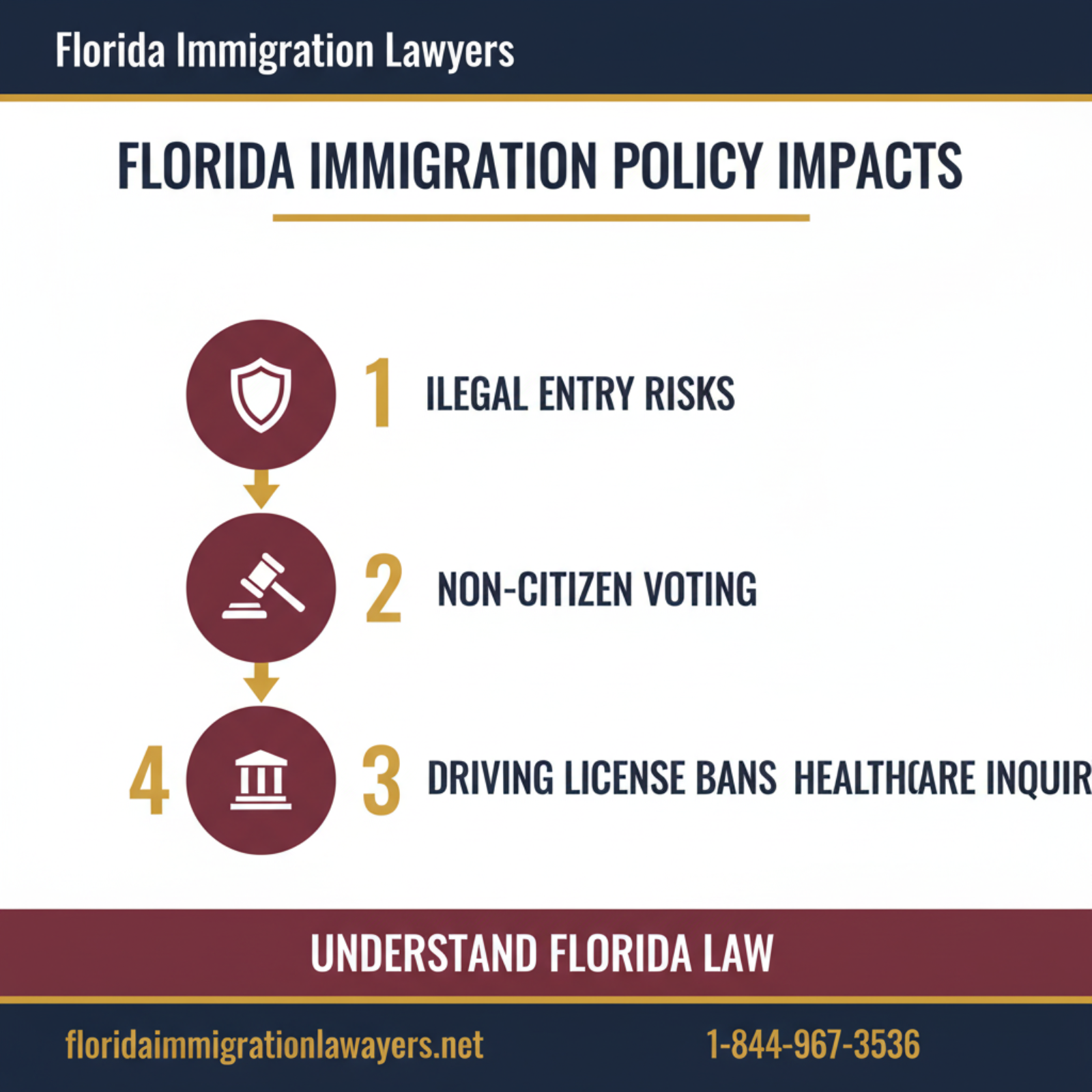
Step-by-Step Process Guide -
Step 4: Attend Biometrics Appointment (If Required)
For many immigration applications, USCIS will schedule a biometrics appointment at an Application Support Center (ASC). During this appointment, your fingerprints, photograph, and signature will be collected. This information is used for background checks and identity verification.It is essential to attend this appointment as scheduled. Failure to do so without proper rescheduling can jeopardize your application. You will receive a notice with the date, time, and location of your appointment.
-
Step 5: Prepare for and Attend Your Interview (If Required)
Depending on the type of application, you may be required to attend an interview with a USCIS officer or a consular officer abroad. This interview is an opportunity for the officer to verify the information in your application and ask additional questions. For example, family-based petitions often require interviews.Preparation is key for a successful interview. Understand your application thoroughly, bring original documents, and be ready to answer questions honestly and clearly. Our attorneys can help you prepare for your interview, ensuring you feel confident and ready. We can also provide representation at interviews in Florida, including at the USCIS Tampa Field Office.
-
Step 6: Receive a Decision
After your interview, or once all necessary reviews are complete, USCIS will issue a decision on your application. If approved, you will receive notification of your new immigration status or benefit. If denied, the decision letter will explain the reasons for the denial and inform you of any options for appeal or reconsideration.A denial is not necessarily the end of your immigration journey. There may be avenues to appeal or refile, especially with the guidance of an experienced attorney. We can review denial notices and advise on the best course of action.
Essential Documents for Immigration Applications in Florida
Accurate and complete documentation is the backbone of any successful immigration application. Missing even a single required document can cause significant delays or lead to a denial. The specific documents needed will vary greatly depending on the type of application you are filing, whether it's for a family petition, employment visa, or asylum.
It is always best to gather more documents than you think you need and to ensure they are current and valid. For applicants in St. Petersburg and across Florida, organizing these materials systematically can ease the process considerably.
- Proof of Identity and Nationality: Passports, birth certificates, national ID cards.
- Proof of Lawful Entry and Status (if applicable): I-94 arrival/departure record, visa stamps, previous USCIS approval notices.
- Relationship Documents (for family-based petitions): Marriage certificates, birth certificates of children, divorce decrees, adoption papers.
- Financial Documents: Tax returns, W-2s, employment letters, bank statements, affidavits of support (Form I-864).
- Medical Examination Records: Report of Medical Examination and Vaccination Record (Form I-693) completed by a USCIS-approved civil surgeon.
- Police Clearances and Criminal Records: Records from all countries where you have lived for six months or more since age 16.
- Educational and Employment Records (for certain visas): Diplomas, transcripts, letters of experience, job offers.
- Photographs: Passport-style photographs meeting USCIS specifications.
- Translated Documents: Certified English translations for any documents not originally in English.
Timelines and Processing Expectations for Florida Immigration Cases
The processing times for immigration cases can vary significantly, depending on the type of application, the specific USCIS service center or field office handling the case (such as the USCIS Tampa Field Office or the Miami Field Office), and current federal backlogs. Understanding these timelines helps manage expectations and plan your future. While no one can guarantee specific processing speeds, USCIS typically provides estimated ranges.
Factors such as the complexity of your case, the completeness of your application, and changes in immigration policy news Florida can all influence how long your case takes. It is important to submit a thorough and accurate application from the outset to avoid delays.
USCIS and EOIR Processing Times
USCIS publishes average processing times on its website for various forms, broken down by service center and field office. For Florida residents, this often means checking the processing times for the Texas Service Center, California Service Center, or local field offices in Tampa, Orlando, or Miami. These times are estimates and can fluctuate.
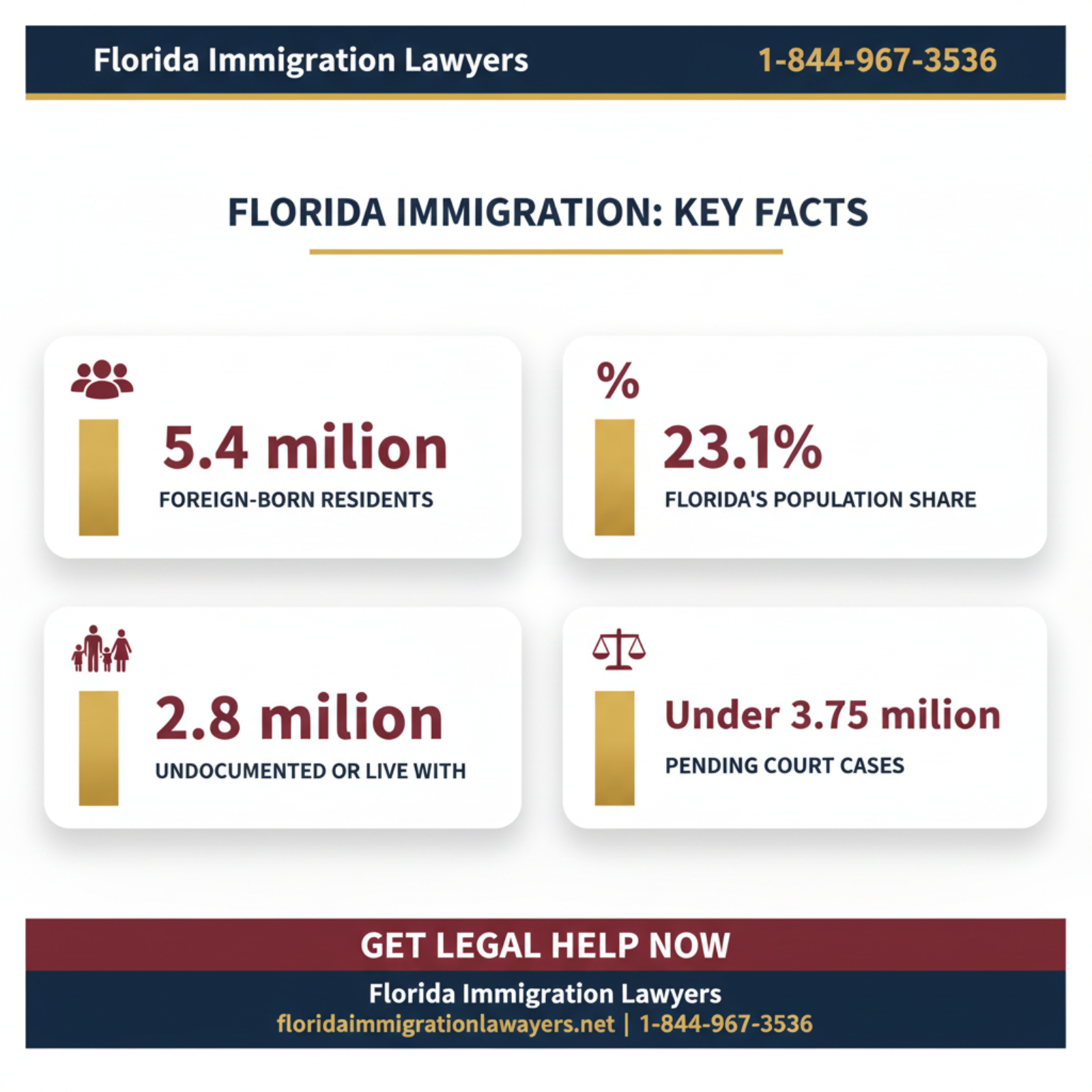
For cases involving deportation defense or removal proceedings, the Executive Office for Immigration Review (EOIR) operates immigration courts. Processing times for these cases can be extensive, often spanning several years due to large dockets. The Miami Immigration Court and Orlando Immigration Court are key venues for such proceedings in Florida.
Impact of Policy Changes on Timelines
New federal immigration policies or shifts in enforcement priorities can directly impact processing times. For example, increased scrutiny on certain application types or expanded background check requirements can extend timelines. Conversely, policy changes aimed at streamlining processes could potentially reduce wait times. We continuously monitor these policy shifts to provide our clients with the most current information available.
Cost Factors and Fee Breakdown for Immigration Services in Florida
Pursuing an immigration benefit involves various costs, including government filing fees and attorney fees. Understanding these financial aspects upfront is crucial for planning. Government filing fees are set by USCIS and are subject to change; they vary significantly by application type. These fees are non-refundable, regardless of the outcome of your case.
Beyond government fees, legal representation constitutes another significant cost factor. While some individuals choose to navigate the immigration system alone, the complexity of immigration policy news Florida and federal laws often makes professional legal assistance invaluable.
Government Filing Fees
USCIS charges fees for most immigration applications and petitions. For example, filing Form I-485 (Application to Register Permanent Residence or Adjust Status), Form I-130 (Petition for Alien Relative), or Form N-400 (Application for Naturalization) each carries a specific fee. There are also fees for biometrics services. It is important to check the most current fee schedule directly on the USCIS website at www.uscis.gov before filing. Fee waivers may be available for certain low-income applicants.
Attorney Fees and Other Expenses
Attorney fees for immigration services in Florida can vary widely based on the complexity of the case, the experience of the lawyer, and the specific services required. Many firms, including Florida Immigration Lawyers, offer different fee structures, such as flat fees for specific services or hourly rates. These fees cover legal advice, document preparation, representation at interviews, and communication with government agencies.
Other potential expenses might include translation services, medical examination costs, travel expenses for interviews, and costs for obtaining necessary civil documents. We believe in transparency regarding our fees and will discuss all anticipated costs during your initial consultation.
Do not navigate this complex process alone. The ever-changing landscape of immigration policy news Florida demands expert guidance. Contact Florida Immigration Lawyers today for a personalized assessment of your situation. We are here to help you understand your options and protect your future.
Navigating the U.S. immigration system, especially with evolving immigration policy news Florida, is fraught with potential pitfalls. Avoiding common mistakes can save you time, money, and prevent devastating setbacks. Be vigilant and seek professional advice when in doubt.
-
Failing to Disclose Complete Information:
Consequence: Providing incomplete or false information on an application can lead to a denial, accusations of fraud, and even a permanent bar from future immigration benefits. Honesty is always the best policy. -
Missing Deadlines:
Consequence: Immigration deadlines are strict. Missing them can result in the automatic denial of your application, loss of eligibility, or even initiation of deportation proceedings. Always mark your calendar and file promptly. -
Submitting Incomplete or Incorrect Forms:
Consequence: Applications with missing signatures, incorrect fees, or overlooked sections will be rejected or returned. This wastes valuable time and delays your case significantly. Double-check everything. -
Not Providing Certified Translations:
Consequence: Any document not in English must be accompanied by a complete and certified English translation. Failing to do so will result in an RFE or rejection. -
Ignoring Minor Criminal Offenses:
Consequence: Even seemingly minor past offenses, including traffic violations, can have immigration consequences. Failing to disclose them or seeking proper legal advice can lead to serious issues during background checks. -
Assuming You Qualify for a Benefit:
Consequence: Immigration law is complex. Self-assessing eligibility without professional guidance can lead to filing the wrong application, wasting fees, and delaying your true path to legal status. -
Traveling Without Proper Authorization:
Consequence: Certain immigration applications (like Adjustment of Status) may restrict your ability to travel internationally without advance parole. Leaving the U.S. without proper authorization can result in abandonment of your application or inadmissibility upon return. -
Not Keeping Copies of Everything:
Consequence: Always keep a complete copy of every form, document, and communication you send to or receive from USCIS. This record is vital if original documents are lost or if there are discrepancies. -
Missing Biometrics Appointments or Interviews:
Consequence: Failure to appear for scheduled appointments without proper rescheduling can lead to your application being considered abandoned and subsequently denied. -
Relying on Unofficial Advice:
Consequence: Information from friends, family, or online forums may be outdated or incorrect for your specific situation. Immigration law is highly individualized. Always seek advice from a qualified immigration attorney.
When to Call a Lawyer
The U.S. immigration system, particularly in a state like Florida with its dynamic policy landscape, is incredibly complex. While some straightforward applications might seem manageable, the nuances of law and procedure often require expert legal guidance. You should consider contacting Florida Immigration Lawyers if any of the following scenarios apply to you:
- You have received a Request for Evidence (RFE) or Notice of Intent to Deny (NOID) from USCIS.
- You have a criminal record, even a minor one, that could impact your eligibility.
- You have been previously denied an immigration benefit or have a history of immigration violations.
- You are facing deportation or removal proceedings.
- Your case involves complex family relationships or requires a waiver of inadmissibility.
- You are unsure about which immigration path is best for you or your family, especially with ongoing immigration policy news Florida.
- You need assistance with a business immigration petition or family immigration matter.
- You are applying for citizenship and have concerns about eligibility or the interview process.
Our attorneys possess deep knowledge of both federal and state immigration laws. We understand the specific challenges faced by immigrants in St. Petersburg, Tampa, and across Florida. We offer personalized strategies to navigate your unique situation. Do not leave your future to chance; secure experienced legal representation.
About Florida Immigration Lawyers
Florida Immigration Lawyers is a leading immigration law firm dedicated to serving individuals and families throughout Florida. With offices strategically located to serve the entire state, including the St. Petersburg area, our team of compassionate and highly skilled attorneys is committed to providing exceptional legal representation. We understand the profound impact that immigration matters have on our clients' lives and approach each case with empathy and zealous advocacy.
We offer a comprehensive range of immigration services, including family-based petitions, employment visas, deportation defense, asylum claims, naturalization, and more. Our firm is recognized for its thorough understanding of complex immigration laws and its commitment to achieving the best possible outcomes for our clients. We pride ourselves on clear communication, transparency, and accessible legal support.
Why choose Florida Immigration Lawyers? We offer free consultations, are available 24/7 to answer your urgent questions, and provide bilingual services (Se Habla Español) to ensure everyone receives the support they need. Your immigration journey is our priority. Contact us today to discuss your case. Call us at 1-844-967-3536 or visit our website at https://www.floridaimmigrationlawyers.net.
Sources and References
- U.S. Citizenship and Immigration Services (USCIS)
- Executive Office for Immigration Review (EOIR)
- 8 U.S.C. Chapter 12 - Immigration and Nationality Act (INA)
- 8 CFR - Code of Federal Regulations, Title 8 (Aliens and Nationality)
- U.S. Department of State - Bureau of Consular Affairs
- INA § 212 - General Classes of Aliens Ineligible for Visas and Admission; Waivers of Inadmissibility
- INA § 240 - Removal Proceedings; Cancellation of Removal; Voluntary Departure
This article provides general legal information and is not intended as legal advice. Every case is unique, and outcomes depend on specific facts and circumstances. Contact an attorney for advice about your particular situation. Immigration laws are subject to frequent change, and this content reflects information as of early 2026.
Navigating the complexities of immigration policy news Florida in 2026 requires experienced legal counsel. Don't face the U.S. immigration system alone. Florida Immigration Lawyers is here to provide the dedicated support and expert guidance you need. Call us now at 1-844-967-3536 for a free, confidential consultation. Se Habla Español - Estamos aquí para ayudarle. Your future in Florida starts with the right legal advice.
Do Not Navigate This Process Alone
Our experienced immigration attorneys are ready to fight for you. Get a free, confidential consultation today.
Se Habla Español
Frequently Asked Questions
Florida Immigration Lawyers
Immigration Attorney | Founder, Vasquez Law Firm
U.S. Air Force veteran and immigration attorney with thousands of cases resolved. J.D., NCCU School of Law. AILA member. Admitted to the 4th, 5th, and 11th Circuit Courts.
Available 24/7 - Free Evaluations
Related Legal Services
Our Florida immigration attorneys can help you with citizenship and naturalization, family immigration services and immigration practice areas. Call today at 1-844-967-3536 for a free consultation.
Related Links
Related Topics
Free Legal Consultation
Discuss your case with our experienced attorneys. We're available 24/7.
Se Habla Español - Estamos aquí para ayudarle.
Related Articles
U Visa for Crime Victims: Florida Immigration Relief
Learn about U visas for crime victims in Florida and how they provide relief to those who assist law enforcement. Discover eligibility requirements, application steps, and the benefits of the U visa. Call Florida Immigration Lawyers for expert guidance.
Motion to Reopen Immigration Case in Florida | VLF Florida
Learn how to file a motion to reopen your immigration case in Florida. Discover eligibility, steps, and common mistakes. Call us for a free consultation.
Immigration Attorney in Gainesville: Your North Florida Guide
Finding an immigration attorney in Gainesville, North Florida, can be crucial for your immigration journey. Learn how experienced lawyers can guide you through complex processes and help you avoid common pitfalls. Call Florida Immigration Lawyers at 1-844-967-3536 for expert assistance.
E-2 Visa Guide for Investors in Florida | VLF Florida
Discover how to obtain an E-2 investor visa for your business in St. Petersburg, Florida. Learn the steps, requirements, and how Florida Immigration Lawyers can assist you.
