Immigration Bond Hearing in Florida: Your Guide to Release
When a loved one is detained by ICE in Florida, navigating an immigration bond hearing is essential for their release. This guide explains the process, eligibility, required documents, and costs involved in securing an immigration bond. Learn about the role of Florida immigration courts in Orlando and Miami, and how an Immigration Judge determines bond amounts based on flight risk and danger to the community. Discover common mistakes to avoid and when to seek expert legal assistance. Florida Immigration Lawyers offers compassionate, effective representation for your bond hearing. Contact us for a free consultation.
An immigration bond hearing in Florida determines if an individual detained by ICE can be released from custody by paying a bond. An Immigration Judge assesses factors like ties to the community, flight risk, and danger to the community. Securing legal representation is crucial to present a strong case for release.
- Individuals may be eligible for release on an immigration bond if not subject to mandatory detention.
- Hearings occur before an Immigration Judge, often in courts like Orlando or Miami.
- Evidence of community ties, good character, and lack of flight risk are vital.
- A legal professional can significantly improve the chances of a favorable bond decision.
- Bond amounts vary widely based on individual circumstances and risk assessment.
Has a loved one recently been detained by Immigration and Customs Enforcement (ICE) in Florida? The experience can be incredibly frightening and confusing for families. Understanding the process, especially what happens during an immigration bond hearing, is your first step towards securing their release.
Navigating the complex immigration system requires knowledge and strategic action. This comprehensive guide from Florida Immigration Lawyers will walk you through everything you need to know about immigration bond hearings in Florida. We aim to equip you with the information to advocate for your family member effectively.
Do not face this challenging situation alone. For immediate assistance and expert legal guidance, call Florida Immigration Lawyers at 1-844-967-3536 for a free consultation. Our dedicated team is ready to help you understand your options.
Understanding Immigration Bond Hearings in Florida
When an individual is detained by ICE, they are typically held in an immigration detention center. These centers can be found across Florida, including facilities like the Krome Service Processing Center in Miami, the Glades County Detention Center, or the Broward Transitional Center.
An immigration bond is a sum of money paid to the Department of Homeland Security (DHS) to ensure that a detained non-citizen will appear for all future immigration court hearings. It allows for temporary release from ICE detention while the immigration case proceeds.
Eligibility for Immigration Bond
Not everyone is eligible for an immigration bond. Eligibility largely depends on the specific grounds of detention and any criminal history. The Immigration and Nationality Act (INA) outlines different categories of detainees.
Generally, individuals detained under INA § 236(a) are eligible for bond consideration. This applies to non-citizens who are not subject to mandatory detention. However, those detained under INA § 236(c) are subject to mandatory detention and are typically not eligible for a bond hearing.
Mandatory detention usually applies to individuals with certain criminal convictions, particularly aggravated felonies or drug offenses. It also applies to certain arriving aliens or those who have violated previous orders. Understanding these distinctions is critical for determining eligibility.
Factors Influencing Bond Amount
If an individual is eligible for bond, an Immigration Judge will determine the bond amount. The primary factors considered are whether the individual poses a flight risk and whether they pose a danger to the community.
Judges look at various aspects of an individual's life to make this determination. Strong ties to the U.S., such as family, employment, and property ownership, can indicate a lower flight risk. A clean criminal record and positive character references can demonstrate a lack of danger to the community.
The Immigration Judge has broad discretion in setting the bond amount. This amount can range from a statutory minimum to tens of thousands of dollars. The goal is to set an amount that ensures appearance without being excessive.
The Step-by-Step Immigration Bond Hearing Process
Understanding the sequence of events can help reduce anxiety and improve preparation. The bond hearing process involves several key stages, from initial detention to potential release.
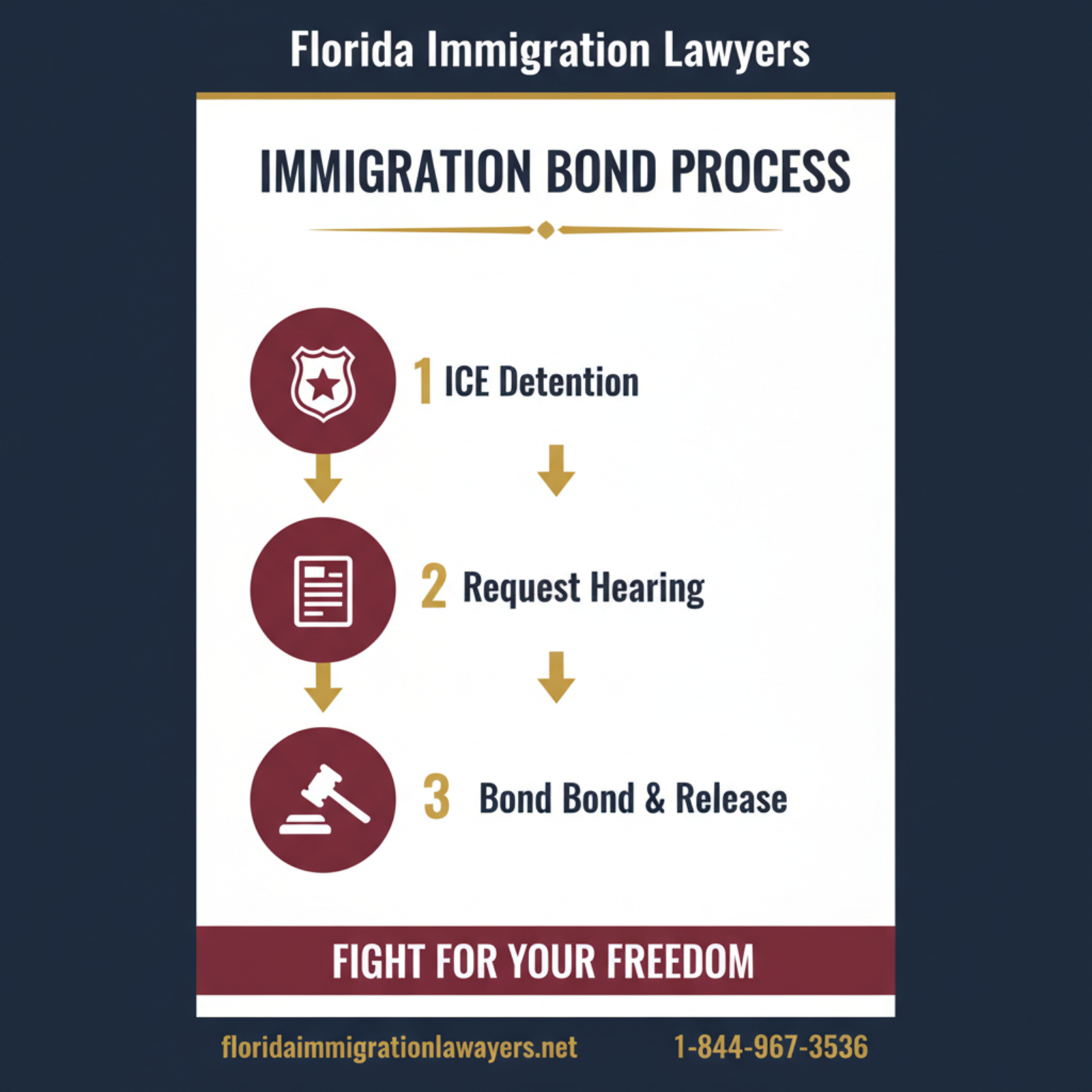
Here is a detailed breakdown of what typically occurs when seeking an immigration bond in Florida:
-
Detention by ICE: The process begins when an individual is taken into custody by ICE. This can happen during an enforcement action, at a port of entry, or after release from state or local criminal custody. They are then transported to an immigration detention facility.
-
Notice of Custody Determination (Form I-286): After detention, ICE typically issues a Form I-286, Notice of Custody Determination. This document informs the detainee of the reason for their detention and whether ICE has set an initial bond amount or determined they are not eligible for bond.
-
Requesting a Bond Hearing: If ICE does not set a bond, or if the detainee believes the bond amount is too high, they can request a bond hearing before an Immigration Judge. This request is usually made orally or in writing to the Executive Office for Immigration Review (EOIR) court.
-
Preparing for the Hearing: This is a critical stage where an attorney can make a significant difference. Gathering evidence of community ties, good moral character, and financial stability is paramount. This includes collecting documents, affidavits, and identifying potential witnesses. For more information on navigating the broader immigration system, visit our immigration practice area page.
-
The Bond Hearing Itself: The hearing takes place at an Immigration Court, such as the Orlando Immigration Court or Miami Immigration Court. The Immigration Judge presides, and an ICE attorney represents the government. The detainee, often with their attorney, presents evidence and arguments demonstrating they are not a flight risk or a danger to the community. The burden of proof is generally on the detainee to show they deserve bond.
-
Decision and Bond Payment: After hearing arguments from both sides, the Immigration Judge will issue a decision. They may grant bond, deny bond, or adjust the bond amount. If bond is granted, the family or friends of the detainee can pay the bond at an authorized ICE facility or through a bond agency. The bond must be paid in full.
-
Release from Detention: Once the bond is paid and processed, the detainee will be released from ICE detention. This process can take several hours to a few days, depending on the detention center's procedures. It is essential to confirm release procedures with the facility.
-
Post-Release Obligations: Release on bond comes with specific conditions. The individual must appear at all future immigration court hearings as scheduled. Failure to appear can result in the forfeiture of the bond and the issuance of a removal order in absentia. This can lead to significant deportation defense challenges.
Essential Documents for Your Immigration Bond Hearing
Presenting a well-organized and compelling case relies heavily on strong documentation. These documents help demonstrate your ties to the community and your good character. They are crucial for convincing an Immigration Judge to grant an immigration bond.
Here is a checklist of documents typically useful for an immigration bond hearing:
- Proof of Identity: Passport, birth certificate, national identity card, or other official identification.
- Proof of Ties to the Community: Marriage certificates, birth certificates of U.S. citizen or legal permanent resident children, letters from family members.
- Employment Records: Letters from employers, pay stubs, tax returns, proof of self-employment. This demonstrates a stable life and financial responsibility.
- Financial Documents: Bank statements, property deeds or leases, mortgage statements, utility bills in your name. These show financial stability and a fixed address.
- Character References: Letters from community leaders, employers, religious figures, or long-term friends attesting to good moral character and reliability.
- Medical Records: If the detainee has serious medical conditions requiring ongoing treatment, these can support arguments for release, especially if the detention facility cannot provide adequate care.
- Court Dispositions: If there is any past criminal history, certified court dispositions showing the outcome of charges are essential. This helps clarify the nature of any offenses.
- Proof of Legal Status (if any): Any previous visas, green cards, or other immigration documents that demonstrate a history of legal presence or efforts to legalize status.
- Evidence of Asylum Claim: If the individual has an asylum claim, documents supporting that claim can be relevant to demonstrate a reason to remain in the U.S. and appear for future hearings.
Having these documents prepared and organized before the hearing can greatly streamline the process and strengthen your case. Your attorney will help you identify the most relevant documents for your specific situation.
Timeline and Processing Expectations for Immigration Bond Cases
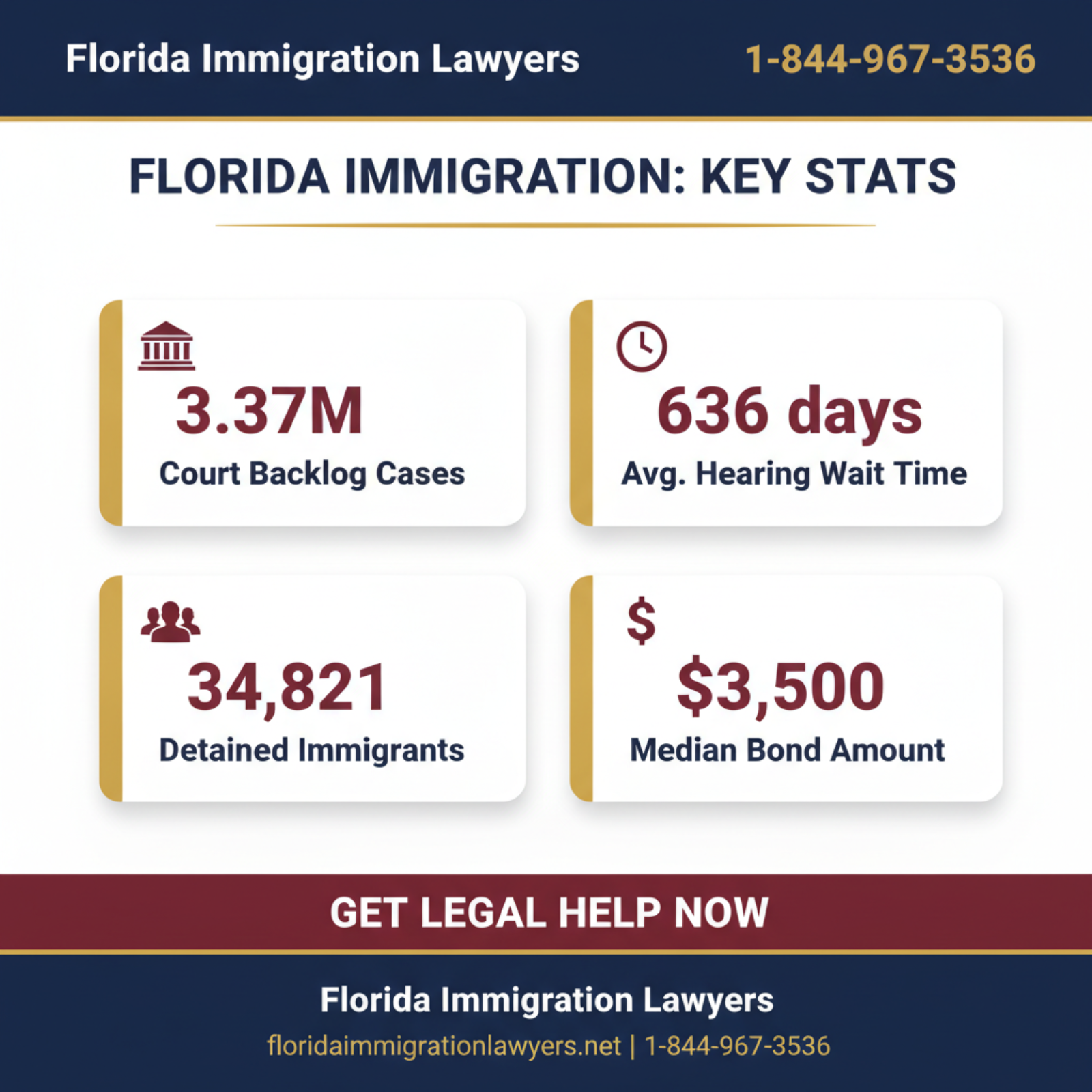
The timeline for an immigration bond hearing can vary significantly. Factors such as court backlog, the specific detention facility, and the complexity of the case all play a role. Generally, hearings are scheduled relatively quickly compared to other immigration court proceedings.
Once a bond hearing is requested, it may be scheduled within a few weeks to a couple of months. In Florida, the Orlando Immigration Court and Miami Immigration Court manage a high volume of cases. This can sometimes lead to slight delays.
If an immigration bond is granted, the actual release from ICE detention can take anywhere from a few hours to a few business days after the bond is paid. This processing time depends on the specific detention center and the time of day the bond is posted. It's important to factor this into your expectations.
What happens if bond is denied? If the Immigration Judge denies bond, or sets an amount deemed too high, you may have the option to appeal the decision. An appeal would be filed with the Board of Immigration Appeals (BIA). This process adds significant time to the case, and the individual would remain in detention during the appeal.
Additionally, if there is a material change in circumstances, such as new evidence or a change in legal status, it may be possible to request a new bond hearing. This is a complex legal strategy that requires careful consideration.
Cost Factors and Fee Breakdown for Immigration Bond
Understanding the financial aspects of an immigration bond hearing is crucial for families. There are several costs involved, and it is important to be prepared for each.
The primary cost is the bond amount itself, set by the Immigration Judge. This amount can vary widely, often ranging from a few thousand dollars to $25,000 or more. The judge determines this based on the flight risk and danger assessment. It's important to remember that this money is returned (minus any administrative fees) if the individual attends all their court hearings.
Another significant cost is attorney fees. Legal representation for an immigration bond hearing involves preparation, attendance at the hearing, and potentially follow-up actions. Fees will vary depending on the complexity of the case and the attorney's experience. While an investment, a skilled attorney can significantly increase the likelihood of a successful outcome and potentially a lower bond amount.
Some families choose to use an immigration bond agency. These agencies act as a surety, paying the bond to ICE on your behalf. In return, they charge a non-refundable fee, typically a percentage of the total bond amount (e.g., 10-20%). They may also require collateral. While this can make bond payment more accessible, it adds to the overall cost.
Other potential costs may include fees for obtaining documents, translation services, or expert witness testimony if needed. It is wise to discuss all potential costs with your legal team during your free consultation. Transparency about fees is a hallmark of Florida Immigration Lawyers' commitment to our clients.
Do not navigate this process alone. The complexities of immigration bond hearings require experienced legal guidance. Contact Florida Immigration Lawyers today to schedule your free consultation and discuss your specific situation.
Common Mistakes to Avoid in Immigration Bond Hearings
Making errors during an immigration bond hearing can have severe consequences, potentially leading to prolonged detention or a higher bond amount. Being aware of these common pitfalls can help you avoid them.
-
Not Seeking Legal Counsel: Attempting to represent yourself or a loved one without an experienced attorney is a significant risk. Immigration law is complex, and a lawyer understands the nuances, evidence requirements, and court procedures. Without legal help, you may miss critical arguments or fail to present your case effectively, leading to bond denial or a very high bond.
-
Insufficient Evidence of Community Ties: Failing to provide robust evidence of strong ties to the U.S. community is a common mistake. This includes not having enough documentation of family in the U.S., stable employment, property ownership, or community involvement. Weak evidence suggests a higher flight risk to the Immigration Judge.
-
Missing Deadlines or Hearings: Immigration court operates on strict timelines. Missing a deadline for submitting documents or failing to appear at a scheduled bond hearing can have immediate negative repercussions. It can lead to automatic bond denial, forfeiture of any bond paid, and potentially an order of removal in absentia.
-
Misrepresenting Facts or Providing False Information: Lying or providing inaccurate information to the court or ICE is a serious offense. It can not only jeopardize the bond hearing but also have lasting negative impacts on any future immigration applications. Honesty, even about past mistakes, is always the best policy.
-
Not Understanding Eligibility Criteria: Many individuals mistakenly believe they are eligible for bond when they are subject to mandatory detention, or vice-versa. A lack of understanding of INA sections 236(a) and 236(c) can lead to wasted time and resources on an ineligible bond request. An attorney can quickly assess eligibility.
-
Failing to Address Criminal History Adequately: If the detainee has a criminal record, it must be addressed head-on. Simply ignoring it or providing incomplete information will negatively impact the case. Certified court dispositions and evidence of rehabilitation or positive changes are crucial. For complex cases involving criminal history, specialized deportation defense is often required.
-
Lack of a Strong Support Network: Demonstrating that the detainee has family or friends who will support them and ensure their appearance in court is vital. Not having letters of support or a credible bond sponsor can weaken the argument that the individual will not abscond.
-
Assuming ICE Will Set a Fair Bond: While ICE can set an administrative bond, it is often higher than what an Immigration Judge might set. Accepting an initial ICE bond without exploring the option of a bond hearing before a judge might mean paying more than necessary. It is always wise to consult an attorney before paying an ICE-set bond.
-
Not Preparing Witnesses: If you plan to have witnesses testify at the bond hearing, they must be adequately prepared. They need to understand the purpose of their testimony and be ready to answer questions clearly and truthfully. Unprepared witnesses can inadvertently harm your case.
-
Disregarding Courtroom Decorum: Showing disrespect to the Immigration Judge or engaging in disruptive behavior can severely prejudice your case. Maintaining a respectful and professional demeanor is crucial, even under stressful circumstances. Your attorney will guide you on appropriate conduct.
When to Call a Lawyer for Your Immigration Bond Hearing
The decision to hire an attorney is one of the most important you will make. While some cases may seem straightforward, the complexities of immigration law often hide crucial details. For any immigration bond hearing in Florida, especially in areas like Orlando or Miami, having legal representation is highly recommended.
You should immediately contact Florida Immigration Lawyers if:
- A loved one has been detained by ICE: The sooner an attorney is involved, the better. Early intervention can ensure proper procedures are followed and a bond hearing is requested promptly.
- The detainee has a criminal history: Even minor offenses can impact bond eligibility or amount. An attorney can analyze the criminal record and present it in the most favorable light, understanding the implications of 8 U.S.C. Chapter 12.
- ICE has denied bond or set a very high bond: An attorney can challenge ICE's determination before an Immigration Judge, often resulting in a lower bond or a granted bond where none was initially offered.
- The detainee is an "arriving alien" or has complex inadmissibility issues: These cases often involve specific legal hurdles that require expert navigation.
- There are language barriers: An attorney can ensure effective communication between the detainee, the court, and ICE, preventing misunderstandings that could harm the case.
- You are unsure about eligibility or the process: Don't guess. A qualified attorney from Florida Immigration Lawyers can provide clear guidance and peace of mind.
Our firm specializes in guiding individuals and families through the intricate landscape of immigration law. We offer dedicated support for immigration bond hearings, deportation defense, and all aspects of immigration law in Florida. Our experienced attorneys are here to fight for your rights and secure the best possible outcome.
About Florida Immigration Lawyers
Florida Immigration Lawyers is a leading immigration law firm dedicated to serving individuals and families across the entire state of Florida. Our mission is to provide compassionate, effective, and results-oriented legal representation for all immigration matters.
We understand the profound impact immigration issues have on your life and your loved ones. Our firm offers a wide range of services, including assistance with immigration bond hearings, deportation defense, family-based immigration, employment visas, asylum claims, and naturalization. We are committed to protecting your rights and helping you achieve your immigration goals.
Why choose Florida Immigration Lawyers? Our team combines extensive legal knowledge with a deep commitment to our clients. We pride ourselves on clear communication, strategic advocacy, and a personalized approach to every case. We are available 24/7 to address your urgent concerns.
For a free consultation, please call us at 1-844-967-3536 or visit our website at https://www.floridaimmigrationlawyers.net. Let us be your trusted partner in navigating the complexities of U.S. immigration law. We serve all of Florida, including Orlando, Miami, Tampa, Jacksonville, and beyond.
Sources and References
- U.S. Citizenship and Immigration Services (USCIS)
- Executive Office for Immigration Review (EOIR)
- U.S. Immigration and Customs Enforcement (ICE) - Detention
- 8 U.S.C. Chapter 12 - Immigration and Nationality Act (INA)
- 8 CFR Part 236 - Apprehension and Detention of Aliens
This article provides general legal information and is not intended as legal advice. Every case is unique, and outcomes depend on specific facts and circumstances. Contact an attorney for advice about your particular situation.
Securing release for a loved one from ICE detention through an immigration bond hearing is a critical step. Do not delay in seeking professional help. The experienced team at Florida Immigration Lawyers is here to provide the dedicated legal support you need.
Call us today at 1-844-967-3536 for a free, confidential consultation. Se Habla Español - Estamos aquí para ayudarle.
Florida Immigration Lawyers
Legal Team
Our experienced attorneys at Florida Immigration Lawyers have been serving clients across Florida for over 20 years. We specialize in immigration, personal injury, criminal defense, workers compensation, and family law.