Green Card Holders Issued New Warning: Florida Immigration Update 2026
In 2026, green card holders in Florida are facing renewed advisories concerning their permanent resident status. This guide addresses the "new warning" by clarifying immigration compliance, detailing essential documents, and outlining steps to protect your rights. Learn about travel rules, criminal offense implications, and how to avoid common mistakes that could jeopardize your residency. Florida Immigration Lawyers provides crucial insights for LPRs in Pembroke Pines and across the state. Secure your future by understanding <strong>Florida immigration laws</strong> and knowing when to seek legal counsel for complex situations.
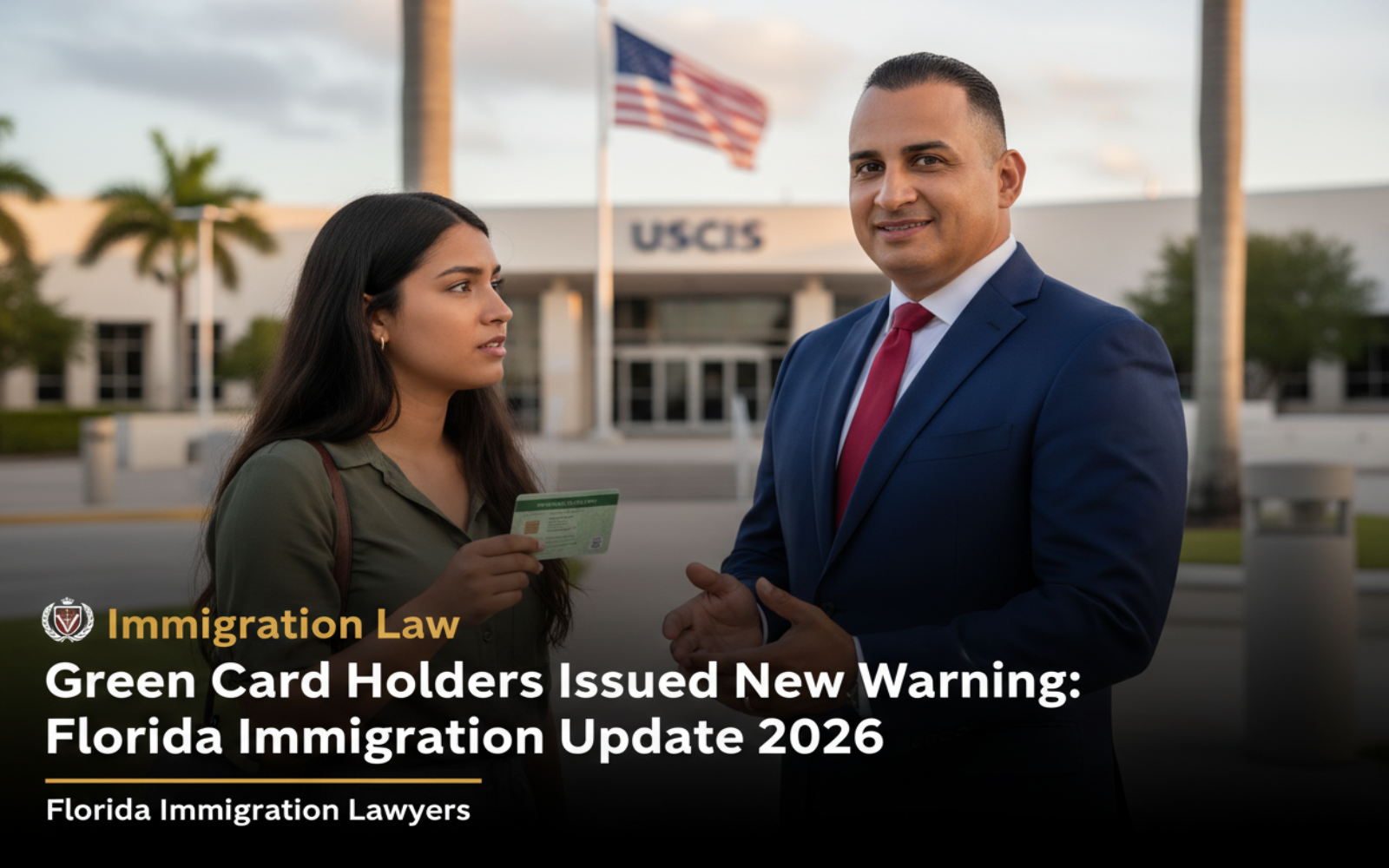
Green card holders in Florida are advised to stay informed about their rights and responsibilities, especially concerning document requirements and compliance with U.S. immigration laws in 2026. While no single new law has been "issued," authorities emphasize vigilance, particularly regarding travel and maintaining lawful status. This proactive approach helps avoid potential issues like detention or deportation, ensuring your permanent residency remains secure in Florida.
- Always carry proof of your Lawful Permanent Resident (LPR) status.
- Understand the implications of criminal offenses, including minor ones.
- Stay updated on USCIS guidelines and travel advisories.
- Seek legal counsel immediately if you receive any notice from immigration authorities.
- Ensure your contact information with USCIS is always current.
Are you a green card holder living in Florida, perhaps in areas like Pembroke Pines, and feeling uncertain about recent immigration news? Perhaps you've heard whispers of a "new warning" for permanent residents, causing concern about your status. It is crucial to understand what these advisories mean for you and your family as we navigate 2026. Staying informed and prepared is your best defense against potential immigration challenges.
This comprehensive guide will clarify common misconceptions, detail your rights, outline essential steps for compliance, and explain how to navigate potential issues. We understand the anxieties that can arise from immigration changes or increased scrutiny. Our goal is to provide you with clear, actionable information. For personalized guidance on your specific situation, do not hesitate to call Florida Immigration Lawyers at 1-844-967-3536 for a free consultation. We are here to help protect your future in Florida.
Understanding the "New Warning" for Green Card Holders in Florida
The idea of a "new warning" for green card holders issued new warning in Florida often stems from heightened enforcement efforts or clarifications of existing immigration policies, rather than entirely new legislation. In 2026, immigration agencies like U.S. Customs and Border Protection (CBP) and U.S. Citizenship and Immigration Services (USCIS) continue to emphasize the importance of compliance for Lawful Permanent Residents (LPRs). This focus is particularly relevant in states with large immigrant populations, such as Florida. Our firm, Florida Immigration Lawyers, observes these trends closely to provide up-to-date advice on general immigration matters.
Many of these advisories serve as reminders for LPRs to always carry their green card, avoid actions that could jeopardize their status, and understand their rights. For instance, CBP often reminds LPRs at ports of entry, including Florida's busy airports and seaports, about the need to present valid documentation. These warnings are not designed to scare, but to inform and ensure adherence to established Florida immigration laws. They aim to prevent inadvertent violations that could lead to serious consequences.
What Does This Mean for You in Pembroke Pines and Beyond?
For green card holders residing in Pembroke Pines, Miami, Orlando, or anywhere else in Florida, this heightened awareness means being proactive. You should review your personal circumstances, including any past interactions with law enforcement or extended travel abroad. Understanding your permanent resident rights is fundamental to protecting your status. This includes knowing your right to remain silent and to speak with an attorney.
The current climate emphasizes that while a green card grants permanent residency, it is not absolute citizenship. Your status can still be challenged under certain conditions. This is why vigilance and access to reliable legal counsel are more important than ever. We encourage all green card holders issued new warning to seek clarity on any concerns they may have.
Navigating Compliance: A Step-by-Step Guide for Green Card Holders
Staying compliant with U.S. immigration law is critical for all green card holders issued new warning. This proactive approach can help you avoid unnecessary stress and potential legal issues. Follow these steps to ensure your permanent resident status remains secure in Florida.
- Always Carry Your Green Card: Your Form I-551, Permanent Resident Card, is proof of your lawful status. Immigration and Nationality Act (INA) Section 264(e) (8 U.S.C. § 1304(e)) requires all LPRs aged 18 and over to carry their green card at all times. Failure to do so can result in a misdemeanor charge.
- Understand Travel Restrictions and Re-Entry: Extended stays outside the U.S. (typically over 6 months) can be seen as abandoning your residency. If you plan to be abroad for a year or more, you generally need a Re-entry Permit (Form I-131). Consult travel.state.gov for specific country advisories.
- Update Your Address with USCIS: If you move, you must notify USCIS within 10 days using Form AR-11, Alien's Change of Address Card. This is a crucial requirement, and failure to do so can have serious consequences. This helps ensure you receive important notices regarding your status.
- Avoid Criminal Activity: Even minor offenses, depending on their nature, can have severe immigration consequences. Certain crimes, particularly those involving moral turpitude or aggravated felonies, can lead to detention and deportation. This is a primary concern for green card holders issued new warning.
- Renew Your Green Card on Time: Most green cards are valid for 10 years. File Form I-90, Application to Replace Permanent Resident Card, well before its expiration date. This ensures continuous proof of your status.
- Consider Naturalization: If eligible, becoming a U.S. citizen offers the highest level of protection and eliminates many of the concerns associated with LPR status. It provides security against deportation and grants full civic rights. Learn more about citizenship.
- Seek Legal Advice for Complex Situations: If you have any doubts about your status, a criminal record, or extended travel, consult an experienced immigration attorney. Florida Immigration Lawyers can assess your specific case and provide tailored advice.
Essential Documents for Green Card Holders in Florida
Maintaining proper documentation is paramount for green card holders issued new warning. Having these documents readily available can help you avoid delays or complications, especially when interacting with law enforcement or immigration officials in Florida.
- Permanent Resident Card (Form I-551): This is your primary proof of LPR status. Always carry the physical card, not just a copy.
- State-Issued Identification (Driver's License or State ID): While not immigration proof, it helps confirm your identity for everyday purposes in Florida.
- Passport from Your Country of Origin: Necessary for international travel. Ensure it is valid and unexpired.
- Re-entry Permit (if applicable): If you have been approved for an extended stay outside the U.S. (over 1 year), carry this document.
- Proof of Address Changes (Form AR-11 confirmation): Keep copies of any address change notifications you've sent to USCIS.
- Marriage Certificate/Birth Certificates (if applicable): Relevant for family-based immigration matters or proving relationships.
- Employment Authorization Document (EAD) (if applicable): While your green card is your work authorization, some may have other EADs.
- Any Official Notices from USCIS or ICE: Keep all correspondence from immigration agencies in a secure place.
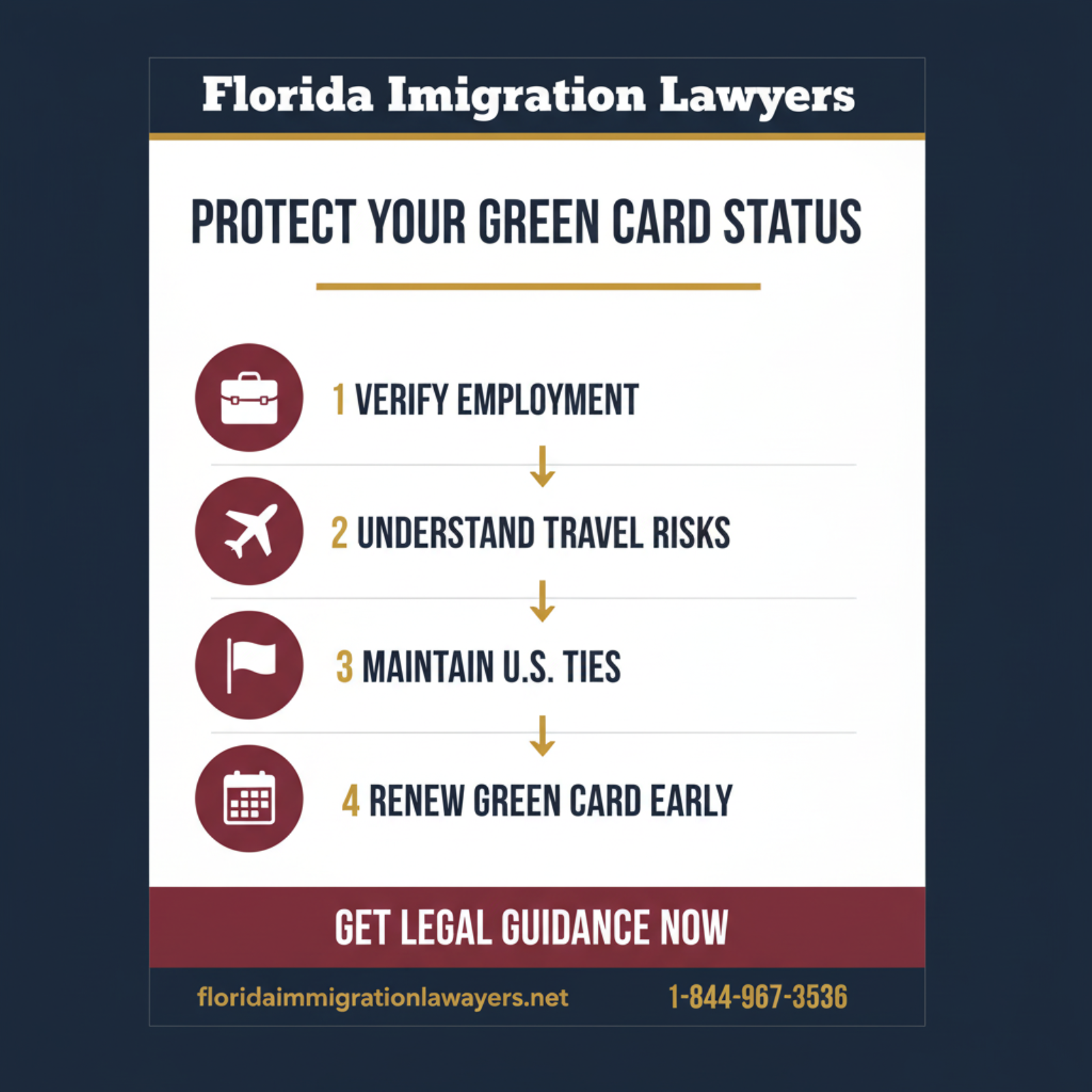
Proper documentation is a cornerstone of maintaining your permanent resident rights and avoiding unnecessary scrutiny.
Processing Timelines and Expectations for LPRs in Florida
Understanding the general timelines for various immigration processes can help manage expectations for green card holders issued new warning. While specific processing times can vary significantly, especially for USCIS updates Florida, here's a general overview.
- Green Card Renewal (Form I-90): Typically takes several months, often 6-12 months, but can sometimes be longer. USCIS provides a receipt notice that, when presented with your expired green card, can serve as temporary proof of status for a certain period.
- Address Change (Form AR-11): This is a notification process, not an application that is "processed" in the same way. The change is usually updated in USCIS systems within a few weeks of submission.
- Re-entry Permit (Form I-131): Processing can take 6-18 months or more. It is crucial to apply for this well in advance of your intended departure if you anticipate an extended stay abroad.
- Naturalization (Form N-400): The path to U.S. citizenship typically involves a multi-step process, including an interview and civics test. From application to oath ceremony, it can take 8-18 months, varying by the local USCIS field office (e.g., Miami, Orlando, Tampa).
- Deportation Proceedings: If you find yourself in removal proceedings, these cases can be lengthy, often spanning months or even years, depending on the complexity and court docket. This underscores the importance of strong deportation defense Florida representation.
These timelines are estimates and are subject to change based on USCIS workload, policy shifts, and individual case specifics. Always check the official USCIS processing times page for the most current information.
Cost Factors and Fee Breakdown for Immigration Services
Immigration processes involve various costs, and green card holders issued new warning should be aware of these potential expenses. Fees are subject to change, so always verify current amounts on the official USCIS website.
- Application Fees:
- Form I-90 (Green Card Renewal): There is a USCIS filing fee, plus a biometric services fee.
- Form I-131 (Re-entry Permit): Involves a filing fee and a biometric services fee.
- Form N-400 (Naturalization): Requires a filing fee and a biometric services fee.
- Form AR-11 (Address Change): There is no filing fee for this form.
- Legal Fees: Hiring an experienced immigration attorney, like those at Florida Immigration Lawyers, involves legal fees. These fees vary based on the complexity of your case and the services required. A free consultation can help you understand potential costs for your specific needs.
- Ancillary Costs:
- Translation services for foreign documents.
- Photocopying and mailing expenses.
- Medical examination fees (if required for certain applications, though less common for LPR maintenance).
- Travel expenses to USCIS appointments or court hearings in Florida.
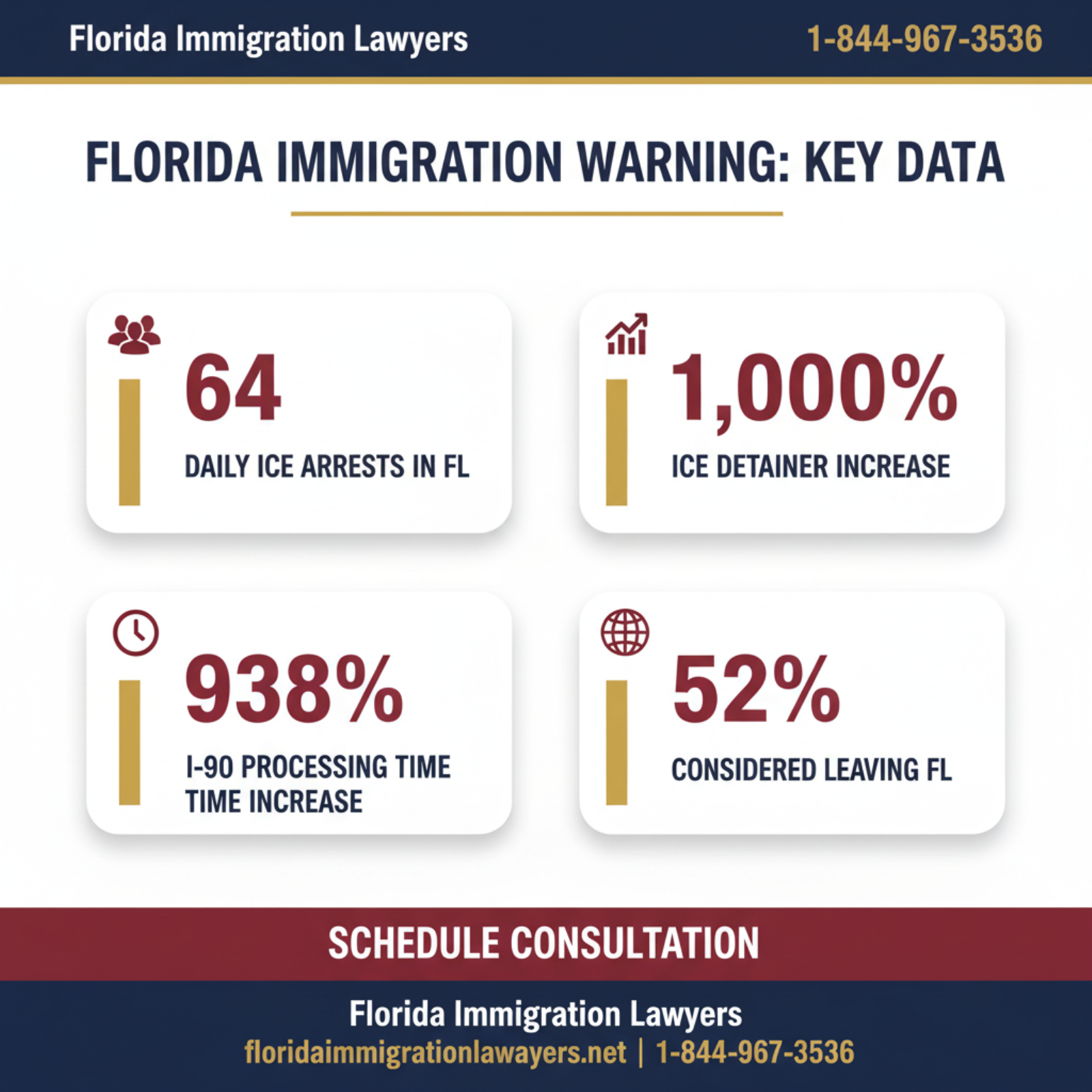
While some fees are unavoidable, investing in legal counsel can often prevent costly mistakes and provide peace of mind. Our firm provides transparent fee structures and works with clients to make legal support accessible.
Do not navigate this complex process alone. The landscape of Florida immigration laws can be intricate and challenging, especially with the ongoing emphasis on compliance for green card holders issued new warning. Contact Florida Immigration Lawyers today to ensure your rights are protected and your questions are answered. We are ready to assist you.
Common Mistakes Green Card Holders Must Avoid
For green card holders issued new warning, understanding and avoiding common pitfalls is crucial for maintaining your legal status. These mistakes, even seemingly minor ones, can lead to significant problems, including detention or even deportation defense Florida proceedings.
- Failing to Carry Your Green Card: As mentioned, INA Section 264(e) mandates carrying your Form I-551. Not having it on you can lead to questioning, temporary detention, or a misdemeanor charge, especially during interactions with law enforcement or CBP.
- Not Updating Your Address with USCIS: This is a mandatory requirement under 8 CFR 265.1. Failure to file Form AR-11 within 10 days of moving can result in a fine, imprisonment, or even deportation. Crucial notices from USCIS could also be missed.
- Extended Stays Outside the U.S. Without a Re-entry Permit: Staying abroad for more than 180 days can raise questions about your intent to maintain U.S. residency. Stays exceeding one year without a Re-entry Permit are generally considered an abandonment of LPR status.
- Committing Criminal Offenses: Engaging in any criminal activity, from serious felonies to certain misdemeanors like DUIs, can trigger removal proceedings. Certain crimes, even those considered minor in state law, are "crimes involving moral turpitude" (CIMT) or "aggravated felonies" under immigration law and are grounds for deportation. This directly addresses the PAA question: "Are green card holders being deported for traffic violations?" Yes, if they are severe or repeated, they can lead to serious immigration consequences.
- Misrepresenting Information to Immigration Officials: Lying or providing false information on immigration forms or during interviews can lead to accusations of fraud, which has severe penalties, including revocation of your green card.
- Not Renewing Your Green Card: An expired green card does not mean you lose your LPR status, but it makes it difficult to prove it. You might face issues with employment, travel, or accessing certain benefits. Always file Form I-90 before expiration.
- Failing to Respond to USCIS or ICE Notices: Ignoring requests for evidence, interview notices, or other official correspondence from immigration agencies can lead to denial of applications or even initiation of removal proceedings.
- Assuming Your Rights Are Identical to a U.S. Citizen's: While LPRs have many rights, they are not identical to those of U.S. citizens. LPRs can be deported for certain criminal offenses or immigration violations, directly addressing the PAA: "Are immigrants with green cards in danger of being deported?" Yes, under specific circumstances.
- Sharing Too Much Information with Immigration Officials Without Legal Counsel: If questioned by ICE or CBP, you have the right to remain silent and request an attorney. Providing information that could incriminate you is a common mistake. This addresses the PAA: "Is ICE arresting green card holders?" Yes, if they are found to be deportable, or for other reasons related to violations of immigration law.
- Believing All Legal Advice Found Online is Accurate: Immigration law is highly complex and constantly evolving. Relying on outdated or incorrect information from non-legal sources can be detrimental. Always consult a qualified immigration attorney.
When to Call a Lawyer: Protecting Your Green Card Status
Navigating the complexities of Florida immigration laws can be daunting, especially when concerns arise about your green card status. If you are a green card holder issued new warning, knowing when to seek legal counsel is paramount. Florida Immigration Lawyers are here to provide the expert guidance you need.
You should contact an attorney immediately if:
- You receive any notice from USCIS, ICE, or an immigration court regarding your status or potential removal proceedings.
- You are arrested or charged with any crime, regardless of how minor it seems. This is critical for deportation defense Florida.
- You are questioned by immigration officials (CBP, ICE) beyond routine inquiries at a port of entry. Remember your right to remain silent and request a lawyer.
- You plan to travel outside the U.S. for an extended period or have already done so and are concerned about re-entry.
- Your green card is lost, stolen, or damaged, or its expiration date is approaching.
- You have an old criminal record and are unsure of its impact on your status.
- You wish to apply for naturalization and want to ensure you meet all eligibility requirements. Learn more about citizenship.
- You are considering any change to your immigration status or have family members seeking to immigrate. Our firm handles all aspects of family immigration.
Our experienced team understands the nuances of immigration law. We can help you understand your permanent resident rights, prepare necessary documentation, represent you in court, and advocate on your behalf with government agencies. Do not face these challenges alone.
About Florida Immigration Lawyers
Florida Immigration Lawyers is a leading law firm dedicated to providing exceptional legal representation to immigrants across Florida. With offices conveniently located, we proudly serve communities from Pembroke Pines to Jacksonville, Orlando, Tampa, and beyond. Our team of compassionate and knowledgeable attorneys is committed to upholding the rights of immigrants and guiding them through every step of their legal journey.
We specialize in a wide range of immigration services, including:
- Deportation Defense: Protecting clients facing removal proceedings.
- Family Immigration: Reuniting families through visa petitions and adjustments of status.
- Citizenship & Naturalization: Assisting eligible residents in becoming U.S. citizens.
- Green Card Applications: Guiding clients through the process of obtaining permanent residency.
- Asylum & Refugee Status: Offering vital support to those seeking protection.
- Business Immigration: Helping businesses and professionals navigate employment-based visas.
Choosing Florida Immigration Lawyers means choosing a firm that genuinely cares about your future. We offer free consultations and are available 24/7 to address your urgent legal needs. Our bilingual team, fluent in English and Spanish, ensures clear communication and culturally sensitive support. Visit us at https://www.floridaimmigrationlawyers.net or call 1-844-967-3536 to learn how we can help you.
Sources and References
- U.S. Citizenship and Immigration Services (USCIS)
- U.S. Department of State - Travel.State.Gov
- Executive Office for Immigration Review (EOIR)
- 8 U.S.C. Chapter 12 - Immigration and Nationality Act (INA)
- INA Section 264(e) (8 U.S.C. § 1304(e)) - Requirement to Carry Registration Card
- 8 CFR 265.1 - Change of Address
- USCIS Policy Manual - Volume 12, Part D, Chapter 2 - Abandonment of Lawful Permanent Resident Status
This article provides general legal information and is not intended as legal advice. Every case is unique, and outcomes depend on specific facts and circumstances. Contact an attorney for advice about your particular situation.
Your journey as a green card holder in Florida doesn't have to be filled with uncertainty. Let Florida Immigration Lawyers be your trusted partner. We are committed to providing the legal expertise and compassionate support you deserve. Call us today at 1-844-967-3536 for your free consultation. Se Habla Español - Estamos aquí para ayudarle.
Need help with Immigration?
Our Florida immigration attorneys offer free consultations. Call today or schedule online.
Frequently Asked Questions
Florida Immigration Lawyers
Legal Team
Our experienced attorneys at Florida Immigration Lawyers have been serving clients across Florida for over 20 years. We specialize in immigration, personal injury, criminal defense, workers compensation, and family law.