Exclusive Citizenship Act of 2025: What Florida Residents Need to Know
The proposed Exclusive Citizenship Act of 2025 could significantly impact individuals holding dual citizenship in Florida. This bill, currently S.3283, aims to require sole allegiance to the U.S., potentially forcing Floridians with dual nationality to make a difficult choice. Our comprehensive guide explains the bill's overview, its potential effects on immigration and naturalization, and provides a step-by-step guide to prepare for such changes. We also outline common mistakes to avoid and when to seek expert legal counsel. Florida Immigration Lawyers offers free consultations to help you navigate these complex immigration law changes and protect your future.
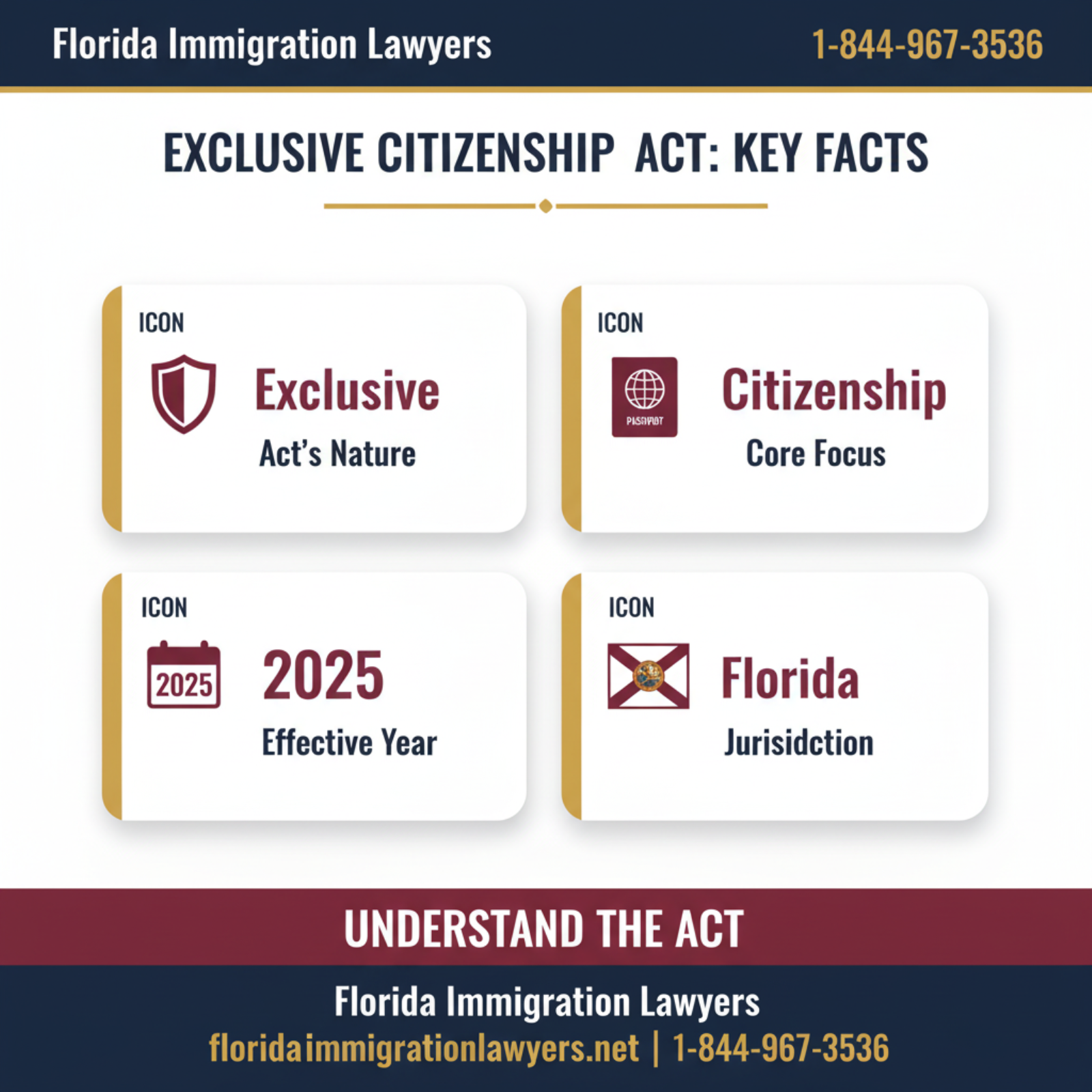
The Exclusive Citizenship Act of 2025 is proposed federal legislation aiming to establish sole allegiance to the United States, potentially impacting dual citizens. If passed, it could require individuals to choose one citizenship, with significant consequences for Florida residents holding dual nationality. Understanding its implications is crucial for those navigating immigration in 2026.
- Proposed legislation, not yet law.
- Aims to restrict or eliminate dual citizenship.
- Could affect current and future U.S. citizens.
- Requires careful legal analysis and preparation.
- Consult an attorney for personalized guidance.
Are you a resident of Hollywood, Florida, or anywhere across our great state, and concerned about the future of your citizenship status? The proposed Exclusive Citizenship Act of 2025 has many in the immigrant community seeking clarity and guidance. This significant legislative proposal could reshape the landscape of U.S. citizenship, particularly for those who hold dual nationality.
Understanding the potential implications of such a bill is essential for planning your future and protecting your status. This comprehensive guide will explore what the exclusive citizenship act of 2025 entails, its potential impact on Floridians, and how you can prepare.
Navigating complex immigration law changes requires expert legal assistance. Do not face these uncertainties alone. Call Florida Immigration Lawyers at 1-844-967-3536 for a free consultation to discuss your specific situation.
Understanding the Exclusive Citizenship Act of 2025: An Overview
The Exclusive Citizenship Act of 2025, currently known as S.3283 in the 119th Congress, is a proposed federal bill. Its core purpose is to establish that U.S. citizens owe sole and exclusive allegiance to the United States. This legislative effort seeks to address the issue of dual citizenship, which allows individuals to be citizens of two or more countries simultaneously.
Historically, U.S. law has generally permitted dual citizenship, though it has never explicitly endorsed it. This proposed act aims to fundamentally alter that long-standing policy. If enacted, it could require U.S. citizens who also hold foreign nationality to choose between their U.S. citizenship and their foreign citizenship.
For many families in Florida, particularly in diverse communities like Hollywood, dual citizenship is a common reality. Individuals may acquire dual nationality through birth in one country to parents from another, through naturalization, or through marriage. This act introduces a new level of complexity to these established arrangements, potentially creating significant challenges for thousands of Floridians.
It is important to note that as of March 2026, the exclusive citizenship act of 2025 is still a bill, not a law. It must pass both the House and the Senate and be signed by the President to take effect. However, understanding its provisions and potential reach is crucial for proactive planning.
What is Dual Citizenship and Why is it Relevant in Florida?
Dual citizenship means a person is a citizen of two countries at the same time. This status can arise in various ways, such as being born in the U.S. to foreign parents, or a U.S. citizen naturalizing in another country. Many Floridians, given our state's rich international population, hold dual nationality.
Our proximity to Latin America and the Caribbean, coupled with strong international ties, means a significant portion of our population maintains connections to their heritage countries. The potential changes brought by the exclusive citizenship act of 2025 could directly impact these individuals and their families across Florida.
Potential Impact of the Exclusive Citizenship Act on Florida Residents
If the exclusive citizenship act of 2025 were to become law, its effects on Florida's diverse population could be profound. Individuals who currently hold dual citizenship may be faced with difficult decisions regarding their nationality. The bill could mandate a choice, requiring them to renounce one citizenship to retain the other.
This could have far-reaching consequences, affecting everything from travel rights and property ownership abroad to family reunification and professional opportunities. For those who have lived their entire lives with dual nationality, this change would represent a significant shift in their legal status and personal identity.
New applicants for U.S. citizenship, including those currently undergoing the naturalization process, might also face stricter requirements. The bill could introduce new hurdles or declarations regarding foreign allegiances, impacting their eligibility. This is why staying informed about immigration law changes is so important.
How the Act Could Affect Future Immigration and Naturalization
Beyond current dual citizens, the exclusive citizenship act of 2025 could fundamentally alter future paths to U.S. citizenship. It might introduce a requirement for all naturalization applicants to explicitly renounce any prior or potential foreign allegiances without exception. This would be a departure from current policy, which often allows for implied renunciation.
Families seeking to unite in Florida, including those pursuing family-based immigration visas, might also indirectly feel the effects. The overall tightening of citizenship requirements Florida residents face could create a more stringent environment for all aspects of immigration, making legal guidance more critical than ever.
Navigating Potential Changes: A Step-by-Step Guide
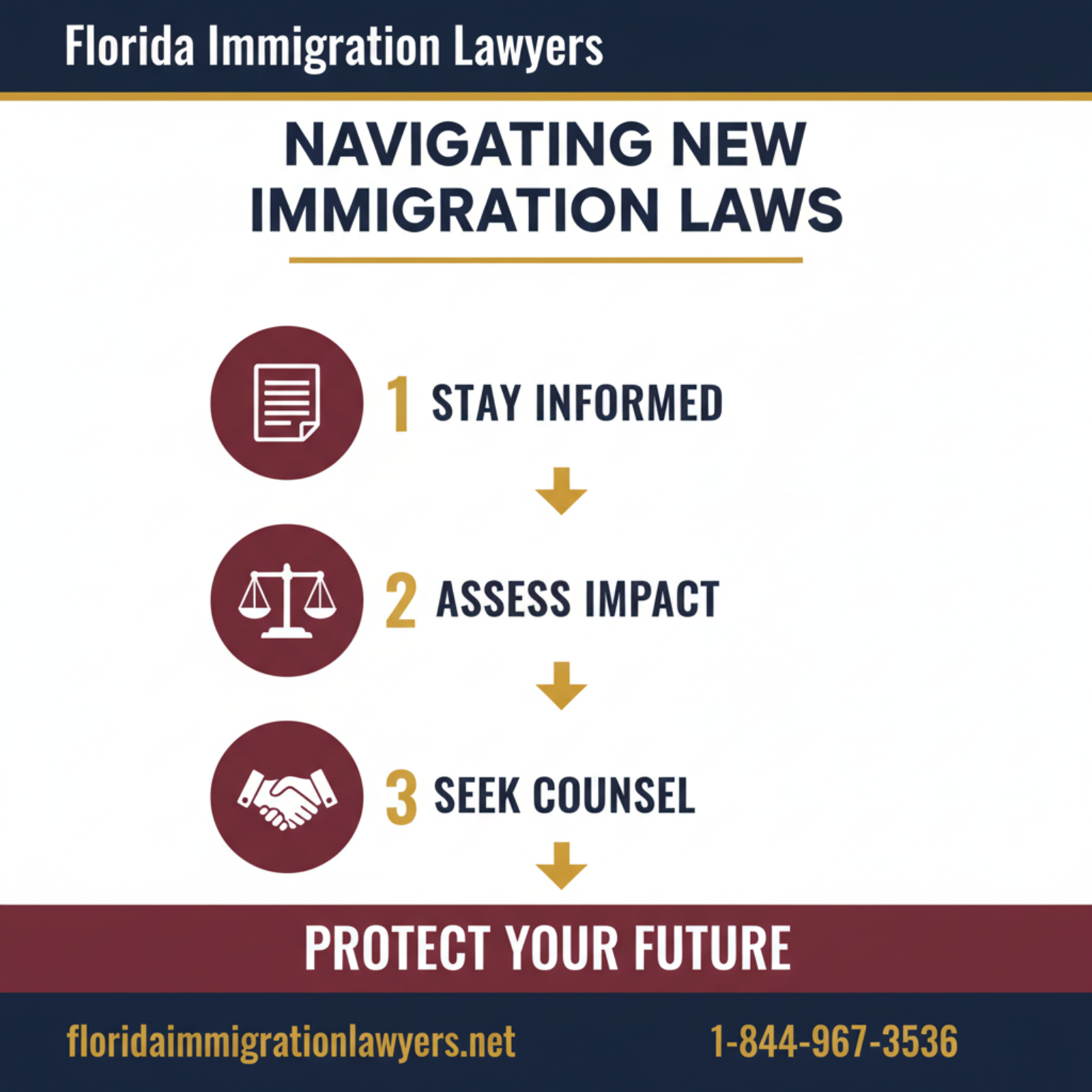
While the exclusive citizenship act of 2025 is not yet law, proactive preparation is always wise. Understanding the potential steps you might need to take can help you safeguard your future in Florida. These steps are general guidance and should always be followed by a consultation with an immigration attorney.
- Stay Informed About the Bill's Status: Continuously monitor the legislative progress of the exclusive citizenship act of 2025. Bills can change, be amended, or stall in Congress. Reliable sources include official government websites like Congress.gov or reputable legal news outlets.
- Assess Your Current Citizenship Status: Understand how you acquired your U.S. citizenship and any foreign citizenships. Gather all relevant documents pertaining to your nationalities. This initial assessment is crucial for understanding your legal standing.
- Consult with an Experienced Immigration Attorney: This is the most critical step. An attorney can analyze your specific situation, explain the potential impacts of the bill on you, and advise on any proactive measures. They can help you understand the nuances of USCIS policy updates and legislative developments.
- Review Your International Ties: Consider how a potential change in dual citizenship status might affect your assets, family, and professional life abroad. This includes property, investments, pensions, and family members who may rely on your foreign citizenship.
- Explore Potential Options (if the Bill Passes): If the bill becomes law, your attorney can guide you through the process of making a choice, if mandated. This might involve renunciation procedures, which are complex and carry significant implications.
- Prepare Necessary Documentation: Begin compiling all documents related to your birth, naturalization, and any foreign citizenship. Having these readily accessible will streamline any future legal processes.
Essential Documents for Citizenship and Dual Nationality Assessment
Preparing for potential immigration law changes requires meticulous organization of your personal and legal documents. While the exclusive citizenship act of 2025 is still pending, having a comprehensive understanding of your documentation is always beneficial for any immigration matter.
- U.S. Passport and Birth Certificate: Proof of U.S. citizenship by birth or naturalization.
- Certificate of Naturalization: If you became a U.S. citizen through the naturalization process.
- Foreign Passports and Birth Certificates: Documentation of any other nationalities you hold.
- Marriage Certificates and Divorce Decrees: If applicable, especially for citizenship acquired through marriage or name changes.
- Proof of Identity: State ID, driver's license.
- Immigration Records (A-File): Any documents from USCIS or other immigration agencies.
- Records of Foreign Naturalization: If you naturalized in another country.
- Military Service Records: If applicable, for certain citizenship pathways.
- Tax Records: Proof of residency and financial ties to the U.S.
Timeline and Processing Expectations for Immigration Changes
The legislative process for a bill like the exclusive citizenship act of 2025 can be lengthy and unpredictable. It involves committee reviews, debates, and votes in both the House of Representatives and the Senate. Even if passed by Congress, it still requires the President's signature to become law.
Should the bill become law, its effective date could be immediate or phased in over time. Implementing new policies would then fall to agencies like USCIS, which would need to issue new regulations and guidance. This administrative process can also take months or even years.
For individuals, understanding these potential timelines is key. Any actions required, such as making a choice between citizenships, would likely have specific deadlines set by the new law or subsequent regulations. Monitoring official USCIS policy updates will be vital for all affected individuals in Florida.
Current immigration processes, such as naturalization applications, generally follow established timelines. However, major legislative shifts could introduce delays or new requirements. For example, the processing time for a Form N-400, Application for Naturalization, can vary significantly depending on the USCIS field office, including those serving Hollywood, Florida.
Do not navigate this complex and potentially life-altering process alone. The stakes are too high to rely on incomplete information or guesswork. Contact Florida Immigration Lawyers today to ensure your rights and future are protected. We are here to provide the clarity and support you need.
Cost Factors and Fee Breakdown for Legal Assistance
While specific government filing fees for citizenship applications are subject to change and not discussed here, understanding the legal costs associated with expert immigration guidance is important. Navigating potential immigration law changes or the complexities of the exclusive citizenship act of 2025 requires professional legal support.
Legal fees for immigration services can vary based on the complexity of your case and the specific services required. At Florida Immigration Lawyers, we believe in transparent fee structures. We often offer services on a flat-fee basis for predictable costs, allowing you to budget effectively.
A free initial consultation is provided to assess your situation and explain our fees. This allows you to understand the investment required without any upfront financial commitment. Our goal is to make quality legal representation accessible to all Floridians.
Investing in experienced legal counsel is an investment in your future and peace of mind. Our attorneys can help you understand the nuances of any new laws and guide you through the necessary steps. We serve clients across Florida, including Hollywood, providing tailored and effective legal strategies.
- Ignoring the Bill's Progress: Assuming the exclusive citizenship act of 2025 will not pass or won't affect you can lead to being unprepared. Consequences: Missing crucial deadlines or being caught off guard by new requirements.
- Relying on Unofficial Information: Getting legal advice from social media, rumors, or unqualified sources. Consequences: Receiving inaccurate information that could jeopardize your immigration status.
- Delaying Legal Consultation: Waiting until the last minute to seek legal advice. Consequences: Limited time to explore options, potential for irreversible mistakes, or inability to take proactive steps.
- Misunderstanding Dual Citizenship: Not knowing how your dual nationality was acquired or its current legal standing. Consequences: Incorrectly assessing your situation and making poor decisions.
- Failing to Organize Documents: Not having all necessary citizenship and immigration documents readily available. Consequences: Delays in legal processes, difficulty proving your status, or inability to respond quickly to new mandates.
- Making Unilateral Decisions: Taking action, such as renouncing a citizenship, without expert legal guidance. Consequences: Potentially losing a valuable nationality or facing unforeseen legal ramifications.
- Underestimating the Impact: Believing that changes to dual citizenship won't significantly affect your life in Florida. Consequences: Overlooking critical aspects like international travel, property rights, or family ties.
- Not Updating Contact Information with USCIS: If you are an applicant, failing to notify USCIS of address changes. Consequences: Missing important notices or requests for evidence related to your case.
- Assuming "Grandfathering" Provisions: Believing that existing dual citizens will automatically be exempt from new laws. Consequences: New legislation can sometimes apply retroactively or with limited exceptions.
- Providing Inconsistent Information: Submitting conflicting details across various applications or to different agencies. Consequences: Can raise red flags with immigration authorities, leading to scrutiny or denials.
When to Call a Lawyer
The landscape of immigration law changes is constantly evolving, especially with proposals like the exclusive citizenship act of 2025. Knowing when to seek professional legal help is paramount for protecting your future in Florida.
You should contact Florida Immigration Lawyers if you currently hold dual citizenship and are concerned about the implications of this proposed act. Our attorneys can provide a thorough analysis of your specific situation and outline your options.
If you are in the process of naturalization or considering applying for U.S. citizenship, and are worried about how the exclusive citizenship act of 2025 might affect your application, immediate legal counsel is advised. We can help you navigate potential new citizenship requirements Florida residents might face.
Any time you receive official communication from USCIS, the Department of State, or any other government agency regarding your citizenship or immigration status, it's a red flag to consult an attorney. We can help you understand the communication and formulate an appropriate response.
Furthermore, if you are planning international travel, have property abroad, or have family members whose immigration status is tied to yours, and you are concerned about legislative changes, our team can offer strategic advice. Florida Immigration Lawyers is dedicated to serving the entire state, including Hollywood, with expert immigration services.
About Florida Immigration Lawyers
Florida Immigration Lawyers is a leading law firm dedicated to providing comprehensive immigration services across the entire state of Florida. With years of experience and a deep understanding of U.S. immigration law, our attorneys are committed to helping individuals and families achieve their immigration goals.
We offer a wide range of practice areas, including citizenship applications, family-based immigration, business immigration, asylum claims, and deportation defense. Our firm is built on the principles of compassion, integrity, and relentless advocacy for our clients.
Choosing Florida Immigration Lawyers means partnering with a team that genuinely cares about your future. We provide personalized attention, strategic legal solutions, and clear communication every step of the way. Our goal is to make the complex immigration process as smooth and stress-free as possible for you.
We understand the challenges and anxieties that come with immigration matters. That's why we offer free consultations, are available 24/7, and provide bilingual services (English and Spanish) to ensure every client feels heard and understood. Call us today at 1-844-967-3536 or visit https://www.floridaimmigrationlawyers.net to learn how we can assist you.
Sources and References
- S.3283 - Exclusive Citizenship Act of 2025, 119th Congress (2025-2026)
- U.S. Citizenship and Immigration Services (USCIS)
- U.S. Department of State - Bureau of Consular Affairs
- 8 U.S.C. Chapter 12 - Immigration and Nationality Act (INA)
- 8 C.F.R. Part 337 - Oath of Allegiance
This article provides general legal information and is not intended as legal advice. Every case is unique, and outcomes depend on specific facts and circumstances. Contact an attorney for advice about your particular situation.
The future of dual citizenship in the U.S. may be changing with the proposed exclusive citizenship act of 2025. Do not leave your immigration status to chance. Our dedicated team at Florida Immigration Lawyers is ready to provide the expert legal guidance you deserve.
Take the first step towards securing your peace of mind. Call us now for a free, confidential consultation at 1-844-967-3536. Se Habla Español - Estamos aquí para ayudarle.
Frequently Asked Questions
Florida Immigration Lawyers
Legal Team
Our experienced attorneys at Florida Immigration Lawyers have been serving clients across Florida for over 20 years. We specialize in immigration, personal injury, criminal defense, workers compensation, and family law.