Citizenship Delay in Florida: N-400 Processing Times
Experiencing a citizenship delay in Florida can be disheartening, especially when your N-400 application seems stuck. This comprehensive guide, tailored for 2026, explores the common reasons behind naturalization processing delays, including USCIS backlogs and extensive background checks affecting applicants in Pembroke Pines and across Florida. Learn the step-by-step actions you can take, from checking your online status and submitting e-requests to understanding when to seek legal intervention. We also highlight crucial documents to prepare, common mistakes to avoid, and the importance of professional legal advice. Florida Immigration Lawyers offers free consultations to help you navigate these complexities and move your citizenship application forward.

A citizenship delay in Florida is often due to USCIS backlogs, increased application volumes, and extensive background checks. While processing times vary, many N-400 applications take months or even years. Understanding the reasons for these delays and knowing the steps to take can help you navigate the process more effectively.
- Check your USCIS online case status regularly.
- Submit an e-request if your case is outside normal processing times.
- Gather all relevant documents and keep copies of everything.
- Consider contacting a lawyer if delays are unreasonable or complex.
- Avoid common mistakes like not updating your address or ignoring RFEs.
Citizenship Delay Florida: Navigating N-400 Processing in 2026
You have worked hard, built a life in the Sunshine State, and patiently navigated the complex journey to permanent residency. Now, as you reach for the final step of naturalization, you might encounter an unexpected hurdle: a citizenship delay. This can be incredibly frustrating, leaving you wondering about your future and the status of your N-400 application.
Many aspiring U.S. citizens in Florida, particularly in areas like Pembroke Pines and across the state, experience prolonged waiting periods. Understanding why these delays occur and what actions you can take is crucial. This comprehensive guide will equip you with the knowledge to address a naturalization delay effectively.
Do not let uncertainty overshadow your dream of becoming a U.S. citizen. If you are experiencing a significant citizenship delay, immediate action and expert guidance are essential. Call Florida Immigration Lawyers at 1-844-967-3536 for a free consultation. Our team is ready to help you understand your options and advocate for your case.
Understanding Citizenship Application Delays in Florida
The naturalization process, initiated by filing Form N-400, Application for Naturalization, is a significant milestone. However, the path to U.S. citizenship is rarely swift or without its challenges. In 2026, many applicants in Florida continue to face considerable waiting times, largely due to systemic issues within U.S. Citizenship and Immigration Services (USCIS).
Several factors contribute to these widespread delays. High application volumes, staffing shortages, and the need for thorough background checks all play a role. For applicants in Florida, field offices in Miami, Orlando, and Tampa often handle a substantial caseload, which can lead to longer processing times compared to other regions.
The term "USCIS backlog" is frequently heard, referring to the accumulation of unprocessed cases. This backlog significantly impacts the N-400 processing timeline for individuals across the country, including those pursuing naturalization in Florida. Understanding these underlying causes is the first step toward addressing your specific situation.
Why Your N-400 Processing May Be Slow
A prolonged N-400 processing time can stem from various specific reasons, some within your control and others entirely external. One common cause is the extensive security and background checks conducted by multiple government agencies, including the FBI. These checks are mandatory for all naturalization applicants and can sometimes take longer for certain individuals without clear explanation.
Another factor is the transfer of your case between USCIS field offices. If you move during the application process, your case may be transferred to a new office, potentially resetting or prolonging your wait time. Additionally, requests for evidence (RFEs) or notices of intent to deny (NOIDs) can halt your application if not responded to promptly and completely. Even if you respond quickly, the time it takes USCIS to review and process your response adds to the overall delay.
Furthermore, unforeseen circumstances such as government shutdowns, natural disasters, or public health crises can disrupt USCIS operations, leading to temporary or long-term slowdowns. These external events are beyond any applicant's control but have a direct impact on the pace of naturalization applications nationwide, including those filed from Pembroke Pines and other Florida communities.
Step-by-Step Guide: What to Do About a Naturalization Delay
When faced with a significant citizenship delay, it is important to take proactive steps. While you cannot control all aspects of the USCIS process, you can monitor your case and make inquiries. Here is a detailed guide on how to address a prolonged N-400 processing time.
-
Check Your USCIS Online Case Status: Your first action should always be to check the official USCIS website. Use the 13-character receipt number from your Form I-797C, Notice of Action, to track your case status online. This tool provides real-time updates and can sometimes indicate if an RFE has been issued or if your interview has been scheduled.
-
Verify Current Processing Times: USCIS publishes average processing times for each form type at specific field offices. Visit the USCIS website and select Form N-400, then choose your local field office (e.g., Miami, Orlando, or Tampa). Compare your individual processing time to the published range. If your case is outside these normal processing times, you have grounds for further inquiry.
-
Submit an E-Request (Outside Normal Processing Times): If your case falls outside the normal processing times, you can submit an online "e-request" through the USCIS website. This formal inquiry prompts USCIS to review your case and provide an update. Be prepared to provide your receipt number and personal details.
-
Contact USCIS Through Emma or Phone: For general inquiries or if you have questions about submitting an e-request, you can use Emma, the USCIS online virtual assistant. Alternatively, you can call the USCIS Contact Center. While these channels can provide basic information, they may not offer specific details about complex delays.
-
Submit a Service Request with the USCIS Ombudsman: The Office of the Citizenship and Immigration Services Ombudsman (CIS Ombudsman) helps individuals and employers resolve problems with USCIS. If you have already attempted to resolve your issue directly with USCIS and have not received a satisfactory response, you can submit a service request to the Ombudsman. This office acts as an independent liaison.
-
Contact Your Congressional Representative: Your U.S. Representative or Senator has a constituent services office dedicated to assisting residents with federal agency issues. They can make inquiries on your behalf to USCIS and often receive more detailed responses. This can be a highly effective way to get attention for a stalled case, especially if you feel your USCIS case not moving without clear reason.
-
Consider a Mandamus Action: If all administrative avenues have been exhausted and your naturalization application faces an unreasonable delay, you may consider filing a lawsuit in federal court. This is known as a "Writ of Mandamus" action. This legal step compels USCIS to make a decision on your application. This is a complex legal strategy that absolutely requires the assistance of an experienced immigration attorney.
Essential Documents for Addressing Delays
When you are inquiring about a citizenship delay or seeking legal assistance, having all your documentation organized and readily available is critical. This ensures you can provide accurate information and quickly respond to any requests. Maintaining a comprehensive file of your immigration journey can significantly aid in resolving issues.
Make sure you have both original documents and copies of everything. This practice is not just for inquiries but for your records throughout the entire naturalization process. Being prepared can save time and reduce stress when dealing with unexpected delays.
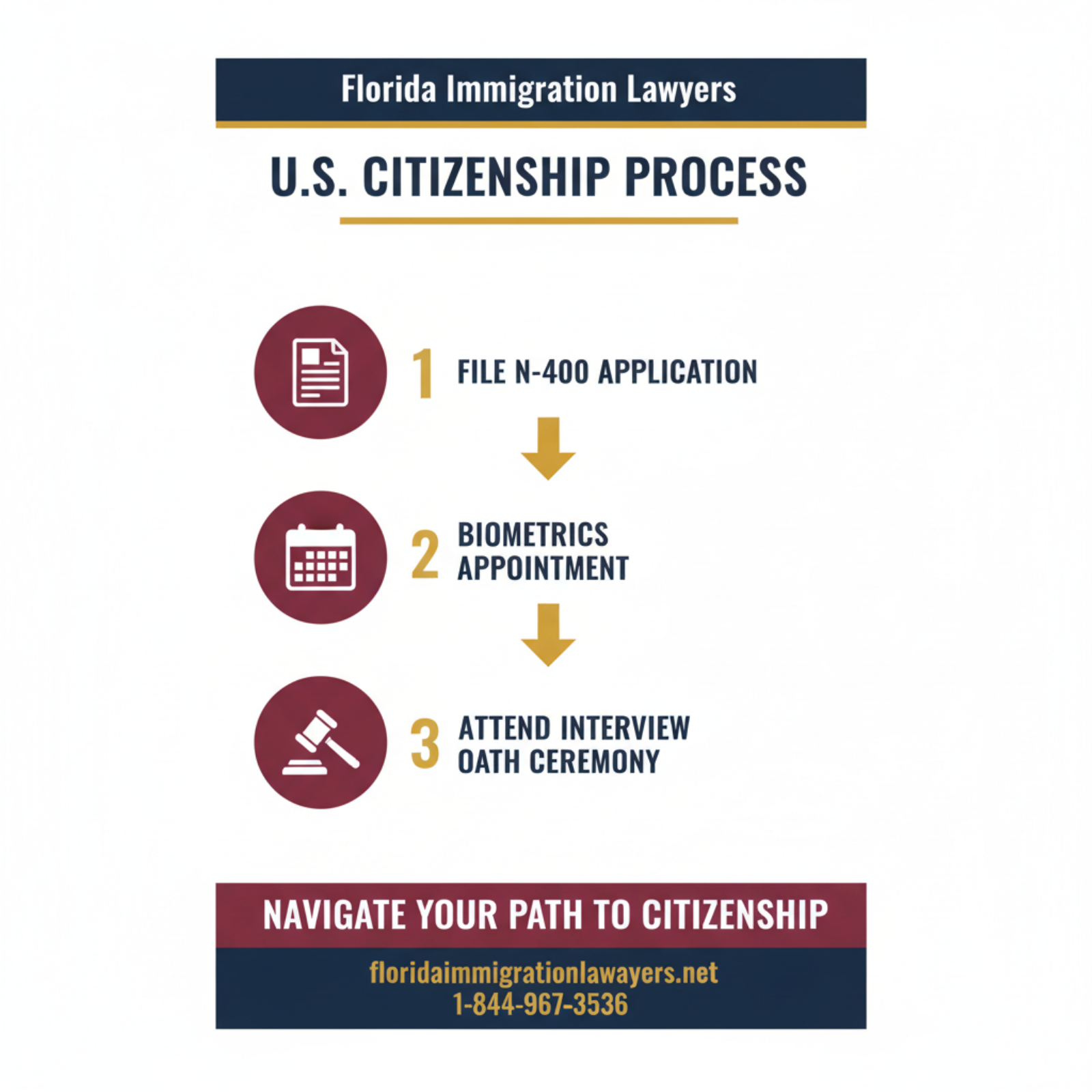
- N-400 Receipt Notice (Form I-797C): This is your official proof that USCIS received your application. It contains your crucial receipt number.
- All Correspondence from USCIS: Keep every letter, notice, or request you receive from USCIS, including interview notices and RFEs.
- Proof of Identity and Residency: Copies of your Green Card, state ID or driver's license, and documents proving continuous residency in Florida.
- Submitted RFE Responses: If you responded to any Requests for Evidence, keep copies of your submission and the USCIS acknowledgment.
- Attorney Correspondence (if applicable): Any communication between you and your immigration attorney should be kept in your file.
- Evidence of Attempts to Contact USCIS: Keep records of e-requests, phone calls, or congressional inquiries, including dates and reference numbers. This demonstrates your proactive efforts to resolve the immigration inquiry.
Timeline and Processing Expectations for Naturalization in 2026
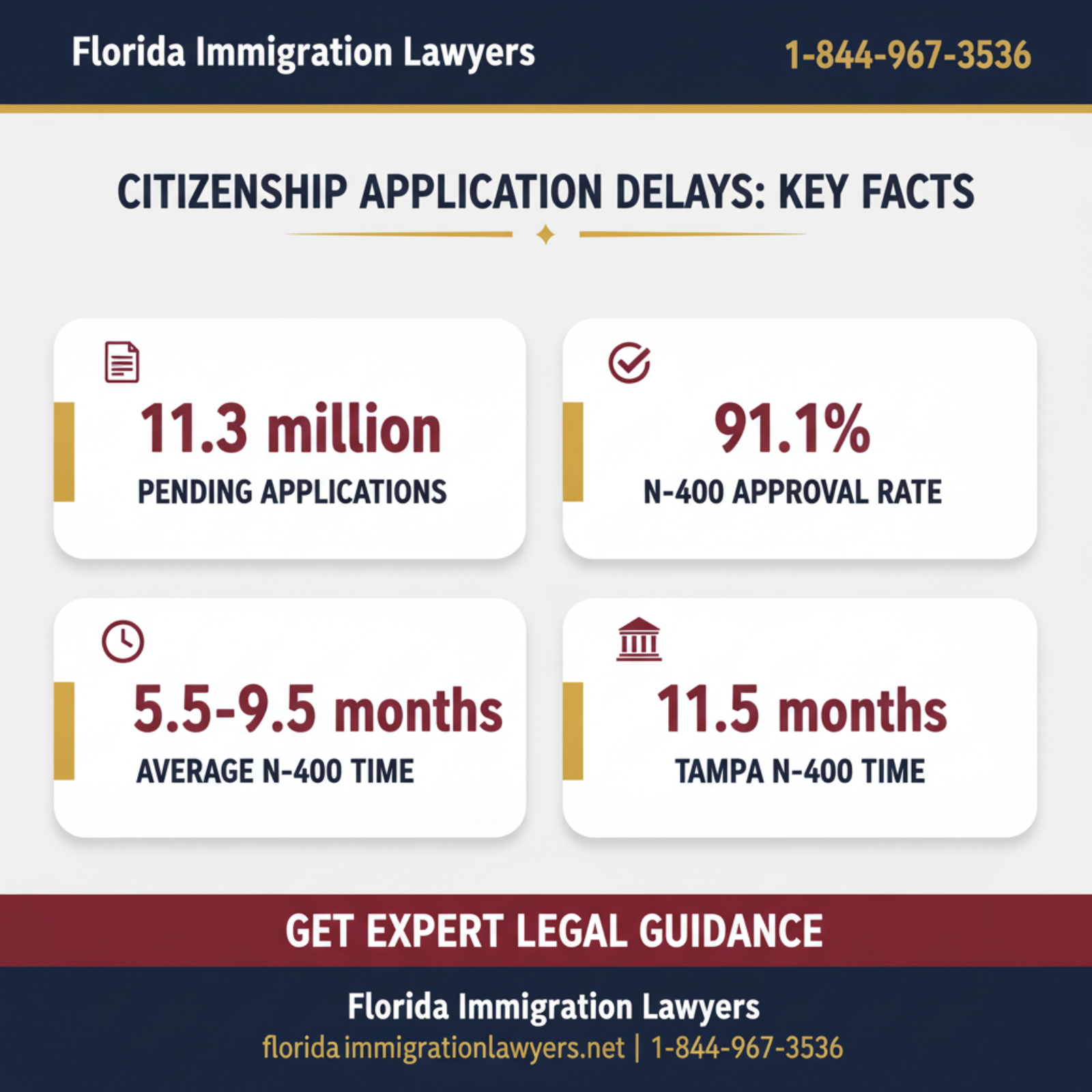
The journey to U.S. citizenship is often characterized by varying timelines, and 2026 is no exception. While USCIS strives to process applications efficiently, a citizenship delay can extend the wait considerably. Generally, the entire naturalization process, from filing Form N-400 to taking the Oath of Allegiance, can range anywhere from 6 months to several years.
Factors influencing this timeline include the specific USCIS field office processing your application, the complexity of your case, and the volume of applications at that particular office. For example, major metropolitan areas in Florida, such as Miami, Orlando, and Tampa, often experience longer processing times due to higher demand. It is important to regularly check the USCIS website for the most current processing times relevant to your specific location.
Current trends suggest that the USCIS backlog continues to impact processing times into 2026. While USCIS has implemented measures to address these backlogs, applicants should prepare for potentially extended waits. Understanding these general expectations can help manage your anticipation and prompt you to act if your case significantly exceeds the published estimates.
Understanding Unreasonable Delays
A delay becomes "unreasonable" when your N-400 application significantly exceeds the published processing times for your USCIS field office without a valid explanation. While some waiting is expected, an indefinite or exceptionally long delay, especially after all administrative inquiries have failed, may indicate a more serious issue. At this point, legal intervention becomes a more viable consideration. An attorney can help determine if your delay qualifies as unreasonable under legal standards and advise on the appropriate next steps, including a potential mandamus action to compel USCIS to act on your naturalization case.
Cost Factors and Fee Breakdown When Facing a Delay
Navigating a citizenship delay can involve various costs, both expected and unexpected. The primary cost for naturalization is the USCIS filing fee for Form N-400. It is crucial to always check the official USCIS website for the most current fee schedule, as these amounts are subject to change and vary based on whether you are required to submit biometric services fees. Florida Immigration Lawyers cannot provide specific fee amounts as they are set by USCIS and can fluctuate.
Beyond the filing fees, additional expenses may arise if your application experiences delays. These can include costs for gathering additional documents, such as certified court records or updated police clearances, which might be requested if your background checks are prolonged or if an RFE is issued. Traveling for multiple interviews or biometrics appointments also adds to the overall cost, especially for those in larger states like Florida, who might need to travel to a specific USCIS office.
Perhaps the most significant additional cost factor is legal assistance. While initial consultations are often free, retaining an immigration attorney to address a delay will involve legal fees. These fees can vary widely depending on the complexity of your case and the type of intervention required, such as drafting inquiries, responding to complex RFEs, or filing a federal mandamus lawsuit. Investing in legal counsel, however, can often expedite a stalled case and prevent costly mistakes. Always discuss fee structures transparently with your chosen legal representation during your free consultation.
Do not navigate this process alone. The complexities of a citizenship delay require informed action. Contact Florida Immigration Lawyers today for expert guidance and dedicated representation. We are here to help you move your naturalization application forward.
Common Mistakes to Avoid During Your Citizenship Application Process
Avoiding common pitfalls can prevent unnecessary citizenship delay and increase your chances of a smooth naturalization process. Many delays stem from preventable errors made by applicants. Being meticulous and informed throughout your N-400 processing is paramount.
-
Failing to Update Your Address with USCIS: This is a critical mistake. If you move, you must notify USCIS within 10 days using Form AR-11, Alien's Change of Address Card, and update your pending case online. Missing notices for interviews, biometrics, or RFEs due to an outdated address can lead to significant delays or even denial.
-
Ignoring Requests for Evidence (RFEs): USCIS may send an RFE if they need more information or clarification. Failing to respond promptly and completely to an RFE by the deadline can lead to a denial of your N-400 application. Always submit all requested documents and keep copies.
-
Missing Appointments: Whether it's a biometrics appointment or your naturalization interview, missing it without proper rescheduling can severely jeopardize your application. Always check your mail regularly and mark appointment dates carefully.
-
Providing Inconsistent Information: Discrepancies between your N-400 application and previous immigration forms (like your Green Card application) can raise red flags. Ensure all information, especially regarding marital status, criminal history, and residency, is consistent and truthful.
-
Not Disclosing All Relevant Information: Attempting to hide arrests, convictions, or other significant life events, even if expunged, is a serious error. USCIS conducts thorough background checks, and non-disclosure can lead to a finding of lack of good moral character and denial.
-
Traveling Internationally Without Caution: While a Green Card holder can travel, extended trips outside the U.S. can disrupt your continuous residency or physical presence requirements for naturalization. Consult an attorney before taking long trips during your N-400 processing.
-
Assuming Silence Means Approval: A lack of communication from USCIS for an extended period typically signifies a citizenship delay, not an impending approval. It is crucial to be proactive in monitoring your case status and making inquiries.
-
Not Keeping Copies of Everything: From your initial application to every piece of correspondence and evidence submitted, keep meticulous copies. This record is invaluable if you need to make inquiries, respond to RFEs, or seek legal counsel.
-
Filing Too Early: Submitting your N-400 before meeting the continuous residency or physical presence requirements is a common mistake. Double-check the eligibility criteria carefully before filing. Generally, applicants can file 90 days before meeting the residency requirement (8 U.S.C. § 1440).
-
Attempting to Expedite Without Justification: USCIS has strict criteria for expediting cases, typically involving severe financial loss, urgent humanitarian reasons, or national interest. Frivolous expedite requests are usually denied and can sometimes flag your case unnecessarily.
-
Failing to Seek Legal Advice for Complex Cases: If you have a criminal history, previous immigration denials, or other complexities, attempting to navigate the naturalization process alone is risky. An attorney can identify potential issues and guide you effectively through the naturalization process.
When to Call a Lawyer for Your Citizenship Delay in Florida
While many applicants can navigate the naturalization process independently, certain situations warrant the immediate involvement of an experienced immigration attorney. A citizenship delay, especially a prolonged or unexplained one, is a prime example. Florida Immigration Lawyers are dedicated to assisting individuals throughout Florida, including Pembroke Pines, in overcoming these challenges.
You should consider calling a lawyer if:
- Your case is significantly outside normal processing times: If you've submitted e-requests and contacted USCIS without a clear resolution, an attorney can intervene more effectively.
- You receive a Request for Evidence (RFE) or Notice of Intent to Deny (NOID): These are critical communications that require precise and timely responses. An attorney can help you gather the correct documentation and craft a strong legal argument.
- You have a criminal history or other complex issues: Any past legal issues, even minor ones, can complicate your N-400 application and may affect your good moral character determination. An attorney specializing in deportation defense and naturalization can assess the impact and advise on the best course of action.
- Your case has been transferred multiple times or seems lost: If your USCIS case not moving or is stuck in administrative processing for an unusually long time, legal counsel can help investigate the underlying issues.
- You are considering a Writ of Mandamus action: This federal lawsuit to compel USCIS action is highly complex and requires expert legal representation.
- You simply feel overwhelmed or unsure of the next steps: The immigration system is daunting. Having a knowledgeable advocate can provide peace of mind and strategic guidance for your citizenship application.
Florida Immigration Lawyers has extensive experience with naturalization applications and challenging unreasonable delays. We understand the specific nuances of USCIS processing in Florida and are prepared to advocate vigorously on your behalf. Our goal is to move your application forward and help you achieve your dream of U.S. citizenship. Contact us to speak with our attorneys about your specific situation.
About Florida Immigration Lawyers
Florida Immigration Lawyers is a leading immigration law firm dedicated to serving individuals and families across the entire state of Florida. With a deep understanding of U.S. immigration law and a commitment to our clients, we provide comprehensive legal services tailored to your unique needs. Our experienced attorneys specialize in a wide range of immigration matters, from family-based petitions and business visas to complex asylum claims and deportation defense. We pride ourselves on offering compassionate, effective, and results-driven representation.
We understand the profound impact immigration issues have on your life and your family. That is why we offer personalized attention, clear communication, and strategic legal solutions. Our firm is available 24/7 to address your urgent concerns and provide peace of mind. We offer free consultations, ensuring you can discuss your case with a legal professional without financial commitment.
Whether you are pursuing family immigration, business immigration, or navigating the complexities of naturalization, Florida Immigration Lawyers is your trusted partner. Our knowledgeable team is here to guide you through every step of the process. Call us today at 1-844-967-3536 or visit our website at https://www.floridaimmigrationlawyers.net to schedule your free consultation. We are here to help you achieve your immigration goals.
Sources and References
- U.S. Citizenship and Immigration Services (USCIS)
- Executive Office for Immigration Review (EOIR)
- 8 U.S.C. Chapter 12 - Immigration and Nationality Act, particularly 8 U.S.C. § 1427 (Requirements for naturalization) and 8 U.S.C. § 1440 (Naturalization of persons who served in the armed forces of the United States).
- 8 CFR Part 316 - General Requirements for Naturalization.
- USCIS Policy Manual, Volume 12 - Citizenship and Naturalization
This article provides general legal information and is not intended as legal advice. Every case is unique, and outcomes depend on specific facts and circumstances. Contact an attorney for advice about your particular situation.
Do not let a citizenship delay derail your future. Take control of your naturalization process by seeking experienced legal counsel. Florida Immigration Lawyers are ready to provide the support and representation you need. Call us today at 1-844-967-3536 for a free, confidential consultation. Se Habla Español - Estamos aquí para ayudarle.
Do Not Navigate This Process Alone
Our experienced immigration attorneys are ready to fight for you. Get a free, confidential consultation today.
Se Habla Español
Or leave your details and we’ll call you:
Free Evaluation in 24 Hours
Or talk to us right now

AI voice assistant — available 24/7
FreeFrequently Asked Questions

William J. Vásquez
Founding Attorney · Vasquez Law Firm
U.S. Air Force veteran and immigration attorney with years of hands-on U.S. immigration experience. J.D., NCCU School of Law. AILA member. Admitted to the 4th, 5th, and 11th Circuit Courts.
Available 24/7 - Free Evaluations
Reviewed for legal accuracy by William J. Vásquez
Licensed in North Carolina; U.S. immigration is federal practice.
Related Legal Services
Our Florida immigration attorneys can help you with asylum protection, deportation defense and citizenship and naturalization. Call today at 1-844-967-3536 for a free consultation.
Related Links
Related Topics
Free Legal Consultation
Discuss your case with our experienced attorneys. We're available 24/7.
Se Habla Español - Estamos aquí para ayudarle.
Related Articles
Parole in Place for Military Families Miami: A 2026 Guide
Explore how parole in place helps military families stay together in Miami. Understand the eligibility, process, and common mistakes to avoid. Contact Florida Immigration Lawyers for expert guidance.
eb2 niw lawyer florida: Navigating the NIW Process in 2026
For highly skilled professionals in Florida, the EB-2 National Interest Waiver (NIW) offers a direct path to a green card without employer sponsorship. This comprehensive guide for 2026 details the eligibility criteria, the step-by-step application process, expected processing times, and associated costs. Learn how to demonstrate substantial merit and national importance under the Matter of Dhanasar test, avoid common pitfalls, and understand when to seek expert legal counsel. Florida Immigration Lawyers specializes in assisting innovators, researchers, and entrepreneurs across Florida, including Pembroke Pines, to successfully navigate the complex NIW petition process and achieve permanent residency.
I-140 Premium Processing Timeline in Florida: What to Know
Navigating the I-140 premium processing timeline in Florida can be challenging. Our guide covers timelines, eligibility, and steps for EB-2 and EB-3 categories. Contact Florida Immigration Lawyers for expert assistance.
Unlawful Presence Waiver Florida: A 2026 Guide
Discover how the unlawful presence waiver can help immigrants in Florida stay with their families while adjusting their status. Learn about the I-601A process and eligibility criteria.