Annual Asylum Fee Florida 2026: Essential Guide for Asylum
If you are an asylum seeker in Florida, understanding the annual asylum fee for 2026 is crucial. This comprehensive guide from Florida Immigration Lawyers breaks down who needs to pay, how to comply, and common mistakes to avoid. We provide clear, actionable information to help you navigate this complex requirement, especially for those in Pembroke Pines and surrounding areas. Learn about eligibility, payment methods, and important deadlines to protect your asylum claim. For personalized guidance, contact our experienced Florida immigration lawyers today for a free consultation.

The annual asylum fee in Florida for 2026 typically applies to individuals whose asylum applications have been pending for a specified period, often one year or more. This fee, which has been subject to legal challenges, helps cover the administrative costs of processing these cases. While specific amounts and applicability can change, it's crucial for asylum seekers in areas like Pembroke Pines to understand their obligations and potential exemptions.
- The annual asylum fee usually applies to pending asylum applications.
- It helps offset administrative costs for USCIS and EOIR.
- Legal advice is essential due to the fee's complex and evolving nature.
- Exemptions may apply based on income or specific circumstances.
- Deadlines for payment are strict and must be adhered to.
Annual Asylum Fee Florida 2026: Essential Guide for Asylum Seekers
Navigating the complex landscape of U.S. immigration law can be overwhelming, especially when new fees and regulations are introduced. If you are an asylum seeker in Florida, particularly in vibrant communities like Pembroke Pines, understanding the annual asylum fee Florida for 2026 is critical to your case's success. This fee, while sometimes controversial and subject to legal challenges, represents a significant aspect of the asylum process for many.
At Florida Immigration Lawyers, we understand the anxieties and uncertainties you face. Our goal is to provide clear, actionable information to help you protect your future. This comprehensive guide will break down everything you need to know about the annual asylum fee Florida, from who needs to pay it to how to ensure timely compliance.
Do not let complex regulations jeopardize your asylum claim. For personalized guidance and to understand how the annual asylum fee Florida impacts your unique situation, call Florida Immigration Lawyers at 1-844-967-3536 for a free consultation. We are here to advocate for you.
Understanding the Annual Asylum Fee in Florida
The concept of an annual asylum fee has emerged as a way for the government to recover some of the costs associated with processing asylum applications. This fee is distinct from initial filing fees for other immigration benefits. It typically targets individuals whose asylum cases remain pending for an extended duration, often a year or more, reflecting the ongoing administrative effort involved.
For asylum seekers in Florida, this fee can add another layer of complexity to an already challenging journey. Florida is home to a large and diverse immigrant population, with many individuals seeking safety and new beginnings. Understanding the specific rules that apply within the state, and how federal policies are implemented by USCIS and EOIR offices in Florida, is crucial.
While the exact amount and implementation details of the annual asylum fee Florida can fluctuate based on legislative changes, court rulings, or new regulations, the principle remains: certain asylum applicants may be required to pay an annual charge. This applies whether your case is pending with U.S. Citizenship and Immigration Services (USCIS) or with an Immigration Court under the Executive Office for Immigration Review (EOIR).
Historically, there have been proposals and temporary implementations of such fees, sometimes facing legal injunctions. As of 2026, it is prudent for all asylum applicants to be aware of the potential for this fee and to seek current information. The purpose of this fee is generally to support the infrastructure required for adjudicating asylum claims, which can be resource-intensive.
The fee's application is often tied to specific eligibility criteria, such as the length of time an asylum application has been pending. It is not always a universal charge for every asylum seeker. This nuance makes expert legal advice from a Florida immigration lawyer invaluable.
Who is Typically Subject to the Annual Asylum Fee?
Generally, the annual asylum fee Florida applies to individuals who have an asylum application (Form I-589) that has been pending for a continuous period, often commencing after the first year of filing. This means that if your application was filed some time ago and is still awaiting a decision from USCIS or an Immigration Judge, you might be required to pay this fee.
The fee is not typically imposed on newly filed applications within their first year. Instead, it targets those cases that require ongoing review and resources from the immigration system. Specific rules may exempt certain vulnerable populations or those with very low incomes. These exemptions are critical to identify.
It's important to differentiate this from other fees, such as the initial filing fee for some forms or the fee for an Employment Authorization Document (EAD). The annual asylum fee is specifically tied to the continued processing of the asylum claim itself. We encourage you to review official guidance from USCIS and EOIR regularly.
Distinguishing Between USCIS and EOIR Fees
Your asylum application could be pending with two different government agencies: USCIS or EOIR. USCIS handles affirmative asylum applications, meaning you proactively applied for asylum. EOIR, which oversees immigration courts, handles defensive asylum applications, typically when you are in deportation proceedings.
Both agencies may implement an annual asylum fee, but their collection methods and specific rules might differ. USCIS payments are usually made online or by mail, while EOIR payments for cases in immigration court may follow different protocols, sometimes involving the EOIR online payment portal. Understanding which agency holds jurisdiction over your case is the first step in determining your payment obligations.
Step-by-Step Guide to Managing the Annual Asylum Fee in Florida
Successfully navigating the annual asylum fee Florida requires careful attention to detail and adherence to specific procedures. This guide provides a general framework; always confirm the latest requirements with an attorney or official sources.
-
Determine Applicability and Eligibility:
First, ascertain if the annual asylum fee applies to your specific case. This involves checking the filing date of your Form I-589, Application for Asylum and for Withholding of Removal, and the current status of your application. You need to know if your case is with USCIS or an EOIR Immigration Court, for example, in Miami or Orlando.
Revise any notices you have received from USCIS or EOIR regarding fee requirements. These notices will typically inform you if you are subject to the fee and when it is due. Pay close attention to the specific dates mentioned.
-
Identify the Correct Fee Amount:
The specific amount of the annual asylum fee can vary and is subject to change. While past discussions have centered around figures like $102, always verify the current official fee schedule. Do not rely on outdated information, as fees can be updated without extensive public notice.
Consult the official USCIS website (uscis.gov/fees) or the EOIR website (justice.gov/eoir) for the most up-to-date fee information. This step is critical to avoid underpayment or overpayment, both of which can cause delays.
-
Understand Payment Deadlines:
Each annual asylum fee has a specific deadline for payment. Missing this deadline can have serious consequences for your asylum application, potentially leading to dismissal or other adverse actions. These deadlines are typically communicated through official notices.
Mark these dates clearly on your calendar and set reminders. If you are uncertain about a deadline, immediately seek clarification from your attorney or the relevant agency. Proactive management of deadlines is key.
-
Choose the Appropriate Payment Method:
Payment methods for the annual asylum fee Florida can vary depending on whether your case is with USCIS or EOIR. USCIS generally accepts payments online through their website, by mail with a check or money order, or at certain lockbox facilities. EOIR often utilizes an online payment portal for immigration court fees.
Ensure you use the correct payment method and include any required identifying information, such as your A-number (Alien Registration Number) or case receipt number. Incorrect payment methods or missing information can lead to your payment being rejected and your case being delayed.
-
Retain Proof of Payment:
After making your payment, always keep meticulous records. This includes transaction confirmation numbers, copies of checks or money orders, and any official receipts provided by USCIS or EOIR. This proof is invaluable if there are any discrepancies or questions about your payment in the future.
Consider keeping both digital and physical copies of your payment records. This due diligence can save you significant trouble down the line and provide evidence of your compliance with the annual asylum fee requirement.
-
Seek Legal Counsel if Unsure:
The rules surrounding the annual asylum fee Florida are complex and can change. If you have any doubts about whether you need to pay, how much to pay, or how to pay, consult with an experienced immigration lawyer. An attorney can review your specific case details and provide accurate, up-to-date advice.
This is especially important if you believe you may qualify for a fee waiver or exemption. A lawyer can help you prepare the necessary documentation and arguments to support your claim. Do not attempt to guess or navigate this alone.
Document Checklist for the Annual Asylum Fee
While the annual asylum fee Florida primarily involves a payment, certain documents and information are essential for proper identification and processing. Having these ready will streamline the process.
- Official Fee Notice: Any letter or notice from USCIS or EOIR informing you of the annual asylum fee. This notice will contain vital information, including the exact fee amount and the due date.
- Alien Registration Number (A-Number): Your unique identification number assigned by immigration authorities. This number is crucial for identifying your case.
- Case Receipt Number: If applicable, the receipt number from your original Form I-589 application. This helps track your specific asylum filing.
- Proof of Identity: Government-issued identification, such as a passport or driver's license, for verification purposes if paying in person or needing to confirm details.
- Payment Instrument: A valid credit/débit card, bank account information for online payments, or a check/money order made payable to "U.S. Department of Homeland Security" (for USCIS) or as specified by EOIR.
- Fee Waiver Application (if applicable): Form I-912, Request for Fee Waiver, along with supporting documentation demonstrating inability to pay. This is a critical document if you seek an exemption.
- Copies of All Submitted Documents: Keep copies of your Form I-589 and any other documents previously filed with USCIS or EOIR related to your asylum case.
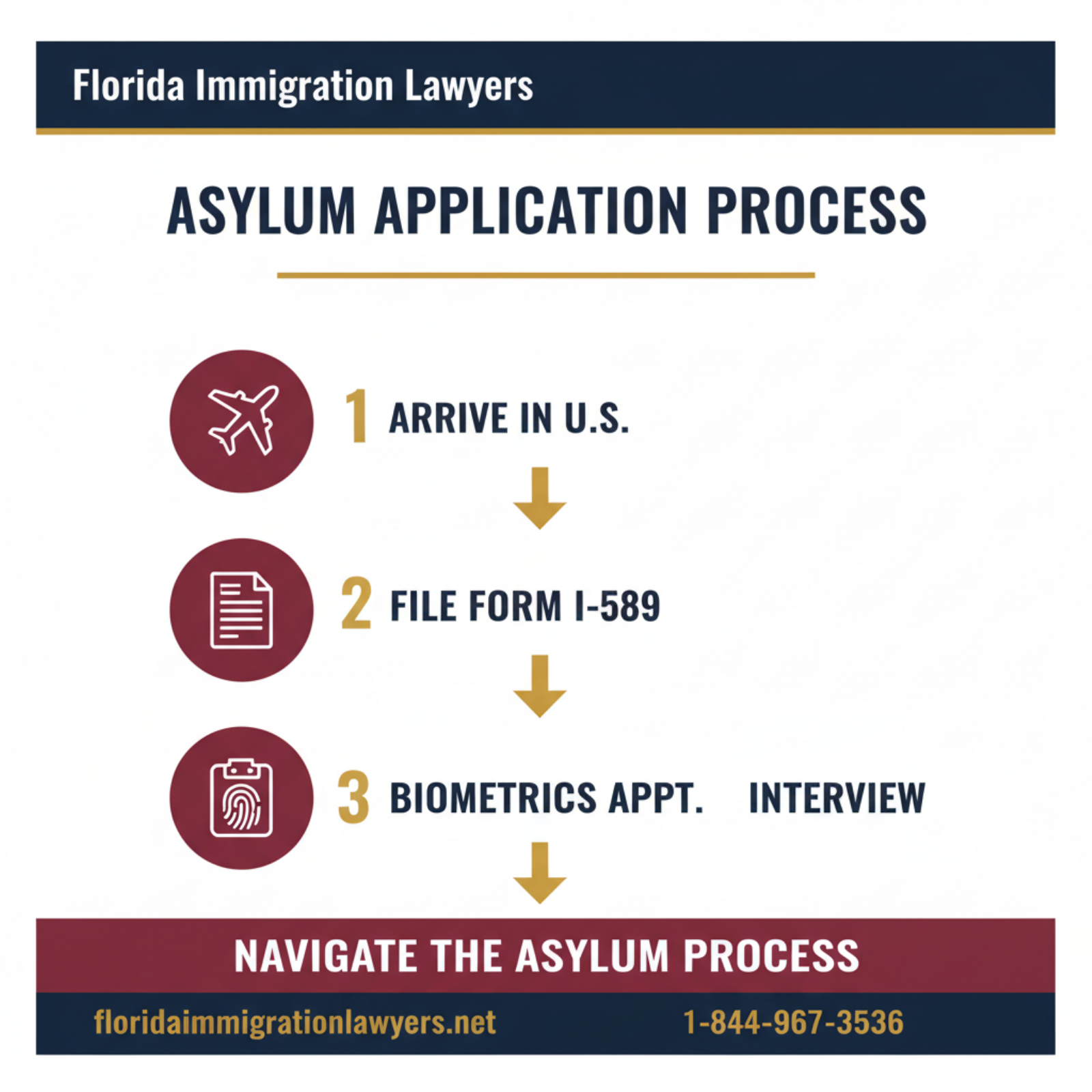
Timeline and Processing Expectations for the Annual Asylum Fee
The timeline for the annual asylum fee Florida is generally tied to the anniversary of your asylum application's filing date. You typically receive a notice from USCIS or EOIR informing you of the fee requirement and its due date. This notice usually arrives shortly before the fee becomes due.
Payment processing itself is usually swift, especially if paid online. However, it's the underlying asylum application processing that can take considerable time. Asylum cases in Florida, like many other parts of the U.S., can experience significant backlogs. This is why the annual fee is often imposed – to help manage the resources for these lengthy processes.
After you pay the fee, you should receive a confirmation of payment. This does not mean your asylum case will be adjudicated faster; it simply means you have complied with this specific requirement. The overall timeline for an asylum decision can range from several months to many years, depending on factors such as interview backlogs, court dockets, and the complexity of your case.
For those in Pembroke Pines and other Florida communities, the processing times at the USCIS asylum office in Oakland Park or the Miami Immigration Court can vary. You can check estimated processing times on the USCIS website, but these are just estimates and can change frequently. Always be prepared for a potentially long wait and ensure continuous compliance with all requirements.
Cost Factors and Fee Breakdown
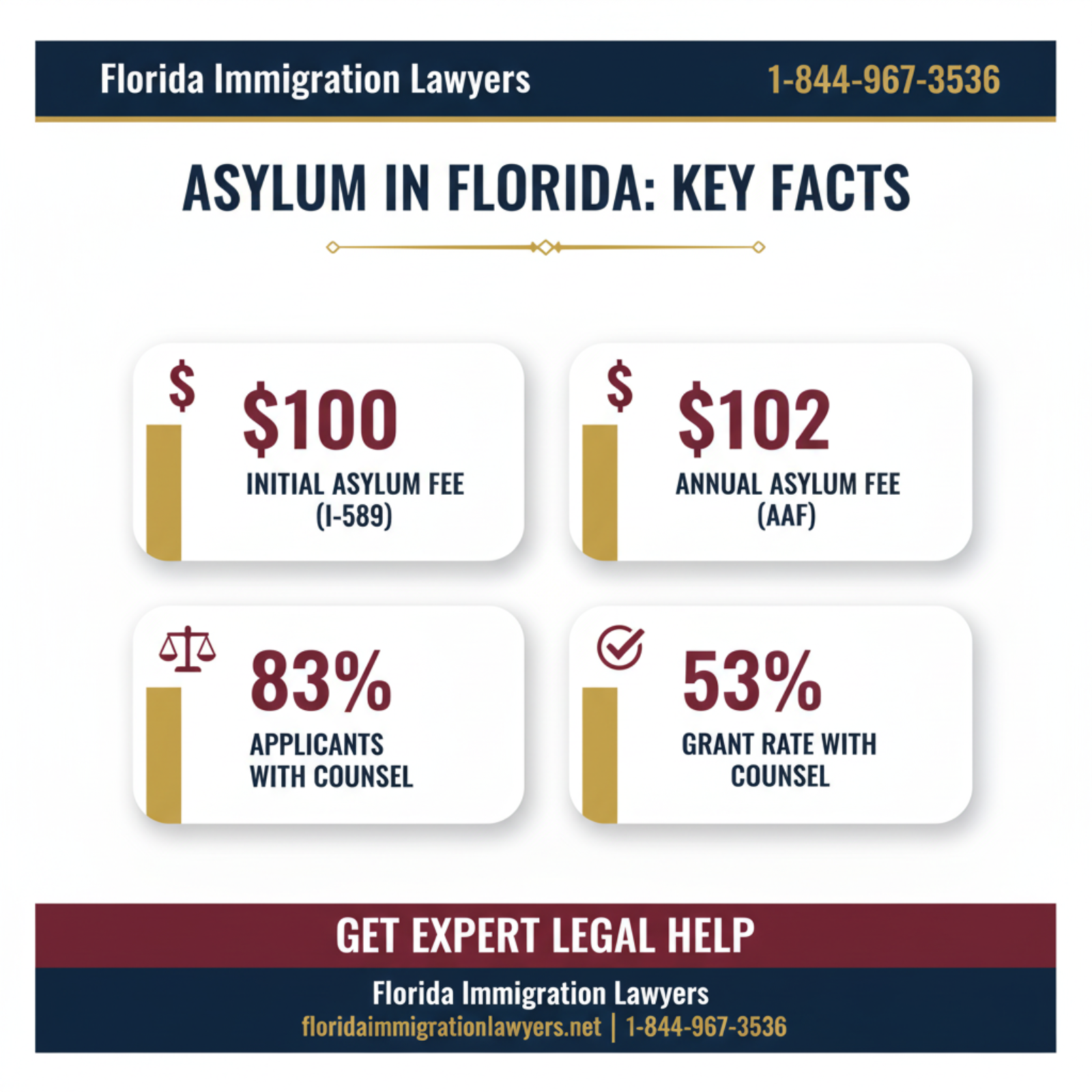
The primary cost factor related to the annual asylum fee Florida is the fee itself. As mentioned, while figures like $102 have been discussed, the exact amount can change. It is crucial to verify the current fee directly from official USCIS or EOIR sources. This fee is typically a per-person charge.
Beyond the direct fee, consider other potential costs:
- Legal Fees: Consulting with an experienced Florida immigration lawyer is a critical investment. While there is an upfront cost, legal guidance can prevent costly mistakes, ensure proper filing, and help you understand potential fee waivers.
- Documentation Costs: You might incur minor costs for photocopying, postage, or obtaining certified translations of supporting documents, if required.
- Travel Expenses: If you need to visit a USCIS office or an immigration court in Florida (e.g., Miami, Orlando) for an interview or hearing, factor in transportation and potential lodging costs.
It's important to budget for these potential expenses when planning your asylum journey. While the annual asylum fee aims to cover administrative processing, it does not cover legal representation or other personal costs associated with pursuing your asylum claim.
Do not navigate this complex process alone. The stakes are too high. Contact Florida Immigration Lawyers today to ensure your annual asylum fee is handled correctly and your asylum claim is protected. We are committed to helping you.
Common Mistakes to Avoid with the Annual Asylum Fee
-
Ignoring the Fee Notice:
Consequence: Failing to respond to an official notice about the annual asylum fee Florida can lead to the dismissal of your asylum application. USCIS or EOIR may interpret non-payment as abandonment of your case.
-
Missing the Payment Deadline:
Consequence: Late payment can also result in the dismissal of your application or significant delays. Strict adherence to deadlines is non-negotiable in immigration matters.
-
Paying the Incorrect Amount:
Consequence: Sending too little money will lead to rejection of your payment and potential delays. Overpaying generally does not cause rejection but can complicate refunds and tie up your funds unnecessarily. Always verify the current fee.
-
Using an Incorrect Payment Method:
Consequence: USCIS and EOIR have specific accepted payment methods. Using an unapproved method (e.g., cash by mail, incorrect online portal) will result in your payment being returned and your fee not being considered paid.
-
Failing to Keep Proof of Payment:
Consequence: Without proof of payment, you have no recourse if USCIS or EOIR claims they did not receive your fee. This can lead to a dispute that is difficult to resolve without proper documentation.
-
Assuming Exemptions Without Confirmation:
Consequence: While fee waivers or exemptions may exist, you cannot simply assume you qualify. You must formally apply for a waiver and provide compelling evidence. Without an approved waiver, the fee is due.
-
Providing Inaccurate Identifying Information:
Consequence: If you forget to include your A-number or case receipt number, or provide incorrect details, your payment may not be correctly applied to your case. This can cause significant processing delays and potential issues.
-
Relying on Outdated Information:
Consequence: Immigration laws and fees are subject to frequent change. Relying on information from previous years or unofficial sources can lead to incorrect actions and jeopardize your case. Always check official government websites or consult an attorney for the latest updates.
-
Not Consulting an Attorney:
Consequence: The complexity of the annual asylum fee Florida and asylum law in general makes professional legal advice almost essential. Attempting to navigate it alone increases the risk of critical errors that could lead to denial or removal proceedings.
-
Misunderstanding the Purpose of the Fee:
Consequence: Believing the fee will expedite your case or grant you special privileges is incorrect. The fee covers administrative costs; it does not guarantee a faster decision or a favorable outcome. Misunderstanding its purpose can lead to frustration and misplaced expectations.
When to Call a Lawyer for Your Annual Asylum Fee
While some aspects of the immigration process can be handled independently, the annual asylum fee Florida and asylum law itself are areas where legal counsel is highly recommended. You should contact Florida Immigration Lawyers immediately if you encounter any of the following scenarios:
- You receive a fee notice and are unsure if it applies to you: Eligibility criteria can be nuanced. An attorney can review your specific case history and advise on your obligations.
- You believe you qualify for a fee waiver but need assistance applying: Preparing a strong fee waiver application requires understanding the requirements and gathering appropriate documentation.
- You have missed a payment deadline or received a notice of intent to dismiss: Time is critical in these situations. An attorney can help assess your options and potentially mitigate negative consequences.
- You are confused about the payment method or amount: With different rules for USCIS and EOIR, and fees subject to change, an attorney provides clarity and ensures correct payment.
- Your asylum application is complex, involving prior denials or unique circumstances: These cases benefit immensely from expert legal strategy and oversight.
- You are in deportation proceedings and your asylum case is before an Immigration Judge: The rules for defensive asylum are distinct, and legal representation is almost always necessary.
- You simply want peace of mind: Knowing that an experienced immigration attorney is overseeing your compliance can significantly reduce stress and the risk of errors.
Florida Immigration Lawyers has extensive experience assisting asylum seekers throughout Florida, including Pembroke Pines, Miami, Orlando, and Tampa. We are dedicated to protecting your rights and ensuring every aspect of your asylum claim, including the annual asylum fee, is handled with precision. Your future in the U.S. depends on careful attention to detail.
Frequently Asked Questions About the Annual Asylum Fee
Do I have to pay the annual asylum fee?
Whether you must pay the annual asylum fee Florida depends on specific criteria, primarily how long your asylum application has been pending. Generally, it applies to applications pending for a year or more. You should receive an official notice from USCIS or EOIR if you are subject to the fee. Always consult this notice and an attorney for definitive guidance.
Do asylum seekers have to pay $100 per year?
Historically, the annual asylum fee has been around $102. However, the exact amount is subject to change and should always be verified with official USCIS or EOIR fee schedules for the current year, such as 2026. This fee is typically assessed annually for pending applications that meet certain criteria.
What is the $600 asylum program fee?
The "asylum program fee" is a separate concept from the annual asylum fee. Some proposed or implemented fee schedules have included a one-time "Asylum Program Fee" for employers filing certain petitions (like H-1B or L-1) to help fund asylum processing. It is not typically paid directly by asylum seekers themselves but is part of broader immigration funding mechanisms. This fee has also been subject to legal review and changes.
Is the annual asylum fee on hold?
The implementation of the annual asylum fee has faced legal challenges and temporary injunctions in the past. This means its enforcement has sometimes been paused or altered by court orders. It is crucial to check the most current information from USCIS, EOIR, or an immigration attorney regarding its active status. Even if on hold temporarily, it's wise to be prepared for its potential reintroduction or enforcement.
About Florida Immigration Lawyers
Florida Immigration Lawyers is a leading immigration law firm dedicated to serving individuals and families across the entire state of Florida. With offices strategically located to assist clients from Jacksonville to Key West, including the vibrant community of Pembroke Pines, we pride ourselves on delivering compassionate, effective, and results-driven legal representation.
Our team of experienced attorneys specializes in a wide array of immigration matters, including asylum applications, deportation defense, family-based visas, business immigration, naturalization, and general immigration services. We understand that each case is unique, and we are committed to providing personalized attention and tailored strategies to meet your specific needs.
We believe in transparent communication, ethical practice, and unwavering advocacy for our clients' rights. Choosing Florida Immigration Lawyers means choosing a partner who will stand by you every step of the way, offering clarity in complex legal processes and fighting tirelessly for your success. Our firm is available 24/7, and we offer free consultations to help you understand your options without financial burden.
Contact us today to discuss your immigration needs: 1-844-967-3536 or visit our website: https://www.floridaimmigrationlawyers.net.
Sources and References
- U.S. Citizenship and Immigration Services (USCIS)
- Executive Office for Immigration Review (EOIR)
- 8 U.S.C. Chapter 12 - Immigration and Nationality Act (INA)
- INA § 208 - Asylum
- 8 CFR Part 208 - Procedures for Asylum and Withholding of Removal
This article provides general legal information and is not intended as legal advice. Every case is unique, and outcomes depend on specific facts and circumstances. Contact an attorney for advice about your particular situation.
Do not let the complexities of the annual asylum fee Florida or any other immigration challenge hinder your path to safety and stability. Florida Immigration Lawyers is here to provide the expert legal support you need. Call us today at 1-844-967-3536 for a free consultation. Se Habla Español - Estamos aquí para ayudarle.
Do Not Navigate This Process Alone
Our experienced immigration attorneys are ready to fight for you. Get a free, confidential consultation today.
Se Habla Español
Frequently Asked Questions
Florida Immigration Lawyers
Immigration Attorney | Founder, Vasquez Law Firm
U.S. Air Force veteran and immigration attorney with thousands of cases resolved. J.D., NCCU School of Law. AILA member. Admitted to the 4th, 5th, and 11th Circuit Courts.
Available 24/7 - Free Evaluations
Related Legal Services
Our Florida immigration attorneys can help you with deportation defense, citizenship and naturalization and family immigration services. Call today at 1-844-967-3536 for a free consultation.
Related Links
Related Topics
Free Legal Consultation
Discuss your case with our experienced attorneys. We're available 24/7.
Se Habla Español - Estamos aquí para ayudarle.
Related Articles
Understanding Immigration Bond Hearings in Florida
Immigration bond hearings in Florida are critical for those detained by ICE. Understand the process, avoid common mistakes, and learn when to contact a lawyer for assistance. Call Florida Immigration Lawyers for a free consultation.
Navigating Asylum One-Year Deadline in Florida | VLF Florida
The one-year deadline for asylum applications is crucial for those seeking protection in the U.S. Under U.S. immigration law, filing within one year of arrival is mandatory unless exceptions apply.
USCIS Office Florida Locations: Your Guide to Field Offices
Understanding USCIS office Florida locations is essential for anyone navigating the U.S. immigration system. This guide provides comprehensive information on field offices in Miami, Orlando, and Tampa, and explains how residents of Naples and other Florida cities can prepare for their appointments. Learn about essential services, document checklists, processing timelines, and common mistakes to avoid. Florida Immigration Lawyers offers expert legal assistance, ensuring your applications are accurate and your rights are protected throughout the complex immigration process. Schedule a free consultation to receive personalized guidance for your specific case.
Immigration Attorney Gainesville: Your Guide in North Florida
Navigating U.S. immigration law in Gainesville, North Florida, is challenging. Recent Supreme Court rulings have added complexity. Florida Immigration Lawyers are here to help with a free consultation.