Abrego Garcia Deportation Florida: Your 2026 Defense Guide
The Abrego Garcia deportation case, though a past event, remains a critical reference for understanding due process in removal proceedings. For individuals and families in Florida facing deportation in 2026, navigating the complex U.S. immigration system requires expert legal guidance. This comprehensive guide details the deportation defense process, from initial Notice to Appear (NTA) to potential appeals, highlighting essential documents, timelines, and common mistakes to avoid. We emphasize the importance of early legal intervention and how experienced counsel can make a decisive difference in protecting your rights and future. Florida Immigration Lawyers offers dedicated support for those in St. Petersburg and across the state.

The Abrego Garcia deportation Florida case highlighted critical issues in removal proceedings, emphasizing due process and the right to proper legal defense. For individuals in Florida facing deportation in 2026, understanding your rights and the legal avenues available, such as asylum or cancellation of removal, is paramount. Seeking immediate legal counsel is crucial to navigate complex immigration laws effectively.
- Deportation cases require immediate legal attention.
- Due process rights are fundamental in removal proceedings.
- Legal representation significantly impacts case outcomes.
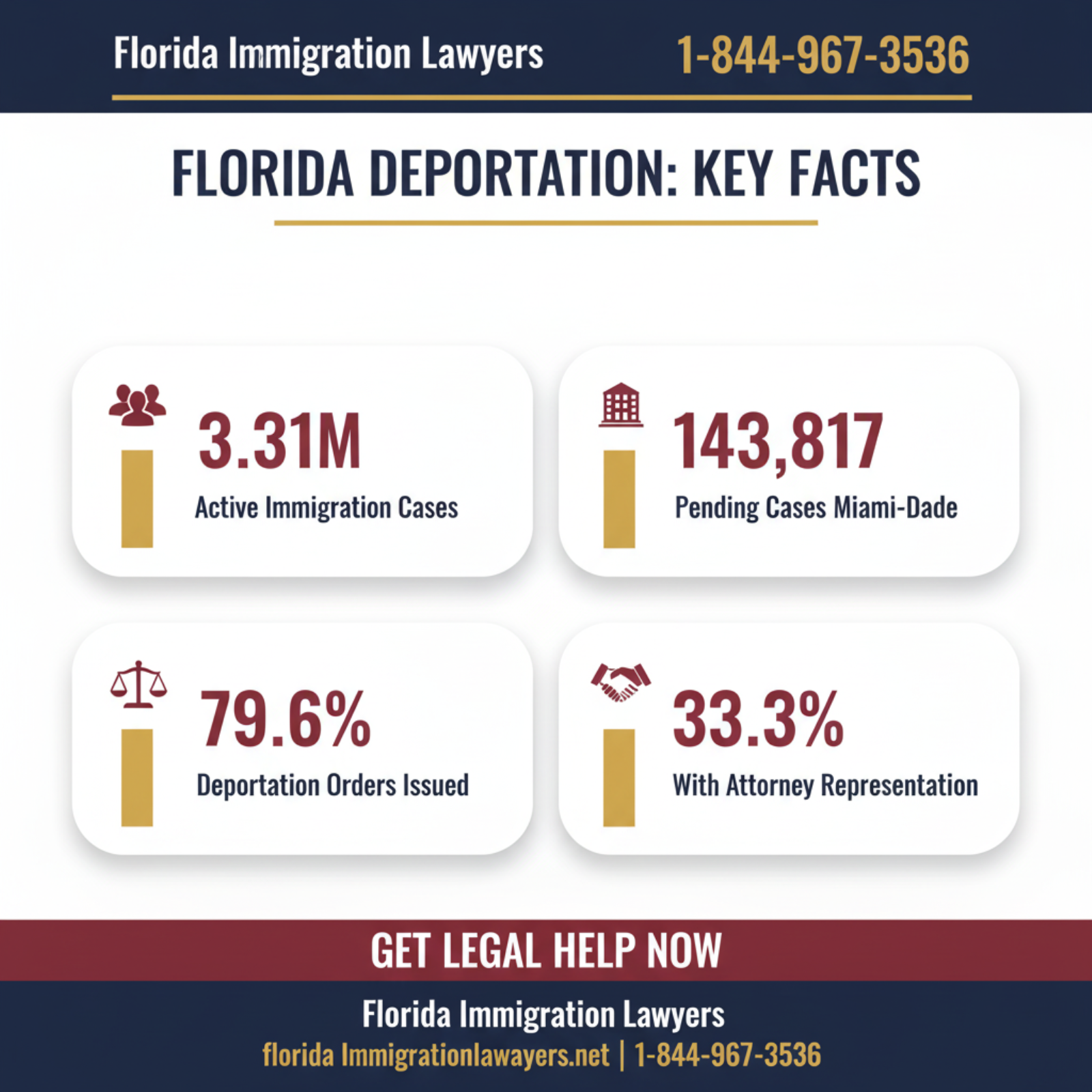
- Florida immigration courts handle a high volume of cases.
- Explore all potential defenses, including asylum and waivers.
Facing deportation can be one of the most frightening experiences imaginable, disrupting lives and separating families. The complexities of immigration law, combined with the emotional toll, make it an overwhelming challenge for many. For those in Florida, particularly around St. Petersburg, understanding your options and rights is the first step towards a strong defense.
The landmark Abrego Garcia deportation Florida case, though occurring in the past, continues to serve as a stark reminder of the importance of due process and competent legal representation in removal proceedings. Its echoes resonate for anyone facing similar challenges in 2026. This article will guide you through the intricacies of deportation defense, offering clarity and actionable advice.
We will cover everything from understanding the legal process to identifying common pitfalls and knowing when to seek professional help. Our goal is to empower you with the knowledge needed to protect your future in the United States. If you or a loved one are facing removal proceedings, do not hesitate. Call Florida Immigration Lawyers at 1-844-967-3536 for a free consultation and let our experienced team help you navigate this difficult time.
Understanding Deportation Proceedings in Florida
Deportation, also known as removal, is the formal process by which the U.S. government orders a non-citizen to leave the country. These proceedings are initiated by U.S. Immigration and Customs Enforcement (ICE) and adjudicated by an immigration judge within the Executive Office for Immigration Review (EOIR).
In Florida, immigration courts in cities like Miami and Orlando handle a significant volume of these cases. Understanding the specific court procedures and local nuances is vital for anyone facing removal. The legal landscape surrounding deportation is constantly evolving, making up-to-date knowledge indispensable.
The Abrego Garcia deportation Florida situation highlighted how critical it is for individuals to have their due process rights respected throughout the removal process. Errors or misinterpretations can have life-altering consequences, underscoring the need for vigilant legal defense. Your ability to remain in the U.S. often hinges on the effective presentation of your case.
Who Can Be Deported?
Many non-citizens, including lawful permanent residents, can face deportation under specific circumstances. Common grounds for removal include:
- Visa overstays or entry without inspection.
- Committing certain criminal offenses.
- Violating the terms of a visa or immigration status.
- Engaging in fraud or misrepresentation to obtain immigration benefits.
- Being deemed a threat to national security or public safety.
It is important to note that even minor infractions can sometimes lead to severe immigration consequences. Consulting with a deportation defense lawyer is essential to assess your specific situation and potential vulnerabilities. We serve individuals throughout Florida, including St. Petersburg and surrounding communities.
The Role of Immigration Courts in Florida
Florida is home to several immigration courts, including the busy Miami Immigration Court and Orlando Immigration Court. These courts are part of the EOIR, an agency within the U.S. Department of Justice. Immigration judges preside over removal proceedings, making decisions based on immigration law and presented evidence.
The jurisdiction for your case typically depends on where you reside or where you were apprehended. Navigating these court systems requires a deep understanding of federal immigration statutes and judicial precedents. An attorney familiar with the specific procedures in Florida's immigration courts can provide invaluable assistance.
Navigating the Deportation Defense Process: A Step-by-Step Guide
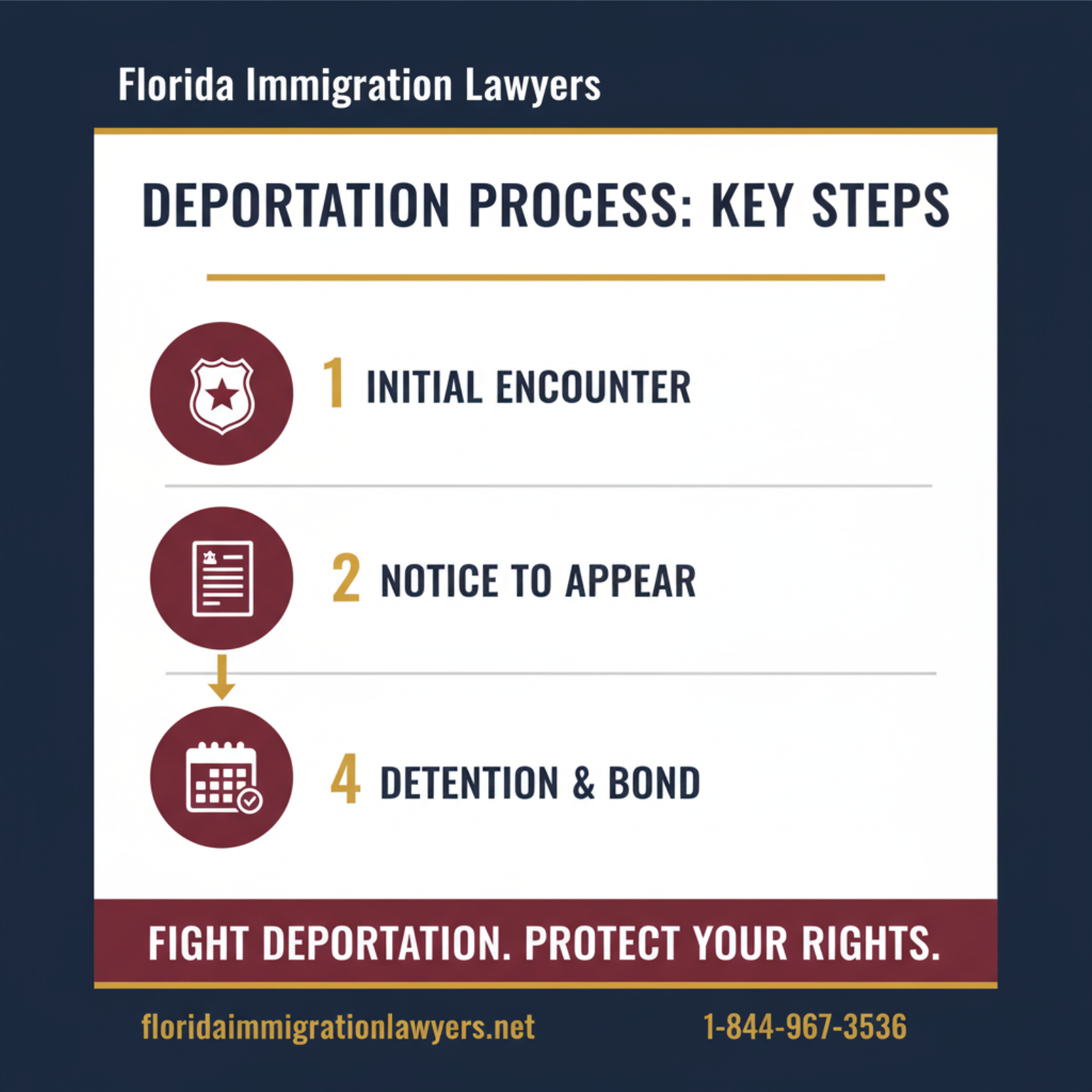
The deportation process can seem daunting, but breaking it down into manageable steps can help you understand what to expect. Each stage presents opportunities for defense, making legal counsel indispensable from the outset. This guide outlines the typical journey through immigration court.
-
Issuance of a Notice to Appear (NTA): The process officially begins when ICE issues a Form I-862, Notice to Appear (NTA). This document details the charges against you and specifies why the government believes you are deportable. It also indicates the date and location of your initial hearing.
Receiving an NTA means you are officially in removal proceedings. It is critical to review the NTA carefully for any inaccuracies and to seek legal advice immediately. This document sets the foundation for your entire case.
-
Master Calendar Hearing: Your first appearance before an immigration judge is called a Master Calendar Hearing. This is a preliminary hearing where the judge confirms your identity, ensures you received the NTA, and explains the charges. You will be asked to admit or deny the allegations and state what forms of relief from removal you intend to seek.
This is not a hearing to present evidence or testimony. It is a procedural step to schedule future hearings and establish the legal framework of your case. Having an attorney present is crucial to ensure your rights are protected and to properly articulate your defense strategy.
-
Filing Applications for Relief: If you are eligible for a form of relief from removal, such as asylum, cancellation of removal, adjustment of status, or a waiver, your attorney will help you prepare and file the necessary applications. Each form of relief has specific eligibility requirements and deadlines.
Examples include Form I-589 for asylum, Form EOIR-42B for non-LPR cancellation of removal, or Form I-485 for adjustment of status. The preparation of these applications is detailed and requires extensive documentation and legal arguments.
-
Individual Hearing: This is the substantive hearing where you and your attorney present your case to the immigration judge. You will have the opportunity to testify, present witnesses, and submit documentary evidence to support your application for relief. The government attorney (ICE counsel) will also present their arguments and may cross-examine you and your witnesses.
The Individual Hearing is a crucial stage, often lasting several hours or even days. It requires meticulous preparation, including gathering all supporting documents, preparing witnesses, and anticipating potential challenges from the government. Your attorney will guide you through this complex process.
-
Judge's Decision: After all evidence and arguments have been presented, the immigration judge will issue a decision. The judge may grant your application for relief, allowing you to remain in the U.S., or deny it, ordering your deportation. The decision is often delivered orally at the end of the Individual Hearing or mailed at a later date.
A favorable decision means you have successfully defended against removal. If the judge denies your relief, you generally have the right to appeal the decision to the Board of Immigration Appeals (BIA).
-
Appeals Process: If the immigration judge denies your case, you typically have 30 days to file an appeal with the Board of Immigration Appeals (BIA). The BIA reviews the judge's decision for legal errors or abuses of discretion. Further appeals can be pursued in federal circuit courts, and in rare cases, to the U.S. Supreme Court.
The appeals process is highly technical and requires specialized legal knowledge. An experienced immigration attorney can assess the merits of an appeal and represent you effectively at this stage. It is important to act quickly, as deadlines are strict.
Essential Documents for Your Deportation Case
Successful deportation defense relies heavily on thorough documentation. Gathering and organizing the right papers can significantly strengthen your case and demonstrate your eligibility for various forms of relief. Your attorney will provide a tailored list, but here are common documents typically required:
- Personal Identification: Passport, birth certificate, national ID card, driver's license, U.S. visa, I-94 arrival/departure record.
- Immigration Records: Copies of all previous immigration applications, petitions, approvals, denials, and correspondence with USCIS or ICE.
- Proof of Entry and Residence: Evidence of your entry into the U.S. and continuous residence, such as utility bills, lease agreements, school records, employment records, tax returns.
- Family Information: Marriage certificate, birth certificates of U.S. citizen or LPR children/spouse, divorce decrees (if applicable), family photographs.
- Financial Records: Bank statements, pay stubs, tax returns, property deeds, evidence of financial support for dependents.
- Criminal History Records: Certified copies of all arrest records, court dispositions, and sentencing documents, even for minor offenses.
- Evidence of Good Moral Character: Letters of support from community members, employers, religious leaders; proof of volunteer work; absence of criminal record.
- Hardship Evidence (if applicable): Medical records, psychological evaluations, school records, or other documents demonstrating extreme hardship to U.S. citizen or LPR family members if you are deported.
- Asylum/Withholding of Removal Evidence: Detailed affidavits, country condition reports, news articles, letters from human rights organizations, medical records if you suffered persecution.
Organizing these documents systematically will save time and ensure that crucial evidence is not overlooked. Always provide originals for your attorney to review, but only submit copies to the court unless specifically requested otherwise. The quality and completeness of your documentation are paramount in any Abrego Garcia deportation Florida type of case.
Timelines and Processing Expectations for Removal Cases
Immigration court timelines are notoriously unpredictable and can vary significantly based on several factors. The volume of cases, the complexity of your defense, the specific immigration court, and the judge's schedule all play a role. It is important to manage expectations and prepare for a potentially lengthy process.
In Florida, immigration courts, particularly in Miami and Orlando, often face substantial backlogs. This means that from your initial Master Calendar Hearing to your final Individual Hearing, months or even years can pass. While this delay can be frustrating, it also provides your legal team with more time to build a robust defense.
Factors Influencing Case Duration:
- Court Backlog: High caseloads in Florida immigration courts contribute to longer wait times.
- Case Complexity: Cases involving criminal convictions, multiple forms of relief, or extensive evidentiary needs often take longer.
- Judge's Schedule: Individual judges have varying schedules and caseloads that can affect hearing dates.
- Appeals: If an appeal to the BIA or federal court is necessary, the process can extend for additional years.
- Government Delays: Sometimes, delays can be caused by the government's need for more time to prepare or gather evidence.
Your attorney will keep you informed about potential timelines and any changes in your case schedule. While patience is required, proactive preparation of documents and consistent communication with your legal team can help streamline the process as much as possible. For those in St. Petersburg, understanding the regional court's expected pace is crucial.
Cost Factors and Legal Fees in Deportation Defense
Understanding the financial aspects of a deportation case is an important part of planning your defense. Legal fees and other associated costs can vary widely depending on the complexity of your case, the forms of relief sought, and the experience of your attorney. It is always best to discuss fees transparently with your legal counsel during your initial consultation.
Typical Costs Associated with Deportation Cases:
- Attorney Fees: These are often the largest component. Attorneys may charge hourly rates or a flat fee for specific stages of the case. More complex cases, especially those involving criminal issues or appeals, will generally incur higher fees.
- Filing Fees: USCIS and EOIR charge fees for certain applications for relief. For example, filing an application for adjustment of status or a motion to reopen may require a fee. These fees are subject to change, so an attorney will advise you on current amounts.
- Expert Witness Fees: In some cases, you may need to hire expert witnesses, such as psychologists to assess hardship or country conditions experts for asylum claims. Their fees can add significantly to the overall cost.
- Translation and Interpretation Fees: If documents need to be translated or an interpreter is required for court hearings, these services will incur additional costs.
- Document Retrieval Fees: Obtaining certified copies of court records, police reports, or medical files may involve fees from the respective agencies.
At Florida Immigration Lawyers, we believe in clear and upfront communication regarding all fees. During your free consultation, we will discuss our fee structure and help you understand the potential costs involved in your specific Abrego Garcia deportation Florida case. We aim to provide affordable yet high-quality legal representation to clients across Florida.
Do not navigate this process alone. Contact Florida Immigration Lawyers today to ensure your rights are protected and your case is handled with the expertise it deserves. Our team is ready to provide the dedicated support you need.
Common Mistakes to Avoid in Deportation Cases
Navigating deportation proceedings is fraught with potential pitfalls. Avoiding common mistakes can significantly improve your chances of a positive outcome. Even seemingly minor errors can have serious, long-lasting consequences for your immigration status.
-
Missing Court Dates: Failing to appear for any scheduled Master Calendar or Individual Hearing can result in an automatic deportation order (in absentia order). This is one of the most detrimental mistakes you can make, making it extremely difficult to reopen your case.
Consequence: An order of removal issued in absentia is very difficult to reverse and can lead to immediate detention and deportation by ICE.
-
Providing False Information: Lying or misrepresenting facts to immigration officials or in court documents can lead to charges of immigration fraud. This can permanently bar you from receiving future immigration benefits.
Consequence: You may be found inadmissible or deportable on grounds of misrepresentation, potentially facing a lifetime ban from the U.S.
-
Failing to Update Your Address: You are legally required to inform USCIS and the immigration court of any change of address within 10 days. Failing to do so means you might not receive important notices, including hearing dates.
Consequence: You could miss a critical hearing, leading to an in absentia deportation order, or miss deadlines for filing applications.
-
Not Seeking Legal Counsel Early: Attempting to represent yourself in immigration court is highly risky. Immigration law is complex, and an attorney can identify defenses and forms of relief you might not know exist.
Consequence: You might miss critical deadlines, fail to present necessary evidence, or inadvertently waive important legal rights, leading to an unfavorable outcome.
-
Overlooking Criminal History: Even minor or old criminal offenses can have significant immigration consequences. Failing to disclose or properly address past arrests or convictions can undermine your credibility and eligibility for relief.
Consequence: Certain criminal convictions can make you ineligible for almost all forms of relief from removal, leading directly to deportation.
-
Not Gathering Sufficient Evidence: A strong case requires compelling evidence. Failing to provide adequate documentation, witness testimony, or expert reports weakens your claims for relief.
Consequence: The immigration judge may rule against you due to insufficient proof of your eligibility for relief, such as asylum or cancellation of removal.
-
Discussing Your Case with ICE Without Counsel: Anything you say to immigration officers can be used against you. Do not answer substantive questions about your immigration status or case without your attorney present.
Consequence: You might inadvertently provide information that strengthens the government's case for your deportation or undermines your defense.
-
Ignoring an Order of Removal: If an immigration judge issues an order of removal, it is legally binding. Ignoring it can lead to detention and forced deportation.
Consequence: You risk immediate apprehension and removal from the U.S., along with potential bars to future re-entry.
-
Re-entering the U.S. After Prior Deportation: Attempting to re-enter the U.S. after being deported, especially without proper authorization, carries severe penalties, including potential felony charges and permanent bars to admission.
Consequence: You could face federal criminal prosecution, lengthy prison sentences, and a lifetime ban from ever legally returning to the U.S.
-
Failing to Understand the Charges: The Notice to Appear (NTA) clearly states the reasons the government believes you are deportable. Not understanding these charges prevents you from mounting an effective defense.
Consequence: You may incorrectly admit to allegations or fail to pursue the most appropriate forms of relief, weakening your overall case.
When to Call a Florida Immigration Lawyer
The complexities of immigration law and the high stakes involved mean that legal representation is almost always advisable in deportation proceedings. While you have the right to represent yourself, doing so can put your future at severe risk. Here are specific scenarios where contacting Florida Immigration Lawyers is not just helpful, but often critical:
- You Received a Notice to Appear (NTA): This is the official start of your deportation case. An attorney can review the charges, identify errors, and begin building your defense immediately.
- You Have a Criminal Record: Certain criminal convictions can make you deportable or ineligible for relief. An attorney can assess the immigration consequences of your criminal history and explore waivers.
- You Are Seeking Asylum or Other Relief: Applications for asylum, cancellation of removal, or waivers are highly complex and require extensive documentation and legal arguments. An attorney can ensure your application is properly prepared and presented.
- Your Case Involves Complex Legal Issues: If your situation involves intricate legal questions, such as prior immigration violations, misrepresentation issues, or unique family circumstances, experienced counsel is essential.
- You Are Detained by ICE: If you or a loved one are in ICE detention, an attorney can work to secure bond, visit you in detention, and explain your options while ensuring your rights are protected.
- You Received an Unfavorable Decision: If an immigration judge orders your deportation, an attorney can evaluate the possibility of an appeal to the Board of Immigration Appeals or federal court.
- You Believe Your Due Process Rights Were Violated: Like in the Abrego Garcia deportation Florida case, procedural errors or rights violations can impact your case. An attorney can identify and challenge these issues.
At Florida Immigration Lawyers, we specialize in deportation defense for individuals across Florida, including St. Petersburg. Our dedicated team is committed to providing compassionate and effective legal representation. We understand the fear and uncertainty you face, and we are here to fight for your right to stay in the U.S.
About Florida Immigration Lawyers
Florida Immigration Lawyers is a leading immigration law firm dedicated to serving individuals and families across the entire state of Florida. With a deep understanding of U.S. immigration laws and a commitment to our clients, we strive to provide exceptional legal representation in all areas of immigration law.
Our experienced attorneys offer a comprehensive range of services, including deportation defense, asylum applications, family-based immigration, business immigration, citizenship and naturalization, and visa assistance. We are passionate about helping our clients achieve their immigration goals and secure their future in the United States.
Why choose Florida Immigration Lawyers? We offer personalized attention, strategic legal advice, and tenacious advocacy. We understand the unique challenges faced by immigrants in Florida and are dedicated to providing empathetic and effective solutions. Our team is available 24/7 for support and offers free consultations to discuss your case.
Contact us today at 1-844-967-3536 or visit our website at https://www.floridaimmigrationlawyers.net. Let us be your trusted partner in navigating the complexities of immigration law.
Sources and References
- U.S. Citizenship and Immigration Services (USCIS)
- Executive Office for Immigration Review (EOIR)
- U.S. Department of State - Bureau of Consular Affairs
- 8 U.S.C. Chapter 12 - Immigration and Nationality Act (INA)
- INA Section 240 (8 U.S.C. § 1229a) - Removal Proceedings Generally
- 8 CFR Part 240 - Proceedings to Determine Deportability or Inadmissibility
This article provides general legal information and is not intended as legal advice. Every case is unique, and outcomes depend on specific facts and circumstances. Contact an attorney for advice about your particular situation.
Your future in the U.S. is too important to leave to chance. If you are facing deportation or have questions about your immigration status, do not wait. Our experienced team at Florida Immigration Lawyers is here to provide the expert legal guidance and representation you need.
Take the first step towards securing your future. Call Florida Immigration Lawyers today at 1-844-967-3536 for a free, confidential consultation. Se Habla Español - Estamos aquí para ayudarle.
Do Not Navigate This Process Alone
Our experienced immigration attorneys are ready to fight for you. Get a free, confidential consultation today.
Se Habla Español
Frequently Asked Questions
Florida Immigration Lawyers
Immigration Attorney | Founder, Vasquez Law Firm
U.S. Air Force veteran and immigration attorney with thousands of cases resolved. J.D., NCCU School of Law. AILA member. Admitted to the 4th, 5th, and 11th Circuit Courts.
Available 24/7 - Free Evaluations
Related Legal Services
Our Florida immigration attorneys can help you with family immigration services, immigration practice areas and free immigration consultation. Call today at 1-844-967-3536 for a free consultation.
Related Links
Related Topics
Free Legal Consultation
Discuss your case with our experienced attorneys. We're available 24/7.
Se Habla Español - Estamos aquí para ayudarle.
Related Articles
Immigration Attorney in Gainesville: Your North Florida Guide
Finding an immigration attorney in Gainesville, North Florida, can be crucial for your immigration journey. Learn how experienced lawyers can guide you through complex processes and help you avoid common pitfalls. Call Florida Immigration Lawyers at 1-844-967-3536 for expert assistance.
E-2 Visa Guide for Investors in Florida | VLF Florida
Discover how to obtain an E-2 investor visa for your business in St. Petersburg, Florida. Learn the steps, requirements, and how Florida Immigration Lawyers can assist you.
Immigration Attorney Orlando Florida: Expert Visa Help
Facing immigration challenges in Orlando, Florida? Discover how an experienced immigration attorney can assist with visas, green cards, and deportation defense. Call Florida Immigration Lawyers at 1-844-967-3536 for a free consultation.
Green Card Renewal Process in Florida Explained | VLF Florida
Renew your green card in Naples, Florida, by understanding the essential steps and avoiding common mistakes. Learn more about the process and get professional assistance from Florida Immigration Lawyers.
