Abrego Garcia Deportation: Florida Immigration Defense in 2026
Understanding Abrego Garcia deportation is crucial for non-citizens in Florida. This legal precedent means that state expungements or vacated convictions may not prevent deportation under federal immigration law. If you have a past criminal record and are facing removal proceedings, especially in St. Petersburg or the surrounding Florida areas, expert legal defense is essential. This article delves into the implications of Abrego Garcia, outlines defense strategies, lists necessary documentation, and explains the immigration court process. Learn how Florida Immigration Lawyers can provide the dedicated legal support you need to protect your rights and future. Contact us for a free consultation.
The Matter of Abrego Garcia is a crucial legal precedent impacting non-citizens in Florida facing deportation due to criminal convictions, even those expunged under state law. It redefines what constitutes a "conviction" for immigration purposes, often overriding state-level relief. Understanding this complex area is vital for your defense in 2026.
- Abrego Garcia defines "conviction" for immigration.
- It affects non-LPRs with criminal histories.
- State expungements may not prevent deportation.
- Legal defense requires specialized knowledge.
- Consult a Florida immigration lawyer immediately.
Abrego Garcia Deportation: Florida Immigration Defense in 2026
Facing the prospect of deportation is one of the most frightening experiences for any non-citizen in Florida. This fear intensifies when your past criminal record, even one you believed was resolved, becomes the basis for removal proceedings. In 2026, understanding the nuances of immigration law, particularly precedents like the Matter of Abrego Garcia, is more critical than ever.
This comprehensive guide will explain the complexities of Abrego Garcia deportation, its impact on individuals in Florida, and the crucial defense strategies available. We will navigate the legal landscape, discuss essential documentation, and highlight the importance of expert legal representation. Do not face this challenge alone.
Call Florida Immigration Lawyers at 1-844-967-3536 for a free consultation. Our team is ready to provide the dedicated support and legal guidance you need right here in Florida.
What is Abrego Garcia and How Does it Impact Florida Immigrants?
The Matter of Abrego Garcia, 21 I&N Dec. 496 (BIA 1996), is a landmark decision by the Board of Immigration Appeals (BIA). This ruling clarified the definition of a "conviction" for immigration purposes. It holds that a conviction remains valid under federal immigration law even if a state court has expunged, vacated, or otherwise modified it for rehabilitative reasons.
This precedent significantly impacts non-citizens in Florida who have past criminal records. Many individuals might believe their record is clear after a state expungement. However, Abrego Garcia dictates that for immigration purposes, the conviction still stands, potentially making them deportable.
For Florida's diverse immigrant population, particularly in areas like St. Petersburg and the wider Tampa Bay region, this can be a devastating realization. A conviction that seemed resolved years ago can suddenly trigger removal proceedings. It underscores the critical difference between state criminal law and federal immigration law.
Understanding the specifics of how your past conviction interacts with Abrego Garcia is the first step in building a robust defense. This complex legal interpretation requires a deep understanding of both criminal and immigration statutes.
Criminal Grounds for Deportation and Abrego Garcia
Immigration law specifies various criminal grounds that can lead to a non-citizen's deportation. These grounds are outlined in the Immigration and Nationality Act (INA), specifically Section 237(a)(2), codified at 8 U.S.C. § 1227(a)(2). Common categories include crimes involving moral turpitude (CIMT) and aggravated felonies.
The Abrego Garcia ruling directly intersects with these criminal grounds. If a state conviction falls under one of these deportable offenses, Abrego Garcia ensures that it is still considered a "conviction" for immigration purposes. This holds true even if state law has granted some form of post-conviction relief, such as an expungement or vacatur.
For example, a non-citizen in Florida convicted of a drug offense that qualifies as an aggravated felony might have had their conviction expunged years later. However, under Abrego Garcia, immigration authorities like ICE and immigration courts will still view this as a conviction. This makes the individual deportable.
The federal nature of immigration law often overrides state criminal justice outcomes in this context. This creates a challenging situation for many immigrants in Florida, who may not be aware of this crucial distinction until they receive a Notice to Appear (NTA) in immigration court.
Defending Against Abrego Garcia Deportation in Florida Courts
Defending against an Abrego Garcia deportation case requires a sophisticated legal strategy. One primary approach involves challenging whether the original criminal conviction truly qualifies as a deportable offense under the INA. This might involve a detailed analysis of the criminal statute under which you were convicted.
Attorneys often examine the "divisibility" of a criminal statute. If a statute is divisible, meaning it criminalizes both conduct that is a deportable offense and conduct that is not, then the immigration court must look at the record of conviction to determine which part of the statute applies to your specific case. This can be a complex and highly technical legal argument.
Even if the conviction stands, there may be avenues for relief from removal. These can include applying for cancellation of removal for nonpermanent residents under INA 240A(b) (8 U.S.C. § 1229b(b)), or other waivers of inadmissibility/deportability. Eligibility for such relief depends on various factors, including your length of residence, family ties, and good moral character.
The role of an experienced deportation lawyer in St. Petersburg or elsewhere in Florida is paramount. They understand the specific challenges posed by Abrego Garcia, the local immigration courts in Orlando and Miami, and the judges who preside over these cases. Your lawyer will work to identify all possible defenses and forms of relief applicable to your unique situation.
Essential Documents for Your Deportation Defense
Preparing a strong defense against Abrego Garcia deportation requires thorough documentation. Gathering all necessary records promptly is crucial for your case. Missing or incomplete documents can significantly delay or jeopardize your defense.
- Notice to Appear (NTA): This is the charging document that initiates removal proceedings. Ensure you have the original and all subsequent court notices.
- Certified Criminal Court Records: Obtain certified copies of your entire criminal history. This includes judgments, sentencing orders, plea agreements, and trial transcripts. These documents are vital for analyzing the nature of your conviction under immigration law.
- Personal Identification: Provide copies of your birth certificate, passport, driver's license, and any previous immigration documents. These establish your identity and immigration history.
- Proof of Residence in Florida: Gather utility bills, lease agreements, property deeds, and tax returns that demonstrate your continuous physical presence in Florida. This is often crucial for establishing eligibility for certain forms of relief.
- Evidence of Strong Ties to the Community: Collect employment history, letters from employers, tax returns, and affidavits from family members, friends, and community leaders. These documents highlight your integration and contributions to your Florida community.
- Affidavits from Character Witnesses: Statements from individuals who can attest to your good moral character and rehabilitation efforts are highly valuable. They can help paint a complete picture of your life beyond the conviction.
- Any Prior Immigration Applications or Decisions: Include records from USCIS, ICE, or previous immigration court proceedings. This provides a complete overview of your immigration journey.
- Medical Records: If you or a qualifying family member has a serious medical condition, these records might be relevant for humanitarian relief arguments.
Your immigration attorney will help you identify and organize these critical documents. They will ensure that everything is properly submitted to the immigration court and ICE.
Navigating the Immigration Court Process and Timelines
The immigration court process for deportation cases, especially those involving complex issues like Abrego Garcia, follows a structured but often lengthy path. Understanding each stage and the general timelines involved can help you prepare for what lies ahead.
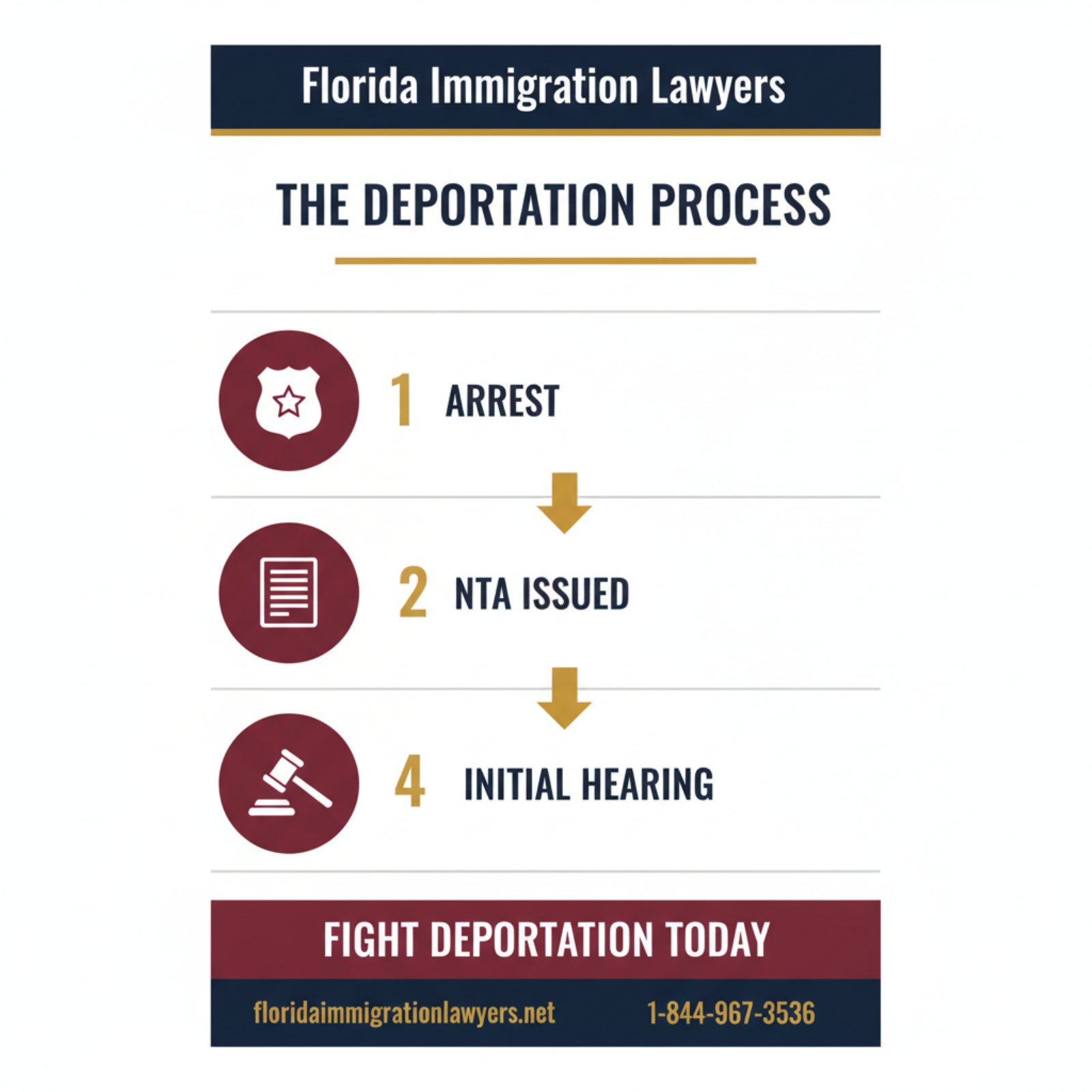
- Receiving the Notice to Appear (NTA): This official document from the Department of Homeland Security (DHS) outlines the charges against you and schedules your initial court date, known as the Master Calendar Hearing.
- Master Calendar Hearing: This is typically the first appearance before an Immigration Judge. You will acknowledge the NTA, state whether you admit or deny the charges, and identify any forms of relief from removal you intend to pursue. Bond may also be addressed at this stage.
- Individual Hearing (Merits Hearing): This is your actual "trial." During this hearing, you and your attorney will present evidence, call witnesses, and offer legal arguments to support your defense or application for relief. The DHS attorney will also present their case.
- Decision by the Immigration Judge: After the Individual Hearing, the Immigration Judge will issue a decision. They may grant relief, terminate proceedings, or order you removed from the U.S.
- Appeals: If either you or the DHS attorney disagrees with the Immigration Judge's decision, an appeal can be filed with the Board of Immigration Appeals (BIA). Further appeals can be pursued in the federal circuit courts, such as the Eleventh Circuit Court of Appeals for cases originating in Florida.
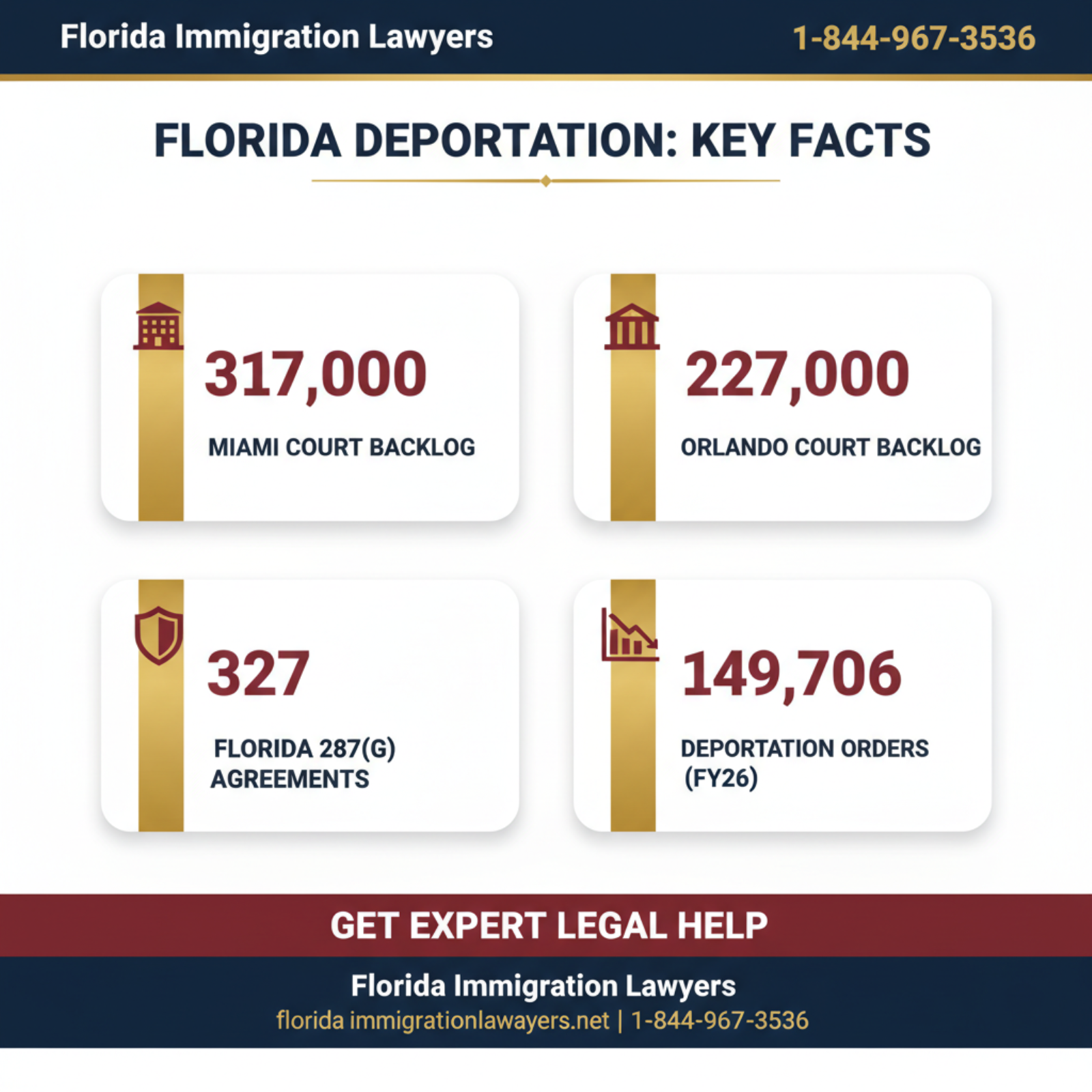
Timelines for these cases are highly variable. Factors influencing the duration include the backlog at Florida's immigration courts (primarily in Orlando and Miami), the complexity of your specific case, the judge's calendar, and whether appeals are filed. It is not uncommon for deportation cases to take months, or even several years, to resolve. Consistent legal representation is crucial throughout this extended process.
Understanding Costs and Legal Fees for Deportation Cases
Navigating an Abrego Garcia deportation case involves various costs, and it is important to understand these financial aspects upfront. Legal fees represent a significant portion of these expenses, covering the specialized knowledge and extensive work required for these complex cases.
Legal fees can be structured in different ways. Some attorneys may offer flat fees for specific stages of the deportation process, providing predictability. Others may work on an hourly basis, particularly for cases that involve extensive research, litigation, or appeals. The total legal fee will depend on the complexity of your case, the amount of time required, and the experience of your attorney.
Beyond legal representation, you may incur government filing fees. While there are typically no filing fees for the deportation proceedings themselves, if you apply for certain forms of relief from removal, such as a waiver or cancellation of removal, USCIS or EOIR may require a filing fee. These fees are subject to change, so specific amounts are not provided here.
Additional costs can include obtaining certified criminal records from state courts, which often have their own fees. Translation services for documents not in English, expert witness fees if needed, and travel expenses for court appearances can also add to the overall expense. A transparent Florida immigration law firm will discuss all potential costs with you during your initial consultation.
Do not navigate this process alone. The stakes are incredibly high when facing Abrego Garcia deportation. Contact Florida Immigration Lawyers today to secure experienced legal guidance and support.
Common Mistakes to Avoid in Abrego Garcia Deportation Cases
- Ignoring the Notice to Appear (NTA): Failing to attend your scheduled Master Calendar Hearing can result in an order of removal in absentia. This means you are ordered deported without even being present in court, making it extremely difficult to reopen your case.
- Believing an Expungement Guarantees Safety: A critical mistake is assuming that a state-level expungement or vacatur of a conviction automatically protects you from deportation. As the Abrego Garcia precedent demonstrates, federal immigration law often disregards such state relief.
- Failing to Disclose Full Criminal History: It is crucial to be completely transparent with your immigration attorney about all past arrests and convictions, no matter how minor or old. Omitting details can severely undermine your defense and damage your credibility.
- Representing Yourself Without Legal Counsel: Immigration law is incredibly complex and constantly evolving, especially concerning criminal grounds for deportability. Attempting to navigate these proceedings without an experienced attorney significantly reduces your chances of a favorable outcome.
- Not Gathering Certified Criminal Records: Uncertified copies of criminal court documents are generally inadmissible in immigration court. Failing to provide certified judgments, plea agreements, and dispositions can weaken your defense.
- Missing Deadlines for Filings or Appeals: Immigration court operates on strict deadlines. Missing a filing deadline for an application for relief or an appeal can lead to the permanent loss of crucial legal opportunities, often without recourse.
- Providing Inconsistent Information: Any discrepancies in your testimony or documentation can damage your credibility with the Immigration Judge and DHS attorney. Always strive for accuracy and consistency.
- Not Exploring All Forms of Relief: Many individuals may be eligible for various forms of relief from removal, such as cancellation of removal or waivers. An attorney can help identify and apply for all applicable options.
- Failing to Update Contact Information with EOIR: If you move or change your phone number, you must promptly update your contact information with the Executive Office for Immigration Review (EOIR). Missing critical mail can lead to adverse decisions.
- Assuming a Criminal Defense Attorney Can Handle Immigration: While criminal and immigration law intersect, they are distinct specialties. A criminal defense attorney may not have the in-depth knowledge of immigration law needed to defend against deportation.
- Poor Conduct or Lack of Respect in Court: Maintaining a respectful demeanor and following court rules is essential. Your conduct can influence the Immigration Judge's perception of your character.
- Falling Victim to Notario Fraud: Be wary of individuals who are not licensed attorneys offering immigration services. Only a qualified and licensed attorney can provide legal advice and represent you in immigration court.
When to Call a Florida Immigration Lawyer for Abrego Garcia Cases
The complexities of Abrego Garcia deportation cases demand immediate and expert legal attention. Knowing when to seek help from a qualified Florida immigration lawyer can be the difference between staying in the U.S. and facing removal.
You should contact Florida Immigration Lawyers if you receive a Notice to Appear (NTA) or any communication from ICE or USCIS related to past criminal convictions. This is a clear indicator that your immigration status is at risk, and you need professional guidance.
Furthermore, if you are a non-citizen and currently facing new criminal charges, even seemingly minor ones, consult an immigration attorney immediately. Even a misdemeanor can have significant immigration consequences under Abrego Garcia. Do not wait for a conviction to seek advice.
If you have a past conviction that was expunged, vacated, or otherwise resolved under state law, but you are concerned about its potential impact on your immigration status, it is prudent to seek legal counsel. Proactive legal analysis can help you understand your risks and options.
Our team at Florida Immigration Lawyers specializes in deportation defense, including cases complicated by the Abrego Garcia precedent. We are here to assess your eligibility for waivers or other forms of relief from removal. Your future in Florida depends on informed and timely action.
Do not hesitate. Contact us today to discuss your situation and explore your legal options. Our experienced attorneys are dedicated to protecting your rights and helping you navigate these challenging circumstances.
About Florida Immigration Lawyers
Florida Immigration Lawyers is a leading law firm dedicated to providing exceptional immigration legal services across the entire state of Florida. With a deep understanding of complex immigration laws, including deportation defense and the nuances of BIA precedents like Abrego Garcia, our firm is committed to protecting the rights and futures of our clients.
We offer comprehensive legal representation for a wide range of immigration matters, from family-based petitions and business immigration to asylum claims and removal proceedings. Our experienced attorneys provide personalized, compassionate, and aggressive advocacy, ensuring that every client receives the highest quality legal support.
We pride ourselves on our client-focused approach, offering transparent communication and a commitment to achieving the best possible outcomes. When you choose Florida Immigration Lawyers, you gain a dedicated partner who understands the unique challenges faced by immigrants in Florida.
Contact us 24/7 for a free consultation at 1-844-967-3536 or visit our website at https://www.floridaimmigrationlawyers.net. Se Habla Español.
Sources and References
- U.S. Citizenship and Immigration Services (USCIS)
- Executive Office for Immigration Review (EOIR)
- Matter of Abrego Garcia, 21 I&N Dec. 496 (BIA 1996)
- 8 U.S.C. Chapter 12 - Immigration and Nationality Act (INA)
- 8 U.S.C. § 1227(a)(2) - Deportable Aliens, Criminal Offenses
- 8 U.S.C. § 1229b(b) - Cancellation of Removal for Nonpermanent Residents
This article provides general legal information and is not intended as legal advice. Every case is unique, and outcomes depend on specific facts and circumstances. Contact an attorney for advice about your particular situation.
If you or a loved one is facing Abrego Garcia deportation or any immigration challenge in Florida, do not wait. Your future is too important. Call Florida Immigration Lawyers today for a free consultation at 1-844-967-3536. Se Habla Español - Estamos aquí para ayudarle.
Florida Immigration Lawyers
Legal Team
Our experienced attorneys at Florida Immigration Lawyers have been serving clients across Florida for over 20 years. We specialize in immigration, personal injury, criminal defense, workers compensation, and family law.