Visa Bulletin October 2025: Florida Immigration Insights & Updates
The Visa Bulletin October 2025 is a critical update for Florida residents pursuing U.S. permanent residency. This guide from Florida Immigration Lawyers explains what the bulletin means for family-sponsored and employment-based visas, distinguishing between Final Action Dates and Dates for Filing. Learn about the step-by-step application process, essential documents, and expected timelines for USCIS processing. We also highlight common mistakes to avoid and when professional legal assistance is crucial. With the new fiscal year beginning, understanding these changes is vital for anyone in Hialeah or across Florida hoping to adjust their status or apply for an immigrant visa. Contact us for a free consultation to navigate your immigration journey.
The Visa Bulletin October 2025 marks the start of the new fiscal year for U.S. immigration, often bringing significant movement in immigrant visa availability. It details the "Final Action Dates" and "Dates for Filing Applications" for various family-sponsored and employment-based categories, crucial for Florida residents seeking to adjust their status or apply for an immigrant visa through consular processing.
- October 2025 often sees advancements in visa categories.
- Distinguish between Final Action Dates and Dates for Filing.
- Priority dates determine when you can apply for a visa or adjust status.
- Consulting an immigration lawyer is vital for complex cases.
- Florida residents must monitor the bulletin closely for application eligibility.
Navigating the complex world of U.S. immigration can feel overwhelming, especially when your future depends on understanding intricate documents like the Visa Bulletin. For many families and professionals across Florida, from Hialeah to Jacksonville, the release of the Visa Bulletin October 2025 is a highly anticipated event. This crucial publication dictates when aspiring immigrants can take the next steps in their journey toward permanent residency.
At Florida Immigration Lawyers, we understand the profound impact these updates have on your life. This comprehensive guide will break down the October 2025 Visa Bulletin, explain its implications for Florida residents, and provide actionable insights to help you understand your options. We are here to simplify the process and offer expert guidance. Call Florida Immigration Lawyers at 1-844-967-3536 for a free consultation today.
Understanding the Visa Bulletin October 2025 for Florida Residents
The U.S. Department of State (DOS) releases the Visa Bulletin monthly, providing critical information on the availability of immigrant visas. The Visa Bulletin October 2025 is particularly significant because it kicks off a new fiscal year. This can often lead to the reallocation of unused visa numbers from the previous year, potentially advancing priority dates for many categories.
This bulletin is essential for anyone applying for a green card through family-sponsored or employment-based preference categories, whether you are adjusting status within the U.S. or applying for an immigrant visa abroad. Understanding its nuances is key to knowing when you can file your application. Ignoring these dates can lead to significant delays or even application rejections.
Key Categories Affected in October 2025
The Visa Bulletin divides immigrant visas into various preference categories based on family relationships or employment sponsorship. Each category, and often each country, has its own set of priority dates. These dates indicate when an immigrant visa number becomes available for a particular applicant.
For family-sponsored preferences, categories include spouses and unmarried children of lawful permanent residents (F2A), adult children of U.S. citizens (F1), and siblings of U.S. citizens (F4), among others. Employment-based preferences range from individuals with extraordinary abilities (EB-1) to skilled workers and professionals (EB-2 and EB-3). The availability of these visas is limited by annual quotas, as outlined in the Immigration and Nationality Act (INA) sections 201-203. You can find more details on visa categories on the official Travel.State.Gov Visa Bulletin page.
Final Action Dates vs. Dates for Filing Applications
The Visa Bulletin presents two charts for most preference categories: "Final Action Dates" and "Dates for Filing Applications." The Final Action Dates chart indicates when a visa can actually be issued or when an adjustment of status application can be approved. This means your priority date must be earlier than the date listed in your category and country of chargeability.
The Dates for Filing Applications chart, on the other hand, allows certain applicants to file their adjustment of status application with USCIS earlier. This is often referred to as the "Cinderella date" because it can allow you to file even if your final action date is not yet current. USCIS determines monthly whether applicants can use the "Dates for Filing" chart or must use the "Final Action Dates" chart for adjustment of status applications. Always check the USCIS website for their specific guidance each month.
Step-by-Step Guide to Navigating the Visa Bulletin and Your Application
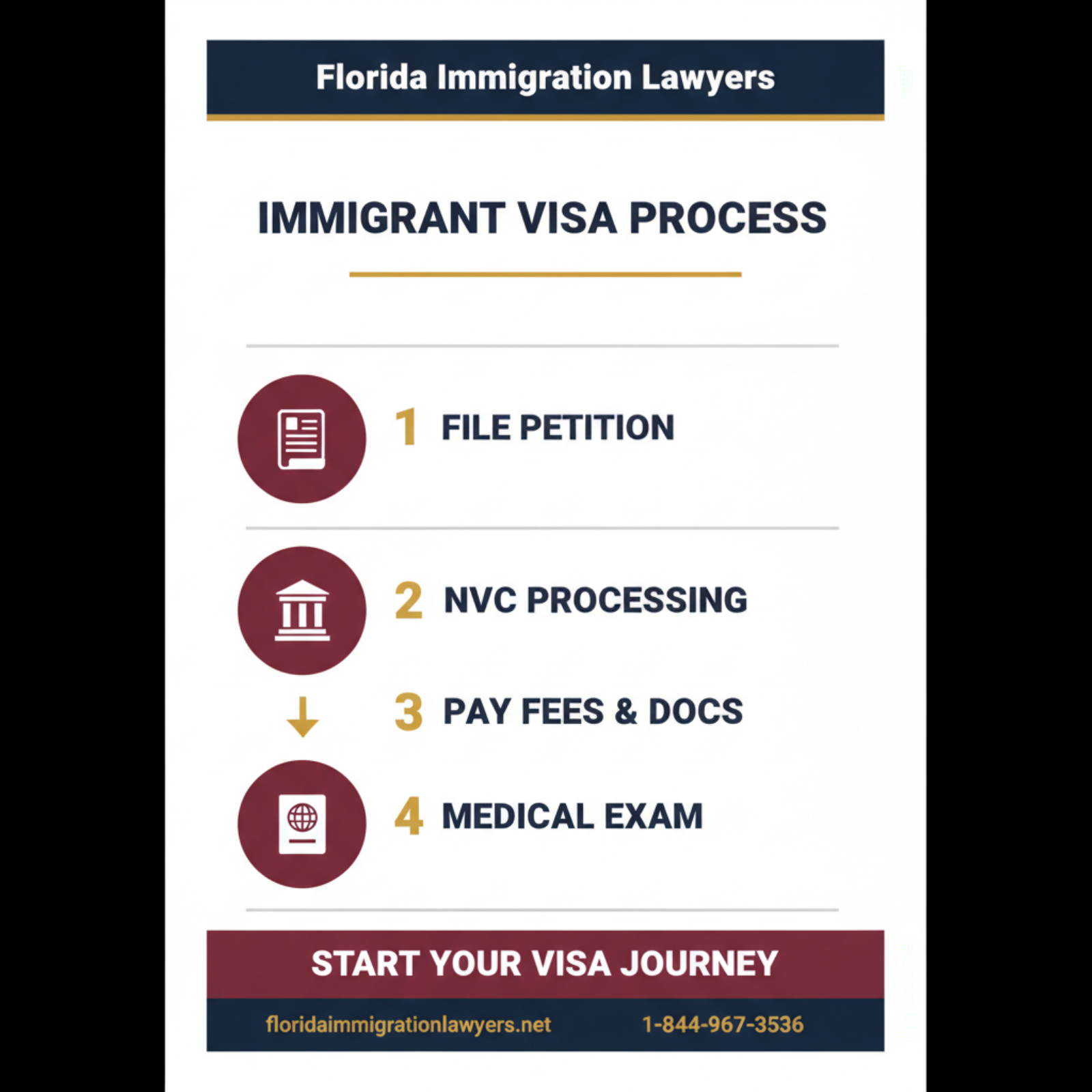
Understanding the Visa Bulletin October 2025 is just the first step. Here is a simplified guide to help you navigate the process once you've identified your eligibility.
-
Identify Your Visa Category and Priority Date: Your visa category is determined by the type of petition filed on your behalf (e.g., I-130 for family, I-140 for employment). Your priority date is the date your petition was properly filed with USCIS or the Department of Labor (if applicable). This date is crucial for tracking your place in the visa queue.
-
Check the Latest Visa Bulletin: Each month, review the Visa Bulletin October 2025 (and subsequent months) on the Travel.State.Gov website. Locate your specific visa category and country of chargeability. Determine which chart, Final Action Dates or Dates for Filing Applications, USCIS has indicated for use that month.
-
Determine if Your Priority Date is Current: Compare your priority date with the date listed in the relevant chart for your category and country. If your priority date is earlier than the listed date, your date is "current," and you may be eligible to proceed with your application. If your date is marked with a "C," it means current, and visas are immediately available.
-
Prepare Your Application: If your date is current, you can prepare your application for adjustment of status (Form I-485) if you are in the U.S., or for an immigrant visa through consular processing (Form DS-260) if you are abroad. This involves gathering numerous documents and accurately completing complex forms. For those in Florida, our firm can assist with applications filed with the USCIS Miami Field Office, Orlando Field Office, or Tampa Field Office.
-
File Your Application: Submit your completed application package, along with all required supporting documents and fees, to the appropriate USCIS lockbox facility or U.S. embassy/consulate. Ensure all forms are signed and all fees are included to avoid rejection. This is a critical step in the process, and errors can cause significant delays.
-
Attend Biometrics and Interview: After filing, you will typically receive an appointment for biometrics (fingerprints and photos). Later, you will be scheduled for an interview with a USCIS officer or a consular officer. This interview is a crucial part of the process where you will answer questions about your application and eligibility. Legal representation at interviews can be highly beneficial.
-
Receive a Decision: Following your interview, a decision will be made on your application. If approved, you will either receive your green card or your immigrant visa to enter the U.S. as a lawful permanent resident. If denied, you will receive a notice explaining the reasons, and you may have options to appeal or refile.
Essential Document Checklist for Adjustment of Status or Immigrant Visa
Regardless of whether you are adjusting status or undergoing consular processing, a robust set of documents is required. Missing or incorrect documents can significantly delay your case.
- Form I-485, Application to Register Permanent Residence or Adjust Status: (If adjusting status in the U.S.)
- Form DS-260, Immigrant Visa Application: (If consular processing abroad)
- Copy of Birth Certificate: For all applicants.
- Copy of Valid Passport: For all applicants.
- Form I-693, Report of Medical Examination and Vaccination Record: Completed by a USCIS-approved civil surgeon.
- Form I-864, Affidavit of Support: From the petitioner and any joint sponsors, with supporting financial documents. (See 8 CFR 213a)
- Police Certificates: From countries where you have lived. (For consular processing)
- Copy of Marriage Certificate: If applicable, for spouse and step-child petitions.
- Passport-style Photographs: As required by USCIS or Department of State.
- Employment Letters/Job Offer: If applying under an employment-based category.
- Proof of Lawful Entry and Immigration Status: (e.g., I-94, visa stamps)
- Criminal History Records: If any arrests or convictions.
Visa Bulletin October 2025: Timeline and Processing Expectations
The processing times for immigrant visa applications can vary widely, influenced by factors like the specific visa category, the country of origin, and the current USCIS or consular caseload. While the Visa Bulletin October 2025 indicates eligibility, it does not guarantee immediate processing.
USCIS generally provides estimated processing times for various forms on its website. These times can fluctuate, and it's important to understand that they are estimates, not guarantees. The new fiscal year beginning in October can sometimes lead to an initial surge in applications, potentially affecting processing speeds. You can check current processing times on the USCIS Processing Times page.
Florida-Specific Processing Considerations
For Florida residents, your application will typically be processed through one of the USCIS field offices in the state, such as Miami, Orlando, or Tampa. The workload at these specific offices can also influence local processing times. Hialeah, a vibrant community in South Florida with a significant immigrant population, often sees a high volume of immigration cases, which can sometimes impact local service center efficiency.
Additionally, if your case involves any complexities, such as prior immigration violations or a need for waivers, your processing time may be longer. The Executive Office for Immigration Review (EOIR) also has immigration courts in Florida, including Miami, Orlando, and Bradenton, which handle removal proceedings. Any overlap with these proceedings can add significant time to your case.
Cost Factors and Fee Breakdown for Immigrant Visa Applications
Applying for an immigrant visa involves various fees that can add up. It's crucial to budget for these expenses to avoid delays in your application. While specific amounts change, the types of fees generally remain consistent.
These typically include filing fees for the primary petition (e.g., Form I-130, I-140), the application for adjustment of status (Form I-485) or immigrant visa (Form DS-260), biometrics services, and medical examinations. The Department of State also charges immigrant visa processing fees for consular cases. Always check the official USCIS and Department of State websites for the most current fee schedules, as these are subject to change without notice.
Avoiding Unnecessary Expenses and Scams
Be wary of unauthorized individuals or services promising expedited processing or guaranteed outcomes for your visa bulletin october 2025 application. Such claims are often fraudulent and can lead to financial loss and severe damage to your immigration case. Only licensed attorneys or accredited representatives should provide immigration legal advice.
Paying excessive fees for basic services or falling victim to scams can be devastating. Always verify the credentials of anyone offering immigration assistance. Florida Immigration Lawyers provides transparent fee structures and ethical legal representation, ensuring you receive honest and professional service. We prioritize your legal safety and financial well-being throughout your immigration journey.
Do not navigate this process alone. Contact Florida Immigration Lawyers today.
Common Mistakes to Avoid When Filing Your Immigration Application
-
Misinterpreting the Visa Bulletin: Incorrectly reading the Final Action Dates or Dates for Filing can lead to premature filing or missed opportunities. Filing too early when your date is not current will result in rejection.
-
Missing Filing Deadlines: For certain categories, priority dates may advance rapidly and then retrogress. Failing to file promptly when your date is current can mean waiting months or even years for another opportunity.
-
Incomplete or Inaccurate Forms: Even minor errors or omissions on forms like I-485 or DS-260 can lead to Requests for Evidence (RFEs) or outright denials. USCIS is very strict about form completion.
-
Insufficient Supporting Documentation: Not providing all required documents, or submitting documents that are not properly translated or certified, can cause significant delays. Each item on the checklist is critical.
-
Failing to Disclose All Immigration History: Attempting to hide past immigration violations, arrests, or denials, even minor ones, can be considered misrepresentation and lead to a permanent bar from the U.S. Honesty is paramount.
-
Not Updating Your Address with USCIS: If you move, failing to update your address promptly with USCIS (Form AR-11) can result in missed notices, interview appointments, or RFEs, which can severely jeopardize your case.
-
Ignoring Requests for Evidence (RFEs) or Notices of Intent to Deny (NOIDs): These notices require a timely and comprehensive response. Ignoring them or responding inadequately almost always leads to denial.
-
Traveling Internationally Without Advance Parole: If you have a pending adjustment of status application, leaving the U.S. without an approved Advance Parole document can be considered abandonment of your application, unless you have certain nonimmigrant visas.
-
Not Seeking Legal Counsel for Complex Cases: While some cases seem straightforward, legal intricacies can arise. Attempting to navigate complicated situations without an attorney often leads to costly errors.
-
Misunderstanding the Public Charge Rule: While the 2019 Public Charge Rule was rescinded, applicants must still demonstrate they are not likely to become a public charge under the historical interpretation of the law (INA 212(a)(4)), typically through the Affidavit of Support.
When to Call a Lawyer: Navigating Complex Florida Immigration Cases
While this guide provides general information about the Visa Bulletin October 2025 and the application process, immigration law is incredibly complex. There are many scenarios where the expertise of an experienced immigration attorney, particularly one familiar with Florida-specific nuances, becomes indispensable.
You should consider contacting Florida Immigration Lawyers if you:
- Have a complicated immigration history, including previous visa denials or overstays.
- Have any criminal record, no matter how minor, which could impact your admissibility.
- Are facing deportation or removal proceedings in a Florida immigration court (Deportation Defense).
- Are unsure about which visa category applies to you or how to interpret the Visa Bulletin for your specific country of birth.
- Have received a Request for Evidence (RFE) or a Notice of Intent to Deny (NOID) from USCIS.
- Need assistance with complex family-based petitions (Family Immigration) or business immigration matters (Business Immigration).
- Are considering an asylum claim (Asylum) or other humanitarian relief.
- Are applying for U.S. citizenship (Citizenship) and have concerns about your eligibility.
- Are seeking an immigration solution in Florida and need personalized legal advice.
Our attorneys at Florida Immigration Lawyers are well-versed in the latest immigration laws and policies. We can help you understand your options, prepare a thorough application, and represent your interests effectively. Do not risk your future by attempting to navigate these challenges alone.
About Florida Immigration Lawyers
Florida Immigration Lawyers is a leading immigration law firm dedicated to serving individuals and families across the entire state of Florida. With years of experience and a deep understanding of U.S. immigration law, our compassionate and skilled legal team is committed to providing exceptional representation and personalized service.
We offer a wide range of immigration services, including family-based petitions, employment visas, adjustment of status, naturalization, deportation defense, and asylum claims. Our mission is to guide our clients through every step of their immigration journey, offering clarity, support, and tenacious advocacy.
Why choose Florida Immigration Lawyers? We are available 24/7 to address your urgent needs, and we offer free consultations to discuss your case without obligation. Our bilingual team ensures that language is never a barrier to receiving quality legal assistance. Visit us at https://www.floridaimmigrationlawyers.net or call us at 1-844-967-3536 to learn how we can help you achieve your immigration goals in Florida.
Sources and References
- U.S. Citizenship and Immigration Services (USCIS)
- U.S. Department of State (DOS) Visa Bulletin
- Executive Office for Immigration Review (EOIR)
- 8 U.S.C. Chapter 12 - Immigration and Nationality Act (INA)
- INA Section 203(a) - Family-Sponsored Immigrants
- INA Section 203(b) - Employment-Based Immigrants
- 8 CFR 213a - Affidavits of Support
- USCIS Policy Manual
This article provides general legal information and is not intended as legal advice. Every case is unique, and outcomes depend on specific facts and circumstances. Contact an attorney for advice about your particular situation.
The Visa Bulletin October 2025 represents a significant moment for many aspiring immigrants in Florida. Understanding its implications and navigating the application process can be complex, but you don't have to face it alone. Our team at Florida Immigration Lawyers is ready to provide the expert guidance and support you need to pursue your American dream. Call us today at 1-844-967-3536 for a free consultation. Se Habla Español - Estamos aquí para ayudarle.
Florida Immigration Lawyers
Legal Team
Our experienced attorneys at Florida Immigration Lawyers have been serving clients across Florida for over 20 years. We specialize in immigration, personal injury, criminal defense, workers compensation, and family law.