2026 Winter Olympics Ice Hockey Immigration: Florida Lawyer
For athletes, coaches, and essential support staff targeting the 2026 Winter Olympics ice hockey events, understanding U.S. immigration is critical. This guide from Florida Immigration Lawyers details the O-1 and P-1 visa processes, essential documentation, and processing timelines. Learn how to navigate USCIS requirements, avoid common mistakes, and secure the necessary legal support for your journey to and from Florida. Our firm provides assistance for complex athlete visa applications, ensuring compliance and peace of mind. Contact us for a free consultation to discuss your specific immigration needs related to the 2026 Winter Olympics.
For athletes, coaches, and support staff participating in the 2026 Winter Olympics ice hockey events, understanding U.S. immigration laws is crucial, especially for those with ties to Florida. Securing the correct visa, such as an O-1 or P-1, involves complex USCIS procedures and strict deadlines. Florida Immigration Lawyers assists with these intricate applications, ensuring compliance and smooth entry to the U.S. for training or related activities.
- Olympic athletes and support staff generally require specific visas (O-1, P-1).
- USCIS processes are complex and demand meticulous documentation and adherence to regulations.
- Florida-based legal support is vital for navigating U.S. immigration laws effectively.
- Timely application and preparation are key to avoid delays for 2026 Olympics participation.
- Consult an immigration lawyer for personalized guidance and to ensure full compliance.
As the excitement builds for the 2026 Winter Olympics in Milano Cortina, Italy, the world's elite ice hockey players and their extensive support teams are already preparing. For many, this preparation involves travel to and from the United States, including our vibrant state of Florida. If you are an athlete, coach, or essential support staff with connections to Florida, or planning to train here, understanding the nuances of U.S. immigration law is paramount.
Navigating the visa process for international sporting events like the 2026 Winter Olympics ice hockey can be challenging. From securing the appropriate visa category to managing complex USCIS requirements, the journey is fraught with potential pitfalls. This comprehensive guide from Florida Immigration Lawyers will walk you through the essential steps, common challenges, and how our experienced team can provide invaluable assistance.
We understand the dedication and effort that goes into reaching the Olympic stage. Our goal is to ensure your focus remains on your performance, not on immigration hurdles. For immediate assistance with your immigration needs related to the 2026 Winter Olympics ice hockey immigration, call Florida Immigration Lawyers at 1-844-YO-PELEO for a free consultation. We are here to help you achieve your dreams.
Understanding Visa Options for 2026 Winter Olympics Ice Hockey Participants in Florida
Participating in the 2026 Winter Olympics as an ice hockey athlete, coach, or essential support personnel requires careful consideration of U.S. visa options. The most common visa categories for internationally recognized athletes and their support staff are the O-1 and P-1 visas. Each has distinct requirements and eligibility criteria.
The O-1 visa for individuals with extraordinary ability is generally suitable for athletes who have risen to the very top of their field. This includes Olympic-level competitors who can demonstrate sustained national or international acclaim. An O-1 visa requires extensive documentation proving extraordinary achievement, often through awards, publications, or testimonials.
The P-1 visa for internationally recognized athletes is typically used by individual athletes or teams who compete at an internationally recognized level. This visa category is often a better fit for entire hockey teams or groups of athletes and their essential support personnel. Eligibility hinges on the international recognition of the athlete or team.
For individuals visiting Florida for brief consultations, training camps, or scouting without direct competition or remuneration, a B-1 (Visitor for Business) visa might be appropriate. However, engaging in paid activities or prolonged stays generally necessitates an O-1 or P-1 visa. Consulting with a Florida immigration lawyer is crucial to determine the most suitable visa path for your specific role and circumstances related to the 2026 Winter Olympics ice hockey immigration.
Florida, particularly cities like St. Petersburg, offers excellent training facilities and a strong sports culture, making it a popular destination for athletes. The state is home to three NHL teams, including the Florida Panthers and Tampa Bay Lightning, which underscores its deep connection to ice hockey. This environment can be beneficial for athletes seeking to train or prepare in the U.S. before the Milano Cortina 2026 Olympics.
Step-by-Step Guide: Applying for an Athlete or Support Staff Visa for the 2026 Winter Olympics
The process of obtaining an O-1 or P-1 visa for 2026 Winter Olympics ice hockey immigration can be complex. Here is a general step-by-step guide to help you understand the journey:
- Secure a U.S. Sponsor or Employer: An O-1 or P-1 visa requires a U.S. employer, agent, or sponsor to file a petition on your behalf. This entity will be responsible for demonstrating your eligibility and the nature of your temporary employment or engagement in the U.S.
- File Form I-129, Petition for a Nonimmigrant Worker: Your U.S. sponsor will file Form I-129 with U.S. Citizenship and Immigration Services (USCIS). This petition must include all supporting documentation that proves your extraordinary ability or international recognition, along with the details of your itinerary in the U.S.
- Respond to Requests for Evidence (RFE): USCIS may issue an RFE if they require additional information or documentation to make a decision on your petition. Responding comprehensively and promptly is critical to avoid delays.
- Petition Approval: If your petition is approved, USCIS will send an I-797 approval notice. This approval is a prerequisite for applying for the visa at a U.S. consulate or embassy abroad.
- Apply for the Visa at a U.S. Embassy or Consulate: Once the I-129 petition is approved, you will apply for the physical visa stamp at a U.S. embassy or consulate in your home country. This involves completing Form DS-160, paying the visa fee, and scheduling an interview.
- Attend the Visa Interview: During the interview, a consular officer will review your application, ask questions about your purpose of travel, and verify your eligibility. Be prepared to discuss your role in the 2026 Winter Olympics ice hockey and your plans in Florida.
- Visa Issuance and Entry to the U.S.: If the interview is successful, the consular officer will issue your O-1 or P-1 visa. Upon arrival at a U.S. port of entry, a Customs and Border Protection (CBP) officer will make the final decision on your admission and the length of your authorized stay.
Throughout this intricate process, the guidance of an experienced business immigration attorney from Florida Immigration Lawyers can be invaluable. We can help ensure all documentation is correct and submitted accurately.
Essential Document Checklist for Olympic Immigration to the U.S.
Preparing a comprehensive set of documents is crucial for a successful 2026 Winter Olympics ice hockey immigration visa application. The specific documents required will vary based on your visa category (O-1 or P-1) and individual circumstances. However, here is a general checklist of commonly required items:
- Valid passport with at least six months validity beyond your intended period of stay in the U.S.
- Nonimmigrant Visa Application, Form DS-160 confirmation page.
- Appointment confirmation page for your visa interview.
- One recent passport-style photograph meeting U.S. visa specifications.
- Original I-797, Approval Notice, for the Form I-129 petition.
- A detailed itinerary of your activities in the U.S., including training, competitions, and any promotional events related to the 2026 Winter Olympics ice hockey.
- Letters of support from your U.S. sponsor, agent, or employer, detailing your role, salary, and the terms of your engagement.
- Evidence of your extraordinary ability or international recognition (for O-1 visa), such as major awards, press clippings, testimonials from experts, or proof of high salary.
- Evidence of the international recognition of your team or group (for P-1 visa), including team achievements, league standings, and media coverage.
- Contracts between you and your U.S. employer or agent.
- Any relevant educational certificates or professional licenses.
- Proof of intent to depart the U.S. after your authorized stay, such as property ownership in your home country or family ties.
- For essential support personnel, evidence of critical skills and experience directly related to the athlete or team's performance.
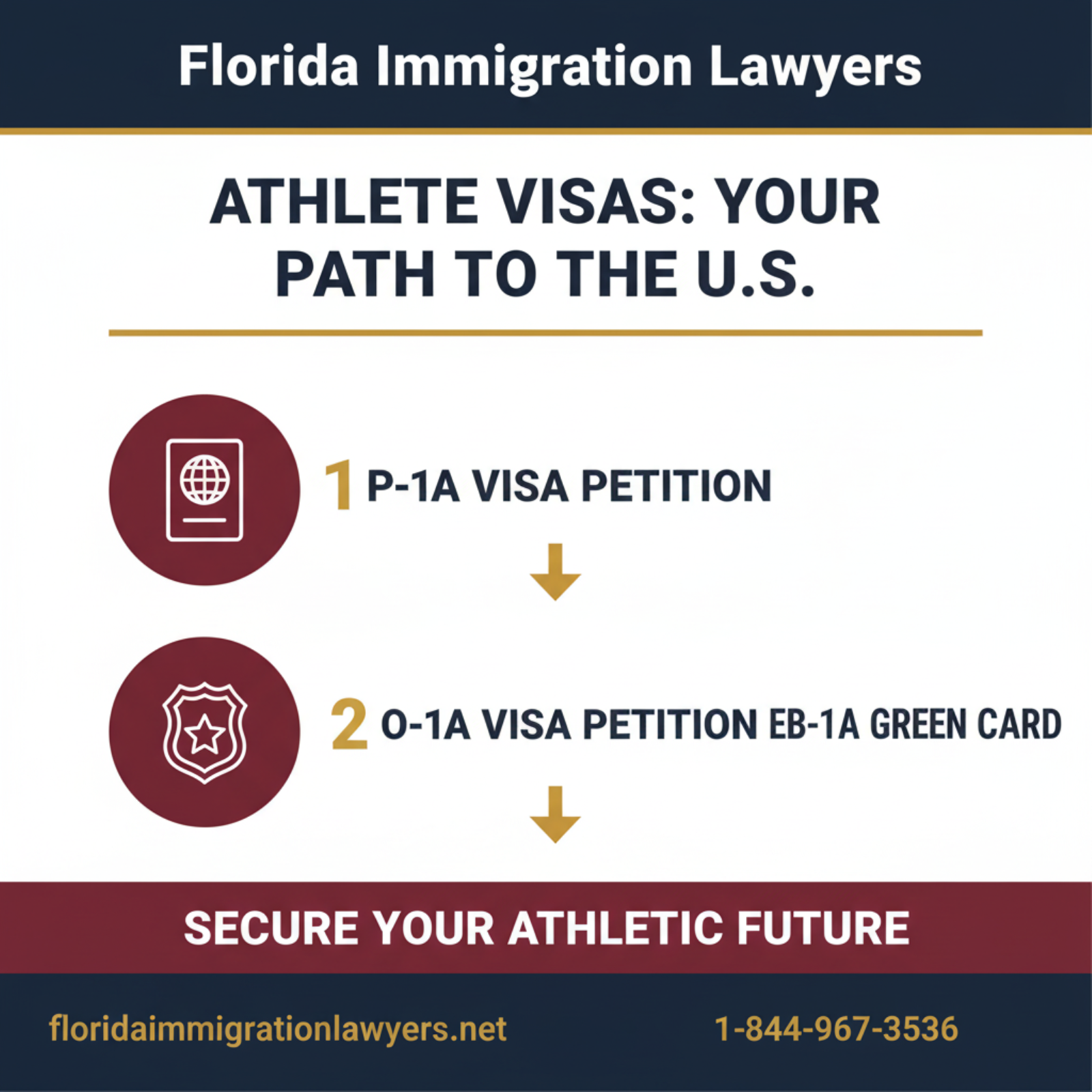
Organizing these documents meticulously is key. A skilled attorney can assist you in gathering and presenting this evidence effectively to USCIS and consular officers.
Timeline and Processing Expectations for 2026 Winter Olympics Ice Hockey Visas in Florida
Understanding the processing times for 2026 Winter Olympics ice hockey immigration visas is vital for planning. USCIS processing times can fluctuate significantly based on workload, the specific service center, and the complexity of the petition. Generally, O-1 and P-1 petitions can take several months to process under regular circumstances.
For those facing tight deadlines, USCIS offers Premium Processing for Form I-129 petitions. This service guarantees a decision, RFE, or denial within 15 calendar days for an additional fee. This can be an invaluable option for Olympic participants who need to secure their visas quickly for training or events in Florida. However, it only expedites the petition approval, not the subsequent consular processing.
After USCIS approves the I-129 petition, the next step is consular processing. This involves scheduling and attending a visa interview at a U.S. embassy or consulate abroad. Wait times for interview appointments can vary widely by country and season. It is essential to check the specific embassy's website for current wait times.
While the actual visa processing occurs at USCIS service centers and U.S. embassies abroad, Florida's USCIS field offices (such as in Miami, Orlando, and Tampa) can be relevant for certain follow-up actions or inquiries for individuals already in the U.S. However, initial O-1 and P-1 petitions are generally processed centrally. Proper planning, ideally starting well in advance of the 2026 Winter Olympics, is crucial to accommodate these processing timelines. Don't underestimate the time needed for each stage of the USCIS visa process.
Cost Factors and Fee Breakdown for Immigration Related to the 2026 Winter Olympics
The financial aspect of 2026 Winter Olympics ice hockey immigration involves several types of fees. These costs can add up, so it's important to budget accordingly and understand where your money is going. Please note that USCIS and Department of State fees are subject to change and are non-refundable.
- USCIS Filing Fees: There is a filing fee for Form I-129, Petition for a Nonimmigrant Worker. This fee is paid to USCIS when the petition is submitted.
- Premium Processing Fee: If you opt for Premium Processing to expedite the I-129 petition, there is a separate, significant fee for this service. This guarantees faster processing but is an additional cost.
- Visa Application (DS-160) Fee: Each individual applicant for an O-1 or P-1 visa must pay a non-refundable visa application fee to the U.S. Department of State before their consular interview.
- Attorney Fees: Legal fees for an experienced immigration lawyer are a significant but often essential component. These fees cover the attorney's expertise in preparing and filing the petition, responding to RFEs, and guiding you through the entire process. Florida Immigration Lawyers offers transparent fee structures.
- Miscellaneous Costs: This category includes expenses for gathering supporting documents, such as translation services for foreign-language documents, courier services, and travel costs to attend visa interviews at U.S. embassies or consulates.
While we cannot provide specific fee amounts as they frequently change, it is important to factor in all these potential costs. Investing in professional legal representation can help prevent costly mistakes and delays, ultimately saving you money and stress in the long run. Our team can provide a clear understanding of the costs involved for your unique USCIS athlete visa case.
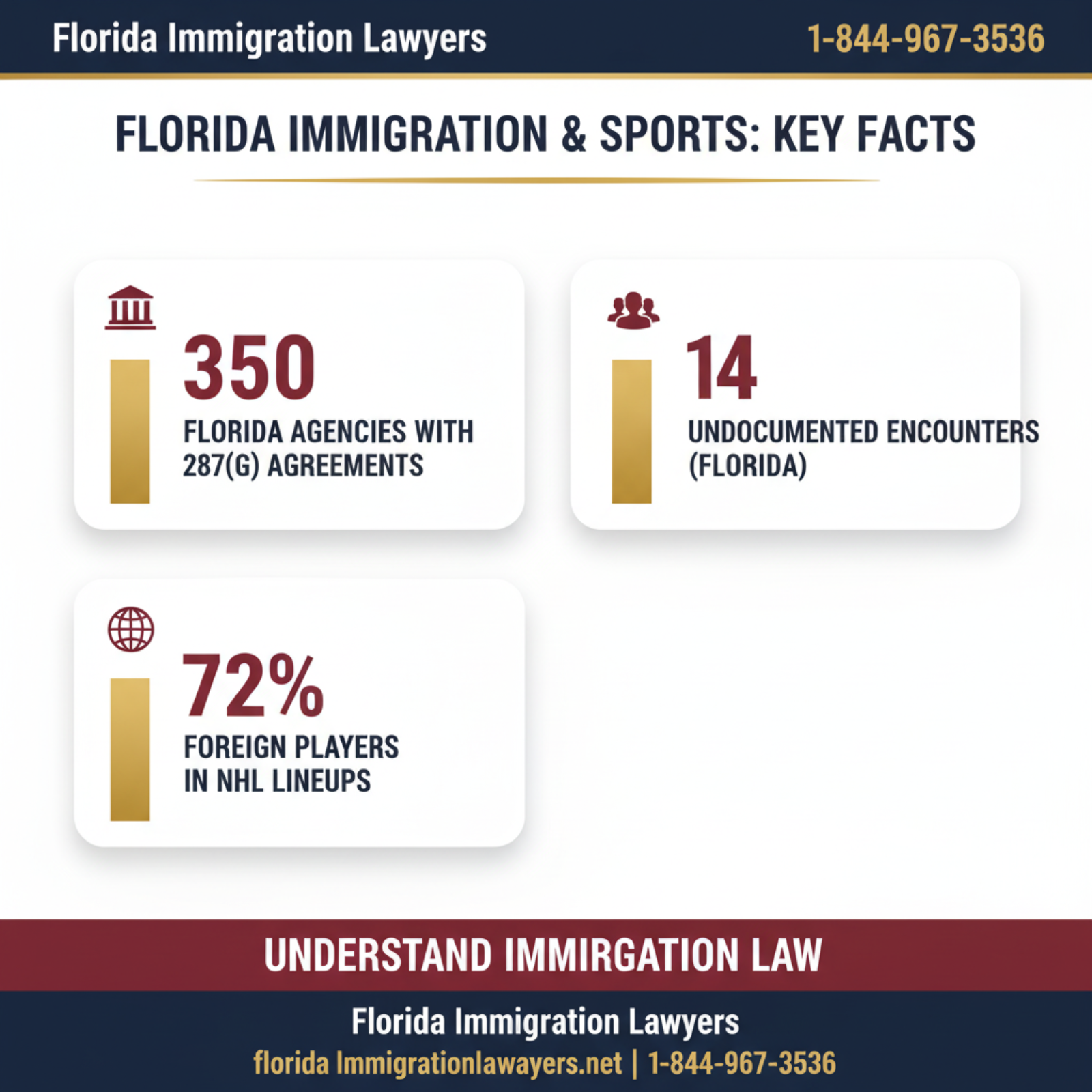
Do not navigate this complex immigration process alone, especially when your Olympic dreams are on the line. The stakes are high, and even minor errors can lead to significant delays or denials. Contact Florida Immigration Lawyers today to ensure your application for the 2026 Winter Olympics ice hockey immigration is handled with precision and experience. Our dedicated team in Florida is ready to assist you every step of the way.
Common Mistakes to Avoid in Olympic Immigration Applications
The complexity of U.S. immigration law means that mistakes are easy to make, but their consequences can be severe, especially for those pursuing 2026 Winter Olympics ice hockey immigration. Avoiding these common pitfalls is crucial for a successful application:
- Submitting an Incomplete Application: Failing to provide all required forms and supporting documents can lead to immediate rejections or Requests for Evidence (RFEs), significantly delaying your process.
- Choosing the Wrong Visa Category: Applying for a visa that does not accurately reflect your activities or qualifications can result in denial. For instance, using a B-1 visa for paid athletic activities.
- Failing to Prove Extraordinary Ability/International Recognition: For O-1 and P-1 visas, merely claiming high achievement is insufficient. You must provide concrete, verifiable evidence that meets the strict regulatory criteria.
- Missing Deadlines: Immigration processes are highly time-sensitive. Missing deadlines for RFE responses, interviews, or petition filings can jeopardize your eligibility or cause significant delays.
- Misrepresenting Information: Providing false or misleading information on your application can lead to severe penalties, including visa bans and charges of immigration fraud. Honesty is always the best policy.
- Not Preparing for the Visa Interview: The consular interview is a critical step. Failing to understand your application, purpose of travel, or answer questions confidently can lead to denial.
- Ignoring Previous Immigration Violations: Past overstays, unauthorized employment, or other immigration infractions can have long-lasting consequences and must be addressed transparently with legal counsel.
- Lack of a U.S. Sponsor or Agent: O-1 and P-1 visas require a U.S. entity to petition on your behalf. Without one, you cannot apply for these specific visas.
- Inadequate Itinerary: The petition must include a clear and detailed itinerary of your activities in the U.S. A vague or incomplete itinerary can raise red flags for USCIS.
- Failing to Understand Dual Intent: O-1 and P-1 visas generally do not permit dual intent (intending to immigrate permanently). You must demonstrate intent to return to your home country after your temporary stay.
These mistakes can be costly and emotionally draining. Working with a knowledgeable Florida immigration lawyer can help you avoid these common pitfalls and navigate the process successfully.
When to Call a Lawyer for 2026 Winter Olympics Ice Hockey Immigration
While some aspects of immigration may seem straightforward, the complexities of U.S. law, especially for specialized visas like those for Olympic athletes, often necessitate professional legal guidance. You should consider contacting Florida Immigration Lawyers if any of the following scenarios apply to your 2026 Winter Olympics ice hockey immigration:
- Complex Eligibility: If you are unsure which visa category best suits your unique qualifications or if your case involves unusual circumstances.
- Previous Denials or Immigration Issues: If you have a history of visa denials, overstays, or other immigration violations, legal counsel is essential to address these challenges.
- Requests for Evidence (RFEs): Receiving an RFE from USCIS indicates that your petition lacks sufficient evidence. An attorney can help you formulate a comprehensive and persuasive response.
- Tight Deadlines: If you have limited time before the 2026 Winter Olympics and need to expedite your visa process, an attorney can help manage timelines and utilize premium processing efficiently.
- Criminal History: Any past arrests or convictions, even minor ones, can significantly impact your eligibility and require careful legal analysis to determine admissibility.
- Dependents and Family Members: If you plan to bring family members to Florida, navigating their derivative visa applications adds another layer of complexity. We can assist with family immigration matters.
- Employer Sponsorship Issues: If your U.S. sponsor or agent is unfamiliar with the immigration process or if there are disputes, legal representation can clarify roles and responsibilities.
Florida Immigration Lawyers has extensive experience with immigration matters. We understand the specific requirements for athletes and can provide the strategic advice needed to secure your visa. Do not wait for a problem to arise; proactive legal engagement can prevent issues before they occur.
Frequently Asked Questions About 2026 Winter Olympics Ice Hockey Immigration
Here are answers to some common questions regarding the 2026 Winter Olympics ice hockey immigration and related topics:
Where is the Winter Olympics 2026 ice hockey?
The 2026 Winter Olympics, officially known as Milano Cortina 2026, will be held across various venues in Italy, primarily in Milan and Cortina d'Ampezzo. The ice hockey events will take place in specific arenas designated for the games within these regions.
What teams will play in 2026 Olympic hockey?
The 2026 Winter Olympics will see the return of NHL players to the men's ice hockey tournament, a significant development for the sport. National teams from around the world, including powerhouses like Canada, USA, Sweden, Finland, and Russia, will compete. Qualification tournaments will determine the full roster of participating nations.
What state has 3 NHL teams?
Florida is one of the states that boasts three NHL teams. These include the Florida Panthers, based in Sunrise, the Tampa Bay Lightning, and the Seattle Kraken. However, the Seattle Kraken are based in Washington state. The correct answer is actually Florida, which is home to the Florida Panthers and Tampa Bay Lightning, along with California (Ducks, Kings, Sharks), New York (Sabres, Islanders, Rangers), and Pennsylvania (Flyers, Penguins).
Has Lindsey Vonn qualified for the 2026 Olympics?
Lindsey Vonn, a highly decorated American alpine ski racer, officially retired from competitive skiing in 2019. Therefore, she has not qualified and will not be participating in the 2026 Winter Olympics. Her legacy in winter sports remains significant, but her competitive career has concluded.
About Florida Immigration Lawyers
Florida Immigration Lawyers is an immigration law firm dedicated to serving individuals, families, and businesses across the entire state of Florida. Our team of experienced attorneys understands the complexities of U.S. immigration law and is committed to providing compassionate, effective, and results-oriented legal representation.
We offer a comprehensive range of immigration services, including visa applications for athletes and professionals, family-based immigration, business immigration, deportation defense, asylum, and citizenship. Our firm is founded on the principles of integrity, client-focused service, and unwavering advocacy.
Choosing Florida Immigration Lawyers means partnering with a team that genuinely cares about your future. We pride ourselves on clear communication, strategic planning, and a deep understanding of Florida's unique demographics and needs. Whether you are an athlete pursuing your Olympic dream or a family seeking new beginnings, we are here to guide you.
Contact us today for a free consultation. We are available 24/7 to answer your questions and provide the legal support you deserve. Call Florida Immigration Lawyers at 1-844-YO-PELEO or visit our website at https://www.floridaimmigrationlawyers.net. Let us be your trusted partner in your immigration journey.
Sources and References
- U.S. Citizenship and Immigration Services (USCIS)
- U.S. Department of State - Bureau of Consular Affairs
- Executive Office for Immigration Review (EOIR)
- 8 U.S.C. Chapter 12 - Immigration and Nationality Act (INA)
- INA § 101(a)(15)(O) - Definition of O nonimmigrant visa
- INA § 101(a)(15)(P) - Definition of P nonimmigrant visa
- 8 CFR Part 214 - Nonimmigrant Classes
This article provides general legal information and is not intended as legal advice. Every case is unique, and outcomes depend on specific facts and circumstances. Laws are subject to change. Contact an attorney for advice about your particular situation.
Your Olympic aspirations deserve dedicated legal support. Do not leave your immigration status to chance. Trust the experienced team at Florida Immigration Lawyers to navigate the complexities of U.S. immigration law for your 2026 Winter Olympics ice hockey immigration needs. We offer comprehensive services and personalized attention to every client.
Call Florida Immigration Lawyers today at 1-844-YO-PELEO for your free, confidential consultation. Let us help you focus on your performance while we handle your legal pathway to Florida and beyond. Se Habla Español - Estamos aquí para ayudarle.
Do Not Navigate This Process Alone
Our experienced immigration attorneys are ready to fight for you. Get a free, confidential case review today.
Se Habla Español
Or leave your details and we’ll call you:
Free Evaluation in 24 Hours
Or talk to us right now

AI voice assistant — available 24/7
FreeFrequently Asked Questions

William J. Vásquez
Founding Attorney · Vasquez Law Firm
U.S. Air Force veteran and immigration attorney with years of hands-on U.S. immigration experience. J.D., NCCU School of Law. AILA member. Admitted to the 4th, 5th, and 11th Circuit Courts.
Available 24/7 - Free Evaluations
Reviewed for legal accuracy by William J. Vásquez
Licensed in North Carolina; U.S. immigration is federal practice.
Related Legal Services
Our Florida immigration attorneys can help you with business immigration, deportation defense and family immigration services. Call today at 1-844-YO-PELEO for a free case review.
Related Links
Related Topics
Free Legal Case Review
Discuss your case with our experienced attorneys. We're available 24/7.
Se Habla Español - Estamos aquí para ayudarle.
Related Articles
DUI Immigration Consequences in Florida 2026
A DUI conviction in Florida can have severe immigration consequences, potentially leading to inadmissibility, deportation, or denial of immigration benefits. For non-citizens, a DUI is not just a traffic offense but a serious criminal matter that federal immigration law scrutinizes closely. Factors like multiple offenses, injury, or property damage can escalate a simple DUI to a Crime Involving Moral Turpitude (CIMT) or even an aggravated felony, triggering mandatory detention and removal proceedings. Understanding the specific nature of your Florida conviction and its interpretation under the Immigration and Nationality Act (INA) is crucial. This article outlines how DUIs impact immigration status, the grounds for inadmissibility and deportation, a step-by-step guide to navigating the process, essential documentation, and expected timelines for 2026. We also highlight common mistakes to avoid and when to seek legal counsel from an experienced immigration attorney. Florida Immigration Lawyers offers comprehensive support for individuals facing these challenging situations, providing expert guidance through complex legal landscapes.
Dual Citizenship Lawyer in Florida: What You Need to Know
For Florida residents, the concept of dual citizenship, or holding two passports, offers a compelling blend of opportunities and challenges. While the U.S. generally permits dual nationality, the path to achieving this status requires a meticulous understanding of both U.S. immigration laws and the citizenship policies of your country of origin. This guide explores the definition of dual citizenship, the detailed step-by-step process for U.S. naturalization, and the significant benefits and potential pitfalls involved. We cover essential documentation, typical timelines, and cost considerations for 2026, providing crucial insights for anyone in Orlando, Miami, or across Florida considering this important legal step. Learn about common mistakes to avoid and understand when to seek professional legal counsel to navigate this complex process successfully. Florida Immigration Lawyers is here to provide expert, bilingual support for your dual citizenship journey.
Immigration Lawyer Orlando Free Consultation in Florida
For individuals and families in Orlando, Florida, navigating the complexities of U.S. immigration law requires expert guidance. An immigration lawyer in Orlando offers crucial support for everything from visa applications and green card processes to naturalization and deportation defense. This comprehensive guide details what a free consultation covers, providing a step-by-step overview of immigration pathways, essential document checklists, and expected timelines in 2026. We also highlight common mistakes to avoid, discuss the critical role of legal counsel in deportation and asylum cases, and explain why choosing a local Orlando immigration attorney is beneficial. Florida Immigration Lawyers is dedicated to serving the diverse community of Orlando with compassionate, effective legal solutions, ensuring you receive personalized advice and robust representation for a successful immigration journey.
EAD Advance Parole Combo Card in Florida: What You Need
An EAD advance parole combo card allows individuals with pending adjustment applications to both work and travel abroad without jeopardizing their green card application. Learn how to apply in Florida, what documents you need, and common mistakes to avoid.