Asylum Application Florida: Your Comprehensive Guide to the I-589 Process
Navigating the asylum application process in Florida is complex. This comprehensive guide covers Form I-589, eligibility criteria, and steps to seek protection from persecution across Florida. Contact our experienced immigration lawyers for a free consultation.
Asylum Application Florida: Your Comprehensive Guide to the I-589 Process
Seeking asylum in the United States is a fundamental right for individuals fleeing persecution in their home countries. For those residing in Florida, understanding the intricate asylum application process, specifically filing Form I-589, is crucial. This guide provides a comprehensive overview, from eligibility requirements to the interview process, and highlights the importance of legal representation.
Florida, with its diverse population and geographical proximity to many nations experiencing instability, sees a significant number of asylum seekers. Whether you are in Tallahassee, Miami, Orlando, or anywhere else in the Sunshine State, the journey to secure asylum can be daunting. Our goal is to demystify this process and equip you with the knowledge needed to pursue protection effectively.
Understanding Asylum in the United States
Asylum is a form of protection granted to individuals who are unable or unwilling to return to their country of origin due due to a well-founded fear of persecution. This fear must be based on one of five protected grounds: race, religion, nationality, membership in a particular social group, or political opinion. The United States government, through agencies like U.S. Citizenship and Immigration Services (USCIS) and the Department of Justice, administers these protections.
It's important to differentiate asylum from other forms of humanitarian relief, such as refugee status (which is sought outside the U.S.) or Temporary Protected Status (TPS). Asylum is specifically for individuals already present in the U.S. or seeking admission at a port of entry.
What is Asylum?
Asylum provides a pathway to legal residency and, eventually, citizenship for those who have suffered or fear future persecution. Once granted asylum, an individual receives protection from deportation, the ability to work, and the opportunity to apply for derivative asylum for eligible family members. After one year of asylum status, individuals can apply for lawful permanent residency (a green card).
Affirmative vs. Defensive Asylum
There are two primary ways to apply for asylum:
- Affirmative Asylum: This is when an individual proactively applies for asylum with USCIS because they are not currently in removal proceedings. This application is typically filed by individuals who have lawfully entered the U.S. or whose legal status has expired but have not yet been placed in deportation proceedings.
- Defensive Asylum: This occurs when an individual applies for asylum as a defense against deportation (removal) proceedings in immigration court. If USCIS does not grant affirmative asylum, or if an individual is apprehended at the border or after an unlawful entry, their case will be referred to an Immigration Judge under the Executive Office for Immigration Review (EOIR).
Understanding which path applies to your situation is the first critical step in the asylum process. For more information on navigating immigration challenges, visit our immigration practice areas page.
Eligibility Criteria for Asylum Seekers in Florida
To be eligible for asylum in the U.S., you must meet specific criteria defined by immigration law. The core requirement is demonstrating a well-founded fear of persecution based on one of the five protected grounds. This fear must be objectively reasonable and subjectively genuine.
Proving Persecution
Persecution can take many forms, including physical harm, threats, torture, imprisonment, severe discrimination, or other severe violations of human rights. It must be inflicted by the government of your home country or by groups that the government is unable or unwilling to control. You must provide evidence to support your claim, which can include personal statements, affidavits from witnesses, country condition reports, medical records, police reports, and news articles.
Grounds for Asylum
The five protected grounds are interpreted broadly. For example:
- Race: Persecution based on ethnic group, skin color, or ancestry.
- Religion: Persecution due to religious beliefs or practices.
- Nationality: Persecution based on country of origin, ethnicity, or linguistic group.
- Membership in a Particular Social Group (PSG): This is a complex and evolving area of law. PSGs can include families, tribes, homosexuals, victims of domestic violence, or individuals with certain diseases, among others. The group must be defined by a common immutable characteristic, be socially visible, and particular.
- Political Opinion: Persecution due to actual or imputed political beliefs, opposition to a government, or membership in a political organization.
Establishing these grounds requires a detailed narrative and compelling evidence. Our asylum practice area page provides further insights into these complex requirements.
The Form I-589: Application for Asylum and for Withholding of Removal
The Form I-589 is the cornerstone of your asylum application. It is a detailed document that requires comprehensive information about your identity, family, travel history, and, most importantly, the reasons you fear persecution. Accuracy and thoroughness are paramount when completing this form.
Gathering Required Documentation
Beyond the Form I-589 itself, you will need to submit a substantial amount of supporting documentation. This typically includes:
- Copies of your passport, birth certificate, and any other identity documents.
- Proof of your entry into the U.S. (I-94, visa, etc.).
- A detailed declaration or affidavit explaining your fear of persecution, including specific incidents, dates, and locations.
- Evidence supporting your claim, such as medical records, police reports, photos, letters, or testimonies from witnesses.
- Country condition reports from reputable sources (e.g., U.S. Department of State via travel.state.gov, human rights organizations) that corroborate your claims of persecution in your home country.
- Any documents related to your family members included in the application.
Organizing these documents meticulously is crucial for a strong application.
The Application Process Timeline
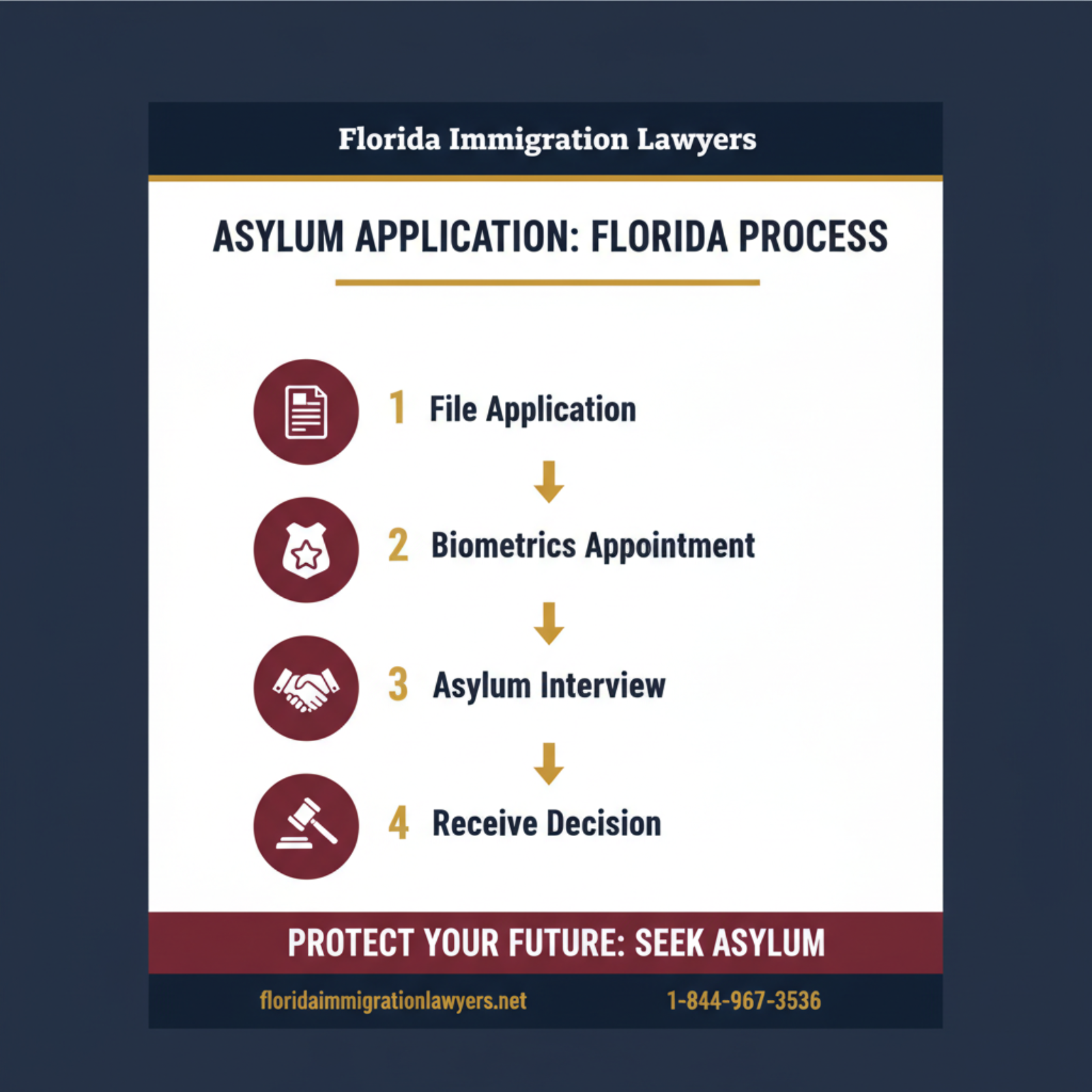
After filing Form I-589 with USCIS, you will typically receive a receipt notice. Within a few weeks, you will receive an appointment notice for biometrics (fingerprinting and photos). Following this, you will be scheduled for an asylum interview. Processing times can vary significantly depending on the USCIS field office and the complexity of your case. It is important to note that you are generally eligible to apply for work authorization (Form I-765) 150 days after filing your asylum application, and it can be granted after 180 days, provided your application is still pending.
The Asylum Interview Process
The asylum interview is a critical stage where you present your case directly to an Asylum Officer. This interview is your opportunity to explain in detail why you fear returning to your country and to provide context for the evidence you've submitted.
Preparing for Your Interview
Preparation is key. You should:
- Review your Form I-589 and all supporting documents thoroughly.
- Be prepared to answer questions about your personal history, your experiences of persecution, and your fear of the future.
- Bring original copies of all documents submitted, along with any new evidence.
- If you do not speak English fluently, you must bring a competent, neutral interpreter.
- Most importantly, be truthful and consistent in your testimony.
Having legal representation during your interview can be invaluable. An attorney can help you prepare, clarify questions, and address any legal issues that arise.
What Happens After the Interview?
After the interview, the Asylum Officer will review your case and make a decision. For affirmative asylum cases, you will typically receive a decision by mail. If your case is granted, you will receive a letter confirming your asylum status. If it is denied, and you are not in legal status, your case will likely be referred to an Immigration Judge for defensive asylum proceedings. If you are already in removal proceedings, the Asylum Officer's decision is non-binding, and the case will proceed to an Immigration Judge for a final decision.
Navigating Challenges and Potential Pitfalls
The asylum process is fraught with potential challenges that can derail an otherwise strong case. Understanding these pitfalls and proactively addressing them is crucial for a successful outcome. One of the most common and stringent requirements is the one-year filing deadline.
The One-Year Filing Deadline Exception
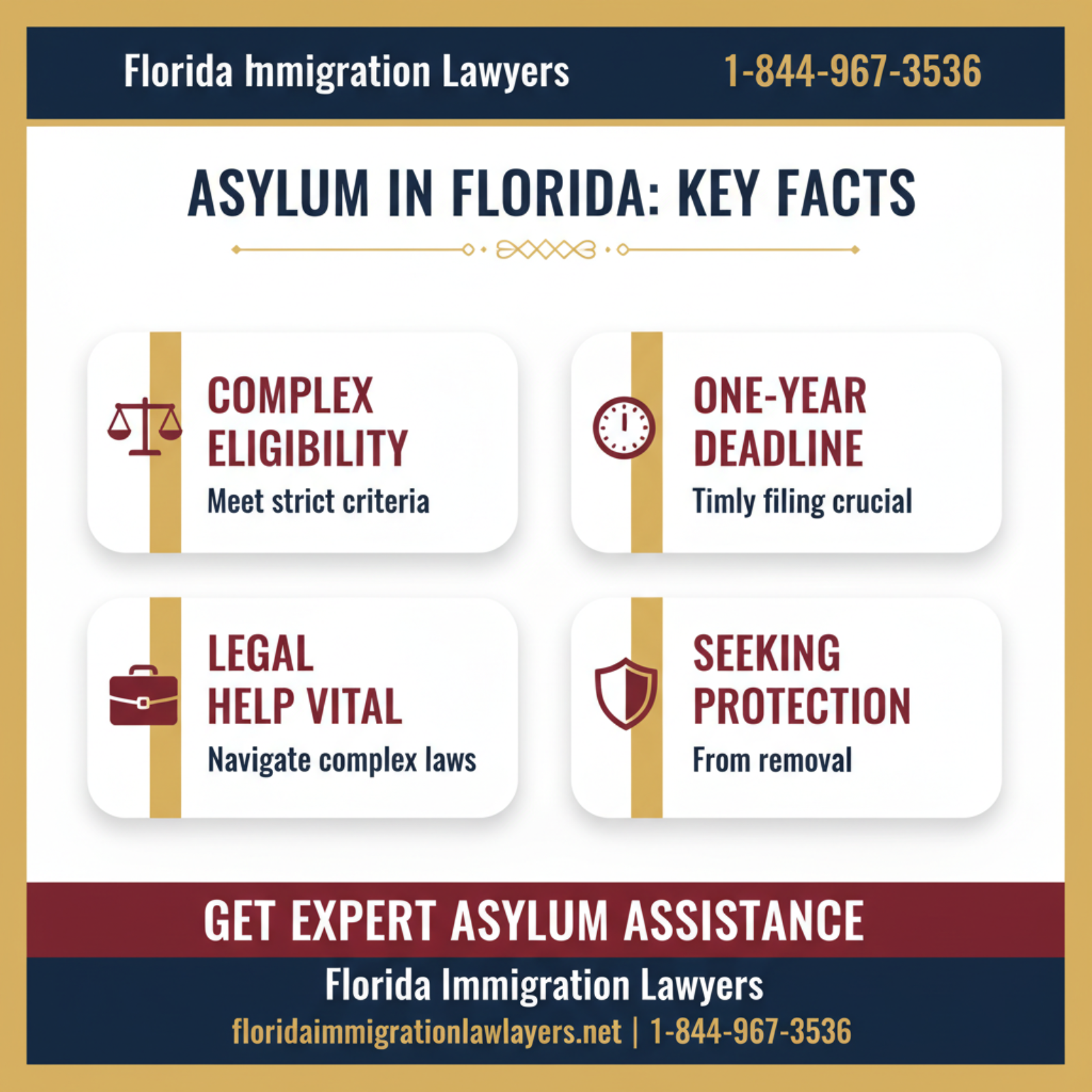
U.S. law generally requires that an asylum application (Form I-589) be filed within one year of your last arrival in the United States. Failing to meet this deadline can result in your application being barred, even if you have a legitimate fear of persecution. However, there are narrow exceptions to this rule. You may be excused from the one-year deadline if you can demonstrate:
- Changed Circumstances: Significant changes in your country of nationality or your personal circumstances that materially affect your eligibility for asylum. For example, a new political regime in your home country that targets your social group, or you developing a new political opinion.
- Extraordinary Circumstances: Events beyond your control that prevented you from filing within the one-year period. This could include serious illness, legal or mental incapacity, ineffective assistance of counsel, or maintaining valid nonimmigrant status and not being aware of the need to apply for asylum.
Proving these exceptions requires substantial evidence and a compelling explanation. It is vital to consult with an attorney immediately if you believe you qualify for an exception, as the burden of proof is high.
Credibility and Evidence
Another significant challenge is establishing credibility. Asylum officers and immigration judges will scrutinize your testimony and evidence for consistency, detail, and plausibility. Any inconsistencies, even minor ones, can be used to question your overall credibility, potentially leading to a denial. It is essential to be truthful, consistent, and to provide as much detail as possible in your narrative. Furthermore, the absence of corroborating evidence where such evidence would reasonably be expected can also negatively impact your case. For instance, if you claim severe physical harm but have no medical records or witness statements, your claim may be viewed with skepticism. Preparing thoroughly with legal counsel can help you anticipate and address these issues effectively.
The Role of a Florida Immigration Attorney
Given the complexity and high stakes of the asylum process, retaining an experienced Florida immigration attorney is highly recommended. An attorney can provide invaluable assistance by:
- Assessing your eligibility and determining the strongest legal arguments for your case.
- Helping you gather and organize all necessary documentation and evidence.
- Preparing your Form I-589 and ensuring it is accurate and complete.
- Crafting a compelling declaration that clearly articulates your fear of persecution.
- Preparing you thoroughly for your asylum interview, including mock interviews.
- Representing you during the USCIS interview or in immigration court.
- Filing appeals or motions to reopen if your case is denied.
- Navigating complex legal issues, such as the one-year filing deadline or credibility concerns.
An attorney acts as your advocate, ensuring your rights are protected and your story is presented in the most persuasive manner possible.
What Happens After an Asylum Decision?
The outcome of your asylum application can vary, and understanding the potential next steps is important.
- Asylum Granted: If asylum is granted, you will receive an I-94 card indicating your asylum status. You can then apply for a Social Security card and work authorization. After one year of continuous physical presence in the U.S. as an asylee, you become eligible to apply for lawful permanent residency (a green card) using Form I-485.
- Asylum Denied (Affirmative Case): If USCIS denies your affirmative asylum application and you do not have other legal status, your case will be referred to an Immigration Judge for removal proceedings. You will then have the opportunity to present your asylum claim again in immigration court (defensive asylum).
- Asylum Denied (Defensive Case): If an Immigration Judge denies your defensive asylum claim, you may have the option to appeal the decision to the Board of Immigration Appeals (BIA). If the BIA denies your appeal, you may further appeal to a U.S. Court of Appeals. If all appeals are exhausted and denied, you may face a final order of removal. In such scenarios, exploring other forms of relief, such as deportation defense, becomes critical.
Each stage requires careful consideration and often, swift action. Legal counsel is essential to navigate these post-decision complexities.
Seeking Legal Assistance in Florida
The path to asylum in Florida is challenging, but with the right legal guidance, it is achievable. Our experienced immigration attorneys are dedicated to helping individuals and families seek safety and build new lives in the United States. We understand the unique circumstances faced by asylum seekers and are committed to providing compassionate and effective legal representation.
If you are considering applying for asylum, or if you are already in the process and facing difficulties, do not hesitate to seek professional legal advice. A free consultation can provide clarity on your options and help you understand the best way forward. Contact us today to discuss your asylum application in Florida and learn how we can assist you in protecting your future.
Preguntas Frecuentes
Vasquez Law Firm
Equipo Legal
Por más de 15 años, Vasquez Law Firm ha estado sirviendo a clientes en Florida. Nos especializamos en inmigración, lesiones personales, defensa criminal, compensación laboral y derecho familiar.