Green Card Holder ICE Detention in Florida: Your Rights & Defense
Are you a green card holder facing ICE detention in Florida? Understand your rights, the process, and how to fight deportation. Contact Florida Immigration Lawyers for a free consultation.
Green Card Holder ICE Detention in Florida: Your Rights & Defense
Facing detention by U.S. Immigration and Customs Enforcement (ICE) can be a terrifying and confusing experience, especially for green card holders who have established lives and families in the United States. If you are a lawful permanent resident (LPR) in Florida and find yourself or a loved one in ICE custody, understanding your rights and the legal avenues available for defense is absolutely critical. This comprehensive guide will walk you through the complexities of ICE detention for green card holders in Florida, outline your fundamental rights, and explain how skilled legal representation can be your strongest ally in fighting deportation.
Understanding ICE Detention for Green Card Holders
While holding a green card grants you significant rights and privileges, it does not provide absolute immunity from immigration enforcement actions. Green card holders can be detained by ICE for various reasons, often related to alleged criminal activity, violations of immigration law, or re-entering the U.S. after certain offenses. Common triggers for detention include arrests for felonies or certain misdemeanors, even if the charges are later dropped or reduced. Other situations involve individuals who have previously been ordered deported, or those who are deemed a flight risk or a danger to the community.
It's important to remember that ICE operates under federal law, and its jurisdiction extends across Florida. Detention facilities like the Krome Service Processing Center in Miami or the Baker County Detention Center are common sites where individuals are held. The initial encounter with ICE can be overwhelming, and knowing what to expect can help you navigate the process. Upon detention, ICE will typically initiate removal proceedings, aiming to deport the green card holder. This is where the fight for your right to remain in the U.S. begins, and it requires immediate and strategic legal intervention. For more information on general immigration matters, you can visit uscis.gov.
Your Fundamental Rights During ICE Detention
Even as a green card holder in ICE detention, you retain important constitutional and statutory rights. Knowing these rights is your first line of defense:
- Right to Remain Silent: You have the right to refuse to answer questions from ICE agents beyond providing your name, nationality, and date of birth. Do not discuss your immigration status, how you entered the U.S., or any criminal history without legal counsel present.
- Right to an Attorney: This is perhaps your most crucial right. You have the right to speak with an attorney and have them present during any questioning. ICE cannot prevent you from contacting a lawyer. If you cannot afford one, you may be able to find pro bono assistance, though the government does not provide appointed counsel in immigration cases.
- Right to Review Documents: You have the right to review any documents ICE asks you to sign. Do not sign anything you do not understand or that you have not reviewed with an attorney. Signing certain documents could waive your rights or lead to your voluntary departure.
- Right to a Hearing: As a green card holder, you generally have the right to a hearing before an Immigration Judge to contest your removal. This is your opportunity to present your defense and argue why you should not be deported.
- Right to Contact Your Consulate: If you are not a U.S. citizen, you have the right to contact your country's consulate or embassy.
Exercising these rights can significantly impact the outcome of your case. It is vital to assert them firmly and politely. The moment you are detained, your priority should be to contact an experienced immigration attorney who can protect your interests and guide you through the complex legal process. Learn more about your options by visiting our deportation defense page.
The Detention and Removal Process in Florida
Once detained, a green card holder will typically be served with a Notice to Appear (NTA), which is the charging document that initiates removal proceedings in immigration court. The NTA will specify the reasons ICE believes you are deportable. You will then be scheduled for a series of hearings before an Immigration Judge at an Executive Office for Immigration Review (EOIR) court, such as those located in Miami or Orlando. The Department of Justice oversees these courts; you can find more information at justice.gov/eoir.
During these hearings, your attorney will present your defense, challenge the government's allegations, and argue for forms of relief from removal. Common forms of relief available to green card holders may include:
- Cancellation of Removal for Certain Permanent Residents: This is a powerful defense for LPRs who have resided in the U.S. for at least five years, have held a green card for at least five years, and have not been convicted of an aggravated felony. They must also demonstrate that their removal would result in exceptional and extremely unusual hardship to a qualifying relative (U.S. citizen or LPR spouse, parent, or child).
- Waivers: Depending on the grounds of deportability, various waivers might be available to forgive certain immigration violations or criminal convictions.
- Asylum or Withholding of Removal: If you fear persecution in your home country, you may be eligible to apply for asylum or withholding of removal, even as a green card holder, though this is less common.
- Adjustment of Status: In rare cases, if the grounds for deportability are minor and a new basis for adjustment exists, it might be pursued.
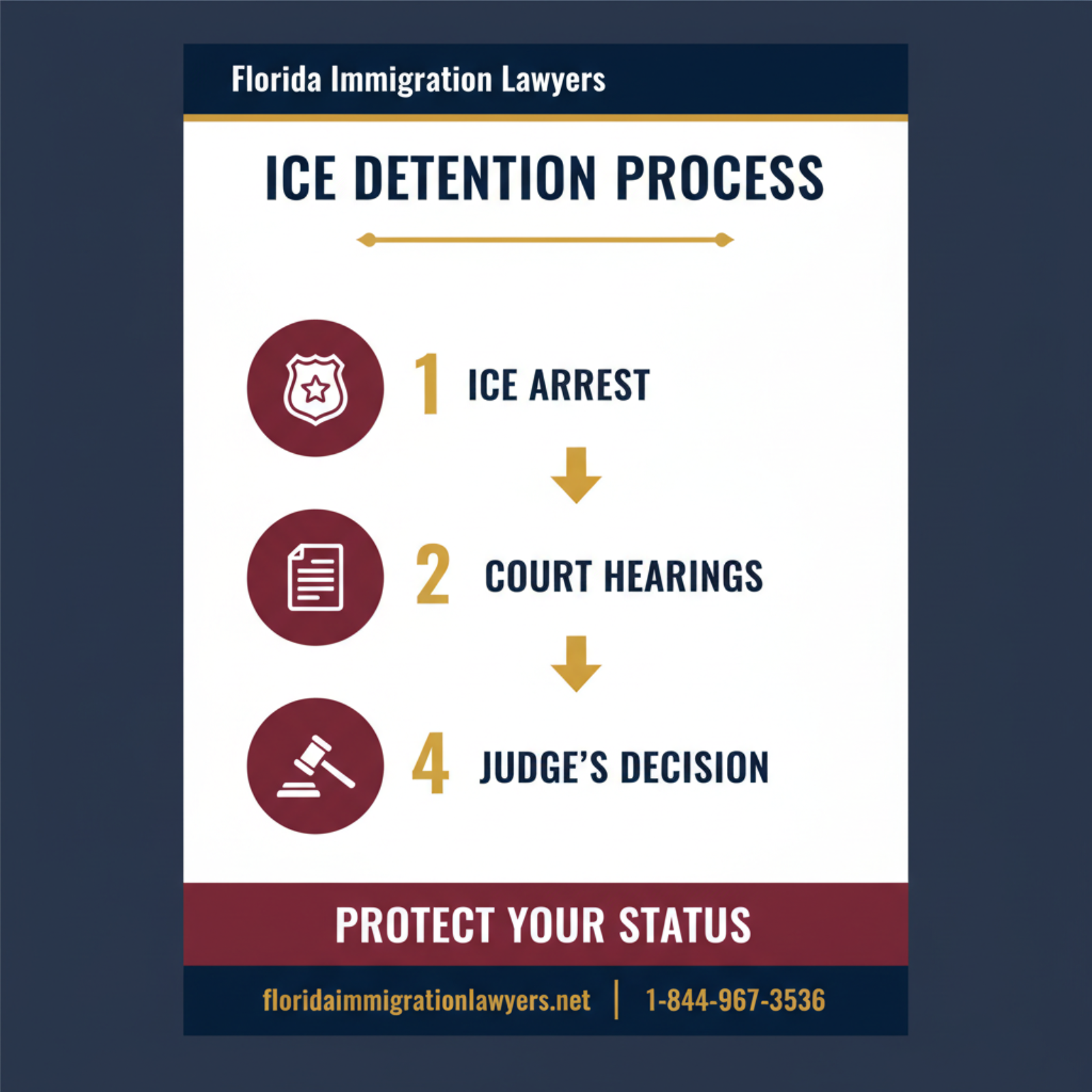
Each case is unique, and the specific defense strategy will depend on the individual's immigration history, criminal record, and personal circumstances. The process can be lengthy and emotionally draining, making experienced legal representation indispensable.
Seeking Release: Bonds, Parole, and Alternatives to Detention
For green card holders detained by ICE, understanding the avenues for release is paramount. The primary mechanisms for release are immigration bonds, parole, and various alternatives to detention programs. An immigration bond allows a detained individual to be released from custody upon payment of a specified amount, ensuring their appearance at future immigration court hearings. The bond amount is determined by an Immigration Judge or an ICE officer, considering factors such as flight risk, criminal history, and community ties. It's crucial to present a strong case for a lower bond amount or for release without bond.
Parole, on the other hand, is a discretionary decision by ICE to release an individual from detention without bond, often based on humanitarian reasons, significant medical needs, or if their continued detention is not in the public interest. While less common for green card holders unless specific compelling circumstances exist, it remains a potential avenue. It's a complex process that requires compelling evidence and strong advocacy, often involving close coordination with ICE field offices.
Beyond bonds and parole, ICE has implemented Alternatives to Detention (ATD) programs. These programs allow individuals to be released from physical detention while ensuring compliance with immigration obligations through methods like ankle monitors, telephonic reporting, or regular check-ins. These programs are often considered for individuals deemed a low flight risk and not a danger to public safety. Eligibility for ATD programs can vary based on individual circumstances, including criminal history, family ties, and the specific immigration charges. Navigating these options requires a deep understanding of immigration law and the specific criteria applied by ICE and the immigration courts. An experienced immigration attorney can significantly improve your chances of securing release, whether through a bond hearing, advocating for parole, or enrolling in an ATD program. Don't face these complex procedures alone; immediate legal counsel is vital to explore all possible release strategies. Contact ${FIRM_NAME} at ${FIRM_PHONE} for a confidential consultation regarding your detention and release options.
The Critical Role of an Immigration Attorney
Navigating ICE detention and removal proceedings as a green card holder is incredibly challenging without legal expertise. An experienced immigration attorney can:
- Assess Your Case: Evaluate the grounds for your detention and deportation, identifying potential defenses and forms of relief.
- Protect Your Rights: Ensure ICE respects your rights throughout the detention and questioning process.
- Represent You in Court: Advocate on your behalf before an Immigration Judge, presenting evidence, cross-examining witnesses, and making legal arguments.
- File Petitions and Waivers: Prepare and submit all necessary applications, petitions, and waivers accurately and on time.
- Seek Release: Argue for a bond reduction or parole, working to secure your release from detention.
- Appeal Decisions: If necessary, appeal unfavorable decisions to the Board of Immigration Appeals (BIA) or federal courts.
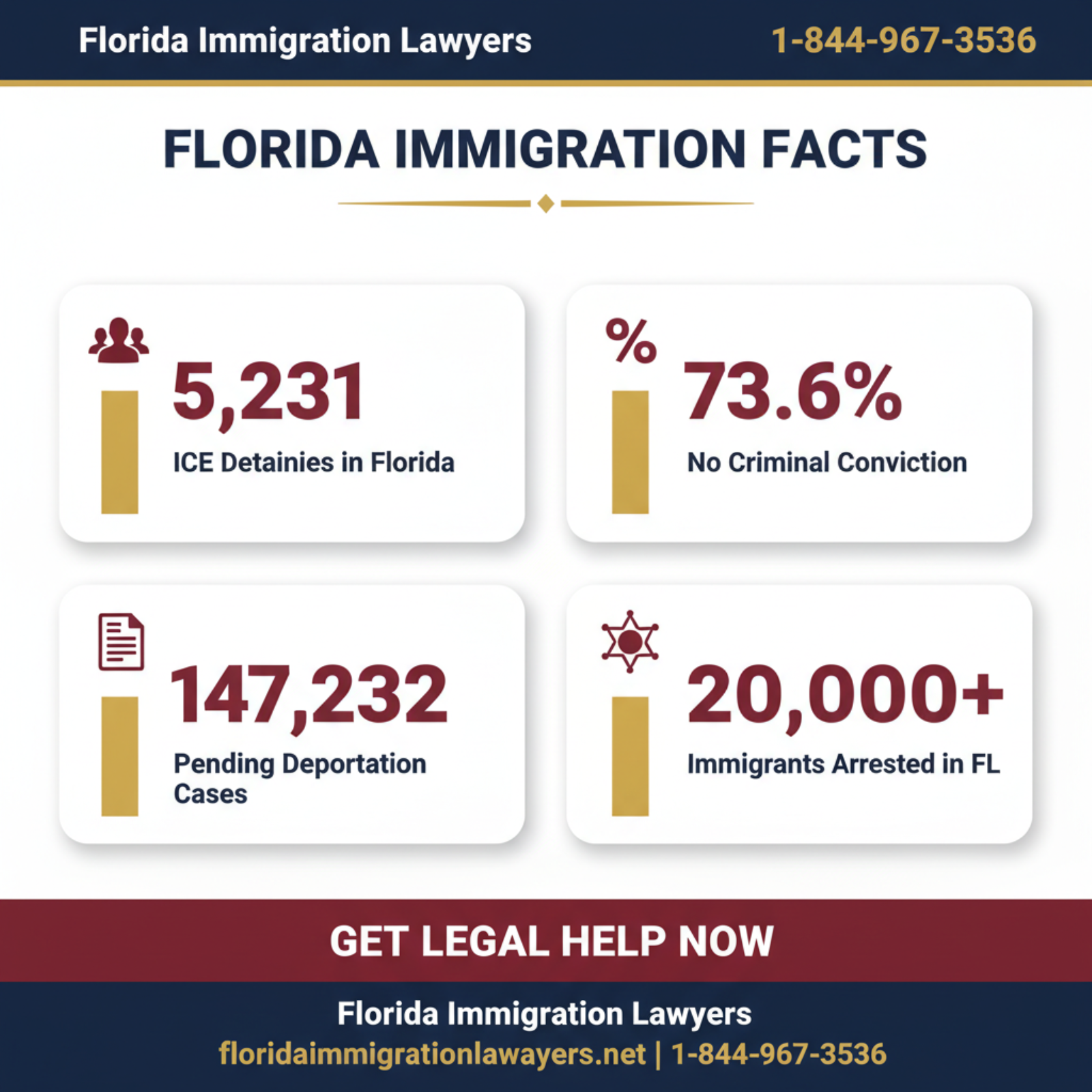
The stakes are incredibly high – your ability to remain in the U.S. and your future with your family are on the line. Attempting to represent yourself or relying on inexperienced counsel can lead to irreversible consequences. Our dedicated attorneys at ${FIRM_NAME} are well-versed in the intricacies of immigration law and have a proven track record of successfully defending green card holders in Florida. We understand the nuances of immigration law and are committed to fighting for your rights.
Post-Detention Challenges and Future Implications
Even after release from ICE detention, either through bond, parole, or ATD, the legal battle is often far from over. Green card holders will still need to attend all scheduled immigration court hearings and comply with any conditions of their release. Failure to appear can lead to an order of removal in absentia, making it much harder to reopen the case. The ongoing legal process can be lengthy, sometimes taking years to resolve, during which time individuals may face restrictions on travel or employment, depending on their specific immigration status and the conditions of their release. It's crucial to maintain open communication with your legal team and meticulously follow their advice throughout this period.
Furthermore, a history of ICE detention or removal proceedings, even if ultimately successful, can have future implications for naturalization applications or other immigration benefits. Certain criminal convictions that led to detention might also impact future immigration endeavors. This underscores the importance of not only resolving the immediate detention and deportation issue but also planning for the long-term impact on your immigration journey. An experienced attorney can help you understand these future implications and strategize to mitigate potential negative effects, ensuring that any resolution to your current situation does not inadvertently jeopardize your long-term immigration goals. Our team can provide comprehensive advice on all aspects of your immigration case, from initial detention to potential pathways to citizenship.
Contact Florida Immigration Lawyers Today
If you or a loved one is a green card holder facing ICE detention in Florida, time is of the essence. Every moment counts in building a strong defense and exploring options for release. Do not delay in seeking expert legal counsel. The dedicated team at ${FIRM_NAME} has extensive experience in deportation defense and is committed to protecting the rights of green card holders. We offer compassionate, aggressive, and knowledgeable representation to guide you through this challenging time.
Contact ${FIRM_NAME} at ${FIRM_PHONE} today for a confidential consultation. Let us put our expertise to work for you, fighting to keep your family together and secure your future in the United States. You can also reach out to us directly through our contact page to schedule an appointment.
Preguntas Frecuentes
Vasquez Law Firm
Equipo Legal
Por más de 15 años, Vasquez Law Firm ha estado sirviendo a clientes en Florida. Nos especializamos en inmigración, lesiones personales, defensa criminal, compensación laboral y derecho familiar.