Noticias de Inmigración en EE.UU. Florida: Lo Que Necesitas Saber en 2026
Mantente informado sobre las noticias de inmigración en EE.UU. en Florida para 2026. Conoce los cambios en políticas, tiempos de procesamiento y el impacto local en Homestead. Contacta a abogados de inmigración en Florida para una consulta gratuita.
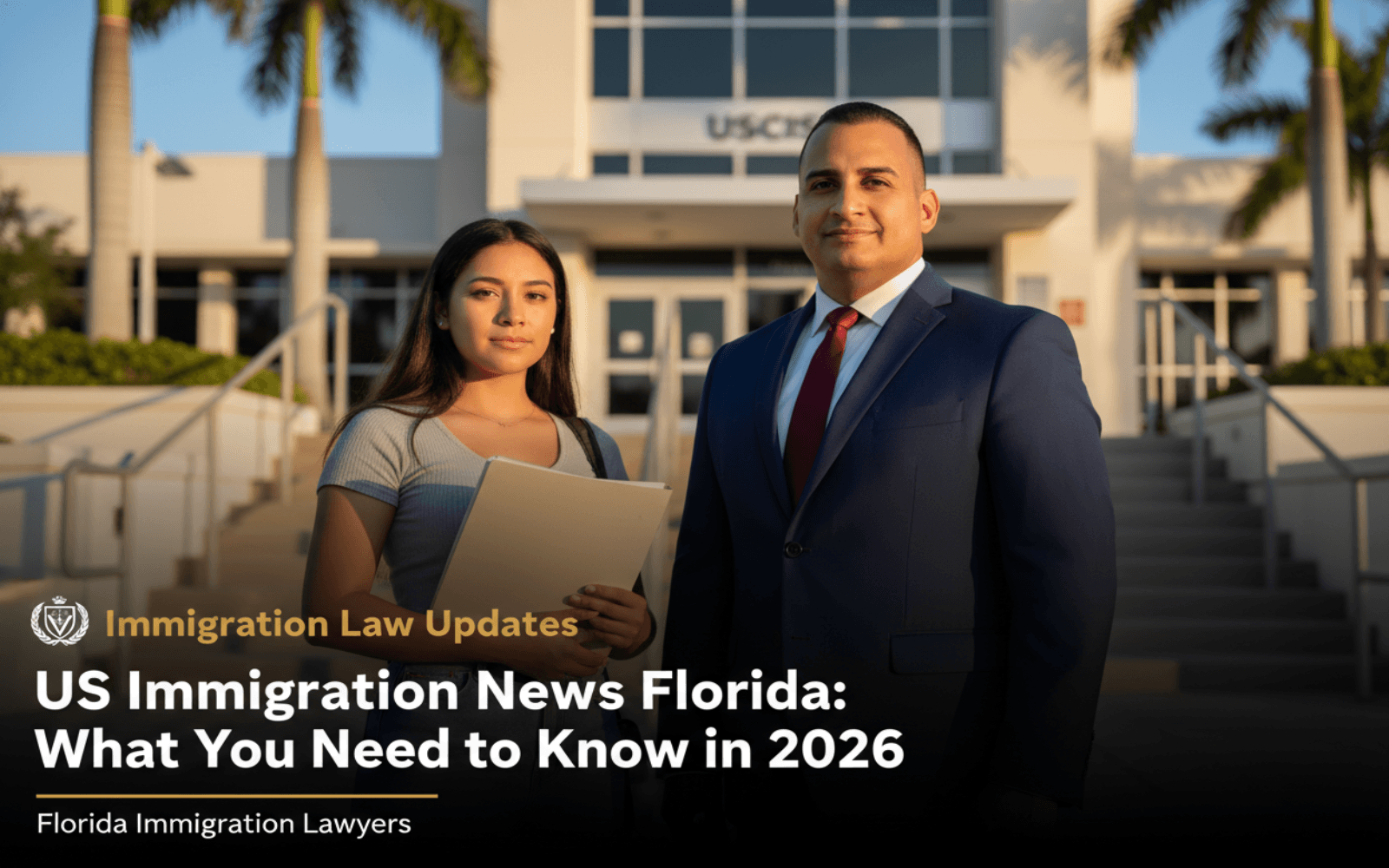
Noticias de Inmigración de EE. UU. en Florida: Lo que Necesitas Saber en 2026
A medida que miramos hacia 2026, el panorama de la inmigración en EE. UU. continúa evolucionando, trayendo tanto oportunidades como desafíos para individuos y familias en Florida. Con su población diversa y ubicación geográfica estratégica, Florida, particularmente áreas como Homestead, suele sentir el impacto inmediato de los cambios en las políticas federales. Mantenerse informado sobre posibles cambios en las leyes de inmigración, tiempos de procesamiento y prioridades de aplicación no solo es recomendable; es esencial para quienes navegan por el complejo sistema de inmigración.
Esta guía integral tiene como objetivo proporcionar una perspectiva a futuro sobre lo que los residentes de Florida necesitan saber respecto a la inmigración en EE. UU. en 2026. Profundizaremos en las tendencias políticas anticipadas, discutiremos su impacto local y ofreceremos consejos prácticos sobre cómo prepararse y buscar asistencia. Comprender estas dinámicas es crucial para asegurar un camino más fluido, ya sea que estés solicitando una visa, buscando asilo o defendiendo tu caso contra la deportación.
Tendencias Clave en Políticas de Inmigración Esperadas en 2026
El clima político y las prioridades administrativas moldean significativamente la política de inmigración. Si bien predecir resultados legislativos exactos para 2026 es un reto, podemos anticipar ciertas tendencias basadas en las discusiones actuales y patrones históricos. Estas tendencias suelen involucrar cambios en la interpretación y aplicación de las leyes existentes, así como posibles nuevas iniciativas o reformas.
Cambios Potenciales en las Categorías de Visas y Tarjetas Verdes
Se espera un escrutinio continuo y ajustes potenciales a varias categorías de visas, incluyendo tarjetas verdes basadas en la familia y el empleo. El enfoque podría seguir centrado en la mano de obra calificada, la seguridad nacional y la reunificación familiar, pero los criterios y cuotas podrían sufrir modificaciones. Por ejemplo, podría haber esfuerzos renovados para agilizar ciertos procesos o, por el contrario, imponer requisitos más estrictos para la elegibilidad. Los solicitantes de servicios generales de inmigración deben estar preparados para estándares de documentación en evolución y períodos de espera potencialmente más largos, haciendo que una preparación meticulosa sea más crítica que nunca. Mantenerse actualizado sobre el Boletín de Visas del Departamento de Estado de EE. UU. será vital para aquellos que se encuentren en categorías de preferencia.
Políticas de Asilo y Refugio en Evolución
Las políticas de asilo y refugio suelen estar en la vanguardia de los debates sobre inmigración, y 2026 no será la excepción. Podríamos ver ajustes continuos en los procedimientos de procesamiento en la frontera, requisitos de elegibilidad para los solicitantes de asilo y el manejo de entrevistas de miedo creíble. El énfasis podría cambiar hacia un procesamiento acelerado para ciertos casos o un aumento en la aplicación de la ley en la frontera. Las personas que buscan asilo en Florida deben estar al tanto de estos posibles cambios y conocer sus derechos a lo largo del proceso. Consultar con un abogado que maneje casos de asilo es fundamental para navegar por estas regulaciones complejas y a menudo cambiantes. La información oficial sobre los procedimientos de asilo se puede encontrar en USCIS.gov.
Prioridades de Aplicación y Seguridad Fronteriza
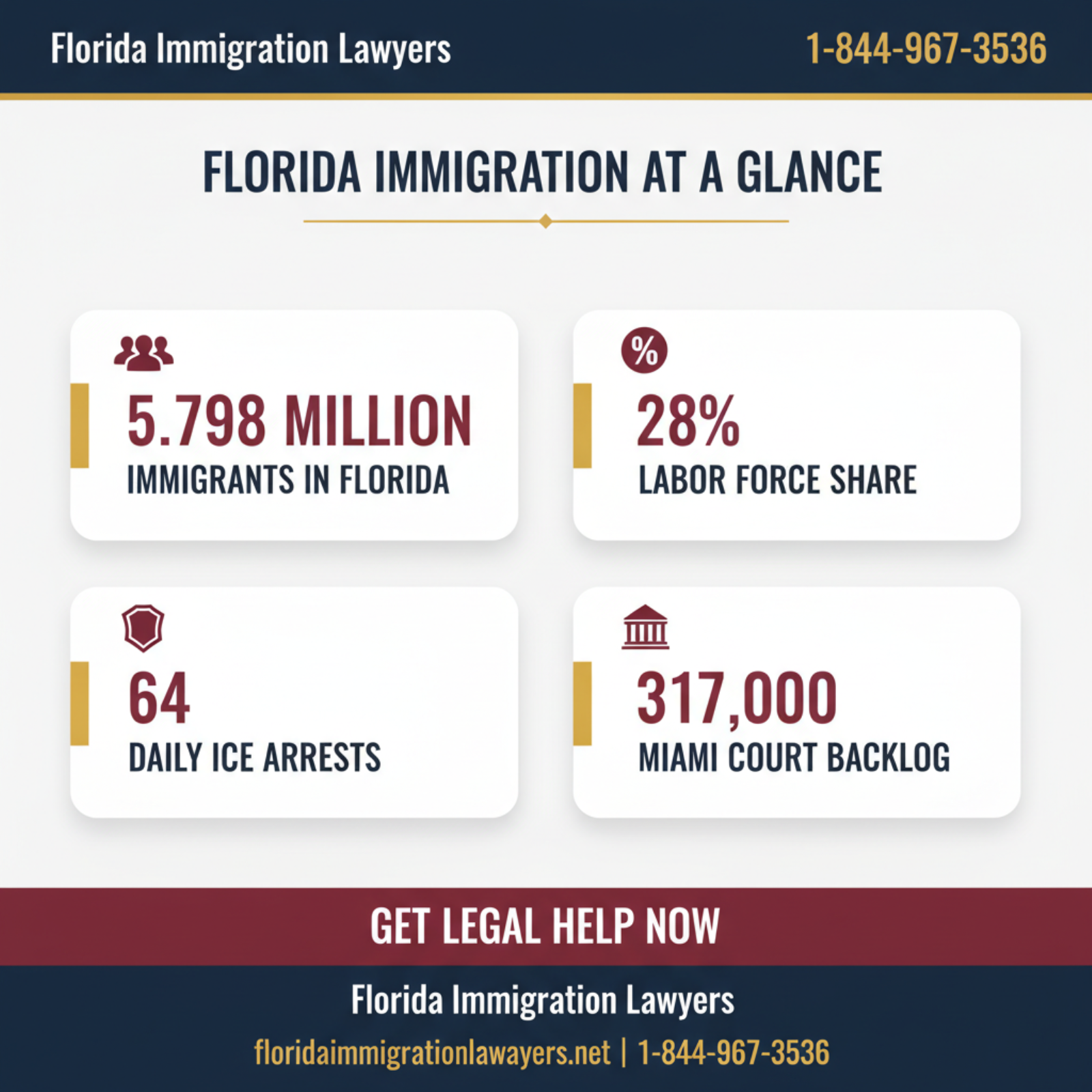
La aplicación de la inmigración y la seguridad fronteriza son áreas de alta prioridad de manera consistente. En 2026, podríamos observar cambios en el alcance y la intensidad de las operaciones de aplicación interior por parte de Inmigración y Control de Aduanas (ICE), así como ajustes en las estrategias de patrullaje fronterizo. Esto podría incluir cambios en quién se prioriza para la detención y deportación. Las comunidades de Florida, incluido Homestead, necesitan conocer sus derechos y los recursos disponibles si se encuentran con la aplicación de la inmigración. Entender los matices de la defensa contra la deportación se vuelve crítico para quienes están en riesgo. La información sobre los procedimientos de la corte de inmigración y recursos legales se puede encontrar a menudo a través de la Oficina Ejecutiva de Revisión de Inmigración (EOIR) en Justice.gov.
Impacto en las Comunidades de Florida: Un Enfoque en Homestead y Más Allá
La posición única de Florida como puerta de entrada a las Américas significa que las políticas de inmigración tienen un impacto profundo e inmediato en sus comunidades. Homestead, una ciudad en el condado de Miami-Dade, sirve como un microcosmos de este impacto, con su vibrante sector agrícola que depende en gran medida de la mano de obra inmigrante y una población diversa que incluye a muchos recién llegados. Cualquier cambio en la política de inmigración afecta directamente la estabilidad económica, el tejido social y el acceso a recursos para miles de residentes en Homestead y comunidades similares en todo el estado.
Para Homestead, los cambios en los programas de visas para trabajadores agrícolas o las medidas de enforcement más estrictas pueden provocar escasez de mano de obra, lo que impacta la producción agrícola y la economía local. Además, los ajustes en las políticas relacionadas con la reunificación familiar pueden afectar directamente la cohesión social de las familias que han echado raíces en la zona. El acceso a la educación, la atención médica y los servicios sociales para las familias inmigrantes en Homestead a menudo depende de su estatus legal y de la disponibilidad de programas de apoyo comunitario, que pueden verse afectados por cambios repentinos en las políticas. La resiliencia de la comunidad de Homestead es constantemente puesta a prueba por estos factores externos, lo que hace que la participación proactiva y la defensa informada sean esenciales.
Más allá de Homestead, áreas metropolitanas importantes como Miami, Orlando y Tampa también experimentan efectos sustanciales. Estas ciudades son centros económicos donde los inmigrantes contribuyen significativamente a diversas industrias, desde la hospitalidad y la construcción hasta la tecnología y el emprendimiento. Los cambios en las políticas que restringen la inmigración o que generan incertidumbre pueden disuadir la inversión, desacelerar el crecimiento económico y provocar una fuga de cerebros si los inmigrantes calificados optan por otros destinos. Por el contrario, las políticas que facilitan la inmigración legal pueden fortalecer la fuerza laboral y la economía de Florida, fomentando la innovación y el enriquecimiento cultural. La diversa población inmigrante del estado es un activo vital, y comprender cómo las políticas afectan su integración y bienestar es clave para la prosperidad general de Florida.
Implicaciones Económicas y Sociales
Las contribuciones económicas de los inmigrantes a Florida son innegables, desde llenar vacíos críticos de mano de obra en la agricultura y el turismo, hasta iniciar pequeñas empresas que impulsan las economías locales. Los cambios en las políticas en 2026 podrían mejorar estas contribuciones al crear caminos más claros para el empleo legal o obstaculizarlas a través de restricciones y incertidumbres incrementadas. Socialmente, las políticas de inmigración impactan la unidad familiar, el acceso a la educación y los servicios de salud. Las comunidades deben adaptarse a estos cambios, a menudo dependiendo de organizaciones sin fines de lucro y grupos de defensa locales para cerrar las brechas en los servicios y el apoyo. La integración de las comunidades inmigrantes es un proceso complejo, influenciado por políticas federales pero a menudo gestionado a nivel local, requiriendo recursos comunitarios sólidos y comprensión.
Recursos para Inmigrantes en Florida
Florida ofrece una red de organizaciones dedicadas a apoyar a los inmigrantes, incluidos clínicas de asistencia legal, centros comunitarios y programas educativos. Estos recursos son vitales para ayudar a las personas a comprender sus derechos, acceder a representación legal e integrarse en sus nuevas comunidades. En 2026, la demanda de estos servicios puede aumentar, haciendo aún más importante que las personas sepan a dónde acudir en busca de asistencia confiable. Muchas organizaciones ofrecen consultas gratuitas o de bajo costo, servicios de idiomas y asistencia para navegar por procesos burocráticos complejos. Buscar estos recursos a tiempo puede hacer una diferencia significativa en el trayecto de un inmigrante.
Navegando el Proceso de Inmigración en 2026
El proceso de inmigración es notoriamente complejo, y se espera que 2026 mantenga, si no aumenta, este nivel de complejidad. Navegar con éxito requiere una atención meticulosa a los detalles, un entendimiento completo de las regulaciones actuales y, a menudo, una orientación legal profesional. Ser proactivo y estar bien informado serán sus mayores activos.
Entendiendo los Tiempos de Procesamiento y los Atrasos
Una de las frustraciones más comunes para los solicitantes de inmigración es la variabilidad y la duración de los tiempos de procesamiento. En 2026, los atrasos para ciertas categorías de visa o tipos de solicitud pueden persistir o incluso crecer, influenciados por los volúmenes de solicitudes, los niveles de personal en USCIS y las directrices políticas. Es crucial verificar regularmente los tiempos de procesamiento oficiales en USCIS.gov. Sin embargo, estos tiempos son estimaciones y pueden cambiar sin previo aviso. Comprender que el “procesamiento normal” aún puede significar varios meses o incluso años para algunas solicitudes es clave para gestionar expectativas. Un abogado de inmigración con experiencia puede ayudar a interpretar estos plazos y aconsejar sobre estrategias para mitigar posibles retrasos, como asegurarse de que toda la documentación se presente de manera perfecta desde el principio.
La Importancia de la Asesoría Legal
Dada la naturaleza dinámica del derecho de inmigración y las severas consecuencias de los errores, asegurar asesoría legal calificada es más importante que nunca. Un abogado de inmigración con experiencia puede proporcionar asistencia invaluable interpretando regulaciones complejas, preparando solicitudes precisas y completas, representando a los clientes en entrevistas o procedimientos judiciales, y asesorando sobre las mejores estrategias para su situación específica. Pueden ayudar a evitar trampas comunes que llevan a retrasos o denegaciones, y proporcionar apoyo crucial durante lo que puede ser un proceso estresante y largo. Intentar navegar por el sistema sin orientación profesional puede llevar a errores costosos y oportunidades perdidas.
Caminos y Desafíos Específicos de Inmigración
Si bien las tendencias generales son importantes, entender los detalles de los diferentes caminos de inmigración es crucial para cualquiera que esté planeando su viaje en 2026. Cada categoría tiene su propio conjunto de reglas, requisitos y posibles desafíos.
Actualizaciones sobre Inmigración Basada en la Familia
La reunificación familiar sigue siendo una piedra angular de la política de inmigración de EE. UU., pero los requisitos específicos y el proceso para las visas basadas en la familia pueden cambiar. En 2026, podríamos ver ajustes en las definiciones de los miembros familiares elegibles, cambios en los requisitos de la declaración de apoyo, o modificaciones en las categorías de preferencia que determinan los tiempos de espera. Para aquellos que patrocinan a miembros de la familia, la documentación meticulosa de las relaciones y la estabilidad financiera será primordial. Mantener un seguimiento del Boletín de Visas mensal del Departamento de Estado de EE. UU. es esencial, ya que indica cuándo las visas están disponibles para diferentes categorías y países de carga. Un abogado puede ayudar a navegar estas complejas peticiones familiares y asegurar que se cumplan todos los requisitos.
Visas Basadas en el Empleo: Qué Esperar
Para las personas que buscan trabajar en EE. UU., las visas basadas en el empleo (como H-1B, L-1, O-1) y las tarjetas verdes para trabajadores calificados seguirán siendo un área competitiva. En 2026, podría haber cambios en los cupos anuales, los requisitos de salario prevaleciente o el propio proceso de aplicación, particularmente en respuesta a las condiciones económicas o avances tecnológicos. Tanto los empleadores como los trabajadores extranjeros deben anticipar la necesidad de una sólida justificación de sus cualificaciones y una demostración clara de cómo el empleo beneficia a la economía de EE. UU. La planificación anticipada y la orientación legal son fundamentales para navegar los requisitos a menudo complejos y asegurar estas visas tan solicitadas. Mantenerse informado sobre programas de visa específicos de la industria y posibles cambios legislativos que afecten a estas categorías será crucial.
Defensa Contra Deportaciones y Derechos
Para las personas que enfrentan la amenaza de ser deportadas de EE. UU., entender sus derechos y tener una sólida estrategia de defensa contra deportaciones es innegociable. En 2026, las prioridades de aplicación pueden continuar evolucionando, lo que hace imperativo que las personas sepan qué hacer si son detenidas o reciben un Aviso de Comparecencia (NTA). Es vital recordar que todos, independientemente de su estatus migratorio, tienen ciertos derechos constitucionales, incluyendo el derecho a permanecer en silencio y el derecho a un abogado. Nunca firme ningún documento sin entender su contenido y consultar con un abogado. Un abogado especializado en defensa contra deportaciones puede identificar posibles vías de alivio, impugnar alegaciones y representar a los clientes de manera efectiva en la corte de inmigración. Recursos de Justice.gov pueden proporcionar más información sobre los procedimientos de la corte de inmigración.
Preparándose para Su Viaje de Inmigración en Florida
La preparación es clave para navegar exitosamente el panorama de inmigración de 2026. Comience por reunir todos los documentos necesarios, incluyendo certificados de nacimiento, certificados de matrimonio, transcripciones educativas y registros financieros. Asegúrese de que todos los documentos estén traducidos al inglés por traductores certificados si es necesario. Busque asesoramiento legal temprano en su proceso, incluso antes de presentar cualquier solicitud, para entender sus opciones y desarrollar una estrategia clara. Manténgase informado siguiendo fuentes de noticias de buena reputación y sitios web oficiales del gobierno como USCIS.gov y Travel.State.Gov. Involúcrese con recursos comunitarios y redes de apoyo en Florida, especialmente en áreas como Homestead, que pueden proporcionar asistencia local invaluable. Los pasos proactivos y las decisiones informadas mejorarán significativamente sus posibilidades de un resultado positivo.
No Navegue Este Proceso Solo
Nuestros abogados de inmigración con experiencia están listos para luchar por usted. Obtenga una evaluación gratis de su caso y confidencial hoy.
We Speak English
O deje sus datos y le llamamos:
Evaluación Gratis en 24 Horas
O hable con nosotros ahora

Asistente de voz IA — disponible 24/7
GratisPreguntas Frecuentes

William J. Vásquez
Abogado Fundador · Vasquez Law Firm
Veterano de la Fuerza Aérea de EE.UU. y abogado de inmigración con años de experiencia práctica en inmigración de EE.UU. J.D., NCCU School of Law. Miembro de AILA. Admitido en los Circuitos 4.º, 5.º y 11.º.
Disponible 24/7 - Evaluaciones Gratis de su Caso
Revisado para exactitud legal por William J. Vásquez
Con licencia en Carolina del Norte; la inmigración a EE.UU. es una práctica federal.
Servicios legales relacionados
Nuestros abogados de inmigración en Florida pueden ayudarle con áreas de práctica de inmigración, servicios de inmigración familiar y ciudadanía y naturalización. Llame hoy al 1-844-YO-PELEO para una evaluación gratis de su caso.
Enlaces Relacionados
Temas Relacionados
Evaluación Legal Gratis de su Caso
Discuta su caso con nuestros abogados experimentados. Estamos disponibles 24/7.
Artículos Relacionados
Tarjeta Combinada de Permiso Anticipado y EAD en Florida
Una tarjeta combinada de EAD y permiso anticipado permite a las personas con aplicaciones de ajuste pendientes trabajar y viajar al extranjero sin poner en riesgo su solicitud de tarjeta verde. Aprenda cómo aplicar en Florida, qué documentos necesita y errores comunes a evitar.
Certificación Laboral PERM en Florida: Guía 2026
Descubra todo sobre el proceso de certificación laboral PERM en Florida, esencial para empleadores que patrocinan solicitantes de tarjeta verde. Entienda los pasos, requisitos de documentos y errores comunes a evitar en esta guía de 2026.
Abogado de Doble Ciudadanía en Florida: Su Guía 2026
Para los residentes de Florida, el concepto de doble ciudadanía, o poseer dos pasaportes, ofrece una convincente combinación de oportunidades y desafíos. Si bien Estados Unidos generalmente permite la doble nacionalidad, el camino para lograr este estatus requiere una comprensión meticulosa tanto de las leyes de inmigración de EE. UU. como de las políticas de ciudadanía de su país de origen. Esta guía explora la definición de doble ciudadanía, el proceso detallado paso a paso para la naturalización en EE. UU. y los importantes beneficios y posibles escollos involucrados. Cubrimos la documentación esencial, los plazos típicos y las consideraciones de costos para 2026, proporcionando información crucial para cualquier persona en Orlando, Miami o en toda Florida que esté considerando este importante paso legal. Conozca los errores comunes a evitar y comprenda cuándo buscar asesoramiento legal profesional para navegar este complejo proceso con éxito. Florida Immigration Lawyers está aquí para brindar apoyo experto y bilingüe en su viaje hacia la doble ciudadanía.