Abrego Garcia Deportation: Florida Immigration Defense & Your Rights
The Kilmar Abrego Garcia deportation case highlighted the critical need for expert legal defense in immigration proceedings. For individuals and families in St. Petersburg and across Florida, understanding your rights and the complex legal avenues available to prevent wrongful removal is paramount. This guide from Florida Immigration Lawyers details the deportation process, essential documentation, common mistakes to avoid, and when to seek legal counsel. We provide comprehensive insights into navigating ICE detention, immigration court procedures, and the appeal process, emphasizing the importance of timely and skilled legal representation. Learn how to protect your future and explore your options for relief from removal.
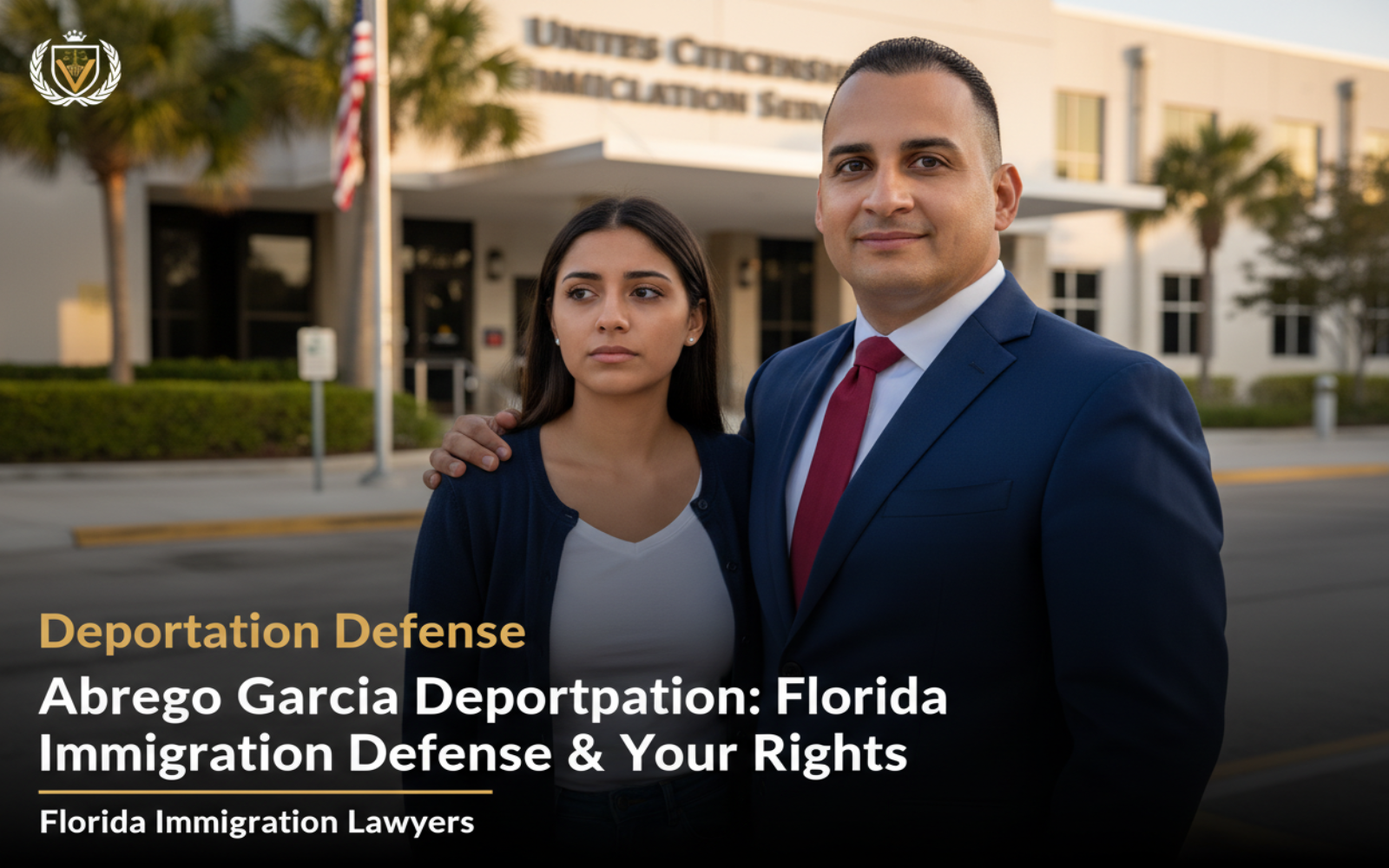
The Kilmar Abrego Garcia case highlights the critical need for robust legal defense against deportation, especially when errors occur. Understanding your rights and the complex immigration process is vital for anyone facing removal proceedings in Florida. Seeking immediate legal counsel can protect your future and prevent wrongful deportation.
- Deportation cases are complex and require expert legal guidance.
- Errors can occur, making strong defense crucial.
- Timely legal representation can protect your rights.
- Know your options for relief from removal in Florida.
Facing deportation can be one of the most frightening experiences imaginable, a reality underscored by high-profile cases like the Kilmar Abrego Garcia deportation. This case brought national attention to the profound complexities and potential injustices within the U.S. immigration system. For individuals and families in Florida, understanding your rights and the legal avenues available is not just important – it is absolutely essential.
At Florida Immigration Lawyers, we recognize the immense stress and uncertainty that deportation proceedings bring. This comprehensive guide will explore the intricacies of deportation defense, drawing insights from cases like Abrego Garcia, and provide actionable information for those navigating similar challenges in St. Petersburg and across Florida. We are here to help you understand the process, identify potential pitfalls, and build a strong defense.
Do not face this daunting journey alone. For immediate assistance and to discuss your options, call Florida Immigration Lawyers at 1-844-967-3536 for a free consultation. Our dedicated team is ready to stand by your side.
Understanding Abrego Garcia Deportation and Its Implications in Florida
The Kilmar Abrego Garcia deportation case serves as a stark reminder of how critical proper legal representation is in immigration matters. Garcia, a Salvadoran national, faced a situation where his removal from the U.S. was disputed due to procedural issues and ongoing legal challenges. This case underscored the potential for errors within the immigration system and the dire consequences for individuals involved.
For many immigrants in Florida, the threat of deportation is a constant fear. Whether it stems from visa overstays, alleged criminal conduct, or other immigration violations, the process can be overwhelming. Understanding the grounds for removal and your legal rights is the first step toward building a strong defense.
The Kilmar Abrego Garcia Case: A Warning Sign
Kilmar Abrego Garcia's situation became a focal point because it highlighted what many fear: an individual being deported despite having pending legal claims or court orders that should have prevented it. While the specifics of his case are unique, the underlying lesson is universal. It demonstrates the absolute necessity of having skilled legal counsel to navigate the system, challenge incorrect decisions, and ensure all due processes are followed. Without diligent legal advocacy, individuals risk losing their right to live in the U.S., even if they have valid defenses.
This situation underscores why anyone in Florida facing a removal order, or even just an inquiry from immigration authorities, should immediately contact an experienced immigration lawyer. Your future, and potentially your family's, depends on it. We are committed to protecting your rights and ensuring justice is served.
Deportation Grounds in Florida
The Immigration and Nationality Act (INA) outlines numerous grounds for deportability. These can range from relatively minor infractions to serious criminal offenses. Common reasons for deportation include:
- Visa Violations: Overstaying a visa, violating terms of admission, or entering the U.S. without inspection.
- Criminal Offenses: Convictions for certain crimes, particularly aggravated felonies, crimes involving moral turpitude, or drug offenses.
- Security Concerns: Engaging in activities deemed a threat to national security or public safety.
- Fraud or Misrepresentation: Providing false information on immigration applications or during interviews.
- Failure to Register: Not complying with alien registration requirements.
Understanding the specific grounds alleged against you is paramount. An immigration attorney can help you analyze the Notice to Appear (NTA) and determine the best defense strategy. For more detailed information on common reasons for removal, you can refer to U.S. Citizenship and Immigration Services (USCIS) resources and the INA itself. Specifically, INA Section 237 (8 U.S.C. § 1227) provides a comprehensive list of deportable offenses.
Navigating the Complex Deportation Process: A Step-by-Step Guide
The deportation process, also known as removal proceedings, is highly structured and can be lengthy. It typically involves multiple hearings before an Immigration Judge at an Executive Office for Immigration Review (EOIR) court. In Florida, individuals might find themselves in immigration courts in cities like Miami, Orlando, or Bradenton.
Understanding each stage is crucial for an effective defense. Our firm, Florida Immigration Lawyers, guides clients through every step, ensuring they are prepared and their rights are protected. The process generally unfolds as follows:
-
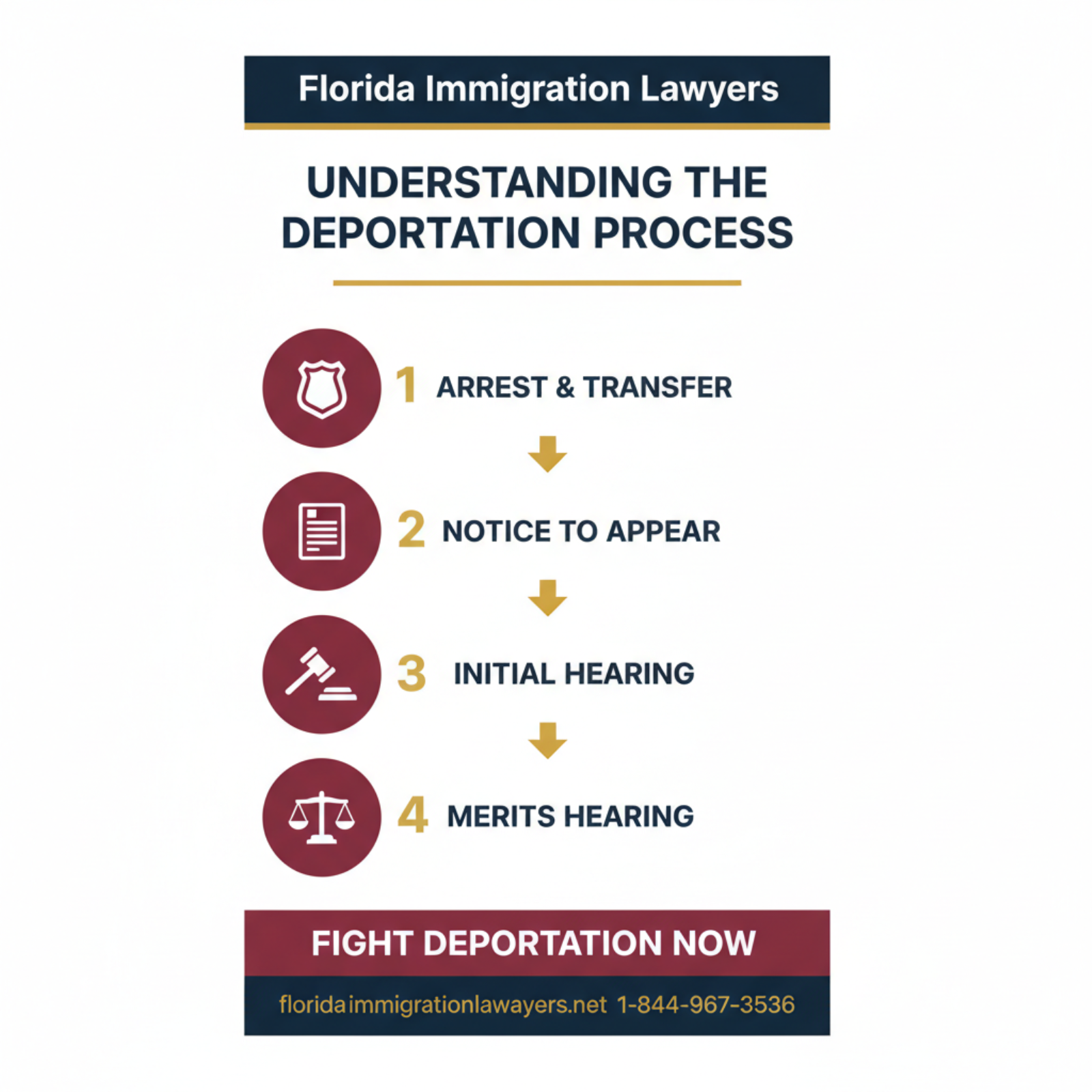
Notice to Appear (NTA) and Initial Hearing: The process begins when the Department of Homeland Security (DHS) issues a Notice to Appear (Form I-862). This document formally charges an individual with being removable from the U.S. and instructs them to appear before an Immigration Judge. The NTA specifies the alleged grounds of deportability and the date and time of the first hearing.
At this initial hearing, called a Master Calendar Hearing, the Immigration Judge will confirm your identity, ensure you received the NTA, and ask if you admit or deny the charges. This is also where you or your attorney will inform the court if you intend to seek relief from removal. It is critical to have legal counsel at this stage to avoid making admissions that could harm your case.
-
Master Calendar Hearing(s): Often, more than one Master Calendar Hearing is needed. During these hearings, the judge addresses preliminary issues, sets deadlines for filing applications for relief, and schedules the Individual Hearing. This is an administrative phase where details are ironed out, and the case timeline is established.
Your attorney will use this time to review the government's evidence, present your arguments, and ensure all procedural requirements are met. It's also an opportunity to explore potential avenues for relief, such as asylum, cancellation of removal, or adjustment of status. Each of these options requires specific eligibility criteria and extensive documentation.
-
Individual Hearing (Merits Hearing): This is the trial phase of your deportation case. During the Individual Hearing, both the government and your attorney will present evidence, call witnesses, and cross-examine opposing witnesses. You, as the respondent, will typically testify about your eligibility for any forms of relief you are seeking.
The Immigration Judge will then make a decision based on the evidence and testimony presented. This decision can result in an order of removal, a grant of relief, or a termination of proceedings. The preparation for this hearing is extensive and requires careful attention to detail, strong advocacy, and a deep understanding of immigration law. Our attorneys excel in this critical phase.
-
Appeals Process: If the Immigration Judge's decision is unfavorable, you generally have the right to appeal to the Board of Immigration Appeals (BIA). The BIA reviews the Immigration Judge's decision to ensure it was legally sound and based on a correct interpretation of the facts. This is an administrative appeal that must be filed within a strict timeframe.
If the BIA's decision is also unfavorable, further appeals may be possible in the U.S. federal circuit courts. These appeals challenge legal errors rather than factual findings. Navigating these higher courts requires specialized expertise in appellate immigration law. Our firm has experience with these complex appeals.
-
Understanding ICE Detention in Florida: Many individuals facing deportation are held in immigration detention facilities by U.S. Immigration and Customs Enforcement (ICE) during their proceedings. In Florida, detention centers like the Krome Service Processing Center or Glades County Detention Center are common. Being detained adds another layer of complexity and urgency to a case.
Our firm regularly assists clients who are in ICE detention in Florida, working to secure their release on bond or to expedite their removal proceedings. We understand the challenges of communicating with detained individuals and navigating the detention system. You can find more information on ICE facilities at ice.gov.
Essential Documentation for Deportation Defense in Florida
A strong deportation defense relies heavily on comprehensive and well-organized documentation. Gathering the right evidence is crucial for proving your eligibility for relief from removal or for challenging the government's allegations. The types of documents needed will vary based on the specific grounds of deportability and the form of relief you are seeking.
Here is a general checklist of documents commonly required for deportation defense:
- Identity Documents: Passport, birth certificate, national identity card, driver's license, or state ID.
- Proof of Entry and Presence: I-94 arrival/departure record, visa stamps, previous immigration petitions (I-130, I-485, I-765, etc.), school records, employment records, utility bills, tax returns, and medical records to establish continuous physical presence in the U.S.
- Evidence of Good Moral Character: Letters of support from community members, employers, and religious leaders; proof of volunteer work; tax records; and a clean criminal record (or evidence of rehabilitation if applicable).
- Family Ties: Marriage certificates, birth certificates of U.S. citizen or lawful permanent resident children, spouses, or parents. Affidavits from family members attesting to your role in their lives and the hardship they would face without you.
- Financial Stability Proof: Employment letters, pay stubs, bank statements, and tax returns to demonstrate your ability to support yourself and your family.
- Police and Court Records: Certified copies of all criminal court dispositions, even for minor offenses. It is critical to disclose all past interactions with law enforcement, regardless of the outcome.
- Previous Immigration Filings: Copies of all past immigration applications, petitions, and correspondence with USCIS or EOIR. This includes receipt notices, approval notices, and denials.
- Medical and Mental Health Records: If seeking asylum or other forms of relief based on persecution or hardship, medical records, psychological evaluations, and expert testimonies can be vital.
- Country Conditions Reports: For asylum or withholding of removal cases, credible reports from human rights organizations or the U.S. Department of State on conditions in your home country.
Organizing these documents thoroughly is a significant undertaking. Our experienced immigration lawyers can help you identify, gather, and present the necessary evidence effectively to the immigration court. We understand the specific requirements for different types of relief, such as asylum or family-based waivers.
Timelines and Processing Expectations for Deportation Cases
The duration of a deportation case can vary widely, from a few months to several years, depending on numerous factors. There is no standard timeline, and each case's complexity, the court's caseload, and the specific relief sought all play a significant role. The current immigration court system, including those in St. Petersburg and wider Florida, often faces backlogs, which can extend processing times.
Here are key factors influencing timelines:
- Court Caseload: Immigration courts in Florida, particularly in densely populated areas like Miami and Orlando, handle thousands of cases annually. High caseloads naturally lead to longer waits between hearings.
- Complexity of the Case: Simple cases, such as those involving straightforward visa overstays without significant criminal history, may proceed more quickly. Cases involving complex legal issues, multiple forms of relief, or extensive evidence can take much longer.
- Type of Relief Sought: Some forms of relief, like asylum, often involve more detailed testimony and evidence, potentially extending the process. Cancellation of removal also requires extensive documentation and can be highly contested.
- Detention Status: Cases for individuals in ICE detention are often prioritized by the courts, meaning they may proceed more quickly than cases for non-detained individuals. While this can seem beneficial, it also means less time for defense preparation.
- Appeals: If an appeal to the BIA or federal courts is necessary, it will add significant time, often a year or more, to the overall process.
While we cannot guarantee specific timelines, Florida Immigration Lawyers provides realistic expectations based on current court trends and the specifics of your case. We keep our clients informed every step of the way, helping them understand what to expect. It's important to remain patient and diligent throughout the process.
Cost Factors and Fee Breakdown in Deportation Proceedings
Understanding the financial aspects of a deportation defense case is an important part of planning. Legal fees and associated costs can vary significantly based on the complexity of your case, the type of relief pursued, and the attorney's experience. At Florida Immigration Lawyers, we believe in transparent fee structures and work with our clients to make quality legal representation accessible.
Key cost factors typically include:
- Attorney Fees: This is generally the largest component. Attorney fees can be structured in several ways: a flat fee for specific stages of the case (e.g., Master Calendar, Individual Hearing, or appeal), or an hourly rate for extensive work. Complex cases, those requiring significant investigation, or those involving appeals will naturally incur higher legal fees.
- Filing Fees: USCIS and EOIR charge fees for various applications for relief, such as asylum applications (though asylum itself generally has no fee), adjustment of status, waivers, or appeals to the BIA. These fees are set by the government and are subject to change. It is important to note that our firm does not provide specific filing fee amounts as they frequently change; please refer to the official USCIS website for current fees.
- Ancillary Costs: These are additional expenses that may arise during your case. They can include:
- Translation Services: For documents not in English.
- Expert Witness Fees: If psychological evaluations, country condition experts, or other specialists are needed.
- Travel Expenses: For attorneys if court appearances are far from the office.
- Document Procurement: Costs for obtaining certified court records, medical records, or other official documents.
During your free consultation with Florida Immigration Lawyers, we will discuss our fee structure in detail and provide an estimate of the costs involved in your specific case. We aim to provide clear information so you can make informed decisions about your legal defense.
Do not navigate this process alone. Contact Florida Immigration Lawyers today.
Common Mistakes to Avoid in Deportation Cases
Making even a small error in a deportation case can have severe, long-lasting consequences, potentially leading to an order of removal. Protecting your rights and preventing wrongful deportation requires vigilance and careful adherence to legal procedures. Based on our experience with cases like the abrego garcia deportation, we have identified common pitfalls that individuals should strive to avoid:
-
Missing Court Dates: Failing to appear for any scheduled immigration court hearing can result in an automatic order of deportation (an in absentia order). This is one of the most detrimental mistakes you can make.
Consequence: Once an in absentia order is issued, it is extremely difficult to reopen your case, and you may be subject to immediate removal from the U.S.
-
Not Understanding the Notice to Appear (NTA): Many individuals do not fully comprehend the charges against them or the implications of the NTA.
Consequence: You might unknowingly admit to charges that could have been challenged, weakening your defense from the outset.
-
Failing to Disclose Criminal History: Attempting to hide or misrepresent past arrests or convictions, even minor ones, is a serious error.
Consequence: This can be considered fraud or misrepresentation, leading to additional grounds of inadmissibility or deportability, and potentially criminal charges.
-
Providing False Information: Giving untruthful answers on applications or during interviews with immigration officials.
Consequence: Lying to a federal agent or on a government form can lead to permanent bars from immigration benefits and even criminal prosecution.
-
Leaving the U.S. Without Proper Authorization: If you are in removal proceedings, departing the U.S. without an advance parole document or without having your case terminated can have severe repercussions.
Consequence: You may be deemed to have self-deported, making it extremely difficult, if not impossible, to return to the U.S. legally.
-
Not Seeking Legal Counsel: Attempting to represent yourself in immigration court against trained government attorneys is a significant disadvantage.
Consequence: You may miss critical deadlines, fail to present necessary evidence, or overlook available forms of relief, leading to an unfavorable outcome.
-
Ignoring ICE Detainer or Contact: If ICE contacts you or issues a detainer, ignoring it or not responding appropriately can escalate your situation.
Consequence: This can lead to arrest and detention, making it harder to prepare your defense effectively.
-
Failing to Gather Sufficient Evidence: A weak case often stems from a lack of compelling documentation or testimony to support claims for relief.
Consequence: Without strong evidence, the Immigration Judge may deny your application for relief, leading to an order of removal.
-
Not Preparing for Court Testimony: Testifying in court can be intimidating. Being unprepared can lead to inconsistencies or omissions that hurt your case.
Consequence: Your credibility may be questioned, and your testimony might not effectively support your claims for relief.
-
Assuming One Type of Relief is the Only Option: Focusing solely on one form of relief without exploring all possibilities.
Consequence: You might miss out on other eligible forms of relief that could have provided a path to remain in the U.S.
-
Not Appealing Adverse Decisions: If an Immigration Judge denies your case, failing to file a timely appeal to the BIA can close your last opportunity for review.
Consequence: The judge's order of removal becomes final, and you lose the chance to have a higher authority review your case for errors.
-
Violating Terms of Release: If you are released on bond or under an Order of Supervision, failing to comply with its terms (e.g., reporting to ICE, not committing new crimes) can lead to re-detention and a more difficult case.
Consequence: You could be re-arrested, and your bond could be revoked, making it harder to fight your deportation case from outside detention.
When to Call a Florida Immigration Lawyer
Navigating the U.S. immigration system, especially when facing deportation, is incredibly complex. The stakes are high, and the legal landscape is constantly evolving. Knowing when to seek professional legal help can make all the difference in the outcome of your case. Florida Immigration Lawyers are here to provide the expert guidance you need, particularly in situations like the abrego garcia deportation, where every detail matters.
You should immediately contact an immigration attorney if you experience any of the following:
- You Receive a Notice to Appear (NTA): This is the official start of deportation proceedings. Do not try to handle this alone.
- You are Detained by ICE: If you or a loved one is arrested or held by Immigration and Customs Enforcement in Florida, securing legal representation is urgent. Our firm has extensive experience with ICE detention facilities across Florida.
- You Have a Criminal Record: Even minor offenses can have significant immigration consequences. An attorney can assess the impact of your criminal history on your immigration status and explore potential waivers or relief.
- You Believe You Are Eligible for Relief: Whether it's asylum, cancellation of removal, adjustment of status, or another form of relief, an attorney can help you determine eligibility and prepare a compelling case. Our firm has specific expertise in deportation defense, asylum cases, and citizenship applications.
- You Have Been Denied an Immigration Benefit: If USCIS has denied your visa, green card, or other application, an attorney can help you understand the reasons for denial and explore options for appeal or reconsideration.
- You Face Language Barriers or Confusion: The legal jargon and procedural rules can be daunting. An attorney can explain everything in clear terms and ensure effective communication with the court.
Warning signs and red flags that indicate you need immediate legal assistance include being pressured to sign documents without understanding them, receiving conflicting information from various sources, or feeling overwhelmed by the legal process. Do not delay; early intervention by a skilled Florida immigration lawyer can significantly improve your chances of a positive outcome.
About Florida Immigration Lawyers
Florida Immigration Lawyers is a leading law firm dedicated to providing exceptional immigration legal services to individuals and families across the entire state of Florida. With a deep understanding of U.S. immigration law and a compassionate approach, we stand ready to advocate for your rights and guide you through even the most complex immigration challenges.
Our experienced team specializes in a wide range of immigration matters, including deportation defense, asylum claims, family-based immigration, business immigration, visa applications, and naturalization. We are committed to achieving the best possible outcomes for our clients, offering personalized attention and strategic legal counsel.
Why Choose Florida Immigration Lawyers?
- Expertise: Our attorneys possess extensive knowledge of immigration law and stay updated on the latest policy changes.
- Client-Centered Approach: We prioritize your needs, providing empathetic and responsive legal support.
- Proven Track Record: We have a strong history of successfully representing clients in various immigration cases.
- Bilingual Services: Our team offers services in both English and Spanish to ensure clear communication.
- Accessibility: We offer free consultations and are available 24/7 to address your urgent legal needs.
Whether you are in St. Petersburg, Miami, Orlando, or any other part of Florida, our firm is here to serve you. Trust Florida Immigration Lawyers to be your dedicated advocate in all immigration matters.
Contact Us Today:
- Phone: 1-844-967-3536
- Website: https://www.floridaimmigrationlawyers.net
- Availability: 24/7
- Consultations: Free Consultations
- Service Area: Serving all of Florida
Sources and References
- U.S. Citizenship and Immigration Services (USCIS)
- Executive Office for Immigration Review (EOIR)
- U.S. Immigration and Customs Enforcement (ICE)
- 8 U.S.C. Chapter 12 - Immigration and Nationality Act (INA)
- INA Section 237 (8 U.S.C. § 1227) - Deportable Aliens
- INA Section 240 (8 U.S.C. § 1229a) - Removal Proceedings Generally
- 8 CFR Part 1003 - Executive Office for Immigration Review
This article provides general legal information and is not intended as legal advice. Every case is unique, and outcomes depend on specific facts and circumstances. Contact an attorney for advice about your particular situation.
If you or a loved one is facing deportation, the time to act is now. Do not risk your future by navigating this complex legal landscape alone. Florida Immigration Lawyers offers compassionate and effective legal representation for all immigration matters. Protect your rights and explore your options today.
Call us at 1-844-967-3536 for a free, confidential consultation. Se Habla Español - Estamos aquí para ayudarle.
Florida Immigration Lawyers
Legal Team
Our experienced attorneys at Florida Immigration Lawyers have been serving clients across Florida for over 20 years. We specialize in immigration, personal injury, criminal defense, workers compensation, and family law.