DACA News 2026 Florida: Renewals, Updates & Legal Assistance
Get the latest DACA news 2026 for Florida residents. Understand renewal processes, legal updates, and how to protect your status. Contact Florida Immigration Lawyers for a free consultation.
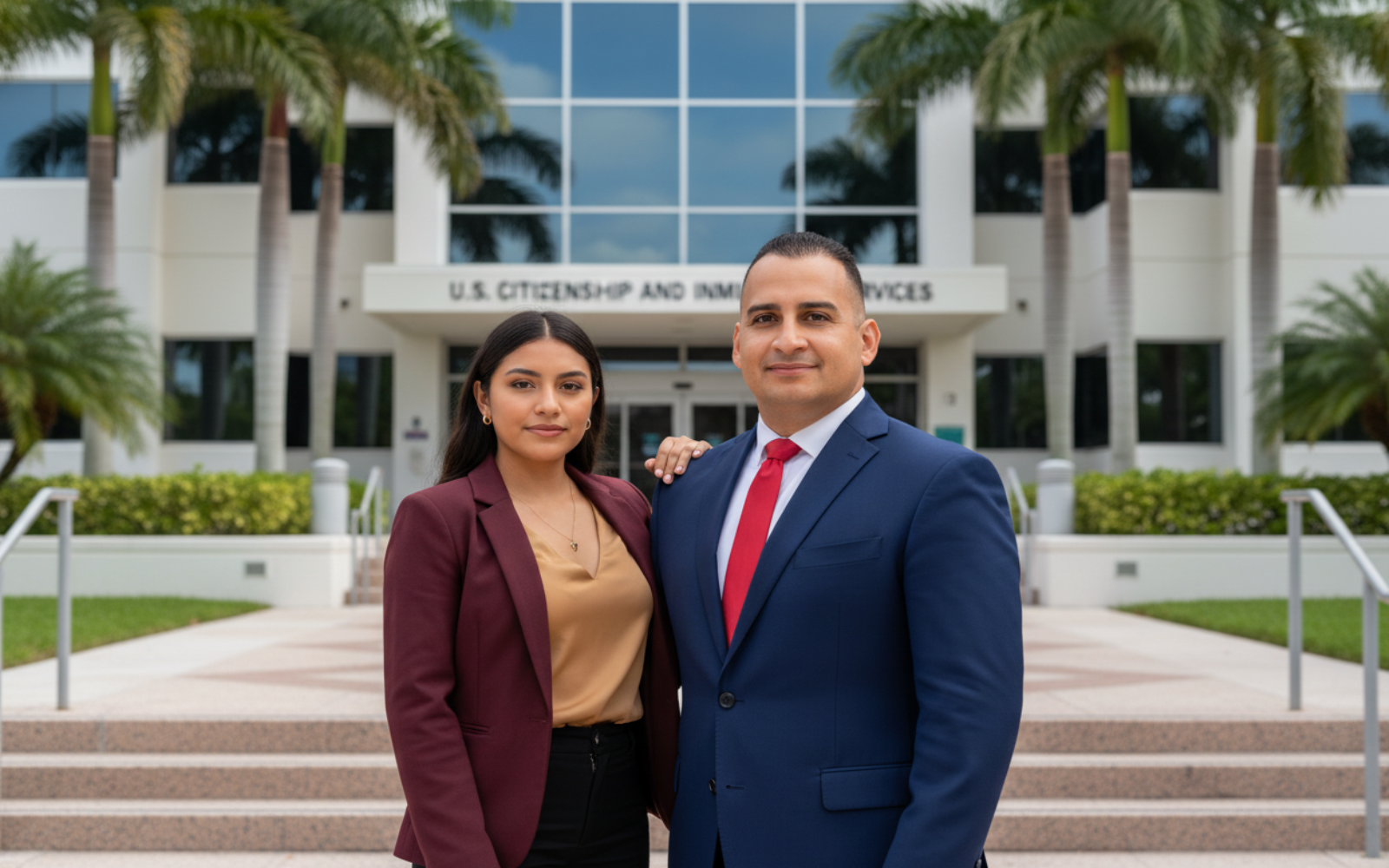
DACA News 2026 Florida: Renewals, Updates & Legal Assistance
For DACA recipients in Florida, staying informed about the latest developments is not just advisable, it's crucial. As we look towards 2026, the landscape surrounding the Deferred Action for Childhood Arrivals (DACA) program continues to evolve, bringing both challenges and opportunities. This comprehensive guide aims to provide clarity on renewal processes, significant legal updates, and how to secure expert legal assistance to protect your status in the Sunshine State. Understanding these elements is paramount for maintaining your DACA status and planning for your future.
Understanding DACA in Florida: A 2026 Perspective
The DACA program, while facing ongoing legal scrutiny, remains a vital lifeline for thousands of young Floridians who arrived in the U.S. as children. In 2026, the core principles of DACA—providing temporary protection from deportation and work authorization—are expected to remain, but the specifics of its implementation and potential pathways to permanent residency are subject to change. It's essential for recipients to understand that DACA is not a path to citizenship, but a temporary relief that requires diligent maintenance.
Florida, with its diverse population and significant immigrant communities, presents a unique context for DACA recipients. State-level initiatives and local community resources can sometimes provide additional support or information, making it even more critical to connect with local advocacy groups and legal experts. Understanding the broader sociopolitical climate in Florida can also help DACA recipients anticipate potential shifts in support or opposition to immigrant-friendly policies.
The temporary nature of DACA often creates significant uncertainty for recipients, impacting their educational pursuits, career planning, and overall sense of security. This underscores the importance of not only maintaining DACA status but also actively exploring long-term immigration strategies. While DACA offers a crucial reprieve, a more permanent solution is often the ultimate goal for many Dreamers, and proactive planning is the first step towards achieving that stability.
Eligibility Criteria and Renewal Requirements
To be eligible for DACA, applicants must meet specific criteria, including having arrived in the U.S. before age 16, continuously resided in the U.S. since June 15, 2007, and either be currently in school, have graduated, or obtained a GED. Furthermore, applicants must not have been convicted of a felony, a significant misdemeanor, or three or more other misdemeanors, and must not pose a threat to national security or public safety. For renewals, these criteria largely remain, with an emphasis on continuous residence and a clean criminal record. It's crucial to gather all necessary documentation well in advance of your expiration date.
The Importance of Timely Renewals
Timely renewal is the cornerstone of maintaining DACA status. U.S. Citizenship and Immigration Services (USCIS) recommends filing your renewal application 120 to 150 days before your current DACA status and Employment Authorization Document (EAD) expire. Failing to renew within this window can lead to a lapse in your status, potentially exposing you to deportation and loss of work authorization. A lapse can also complicate future renewal applications, possibly requiring you to re-file as an initial applicant, which carries greater uncertainty. For detailed instructions and forms, always refer to the official USCIS website.
Key Legal Updates Affecting DACA in 2026
The legal landscape for DACA is notoriously fluid, with court challenges and legislative efforts continuously shaping its future. In 2026, DACA recipients in Florida should remain vigilant about potential federal court rulings that could impact the program's ability to accept new applications or even its very existence. While current recipients are generally protected, any significant legal decision could alter renewal processes or introduce new requirements. Staying informed through reliable legal sources and immigration advocacy groups is vital. The Department of Justice also provides updates on significant immigration litigation that could affect DACA, which can be found on justice.gov.
Specifically, ongoing litigation, such as the case originating from Texas, has consistently challenged the legality of the DACA program. Decisions from the Fifth Circuit Court of Appeals or even the Supreme Court could profoundly impact DACA's future, potentially leading to injunctions that halt renewals or modify eligibility. For instance, a ruling might uphold or overturn previous judgments regarding the program's initial implementation, creating ripples across all DACA-related processes. Understanding these legal nuances requires expert insight, which Florida Immigration Lawyers can provide.
Beyond court decisions, there's always the possibility of legislative action. Congress has repeatedly debated various proposals to provide a permanent solution for Dreamers, but a consensus has remained elusive. While the political climate can shift rapidly, DACA recipients should be aware that any new legislation could either solidify their status or introduce new complexities. Consulting with an immigration attorney is the best way to understand how these potential changes might specifically affect your individual circumstances. Our firm specializes in various immigration law matters, offering comprehensive guidance.
Community advocacy plays a crucial role in these legislative and legal battles. Organizations and individuals continuously lobby lawmakers and raise public awareness about the importance of DACA and the need for a permanent solution. DACA recipients in Florida are encouraged to engage with and support these efforts, as collective action can significantly influence policy outcomes. Staying connected with these movements can also provide a sense of community and shared purpose amidst ongoing uncertainty.
Navigating the DACA Renewal Process
The DACA renewal process, while seemingly straightforward, requires meticulous attention to detail. Any errors or omissions can lead to delays or even denial. The process involves completing Form I-821D (Consideration of Deferred Action for Childhood Arrivals), Form I-765 (Application for Employment Authorization), and Form I-765 Worksheet. You must also submit supporting documentation, including copies of your previous DACA approval notice, EAD, and any documents proving continuous residence and a clean criminal record. The filing fee is also a significant consideration, and fee waivers are rarely granted for DACA renewals.
The financial aspect of DACA renewals, particularly the filing fee, can be a burden for many recipients. While USCIS rarely grants fee waivers for DACA, some non-profit organizations and legal aid groups may offer financial assistance or pro-bono legal services to help cover costs. It's important to research these options well in advance and factor the fee into your renewal timeline. Accuracy in all forms is paramount; even a minor typo can cause significant processing delays.
It is strongly recommended to keep copies of all submitted documents for your records. If you have had any encounters with law enforcement, even minor ones, since your last DACA approval, it is imperative to consult with an attorney before filing your renewal. These incidents, even if charges were dropped, could potentially jeopardize your DACA status. An experienced attorney can help you assess the situation and prepare a robust application. Learn more about how we can assist with deportation defense if your status is at risk.
To streamline your renewal, consider creating a detailed checklist and timeline. Gather all required documents, such as previous approval notices, EADs, and proof of continuous residence (e.g., utility bills, school records, employment history), several months before your renewal window opens. A practical tip is to organize these documents in a dedicated folder, making it easier to retrieve and review them when preparing your application. This proactive approach significantly reduces stress and the likelihood of missing critical information.
Protecting Your DACA Status: Common Pitfalls and Best Practices
Maintaining DACA status goes beyond just timely renewals; it involves adhering to specific guidelines and understanding potential risks. One of the most critical aspects is avoiding any criminal activity. Even minor offenses, particularly those involving moral turpitude, can lead to the termination of your DACA status and potential deportation proceedings. It is crucial to understand that DACA is a discretionary benefit, and USCIS has the authority to revoke it if they determine you no longer meet the eligibility criteria or if there's a perceived threat to public safety.
Another area of concern is travel. While DACA recipients can apply for advance parole to travel outside the U.S. for educational, employment, or humanitarian purposes, this is not a guaranteed right. Traveling without approved advance parole can result in being denied re-entry into the U.S. and the automatic termination of your DACA status. Always consult with an immigration attorney before making any international travel plans. Furthermore, ensure all your personal information, such as your address, is always up-to-date with USCIS. Failure to update your address can lead to missed notices and critical deadlines, potentially jeopardizing your status. Regularly reviewing your immigration records and seeking legal advice for any changes in your life circumstances is a best practice. Our dedicated attorneys are here to help you navigate these complexities.
A vital best practice is to maintain meticulous records of all your immigration-related correspondence, travel history, and any significant life events. For example, if you change jobs, get married, or move to a new address, keep documentation. This proactive record-keeping ensures that you have all necessary information readily available for future renewals or if you decide to explore other immigration pathways. It also helps your attorney build a comprehensive case should any issues arise.
Beyond DACA: Exploring Other Immigration Pathways
While DACA provides temporary relief, many recipients and their families aspire to achieve a more permanent immigration status. It is crucial to explore other potential avenues for lawful residency, as DACA itself does not offer a direct path to a green card or citizenship. Some DACA recipients may qualify for other forms of relief based on family relationships, employment, or specific circumstances.
For instance, if you marry a U.S. citizen, you might be eligible for adjustment of status, though the legality of your entry (whether you were inspected and admitted) will play a significant role. A common scenario involves a DACA recipient who entered without inspection; while marriage to a U.S. citizen offers a potential path, they might still need to leave the U.S. and apply for an immigrant visa abroad, which can trigger a 3- or 10-year bar. This complex issue highlights why legal counsel is indispensable.
Other possibilities include U Visas for victims of certain crimes, or in some cases, even asylum if you have a well-founded fear of persecution in your home country. These pathways are often complex and require a thorough evaluation of your individual history and circumstances. For example, a DACA recipient who was a victim of domestic violence might qualify for a U-visa if they cooperated with law enforcement. These pathways are not always obvious and require a deep understanding of immigration law. Consulting with an immigration lawyer is indispensable to determine if you qualify for any of these alternatives. Our firm offers expertise in various immigration matters, including asylum claims and broader immigration services, to help you explore every available option for a more secure future.
Furthermore, some DACA recipients with specific skills or higher education may explore employment-based visa options if a sponsoring employer is found. While less common, it's another avenue that could lead to permanent residency. Each of these alternatives has stringent eligibility requirements and a unique application process, emphasizing the need for personalized legal advice to navigate the intricate immigration system effectively.
Conclusion: Secure Your Future with Expert Legal Assistance
The journey for DACA recipients in Florida through 2026 and beyond will undoubtedly be marked by continued change and uncertainty. However, with proactive planning, diligent adherence to renewal processes, and the right legal guidance, you can protect your status and explore pathways to a more secure future. Don't navigate these complex legal waters alone. The expertise of an experienced immigration attorney can make all the difference in understanding your rights, preparing robust applications, and advocating on your behalf.
Securing expert legal counsel offers more than just assistance with paperwork; it provides a strategic partner for your long-term immigration goals. An attorney can help you anticipate potential legal shifts, advise on educational and career choices that align with future immigration possibilities, and provide peace of mind in an often unpredictable environment. This holistic approach to your immigration journey is invaluable.
If you are a DACA recipient in Florida with questions about your renewal, legal updates, or exploring other immigration options, we are here to help. Contact Florida Immigration Lawyers today for a free consultation to discuss your specific situation and ensure your future is protected. Your peace of mind is our priority. Call us at 1-844-967-3536 or visit our contact page to schedule your consultation and take the first step towards a more secure tomorrow.
Preguntas Frecuentes
Vasquez Law Firm
Equipo Legal
Por más de 15 años, Vasquez Law Firm ha estado sirviendo a clientes en Florida. Nos especializamos en inmigración, lesiones personales, defensa criminal, compensación laboral y derecho familiar.