UK Immigration Reform Denmark Model: What Florida Residents Need to Know
Explore the UK immigration reform Denmark model and its potential influence on global immigration policies, including those affecting Florida. This article details the strict principles of the Denmark model, discusses its potential repercussions for Florida's diverse immigrant population, and offers a comprehensive guide to navigating asylum procedures in the U.S. Learn about essential documents, processing timelines, and common mistakes to avoid. Florida Immigration Lawyers provides expert guidance for those facing immigration challenges, offering free consultations to residents across the state, including West Palm Beach.
The UK is exploring a Denmark model immigration approach to reform its immigration system, particularly regarding asylum. This model typically involves stricter policies, external processing, and limited integration. For Florida residents, understanding such global shifts is crucial as they can influence U.S. immigration debates and future policy directions. These reforms aim to reduce irregular migration and manage asylum claims more stringently.
- UK's interest in Denmark's strict immigration and asylum policies.
- The Denmark model emphasizes external processing and limited benefits.
- Potential influence on global immigration discussions, including in the U.S.
- Florida residents should stay informed about evolving immigration landscapes.
- Consulting an immigration lawyer West Palm Beach is vital for personalized advice.
Imagine a world where immigration policies are constantly shifting, impacting lives and futures. Across the Atlantic, the United Kingdom is reportedly examining the Denmark model immigration system for its own reform efforts. This approach has significant implications for how countries manage asylum and migration.
This article explores what the UK immigration reform Denmark model entails, its core principles, and how such a global discussion could resonate with Florida immigration challenges. We will discuss its potential effects on asylum seekers and the broader immigration landscape in Florida. Our goal is to provide clarity in a rapidly evolving field.
If you are navigating complex immigration matters in Florida, do not hesitate to seek expert guidance. Call Florida Immigration Lawyers at 1-844-967-3536 for a free consultation to discuss your specific situation. We are here to help you understand your options and rights.
Understanding the UK Immigration Reform Denmark Model
The UK immigration reform Denmark model has garnered significant attention from policymakers and the media. It represents a potential shift towards more restrictive asylum and immigration policies. The UK government, seeking to curb irregular migration, is reportedly drawing inspiration from Denmark's approach.
Denmark asylum policy is known for its stringent measures designed to limit new arrivals. It aims to process asylum claims outside its borders and limit social benefits for new arrivals. The underlying philosophy is to make Denmark a less attractive destination for asylum seekers, fostering a more controlled immigration environment.
Key elements of this model often include a focus on temporary protection rather than permanent settlement. There are also strict integration requirements and a policy of encouraging returns to home countries. This contrasts sharply with traditional models of refugee integration, significantly reshaping the Denmark asylum system over recent years.
Core Principles of the Denmark Model and its Global Impact
A cornerstone of the Denmark model immigration approach is the concept of externalizing asylum processing. This means potentially sending asylum seekers to third countries for their claims to be assessed. The goal is to avoid processing them within national borders, which is a major departure from existing international norms.
The Denmark model also often includes policies designed to limit the long-term integration of refugees into Danish society. This can manifest in reduced social benefits, stricter family reunification rules, and a focus on temporary residency. Experts anticipate Denmark immigration policy 2025 to continue this trend, maintaining a firm stance on migration.
While specific to the UK's potential reforms, these discussions have global implications. Other nations, including those observing Florida immigration challenges, might consider similar approaches in response to perceived migration pressures. It sparks debates about international protection obligations, human rights, and national sovereignty.
Potential Repercussions for Florida's Immigration Landscape
The debate around the UK immigration reform Denmark model could influence U.S. policy discussions in the coming years. While the U.S. has its own distinct immigration laws and complex legal framework, global trends can inform legislative proposals. Florida, with its diverse immigrant population and significant international connections, often finds itself at the forefront of these national conversations.
Asylum seekers in Florida, particularly those arriving through various routes, might wonder about the future of protection policies. Any shift towards stricter interpretations or external processing models, even if discussed internationally, could impact individuals seeking refuge here. An experienced immigration lawyer West Palm Beach can provide current insights into U.S. asylum law and potential policy shifts.
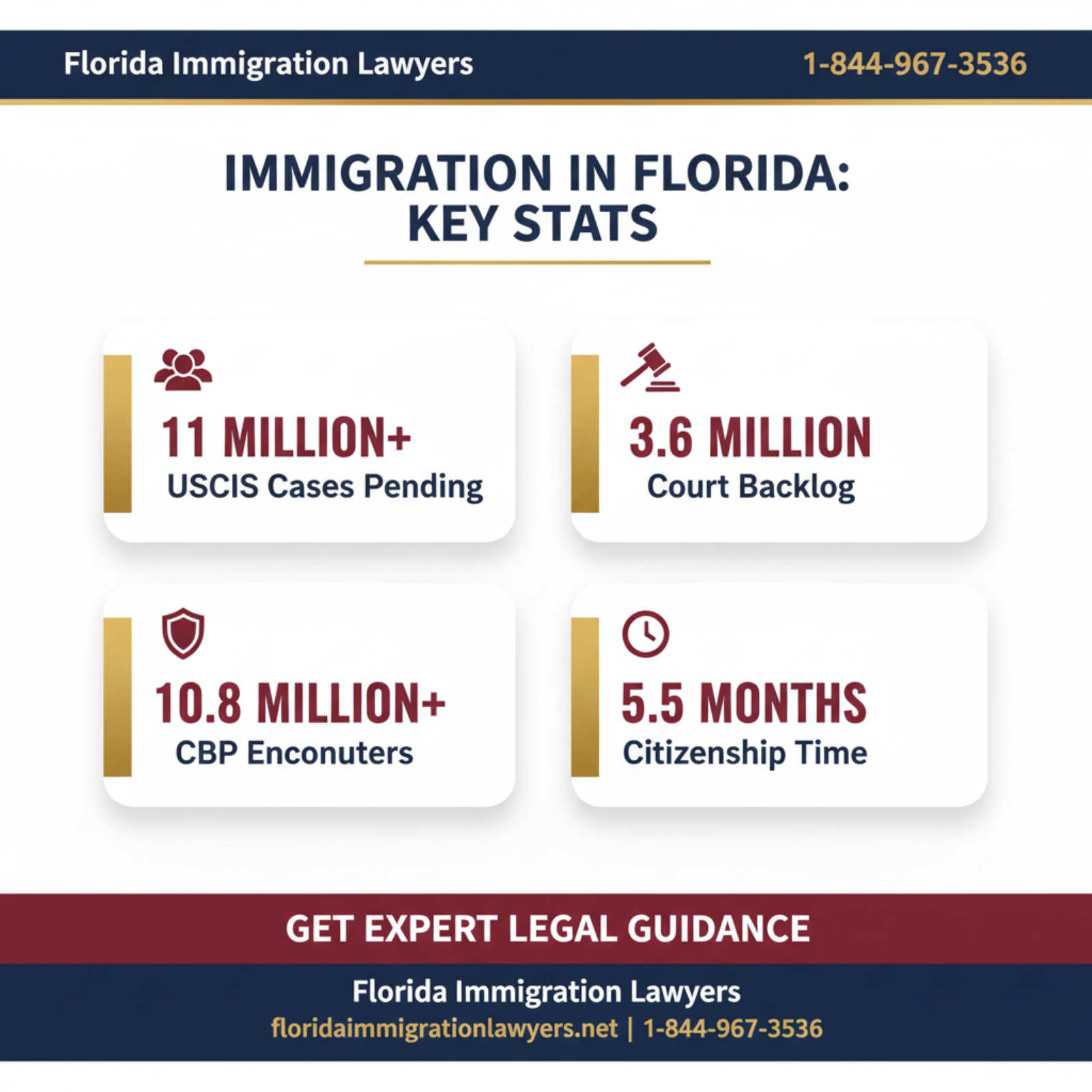
Changes in immigration policy, even those discussed internationally, can have ripple effects beyond border control. Florida's economy relies significantly on its immigrant workforce across various sectors, from agriculture to hospitality. Restrictive policies, or even the discussion of them, could affect labor markets and social services across the state, impacting communities from West Palm Beach to Miami.
Navigating Complex Immigration Procedures in Florida
Regardless of global policy shifts, the fundamental immigration processes within the U.S. remain governed by federal law. USCIS processing Florida involves specific forms, interviews, and background checks for various visa types, green cards, and citizenship applications. Understanding these procedures is paramount for successful outcomes.
Florida hosts several key USCIS field offices, including in Miami, Orlando, and Tampa. These offices handle a high volume of cases, and understanding their specific procedures and requirements is essential for applicants. Delays in USCIS processing Florida are a common concern for applicants, requiring patience and consistent follow-up.
For those facing deportation or appealing asylum decisions, Florida's immigration courts (e.g., Miami Immigration Court, Orlando Immigration Court, Hialeah Immigration Court) are critical venues. Navigating these judicial processes requires expert legal representation. This is where an experienced immigration lawyer West Palm Beach becomes invaluable, providing crucial guidance and advocacy. You can learn more about deportation defense on our website.
A Step-by-Step Guide to Seeking Asylum in the U.S. (General Overview)
While the UK immigration reform Denmark model discusses external processing, the U.S. asylum system has a clear internal process. Understanding this path is vital for those seeking protection in Florida. This guide offers a general overview of the steps involved in applying for asylum in the United States.
- Arrive in the U.S. or at a Port of Entry: An individual must generally be physically present in the U.S. or present themselves at a port of entry to apply for asylum. This is a foundational requirement under U.S. law, as outlined in 8 U.S.C. § 1158.
- File Form I-589, Application for Asylum and for Withholding of Removal: You must file this application with USCIS within one year of your last arrival in the U.S., unless an exception applies. This deadline is very strict, and missing it can be detrimental to your case. More information is available on the USCIS asylum page.
- Biometrics Appointment: After filing, you will typically receive a notice for a biometrics appointment. This involves fingerprinting, photographs, and a signature for background checks. These are essential for security clearances.
- Asylum Interview (Affirmative Asylum): If you filed affirmatively with USCIS, you will be scheduled for an interview with an asylum officer. This is your crucial opportunity to explain your fear of persecution and present your case.
- Referral to Immigration Court (Defensive Asylum): If your affirmative asylum application is not granted by USCIS and you are not in lawful status, your case will generally be referred to an immigration judge. This begins the defensive asylum process, where you present your case in court.
- Immigration Court Hearings: In immigration court, you will present your case to an immigration judge. You may have multiple hearings, including a master calendar hearing and an individual hearing (merits hearing). These proceedings follow specific legal protocols defined in 8 CFR Part 208.
- Decision and Appeals: The immigration judge will issue a decision on your asylum claim. If denied, you may have the right to appeal to the Board of Immigration Appeals (BIA) and potentially to federal courts. This appeals process can be lengthy and complex.
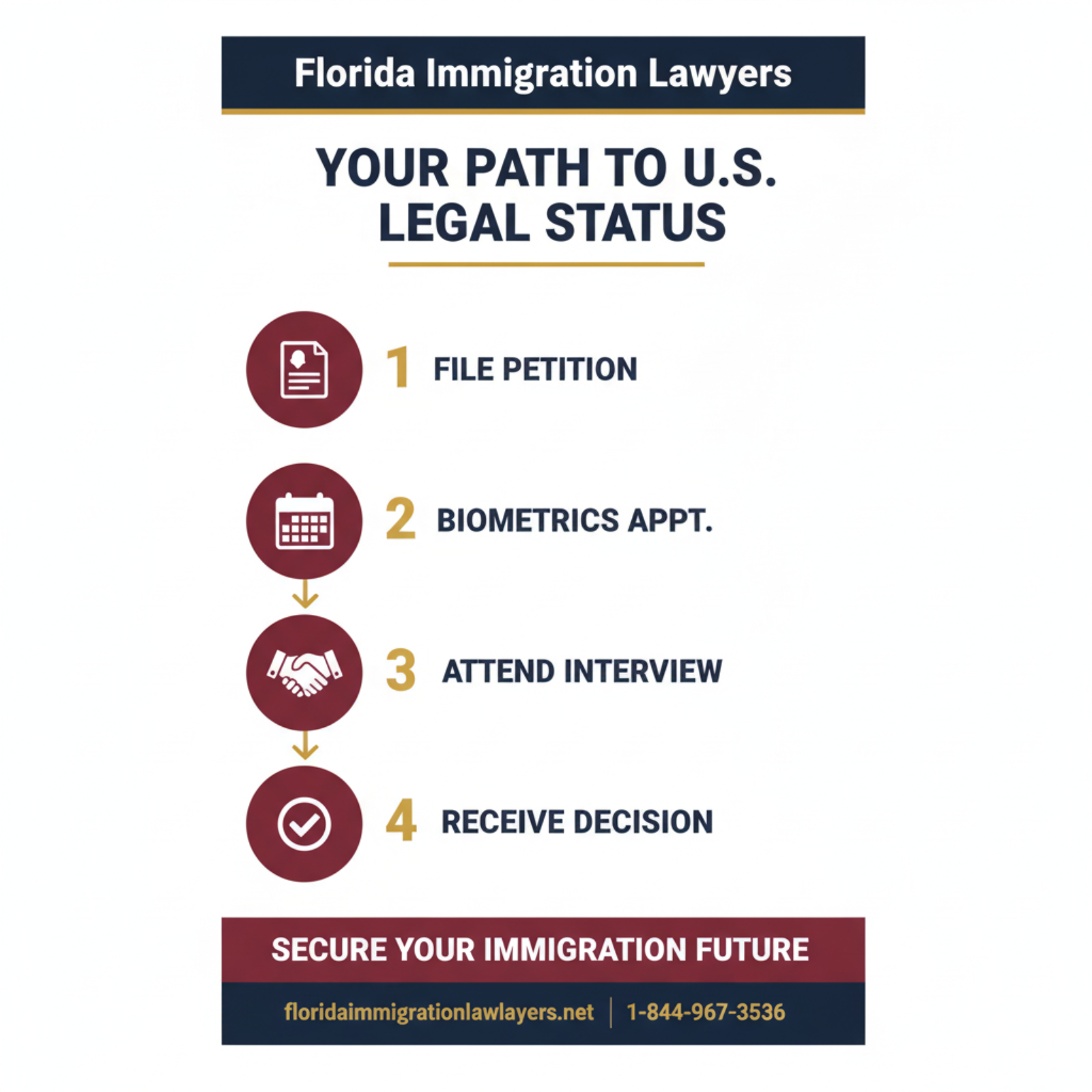
Each step is complex and laden with legal nuances. Consulting an experienced immigration lawyer West Palm Beach is crucial for navigating this process successfully. They can help prepare your case, gather evidence, and represent your interests effectively. Our firm offers dedicated support for asylum applications.
Essential Document Checklist for Asylum Seekers
Preparing a thorough set of documents is critical for any asylum application in Florida. The more evidence you provide to support your claim, the stronger your case generally becomes. This list outlines typical documents required for an asylum application.
- Form I-589, Application for Asylum and for Withholding of Removal: Ensure the primary application form itself is accurately completed, signed, and dated. Any errors can cause delays.
- Supporting Affidavits/Declarations: Include personal statements detailing your persecution and fear, along with statements from witnesses who can corroborate your story. These add significant weight to your narrative.
- Identity Documents: Provide copies of your passport, birth certificate, national ID card, or any other proof of identity and nationality. Clear identification is always required by USCIS.
- Proof of Relationship (if applicable): If you are including family members in your application, provide marriage certificates, birth certificates for dependents, and other relevant documents.
- Evidence of Persecution: Gather police reports, medical records, court documents, newspaper articles, photos, videos, or any other documentation proving harm or threats you faced. This direct evidence is often paramount.
- Country Conditions Information: Include reports from human rights organizations, U.S. Department of State reports, or reputable news articles. These should demonstrate the general conditions in your home country that support your claim of persecution.
- Travel Documents: Present your I-94 arrival/departure record, visa, or other entry documents that show your lawful entry or presence in the U.S.
- Photographs: Provide recent passport-style photos as required by USCIS specifications.
Keep all documents organized and provide certified translations for any non-English materials. An immigration lawyer West Palm Beach can assist you in compiling, organizing, and presenting this crucial evidence effectively. Proper documentation can make a significant difference in your case.
Timeline and Processing Expectations for Asylum in Florida
The timeline for asylum applications in Florida can vary significantly. Factors influencing processing times include the volume of applications, staffing levels at USCIS asylum offices and immigration courts, and the complexity of individual cases. These variables make precise predictions challenging.
For affirmative asylum cases, USCIS asylum offices in Florida (e.g., the Orlando Asylum Office) aim to prioritize recently filed applications. However, historical backlogs can still lead to lengthy waits for interviews. It is not uncommon for individuals to wait several months, or even years, for their initial interview.
Defensive asylum cases in Florida's immigration courts often face substantial backlogs. It can take several years for a case to be heard and decided by an immigration judge. This extended USCIS processing Florida time can be incredibly challenging for applicants, creating prolonged uncertainty.
Generally, asylum applicants may apply for work authorization (Employment Authorization Document, EAD) 150 days after filing their Form I-589, provided their application is still pending. The EAD can typically be issued after 180 days, offering some relief to applicants. You can check the status of your case online via the USCIS website or by contacting the Executive Office for Immigration Review (EOIR) for court cases. An immigration lawyer West Palm Beach can help you monitor your case status and provide updates, offering peace of mind.
Cost Factors and Fee Breakdown for Immigration Cases
While there are generally no filing fees for the Form I-589 asylum application itself, other related applications may incur costs. For example, applying for a work permit (Form I-765) usually requires a fee, though waivers may be available based on financial need. It is important to review current fee schedules on the USCIS website.
The most significant cost factor for many is legal representation. Immigration lawyer fees vary based on the complexity of the case, the attorney's experience, and the specific services provided. A free consultation with Florida Immigration Lawyers can help you understand potential costs for your unique situation. We believe in transparent pricing.
Ancillary costs can also accumulate. These include translation services for documents, expert witness fees if required, travel expenses for interviews or court hearings, and fees for obtaining supporting evidence from your home country. Budgeting for these additional expenses is crucial.
It is important to discuss all potential costs upfront with your legal team. Florida Immigration Lawyers offers transparent fee structures, ensuring you are fully informed. We aim to make quality legal representation accessible for individuals and families navigating complex immigration laws.
USCIS offers fee waivers for certain forms based on demonstrated financial need. Your immigration lawyer West Palm Beach can help you determine if you are eligible for a fee waiver and assist with the application process. Exploring these options can significantly reduce the financial burden of your immigration journey.
Do not navigate this complex and often daunting process alone. The stakes are too high, and the legal landscape is constantly shifting. Contact Florida Immigration Lawyers today for dedicated and experienced legal support. We are here to help you protect your future and achieve your immigration goals.
Common Mistakes to Avoid in Asylum Cases
- Missing the One-Year Filing Deadline: Failing to file Form I-589 within one year of your arrival in the U.S. without a valid exception can lead to an automatic denial of your asylum claim. This is a crucial mistake that many asylum seekers unfortunately make, often due to lack of information.
- Inconsistent or Untruthful Testimony: Any inconsistencies between your written application and your interview or court testimony can severely undermine your credibility with asylum officers or immigration judges. Always be truthful, precise, and consistent in your narrative.
- Lack of Corroborating Evidence: Relying solely on your testimony without supporting documents can weaken your case significantly. Gather all available evidence, no matter how small, to substantiate your claims of persecution.
- Not Disclosing All Grounds for Asylum: You must clearly articulate all reasons you fear persecution, including all protected grounds (race, religion, nationality, particular social group, political opinion). Omitting these can weaken your claim and limit your legal avenues.
- Failing to Update Contact Information: If USCIS or the immigration court cannot reach you, important notices may be missed, leading to missed appointments or even orders of removal in absentia. Always keep your address and phone number current with all agencies.
- Traveling Outside the U.S. While Application is Pending: Leaving the U.S. without obtaining advance parole can be considered an abandonment of your asylum application. Always consult your immigration lawyer West Palm Beach before any international travel to avoid severe consequences.
- Not Understanding Your Rights in Court: Appearing before an immigration judge without understanding your rights or the legal process can be detrimental to your case. You have the right to legal representation, and exercising it is highly recommended.
- Submitting Incomplete or Incorrect Forms: Errors or omissions on your Form I-589 or supporting documents can lead to delays, requests for evidence, or outright rejections. Double-check everything carefully and seek professional help.
- Failing to Prepare for Your Interview/Hearing: You must be ready to discuss your story in detail and answer difficult questions from asylum officers or judges. Preparation with your attorney is key to presenting a strong and credible case.
- Ignoring Changes in Law or Policy: Immigration law is dynamic, with regulations and interpretations subject to change. What was true yesterday may not be true tomorrow. Staying informed, ideally through legal counsel, is vital for navigating your case successfully.
When to Call an Immigration Lawyer
You should contact an immigration lawyer immediately if you are considering applying for asylum, have received a Notice to Appear (NTA) in immigration court, or are facing deportation. If you have any doubts about your eligibility or the complex asylum process, legal advice is essential to protect your rights.
Red flags include receiving confusing notices from USCIS, having an application returned due to errors, or facing an interview without feeling fully prepared to articulate your story. If your case involves complex legal issues, such as past criminal convictions, previous immigration violations, or a particularly challenging persecution claim, legal counsel is critical.
Florida Immigration Lawyers specializes in all aspects of immigration law, including asylum, deportation defense, family-based petitions, and citizenship. Our attorneys are intimately familiar with USCIS processing Florida and the local immigration courts in Miami, Orlando, and other cities. We serve clients across Florida, including West Palm Beach and surrounding areas. Visit our attorneys page to learn more about our team.
About Florida Immigration Lawyers
Florida Immigration Lawyers is a leading law firm dedicated to providing exceptional immigration legal services across the state. We understand the profound impact immigration matters have on individuals and families, and we are committed to offering compassionate and effective representation.
Our experienced team offers comprehensive legal support for asylum claims, deportation defense, family immigration, business immigration, and naturalization. We are committed to protecting your rights, navigating bureaucratic complexities, and achieving your immigration goals, whether you are in West Palm Beach or elsewhere in Florida.
We pride ourselves on personalized attention, clear communication, and a deep understanding of U.S. immigration law. Our firm is available 24/7 to address your urgent needs and provide timely assistance. Choosing Florida Immigration Lawyers means choosing a partner dedicated to your success.
Call us today at 1-844-967-3536 or visit our website at https://www.floridaimmigrationlawyers.net for a free consultation. We serve all of Florida, including West Palm Beach and surrounding areas. Let us be your trusted guide through the immigration process.
Sources and References
- U.S. Citizenship and Immigration Services (USCIS) - Asylum
- Executive Office for Immigration Review (EOIR) - Immigration Courts
- USCIS - Form I-589, Application for Asylum and for Withholding of Removal
- 8 U.S.C. § 1158 - Asylum
- 8 CFR Part 208 - Asylum and Withholding of Removal
- U.S. Department of State - Visa Law and Policy
This article provides general legal information and is not intended as legal advice. Every case is unique, and outcomes depend on specific facts and circumstances. Contact an attorney for advice about your particular situation.
Your immigration journey is too important to navigate alone. Let the compassionate and skilled attorneys at Florida Immigration Lawyers guide you through every step. We are committed to providing personalized and effective legal solutions.
Call us now at 1-844-967-3536 for a free, confidential consultation. We are ready to listen to your story and offer the legal support you deserve. Se Habla Español - Estamos aquí para ayudarle.
Frequently Asked Questions
Florida Immigration Lawyers
Legal Team
Our experienced attorneys at Florida Immigration Lawyers have been serving clients across Florida for over 20 years. We specialize in immigration, personal injury, criminal defense, workers compensation, and family law.