Supreme Court TPS Venezuela: What Florida Immigrants Need
For Venezuelan nationals in Florida, understanding Temporary Protected Status (TPS) and its interaction with Supreme Court decisions is critical, especially looking towards 2026. This guide details TPS eligibility, the step-by-step application and re-registration process, and essential documentation. We also cover common mistakes to avoid and when to seek legal counsel. While the Supreme Court doesn't directly designate TPS, its rulings on immigration law can significantly influence policy and administration. Florida Immigration Lawyers are dedicated to helping you navigate these complexities, offering expert guidance for your TPS application or re-registration. Ensure your status is protected by staying informed and seeking professional assistance.

The Supreme Court's past rulings on Temporary Protected Status (TPS) have set precedents impacting immigration protections, though a direct ruling specifically on Venezuela's TPS designation has not occurred as of 2026. Venezuelan TPS beneficiaries in Florida must stay informed about extensions and re-registration requirements to maintain their status. Legal guidance is crucial to navigate these complex regulations effectively.
- TPS for Venezuela is typically extended, requiring timely re-registration.
- Eligibility is based on continuous presence and residence in the U.S.
- The Supreme Court's role is in interpreting immigration law, not directly designating TPS.
- Consult a Florida immigration lawyer for personalized advice on your TPS case.
- Orlando and South Florida host significant Venezuelan communities impacted by TPS policies.
Navigating the complex landscape of U.S. immigration law can feel overwhelming, especially when your status depends on ever-evolving policies and court decisions. For many Venezuelan nationals residing in Florida, the topic of Temporary Protected Status (TPS) is a constant concern. You may be wondering how past or future Supreme Court decisions could impact your ability to live and work legally in the Sunshine State.
This comprehensive guide aims to clarify the situation regarding Supreme Court actions and TPS for Venezuela, particularly as we look ahead to 2026. We will break down eligibility, the application process, and what you need to know to protect your status. Do not face these challenges alone; call Florida Immigration Lawyers at 1-844-967-3536 for a free consultation and personalized legal guidance.
Understanding Temporary Protected Status (TPS) for Venezuelans in Florida
Temporary Protected Status (TPS) offers a lifeline to individuals from countries experiencing armed conflict, environmental disaster, or other extraordinary and temporary conditions. The Secretary of Homeland Security designates countries for TPS based on these specific criteria. For Venezuela, the initial designation and subsequent extensions have provided crucial relief to thousands.
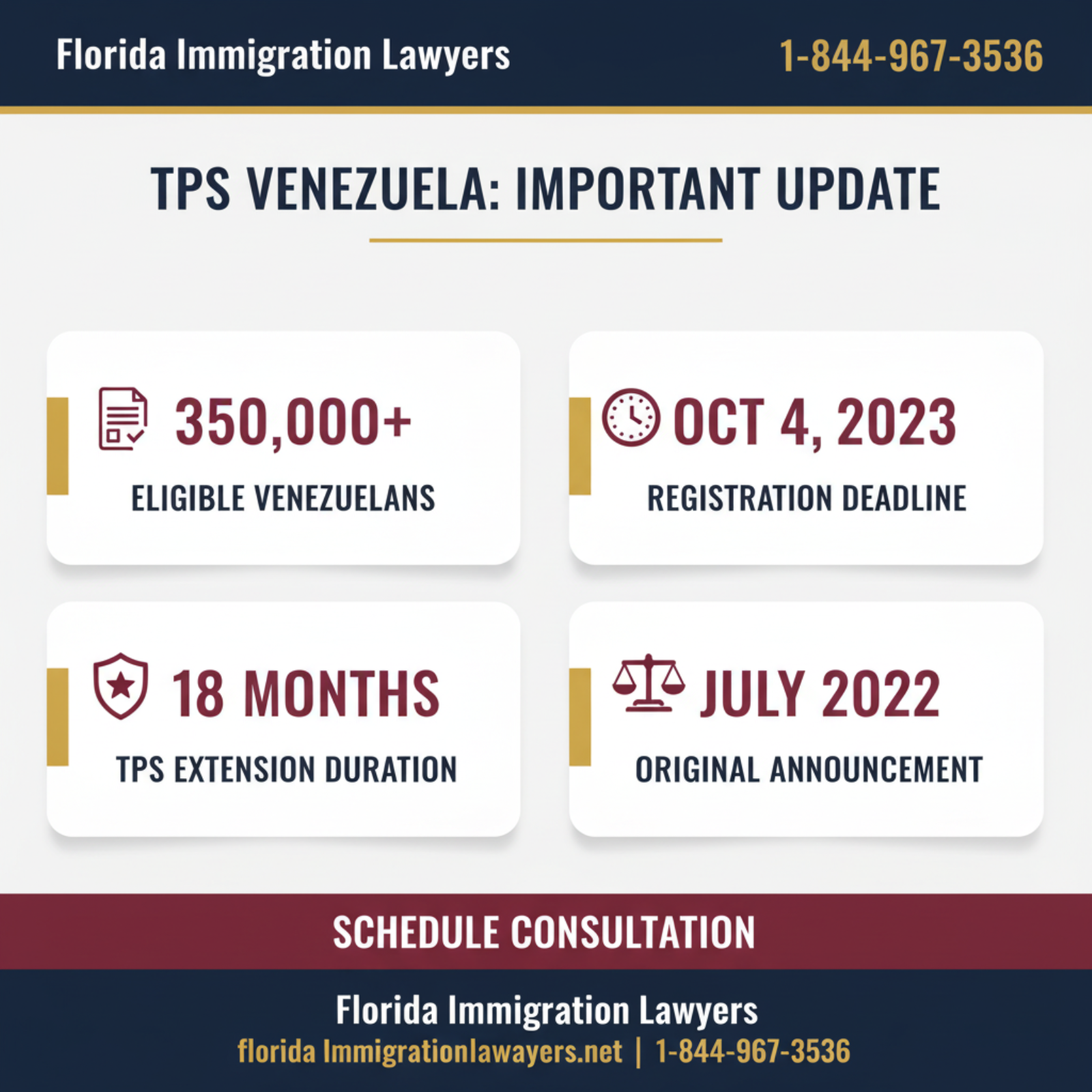
The designation for Venezuela was first announced, and it has since been extended, allowing eligible Venezuelan nationals to live and work in the U.S. without fear of deportation. This status is vital for the large Venezuelan diaspora in Florida, including vibrant communities in Orlando, Miami, and Tampa. These extensions are typically announced for periods of 18 months, requiring beneficiaries to re-register.
While the Supreme Court does not designate or terminate TPS, its rulings on immigration law can significantly influence how TPS is administered and challenged. Past Supreme Court cases have examined the executive branch's authority regarding immigration policies, setting precedents that could affect future TPS decisions. Understanding these legal frameworks is essential for any Venezuelan TPS beneficiary.
For the latest information on Venezuela's TPS status and any immigration TPS news today, always refer to official government sources like USCIS. Your status depends on staying informed and acting promptly on re-registration periods. Florida Immigration Lawyers are here to help you understand these critical updates.
Navigating the TPS Application and Re-registration Process in 2026
Applying for or re-registering for TPS involves several detailed steps. Even if you have had TPS before, each re-registration period requires careful attention to deadlines and documentation. Here is a step-by-step guide for Venezuelan nationals in Florida, relevant for 2026:
-
Step 1: Determine Your Eligibility for TPS Venezuela. You must be a national of Venezuela, or a person without nationality who last habitually resided in Venezuela. You must also have been continuously physically present (CPP) in the U.S. since a specified date, and continuously resided (CR) in the U.S. since another specified date. These dates are set by the Secretary of Homeland Security upon designation or extension, as outlined in USCIS guidelines for TPS Venezuela.
Certain criminal offenses or security grounds can make you ineligible. It is crucial to be forthright about your history and consult with a lawyer if you have any concerns about your eligibility.
-
Step 2: Prepare Required Forms. For initial applications or re-registration, you will generally need to file Form I-821, Application for Temporary Protected Status. You may also need Form I-765, Application for Employment Authorization, if you wish to work legally. If you have any grounds of inadmissibility, you might also need to file Form I-601, Application for Waiver of Grounds of Inadmissibility.
Ensure all forms are current versions available on the USCIS website. Using outdated forms can lead to rejection and delays.
-
Step 3: Gather Supporting Documentation. This is a critical part of your application. You must provide evidence of your identity, nationality, date of entry into the U.S., and continuous residence and physical presence. Examples include passports, birth certificates, school records, employment records, medical records, and utility bills.
Ensure all documents are translated into English by a certified translator if they are not already in English. Keep copies of everything you submit.
-
Step 4: File Your Application. Submit your completed forms and supporting documents to the appropriate USCIS Lockbox facility. The filing address depends on your mailing method (U.S. Postal Service or express mail/courier). Always check the USCIS 'Where to File' page for the most current addresses.
Pay careful attention to filing deadlines for both initial applications and re-registration periods. Missing these deadlines can jeopardize your status.
-
Step 5: Attend Biometrics Appointment. After filing, USCIS will send you an appointment notice for biometrics collection at an Application Support Center (ASC). This usually involves fingerprinting, photographs, and a signature. This appointment is mandatory, and failure to attend can lead to delays or denial.
Make sure to bring your appointment notice and a valid photo ID to the ASC. If you need to reschedule, follow the instructions on your notice promptly.
-
Step 6: Await Decision. USCIS will review your application and evidence. They may send a Request for Evidence (RFE) if they need more information. Respond to all RFEs promptly and thoroughly. Once a decision is made, you will receive a written notice of approval or denial.
If approved, you will receive a new Employment Authorization Document (EAD) and a Form I-797, Notice of Action, confirming your TPS status.
-
Step 7: Re-registration. TPS is a temporary status, and designations are typically for 18-month periods. When Venezuela's TPS is extended, you must re-register within the specified window. This involves submitting new forms and potentially new fees. Do not assume your status will automatically extend without re-registration.
Staying current on re-registration deadlines is paramount, especially with ongoing discussions and potential legal challenges affecting immigration policies. Florida Immigration Lawyers can help you monitor these crucial dates.
Essential Documents for Your TPS Venezuela Application
To successfully apply for or re-register for TPS, you must submit a comprehensive set of documents. Having all necessary paperwork in order from the start can prevent delays and RFEs. Here is a checklist of common documents required:
- Proof of Identity: A copy of your Venezuelan passport, national identity document, or birth certificate with photo identification.
- Proof of Venezuelan Nationality: A copy of your birth certificate from Venezuela, Venezuelan passport, or any other official document establishing your nationality.
- Proof of Entry into the U.S.: Your Form I-94, Arrival/Departure Record, if you entered legally. If you entered without inspection, you might need affidavits or other evidence.
- Proof of Continuous Residence in the U.S.: Documents showing you have lived in the U.S. since the specified date. This can include rental agreements, utility bills, bank statements, employment records, school records, or medical records.
- Proof of Continuous Physical Presence in the U.S.: Similar to continuous residence, these documents show you have been physically present in the U.S. since the specified date. Examples include pay stubs, dated photographs, or letters from employers or community organizations.
- Two Passport-Style Photographs: Adhere to USCIS specifications for photos.
- Marriage Certificate and Birth Certificates of Dependents: If you are applying as a spouse or child of an eligible TPS beneficiary.
- Any Previous Immigration Documents: Copies of prior applications, notices, or decisions from USCIS or immigration court.
- Certified Translations: Any document not in English must be accompanied by a complete and accurate English translation, certified by the translator.
Organizing these documents can be daunting. Florida Immigration Lawyers can assist you in compiling a strong application package, ensuring all required evidence is included.
TPS Venezuela Processing Times and Expectations in Florida (2026)
Understanding the typical processing times for TPS applications and re-registrations is crucial for planning your future. USCIS processing times can vary significantly based on several factors, including the volume of applications, staffing levels, and the complexity of individual cases. While precise times for 2026 cannot be guaranteed, we can outline general expectations.
Generally, initial TPS applications and re-registration requests can take several months to process. You can check the USCIS website for current processing times by form type and service center. It is important to remember that these are estimates, and individual cases may take longer. For beneficiaries in Florida, applications are typically handled by specific USCIS service centers, not local field offices like Orlando or Miami, unless an interview is required for exceptional circumstances.
Factors that can influence your processing time include the completeness of your application, timely responses to any Requests for Evidence (RFEs), and whether you have any complex immigration history. Having a well-prepared application from the outset, guided by experienced legal counsel, can help streamline the process. Always ensure your contact information with USCIS is up-to-date to receive all correspondence promptly.
Understanding TPS Application Costs and Fees
Applying for TPS involves various fees that applicants must consider. While we cannot provide exact amounts as they are subject to change, we can outline the general types of fees you can expect. These fees are established by regulation, such as 8 CFR 103.7, and are non-refundable.
- Form I-821, Application for Temporary Protected Status: This fee may apply, or it may be waived for initial applications or re-registrations under certain conditions.
- Form I-765, Application for Employment Authorization: If you are requesting an Employment Authorization Document (EAD), this fee is generally required.
- Biometrics Services Fee: This fee covers the cost of fingerprinting and background checks. This fee is mandatory for all applicants unless specifically waived.
USCIS offers fee waivers for certain low-income applicants who can demonstrate an inability to pay. You would need to file Form I-912, Request for Fee Waiver, along with supporting documentation. It is crucial to determine if you are eligible for a fee waiver before submitting your application. Incorrectly claiming a fee waiver or failing to pay required fees can lead to delays or rejection.
Beyond USCIS fees, you should also factor in potential costs for legal assistance. While not mandatory, retaining an experienced immigration attorney can be invaluable. Legal fees cover expert guidance, document preparation, and representation, significantly increasing your chances of a smooth and successful application. Florida Immigration Lawyers offer transparent fee structures and free consultations to discuss your specific needs.
Do not navigate this process alone. Contact Florida Immigration Lawyers today to ensure your application is complete and correctly filed.
Common Mistakes to Avoid When Applying for TPS Venezuela
Applying for TPS, especially with the complexities surrounding Supreme Court decisions and frequent extensions, can be fraught with potential pitfalls. Avoiding these common mistakes can save you time, stress, and prevent potential denials or delays in your application process:
-
Missing Filing Deadlines: Both initial application periods and re-registration windows have strict deadlines. Failing to submit your application or re-registration on time can result in a denial, potentially leading to loss of status or even deportation proceedings. Always mark your calendar and aim to file well in advance.
-
Incomplete Applications: Submitting forms with missing information or lacking required signatures is a common reason for rejection. USCIS will send your application back, forcing you to restart the process and potentially miss a deadline. Double-check every section and ensure all signatures are present.
-
Lack of Sufficient Evidence: Not providing enough evidence to prove continuous residence, continuous physical presence, or nationality can lead to Requests for Evidence (RFEs) or denials. Gather a wide range of documents and organize them clearly. Generic letters or unverified statements are often insufficient.
-
Failure to Disclose Criminal History: Attempting to hide any criminal arrests or convictions, no matter how minor, is a serious mistake. This can be considered misrepresentation, leading to a denial and potentially more severe immigration consequences. Always be truthful and seek legal advice on how to address such issues.
-
Traveling Internationally Without Advance Parole: Leaving the U.S. without first obtaining Advance Parole (Form I-131) can result in an automatic termination of your TPS status upon re-entry. TPS holders need specific authorization to travel abroad and return. Always consult an attorney before making any international travel plans.
-
Misunderstanding Eligibility Criteria: Believing you are eligible when you actually have disqualifying factors (e.g., certain criminal convictions, prior immigration fraud) is a critical error. Eligibility for TPS is precise, as defined in INA Section 244(c). Review all criteria carefully or have an expert assess your case.
-
Not Updating Your Address with USCIS: If you move, you must notify USCIS within 10 days using Form AR-11, Alien's Change of Address Card. Failure to do so can lead to missed notices, RFEs, or even denial if USCIS cannot reach you. This is especially important for Florida residents who might move within cities like Orlando or between counties.
-
Submitting Inaccurate or Fabricated Information: Providing false information or documents carries severe penalties, including permanent bars from future immigration benefits. Always provide accurate and truthful information, even if it presents challenges for your case.
-
Not Understanding the Temporary Nature of TPS: TPS is not a path to permanent residency or citizenship unless you qualify for other forms of relief. Misunderstanding this can lead to poor long-term planning. While extensions are common, TPS can eventually be terminated, requiring beneficiaries to seek alternative immigration solutions.
-
Failing to Consult with an Attorney: Attempting to navigate the complex TPS process without legal guidance can lead to costly errors. An attorney can identify potential issues, ensure all documentation is correct, and represent your interests effectively. This is particularly true when dealing with the nuances of Supreme Court precedents and their potential impact.
When to Call a Florida Immigration Lawyer for TPS Assistance
While some TPS applications may seem straightforward, the complexities of immigration law, coupled with potential Supreme Court influences, often necessitate professional legal assistance. Knowing when to seek help from Florida Immigration Lawyers can make a significant difference in your case's outcome.
You should contact us immediately if you have any criminal history, even minor infractions, as these can affect your eligibility. If you have ever been denied an immigration benefit, or if you have any prior immigration violations, our attorneys can assess your situation and advise on the best course of action. Furthermore, if you are considering traveling outside the U.S., it is critical to consult with us first to ensure you understand the requirements for advance parole.
Any uncertainty about your continuous physical presence or continuous residence dates also warrants legal review. Our team at Florida Immigration Lawyers is well-versed in the specific requirements for Venezuelan TPS and can help you gather the necessary evidence. If you have received a Request for Evidence (RFE) from USCIS, or if your application has been denied, do not hesitate to reach out. We can help you respond effectively or explore avenues for appeal.
We also strongly recommend contacting us if you are exploring other immigration pathways, such as family-based immigration or asylum, alongside your TPS. Our attorneys can evaluate all available options and help you develop a comprehensive strategy for long-term residency. Even if you believe your case is simple, a free consultation can provide peace of mind and ensure you are on the right track. We are here to serve the Venezuelan community across Florida, including Orlando, Miami, and beyond, providing dedicated immigration legal services.
About Florida Immigration Lawyers
Florida Immigration Lawyers is a leading immigration law firm dedicated to serving individuals and families across the entire state of Florida. With a deep understanding of U.S. immigration laws and policies, we provide compassionate and effective legal representation to our clients. Our mission is to guide you through every step of your immigration journey, offering clarity and support.
We specialize in a wide range of immigration services, including Temporary Protected Status (TPS), deportation defense, family immigration, business immigration, and citizenship applications. Our experienced attorneys are committed to protecting your rights and helping you achieve your immigration goals. We pride ourselves on our client-focused approach, ensuring that your unique needs are met with personalized strategies.
Choosing Florida Immigration Lawyers means partnering with a team that genuinely cares about your future. We are available 24/7 to answer your questions and provide timely assistance. We offer free consultations to discuss your case and outline your options without any financial commitment. Serving all of Florida, we are your trusted advocates in the complex world of immigration law. Visit our website at https://www.floridaimmigrationlawyers.net or call us at 1-844-967-3536.
Sources and References
- U.S. Citizenship and Immigration Services (USCIS)
- Executive Office for Immigration Review (EOIR)
- 8 U.S.C. Chapter 12 - Immigration and Nationality Act (INA)
- INA Section 244 - Temporary Protected Status
- 8 CFR Part 244 - Temporary Protected Status Regulations
- 8 CFR 103.7 - Fees for applications and petitions
- U.S. Department of State (for country conditions information)
This article provides general legal information and is not intended as legal advice. Every case is unique, and outcomes depend on specific facts and circumstances. Contact an attorney for advice about your particular situation.
The complexities surrounding Temporary Protected Status for Venezuelans, especially in light of potential legal challenges and Supreme Court precedents, require careful attention. Do not risk your future by attempting to navigate these waters alone. For expert legal guidance and a free consultation, contact Florida Immigration Lawyers today at 1-844-967-3536. Your peace of mind is our priority.
Se Habla Español - Estamos aquí para ayudarle.
Do Not Navigate This Process Alone
Our experienced immigration attorneys are ready to fight for you. Get a free, confidential consultation today.
Se Habla Español
Or leave your details and we’ll call you:
Free Evaluation in 24 Hours
Or talk to us right now

AI voice assistant — available 24/7
FreeFrequently Asked Questions

William J. Vásquez
Founding Attorney · Vasquez Law Firm
U.S. Air Force veteran and immigration attorney with years of hands-on U.S. immigration experience. J.D., NCCU School of Law. AILA member. Admitted to the 4th, 5th, and 11th Circuit Courts.
Available 24/7 - Free Evaluations
Reviewed for legal accuracy by William J. Vásquez
Licensed in North Carolina; U.S. immigration is federal practice.
Related Legal Services
Our Florida immigration attorneys can help you with free immigration consultation, experienced immigration attorneys and business immigration. Call today at 1-844-967-3536 for a free consultation.
Related Links
Related Topics
Free Legal Consultation
Discuss your case with our experienced attorneys. We're available 24/7.
Se Habla Español - Estamos aquí para ayudarle.
Related Articles
Immigration Lawyer Orlando Free Consultation: Your 2026
Navigating immigration court proceedings in Florida requires expert legal guidance. This comprehensive guide details the step-by-step process of removal proceedings, essential documents, and critical timelines as of 2026. Learn about the costs of representation and common mistakes to avoid. For those in Orlando, Tallahassee, or any part of Florida, securing an immigration lawyer Orlando free consultation is your first step towards understanding your rights and building a strong defense against deportation. Florida Immigration Lawyers offers compassionate and effective legal support for all immigration court challenges, ensuring you have a dedicated advocate by your side.
"Narrative of Fear" Asylum I-589 in Florida 2026
Applying for asylum in the U.S. requires a compelling "narrative of fear" – a personal statement detailing why you cannot return to your home country due to persecution. This guide provides a comprehensive overview of the I-589 asylum application process in Florida for 2026, including essential steps, required documentation, typical timelines, and associated costs. Learn how to craft a strong narrative, what evidence is crucial, and common mistakes to avoid. With specific insights into Florida's immigration landscape, from West Palm Beach to Miami, this article highlights the importance of legal counsel in navigating the intricate federal regulations and local court procedures. Florida Immigration Lawyers offers expert guidance to protect your rights and help you secure safety.
Stem OPT Immigration Lawyer: Florida Graduates 2026 Guide
For Florida graduates with STEM degrees, the 24-month OPT STEM extension offers a critical pathway to extended work authorization. This detailed guide explores eligibility requirements, the step-by-step application process, necessary documentation, and typical processing timelines for 2026. We highlight the importance of an E-Verify employer and address common pitfalls that can lead to application delays or denials. Understanding these complexities is vital for international students aiming to build their careers in Florida's dynamic economy. Florida Immigration Lawyers provides expert assistance, helping you navigate USCIS regulations and ensure a successful application, offering peace of mind and protecting your professional future.
U Visa for Crime Victims in Florida: 2026 Guide
Discover how crime victims in Florida can apply for a U visa, offering a pathway to safety and legal residency. Learn about the application process, necessary documentation, and common pitfalls to avoid. Contact Florida Immigration Lawyers for expert guidance.