Naturalization Ceremony ICE Concerns Florida: Your Rights in 2026
Navigating the naturalization process can be daunting, especially with concerns about ICE presence at ceremonies in Florida. This comprehensive guide addresses naturalization ceremony ICE concerns, detailing your rights, the step-by-step process, crucial documents, and common pitfalls to avoid. Learn how to prepare for your oath ceremony in 2026, understand processing timelines and costs, and identify when legal assistance is essential. Florida Immigration Lawyers provides expert guidance to protect your journey to U.S. citizenship, offering free consultations and 24/7 support across Florida. Ensure a smooth and confident path to becoming a U.S. citizen.
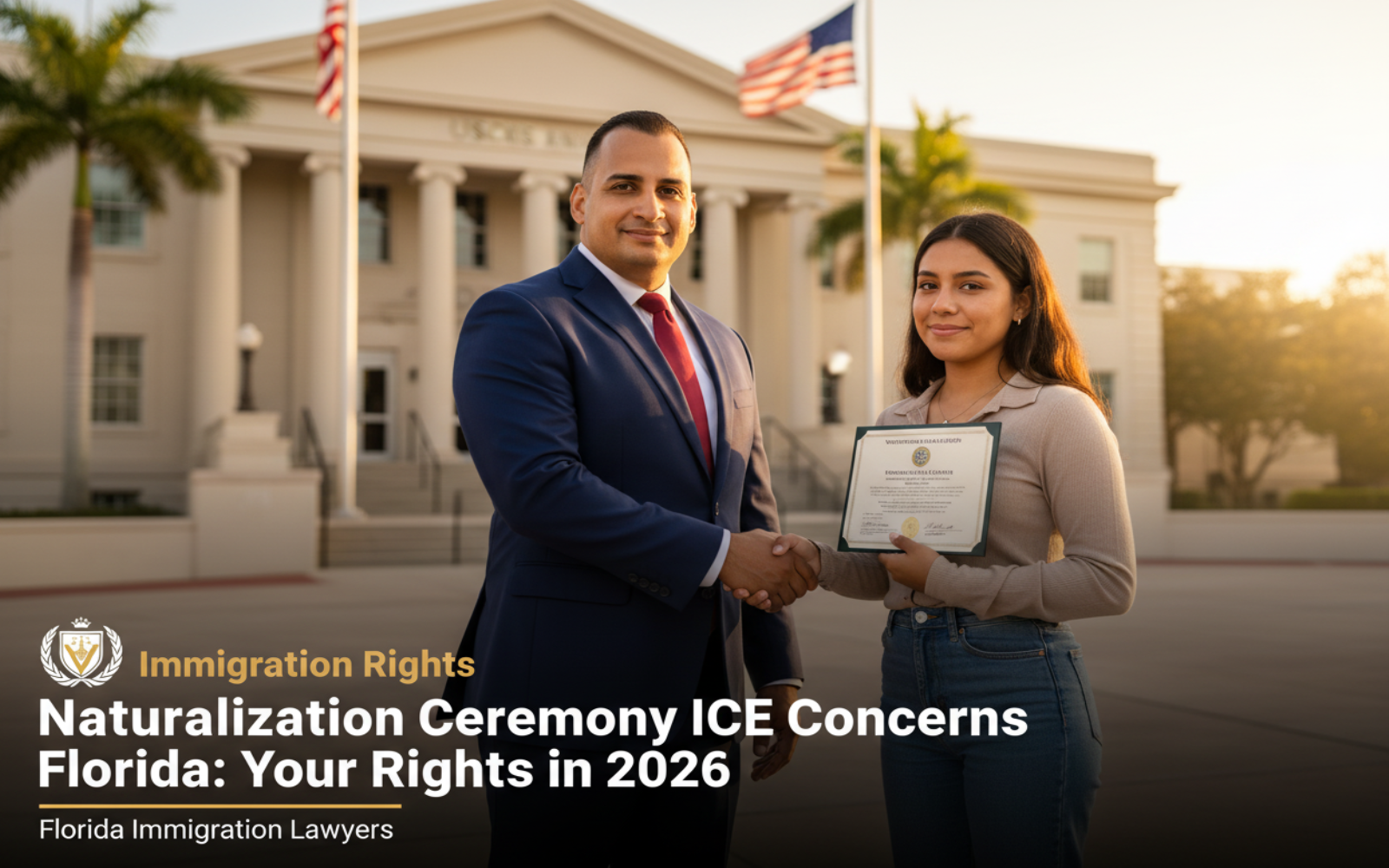
For individuals in Florida, naturalization ceremony ICE concerns revolve around the potential presence of Immigration and Customs Enforcement (ICE) at or near oath ceremonies, particularly for those with past legal issues or pending immigration matters. While a naturalization ceremony is a momentous occasion, it's crucial to understand your rights and the legal protections available. Being prepared and consulting with an experienced immigration attorney can help ensure a smooth path to citizenship.
- ICE generally focuses on individuals with outstanding warrants or final orders of removal.
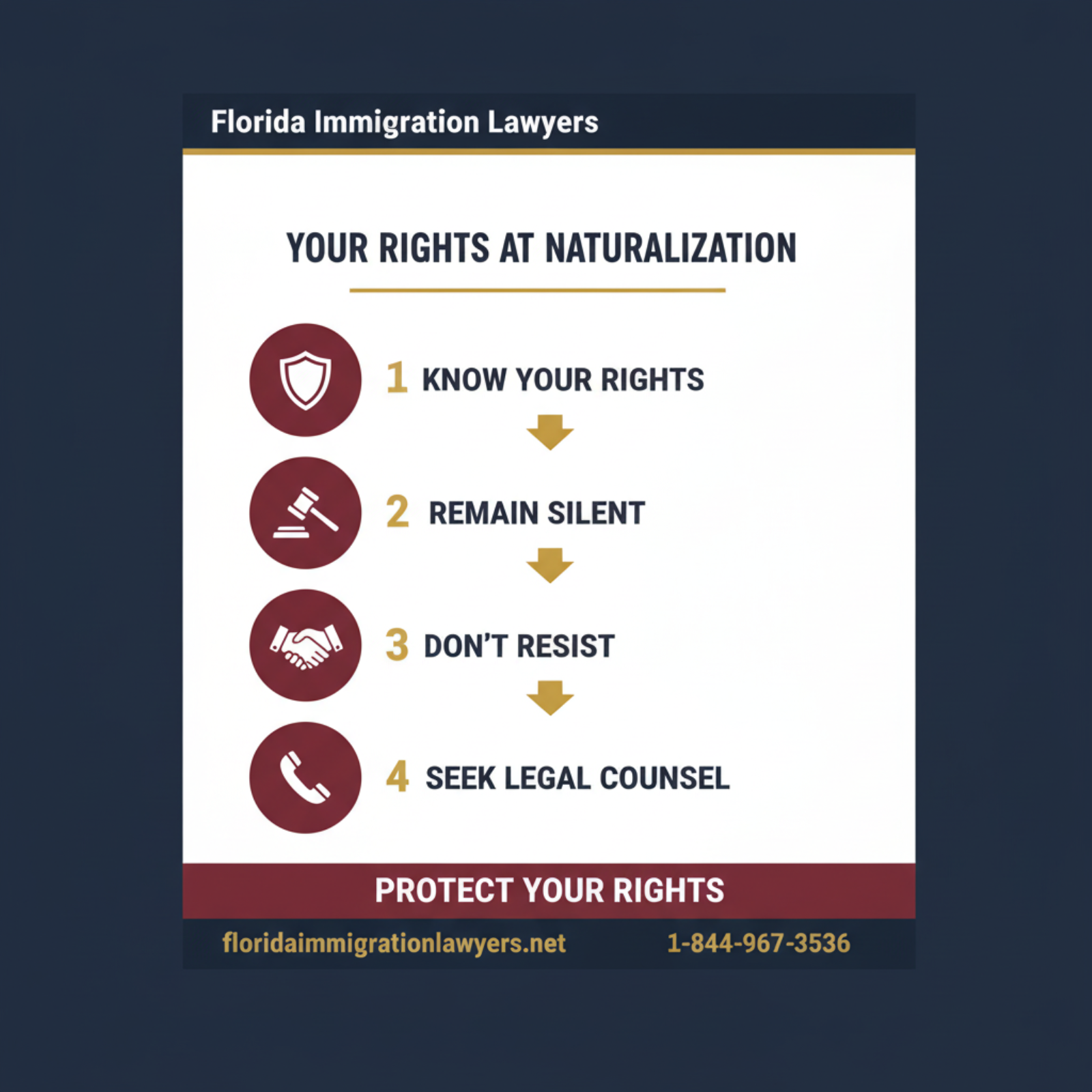
- Knowing your rights, including the right to remain silent and to an attorney, is vital.
- Consulting an immigration lawyer before your ceremony is highly recommended, especially if you have any concerns.
- Once naturalized, you are a U.S. citizen and generally not subject to deportation.
- The 3 or 5 year residency requirement (not a "3-3-3 rule") is key for citizenship eligibility.
Naturalization Ceremony ICE Concerns Florida: Your Rights in 2026
For many immigrants across Florida, including those in Hollywood, the journey to U.S. citizenship is a lifelong dream. The naturalization ceremony, where you take the Oath of Allegiance, marks the culmination of years of effort and dedication. It's a moment filled with hope and pride for you and your family.
However, for some, this joyous occasion can be overshadowed by anxieties, particularly concerning the potential presence of U.S. Immigration and Customs Enforcement (ICE). While rare for most, the possibility of ICE activity at or around naturalization ceremonies has been a source of significant worry for individuals with complex immigration histories or pending legal issues.
At Florida Immigration Lawyers, we understand these concerns. Our dedicated team is committed to helping you navigate every step of your naturalization process with confidence and peace of mind. We believe every eligible applicant deserves to celebrate their new citizenship without fear.
If you have questions about naturalization ceremony ICE concerns or need legal guidance, do not hesitate. Call Florida Immigration Lawyers at 1-844-967-3536 for a free consultation today.
Understanding Naturalization Ceremony ICE Concerns in Florida
The fear of ICE presence at a naturalization ceremony stems from past instances where individuals with outstanding warrants, prior deportation orders, or certain criminal histories were detained. While USCIS and ICE are distinct agencies, they can coordinate efforts, especially when public safety or national security concerns arise.
In Florida, a state with a significant immigrant population, understanding these dynamics is crucial. USCIS field offices in cities like Miami, Orlando, Tampa, and Jacksonville regularly host naturalization ceremonies. For residents of Hollywood and surrounding areas, the Miami Field Office is typically where your journey culminates.
It's important to clarify that most naturalization ceremonies proceed without any ICE intervention. ICE's primary focus is on individuals who pose a threat to public safety or have violated immigration laws, particularly those with final orders of removal or serious criminal convictions. The agency generally operates under specific enforcement priorities.
Your right to due process is paramount throughout the immigration journey. This includes the right to legal representation and to understand any charges against you. Knowing these rights is your first line of defense against potential issues.
The Naturalization Process: A Step-by-Step Guide for 2026 Applicants
Becoming a U.S. citizen through naturalization is a multi-step process. Understanding each stage can help alleviate anxiety and ensure you are well-prepared, especially as you approach your oath ceremony.
-
Determine Your Eligibility
Before applying, you must meet specific requirements. Generally, you must be at least 18 years old, be a lawful permanent resident (green card holder) for at least five years (or three years if married to a U.S. citizen), demonstrate continuous residence and physical presence in the U.S., show good moral character, be able to read, write, and speak basic English, and have knowledge of U.S. history and government. These requirements are outlined in the Immigration and Nationality Act (INA), specifically INA 316 (8 U.S.C. § 1427).
-
File Form N-400, Application for Naturalization
This is the official application form for naturalization. You will need to provide extensive personal information, including your residency history, employment, travel, and any interactions with law enforcement. Accuracy and completeness are vital to avoid delays or issues later in the process.
-
Attend Your Biometrics Appointment
After filing Form N-400, you will receive an appointment notice for biometrics (fingerprints, photograph, and signature). This data is used for background checks by the FBI and other agencies. This step is a standard part of verifying your identity and history.
-
Complete Your Naturalization Interview
A USCIS officer will interview you to review your N-400 application, test your English proficiency, and assess your knowledge of U.S. civics. Be prepared to answer questions truthfully and provide any requested documentation. This is a critical stage where any inconsistencies or past issues may be thoroughly examined.
-
Receive a Decision and Attend the Oath of Allegiance Ceremony
If your application is approved, you will receive a notice for your Oath of Allegiance ceremony. This is the final step where you officially become a U.S. citizen. You will surrender your Permanent Resident Card (green card) and receive your Certificate of Naturalization. This ceremony can be administrative (at a USCIS office) or judicial (at a courthouse).
Key Documents for Your Naturalization Ceremony
Even though you've passed your interview, you must bring specific documents to your Oath of Allegiance ceremony. Being organized ensures a smooth final step.
- Your Permanent Resident Card (Form I-551, Green Card). You will surrender this at the ceremony.
- Your Oath of Allegiance ceremony notice (Form N-445).
- Any immigration documents issued to you by USCIS, such as your Reentry Permit or Refugee Travel Document.
- Any other documents USCIS specifically requested in your N-445 notice or during your interview.
- Photo identification, such as a state-issued driver's license or ID card.
- If you changed your name at the interview or through a court order, bring the original legal documents.
Timeline and Processing Expectations for Naturalization in 2026
The processing time for naturalization applications can vary significantly based on the USCIS field office and national caseloads. For applicants in Florida, including those in Hollywood, current processing times can range from 8 to 18 months, or even longer in some complex cases.
Several factors can influence your individual timeline. These include the accuracy and completeness of your application, any requests for additional evidence (RFEs), the need for an interview reschedule, or complexities arising from your background. USCIS publishes average processing times online, which we encourage you to monitor.
It is always advisable to apply well in advance of any critical deadlines or travel plans. Patience is key, but proactive follow-up with the assistance of an attorney can sometimes help address delays.
Cost Factors and Fee Breakdown for Naturalization
The naturalization process involves several costs. The primary fee is the USCIS filing fee for Form N-400, which also includes the biometrics service fee. These fees are subject to change, so it's essential to check the most current amounts on the USCIS website before filing.
As of early 2026, the fee for Form N-400 is typically a combined amount for the application and biometrics, though fee waivers may be available for eligible low-income applicants. Legal fees for attorney assistance will vary depending on the complexity of your case and the services required. While not mandatory, legal representation can be invaluable, especially if you have concerns about naturalization ceremony ICE issues or other complexities.
Consider these costs as an investment in your future as a U.S. citizen. Attorney fees cover expert guidance, document preparation, representation at interviews, and advice on navigating potential pitfalls. Remember, 8 CFR § 103.7 details USCIS fee structures.
Do not navigate this process alone. The complexities of immigration law, especially with potential naturalization ceremony ICE concerns, require expert guidance. Contact Florida Immigration Lawyers today for comprehensive support.
Common Mistakes to Avoid During Your Naturalization Journey
-
Failing to Disclose All Information
Any omission or misrepresentation on your N-400, especially regarding criminal history, marital status, or past residences, can lead to denials or accusations of fraud. USCIS conducts thorough background checks, and discrepancies will likely be discovered. This can jeopardize your naturalization and even lead to removal proceedings.
-
Not Updating Your Address with USCIS
If you move, you must notify USCIS within 10 days using Form AR-11. Failure to do so can result in missed appointments, notices, or critical communications, potentially leading to your application being denied or delayed. This is particularly important for residents moving within Florida.
-
Traveling Internationally After Your Interview But Before Your Oath Ceremony
While generally allowed, international travel after your interview but before your oath ceremony can sometimes cause issues, especially if you have a green card that expires soon or if your travel triggers a new background check. It's best to consult with your attorney before making travel plans during this critical period.
-
Providing False or Misleading Information
Intentional misrepresentation or providing false documents is a serious offense. It can lead to a denial of naturalization, a finding of inadmissibility or deportability, and potentially criminal charges. Always be truthful in all your interactions with USCIS.
-
Ignoring an NTA (Notice to Appear) or Prior Deportation Order
If you have ever received a Notice to Appear (NTA) in immigration court or have an outstanding order of removal, attending a naturalization ceremony without resolving these issues is extremely risky. ICE may be alerted to your presence, leading to detention and initiation of removal proceedings. This is a primary concern for naturalization ceremony ICE concerns.
-
Failing to Maintain Good Moral Character
The requirement of good moral character applies throughout the statutory period (typically 3 or 5 years) and up to the oath ceremony. Certain criminal offenses, even minor ones, can be a bar to naturalization. It's crucial to understand how any past or recent legal issues might impact your eligibility.
-
Not Seeking Legal Counsel for Complex Cases
Attempting to navigate a complex naturalization case, especially with prior arrests, immigration violations, or concerns about ICE, without legal representation is a significant mistake. An attorney can identify potential issues, advise on solutions, and protect your rights.
When to Call a Lawyer About Naturalization Ceremony ICE Concerns
While many naturalization cases proceed smoothly, certain situations warrant immediate legal consultation. If you are concerned about naturalization ceremony ICE interactions, Florida Immigration Lawyers is here to help.
You should contact an attorney if:
- You have any prior arrests, criminal convictions, or a history of immigration violations, no matter how minor or old they seem.
- You have received a Notice to Appear (NTA) in immigration court or have a pending removal proceeding.
- You have an outstanding warrant or a final order of deportation.
- You have ever been stopped or questioned by ICE or other law enforcement agencies.
- There are significant discrepancies or errors in your immigration record.
- You are unsure about your eligibility requirements, especially concerning continuous residence or good moral character.
- Your application has been significantly delayed, or you have received a Request for Evidence (RFE) that you don't understand.
- You simply want peace of mind and expert guidance through the entire process, particularly as your oath ceremony approaches.
Our attorneys at Florida Immigration Lawyers are skilled in deportation defense and understand the nuances of ICE protocols. We can assess your situation, advise on potential risks, and develop a strategy to protect your interests. We serve clients across Florida, from Hollywood to the Keys, ensuring access to quality legal representation.
About Florida Immigration Lawyers
Florida Immigration Lawyers is a leading immigration law firm dedicated to serving individuals and families across the entire state of Florida. With years of experience and a deep understanding of U.S. immigration law, our firm provides compassionate, effective, and results-driven legal representation.
We specialize in a wide range of immigration services, including general immigration matters, asylum applications, deportation defense, citizenship and naturalization, family-based petitions, and business immigration solutions.
Our commitment to our clients is unwavering. We offer personalized attention, clear communication, and strategic legal advice tailored to your unique circumstances. We understand the profound impact immigration matters have on your life and your family's future.
Choose Florida Immigration Lawyers because we are available 24/7 to address your urgent needs, offer free consultations to discuss your case, and have a proven track record of success. Your journey to a secure future in the U.S. is our priority. Learn more about our attorneys and contact us today.
Phone: 1-844-967-3536
Website: https://www.floridaimmigrationlawyers.net
Sources and References
- U.S. Citizenship and Immigration Services (USCIS)
- USCIS Policy Manual - Volume 12, Part D - Naturalization Eligibility
- Executive Office for Immigration Review (EOIR)
- U.S. Immigration and Customs Enforcement (ICE)
- 8 U.S.C. Chapter 12 - Immigration and Nationality Act (INA)
- 8 U.S.C. § 1421 - Authority to naturalize
- 8 U.S.C. § 1427 - Requirements for naturalization
- 8 CFR § 103.7 - Fees
This article provides general legal information and is not intended as legal advice. Every case is unique, and outcomes depend on specific facts and circumstances. Contact an attorney for advice about your particular situation.
Your dream of U.S. citizenship is within reach. Do not let fear or uncertainty deter you. For personalized legal assistance with your naturalization application or any naturalization ceremony ICE concerns in Florida, trust the experienced team at Florida Immigration Lawyers.
Call us today for a free consultation at 1-844-967-3536. Se Habla Español - Estamos aquí para ayudarle.
Need help with Immigration?
Our Florida immigration attorneys offer free consultations. Call today or schedule online.
Frequently Asked Questions
Florida Immigration Lawyers
Legal Team
Our experienced attorneys at Florida Immigration Lawyers have been serving clients across Florida for over 20 years. We specialize in immigration, personal injury, criminal defense, workers compensation, and family law.