Naturalization Ceremony ICE Concerns in Florida: Your 2026 Guide
Facing naturalization ceremony ICE concerns in Florida? Understand your rights & protections for 2026. Learn how Florida Immigration Lawyers can help. Call for a free consultation.
Becoming a U.S. citizen is a monumental achievement, the culmination of years of dedication, patience, and adherence to immigration laws. For many, the naturalization ceremony is a joyous occasion, a public declaration of their new allegiance and a celebration of their journey. However, for some individuals and their families in Florida, this significant event can be overshadowed by anxieties surrounding the presence and actions of U.S. Immigration and Customs Enforcement (ICE).
In Florida, a state with a large and diverse immigrant population, concerns about immigration enforcement are particularly salient. While the naturalization ceremony is a federal judicial or administrative proceeding, designed to welcome new citizens, questions persist about the possibility of ICE operations nearby or even within the vicinity of these events. This comprehensive guide aims to address these concerns head-on, providing clarity, outlining your rights, and offering practical advice for navigating your naturalization ceremony in Florida, particularly as we look towards 2026.
Understanding these dynamics is crucial for ensuring that your path to citizenship is as smooth and stress-free as possible. It's about being informed, prepared, and knowing when to seek expert legal counsel from experienced immigration lawyers who understand the nuances of Florida's immigration landscape. Consulting with Florida Immigration Lawyers can provide invaluable peace of mind, ensuring you and your loved ones are fully prepared for this momentous occasion.
Understanding Naturalization and the Ceremony
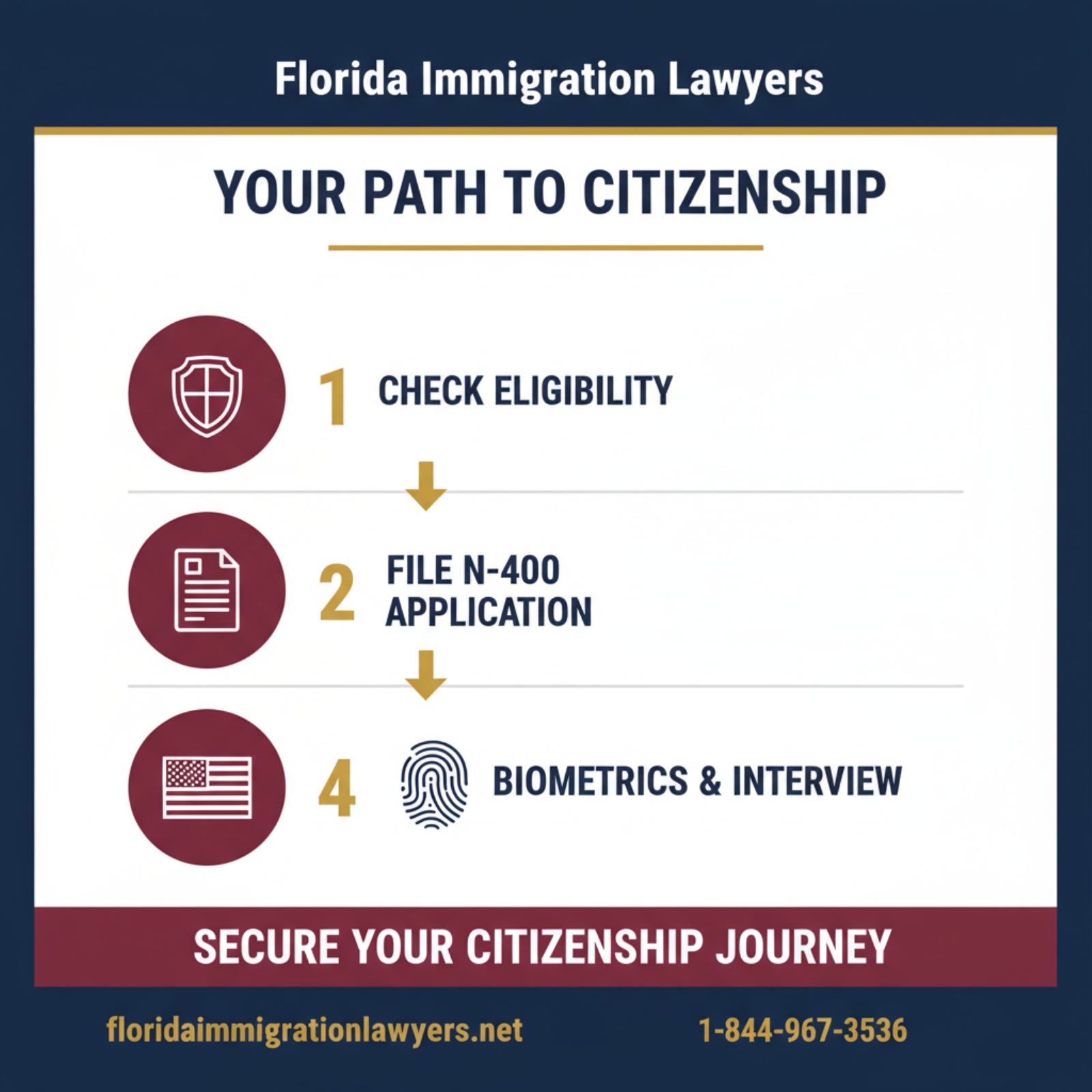
Naturalization is the process by which a foreign citizen or national can become a U.S. citizen. It is a voluntary process that confers all the rights and responsibilities of citizenship, including the right to vote, hold federal office, and travel with a U.S. passport. The journey typically involves meeting specific residency requirements, demonstrating good moral character, passing English and civics tests, and undergoing an interview with U.S. Citizenship and Immigration Services (USCIS).
The naturalization ceremony, also known as the Oath of Allegiance ceremony, is the final step in this profound process. During this ceremony, applicants take an oath, pledging their allegiance to the United States. It's a deeply symbolic event, often attended by family and friends, and frequently presided over by a federal judge or a USCIS official. While the atmosphere is generally celebratory, the federal nature of the event, coupled with the presence of various government agencies, can sometimes raise questions about security and enforcement. USCIS provides detailed information about the naturalization process and ceremonies on their official website, uscis.gov, which is an invaluable resource for all applicants.
For many, this ceremony marks the end of a long and often challenging journey. It signifies a new beginning, offering stability and a sense of belonging. The emotional weight of this moment is immense, and concerns about potential enforcement actions can detract from what should be a purely joyous occasion. This guide seeks to empower you with the knowledge to mitigate these anxieties.
The ceremony itself is a testament to the rich tapestry of cultures and backgrounds that contribute to the American identity. It's a moment where individuals from all walks of life, having met rigorous legal requirements, come together to affirm their commitment to the United States. This shared experience often fosters a powerful sense of community and belonging, reinforcing the idea that citizenship is not just a legal status, but a profound connection to a nation built on immigrant dreams.
Understanding the gravity and the celebratory nature of the naturalization ceremony is crucial. While practical concerns about enforcement are valid, it's equally important to embrace the significance of this milestone. The ceremony is designed to be a welcoming event, a public acknowledgment of your new status and the rights and responsibilities that come with it. Being well-informed allows you to fully engage with this pivotal moment in your life.
Addressing ICE Concerns at Naturalization Ceremonies in Florida
The fear of encountering ICE at or near a naturalization ceremony is a legitimate concern for many immigrants, especially those with family members who may have varying immigration statuses. While naturalization ceremonies are generally considered sensitive spaces for new citizens, understanding the realities and dispelling common myths is essential. Historically, ICE has stated that it prioritizes enforcement actions in sensitive locations, which include courthouses, schools, and places of worship, but the interpretation and application of these policies can sometimes be a gray area, particularly in the vicinity of federal buildings where ceremonies are often held.
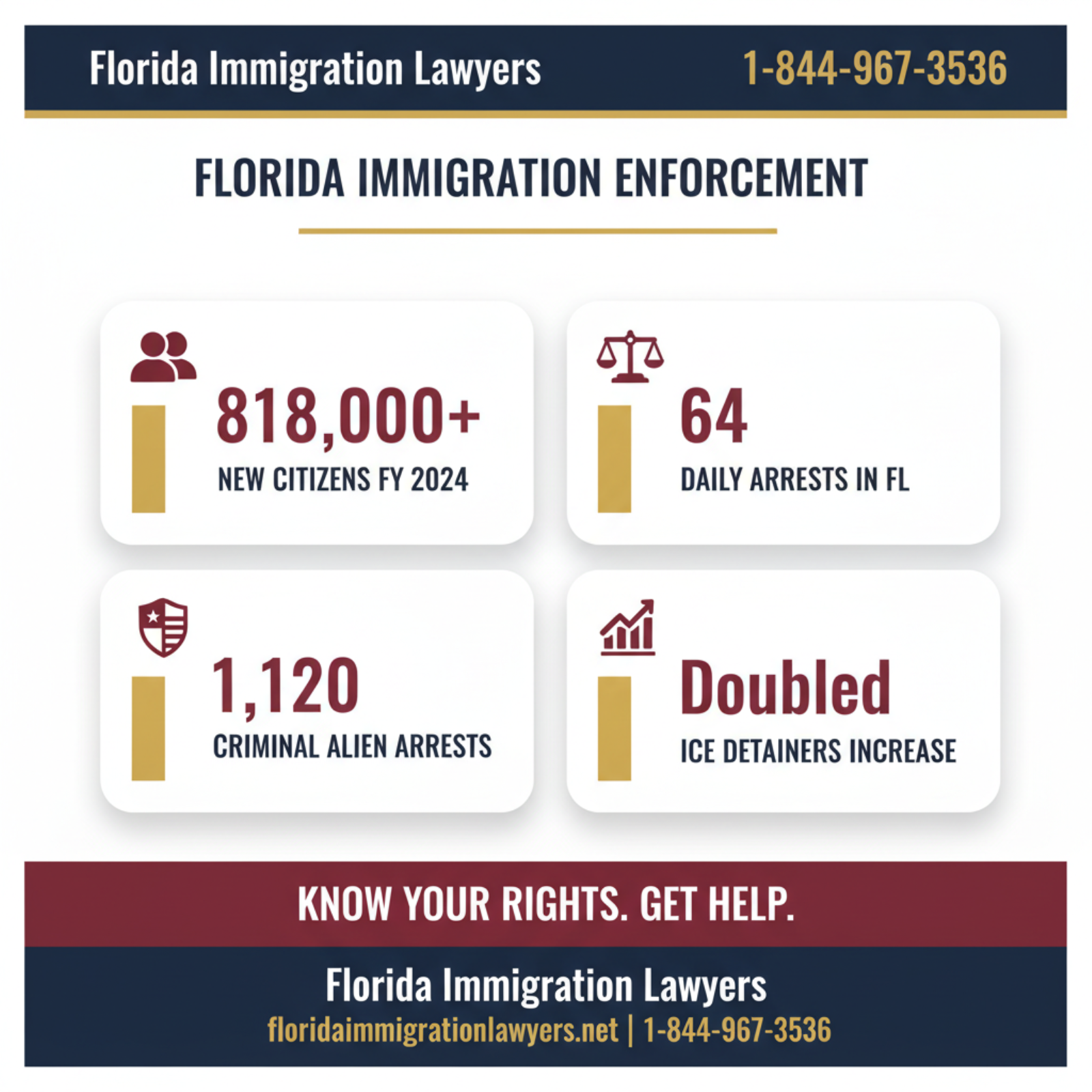
In Florida, the landscape of immigration enforcement can be complex due to the state's diverse population and its proximity to international borders. While individuals attending a naturalization ceremony to take the Oath of Allegiance are typically already approved for citizenship and are therefore not targets for immigration enforcement, their family members or friends accompanying them might have different immigration statuses. This is where the primary concern lies. It is important to note that ICE's stated policy is to avoid enforcement actions at naturalization ceremonies themselves, focusing instead on public safety threats. However, enforcement can occur in the general public areas surrounding federal buildings or courthouses.
New citizens, once they take the Oath, are fully protected by U.S. law and are not subject to immigration enforcement. However, those accompanying them who are undocumented or have pending immigration cases could theoretically be at risk if ICE is conducting operations in the broader area. This is why preparation and awareness are key. Consulting with an experienced immigration attorney in Florida can provide personalized advice based on your specific situation and that of your family members, helping you understand any potential risks and how to mitigate them. They can also advise on related matters such as deportation defense if a family member has a prior order or a pending case.
Consider a scenario where a new citizen's spouse has a pending asylum application. While the naturalization ceremony itself is a safe space for the applicant, the spouse might be concerned about their presence at the federal building. In such cases, a Florida Immigration Lawyer can review the spouse's specific immigration status and provide tailored advice, such as whether it's advisable for them to attend, what documents to carry, or what to do if approached. This proactive consultation is vital for peace of mind.
It's crucial to differentiate between enforcement actions *within* the ceremony hall and those *outside* the building. While ICE policy generally discourages operations within the immediate ceremony space, the broader public areas of federal courthouses or surrounding streets are not always immune. This nuance underscores the importance of being prepared and having a clear plan for all family members attending. For immediate guidance or to discuss your specific concerns, do not hesitate to call Florida Immigration Lawyers at 1-844-967-3536.
Your Rights and Protections During the Naturalization Process and Ceremony
Understanding your fundamental rights is paramount, not just at a naturalization ceremony, but throughout your interactions with law enforcement. As an applicant for naturalization, and especially once you become a U.S. citizen, you possess significant legal protections. Even before taking the Oath, individuals present in the U.S. have constitutional rights that apply to interactions with ICE or any law enforcement agency.
The Fourth Amendment to the U.S. Constitution protects people from unreasonable searches and seizures. This means that law enforcement, including ICE, generally needs a warrant signed by a judge to enter your home or to arrest you in a public place without probable cause. If ICE agents approach you in a public area, such as outside a courthouse, you have the right to remain silent. You are not required to answer questions about your immigration status, where you were born, or how you entered the country. You should clearly state that you wish to remain silent and that you do not consent to any searches.
Furthermore, you have the right to speak with an attorney. If you are detained or arrested, you should immediately ask to speak with your lawyer. Do not sign anything without consulting an attorney. Carrying a "Know Your Rights" card, available from various legal and advocacy organizations, can be helpful. These cards typically provide essential information in multiple languages and can be presented to an officer without speaking. It is crucial to remember that these rights apply to everyone on U.S. soil, regardless of immigration status. For comprehensive information on your rights, resources from the Department of Justice, such as those found on justice.gov, can offer valuable insights.
For family members who may be accompanying you and who are not yet citizens, these rights are equally important. They should also be prepared to assert their right to remain silent and to request an attorney if approached by ICE. While the ceremony itself is a celebratory event, being informed about your rights and those of your loved ones provides an essential layer of protection and peace of mind. An experienced attorney can walk you through these rights and help you understand how they apply to your specific situation, especially if there are complex family immigration scenarios, such as a family member who has applied for asylum or is in deportation defense proceedings.
Imagine a situation where your parent, who is undocumented, accompanies you to your ceremony in downtown Miami. As you exit the federal building, an individual in plain clothes approaches your parent and asks for their immigration documents. Your parent has the right to ask if the person is a law enforcement officer, and if so, to politely state, "I do not wish to answer any questions, and I want to speak with my attorney." They are not obligated to produce documents unless a judge-issued warrant is presented or they are at a port of entry.
Having a pre-arranged plan with your family, including an emergency contact for your Florida Immigration Lawyers, is a proactive step that can significantly reduce stress. Ensure everyone knows the phone number 1-844-967-3536 and understands what to do if an interaction with law enforcement occurs. Knowledge of these rights empowers you and your family to navigate any unexpected encounters with confidence and legal protection.
Preparing for Your Naturalization Ceremony: A Checklist
Preparation is key to a stress-free naturalization ceremony. Beyond understanding your rights, there are practical steps you can take to ensure everything goes smoothly on your big day.
- Review Your N-400 Application: Familiarize yourself with the information you provided on your naturalization application. While unlikely, you might be asked a question or two by the presiding official, or a USCIS officer might need to clarify a minor detail. Knowing your application inside and out ensures consistency and confidence.
- Bring Required Documents: You will typically need your USCIS interview appointment notice, your Permanent Resident Card (Green Card), and any other immigration documents USCIS instructed you to bring. Your Green Card will be collected at the ceremony. Do NOT bring any firearms, weapons, or prohibited items, as federal buildings have strict security protocols.
- Dress Appropriately: The ceremony is a formal and dignified event, symbolizing a profound commitment. Business attire or respectful traditional cultural dress is appropriate. Avoid casual wear like shorts, t-shirts, or flip-flops to show reverence for the occasion.
- Arrive Early: Plan to arrive at least 30-60 minutes before the scheduled start time to allow for security checks, finding parking, and locating your designated seating area. Federal buildings can have long security lines, and being late could cause unnecessary stress or even delay your participation.
- Family and Guests: Most ceremonies allow guests, but space can be limited. Check your invitation or USCIS instructions for guest limitations. Advise your guests, especially those with varying immigration statuses, about the general guidelines regarding federal buildings and their rights if approached by law enforcement.
- Transportation and Parking: Research parking options and public transportation well in advance, especially if your ceremony is in a busy urban area like Miami or Orlando. Many federal buildings have limited or paid parking, so having a plan will prevent last-minute rushes.
- Childcare: If you have young children, consider arranging childcare if they are not attending or if you anticipate a long ceremony. While children are welcome, ensuring they are comfortable can help you focus on the importance of the event.
- Post-Ceremony Plans: Think about what you'll do immediately after. Many new citizens apply for a U.S. passport soon after the ceremony. Gather information on where and how to apply, and consider bringing passport photos if you plan to do so on the same day if facilities are available.
- Emergency Contact and Plan: For family members who may have different immigration statuses, establish an emergency contact person and a clear plan of action in case of any unexpected interactions with law enforcement. This includes knowing who to call, such as Florida Immigration Lawyers at 1-844-967-3536.
- Consult Legal Counsel: If you or any accompanying family members have complex immigration histories, pending cases, or any concerns about their status, a pre-ceremony consultation with experienced Florida Immigration Lawyers is highly recommended. They can provide personalized advice, review potential risks, and help you create a comprehensive plan for a smooth and worry-free day.
Florida Immigration Lawyers
Legal Team
Our experienced attorneys at Florida Immigration Lawyers have been serving clients across Florida for over 20 years. We specialize in immigration, personal injury, criminal defense, workers compensation, and family law.