Exclusive Citizenship Act of 2025 Florida: What It Means
The proposed Exclusive Citizenship Act of 2025 (S.3283) has raised questions for many Florida residents about their immigration status and path to U.S. citizenship. As of March 2026, this bill remains proposed legislation with a low likelihood of passage and is not current law. This comprehensive guide from Florida Immigration Lawyers clarifies the bill's status, outlines existing U.S. citizenship requirements and application steps, and details common mistakes to avoid. We emphasize that current immigration laws, governed by the INA, still apply. For personalized advice, contact our experienced attorneys in Coral Springs and throughout Florida for a free consultation. Stay informed and protect your future with legal guidance.
William J. VásquezPublished on March 25, 2026
84 views
The Exclusive Citizenship Act of 2025 (S.3283) is proposed federal legislation aiming to establish sole allegiance to the U.S. and potentially impact dual citizenship. As of early 2026, this bill is still in its early stages in Congress and has a low probability of passing. It is not currently law. Florida residents should stay informed about immigration legislative developments.
The Act is a proposed bill, not current law.
It seeks to establish sole allegiance and affect dual citizenship.
Its passage is uncertain and currently unlikely.
Current U.S. citizenship laws remain in effect.
Consult an immigration lawyer for personalized advice.
Are you a Florida resident concerned about the future of your U.S. citizenship or your path to becoming a citizen? The mere mention of new legislation like the Exclusive Citizenship Act of 2025 can spark anxiety and confusion for many individuals and families across our state, particularly in communities like Coral Springs. It's natural to wonder how such a bill might affect your status, your rights, and your future in the United States.
At Florida Immigration Lawyers, we understand these concerns deeply. Our goal is to provide clear, accurate information about current immigration laws and proposed changes, helping you navigate complex legal landscapes. This comprehensive guide will delve into what the proposed Exclusive Citizenship Act of 2025 entails, its current status, and how it could potentially influence immigration and citizenship in Florida. We will also discuss the existing pathways to U.S. citizenship and provide actionable advice.
Do not let uncertainty paralyze you. For personalized guidance and to understand how these developments might specifically impact your situation, call Florida Immigration Lawyers at 1-844-YO-PELEO for a free consultation today. Our experienced team is ready to assist you.
Understanding the Proposed Exclusive Citizenship Act of 2025 and Its Status
The Exclusive Citizenship Act of 2025, introduced as S.3283 in the 119th Congress, is a piece of proposed legislation that has garnered significant attention. Its primary aim is to establish that citizens of the United States owe sole and exclusive allegiance to the U.S., potentially impacting the concept of dual citizenship. This bill represents a significant policy shift if it were to pass, which is currently considered unlikely.
This proposed Act seeks to clarify and solidify the legal framework around U.S. citizenship, emphasizing singular loyalty. While the United States generally permits dual nationality, this bill aims to challenge that long-standing approach. Understanding its legislative journey is crucial for anyone interested in immigration law changes 2026 and beyond.
What is the Citizenship Law 2025?
It is important to clarify that the Exclusive Citizenship Act of 2025 is not a citizenship law that has passed. Instead, it is a bill, S.3283, introduced in Congress during the 2025-2026 session. This means it is a proposal that must go through various legislative stages to become law.
As of March 2026, the bill's status is that of proposed legislation. It has not been enacted, nor has it progressed significantly through the legislative process. Therefore, the citizenship laws currently in effect are those established by the Immigration and Nationality Act (INA), primarily codified in 8 U.S.C. Chapter 12.
How Likely is the Exclusive Citizenship Act of 2025 to Pass?
Based on legislative analysis and historical trends, the Exclusive Citizenship Act of 2025 is considered to have a very low probability of passing. Bills that propose such fundamental changes to established immigration principles, especially those impacting existing rights like dual citizenship, often face significant opposition. Many legislative trackers indicate a passage probability of less than 5%.
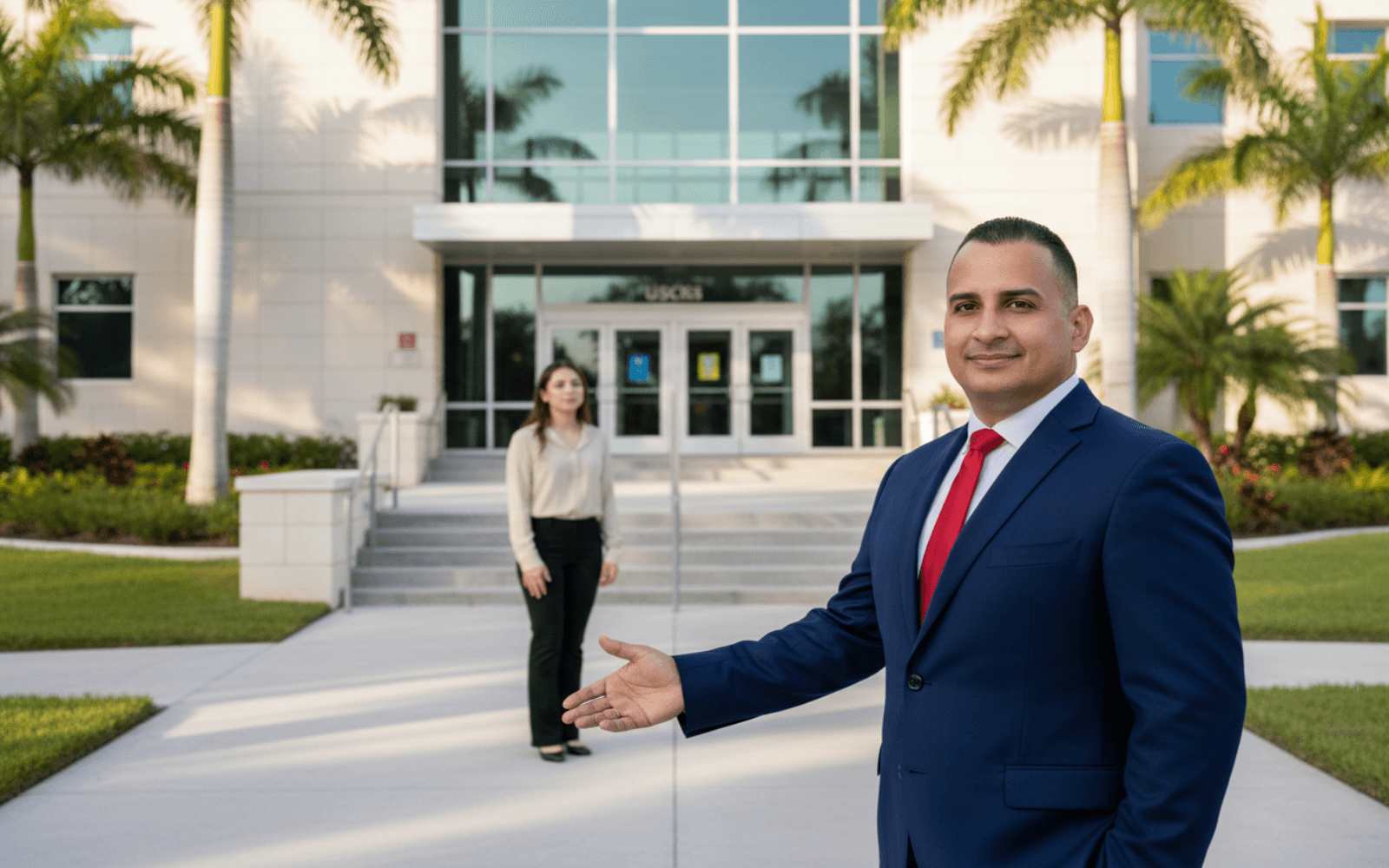
Featured: Exclusive Citizenship Act of 2025 Florida: What It Means for You
Even if a bill passes one chamber of Congress, it must pass both chambers in identical form and then be signed by the President to become law. The legislative process is complex and often lengthy. Therefore, while it is important to be aware of such proposals, current U.S. citizenship requirements remain unchanged by this particular bill. For more details on the bill's status, you can visit congress.gov.
Did the Exclusive Citizenship Act of 2025 Pass?
No, the Exclusive Citizenship Act of 2025 has not passed. As of March 2026, it remains a proposed bill, S.3283, within the legislative pipeline. It has not been signed into law by the President and is not currently in effect.
Therefore, for individuals in Florida, including those in Coral Springs and surrounding areas, the current laws governing U.S. citizenship and dual nationality still apply. This means that the long-standing principles of the Immigration and Nationality Act continue to dictate who is eligible for citizenship and how it is acquired.
Navigating Current U.S. Citizenship Pathways: A Step-by-Step Guide for Floridians
While the Exclusive Citizenship Act of 2025 is under discussion, it is crucial to focus on the established pathways to U.S. citizenship. For many Florida residents, naturalization is the most common route. This process involves several key steps, each requiring careful attention to detail and adherence to specific legal requirements.
Understanding these steps is vital for anyone planning to apply for citizenship, whether you reside in Coral Springs, Miami, Orlando, or anywhere else in Florida. Our firm, Florida Immigration Lawyers, regularly assists individuals through this journey, ensuring your application is complete and accurate, minimizing delays and potential issues.
Determine Your Eligibility: You must generally be 18, a lawful permanent resident (green card holder) for 5 years (or 3 years if married to a U.S. citizen), demonstrate continuous residence and physical presence, and show good moral character. You also need basic English proficiency and knowledge of U.S. history and government. A Florida immigration lawyer Coral Springs can help assess your specific eligibility.
Prepare Form N-400, Application for Naturalization: This is the primary form. It requires detailed information about your personal history, residence, employment, and family. Accuracy and completeness are paramount to avoid issues.
Gather Supporting Documents: Submit various documents like your Permanent Resident Card, marriage certificate (if applicable), tax returns, and travel records. Organize all documents neatly and ensure they are legible.
Submit Your Application and Pay Fees: File your completed Form N-400 and all supporting documents with USCIS. Pay the required filing fee and biometric services fee, or apply for a fee waiver. Always verify current fees on the USCIS website.
Attend the Biometrics Appointment: You will receive a notice for biometrics collection at an Application Support Center (ASC). This involves fingerprints, a photograph, and a signature for background checks. Timely attendance is crucial.
Complete the Naturalization Interview: USCIS will schedule an interview where an officer reviews your N-400, tests your English, and administers the civics test. Thorough preparation is key.
Receive a Decision: After the interview, USCIS issues a decision. If approved, you receive a notice for a naturalization ceremony. If denied, you get a written explanation and may have options to appeal.
Take the Oath of Allegiance: This is the final step where you take an oath to the U.S. and receive your Certificate of Naturalization, officially becoming a U.S. citizen. Congratulations!
Essential Documents for Citizenship Applications in Florida
A successful naturalization application hinges on the meticulous submission of required documents. Missing or incorrect documentation is a common reason for delays or denials. For residents of Florida, preparing a comprehensive document checklist is a critical step in the process.
Our team at Florida Immigration Lawyers emphasizes the importance of accuracy and organization. We help our clients compile every necessary piece of evidence to support their application, ensuring compliance with USCIS guidelines. This attention to detail can significantly streamline your journey to becoming a U.S. citizen.
Form N-400, Application for Naturalization (completed and signed)
Copy of your Permanent Resident Card (front and back)
Copies of all passports (U.S. and foreign, if applicable)
Copies of your marriage certificate (if applying based on marriage to a U.S. citizen)
Copies of divorce decrees or death certificates for prior marriages (if applicable)
Tax transcripts or returns for the past five years (or three years if applicable)
Selective Service registration documentation (for males aged 18-26)
Certified court dispositions for any arrests, citations, or detentions
Travel records, including dates of all trips outside the U.S. since becoming a permanent resident
Remember that all foreign language documents must be accompanied by a certified English translation. This requirement is strictly enforced by USCIS. Ensure your translations are professional and accurate to avoid delays in your citizenship application.
Anticipating Timelines and Processing Expectations for Citizenship in Florida
The naturalization process, while structured, can vary significantly in duration. Several factors influence the timeline, including the specific USCIS field office processing your application, current caseloads, and the complexity of your individual case. For Florida residents, understanding these variables can help manage expectations.
USCIS provides estimated processing times on its website, which are regularly updated. These estimates can offer a general idea, but they are not guarantees. Our firm helps clients in Coral Springs and throughout Florida stay informed about potential delays and how to address them.
Typical Processing Stages and Durations
The average processing time for Form N-400 can range from 8 to 14 months, or even longer. This typically includes:
Initial Receipt and Biometrics Appointment: Usually within 1-3 months.
Interview Scheduling: Can take 3-8 months after biometrics.
Interview and Decision: Often made on the same day or shortly thereafter.
Oath Ceremony: Might be scheduled within weeks to a few months after the interview.
Factors Influencing Delays in Florida
Several factors can contribute to delays. These include incomplete applications, responses to Requests for Evidence (RFEs), issues uncovered during background checks, or high volumes at relevant USCIS field offices (e.g., Miami, Orlando, Tampa, Jacksonville). Complex good moral character issues or extensive travel history can prolong the process.
Staying proactive and responsive to USCIS communications is crucial. A Florida immigration lawyer can help you track your case status and respond effectively to any inquiries, potentially mitigating delays. We understand the specific nuances of Florida's USCIS offices.
Understanding Costs and Fees in Citizenship Applications
The financial aspect of applying for U.S. citizenship is an important consideration for many individuals in Florida. USCIS charges specific fees for the naturalization application and biometric services. These fees are subject to change, so it is always essential to verify the current amounts directly on the USCIS website.
While our firm does not provide specific filing fee amounts due to their variable nature, we can guide you on the types of costs involved. Being prepared for these expenses is a key part of planning your citizenship journey. Remember that legal fees for attorney assistance are separate from government filing fees.
USCIS Filing and Biometric Fees
As of the date of this article (March 2026), USCIS typically charges a fee for Form N-400, Application for Naturalization, and a separate fee for biometric services. These fees are combined into a single payment. There may be circumstances where a fee waiver is available for individuals meeting specific income guidelines.
It is critical to check the official USCIS website for the most current fee schedule. Submitting an incorrect fee amount will lead to your application being rejected or delayed. Always use the most up-to-date forms and fee information.
Attorney Fees and Additional Costs
Beyond government fees, you will need to consider the cost of legal representation if you choose to hire an attorney. While not mandatory, having an experienced Florida immigration lawyer can significantly enhance your application's success. Legal fees cover professional advice, document preparation, interview preparation, and representation.
Other potential costs include fees for obtaining certified copies of documents, translations, or medical examinations if required. Our firm, Florida Immigration Lawyers, offers transparent fee structures and free consultations to discuss your specific needs and the associated costs. We aim to make quality legal representation accessible to all Floridians.
The path to U.S. citizenship can be intricate and fraught with potential pitfalls. Do not navigate this process alone, especially when facing legislative uncertainties like the Exclusive Citizenship Act of 2025. Contact Florida Immigration Lawyers today for legal support and peace of mind. Our dedicated team is here to guide you every step of the way.
Common Mistakes to Avoid When Applying for U.S. Citizenship
Applying for U.S. citizenship is a momentous step, but it is also a process where even small errors can lead to significant setbacks. Many applicants in Florida, despite their best intentions, make avoidable mistakes that complicate their journey. Understanding these pitfalls can help you ensure a smoother application process.
At Florida Immigration Lawyers, we work diligently to prevent these common errors for our clients. Our experience in handling numerous naturalization cases provides us with unique insights into what USCIS looks for and common reasons for denials or delays.
Failing to Meet Continuous Residence Requirements: Miscalculating the required time in the U.S. or having extended trips abroad can break continuous residence.
Consequence: This can lead to a denial, requiring you to restart the waiting period.
Not Disclosing All Criminal History: Even minor arrests, expunged records, or incidents from decades ago must be disclosed. USCIS conducts thorough background checks.
Consequence: Failure to disclose can be seen as a lack of good moral character, leading to denial and potential misrepresentation accusations.
Submitting an Incomplete or Inaccurate Form N-400: Incorrectly filling out the application, leaving blanks, or providing inconsistent information causes delays.
Consequence: USCIS may return your application, issue a Request for Evidence (RFE), or deny it outright, wasting time and money.
Lack of Preparation for the English and Civics Tests: Underestimating these tests can lead to failure, despite their seemingly basic nature.
Consequence: You may be given a second chance, but repeated failure will lead to denial of your application.
Not Providing Certified Translations: Any foreign language document must have a complete and certified English translation.
Consequence: Your application will be considered incomplete and likely returned or delayed.
Ignoring Changes of Address: Failing to notify USCIS of any address change within 10 days is a legal requirement.
Consequence: You could miss crucial notices, including interview appointments, leading to the abandonment of your application.
Not Understanding Good Moral Character: Certain acts, like tax fraud or false testimony, can disqualify you from establishing good moral character, as defined by INA § 316(a).
Consequence: Denial of your application, and in some cases, potential deportation proceedings.
When to Call a Florida Immigration Lawyer for Citizenship Assistance
While the information provided here offers a solid foundation, every immigration case is unique. The complexities of US citizenship requirements, coupled with the potential for new legislation like the Exclusive Citizenship Act of 2025, underscore the importance of professional legal guidance. For residents in Coral Springs and across Florida, knowing when to seek legal counsel can be the difference between success and significant challenges.
Florida Immigration Lawyers are dedicated to protecting your rights and ensuring your path to citizenship is as smooth as possible. We offer comprehensive services for all aspects of the naturalization process.
Specific Scenarios Requiring Legal Help
You should strongly consider contacting an attorney if:
You have any criminal history, no matter how minor or old.
You have spent significant periods outside the United States.
You have been denied citizenship in the past.
You have questions about your eligibility for dual citizenship Florida or how the proposed Act might affect you.
You have received a Request for Evidence (RFE) or a Notice of Intent to Deny (NOID) from USCIS.
You have concerns about your ability to meet the good moral character requirement.
Be wary of non-attorneys offering legal advice or promising guaranteed outcomes. Only licensed attorneys can provide legal counsel. If you encounter any of the following, it is a red flag:
Someone asks you to sign blank forms.
Someone tells you to lie on your application.
Someone guarantees your application will be approved.
Someone charges unusually low fees for complex services.
Our firm provides honest assessments and ethical representation. We will never make false promises, but we will always fight tirelessly for your best interests. We serve clients across Florida, from Coral Springs to Fort Lauderdale, Orlando, and Tampa, offering unparalleled support for your citizenship journey.
About Florida Immigration Lawyers
Florida Immigration Lawyers is a leading law firm dedicated to providing exceptional legal representation to immigrants and their families throughout the state of Florida. With years of experience and a deep understanding of U.S. immigration law, our compassionate attorneys are committed to helping you achieve your American dream. We pride ourselves on offering personalized, client-focused services.
We offer a wide range of immigration services, including assistance with citizenship applications, green cards, family-based petitions, business immigration, asylum claims, and deportation defense. Our team is fluent in multiple languages, ensuring clear communication and culturally sensitive support. We are here to simplify complex legal processes for you.
Why choose Florida Immigration Lawyers? We offer free consultations to discuss your case, are available 24/7 to address your urgent needs, and serve clients in all areas of Florida, including Coral Springs, Miami, Tampa, and Orlando. Our track record of success and dedication to our clients' well-being sets us apart. Let us be your trusted advocates.
Call us today at 1-844-YO-PELEO or visit our website at Vasquez Law Firm to schedule your free consultation. Your future in Florida is our priority.
8 U.S.C. Chapter 12 - Immigration and Nationality Act (INA)
INA § 316 - Requirements for Naturalization
8 CFR Part 316 - General Requirements for Naturalization
USCIS Policy Manual, Volume 12 - Citizenship and Naturalization
This article provides general legal information and is not intended as legal advice. Every case is unique, and outcomes depend on specific facts and circumstances. Contact an attorney for advice about your particular situation.
Do not face the complexities of immigration law or the uncertainties of proposed legislation like the Exclusive Citizenship Act of 2025 alone. The experienced attorneys at Florida Immigration Lawyers are here to provide the clarity and representation you need. We are committed to helping you protect your rights and achieve your goals.
Call Florida Immigration Lawyers at 1-844-YO-PELEO for a free, confidential consultation today.
Se Habla Español - Estamos aquí para ayudarle.
Do Not Navigate This Process Alone
Our experienced immigration attorneys are ready to fight for you. Get a free, confidential case review today.
This hypothetical act, if passed, aims to redefine citizenship status within Florida, potentially introducing stricter criteria or limitations on who can be considered a citizen of the state, separate from federal U.S. citizenship. It might focus on residency duration, economic contributions, or even specific oaths of allegiance to Florida. The core intent would be to establish an 'exclusive' state-level citizenship, potentially creating a distinct legal framework for residents that could influence access to state services, voting rights, or even property ownership, depending on its specific provisions.
The Act could potentially affect a wide range of individuals. This includes current Florida residents who are not U.S. citizens, such as green card holders, those on various visas, and even some U.S. citizens who have recently moved to Florida and might not meet new residency duration requirements. It could also impact individuals seeking to move to Florida in the future, as they would need to navigate both federal immigration laws and these new state-specific citizenship criteria. The extent of the impact would depend heavily on the specific definitions and exclusions within the Act.
While the Act primarily targets non-U.S. citizens or those seeking state-level recognition, it could indirectly affect current U.S. citizens living in Florida. For instance, if the Act introduces new definitions of 'Florida citizen' that are tied to specific residency durations or state-level civic duties, U.S. citizens who are new to the state might find themselves in a different category than long-term residents for certain state benefits or rights. However, it's crucial to understand that a state act cannot revoke federal U.S. citizenship.
The concept of 'dual citizenship' typically refers to holding citizenship in two different countries. If the Exclusive Citizenship Act of 2025 Florida were to establish a distinct 'Florida citizenship,' it could create a complex scenario. Individuals who are U.S. citizens and also citizens of another country might face new considerations regarding their 'Florida citizenship' status. The Act might require individuals to declare primary allegiance to Florida or impose restrictions on those holding other citizenships, potentially complicating their status within the state without affecting their federal U.S. citizenship or foreign citizenship.
It's important to clarify that the Exclusive Citizenship Act of 2025 Florida, as a state law, cannot change the requirements for obtaining U.S. citizenship. U.S. citizenship requirements are set by federal law, primarily through the Immigration and Nationality Act. This state act would likely establish criteria for a separate Florida state citizenship or residency status. Therefore, while it might introduce new hurdles or definitions for state-level rights and benefits, it would not alter the path to becoming a naturalized U.S. citizen.
As the name suggests, the Exclusive Citizenship Act of 2025 Florida is hypothetically slated to take effect in the year 2025. Typically, legislative acts specify an effective date within their text. This could be immediately upon becoming law, a specific date in the future (like January 1, 2025), or upon the completion of certain administrative procedures. It's crucial for affected individuals to monitor official legislative updates from the Florida state government to determine the precise effective date and implementation timeline.
No, a state law like the Exclusive Citizenship Act of 2025 Florida cannot revoke your U.S. citizenship. The power to grant and revoke U.S. citizenship rests solely with the federal government. While such an Act might impose new state-level classifications or restrictions on individuals residing in Florida, it would not have the authority to strip you of your federal U.S. citizenship. Any attempt by a state to do so would almost certainly be challenged and deemed unconstitutional.
If you believe you might be affected by this hypothetical Act, the most crucial step is to seek legal counsel from an experienced Florida immigration lawyer. An attorney specializing in immigration and state law can provide personalized advice based on your specific circumstances, explain the potential implications of the Act, and help you understand your rights and obligations. They can also assist with any necessary applications or adjustments to ensure compliance with both state and federal regulations.
Hypothetically, any significant legislative act often includes provisions for exceptions or waivers, especially concerning sensitive areas like citizenship or residency status. These might be granted for humanitarian reasons, for individuals serving in the military, for those with long-standing ties to the state, or for specific economic contributions. The exact nature and availability of such exceptions would be detailed within the Act's text, and it would be essential to consult the official legislation or a legal expert for clarification.
The Exclusive Citizenship Act of 2025 Florida would operate distinctly from federal immigration laws. Federal laws govern who can enter the U.S., how they can obtain visas, green cards, and U.S. citizenship. This state act, however, would likely focus on defining a separate 'Florida citizenship' or residency status, potentially impacting state-level rights, benefits, and obligations for those residing within Florida's borders. While it cannot override federal law, it could create additional layers of legal complexity for residents.
William J. Vásquez
Founding Attorney · Vasquez Law Firm
U.S. Air Force veteran and immigration attorney with years of hands-on U.S. immigration experience. J.D., NCCU School of Law. AILA member. Admitted to the 4th, 5th, and 11th Circuit Courts.
Available 24/7 - Free Evaluations
Reviewed for legal accuracy by William J. Vásquez
Licensed in North Carolina; U.S. immigration is federal practice.