Asylum Application Process in Florida: A Guide
Seeking asylum in Florida involves understanding the process, eligibility, and documentation required. This guide provides essential insights and actionable steps for applicants in Coral Springs, Florida.

Introduction
Asylum offers a beacon of hope for individuals fleeing persecution in their home countries. The United States, through its immigration laws, provides a pathway for those who fear for their safety to seek refuge and build a new life within its borders. Florida, with its diverse population and proximity to many nations, sees a significant number of asylum seekers each year. Navigating the complex asylum application process can be daunting, filled with intricate legal requirements and strict deadlines. This comprehensive guide aims to demystify the journey, providing a clear understanding of what to expect when applying for asylum in Florida. From initial eligibility criteria to the final decision, we will walk you through each critical step, emphasizing the importance of accurate documentation and expert legal counsel.
Understanding Asylum in the United States
Asylum is a form of protection granted to foreign nationals who are already in the United States or are seeking admission at a port of entry. It is distinct from refugee status, which is typically sought from outside the U.S. To be granted asylum, an applicant must demonstrate a well-founded fear of persecution in their home country based on one of five protected grounds: race, religion, nationality, membership in a particular social group, or political opinion.
The U.S. Citizenship and Immigration Services (USCIS) is the primary agency responsible for adjudicating asylum claims. The process is designed to protect individuals who cannot return to their home country due to a credible threat to their life or freedom. Understanding these fundamental principles is the first step in preparing a strong asylum application.
There are two main types of asylum applications:
- Affirmative Asylum: This is for individuals who are not currently in removal proceedings. They proactively file Form I-589 with USCIS, seeking protection.
- Defensive Asylum: This is for individuals who are already in removal (deportation) proceedings before an Immigration Judge. They present their asylum claim as a defense against deportation.
Regardless of the type, the core requirement remains the same: proving a well-founded fear of persecution on a protected ground. This often involves presenting compelling evidence and providing detailed testimony about the threats faced. For comprehensive assistance with all aspects of immigration law, including asylum, seeking professional guidance is highly recommended.
The Asylum Application Process in Florida: Step-by-Step
The journey to obtaining asylum in Florida involves several critical stages, each demanding meticulous attention to detail and adherence to strict guidelines.
Step 1: Filing Form I-589, Application for Asylum and for Withholding of Removal
The cornerstone of your asylum application is Form I-589. This extensive document requires you to detail your personal history, the reasons for your fear of persecution, and provide an affidavit outlining the events that led you to seek asylum. It is crucial to be thorough and honest in completing this form, as inconsistencies can jeopardize your case. A critical element to remember is the one-year filing deadline: generally, you must file your Form I-589 within one year of your last arrival in the United States. There are limited exceptions to this rule, such as changed country conditions or extraordinary circumstances, but proving these exceptions can be challenging. Along with the form, you must submit supporting documents, which may include identity documents, evidence of persecution (e.g., police reports, medical records, news articles), and affidavits from witnesses. This initial filing sets the foundation for your entire asylum claim.
Step 2: Biometrics Appointment
After filing your Form I-589, USCIS will schedule a biometrics appointment at an Application Support Center (ASC). During this appointment, your fingerprints, photograph, and signature will be collected. These biometrics are used to conduct background and security checks, which are a mandatory part of the asylum process. This step is typically straightforward but essential for your application to proceed.
Step 3: The Asylum Interview
For affirmative asylum seekers, the next major step is the asylum interview with an Asylum Officer. This interview is a pivotal moment in your case. You will be asked to provide testimony about your fear of persecution, elaborate on the information provided in your Form I-589, and answer questions about your background. The interview is non-adversarial, meaning the Asylum Officer's role is to elicit information and assess your credibility, not to act as a prosecutor. However, it can be emotionally taxing. It is highly advisable to have an attorney present at your interview. An experienced asylum attorney can help you prepare, clarify questions, and ensure your rights are protected throughout the process. They can also present additional evidence and make legal arguments on your behalf.
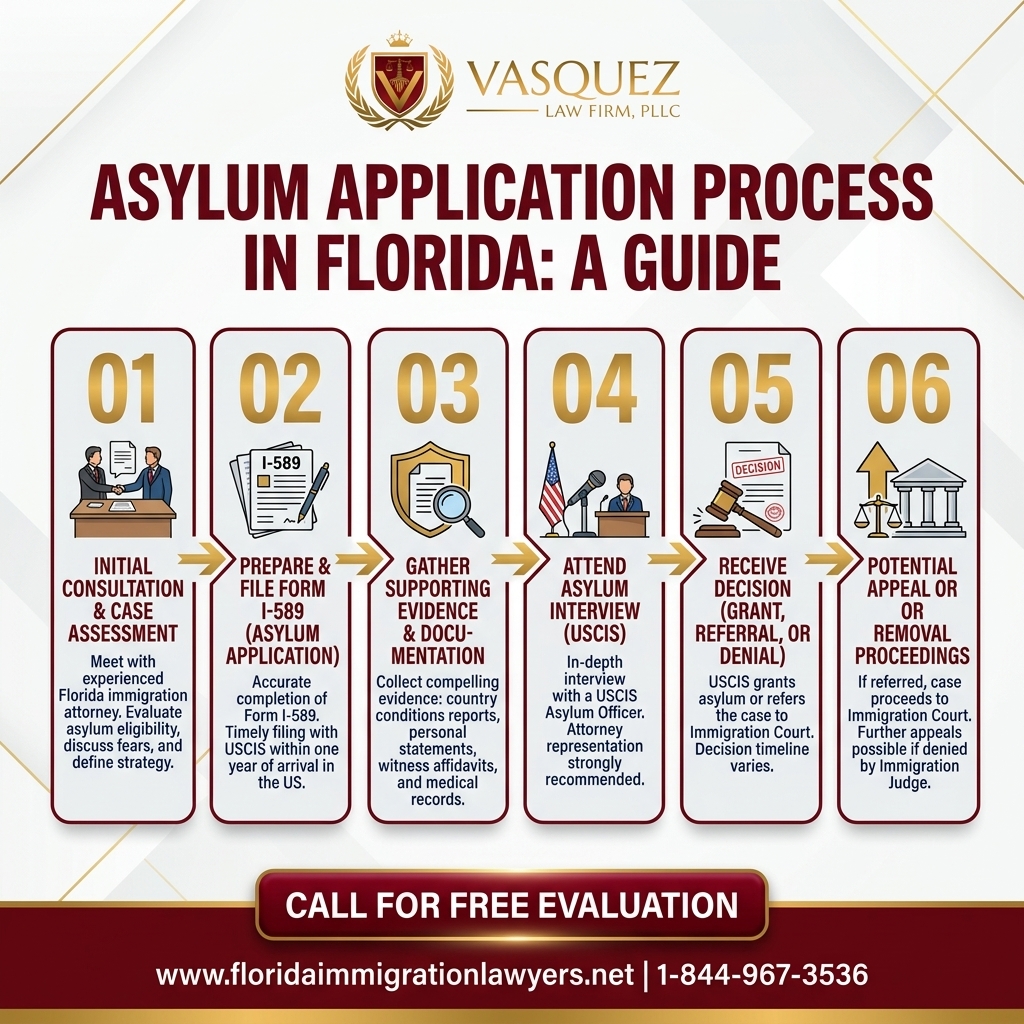
Step 4: Decision and Next Steps
Following the interview, the Asylum Officer will review your case and make a decision.
- Approval: If your asylum claim is approved, you will be granted asylum status. This allows you to legally reside and work in the U.S. and eventually apply for a Green Card.
- Referral to Immigration Court: If the Asylum Officer does not grant asylum, and you are not in lawful immigration status, your case will typically be referred to an Immigration Judge for defensive asylum proceedings. This means you will enter deportation defense proceedings, where you will have another opportunity to present your asylum claim before a judge.
- Denial: In rare cases, if you are in lawful status and your affirmative asylum claim is denied, you may not be immediately placed into removal proceedings. However, this is less common.
The decision phase can be lengthy, and waiting for an outcome requires patience.
Common Challenges and Pitfalls in Asylum Cases
The path to asylum is rarely straightforward, and applicants often encounter significant hurdles that can complicate or even jeopardize their cases. Understanding these common challenges is crucial for effective preparation and strategy.
One of the most frequent and critical pitfalls is the one-year filing deadline. As mentioned, applicants generally must file Form I-589 within one year of their last arrival in the U.S. Missing this deadline without a valid exception can lead to an automatic denial of the asylum claim, regardless of its merits. Proving an exception, such as changed country conditions or extraordinary circumstances, requires substantial evidence and compelling arguments, making it a complex legal endeavor.
Credibility issues are another major challenge. Asylum claims rely heavily on the applicant's testimony. Any inconsistencies, omissions, or perceived evasiveness in statements made during the application process or interview can severely undermine credibility. Asylum officers and immigration judges are trained to scrutinize testimony, and even minor discrepancies can be used to question the veracity of the entire claim. This highlights the importance of thorough preparation and consistent storytelling.
The lack of corroborating evidence can also weaken a case. While an applicant's testimony alone can be sufficient if found credible, strong supporting documentation significantly bolsters a claim. This can include police reports, medical records, news articles, human rights reports, affidavits from witnesses, and country condition reports. Many asylum seekers flee with little to no documentation, making it difficult to gather this evidence. Attorneys can assist in identifying alternative forms of corroboration and presenting a compelling case even with limited traditional evidence.
Furthermore, changes in country conditions can impact an asylum claim. If the situation in an applicant's home country improves significantly, the basis for a well-founded fear of future persecution might diminish. Conversely, deteriorating conditions can strengthen a claim. Staying informed about current events in the home country and updating the application accordingly is vital.
Finally, for those whose cases are referred to immigration court, navigating the immigration court system presents its own set of challenges. This is an adversarial environment where a government attorney will argue against the asylum claim. Understanding court procedures, rules of evidence, and legal precedents is paramount. This is where the expertise of a seasoned deportation defense lawyer becomes indispensable, as they can skillfully advocate for your rights and present your case effectively before an Immigration Judge.
The Role of an Immigration Attorney in Florida Asylum Cases
Given the complexities and potential pitfalls of the asylum process, securing experienced legal representation is not just beneficial—it's often critical for a successful outcome. An immigration attorney specializing in asylum cases can provide invaluable assistance at every stage.
Firstly, an attorney can help you determine your eligibility for asylum, identify the strongest arguments for your case, and meticulously prepare Form I-589 and all supporting documentation. They ensure that all deadlines are met, particularly the crucial one-year filing deadline, and assist in gathering compelling evidence, even when traditional documents are scarce.
Secondly, your attorney will prepare you thoroughly for the asylum interview, conducting mock interviews and explaining what to expect. They can attend the interview with you, providing support, clarifying questions, and making legal objections if necessary. This presence can significantly reduce stress and ensure your rights are protected.
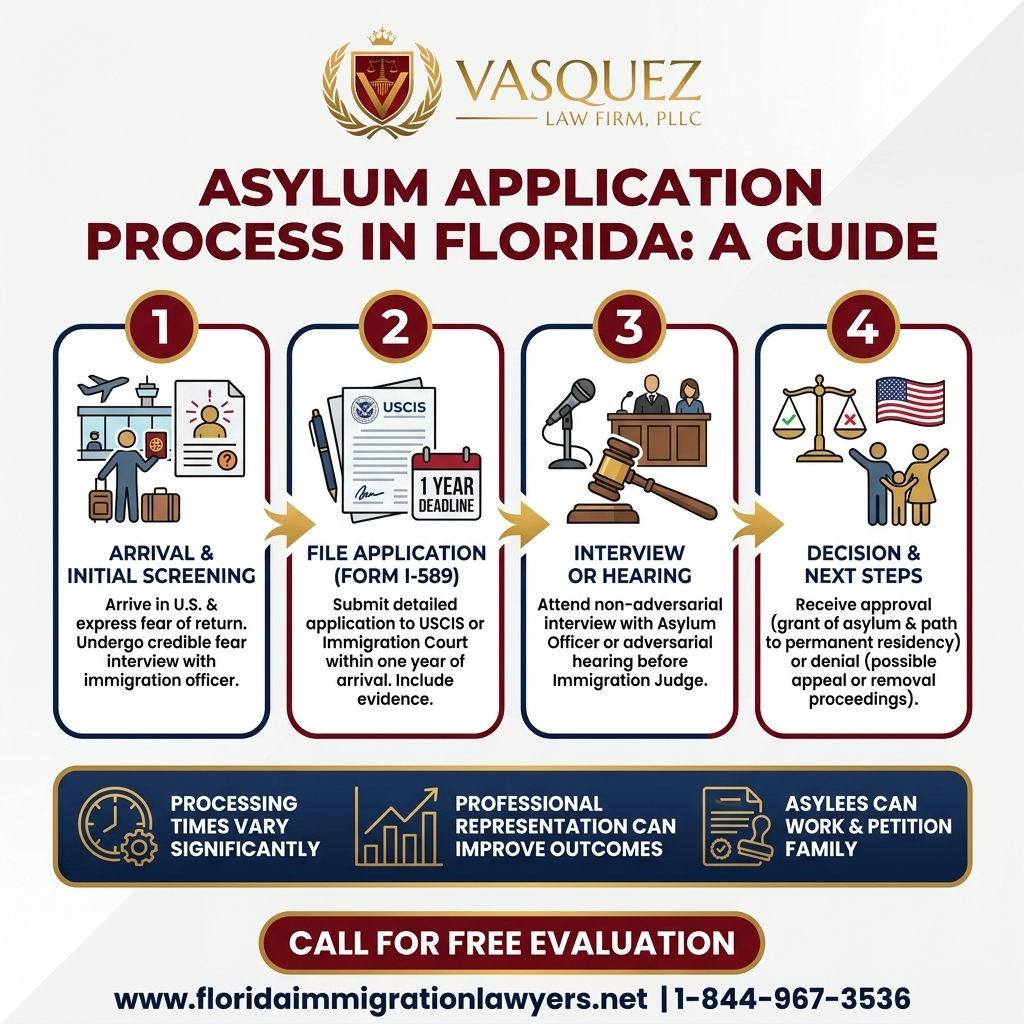
If your case is referred to immigration court, an attorney becomes even more vital. They will represent you in removal proceedings, preparing you for court hearings, cross-examining witnesses, presenting evidence, and making persuasive legal arguments to the Immigration Judge. Their expertise in immigration law and court procedures can make the difference between deportation and being granted asylum. To learn more about our dedicated legal team, please visit our attorneys page.
What Happens After Asylum is Granted?
Receiving asylum status is a life-changing event, offering safety and stability in the United States. However, the journey doesn't end there; new opportunities and responsibilities arise.
Once asylum is granted, you are authorized to live and work in the U.S. indefinitely. You will receive an I-94 arrival/departure record endorsed with "asylum granted," which serves as proof of your status. You are also eligible to apply for an Employment Authorization Document (EAD), allowing you to work legally in the country.
A significant benefit of asylum status is the ability to apply for a Green Card (lawful permanent residence) one year after your asylum approval date. This process, known as Adjustment of Status, requires filing Form I-485. Obtaining a Green Card provides further stability and is a step towards potential U.S. citizenship.
Asylees can also petition for certain family members to join them in the United States. This includes a spouse and unmarried children under 21, provided the relationship existed before asylum was granted. This family reunification process involves filing Form I-730, Refugee/Asylee Relative Petition.
Navigating these post-asylum steps also involves legal intricacies. An attorney can assist with the Green Card application, family petitions, and any other immigration matters that may arise, ensuring a smooth transition to permanent residency and beyond.
Conclusion
The asylum application process in Florida is a challenging yet ultimately rewarding path for those seeking refuge from persecution. From understanding the fundamental eligibility requirements to meticulously preparing your Form I-589, undergoing a biometrics appointment, and navigating the critical asylum interview or court proceedings, each step demands precision and resilience. The complexities of the one-year filing deadline, credibility assessments, and the need for robust corroborating evidence underscore why this journey should not be undertaken alone.
For individuals facing the daunting prospect of seeking asylum, the support of experienced legal counsel is paramount. A skilled immigration attorney can provide comprehensive guidance, advocate on your behalf, and significantly enhance your chances of a successful outcome. They serve as your steadfast ally, helping you overcome obstacles and ensuring your voice is heard. If you or a loved one are considering applying for asylum in Florida, do not hesitate to seek professional assistance. Contact Florida Immigration Lawyers today for a confidential consultation and take the crucial first step towards securing your safety and future. Visit our contact page or call us to schedule your free consultation.
Sources and References
- U.S. Citizenship and Immigration Services (USCIS)
- Executive Office for Immigration Review (EOIR)
- U.S. Department of State - Bureau of Consular Affairs
- Immigration and Nationality Act (INA), 8 U.S.C. Chapter 12
Do Not Navigate This Process Alone
Our experienced immigration attorneys are ready to fight for you. Get a free, confidential consultation today.
Se Habla Español
Frequently Asked Questions
Florida Immigration Lawyers
Immigration Attorney | Founder, Vasquez Law Firm
U.S. Air Force veteran and immigration attorney with thousands of cases resolved. J.D., NCCU School of Law. AILA member. Admitted to the 4th, 5th, and 11th Circuit Courts.
Available 24/7 - Free Evaluations
Related Legal Services
Our Florida immigration attorneys can help you with immigration practice areas, free immigration consultation and experienced immigration attorneys. Call today at 1-844-967-3536 for a free consultation.
Related Links
Related Topics
Free Legal Consultation
Discuss your case with our experienced attorneys. We're available 24/7.
Se Habla Español - Estamos aquí para ayudarle.
Related Articles
Expungement Effect on Immigration in Florida | VLF Florida
Discover how expungement impacts immigration in Florida. Learn about eligibility, the process, and potential consequences. Contact Florida Immigration Lawyers at 1-844-967-3536 for a free consultation.
Immigration Services in Kissimmee Florida | VLF Florida
Discover essential immigration services in Kissimmee, Florida. Learn about the resources available for immigrants, including Puerto Rican residents in Osceola County. Contact Florida Immigration Lawyers at 1-844-967-3536 for expert guidance and a free consultation.
Child Status Protection Act (CSPA) Florida: Preventing 'Aging
Understand the Child Status Protection Act (CSPA) in Florida and how it prevents 'aging out' for derivative beneficiaries. Navigate complex immigration laws
I-360 Widow Self-Petition in Florida: A Complete Guide
Learn how to navigate the I-360 widow self-petition process in Florida. This comprehensive guide covers eligibility, documentation, and common mistakes. Call Florida Immigration Lawyers for expert assistance.