Exclusive Citizenship Act of 2025: Florida Immigration
The proposed Exclusive Citizenship Act of 2025 (S.3283) aims to require sole allegiance to the U.S., potentially impacting dual citizenship for Floridians. As of early 2026, this bill has seen limited congressional movement and its passage is highly unlikely. However, understanding such proposed immigration law updates is crucial for anyone concerned about their citizenship status in Florida, including Gainesville residents. This guide provides comprehensive insights into the bill's status, potential implications, and how to navigate related complexities. Florida Immigration Lawyers offers expert guidance and free consultations to help you stay informed and prepared for any changes in immigration law. Contact us for personalized advice.

The Exclusive Citizenship Act of 2025 is proposed legislation (S.3283) that aims to require sole allegiance to the U.S., potentially impacting dual citizenship. As of early 2026, this bill has seen limited movement in Congress and its passage remains highly unlikely. Understanding its implications is crucial for Florida residents navigating complex immigration matters. It is not currently law.
- The Act is a proposed bill, not current law.
- It targets sole allegiance, potentially affecting dual citizenship.
- Passage remains highly unlikely as of 2026.
- Florida residents should stay informed about immigration law changes.
- Consult an attorney for personalized advice on citizenship status.
Are you an immigrant in Florida concerned about potential changes to U.S. citizenship laws? The Exclusive Citizenship Act of 2025 has generated discussions among many, particularly those with dual citizenship or family abroad. While this bill is currently a proposal and its future is uncertain, understanding its potential implications is vital for your peace of mind and future planning.
We know the immigration landscape can be confusing and stressful, especially with new legislative proposals. This comprehensive guide will break down what the proposed Exclusive Citizenship Act of 2025 entails, its current status, and what it could mean for individuals and families across Florida, including Gainesville.
We will explore the background of the bill, potential processes, and how you can prepare for any future immigration law updates. Our goal is to provide clarity and empower you with accurate information. Navigating complex immigration matters requires expert guidance. Call Florida Immigration Lawyers at 1-844-967-3536 for a free consultation to discuss your unique situation.
Understanding the Proposed Exclusive Citizenship Act of 2025 and its Status
The Exclusive Citizenship Act of 2025, often referenced as S.3283, is a piece of proposed federal legislation that seeks to establish that U.S. citizens owe sole and exclusive allegiance to the United States. This bill, initially introduced in a prior congressional session, aims to address the concept of dual nationality by potentially requiring individuals to renounce any other citizenship to maintain their U.S. citizenship. For many residents in Florida, a state with a diverse immigrant population, the implications of such a law could be significant.
It is important to emphasize that as of early 2026, the Exclusive Citizenship Act of 2025 remains a proposed bill. It has not passed Congress, nor has it been signed into law. Congressional records indicate limited movement for S.3283, with no significant hearings or floor votes. The likelihood of this specific bill passing in its current form is considered very low by many legislative analysts.
However, the discussions it sparks highlight ongoing debates about immigration and citizenship in the United States. We monitor these immigration law updates closely to provide our Florida clients with the most current and accurate information. This proactive approach ensures you are always informed about developments that could impact your status.
What the Exclusive Citizenship Act of 2025 Could Mean for Florida Residents
While the Exclusive Citizenship Act of 2025 is not law, contemplating its potential effects is a prudent step for those concerned about their citizenship status, especially for individuals with dual citizenship Florida. If such a bill were to pass, it could introduce new requirements for U.S. citizens to formally renounce foreign citizenships. This would represent a fundamental shift in U.S. immigration policy, which currently permits dual nationality under 8 U.S.C. Chapter 12.
For residents of Gainesville and other Florida communities, where international ties are common, this could necessitate difficult choices. Many Floridians maintain strong connections to their countries of origin, often holding passports from both the U.S. and another nation. A change of this magnitude would disrupt established practices and personal arrangements.
The process of renouncing foreign citizenship typically involves interacting with the foreign government's consulate or embassy, which can be complex and time-consuming. Moreover, it could impact inheritance rights, travel, and residency in other countries. Understanding these potential challenges is crucial, even as we acknowledge the bill's current legislative status and low probability of enactment.
Impact on Naturalization and Existing Citizens
If a similar citizenship law 2025 were enacted, it could potentially affect both prospective naturalized citizens and current U.S. citizens. For those seeking to become naturalized citizens, new requirements regarding sole allegiance might be introduced during the naturalization interview process with USCIS. This could involve additional questions or declarations beyond the current Oath of Allegiance outlined in 8 CFR Part 337.
Existing dual citizens might face a period where they would need to choose which citizenship to maintain. This scenario would create unique challenges for many families in Florida, where multi-national households are common. The decision to renounce a cherished foreign citizenship is deeply personal and carries significant legal weight.
We understand the deep personal connections and legal implications tied to dual nationality. Our firm is dedicated to helping you understand any future changes and how they might apply to your specific circumstances, ensuring your rights are protected throughout any legislative shifts or **immigration reform** efforts.
Navigating Potential Changes: A Step-by-Step Guide (If Enacted)
Should a version of the Exclusive Citizenship Act of 2025 ever become law, individuals might need to take specific actions. This guide outlines hypothetical steps based on the bill's stated intent. Remember, this is purely for informational purposes regarding a potential future scenario, and current law permits dual citizenship.
-
Step 1: Consult with an Experienced Immigration Lawyer: The very first action should be to seek expert legal counsel. An attorney specializing in U.S. immigration law can provide personalized advice on your specific citizenship status, explain the new law's requirements, and outline your options. This is especially critical for those with complex international ties or existing dual citizenship, as the nuances of such a law would be extensive.
-
Step 2: Understand the Specifics of the New Law: Carefully review the enacted legislation. Details matter, such as effective dates, grace periods, and specific procedures for renunciation or affirmation of allegiance. The scope of the law-whether it applies to all citizens, naturalized citizens only, or those acquiring citizenship in the future-will dictate individual actions. Your legal counsel will help interpret these complex legal texts.
-
Step 3: Assess Your Dual Citizenship Status: If you hold dual citizenship, gather all relevant documents from both countries. Understand the laws of your other country regarding renunciation and its implications. Some countries may have complex or costly processes for relinquishing citizenship, and it's essential to know if renouncing one citizenship affects your rights or status in the other.
-
Step 4: Consider Renunciation Procedures (If Applicable): If the law mandates renunciation of foreign citizenship, you would typically contact the consulate or embassy of your other country in the U.S., possibly in Florida cities like Miami or Orlando. This process usually involves formal paperwork, interviews, and fees. The U.S. Department of State provides guidance on the implications of renouncing U.S. citizenship, but renouncing foreign citizenship is handled by the foreign government, and processes vary widely.
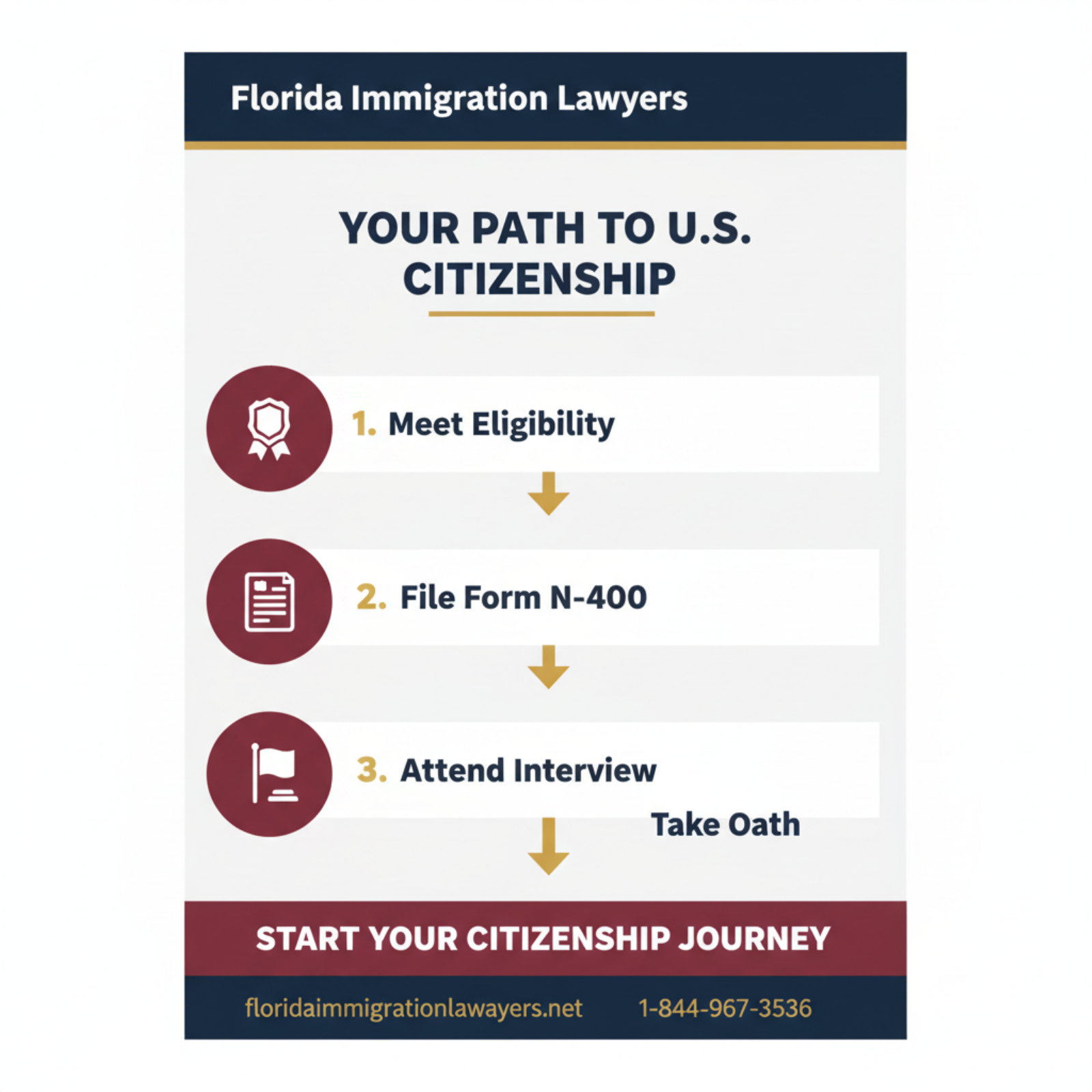
Step-by-Step Process Guide -
Step 5: File Necessary U.S. Documentation: Depending on the new law, you might need to file specific forms with USCIS or the U.S. Department of State to affirm sole allegiance or confirm renunciation. Your immigration lawyer can guide you through any required U.S. government filings, ensuring accuracy and timely submission. This step would be critical for maintaining compliance with any new federal mandates.
-
Step 6: Update Personal Records: After completing any required steps, ensure your personal records, such as passports and other identification, reflect your updated citizenship status. This might involve obtaining a new U.S. passport if your previous one indicated dual nationality or if new documentation is issued. Keeping all records current is vital for future travel and legal matters.
Essential Documents and Information Checklist (Hypothetical)
In a scenario where the Exclusive Citizenship Act of 2025 or similar legislation is passed, preparing a comprehensive set of documents would be crucial. This hypothetical list provides a general overview of what might be required to demonstrate your citizenship status and compliance with a new law. Organization would be key to a smooth process.
- U.S. Passport: Your current U.S. passport, if applicable, serving as primary proof of U.S. citizenship.
- Foreign Passports/Citizenship Certificates: Any passports or official documents proving citizenship in another country. These would be essential for demonstrating dual nationality.
- Birth Certificates: Both U.S. and foreign birth certificates, if applicable, to establish your place of birth and parentage.
- Naturalization Certificate: If you are a naturalized U.S. citizen, this document is fundamental to your U.S. citizenship history.
- Marriage Certificates/Divorce Decrees: To establish identity and name changes, ensuring consistency across all legal documents.
- Proof of Residence in Florida: Utility bills, lease agreements, or driver's license from Gainesville, Orlando, or other Florida locations. This establishes your local connection.
- Proof of Allegiance (if required): Any new forms or declarations mandated by the enacted law to affirm sole allegiance. These would be specific to the new legislation.
- Renunciation Documents: Official documentation from a foreign government confirming renunciation of foreign citizenship, if applicable. This would be critical evidence of compliance.
- Financial Records: Potentially needed for fee payments or proof of ability to travel for renunciation processes. Financial documentation can support various aspects of your case.
- Immigration Records: Copies of previous visa petitions, green cards, or other USCIS correspondence. These documents provide a complete history of your immigration journey in the U.S.
Timeline and Processing Expectations (Speculative)
Predicting a definitive timeline for any new citizenship law 2025 is highly speculative, especially since the Exclusive Citizenship Act of 2025 is not active legislation. However, based on typical legislative processes and immigration procedures, we can outline potential expectations if such a law were to pass. Understanding these general stages can help manage expectations.
-
Legislative Process: A bill typically takes months, if not years, to move through Congress, undergoing committee reviews, debates, and votes in both the House and Senate. Amendments are common, and passage is never guaranteed. Public opinion and political will play significant roles in this lengthy process.
-
Implementation Period: If enacted, a new law would likely include an implementation period, possibly 6-12 months or more, before it fully takes effect. This allows government agencies like USCIS and the Department of State to develop new regulations, forms, and procedures. It also provides time for the public to comply and seek legal advice.
-
Individual Processing: For individuals required to take action, such as renouncing foreign citizenship, the timeline would depend on several factors:
- Foreign Government Processing: Renunciation processes vary significantly by country, from a few weeks to several months or even over a year. Each country has its own bureaucratic requirements and processing speeds.
- U.S. Agency Processing: Any new USCIS processing for affirming allegiance or updating records would add its own processing times, which can fluctuate based on caseloads and resources at field offices in Florida, such as those in Orlando or Tampa.
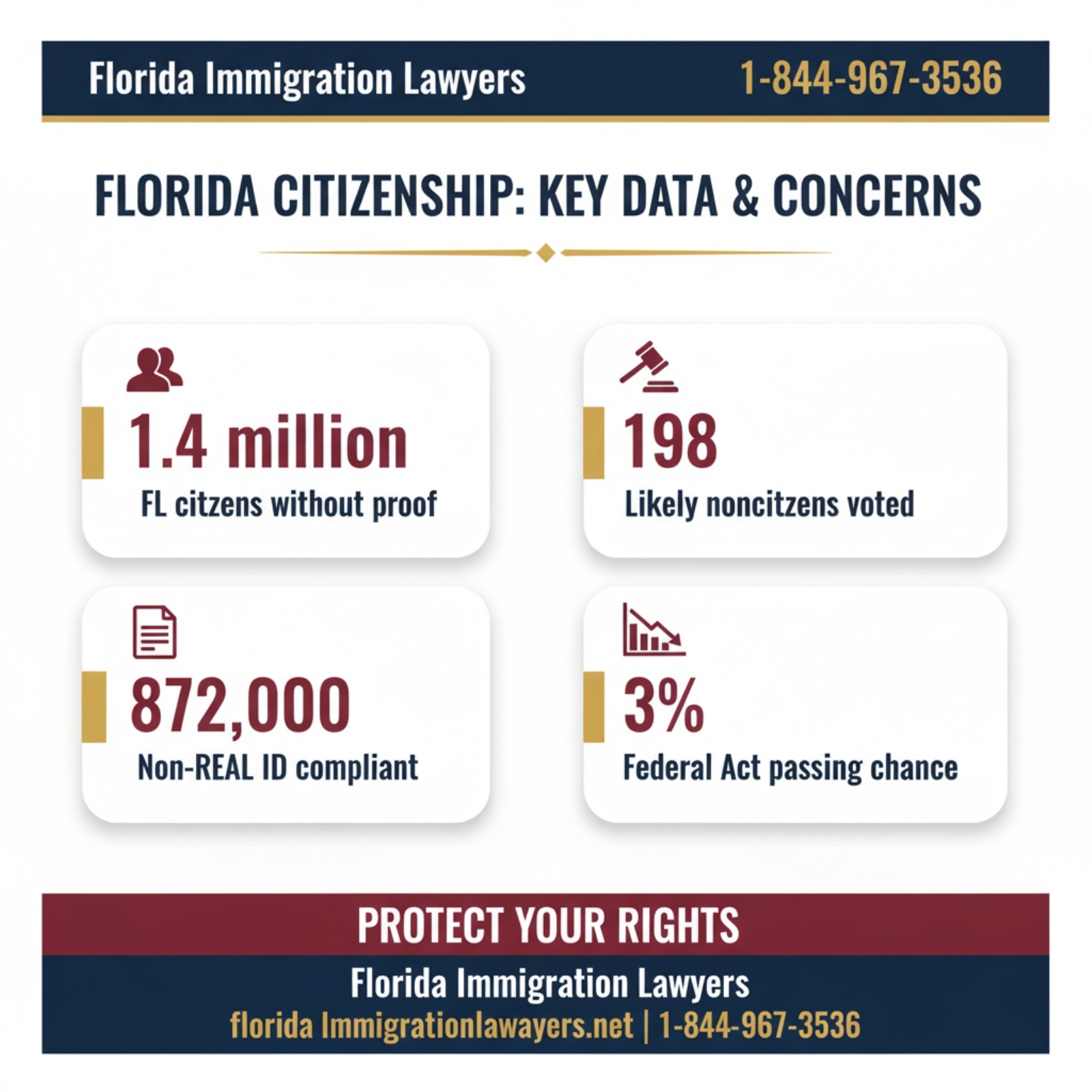
Key Statistics & Data -
Legal Challenges: Major shifts in citizenship law often face legal challenges, which can further delay implementation or alter its scope. These challenges can extend the period of uncertainty for individuals and families affected. Court decisions can significantly impact the interpretation and enforceability of new laws.
Given the complexities, staying informed through reliable legal counsel is paramount. Florida Immigration Lawyers is committed to providing timely updates on significant immigration law updates that could affect you and your family across Florida.
Cost Factors and Fee Breakdown (Hypothetical)
Understanding the potential financial implications is important, even for hypothetical scenarios like the Exclusive Citizenship Act of 2025. While no specific fees are associated with this proposed bill, we can outline potential costs if it were to become law. These are general categories of expenses that typically arise with complex immigration matters.
-
Legal Fees: Consulting with an experienced immigration lawyer is an investment in your peace of mind and legal security. Fees would vary based on the complexity of your case, the amount of legal work required, and whether renunciation of foreign citizenship is involved. Florida Immigration Lawyers offers a free consultation to start, providing an initial assessment without financial obligation.
-
Government Filing Fees: If new forms were required by USCIS or the Department of State to affirm allegiance or document renunciation, there would likely be associated filing fees. These fees are subject to change annually and are non-refundable. It is important to budget for these potential costs.
-
Foreign Government Fees: Renouncing foreign citizenship often involves fees imposed by the foreign government's consulate or embassy. These fees can range from minimal to substantial, depending on the country. Some countries may also require exit taxes or other financial obligations before renunciation is finalized.
-
Travel Costs: If you need to travel to a consulate or embassy (e.g., in Miami, Orlando, or outside Florida) to complete renunciation procedures, travel and accommodation costs would apply. For some, international travel might even be required if no consulate exists in the U.S.
-
Document Translation/Certification: Costs for translating foreign documents into English by certified translators and obtaining apostilles or certifications might be necessary. Official translations ensure that all documents are properly understood and accepted by U.S. government agencies. These costs can add up, especially for multiple documents.
It is impossible to provide exact figures for a hypothetical law, but these are general categories of expenses to consider for any significant immigration reform impacting citizenship. Planning ahead for these potential costs is always advisable.
The landscape of immigration law updates can be intimidating, especially when discussing potential legislative changes like the Exclusive Citizenship Act of 2025. Do not navigate this process alone. Contact Florida Immigration Lawyers today at 1-844-967-3536 for expert guidance and support tailored to your unique situation in Florida.
Common Mistakes to Avoid Regarding Citizenship Law Changes
In the event of significant immigration reform or the passage of a new citizenship law 2025, avoiding these common pitfalls is crucial for protecting your legal status and future:
-
Believing Rumors or Misinformation: Relying on unverified social media posts or informal advice can lead to poor decisions. Always verify information from official government sources like USCIS.gov or reputable legal counsel. The Exclusive Citizenship Act of 2025 is a proposed bill, not law, yet misinformation can spread quickly and cause unnecessary panic or misguided actions.
-
Delaying Legal Consultation: Waiting to consult an immigration lawyer can put your status at risk. Early legal advice ensures you understand your options and can act promptly if new laws affect you. This is true whether you're in Gainesville, Miami, or anywhere else in Florida. Procrastination in legal matters can have severe consequences.
-
Failing to Gather Necessary Documents: Proactively collecting all relevant documents (passports, birth certificates, naturalization papers) ensures you are prepared for any future requirements. A missing document can cause significant delays in any USCIS processing and complicate your case. Keep all important papers organized and accessible.
-
Assuming Dual Citizenship is Permanently Protected: While current U.S. law allows dual nationality, proposed legislation like the Exclusive Citizenship Act of 2025 indicates this is a debated topic. Do not assume your dual citizenship Florida status will always remain unaffected by new laws. Stay informed and be prepared for potential policy shifts.
-
Attempting Self-Representation in Complex Matters: Immigration law is notoriously complex and constantly evolving. Trying to navigate significant changes or renunciation processes without legal representation can lead to errors, delays, or even adverse outcomes. An experienced attorney can provide invaluable guidance and advocacy.
-
Not Understanding the Implications of Renunciation: Renouncing foreign citizenship can have profound legal, financial, and personal consequences, including impact on travel, property rights, and inheritance in your country of origin. Understand these fully before making any decisions, as renunciation is often irreversible.
-
Ignoring Deadlines: If a new law includes specific compliance deadlines, missing them could result in penalties or loss of status. An attorney helps you stay organized and meet all critical dates, preventing avoidable complications. Timeliness is often paramount in immigration matters.
-
Failing to Update Contact Information with USCIS: Always ensure USCIS has your current mailing address and contact information. Failure to receive important notices can lead to missed deadlines or adverse decisions without your knowledge. This simple step can prevent significant problems.
-
Not Preparing for Potential Fees: Significant immigration processes often involve various fees. Being financially unprepared can add stress and delays. Plan for potential legal, filing, and foreign government fees, as these are an unavoidable part of many immigration procedures.
-
Disregarding Travel Restrictions: If a new law impacts your citizenship status, it could also affect your ability to travel internationally. Always check current travel advisories and passport requirements with relevant authorities to avoid unexpected issues at borders or during international trips.
-
Underestimating Emotional Impact: Navigating potential changes to citizenship can be emotionally taxing. Recognize the stress involved and seek support from family, friends, and legal professionals who can offer reassurance and practical help. Your well-being is important during these challenging times.
When to Call a Lawyer
Even with general information about the Exclusive Citizenship Act of 2025 and other immigration law updates, your personal situation is unique. You should contact Florida Immigration Lawyers if:
- You have dual citizenship Florida and are concerned about its future implications under potential new laws.
- You are a naturalized U.S. citizen seeking clarity on your status and rights.
- You are in the process of naturalization and want to understand potential changes to the requirements.
- You have received any communication from USCIS or other government agencies regarding your citizenship.
- You are considering renouncing foreign citizenship and need guidance on the process and legal implications.
- You have questions about the legal status of the Exclusive Citizenship Act of 2025 or any other proposed citizenship law 2025.
- You need assistance with any USCIS processing or documentation related to your citizenship.
- You are concerned about how potential immigration reform might affect your family members or business interests.
Our experienced attorneys are here to provide tailored advice, protect your rights, and help you navigate the complexities of U.S. immigration law, including potential immigration reform. We serve clients across all of Florida, including Gainesville, Miami, Orlando, and Tampa. We can also assist with related matters such as family immigration, deportation defense, or asylum claims. Our team is ready to provide the compassionate and effective representation you deserve.
About Florida Immigration Lawyers
Florida Immigration Lawyers is a leading law firm dedicated to providing exceptional legal representation to immigrants across the entire state of Florida. With a deep understanding of U.S. immigration law and a compassionate approach, our experienced attorneys are committed to helping individuals and families achieve their immigration goals. We offer a wide range of services, including assistance with citizenship applications, visa petitions, deportation defense, and business immigration.
We pride ourselves on being accessible and responsive to our clients' needs. Our firm is available 24/7, offering free consultations to discuss your case and provide clear, actionable advice. We understand the challenges immigrants face and are here to offer dedicated support every step of the way. When you choose Florida Immigration Lawyers, you choose a partner who will tirelessly advocate for your rights and future.
Visit our website at www.floridaimmigrationlawyers.net or call us today at 1-844-967-3536. We are here to help you achieve your American dream, providing expert legal counsel and peace of mind for your immigration journey. Our team is always ready to assist you.
Sources and References
- U.S. Citizenship and Immigration Services (USCIS)
- U.S. Department of State
- S.3283 - Exclusive Citizenship Act of 2022 (117th Congress) on Congress.gov
- 8 U.S.C. Chapter 12 - Immigration and Nationality Act (INA)
- 8 CFR Part 337 - Oath of Allegiance
This article provides general legal information and is not intended as legal advice. Every case is unique, and outcomes depend on specific facts and circumstances. Contact an attorney for advice about your particular situation.
Understanding potential changes to U.S. citizenship law, such as the proposed Exclusive Citizenship Act of 2025, requires careful attention and expert legal guidance. Don't leave your immigration future to chance. For a free, confidential consultation with a dedicated immigration lawyer in Florida, call Florida Immigration Lawyers at 1-844-967-3536 today. We are available 24/7 to answer your questions and provide the support you need. Se Habla Español - Estamos aquí para ayudarle.
Do Not Navigate This Process Alone
Our experienced immigration attorneys are ready to fight for you. Get a free, confidential consultation today.
Se Habla Español
Frequently Asked Questions
Florida Immigration Lawyers
Immigration Attorney | Founder, Vasquez Law Firm
U.S. Air Force veteran and immigration attorney with thousands of cases resolved. J.D., NCCU School of Law. AILA member. Admitted to the 4th, 5th, and 11th Circuit Courts.
Available 24/7 - Free Evaluations
Related Legal Services
Our Florida immigration attorneys can help you with citizenship and naturalization, family immigration services and immigration practice areas. Call today at 1-844-967-3536 for a free consultation.
Related Links
Related Topics
Free Legal Consultation
Discuss your case with our experienced attorneys. We're available 24/7.
Se Habla Español - Estamos aquí para ayudarle.
Related Articles
Immigration Services in Naples, Collier County | VLF Florida
Explore comprehensive immigration services in Naples, Collier County. Learn about visa processes, legal assistance, and how to avoid common pitfalls. Contact Florida Immigration Lawyers for expert guidance and a free consultation.
OPT STEM Extension for Florida Graduates: Your 2026 Guide
For F-1 international students graduating from Florida universities with a STEM degree, the OPT STEM extension is a vital pathway to extend work authorization by 24 months. This guide from Florida Immigration Lawyers details the 2026 application process, including eligibility, a step-by-step walkthrough, essential documents like Form I-983, and critical timelines. We highlight the importance of consulting your DSO, securing an E-Verify employer, and avoiding common mistakes that can lead to delays or denials. Understanding these requirements is key to leveraging Florida's robust job market. Contact our firm for a free consultation to navigate this complex process effectively.
Expungement Effect on Immigration in Florida | VLF Florida
Discover how expungement impacts immigration in Florida. Learn about eligibility, the process, and potential consequences. Contact Florida Immigration Lawyers at 1-844-967-3536 for a free consultation.
Immigration Services in Kissimmee Florida | VLF Florida
Discover essential immigration services in Kissimmee, Florida. Learn about the resources available for immigrants, including Puerto Rican residents in Osceola County. Contact Florida Immigration Lawyers at 1-844-967-3536 for expert guidance and a free consultation.
