Citizenship Delay in Florida: Navigating N-400 Processing Challenges
Facing a citizenship delay for your N-400 naturalization application in Florida can be disheartening. This guide from Florida Immigration Lawyers explains why these delays occur, from USCIS backlogs to security checks. We provide a step-by-step overview of the naturalization process, a document checklist, and insights into typical processing timelines in Florida. Learn about common mistakes to avoid and when it's crucial to seek legal counsel to address prolonged N-400 processing or complex case issues. Our firm is dedicated to helping individuals in Kissimmee and across Florida achieve their citizenship goals.
A citizenship delay in Florida typically occurs when the U.S. Citizenship and Immigration Services (USCIS) takes longer than expected to process an N-400 naturalization application. These delays can stem from increased caseloads, security checks, or requests for additional evidence. Understanding the process and knowing how to respond is crucial for applicants in areas like Kissimmee.
- USCIS processing times for N-400 applications vary significantly.
- Delays can be caused by backlogs, security checks, or RFE submissions.
- Applicants can check their case status online or submit service requests.
- Consulting an attorney can help address prolonged delays effectively.
- Proper preparation and documentation are vital to avoid common mistakes.
Are you an aspiring U.S. citizen in Kissimmee, Orlando, or anywhere in Florida, patiently waiting for a decision on your N-400 naturalization application? The journey to U.S. citizenship is a significant milestone, but facing a citizenship delay can be incredibly frustrating and uncertain. Many applicants experience extended processing times, leaving them wondering about the status of their American dream.
At Florida Immigration Lawyers, we understand the anxieties that come with a prolonged N-400 processing period. This comprehensive guide is designed to help you understand the reasons behind these delays, what to expect, and how to navigate the complexities of the naturalization process in Florida. We are here to provide clarity and support every step of the way.
Do not let a bureaucratic hurdle derail your path to citizenship. For personalized guidance and a clear strategy to address your citizenship delay, Call Florida Immigration Lawyers at 1-844-967-3536 for a free consultation. Our experienced team is ready to assist you.
Understanding Citizenship Application Delays in Florida
The path to becoming a U.S. citizen is a profound step, offering full rights and responsibilities to eligible immigrants. For many in Florida, especially in diverse communities like Kissimmee, naturalization represents the culmination of years of hard work and dedication. However, the process is not always straightforward, and citizenship delay is a common concern.
USCIS, the federal agency responsible for processing naturalization applications, experiences fluctuating caseloads and policy changes that can significantly impact processing times. These factors often contribute to what is known as a USCIS backlog, leading to longer waits for applicants.
What Causes N-400 Processing Delays?
Several factors can contribute to a citizenship delay for your N-400 application. Understanding these potential roadblocks can help you prepare and, in some cases, proactively address issues before they arise. It is important to remember that each case is unique, and processing times can vary widely.
- USCIS Backlogs: High volumes of applications, staffing shortages, and resource limitations at USCIS field offices in Florida (like Orlando, Miami, and Tampa) can create significant backlogs. This is a primary driver of extended N-400 processing times.
- Security Checks: All naturalization applicants undergo thorough background and security checks. If there are any discrepancies or complex histories, these checks can take considerably longer, causing a delay.
- Requests for Evidence (RFE): If USCIS determines that your initial application lacks necessary documentation or information, they will issue an RFE. Responding promptly and accurately is crucial, but the RFE process itself adds time to your case.
- Interview Rescheduling: Sometimes, USCIS may need to reschedule your naturalization interview due to operational needs or unforeseen circumstances. This can push back your decision timeline.
- Applicant-Related Issues: Errors on the application form, failure to disclose relevant information, criminal history, or issues with continuous residency can all lead to delays or even denial.
Under the Immigration and Nationality Act (INA), specifically 8 U.S.C. § 1421, USCIS generally has 120 days from the date of the naturalization interview to issue a decision. If a decision is not made within this timeframe, applicants may have legal recourse.
Navigating the Naturalization Process: A Step-by-Step Guide
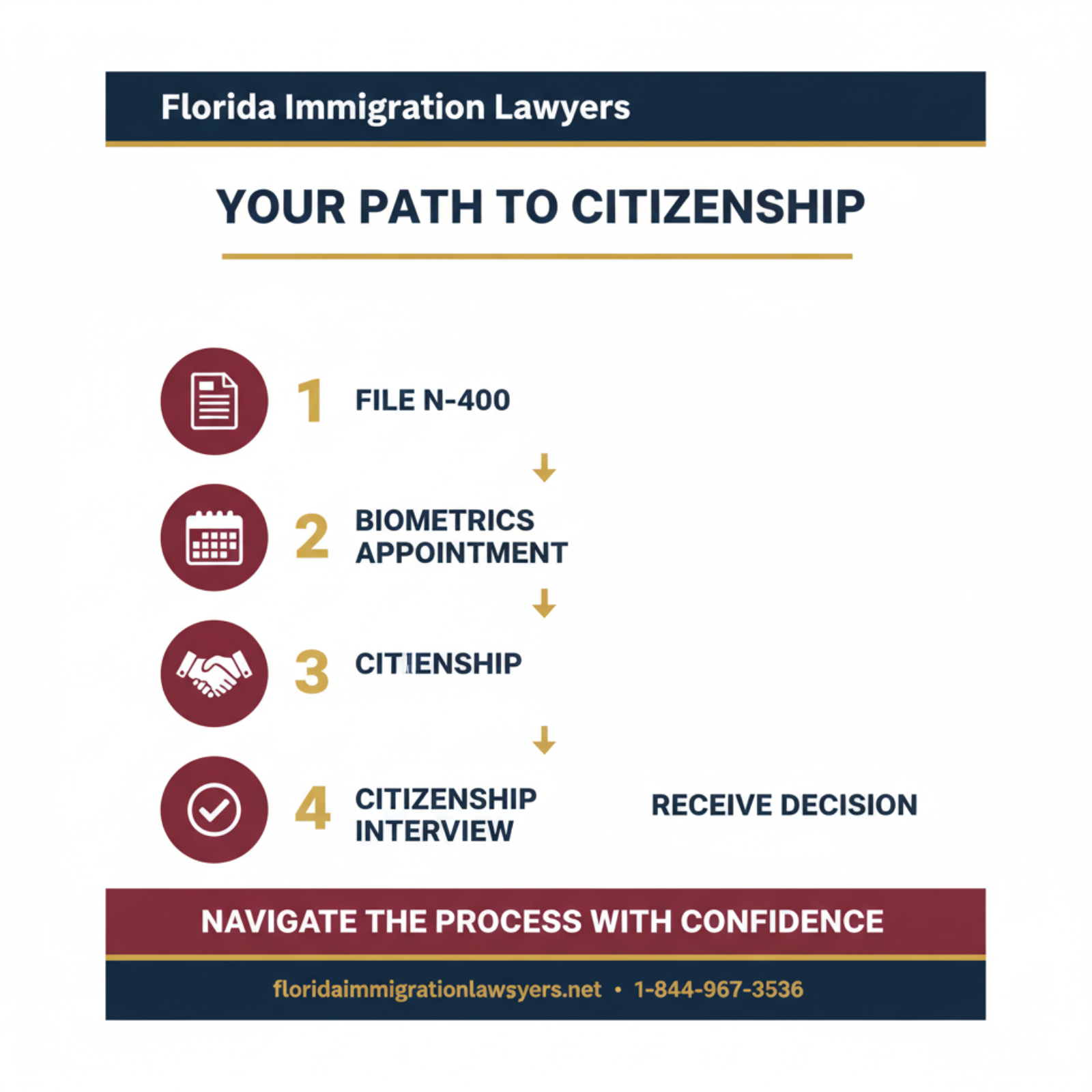
The naturalization process, while potentially lengthy, follows a structured series of steps. Knowing what to expect at each stage can alleviate some anxiety and help you remain organized, especially if you anticipate a citizenship delay.
- Determine Eligibility: Before filing, ensure you meet all requirements, such as age, continuous residency (typically 5 years as a lawful permanent resident, or 3 years if married to a U.S. citizen), good moral character, and English/civics knowledge. (Refer to INA § 316, 8 U.S.C. § 1427).
- Prepare and File Form N-400: Complete the Application for Naturalization, Form N-400, accurately and thoroughly. Gather all required supporting documents as detailed in the instructions. This is a critical step to avoid future N-400 processing delays.
- Attend Biometrics Appointment: After filing, you will receive an appointment notice for biometrics (fingerprints, photograph, and signature). This data is used for background checks.
- Attend the Naturalization Interview: USCIS will schedule an interview at a local field office, such as the Orlando Field Office or Miami Field Office. An officer will review your application, test your English and civics knowledge, and ask questions about your eligibility.
- Receive a Decision: Following the interview, USCIS will issue a decision: granted, continued (additional information needed), or denied. A delay often occurs between the interview and the final decision.
- Attend Oath of Allegiance Ceremony: If your application is approved, you will be scheduled for an Oath of Allegiance ceremony, where you will officially become a U.S. citizen.
Addressing a Prolonged N-400 Processing Time
If your application seems stuck in a citizenship delay, there are steps you can take. First, regularly check your case status online using the receipt number provided by USCIS. The USCIS website offers a helpful tool for this.
If processing times exceed the published estimates for your field office, you may submit an e-request or call the USCIS Contact Center to inquire about your case. For significant delays after your interview, particularly beyond 120 days, consulting an attorney is highly advisable. They can help you understand your options, which might include filing a Mandamus action in federal court to compel USCIS to make a decision.
Essential Documents for Your N-400 Application
A complete and accurate submission is key to minimizing a citizenship delay. Gathering all necessary documents before filing your N-400 application is crucial. Missing or incorrect documents are a common reason for RFEs and extended N-400 processing times.
- Copy of your Green Card (Form I-551, Permanent Resident Card), front and back.
- Copies of all passports (U.S. and foreign) held during the statutory residency period.
- Copy of your marriage certificate (if applying based on marriage to a U.S. citizen).
- Copies of divorce decrees or death certificates for previous marriages (for you or your spouse).
- Copies of birth certificates for your children.
- Proof of selective service registration (for male applicants between ages 18-26).
- Certified copies of court dispositions for any arrests or convictions, even if expunged.
- Tax returns for the past 3-5 years, depending on your eligibility category.
- Proof of payments for child support or alimony (if applicable).
- Evidence of your continuous residency, such as utility bills, leases, or bank statements.
- Form N-426, Request for Certification of Military or Naval Service (if applicable).
Ensure all foreign language documents are accompanied by certified English translations. Organizing these materials thoroughly will significantly streamline your naturalization process.
Citizenship Application Timeline and Processing Expectations in Florida
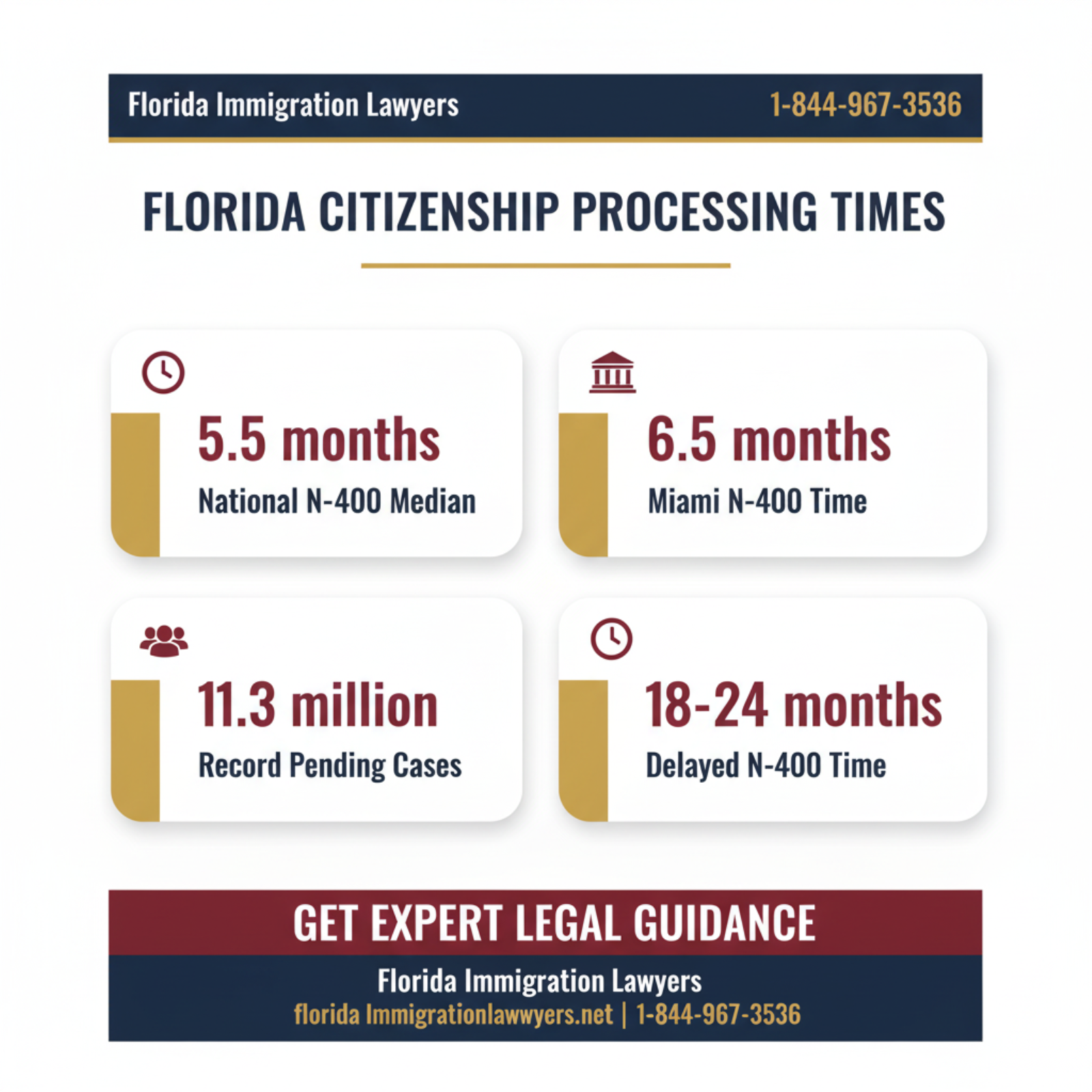
Understanding the typical timeline for a naturalization application can help manage expectations. However, it is essential to note that USCIS processing times are estimates and can fluctuate significantly due to various factors, including the specific USCIS field office (e.g., Orlando, Tampa, Miami) and national caseloads.
Generally, the entire naturalization process, from filing the N-400 to taking the Oath of Allegiance, can take anywhere from 8 to 24 months, or even longer in cases of severe USCIS backlog or complex issues. The average N-400 processing time in Florida often mirrors national trends but can be influenced by local office efficiencies.
Checking Your USCIS Case Status and Processing Times
To stay informed about your application, you should regularly check the official USCIS processing times page. You can filter by form type (N-400) and your specific field office or service center. This provides the most up-to-date estimate for how long similar cases are taking.
You can also use the USCIS Case Status Online tool with your receipt number. If your case falls outside the normal processing time displayed, you may be eligible to submit a USCIS case inquiry. This is typically done through an online e-request or by calling the USCIS Contact Center.
A citizenship delay can be particularly disheartening, but proactive monitoring and timely communication with USCIS are key strategies. If you find your case is significantly delayed beyond published estimates, it is a strong indicator that legal intervention might be beneficial.
Cost Factors and Fees for Naturalization Applications
Applying for U.S. citizenship involves certain fees, which are subject to change. It is crucial to check the most current fee schedule on the official USCIS website before filing your N-400 application. These fees typically cover the cost of processing your application and conducting background checks.
The main fee associated with the N-400 is the application fee itself. Additionally, there may be a biometrics fee. USCIS does not provide specific fee amounts in this article, as they are subject to change by federal regulation (e.g., 8 CFR Part 103). Always verify the current fees directly with USCIS.
Fee Waivers and Reductions
For individuals who meet specific income guidelines or are experiencing financial hardship, USCIS offers options for fee waivers or reduced fees. You may be eligible to file Form I-912, Request for Fee Waiver, or Form I-942, Request for Reduced Fee, with your N-400 application. Eligibility for these waivers is based on federal poverty guidelines or receipt of means-tested benefits.
Understanding the financial aspects is an important part of planning your naturalization journey. If you have questions about fees or fee waivers, an experienced immigration attorney can provide guidance.
Do not navigate this process alone. The complexities of a citizenship delay or an intricate N-400 processing case require expert attention. Contact Florida Immigration Lawyers today for dedicated support and representation.
Common Mistakes to Avoid
Avoiding common pitfalls can significantly reduce the likelihood of a citizenship delay or even a denial. Careful preparation and attention to detail are paramount throughout your naturalization process.
- Incomplete or Inaccurate N-400 Form: Submitting an N-400 with missing information or errors is a primary cause of RFEs and delays. USCIS will send a Request for Evidence, which adds significant time to your case.
- Failure to Disclose All Relevant Information: Omitting details about arrests, past marriages, or travel history, even if minor, can lead to serious issues. USCIS conducts thorough background checks, and inconsistencies can result in a finding of lack of good moral character.
- Not Meeting Continuous Residency Requirements: Spending too much time outside the U.S. during your permanent residency period can break your continuous residency. This makes you ineligible for naturalization, as outlined in 8 U.S.C. § 1427.
- Lack of Good Moral Character: Certain criminal convictions or a pattern of unlawful behavior can prevent you from meeting the good moral character requirement. This is a common reason for citizenship delay or denial.
- Poor English or Civics Knowledge: Failing the English or civics test during your interview will result in a continuation of your case, requiring you to return for another interview. Adequate preparation is essential.
- Missing Required Documents: Not providing all supporting documents, such as tax returns, marriage certificates, or court dispositions, will trigger an RFE and extend your N-400 processing time.
- Ignoring USCIS Communications: Failing to respond to RFEs, interview notices, or other communications from USCIS within the specified timeframe can lead to the denial of your application.
- Applying Too Early: Submitting your N-400 before you meet the continuous residency requirement (e.g., 4 years and 9 months for the 5-year rule) will lead to rejection or denial.
When to Call a Lawyer
While many individuals successfully navigate the naturalization process on their own, certain situations warrant the expertise of an experienced immigration attorney. If you are experiencing a significant citizenship delay or face complex issues, legal counsel can be invaluable. Florida Immigration Lawyers is here to help.
Specific Scenarios Requiring Legal Help:
- Unreasonable Delays: If your N-400 processing has exceeded typical USCIS processing times and you have already submitted a USCIS case inquiry without resolution, an attorney can intervene. We can help escalate your case or explore federal court options.
- Complex Background: If you have a criminal history, multiple arrests, or a history of immigration violations, an attorney can assess your eligibility and help prepare a strong case, addressing potential good moral character issues.
- RFEs or NOIDs: Receiving a Request for Evidence (RFE) or a Notice of Intent to Deny (NOID) indicates a serious issue with your application. An attorney can help you formulate a comprehensive and timely response to prevent a denial.
- Interview Issues: If your interview was particularly challenging, or if you received a continuation notice and are unsure how to proceed, legal guidance is crucial.
- Medical Waivers: If you require an exception to the English or civics test due to a medical condition, an attorney can assist with Form N-648, Medical Certification for Disability Exceptions.
- Issues with Continuous Residency: If your travel history is complex or you have spent extended periods outside the U.S., an attorney can help determine if your continuous residency has been maintained.
Do not wait for a small issue to become a major obstacle. Proactive legal advice can save you time, stress, and potentially, your application. Our team at Florida Immigration Lawyers serves all of Florida, including Kissimmee, Orlando, and Miami, and is ready to provide the dedicated representation you deserve.
About Florida Immigration Lawyers
Florida Immigration Lawyers is a leading immigration law firm dedicated to serving individuals and families across the entire state of Florida. Our mission is to provide compassionate, effective, and results-driven legal representation for all immigration matters, from family-based petitions to complex deportation defense cases.
We understand that navigating the U.S. immigration system can be daunting, especially when facing issues like a citizenship delay or a challenging naturalization application. Our experienced attorneys are committed to guiding you through every step of the process with clarity and unwavering support.
Our Services: We offer comprehensive legal services in various immigration areas, including general immigration law, asylum, deportation defense, citizenship, family immigration, and business immigration. We are proficient in addressing issues like N-400 processing delays and advocating for our clients' rights.
Why Choose Us: Our firm is built on a foundation of deep legal knowledge, personalized attention, and a steadfast commitment to our clients' success. We pride ourselves on clear communication, strategic advocacy, and a thorough understanding of federal immigration laws and local Florida contexts. Our attorneys are available 24/7 to address your urgent needs.
For a free consultation to discuss your immigration case, including any citizenship delay concerns, please call us at 1-844-967-3536 or visit our website at https://www.floridaimmigrationlawyers.net. Let us be your trusted partners on your immigration journey.
Sources and References
- U.S. Citizenship and Immigration Services (USCIS)
- USCIS Form N-400, Application for Naturalization
- USCIS Policy Manual
- 8 U.S.C. Chapter 12 - Immigration and Nationality Act (INA)
- 8 U.S.C. § 1421 - Naturalization authority
- 8 U.S.C. § 1427 - Requirements for naturalization; continuous residence; physical presence; good moral character
- 8 CFR Part 316 - General Requirements for Naturalization
- 8 CFR Part 103 - Adjudication of Applications or Petitions
- U.S. Department of State - Visa Bulletin (Relevant for broader immigration context)
This article provides general legal information and is not intended as legal advice. Every case is unique, and outcomes depend on specific facts and circumstances. Contact an attorney for advice about your particular situation.
Do not let a citizenship delay stand between you and your American dream. The dedicated attorneys at Florida Immigration Lawyers are here to provide the expert guidance and robust representation you need. We are committed to helping you navigate the complexities of N-400 processing and achieve your naturalization goals.
For a free consultation with an experienced immigration attorney, call us today at 1-844-967-3536. Se Habla Español - Estamos aquí para ayudarle.
Need help with Immigration?
Our Florida immigration attorneys offer free consultations. Call today or schedule online.
Frequently Asked Questions
Florida Immigration Lawyers
Legal Team
Our experienced attorneys at Florida Immigration Lawyers have been serving clients across Florida for over 20 years. We specialize in immigration, personal injury, criminal defense, workers compensation, and family law.