Voluntary Departure vs. Deportation in Florida: Key Differences
Facing potential removal from the U.S. in Florida? This guide explains the crucial differences between voluntary departure and deportation. Voluntary departure allows you to leave voluntarily, avoiding a formal removal order and its severe re-entry bars. Deportation, or forced removal, carries much harsher penalties, including long-term bans. Learn about eligibility, the application process, timelines, and common mistakes to avoid. Discover why voluntary departure is often the more favorable option for individuals in St. Petersburg and across Florida. Contact Florida Immigration Lawyers for expert guidance and a free consultation to protect your future.
Voluntary departure is generally preferred over deportation as it allows an individual to leave the U.S. at their own expense, often without the severe bars to re-entry associated with a formal removal order. It offers more control and can preserve future immigration options, unlike deportation which carries significant long-term consequences, including multi-year or permanent bans.
- Voluntary departure avoids a formal deportation order.
- It typically prevents the 10-year bar to re-entry.
- You retain more control over your departure date.
- Deportation leads to severe penalties and re-entry bars.
- Consulting an attorney is crucial for assessing eligibility.
Voluntary Departure vs. Deportation in Florida: What You Need to Know in 2026
Navigating the U.S. immigration system can be one of the most stressful experiences of your life, especially when facing potential removal from the country. For many individuals in Florida, understanding the critical differences between voluntary departure and deportation is paramount. This decision can profoundly impact your future and your ability to return to the United States.
Whether you are in St. Petersburg, Orlando, or Miami, the thought of being forced to leave the U.S. can be overwhelming. You may feel uncertain about your options and the long-term consequences of each path. It is essential to grasp what each term means for your immigration future.
This comprehensive guide from Florida Immigration Lawyers will clarify the distinctions, benefits, and risks associated with both voluntary departure and deportation. We aim to equip you with the knowledge needed to make informed decisions about your immigration case in 2026. Remember, you do not have to face this challenge alone. Call Florida Immigration Lawyers at 1-844-967-3536 for a free consultation to discuss your specific situation.
Understanding Voluntary Departure vs. Deportation in Florida
The terms voluntary departure and deportation (also known as removal) often cause confusion, but they represent vastly different outcomes in immigration law. While both result in an individual leaving the United States, their implications for future re-entry and legal standing are distinct.
Voluntary departure is a privilege granted by an immigration judge or U.S. Immigration and Customs Enforcement (ICE) that allows a noncitizen to leave the U.S. voluntarily at their own expense within a specified timeframe. This option avoids a formal order of removal, which is a significant benefit for your future immigration prospects.
In contrast, deportation, or removal, is the forced expulsion of a noncitizen from the United States by the government. This occurs after a formal order issued by an immigration judge, typically following removal proceedings in an immigration court. A deportation order carries severe penalties and often results in long-term or permanent bars to re-entry.
The key distinction lies in control and consequences. With voluntary departure, you have a degree of control over your departure and avoid the harsh penalties of a removal order. Deportation, however, is a government-mandated action with profound negative impacts on your ability to ever legally return to the U.S. or adjust your status.
Many individuals ask, "Is voluntary departure better than deportation?" The answer is almost always yes. Choosing voluntary departure can save you from a 10-year bar to re-entry, which is a common consequence of a formal deportation order. It also prevents the stigma of a removal on your immigration record.
Does Voluntary Departure Count as Removal?
A crucial point of confusion is whether voluntary departure is considered a "removal." While you are physically leaving the country, a voluntary departure order is not legally classified as a formal order of removal. This distinction is vital because a formal removal order triggers severe bars to re-entry under U.S. immigration law, whereas voluntary departure generally does not.
For instance, an individual who is formally removed from the U.S. is typically barred from re-entering for 10 years, and in some cases, permanently. If you receive voluntary departure, you avoid this specific bar. This makes it a much more favorable outcome for those hoping to pursue future immigration opportunities or apply for new visas.
Eligibility Requirements for Voluntary Departure in Florida
Obtaining voluntary departure is not an automatic right; it is a discretionary relief that an immigration judge or ICE may grant. You must meet specific statutory and regulatory requirements to be eligible. These requirements are outlined in the Immigration and Nationality Act (INA), specifically INA Section 240B (8 U.S.C. § 1229c).
The eligibility criteria can vary depending on whether you request voluntary departure before or after the conclusion of your removal proceedings. It is a complex area of law, and understanding your specific situation is key. An attorney from Florida Immigration Lawyers can help assess your eligibility.
-
Admission of Removability: You must concede that you are removable from the United States. This means you admit that the government has a valid basis to deport you. Without this admission, you cannot be granted voluntary departure.
-
Waiver of Appeal Rights: You must waive your right to appeal the immigration judge's decision regarding your removability and the grant of voluntary departure. This means you agree not to challenge the judge's ruling in a higher court.
-
Proof of Financial Ability: You must demonstrate that you have the financial means to purchase your own ticket and depart the U.S. within the specified time. This ensures that you will not become a burden on the government for your departure.
-
Possession of Travel Documents: You must possess valid travel documents or be able to obtain them within the voluntary departure period. This includes a valid passport or other travel documents accepted by your home country.
-
Good Moral Character: You must establish that you are a person of good moral character for at least five years immediately preceding your application for voluntary departure. Certain criminal convictions or immigration violations can disqualify you from meeting this requirement.
-
No Aggravated Felonies: If you have been convicted of an aggravated felony, you are generally ineligible for voluntary departure. This is a strict statutory bar that applies to many serious crimes.
-
Prior Immigration Violations: If you have previously been granted voluntary departure or have a history of failing to depart as required, you may be ineligible. The immigration court in Orlando or Miami, for example, will review your entire immigration history.
For individuals seeking voluntary departure while detained in Florida, the process can be more challenging. Demonstrating financial ability and obtaining travel documents can be complicated from detention. Legal assistance from Florida Immigration Lawyers is especially critical in these circumstances to ensure all requirements are met.
Navigating the Voluntary Departure Application Process
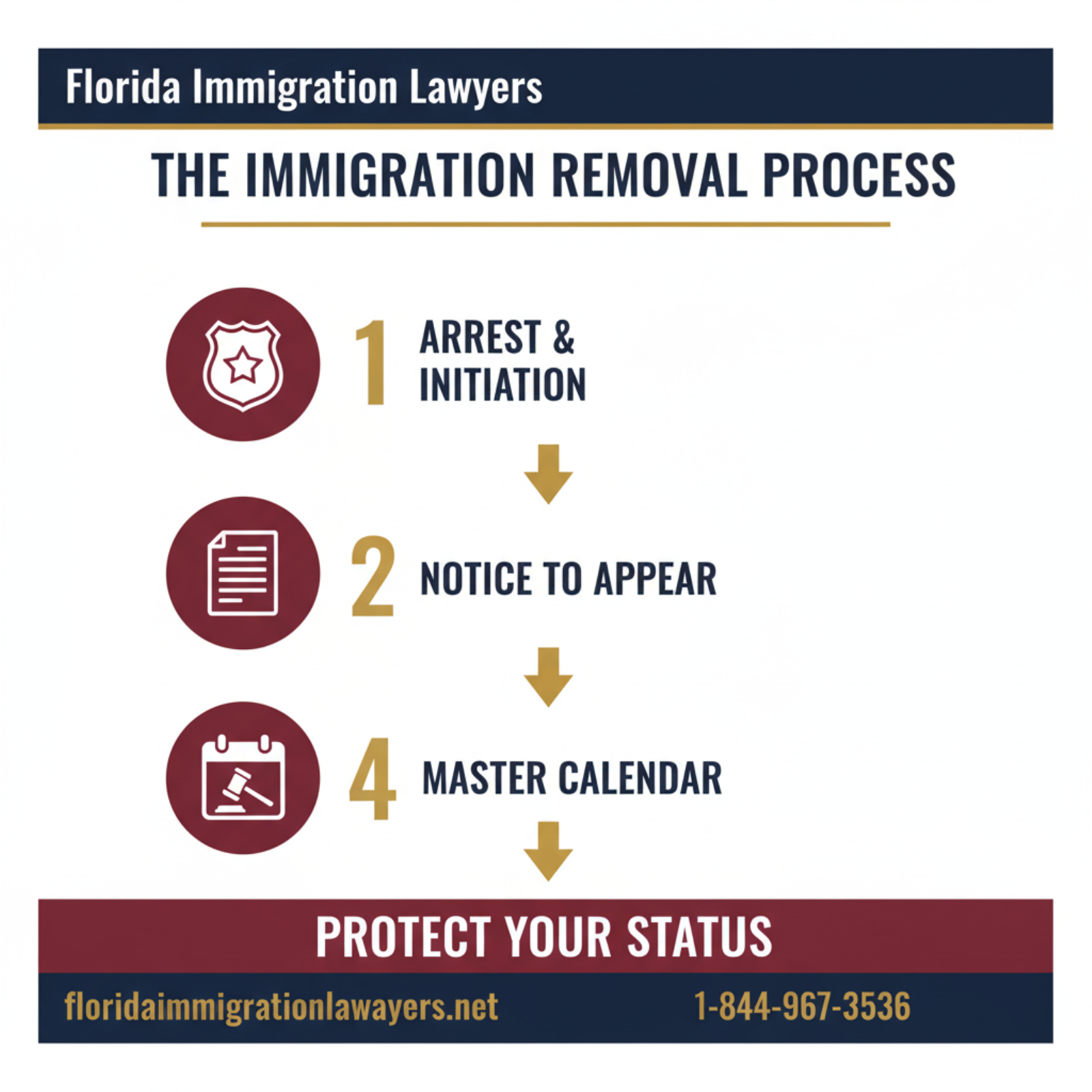
The process for requesting and obtaining voluntary departure can be intricate, whether you are in immigration court in St. Petersburg or elsewhere in Florida. It typically begins during removal proceedings, where you or your attorney will make the request to an immigration judge or directly to ICE.
If you are granted voluntary departure, the immigration judge will set a specific date by which you must leave the United States. This period is typically 120 days if granted before the conclusion of proceedings, or 60 days if granted at the conclusion of proceedings. Strict adherence to this deadline is critical.
Required Documents for Voluntary Departure
To support your request for voluntary departure, you will need to present various documents. The exact list can vary, but generally includes:
- Your passport or other valid travel document.
- Evidence of your financial ability to depart, such as bank statements or a plane ticket.
- Proof of good moral character, which may include affidavits from friends or family, employment records, or community involvement.
- Fingerprint results (biometrics) to confirm your criminal and immigration history.
- Any relevant forms, such as Form I-210, Notice of Intent to Issue a Final Administrative Deportation Order, though this form is typically associated with administrative removal. For voluntary departure, the request is often made orally or through a motion in court.
Your attorney at Florida Immigration Lawyers will guide you through gathering and presenting all necessary documentation to the immigration court or ICE. We understand the specific requirements of the immigration courts serving Florida, including those in Miami and Orlando.
Voluntary Departure Timeline and Processing Expectations
The timeline for voluntary departure can vary significantly based on whether it is requested before or at the conclusion of removal proceedings. If granted before the conclusion of proceedings, you may be given up to 120 days to depart. If granted at the conclusion of proceedings, you typically have 60 days.
It is crucial to understand that these deadlines are strict. If you fail to depart by the specified date, the voluntary departure order automatically converts into a formal order of removal. This triggers severe penalties, including a 10-year bar to re-entry and potential civil penalties.
What Happens After Voluntary Departure is Granted?
Once voluntary departure is granted, you must make arrangements to leave the United States within the allotted time. This involves purchasing a ticket, securing necessary travel documents, and physically departing. It is advisable to keep proof of your departure, such as your boarding pass and passport stamps, as evidence that you complied with the order.
Upon your departure, you avoid the negative consequences of a formal removal order. This means you are not subject to the 10-year bar that typically follows deportation. You may be eligible to apply for new visas or forms of relief in the future, provided you meet other eligibility requirements and overcome any other bars to admissibility.
However, it is important to note that if you have accrued unlawful presence in the U.S. for more than 180 days, even with voluntary departure, you may still be subject to a 3-year or 10-year bar to re-entry if you leave the country. This "unlawful presence bar" is separate from the removal bar and applies to many individuals who depart the U.S. after periods of unauthorized stay. Consulting with an attorney is essential to understand how these bars might affect you.
Cost Factors and Legal Fees for Immigration Proceedings
Understanding the financial aspects of immigration proceedings, including pursuing voluntary departure, is important for individuals in Florida. While there isn't a direct "filing fee" for voluntary departure itself, there are associated costs that you should anticipate.
The primary direct cost is your own travel expenses. You are responsible for purchasing your ticket and ensuring your departure from the U.S. within the granted timeframe. This can include airfare, ground transportation, and any necessary lodging during your journey.
Beyond travel, legal fees for representation by an experienced immigration attorney are a significant consideration. An attorney will help you assess your eligibility for voluntary departure, prepare your case, gather evidence, and represent you in immigration court in Florida. The complexity of your case, the amount of time required, and the attorney's experience will all influence the total legal fees.
While hiring an attorney represents an investment, it can be invaluable. The consequences of a formal deportation order are far more severe and costly in the long run than the legal fees associated with securing a more favorable outcome like voluntary departure. An attorney can help you avoid mistakes that could lead to a deportation order and its associated re-entry bars.
Common Mistakes to Avoid in Voluntary Departure Cases
Navigating the complexities of voluntary departure without legal guidance can lead to critical errors with severe consequences. Avoiding these common pitfalls is essential for a favorable outcome.
-
Failing to Depart on Time: This is perhaps the most critical mistake. If you miss your departure deadline, your voluntary departure order automatically converts into a formal deportation order. This leads to a 10-year bar to re-entry under INA Section 240B(d) and potential civil penalties.
-
Not Having Valid Travel Documents: You must possess or be able to quickly obtain a valid passport or other travel documents. Without these, you cannot depart, leading to a missed deadline and automatic deportation.
-
Failing to Prove Financial Ability: The immigration judge needs assurance that you can fund your departure. Insufficient evidence of funds can lead to a denial of voluntary departure.
-
Admitting to Ineligibility Factors: During proceedings, inadvertently admitting to a disqualifying factor (e.g., an aggravated felony conviction) can immediately make you ineligible for voluntary departure.
-
Not Understanding the Unlawful Presence Bar: Many believe voluntary departure completely wipes the slate clean. However, if you have accrued significant unlawful presence, you may still face a 3-year or 10-year bar upon departure, separate from a removal order. Understanding this distinction is vital for future re-entry plans and potential adjustment of status after voluntary departure.
-
Assuming Eligibility for Future Benefits: While voluntary departure avoids a removal order, it does not guarantee eligibility for future visas or immigration benefits. Each new application will be assessed independently based on all relevant factors.
-
Not Waiving Appeal Rights Clearly: A condition for voluntary departure is waiving your right to appeal. Failing to do so explicitly can complicate or delay the grant.
-
Ignoring Criminal History Issues: Certain criminal convictions, especially aggravated felonies, are absolute bars to voluntary departure. Attempting to apply without addressing these can be futile.
-
Not Seeking Legal Counsel: The most common and impactful mistake is attempting to navigate immigration court and voluntary departure requests without an attorney. An experienced lawyer can identify eligibility, prepare your case, and advocate on your behalf.
-
Failing to Keep Proof of Departure: It is crucial to retain boarding passes, passport stamps, and other evidence of your timely departure. This proof may be needed in the future to demonstrate compliance.
-
Voluntary Departure After Removal Order: While rare, attempting to seek voluntary departure after a final removal order has been issued is generally not possible without exceptional circumstances, making it a critical mistake to miss earlier opportunities.
When to Call a Lawyer for Voluntary Departure or Deportation Defense
The decision between voluntary departure and fighting deportation is one of the most significant choices you will make in your immigration journey. The complexities of immigration law, the strict deadlines, and the severe consequences of missteps make legal representation not just beneficial, but often essential.
You should contact Florida Immigration Lawyers immediately if any of the following scenarios apply to you:
- You have received a Notice to Appear (NTA) in immigration court in Florida (e.g., Miami, Orlando, or outside St. Petersburg).
- You are currently detained by ICE and facing removal proceedings.
- You are considering requesting voluntary departure but are unsure if you meet the eligibility criteria or understand the long-term implications.
- You have a criminal record, no matter how minor, that could affect your eligibility for immigration relief.
- You have previously been ordered removed or have a history of immigration violations.
- You are unsure how voluntary departure might impact your ability to return to the U.S. or pursue adjustment of status in the future.
- You believe you may be eligible for other forms of relief, such as asylum, cancellation of removal, or family-based immigration.
Our experienced attorneys at Florida Immigration Lawyers will provide a thorough assessment of your case. We will explain your options, including the possibility of pursuing voluntary departure or mounting a robust deportation defense. We will work tirelessly to protect your rights and achieve the best possible outcome for you and your family.
About Florida Immigration Lawyers
Florida Immigration Lawyers is a leading immigration law firm dedicated to serving individuals and families across the entire state of Florida. With years of specialized experience in U.S. immigration law, our firm is committed to providing compassionate, effective, and results-driven legal representation.
We understand the profound impact immigration matters have on your life. Our services span a wide range of practice areas, including general immigration, asylum, deportation defense, citizenship, family immigration, and business immigration. We are particularly adept at handling complex removal proceedings and advising on critical decisions like voluntary departure.
Why choose Florida Immigration Lawyers? Our team offers personalized attention, strategic legal counsel, and unwavering advocacy. We pride ourselves on clear communication, ensuring you understand every step of your legal journey. Our firm is available 24/7, offering free consultations to help you get started without financial burden.
Contact us today at 1-844-967-3536 or visit our website at https://www.floridaimmigrationlawyers.net. Let us be your trusted legal partners in Florida.
Sources and References
- U.S. Citizenship and Immigration Services (USCIS)
- Immigration and Nationality Act (INA) Sections - Executive Office for Immigration Review (EOIR)
- Executive Office for Immigration Review (EOIR)
- 8 U.S.C. § 1229c - Voluntary departure (INA Section 240B)
- 8 CFR § 240.26 - Voluntary departure: applications, eligibility.
This article provides general legal information and is not intended as legal advice. Every case is unique, and outcomes depend on specific facts and circumstances. Contact an attorney for advice about your particular situation.
Understanding the nuances of voluntary departure versus deportation is critical for your future. Do not risk your immigration future by navigating these complex waters alone. For a free, confidential consultation with an experienced Florida immigration attorney, call Florida Immigration Lawyers today at 1-844-967-3536.
Se Habla Español - Estamos aquí para ayudarle.
Need help with Immigration?
Our Florida immigration attorneys offer free consultations. Call today or schedule online.
Frequently Asked Questions
Florida Immigration Lawyers
Legal Team
Our experienced attorneys at Florida Immigration Lawyers have been serving clients across Florida for over 20 years. We specialize in immigration, personal injury, criminal defense, workers compensation, and family law.