Annual Asylum Fee Florida 2026: What Asylum Seekers Need to
For asylum seekers in Florida, understanding the annual asylum fee (AAF) for 2026 is critical. This guide clarifies who must pay, how to submit payment, and essential deadlines. The fee typically applies to applications pending for over a year, with exemptions for age or financial hardship. Failure to pay can lead to serious consequences, including denial or dismissal of your application. Learn about the payment process, required documents, and how to apply for waivers. Florida Immigration Lawyers provides expert guidance, helping you avoid common mistakes and navigate complex regulations to protect your asylum status. Contact us for a free consultation.

The annual asylum fee (AAF) is a charge for certain asylum seekers whose applications have been pending for specific periods. Introduced to help cover processing costs, it typically applies to individuals with cases pending for over a year, with some exemptions. Understanding this fee is crucial for asylum applicants in Florida to maintain their application status.
- The AAF is typically around $102 per eligible individual, subject to change.
- It applies to asylum applications pending for a specified duration, usually one year or more.
- Failure to pay can lead to adverse immigration consequences, including denial or dismissal.
- Exemptions exist for certain age groups, income levels, or specific case types.
- Consulting an immigration lawyer is vital to navigate payment requirements and potential waivers.
Annual Asylum Fee Florida 2026: What Asylum Seekers Need to Know
Navigating the complex world of U.S. immigration law can be challenging, especially when new fees and regulations are introduced. For asylum seekers in Florida, understanding the annual asylum fee (AAF) is a critical component of maintaining your application status and pursuing your path to safety. This fee, often a source of confusion, requires careful attention to detail and timely action.
As you seek protection in the United States, staying informed about all requirements, including financial obligations, is paramount. This comprehensive guide will explain the annual asylum fee for 2026, clarify who needs to pay, and outline the payment process. We will also address common pitfalls and explain how expert legal assistance can make a significant difference in your case.
Do not navigate this complex process alone. For personalized guidance on the annual asylum fee and your asylum application, call Florida Immigration Lawyers at 1-844-967-3536 for a free consultation. Our experienced team is ready to assist you.
Understanding the Annual Asylum Fee (AAF) in Florida
The annual asylum fee, often referred to as the AAF, is a charge implemented by the U.S. government to help offset the costs associated with processing asylum applications. This fee is part of broader efforts to manage the financial demands of the immigration system. For many asylum seekers, especially those with long-pending cases, this fee represents an additional consideration in their journey.
The legal basis for such fees generally stems from the Immigration and Nationality Act (INA) and subsequent regulations. Specifically, authorities like USCIS and the Executive Office for Immigration Review (EOIR) are empowered to establish and collect fees for various immigration benefits and processes. The AAF aims to ensure that the system can continue to operate efficiently while processing a high volume of asylum claims.
In Florida, where immigration matters are a significant concern, the annual asylum fee impacts thousands of individuals. Our state is home to a diverse population of asylum seekers, many of whom have cases pending for extended periods. Understanding how this fee applies to your specific situation is crucial to avoid any disruptions to your application.
The fee is not a one-time charge but, as its name suggests, an annual requirement for eligible individuals. This means that if your application continues to meet the criteria in subsequent years, you may be required to pay it again. Keeping abreast of these yearly obligations is vital for all asylum applicants.
Legal Framework and Purpose of the AAF
The authority to impose immigration fees, including the annual asylum fee, is typically outlined in federal statutes and regulations. For instance, sections of the Immigration and Nationality Act (INA), such as INA 208 (8 U.S.C. 1158), establish the framework for asylum and related procedures. Regulations found in 8 CFR Part 208 further detail the requirements for asylum applications and associated fees.
The primary purpose of the AAF is to recover some of the operational costs incurred by the agencies responsible for adjudicating asylum claims. This includes expenses related to staff, facilities, technology, and security. By implementing this fee, the government seeks to ensure the sustainability and efficiency of the asylum system.
It is important to distinguish the AAF from other fees, such as the initial filing fee for Form I-589, Application for Asylum and for Withholding of Removal, which is generally not charged. The AAF is specifically for cases that have been pending for a certain duration, reflecting the ongoing administrative burden of these prolonged adjudications. For more information on asylum processes, visit our asylum practice area page.
Who is Required to Pay the Annual Asylum Fee?
One of the most common questions asylum seekers have is, "Do I have to pay the annual asylum fee?" The requirement to pay the annual asylum fee depends on specific criteria related to the status and duration of your asylum application. Not every asylum seeker is required to pay this fee, and understanding the eligibility rules is paramount.
Generally, the annual asylum fee applies to individuals whose asylum applications have been pending for a specified period. This period is often defined as having an application pending for the entire duration of a fiscal year, or for a continuous period exceeding one year. The exact dates and conditions are typically announced by USCIS and EOIR annually.
For the 2026 fiscal year, applicants in Florida should carefully review any notices received from immigration authorities. These notices will specify if you are subject to the AAF and provide instructions on how to proceed. It is critical to keep your mailing address updated with both USCIS and EOIR to ensure you receive all official communications.
Eligibility Criteria
The primary criterion for paying the annual asylum fee is typically related to the length of time your asylum application has been pending. For example, if your application for asylum (Form I-589) has been pending for more than one year as of a specific date, you may be required to pay the AAF. This applies to both affirmative asylum applications filed with USCIS and defensive asylum applications filed with EOIR.
The fee generally applies to each individual applicant, not per family unit, although specific guidance may provide exceptions. Always refer to the most recent official announcements from USCIS or EOIR for precise eligibility requirements. Our firm, Florida Immigration Lawyers, can help you interpret these complex regulations.
Exemptions and Waivers for the Annual Asylum Fee
While many asylum seekers may be subject to the annual asylum fee, certain exemptions and waivers are typically available. These provisions aim to protect vulnerable individuals and those facing significant financial hardship. Understanding if you qualify for an exemption or waiver is crucial, as it could alleviate a significant burden.
Common exemptions often include applicants under a certain age (e.g., under 18 years old) or over a certain age (e.g., over 79 years old). Additionally, individuals whose income falls below a specific poverty line or who receive means-tested public benefits may be eligible for a fee waiver. The exact income thresholds and qualifying benefits are subject to change and are usually published by USCIS.
To apply for a fee waiver, you typically need to submit specific documentation proving your financial inability to pay. This might include tax returns, proof of public assistance, or letters from employers. It is essential to provide accurate and complete information when requesting a waiver, as incomplete applications can lead to delays or denials. We recommend consulting with an immigration lawyer in Pembroke Pines or elsewhere in Florida to assess your eligibility for a waiver.
Consequences of Non-Payment
Ignoring or failing to pay the annual asylum fee can have serious consequences for your asylum application. Immigration authorities typically issue notices of intent to deny or dismiss an application if the required fee is not paid by the deadline. This could jeopardize your chances of receiving asylum and potentially lead to further immigration complications.
In some cases, non-payment might result in your application being deemed abandoned or administratively closed. This can be particularly devastating for individuals who have invested significant time and resources into their asylum claims. If your application is dismissed, you may need to refile or face deportation proceedings.
Therefore, it is imperative to take all notices regarding the annual asylum fee seriously and respond promptly. If you are unsure about your obligation or face difficulties in paying, seeking legal advice immediately is the best course of action. Our attorneys are well-versed in these matters and can help protect your interests.
Step-by-Step Guide to Paying Your Annual Asylum Fee
Once you have determined that you are required to pay the annual asylum fee, understanding the correct payment procedure is essential. The process typically involves receiving a notice, identifying your case details, and submitting the payment through an approved method. Following these steps carefully will help ensure your payment is processed correctly.
-
Receive Official Notification: You will typically receive an official notice from USCIS or EOIR informing you of your obligation to pay the annual asylum fee. This notice will include your A-Number, case number, the amount due, and the deadline for payment. It is crucial to read this notice thoroughly and understand its contents.
-
Verify Eligibility and Amount: Double-check that you meet the criteria for payment and confirm the exact fee amount specified in the notice. If you believe you are exempt or eligible for a waiver, this is the time to gather documentation for your waiver application.
-
Access the Payment Portal (Online): For most annual asylum fee payments, the Executive Office for Immigration Review (EOIR) provides an online payment portal. You will need your A-Number and possibly other identifying information from your notice to access your payment record. The portal allows for secure electronic payments using credit/debit cards or bank accounts.
-
Submit Payment by Mail (If Applicable): In some instances, or if you prefer not to pay online, you may be able to submit payment by mail. The official notice will provide specific instructions on where to send your payment, typically a check or money order made out to "U.S. Department of Homeland Security." Ensure your A-Number and case number are clearly written on the payment instrument.
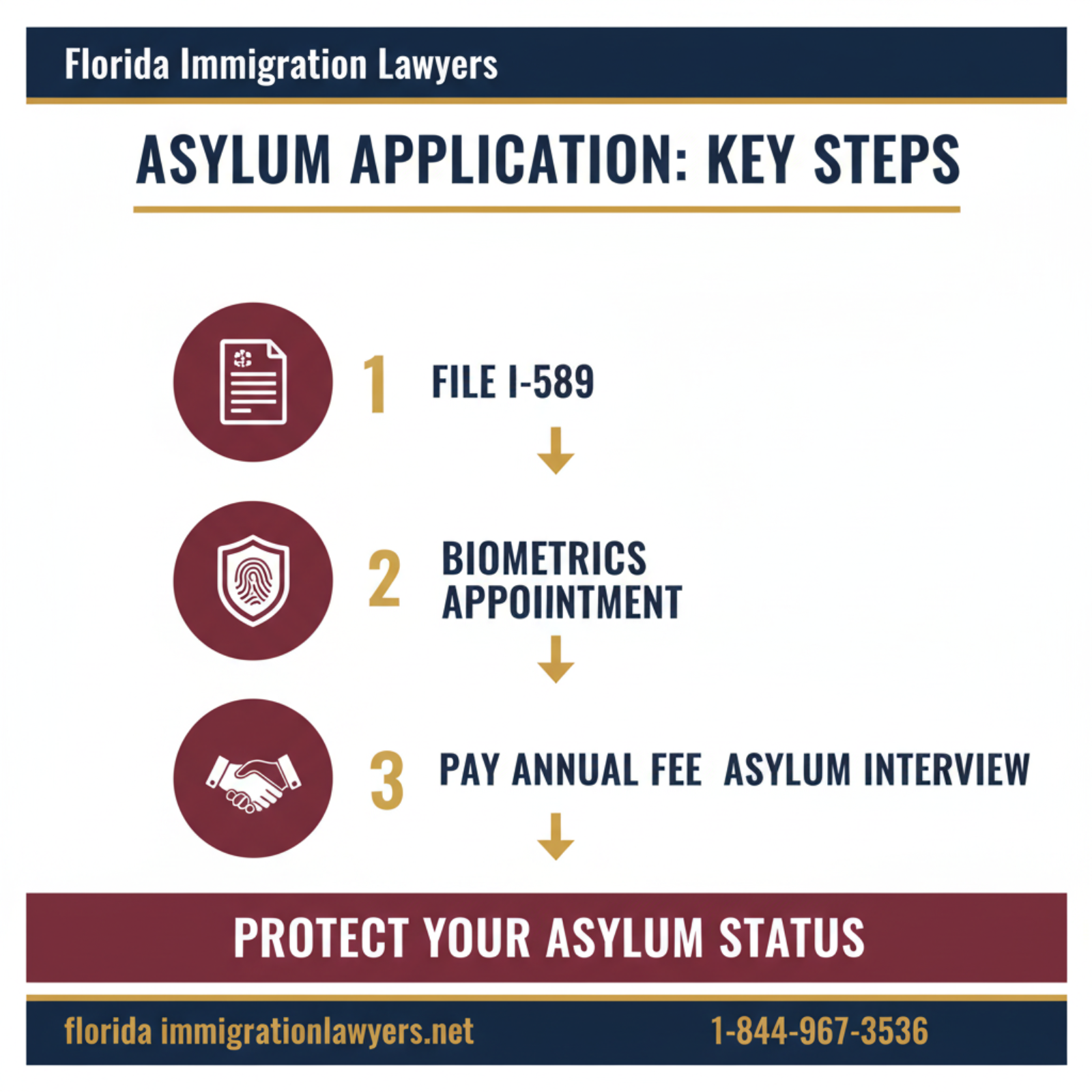
Step-by-Step Process Guide -
Obtain and Retain Proof of Payment: Whether you pay online or by mail, always obtain and keep a receipt or confirmation of your payment. For online payments, print the confirmation page. For mailed payments, keep a copy of the check or money order and proof of mailing. This documentation is vital in case of any discrepancies or inquiries.
-
Monitor Your Case Status: After payment, continue to monitor your asylum case status through the USCIS or EOIR online systems. Ensure that your payment has been successfully applied to your case. If you do not see an update within a reasonable timeframe, contact the relevant agency or your attorney.
Required Documents and Information for AAF Payment
When preparing to pay your annual asylum fee, having all necessary documents and information readily available will streamline the process. Accuracy is key to ensure your payment is correctly attributed to your case. Here is a checklist of what you will typically need:
- Official Fee Notice: The notice you received from USCIS or EOIR is paramount. It contains your unique identifiers, the fee amount, and payment instructions.
- A-Number (Alien Registration Number): This is your unique identification number assigned by immigration authorities. It is usually found on all official immigration documents.
- Immigration Case Number: Depending on whether your case is with USCIS or EOIR, you will have a specific case number. This helps link your payment to the correct application.
- Personal Identifying Information: Your full legal name, date of birth, and current address must match the information on your immigration records.
- Payment Method:
- For Online Payments: A valid credit card (Visa, MasterCard, American Express, Discover) or a U.S. bank account for electronic funds transfer (EFT).
- For Mail Payments: A check or money order payable to the "U.S. Department of Homeland Security." Ensure you have sufficient funds and write your A-Number clearly on the check/money order.
- Proof of Exemption/Waiver (If Applicable): If you are applying for a fee waiver, you will need supporting documents such as federal tax returns, proof of means-tested benefits, or employer letters detailing your income.
Timeline and Processing Expectations for the AAF
Understanding the timeline for the annual asylum fee is crucial for all applicants in Florida. The due dates are firm, and missing them can lead to significant complications for your asylum case. It is important to act promptly upon receiving any notification regarding the AAF.
Typically, the notice you receive will specify a deadline for payment, often giving you a few weeks to a month to submit the fee. This deadline is not flexible, and extensions are rarely granted without extraordinary circumstances. Therefore, it is advisable to make arrangements for payment as soon as you receive the notice.
After you submit your payment, the processing time for it to be reflected in your case status can vary. Online payments through the EOIR Payment Portal are usually processed faster, often within a few business days. Payments sent by mail may take longer to be received and processed, potentially several weeks.
It is important to keep a close eye on your case status after payment. If you do not see an update within a reasonable period, or if you receive further notices regarding non-payment, you should immediately contact the relevant agency or your immigration attorney. Having your payment receipt readily available will be essential for any inquiries.
The timely payment of the annual asylum fee helps ensure that your asylum application remains active and continues to be processed. Delays or non-payment can lead to your case being put on hold, or even dismissed, requiring significant legal effort to reinstate. This is why vigilance and prompt action are so important for asylum seekers in Pembroke Pines and across Florida.
Cost Factors and Fee Breakdown for Asylum Seekers
When considering the annual asylum fee, many applicants wonder about the exact amount and how it fits into the broader financial landscape of their immigration journey. While the fee itself is relatively modest, it is an important recurring cost for eligible individuals.
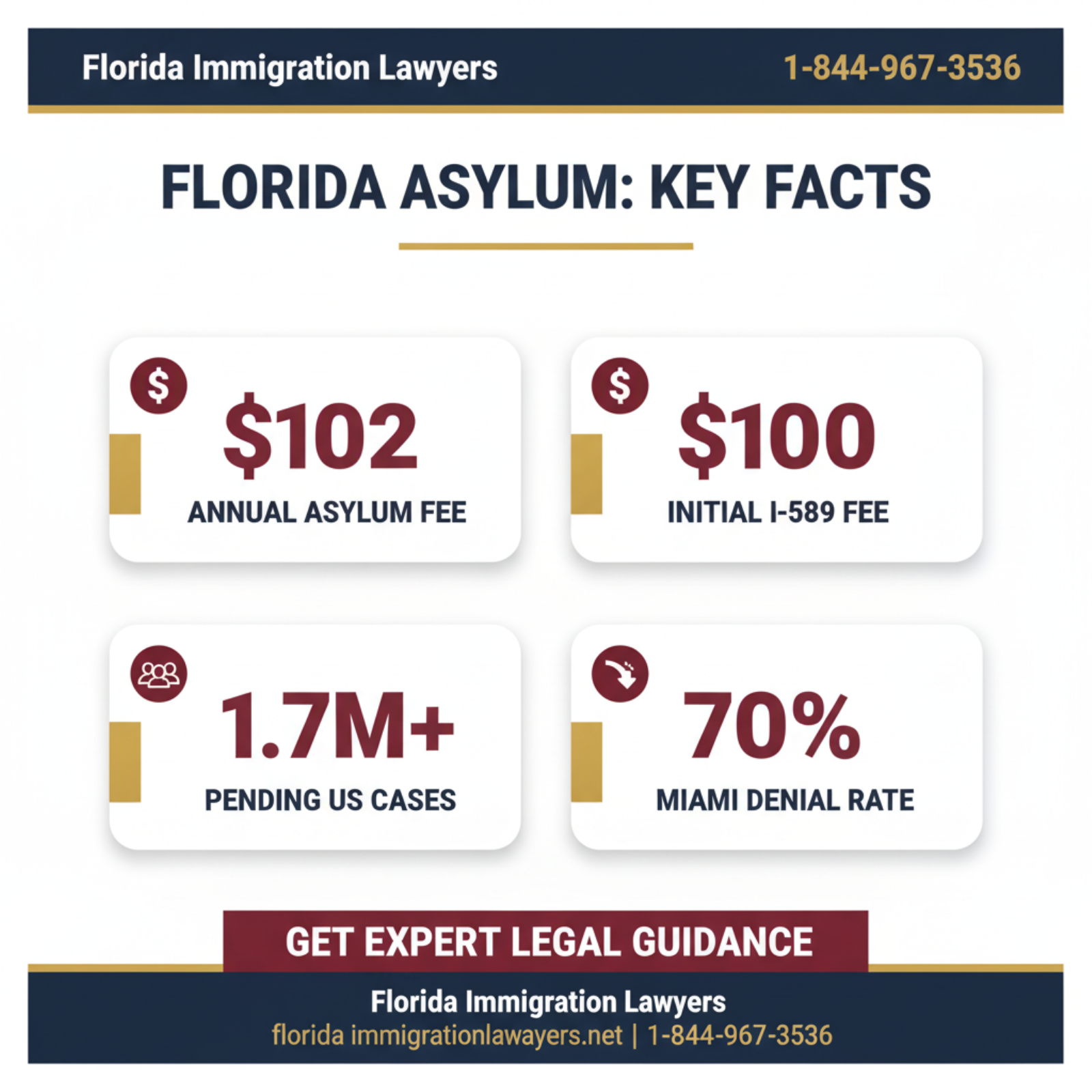
As of recent announcements, the annual asylum fee is typically around $102 per eligible individual. It is critical to understand that this amount is subject to change based on legislative updates, new regulations, or adjustments by USCIS and EOIR. Therefore, always refer to the official notice you receive for the precise amount you owe for the current year.
It is also important to differentiate the annual asylum fee from other potential costs associated with your immigration case. For example, while there is generally no fee to file Form I-589 for asylum, there are fees for other applications you might file, such as an Employment Authorization Document (EAD) or an Application for Adjustment of Status. There has also been discussion of a separate "$600 asylum program fee" in some contexts, which is distinct from the annual asylum fee and applies to different stages or types of immigration filings, not directly to the I-589 itself. Always verify the specific fee for each form you submit.
For those facing financial hardship, the availability of fee waivers is a critical consideration. As mentioned earlier, if your income falls below certain federal poverty guidelines or if you receive public assistance, you may be eligible to request a waiver of the annual asylum fee. This process requires submitting Form I-912, Request for Fee Waiver, along with supporting documentation, to demonstrate your inability to pay. Consulting with Florida Immigration Lawyers can help you navigate these fee waiver applications effectively.
Do not navigate this process alone. Contact Florida Immigration Lawyers today at 1-844-967-3536 to ensure your annual asylum fee is handled correctly and to discuss your asylum case.
Common Mistakes to Avoid with the Annual Asylum Fee
Navigating immigration regulations can be tricky, and even a small oversight regarding the annual asylum fee can lead to significant problems. Be aware of these common mistakes to protect your asylum application:
-
Ignoring Official Notices: Many asylum seekers overlook or misunderstand official letters from USCIS or EOIR regarding the AAF. These notices are critical and require prompt attention. Ignoring them can lead to your application being dismissed or denied.
-
Missing the Payment Deadline: Each notice specifies a clear deadline for payment. Failing to submit the annual asylum fee by this date can result in severe consequences, including case closure or a notice of intent to deny.
-
Incorrect Payment Amount: Submitting the wrong fee amount, even by a small margin, can cause your payment to be rejected. Always verify the exact amount required on your official notice.
-
Using an Unapproved Payment Method: Only specific payment methods (e.g., credit card via online portal, check/money order via mail) are accepted. Sending cash or using an unapproved method will likely result in rejection and delays.
-
Not Applying for a Fee Waiver When Eligible: If you qualify for a fee waiver due to financial hardship, failing to submit the necessary application (Form I-912) and supporting documents can mean you unnecessarily pay the fee or face non-payment issues. Always explore this option if applicable.
-
Failing to Keep Proof of Payment: Always retain a copy of your payment confirmation, whether it's an online receipt or a copy of a check/money order. This proof is invaluable if there are any disputes or if the payment is not correctly applied to your case.
-
Providing Inaccurate Case Information: When making a payment, ensure your A-Number and case number are correctly entered or written. Errors can lead to your payment being misapplied or not recognized, causing significant delays.
-
Assuming the Fee is Waived Automatically: Fee waivers are not automatic. You must proactively apply for one and provide sufficient evidence of eligibility. Do not assume your financial situation automatically exempts you.
-
Not Updating Your Address: If your address changes, and you fail to update it with USCIS and EOIR, you may not receive critical fee notices. This can lead to missed deadlines without your knowledge.
-
Confusing the AAF with Other Fees: The annual asylum fee is distinct from other immigration fees. Do not confuse it with fees for EADs, adjustment of status, or other applications, as this can lead to incorrect payments or missed obligations.
When to Call a Florida Immigration Lawyer
While this guide provides general information, the complexities of immigration law, especially concerning fees and asylum applications, often require expert legal assistance. If you are an asylum seeker in Florida, particularly in areas like Pembroke Pines, Miami, or Orlando, knowing when to consult an attorney can be the difference between success and significant setbacks.
You should strongly consider contacting Florida Immigration Lawyers if you encounter any of the following scenarios:
- Uncertainty About Eligibility: If you are unsure whether the annual asylum fee applies to your specific case, an attorney can review your application status and provide clarity.
- Difficulty with Fee Waiver Applications: Proving financial hardship for a fee waiver can be challenging. An attorney can help you gather the necessary documentation and present a strong case.
- Received a Notice of Intent to Deny/Dismiss: If you receive a notice stating your application may be denied or dismissed due to non-payment, immediate legal intervention is crucial to protect your case.
- Complex Case History: If you have multiple immigration applications pending, prior immigration issues, or a complicated asylum claim, an attorney can help ensure all requirements are met.
- Changes in Law or Policy: Immigration laws are constantly evolving. An experienced lawyer stays updated on the latest regulations and can advise you on how they impact your annual asylum fee obligations.
- Language Barriers or Difficulty Understanding Notices: If you struggle to understand the English notices from immigration authorities, a bilingual attorney can explain the requirements clearly and advocate on your behalf.
- Concerns About Deportation: Any issues related to your asylum application, including fee non-payment, can potentially escalate to deportation defense. An attorney can help you understand and navigate these risks.
Our team at Florida Immigration Lawyers offers comprehensive legal services for asylum seekers throughout Florida. We understand the unique challenges you face and are dedicated to providing compassionate, effective representation. We can help you with your annual asylum fee, your asylum application, and other immigration matters.
About Florida Immigration Lawyers
Florida Immigration Lawyers is a leading immigration law firm dedicated to serving individuals and families across the entire state of Florida. With a deep understanding of U.S. immigration law and a commitment to our clients, we provide compassionate and effective legal representation for a wide range of immigration matters.
Our firm specializes in various practice areas, including asylum, deportation defense, family immigration, business immigration, and citizenship. We pride ourselves on offering personalized legal strategies tailored to each client's unique circumstances, ensuring the best possible outcomes.
Choosing Florida Immigration Lawyers means partnering with a team that genuinely cares about your future. We are available 24/7 to address your concerns and offer free consultations to help you understand your legal options without financial commitment. Our bilingual staff ensures that language is never a barrier to receiving the legal support you deserve.
We serve clients in Pembroke Pines, Miami, Orlando, Tampa, and all other communities throughout Florida. Our extensive experience and client-focused approach make us the trusted choice for your immigration needs. Let us put our expertise to work for you.
Sources and References
- U.S. Citizenship and Immigration Services (USCIS)
- Executive Office for Immigration Review (EOIR)
- 8 U.S.C. Chapter 12 - Immigration and Nationality Act (INA)
- 8 U.S.C. § 1158 - Asylum
- 8 CFR Part 208 - Asylum and Withholding of Removal
- Form I-589, Application for Asylum and for Withholding of Removal
- Form I-912, Request for Fee Waiver
This article provides general legal information and is not intended as legal advice. Every case is unique, and outcomes depend on specific facts and circumstances. Contact an attorney for advice about your particular situation.
Do not let the complexities of immigration law overwhelm you. If you have questions about the annual asylum fee or any other immigration matter, contact Florida Immigration Lawyers today. Call us at 1-844-967-3536 for a free consultation. Se Habla Español - Estamos aquí para ayudarle.
Do Not Navigate This Process Alone
Our experienced immigration attorneys are ready to fight for you. Get a free, confidential consultation today.
Se Habla Español
Frequently Asked Questions
Florida Immigration Lawyers
Immigration Attorney | Founder, Vasquez Law Firm
U.S. Air Force veteran and immigration attorney with thousands of cases resolved. J.D., NCCU School of Law. AILA member. Admitted to the 4th, 5th, and 11th Circuit Courts.
Available 24/7 - Free Evaluations
Related Legal Services
Our Florida immigration attorneys can help you with immigration practice areas, free immigration consultation and experienced immigration attorneys. Call today at 1-844-967-3536 for a free consultation.
Related Links
Related Topics
Free Legal Consultation
Discuss your case with our experienced attorneys. We're available 24/7.
Se Habla Español - Estamos aquí para ayudarle.
Related Articles
Citizenship Test Preparation Florida: Your Guide to
Preparing for the U.S. citizenship test in Florida is a critical step towards naturalization. This comprehensive guide from Florida Immigration Lawyers covers understanding the English and civics tests, a step-by-step application process, essential documents, and effective preparation strategies. Learn about common mistakes to avoid and when to seek legal counsel for complex cases. Our experienced attorneys serve clients across Florida, including Gainesville, providing personalized support to help you achieve your dream of becoming a U.S. citizen. Contact us for a free consultation and navigate your naturalization journey with confidence and expert guidance.
Immigration Lawyer Sarasota Bradenton Florida | VLF Florida
Discover how an immigration lawyer in Sarasota and Bradenton, Florida, can help you navigate complex immigration processes. Contact Florida Immigration Lawyers for expert guidance.
U Visa for Crime Victims: Florida Immigration Relief
Learn about U visas for crime victims in Florida and how they provide relief to those who assist law enforcement. Discover eligibility requirements, application steps, and the benefits of the U visa. Call Florida Immigration Lawyers for expert guidance.
Motion to Reopen Immigration Case in Florida | VLF Florida
Learn how to file a motion to reopen your immigration case in Florida. Discover eligibility, steps, and common mistakes. Call us for a free consultation.