Abrego Garcia Deportation Florida: Your 2026 Defense Guide
Navigating deportation proceedings in Florida can be incredibly complex and daunting. The Abrego Garcia deportation case underscored the critical importance of due process and expert legal representation in challenging removal orders. This guide from Florida Immigration Lawyers provides essential information on defense strategies, the step-by-step process in Florida immigration courts, and key documents needed for your case. We discuss various forms of relief, common pitfalls to avoid, and when it's crucial to seek legal counsel. Understanding your rights and having a skilled attorney by your side is vital for protecting your future in the U.S. Contact our firm today for a free consultation.

The Abrego Garcia deportation case highlighted the intricate challenges of removal proceedings, especially when legal errors or procedural irregularities occur. In Florida, navigating immigration court can be daunting for individuals and families. Understanding your rights, eligibility for relief, and the importance of skilled legal counsel is crucial. Early intervention by an experienced Florida immigration lawyer can significantly impact your case's outcome and help safeguard your future in the U.S.
- Deportation cases are complex, requiring robust legal defense strategies.
- Procedural errors can significantly impact the outcome of removal proceedings.
- Various forms of relief may be available to prevent deportation in Florida.
- Legal representation is vital for navigating immigration court effectively.
- Know your rights and options to challenge removal orders with confidence.
Imagine the fear and uncertainty of facing deportation, a situation that can uproot your life and separate you from your family. For many immigrants in Florida, the prospect of removal proceedings is a harsh reality. The complexities highlighted by cases like the Abrego Garcia deportation underscore the critical need for expert legal guidance.
This comprehensive guide from Florida Immigration Lawyers aims to demystify the deportation process in Florida. We will explore common defense strategies, outline the procedural steps, and provide essential advice for those facing removal. Our goal is to empower you with the knowledge needed to protect your future.
If you or a loved one are confronting deportation, do not face it alone. Call Florida Immigration Lawyers at 1-844-967-3536 for a free consultation. Our experienced team is ready to provide the compassionate and effective legal support you deserve.
Understanding Abrego Garcia Deportation and Florida's Immigration Landscape
The highly publicized Abrego Garcia deportation case served as a poignant reminder of the intricate legal battles that can arise in immigration law. It brought to light the critical importance of due process and robust legal representation in challenging government actions. While every case is unique, the underlying principles of a fair hearing and the opportunity to present a defense remain paramount for all individuals in removal proceedings.
Florida stands as a vibrant hub for immigrant communities, with a diverse population contributing significantly to our state’s economy and culture. However, this also means that a substantial number of individuals and families in Florida may find themselves navigating the complex waters of immigration enforcement. Cities like Homestead, Miami, and Orlando are often at the forefront of these challenges, hosting significant immigrant populations and immigration court activity.
Deportation, or removal from the United States, is governed by the Immigration and Nationality Act (INA). Specifically, INA Section 237 (8 U.S.C. § 1227) outlines the grounds of deportability for individuals who are already present in the U.S. These grounds can range from criminal convictions to certain immigration violations. Understanding these specific grounds is the first step in building an effective defense.
Our state is home to several key immigration enforcement and judicial bodies. The Miami Immigration Court and the Orlando Immigration Court are primary venues where removal proceedings are heard. U.S. Immigration and Customs Enforcement (ICE) operates field offices across Florida, including in Miami and Tampa, responsible for enforcement actions. These agencies play a significant role in the lives of immigrants in Florida.
Navigating this intricate system requires more than just general legal knowledge; it demands specific expertise in Florida immigration defense. The legal landscape is constantly evolving, making it essential to have up-to-date information and strategic counsel. Florida Immigration Lawyers are dedicated to helping individuals understand their rights and options within this challenging environment.
Key Defenses Against Removal Proceedings in Florida
Facing a deportation order does not mean your journey in the U.S. is over. There are numerous legal strategies and forms of relief available to challenge removal proceedings. An experienced deportation lawyer Florida can assess your unique situation and determine the most viable defense pathways for you.
One common defense is seeking Asylum or Withholding of Removal. This relief is available to individuals who can demonstrate a well-founded fear of persecution in their home country based on race, religion, nationality, membership in a particular social group, or political opinion, as outlined in INA Section 208 (8 U.S.C. § 1158). Florida's diverse population includes many who arrive seeking refuge, making asylum a critical defense strategy.
Another powerful defense is Cancellation of Removal. For non-Lawful Permanent Residents (non-LPRs), this requires demonstrating at least 10 years of continuous physical presence in the U.S., good moral character, and that removal would cause exceptional and extremely unusual hardship to a qualifying U.S. citizen or LPR spouse, parent, or child. This is detailed in INA Section 240A(b)(1) (8 U.S.C. § 1229b(b)(1)).
Lawful Permanent Residents (LPRs) may also be eligible for Cancellation of Removal under INA Section 240A(a), if they have been an LPR for at least five years, continuously resided in the U.S. for seven years after admission, and have not been convicted of an aggravated felony. These forms of relief are complex and highly dependent on specific eligibility criteria.
Adjustment of Status is another potential defense if you are otherwise eligible for a green card through a family petition or employment sponsorship, and you meet certain conditions for adjustment without leaving the U.S. This typically applies if you entered lawfully and are not subject to certain bars to adjustment. Our firm can help you explore if this is a viable option.
Furthermore, prosecutorial discretion can be a powerful tool. This involves requesting that ICE attorneys exercise their discretion to close or terminate your removal proceedings, often based on compelling humanitarian factors or low enforcement priorities. It is not a right, but a request that requires strong advocacy and a compelling narrative.
Challenging the government's allegations of removability is also a fundamental defense. This might involve disputing the facts of a criminal conviction, proving your identity, or demonstrating that you are not subject to the grounds of deportability alleged in the Notice to Appear. A thorough review of the evidence against you is crucial.
In some cases, individuals may qualify for Temporary Protected Status (TPS), which provides a temporary stay of deportation and work authorization for nationals of designated countries facing armed conflict, environmental disaster, or other extraordinary conditions. While not a permanent solution, TPS can offer crucial protection and time to explore other options.
Navigating the Deportation Process: A Step-by-Step Guide for Florida Residents
The deportation process in Florida, particularly in areas like Homestead, Florida, can be intricate and lengthy. Understanding each stage is vital for a successful defense. Here is a general outline of the steps involved in removal proceedings:
Receiving the Notice to Appear (NTA): This official document, issued by the Department of Homeland Security (DHS), formally charges an individual with being removable from the U.S. It specifies the grounds for deportability and schedules the initial hearing before an Immigration Judge. It is crucial to respond promptly and seek legal counsel immediately upon receiving an NTA.
Master Calendar Hearing: This is your first appearance in immigration court, typically at the Miami Immigration Court or Orlando Immigration Court. During this hearing, the Immigration Judge will confirm your identity, ensure you understand the charges, and ask you to admit or deny the allegations in the NTA. You will also state what forms of relief from removal you intend to pursue. An attorney will represent your interests and advise on appropriate responses.
Filing Applications for Relief: After the Master Calendar Hearing, if you are pursuing forms of relief like asylum or cancellation of removal, your attorney will help you prepare and submit the necessary applications and supporting evidence to the court. Strict deadlines apply to these filings, and missing them can jeopardize your case.
Individual Hearing: This is the evidentiary hearing where you and your attorney present your case for relief from removal. You will testify, present witnesses, and submit all relevant documentation to the Immigration Judge. The DHS attorney will also present their arguments and evidence. This hearing is often complex and requires meticulous preparation.
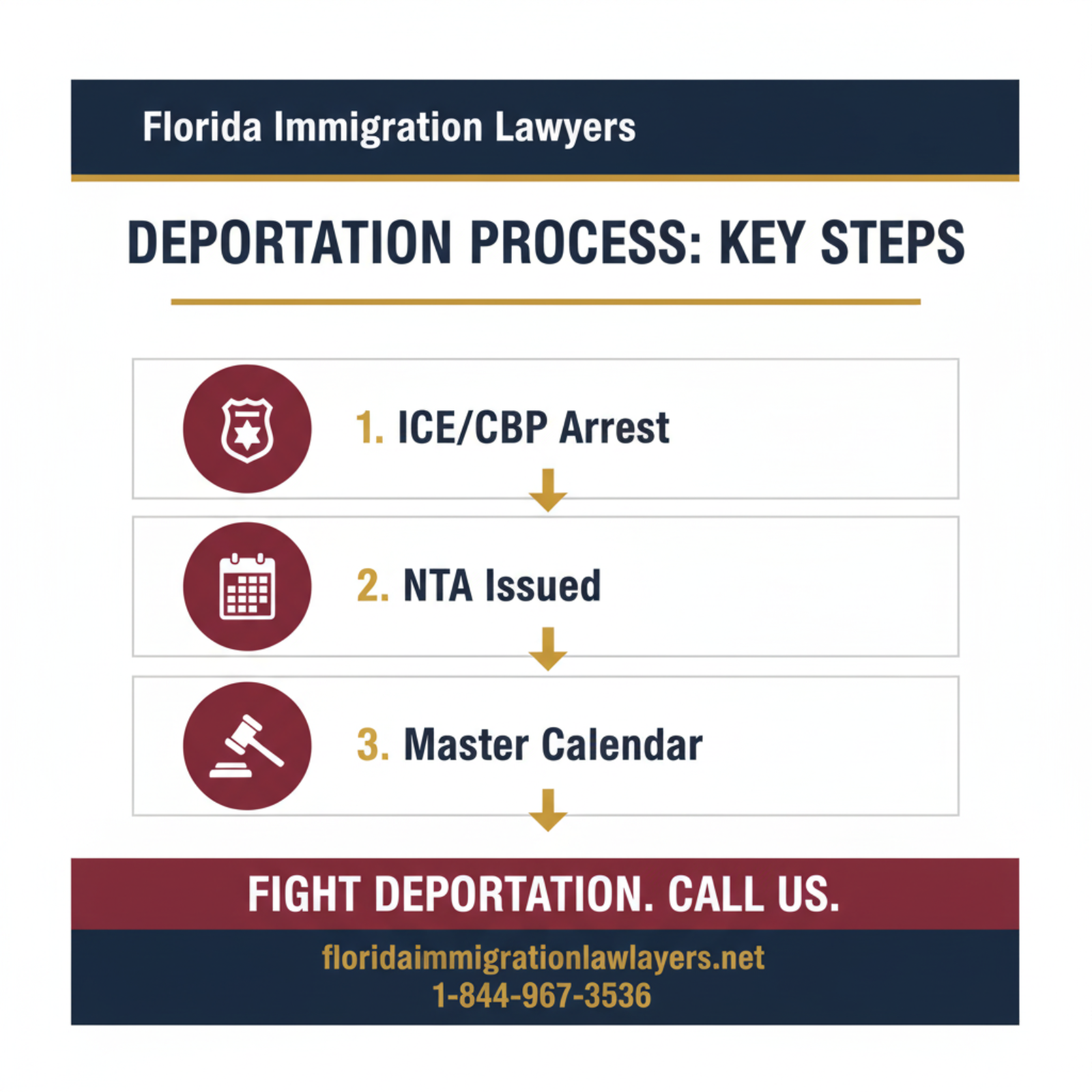
Step-by-Step Process Guide Decision by the Immigration Judge: After reviewing all evidence and testimony, the Immigration Judge will issue a decision, either granting the requested relief or ordering your removal from the U.S. This decision is typically delivered at the end of the Individual Hearing or at a later date.
Appeals Process: If the Immigration Judge denies your relief, you generally have the right to appeal the decision to the Board of Immigration Appeals (BIA) within 30 days. Further appeals can be pursued in the federal circuit courts, which for Florida cases, would be the Eleventh Circuit Court of Appeals. The appeals process is highly technical and requires specialized legal expertise.
Throughout this entire process, having a skilled deportation lawyer Florida by your side is indispensable. They can guide you through each step, prepare your defense, represent you in court, and advocate tirelessly on your behalf.
Essential Documents for Your Deportation Defense Checklist
A strong deportation defense relies heavily on comprehensive and well-organized documentation. Gathering these materials early can significantly strengthen your case and streamline the legal process. Here is a general checklist of documents you should prepare:
- Identity and Nationality Documents: Passport, birth certificate, national ID card, and any other government-issued identification from your home country.
- Immigration Documents: All documents related to your entry into the U.S., previous visas, I-94 arrival/departure records, Notices to Appear (NTAs), court orders, and any correspondence from USCIS or ICE.
- Proof of Continuous Physical Presence: Utility bills, lease agreements, school records, employment records (pay stubs, W-2s, employment letters), medical records, bank statements, and sworn affidavits from witnesses. This is particularly important for Cancellation of Removal cases.
- Financial Records: Tax returns (past 5-10 years), bank statements, property deeds, and evidence of financial support for dependents.
- Proof of Good Moral Character: Letters of recommendation from employers, community leaders, family members, religious figures; evidence of volunteer work; and any awards or recognitions.
- Family Relationship Documents: Marriage certificates, birth certificates of U.S. citizen or Legal Permanent Resident (LPR) spouses, children, or parents; divorce decrees; and adoption papers.
- Criminal Records: Certified copies of all arrest records, court dispositions, and sentencing documents, even for minor infractions. Full disclosure is crucial, as even expunged records can impact immigration cases.
- Hardship Documentation: Medical records, psychological evaluations, school records of children, and expert testimonies demonstrating the extreme and unusual hardship your removal would cause to qualifying relatives.
- Asylum-Specific Evidence: Country conditions reports, human rights reports, news articles, personal statements detailing persecution, and evidence of your membership in a particular social group or political opinion.
Organizing these documents can be overwhelming, but our team at Florida Immigration Lawyers can help you compile and present them effectively. We understand what evidence is most persuasive in immigration court.
Understanding Timelines and Processing Expectations in Florida Immigration Courts
The duration of removal proceedings Homestead or anywhere else in Florida can vary significantly. Immigration courts, like federal courts, face heavy caseloads, which can lead to extended waiting periods. It is crucial to manage expectations regarding timelines, as they are rarely swift.
Typically, after receiving a Notice to Appear (NTA), your first Master Calendar Hearing might be scheduled anywhere from a few weeks to several months later, depending on the court's backlog. The Miami Immigration Court, being one of the busiest in the nation, often has longer wait times. Subsequent Individual Hearings, where your case is fully presented, can be scheduled months or even a year or more after the Master Calendar Hearing.
Factors that influence these timelines include the complexity of your case, the type of relief sought, the availability of the Immigration Judge, and whether you are detained or not. Detained cases generally move more quickly through the system. Additionally, appeals to the Board of Immigration Appeals (BIA) can add another year or more to the process, and federal circuit court appeals can take even longer.
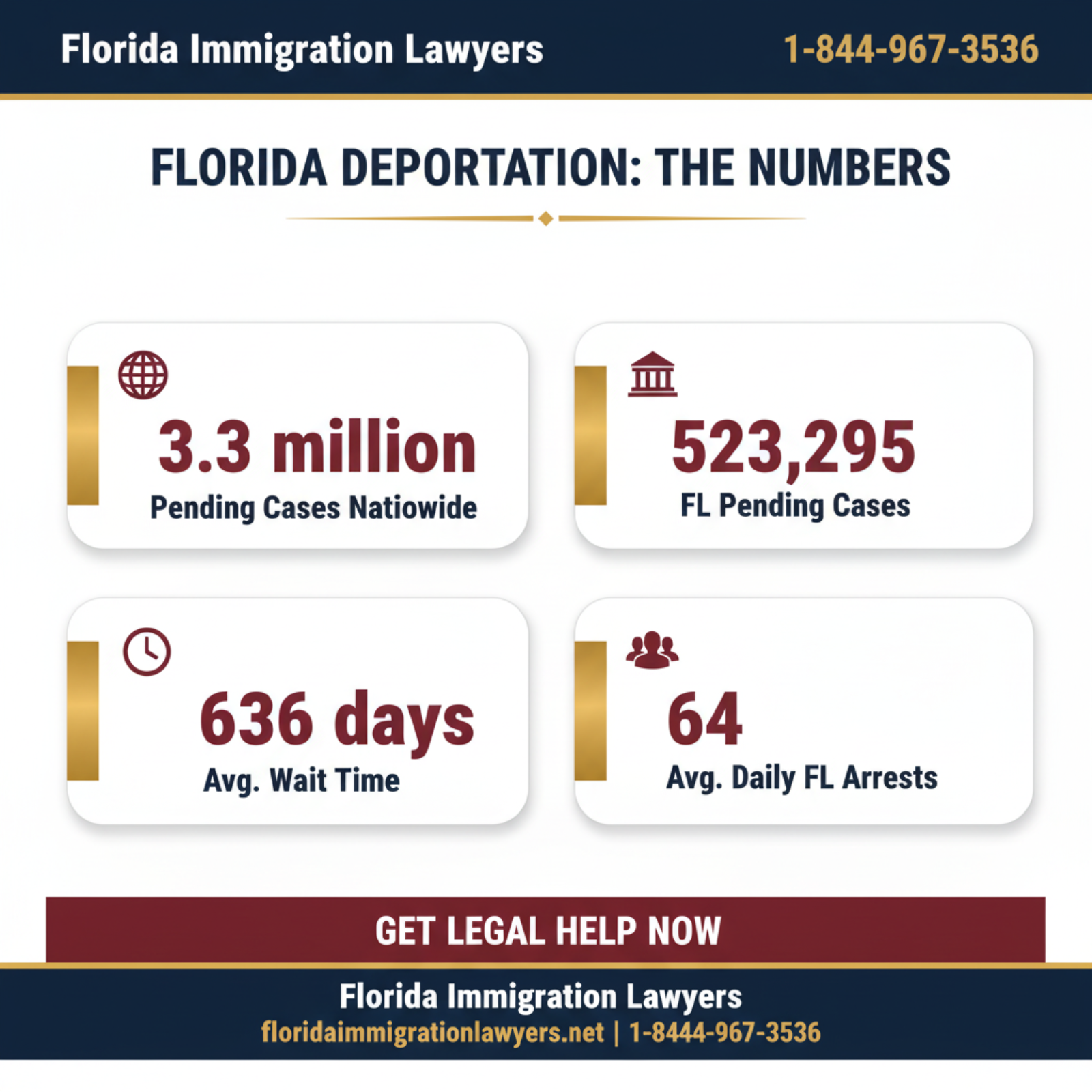
It is important to remember that these are general estimates, and individual experiences may differ. An experienced deportation lawyer Florida can provide a more accurate assessment based on current court dockets and your specific circumstances. They can also help strategize to expedite certain aspects of your case where possible, though direct control over court schedules is limited.
Cost Factors and Fee Breakdown for Deportation Defense
Understanding the financial aspects of deportation defense is an important part of preparing for your case. Legal fees can vary widely depending on the complexity of the case, the experience of the attorney, and the amount of time required to represent you effectively. It is always advisable to discuss fees transparently with your chosen legal team.
Attorney fees are a primary component of the overall cost. Some attorneys charge an hourly rate, while others may offer a flat fee for specific stages of the removal proceedings or for the entire case. Flat fees provide predictability, while hourly rates are suitable for cases with uncertain durations or highly variable workloads. Florida Immigration Lawyers offers transparent fee structures and will discuss all costs upfront.
In addition to attorney fees, you will encounter filing fees imposed by government agencies such as USCIS and the Executive Office for Immigration Review (EOIR). These fees are associated with various applications for relief, such as asylum applications (though asylum itself often has no filing fee), applications for cancellation of removal, or motions to reopen. It is important to note that these fees are subject to change and are non-refundable, regardless of the outcome of your case. Your attorney will help you identify all applicable fees.
Other potential costs include expenses for translating documents, obtaining certified copies of records, expert witness fees (if required), and travel expenses for court appearances. These ancillary costs can add up, so it is wise to budget for them. Our team will provide a clear breakdown of all anticipated expenses, ensuring you have a full understanding of the financial commitment involved.
While the cost of legal representation can seem significant, investing in an experienced deportation lawyer Florida is often invaluable. The potential consequences of deportation, including separation from family and loss of opportunities, far outweigh the legal fees. Many firms, including Florida Immigration Lawyers, offer payment plans to help make legal defense accessible.
Common Mistakes to Avoid in Deportation Proceedings
Navigating deportation proceedings is fraught with potential pitfalls. Even minor errors can have severe, lasting consequences. Being aware of these common mistakes can help you avoid jeopardizing your case and your future in Florida.
Ignoring the Notice to Appear (NTA): Failing to appear for your scheduled court hearings can lead to an in absentia removal order, meaning you are ordered deported without even being present. This is one of the most serious mistakes and is incredibly difficult to overturn.
Failing to Disclose Complete Criminal History: Attempting to hide or misrepresent past arrests or convictions, even minor ones, can lead to charges of fraud or misrepresentation. This can make you ineligible for many forms of relief and permanently bar you from the U.S.
Missing Filing Deadlines: Immigration law is strict about deadlines for submitting applications and evidence. Missing a deadline can result in the automatic denial of your application for relief or the forfeiture of your right to appeal, severely limiting your options.
Providing Inconsistent Information: Any discrepancies between information provided to USCIS, ICE, or the Immigration Court can undermine your credibility. This can lead to allegations of lying under oath or fraud, making it very difficult to win your case.
Representing Yourself Without Legal Expertise: Immigration law is incredibly complex. Trying to navigate court procedures, legal arguments, and evidence presentation without a qualified attorney often leads to missed opportunities, procedural errors, and ultimately, an unfavorable outcome. The Abrego Garcia deportation case itself showed the need for skilled counsel.
Failing to Gather Sufficient Supporting Evidence: Applications for relief require substantial evidence to meet the legal burden of proof. Lack of compelling documentation, such as proof of physical presence, good moral character, or hardship, can lead to denial.
Leaving the U.S. During Proceedings: Departing the U.S. while in removal proceedings can be considered a self-deportation. This typically results in an automatic removal order and can trigger statutory bars to re-entry, making it nearly impossible to return legally.
Not Updating Contact Information with the Court: If you move, you must notify the immigration court and DHS of your new address. Failure to do so can result in missed court notices and, once again, an in absentia removal order.
Falling for Notario Fraud or Unlicensed Assistance: Seeking immigration advice from individuals who are not licensed attorneys or accredited representatives can lead to incorrectly filed applications, legal malpractice, and severe negative consequences for your case, including deportation.
Lying to Immigration Officials: Providing false information to any immigration officer or judge can result in permanent ineligibility for immigration benefits, criminal charges, and a permanent bar from the United States. Honesty is always the best policy, even if the truth is difficult.
Underestimating the Severity of Your Situation: Many individuals believe their case is simple or that they can resolve it without legal help. Deportation is a serious matter with life-altering consequences. Taking it lightly is a critical mistake.
Not Preparing for Court Testimony: Testifying in immigration court can be intimidating. Without proper preparation with your attorney, you might misspeak, provide incomplete answers, or appear less credible, which can harm your case.
By being vigilant and working closely with a knowledgeable deportation lawyer Florida, you can significantly reduce the risk of making these costly errors.
When to Call a Lawyer for Deportation Defense
The moment you suspect you might be facing deportation, or if you have already received a Notice to Appear (NTA), is the moment to contact an immigration attorney. Early intervention is paramount in deportation defense, as it allows your legal team to strategize effectively from the outset.
You should immediately seek legal counsel if you:
- Have received a Notice to Appear (NTA) in immigration court.
- Have been arrested or charged with a crime, as criminal convictions are common grounds for deportation.
- Are detained by ICE or fear you may be detained.
- Have a previous deportation order or a history of immigration violations.
- Are seeking asylum or other forms of humanitarian relief.
- Believe you may be eligible for Cancellation of Removal.
- Need to appeal an unfavorable decision from an Immigration Judge or the BIA.
- Are a Lawful Permanent Resident (Green Card holder) but are facing removal proceedings.
Warning signs and red flags include receiving any official communication from DHS or USCIS indicating a problem with your immigration status, being questioned by immigration officers, or any situation that suggests your ability to remain in the U.S. is at risk. Florida Immigration Lawyers specializes in all aspects of deportation defense, asylum, and family immigration, offering comprehensive services to protect your rights.
Our attorneys are adept at handling complex cases, including those involving criminal grounds of deportability, waivers, and appeals. We understand the nuances of the law and how to apply them to secure the best possible outcome for you and your family. Don't wait until it's too late; a timely consultation can make all the difference.
About Florida Immigration Lawyers
Florida Immigration Lawyers is a leading immigration law firm dedicated to serving individuals and families across the entire state of Florida. Our firm is built on a foundation of compassionate advocacy, deep legal expertise, and an unwavering commitment to our clients' success. We understand that immigration matters are often life-changing, and we approach each case with the seriousness and dedication it deserves.
We offer a comprehensive range of immigration services, including but not limited to deportation defense, asylum applications, citizenship and naturalization, family-based immigration, and business immigration. Our experienced attorneys are well-versed in the latest immigration laws and policies, ensuring that our clients receive the most current and effective legal strategies.
Why choose Florida Immigration Lawyers? We pride ourselves on providing personalized attention, clear communication, and aggressive representation. Our team is available 24/7 to address your urgent concerns, and we offer free consultations to help you understand your options without financial obligation. We are committed to achieving favorable outcomes and helping our clients build secure futures in the United States.
For dedicated legal assistance with your immigration case, contact Florida Immigration Lawyers today. Call us at 1-844-967-3536 or visit our website at https://www.floridaimmigrationlawyers.net. Your future is our priority.
Sources and References
- U.S. Citizenship and Immigration Services (USCIS)
- Executive Office for Immigration Review (EOIR)
- 8 U.S.C. Chapter 12 - Immigration and Nationality Act (INA)
- INA Section 237 (8 U.S.C. § 1227) - Grounds of Deportability
- INA Section 208 (8 U.S.C. § 1158) - Asylum
- INA Section 240A (8 U.S.C. § 1229b) - Cancellation of Removal
- 8 CFR Part 1240 - Proceedings to Determine Deportability or Inadmissibility
This article provides general legal information and is not intended as legal advice. Every case is unique, and outcomes depend on specific facts and circumstances. Contact an attorney for advice about your particular situation. Immigration laws are subject to frequent changes, and it is crucial to consult with a qualified legal professional for the most current information and guidance.
Facing deportation can be one of the most challenging experiences of your life, but you don't have to face it alone. Florida Immigration Lawyers are here to provide the expert legal representation and support you need to navigate these complex proceedings successfully. We are committed to protecting your rights and fighting for your ability to remain in the U.S.
Take the first crucial step towards securing your future. Contact us today for a free, confidential consultation. Call Florida Immigration Lawyers at 1-844-967-3536. Se Habla Español - Estamos aquí para ayudarle.
Do Not Navigate This Process Alone
Our experienced immigration attorneys are ready to fight for you. Get a free, confidential consultation today.
Se Habla Español
Frequently Asked Questions
Florida Immigration Lawyers
Immigration Attorney | Founder, Vasquez Law Firm
U.S. Air Force veteran and immigration attorney with thousands of cases resolved. J.D., NCCU School of Law. AILA member. Admitted to the 4th, 5th, and 11th Circuit Courts.
Available 24/7 - Free Evaluations
Related Legal Services
Our Florida immigration attorneys can help you with deportation defense, citizenship and naturalization and family immigration services. Call today at 1-844-967-3536 for a free consultation.
Related Links
Related Topics
Free Legal Consultation
Discuss your case with our experienced attorneys. We're available 24/7.
Se Habla Español - Estamos aquí para ayudarle.
Related Articles
Immigration Rights in Florida: Know Your Legal Protections
Navigating immigration law in Florida can be complex, especially when facing potential encounters with Immigration and Customs Enforcement (ICE). This comprehensive guide empowers you with essential immigration rights, detailing your legal protections and what to do if you or a loved one are stopped or detained. Learn how to protect yourself, avoid critical mistakes, and understand the crucial role of legal counsel in safeguarding your future in Florida. From Homestead to Miami, knowing your rights is your first line of defense against deportation and legal challenges. Contact Florida Immigration Lawyers for a free consultation.
Unlawful Presence Waiver in Florida: A Guide | VLF Florida
Discover how the unlawful presence waiver can help immigrants in Florida. Learn about eligibility, application steps, and common mistakes to avoid. Contact Florida Immigration Lawyers for a free consultation.
Citizenship Test Preparation Florida: Your Guide to
Preparing for the U.S. citizenship test in Florida is a critical step towards naturalization. This comprehensive guide from Florida Immigration Lawyers covers understanding the English and civics tests, a step-by-step application process, essential documents, and effective preparation strategies. Learn about common mistakes to avoid and when to seek legal counsel for complex cases. Our experienced attorneys serve clients across Florida, including Gainesville, providing personalized support to help you achieve your dream of becoming a U.S. citizen. Contact us for a free consultation and navigate your naturalization journey with confidence and expert guidance.
Immigration Lawyer Sarasota Bradenton Florida | VLF Florida
Discover how an immigration lawyer in Sarasota and Bradenton, Florida, can help you navigate complex immigration processes. Contact Florida Immigration Lawyers for expert guidance.
