UK Immigration Reform: Denmark Model & Your Florida Immigration Future
Explore the UK's Denmark immigration model and global implications. Understand U.S. immigration laws, visa pathways, and asylum options in Florida. Expert legal guidance for your journey. Contact us today.

UK Immigration Reform: Denmark Model & Your Florida Immigration Future
The global landscape of immigration policy is constantly shifting, driven by diverse economic, social, and political factors. Recently, discussions around the UK's approach to immigration have frequently referenced the 'Denmark Model,' sparking debate and drawing comparisons to other nations' strategies. Simultaneously, for individuals and families seeking new opportunities, understanding the specific immigration pathways within the United States, particularly in a vibrant state like Florida, remains paramount. This article delves into both these critical areas, offering insights into the evolving international dialogue on immigration reform and providing a clear guide to navigating your immigration journey in the Sunshine State.
Understanding the UK's Proposed Denmark Immigration Model
The concept of the 'Denmark Model' in immigration policy has gained traction in the UK as a potential framework for reforming its asylum system. At its core, this model proposes processing asylum claims outside the country's borders, often in third countries, with the aim of deterring illegal crossings and regaining control over national immigration processes. Denmark itself passed legislation in 2021 allowing for the transfer of asylum seekers to countries outside the European Union while their claims are processed, though it has yet to implement such a scheme fully.
Key Principles of the Denmark Model
The primary principle underpinning the Denmark Model is the externalization of asylum processing. This involves the idea that individuals seeking asylum would not be permitted to enter the country while their claims are being assessed. Instead, they would be transferred to a partner country, often referred to as a 'safe third country,' where their applications would be handled. Proponents argue this approach acts as a deterrent to irregular migration, disrupts human trafficking networks, and ensures that asylum is granted only to those genuinely in need, based on international protection criteria. However, critics raise significant concerns about the practicality, legality, and ethical implications of such a system, particularly regarding the welfare of vulnerable individuals and adherence to international human rights conventions.
Implications for UK Immigration Policy
For the UK, adopting a model similar to Denmark's would represent a significant overhaul of its current asylum system. The British government has already explored similar avenues, notably with its controversial plan to send asylum seekers to Rwanda. The rationale often cited includes a desire to break the business model of people smugglers, reduce the number of dangerous Channel crossings, and ensure fairness to those who arrive through legal routes. Such a policy would likely face considerable legal challenges, both domestically and internationally, concerning its compatibility with the European Convention on Human Rights and the 1951 Refugee Convention. The long-term implications could include strained diplomatic relations, potential economic costs associated with offshore processing, and a fundamental shift in how the UK perceives its responsibilities towards international protection.
Global Perspectives and Criticisms
The Denmark Model and similar externalization policies have sparked widespread debate among international organizations, human rights groups, and legal experts. The United Nations High Commissioner for Refugees (UNHCR) has expressed strong reservations, emphasizing concerns about access to fair and efficient asylum procedures, the principle of non-refoulement (not returning individuals to a country where they face serious threats), and the potential for creating a two-tiered system for asylum seekers. Critics argue that such models externalize responsibility rather than solving the root causes of displacement, potentially undermining the global asylum system and placing vulnerable individuals at greater risk. The ethical considerations of outsourcing humanitarian obligations remain a central point of contention in the global discourse on immigration reform.
The Landscape of U.S. Immigration Law
Shifting focus from international policy debates, understanding U.S. immigration law is crucial for anyone considering a move to the United States. The U.S. immigration system is complex, with various pathways to legal residency and citizenship, each governed by specific laws and regulations. These pathways generally fall into categories such as family-based immigration, employment-based immigration, and humanitarian relief, including asylum and refugee status. Navigating this intricate system often requires meticulous attention to detail, extensive documentation, and a thorough understanding of legal requirements, which can be overwhelming without expert guidance.
Common Visa Categories and Pathways
The U.S. offers a wide array of visa categories designed for different purposes, from temporary stays to permanent residency. Non-immigrant visas allow individuals to enter the U.S. for a specific period and purpose, such as tourism (B-2), business (B-1), study (F-1), or temporary work (H-1B, L-1, O-1). Each non-immigrant visa has strict eligibility criteria and limitations on stay. For those seeking permanent residency, commonly known as a Green Card, pathways include family-sponsored visas (e.g., for spouses, children, parents of U.S. citizens or permanent residents), employment-based visas (for skilled workers, professionals, or investors), and the Diversity Visa Lottery. Understanding which visa category aligns with your qualifications and goals is the first critical step in your immigration journey. More information on visa types can be found on the U.S. Department of State website.
Asylum and Refugee Status in the U.S.
For individuals fleeing persecution in their home countries, the U.S. offers humanitarian protection through asylum and refugee status. While both provide similar protections, the key difference lies in where the application is made. Refugee status is sought by individuals outside the U.S. who are referred by the UNHCR or a U.S. embassy, while asylum is sought by individuals already present in the U.S. or at a port of entry. To qualify for asylum, an applicant must demonstrate a well-founded fear of persecution based on race, religion, nationality, membership in a particular social group, or political opinion. The asylum process involves submitting Form I-589 to U.S. Citizenship and Immigration Services (USCIS.gov), followed by an interview with an asylum officer. If denied, the case may proceed to immigration court, where a judge will make a final determination. Given the high stakes and complex legal standards, seeking experienced legal counsel is highly advisable for asylum seekers. You can learn more about our services at our asylum practice area.
Navigating Immigration in Florida
Florida, with its diverse population, robust economy, and strategic geographical location, is a significant hub for immigrants from around the world. The state's unique characteristics present both opportunities and specific considerations for those navigating the U.S. immigration system. From agricultural workers to tech professionals, Florida attracts a wide array of individuals seeking new beginnings, making it essential to understand the local landscape of immigration services and support.
Specific Considerations for Florida Residents
Immigrants in Florida often face unique challenges and opportunities. The state's proximity to the Caribbean and Latin America means a significant portion of its immigrant population comes from these regions, often with specific cultural and linguistic needs. Florida's economy, heavily reliant on tourism, agriculture, and service industries, offers various employment opportunities, but also requires understanding local labor laws and regulations. Furthermore, state-specific policies, while not directly controlling federal immigration law, can impact immigrants' daily lives, affecting access to driver's licenses, professional licenses, and social services. Staying informed about both federal and state-level developments is crucial for successful integration.
Resources and Support for Immigrants in Florida
Fortunately, Florida boasts a robust network of organizations dedicated to supporting immigrants. These resources range from non-profit legal aid services that offer low-cost or pro bono assistance, to community centers providing language classes, job placement assistance, and cultural integration programs. Educational institutions often have programs tailored for immigrant students, and various religious and cultural groups offer invaluable social support networks. Accessing these resources can significantly ease the transition process, helping new arrivals understand their rights, navigate bureaucratic hurdles, and build a new life in Florida. Engaging with these local support systems is a proactive step towards a smoother immigration journey.
The Indispensable Role of Expert Legal Counsel in Immigration Cases
Given the inherent complexities and high stakes involved in immigration matters, the guidance of an experienced immigration attorney is not merely beneficial but often indispensable. U.S. immigration law is notoriously intricate, constantly evolving, and subject to varying interpretations. Attempting to navigate this labyrinthine system without professional legal assistance can lead to critical errors, delays, or even the denial of an application, potentially jeopardizing an individual's future in the United States. An attorney provides clarity, ensures compliance, and advocates fiercely on behalf of their clients, transforming a daunting process into a manageable journey.
Why Expert Legal Representation Matters
Expert legal representation offers several crucial advantages. Firstly, an attorney possesses an in-depth understanding of immigration statutes, regulations, and court procedures, allowing them to accurately assess your case, identify potential challenges, and formulate the most effective strategy. They can help you gather and organize the vast array of required documentation, ensuring all forms are correctly completed and submitted on time. Secondly, an attorney acts as a vital buffer between you and immigration authorities, handling communications, responding to Requests for Evidence (RFEs), and representing you in interviews or court hearings. This professional intervention can significantly reduce stress and prevent missteps that could have long-lasting negative consequences. Furthermore, in complex cases such as deportation defense or asylum claims, an attorney's ability to present compelling arguments and evidence can be the deciding factor between success and failure.
Services Offered by Immigration Attorneys
Immigration attorneys offer a comprehensive suite of services tailored to meet diverse client needs. These services typically include assistance with various visa applications (family-based, employment-based, student, etc.), Green Card petitions, naturalization and citizenship applications, and waivers of inadmissibility. Beyond routine applications, attorneys specialize in more challenging areas such as asylum and refugee claims, appeals of denied petitions, and providing robust deportation defense for individuals facing removal from the U.S. They also advise on compliance issues for employers, ensuring businesses adhere to immigration laws when hiring foreign workers. By providing personalized guidance and strategic advocacy, immigration attorneys empower individuals and families to pursue their American dreams with confidence. To learn more about our team and how we can assist you, please visit our attorneys page and our general immigration practice area.
Preparing for Your Immigration Journey
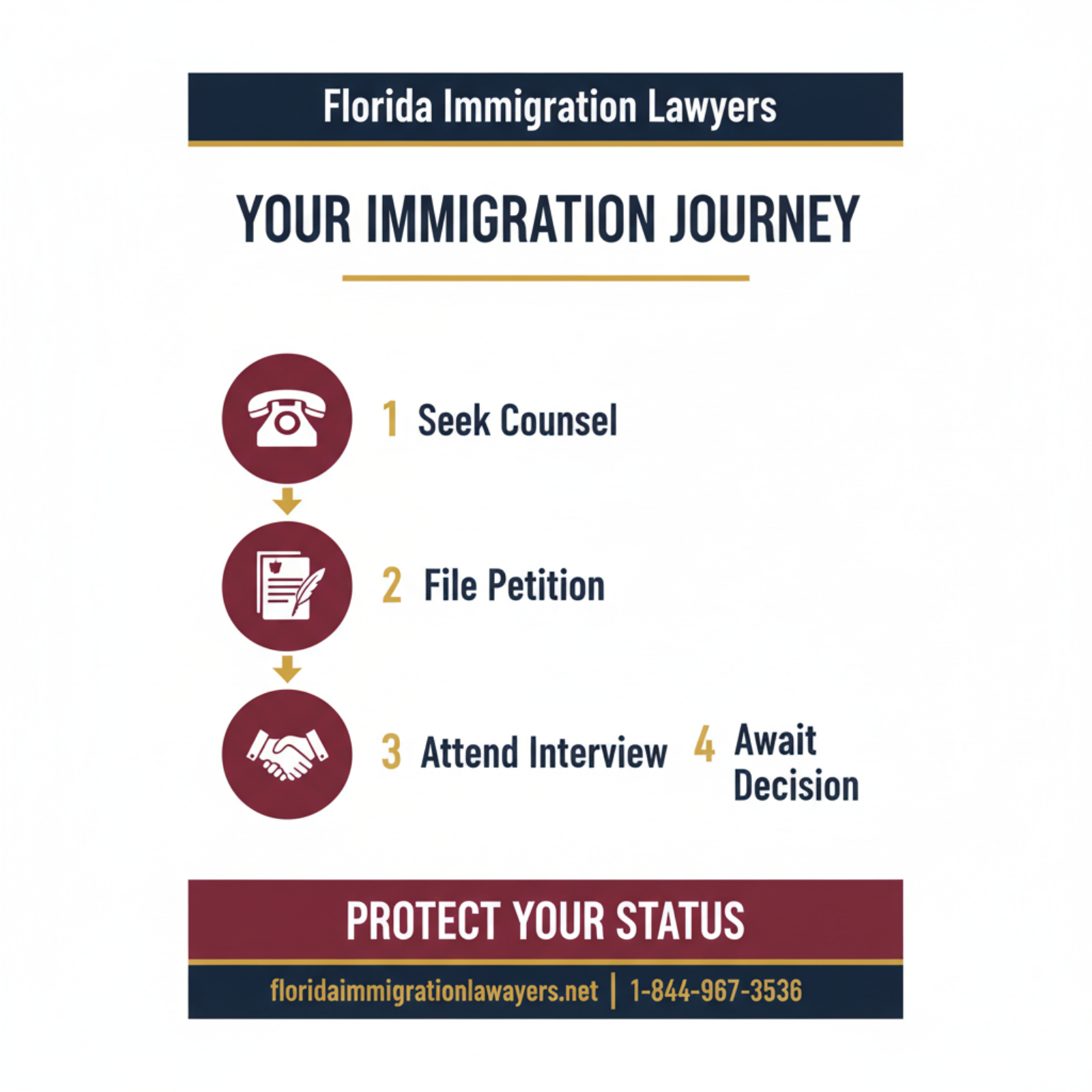
Whether you're following international policy debates or actively pursuing an immigration pathway, preparation is key. For those looking to immigrate to the U.S., start by thoroughly researching the specific visa category that best suits your circumstances. Gather all necessary documents, including birth certificates, marriage licenses, educational transcripts, and employment records, ensuring they are translated and certified as required. Be prepared for potential interviews and background checks, and always provide honest and accurate information. The immigration process can be lengthy and demanding, requiring patience and persistence. Seeking preliminary advice from an experienced immigration attorney can provide invaluable insights and help you avoid common pitfalls, setting a strong foundation for your journey.
Conclusion
The global conversation on immigration, exemplified by discussions around the UK's interest in the Denmark Model, highlights the ongoing efforts by nations to manage their borders and populations effectively. Simultaneously, for individuals with aspirations of a new life in the U.S., understanding and navigating the complex immigration landscape, particularly in a dynamic state like Florida, is a deeply personal and often challenging endeavor. By staying informed about both international policy trends and specific U.S. legal pathways, and by securing expert legal guidance, you can approach your immigration journey with greater clarity and confidence. If you have questions about your immigration options or need assistance with your case, do not hesitate to contact us for a consultation.
Preguntas Frecuentes
Vasquez Law Firm
Equipo Legal
Por más de 15 años, Vasquez Law Firm ha estado sirviendo a clientes en Florida. Nos especializamos en inmigración, lesiones personales, defensa criminal, compensación laboral y derecho familiar.