Immigration News 2026: Key Updates for Florida Residents & Legal Support
Stay informed on crucial 2026 immigration news impacting Florida residents. Understand visa changes, legal requirements, and how ${FIRM_NAME} can provide expert assistance. Contact us today for a consultation.
Immigration News 2026: Key Updates for Florida Residents & Legal Support
The landscape of immigration law is constantly shifting, and staying informed is crucial for anyone navigating the process, especially in a diverse state like Florida. As we look towards 2026, potential policy changes, economic factors, and global events continue to shape immigration pathways. While global trends, such as those observed in Japan's evolving immigration policies, offer insights into broader international movements, our focus here is squarely on the critical updates and their implications for Florida residents. Understanding these developments is not just about compliance; it's about securing futures, uniting families, and contributing to the vibrant fabric of our communities.
This comprehensive guide will delve into the anticipated changes, highlight key visa categories, address special considerations for vulnerable populations, and emphasize the invaluable role of expert legal counsel. Whether you're seeking to reunite with family, pursue new employment opportunities, or find refuge, being prepared for 2026 is paramount. For personalized advice and robust representation, do not hesitate to contact ${FIRM_NAME} at ${FIRM_PHONE}.
Understanding the Evolving Immigration Landscape in 2026
The year 2026 is poised to bring significant developments in U.S. immigration policy, with potential impacts reverberating across Florida. These changes can stem from new legislative initiatives, shifts in executive branch priorities, or evolving judicial interpretations of existing laws. For Florida residents, who come from every corner of the globe, these updates are not abstract concepts but direct influences on their lives and aspirations. It's essential to monitor official sources like the U.S. Citizenship and Immigration Services (USCIS) website for the most accurate and timely information on policy adjustments and procedural requirements.
Beyond federal legislative and executive actions, state-level initiatives in Florida could also introduce new layers of complexity or support for immigrant communities. While federal law primarily governs immigration, state policies on issues like professional licensing, access to services, or law enforcement cooperation with federal agencies can significantly impact daily life for non-citizens. Staying informed about both federal and state-specific developments is therefore crucial, and a knowledgeable Florida Immigration Lawyers team can provide tailored guidance.
Potential Policy Shifts and Their Impact
Anticipated policy shifts in 2026 could include reforms to visa allocation, adjustments to eligibility criteria for various immigration benefits, and changes in enforcement priorities. For instance, there might be renewed discussions around comprehensive immigration reform, potentially affecting pathways to permanent residency or citizenship. These shifts could impact processing times, application fees, and the overall complexity of the immigration journey. Staying ahead of these changes requires diligence and, often, the guidance of experienced legal professionals who can interpret new regulations and advise on the best course of action. Florida, with its unique demographic makeup and economic drivers, often feels the immediate effects of such national policy changes, making local expertise indispensable.
A practical example of a policy shift could be a change in the public charge rule, which assesses whether an immigrant might become primarily dependent on government assistance. Such a change could alter the documentation required for green card applications, potentially making it easier or more challenging for certain individuals to qualify. Another scenario might involve new criteria for H-1B visa eligibility, perhaps favoring certain STEM fields or requiring higher prevailing wages, directly impacting Florida's tech and healthcare sectors. These nuanced changes underscore the need for up-to-date legal counsel from a firm like ${FIRM_NAME}.
Economic Factors and Immigration Trends
Economic conditions, both domestically and internationally, play a significant role in shaping immigration trends and policies. In 2026, factors such as labor market demands, inflation, and global economic stability could influence the availability of employment-based visas or the focus of immigration enforcement. Florida's booming sectors, from tourism and hospitality to technology and healthcare, are heavily reliant on immigrant labor. Changes in immigration policy could therefore have a direct impact on the state's economy, affecting everything from workforce availability to consumer spending. Understanding these interconnected economic and immigration dynamics is crucial for individuals and businesses alike. For detailed information on visa categories and eligibility, the Department of State's travel website is an invaluable resource.
For instance, if Florida's agricultural sector faces a labor shortage, there might be increased pressure for expansions or modifications to agricultural worker visa programs like the H-2A. Conversely, an economic downturn could lead to stricter enforcement of existing immigration laws and reduced visa allocations, impacting job seekers and employers alike. Businesses in Florida must remain agile and consult with immigration attorneys to understand how economic shifts translate into practical implications for their workforce and compliance strategies. Proactive planning is key to mitigating potential disruptions.
Key Visa Categories and Updates for Florida Residents
Florida residents navigating the immigration system often interact with a variety of visa categories, each with its own set of rules and potential 2026 updates. From family reunification to professional opportunities, understanding the nuances of these categories is vital. For comprehensive assistance with any visa application, consider reaching out to the dedicated team at ${FIRM_NAME} at ${FIRM_PHONE}.
The complexity of these categories means that even minor procedural changes can have significant impacts. For example, a shift in the required format for supporting documents or a new online portal for submissions could streamline the process for some while creating hurdles for others unfamiliar with digital platforms. It is essential for applicants to not only understand the eligibility criteria but also the practical steps and potential pitfalls in the application process. Florida Immigration Lawyers are adept at guiding clients through these intricate requirements.
Family-Based Immigration: What to Expect
Family-based immigration remains a cornerstone of the U.S. system, allowing citizens and lawful permanent residents to sponsor relatives for green cards. In 2026, potential changes could affect visa bulletin priority dates, processing times, or even the definitions of eligible family relationships. Florida, home to large immigrant communities, sees a significant volume of family-based petitions. Applicants should be prepared for evolving documentation requirements and potentially longer waiting periods, making early and accurate filing more critical than ever. Consulting with an attorney can help ensure your application is robust and compliant with the latest regulations, safeguarding your family's future.
A common challenge in family-based petitions is responding to a Request for Evidence (RFE). For example, USCIS might issue an RFE seeking further proof of a bona fide marriage, requiring extensive documentation like joint bank accounts, shared utility bills, or affidavits from friends and family. A Florida Immigration Lawyers team can help gather and present this evidence effectively, turning a potential denial into an approval. Understanding the specific requirements for each relationship category – whether it's for a spouse, child, or parent – is crucial for a smooth process.
Employment-Based Visas: Opportunities and Challenges
For professionals and skilled workers seeking opportunities in Florida, employment-based visas are key. Categories like H-1B for specialty occupations, L-1 for intracompany transferees, and various EB (Employment-Based) green card options may see adjustments in 2026. These could include changes to annual caps, prevailing wage determinations, or stricter scrutiny during the application process. Florida's diverse economy attracts talent from around the world, making these visas particularly relevant. Businesses and individuals should monitor updates closely and work with legal experts to navigate the complexities of sponsoring or obtaining these highly sought-after visas. The competition for these visas often means that meticulous preparation is the difference between success and delay.
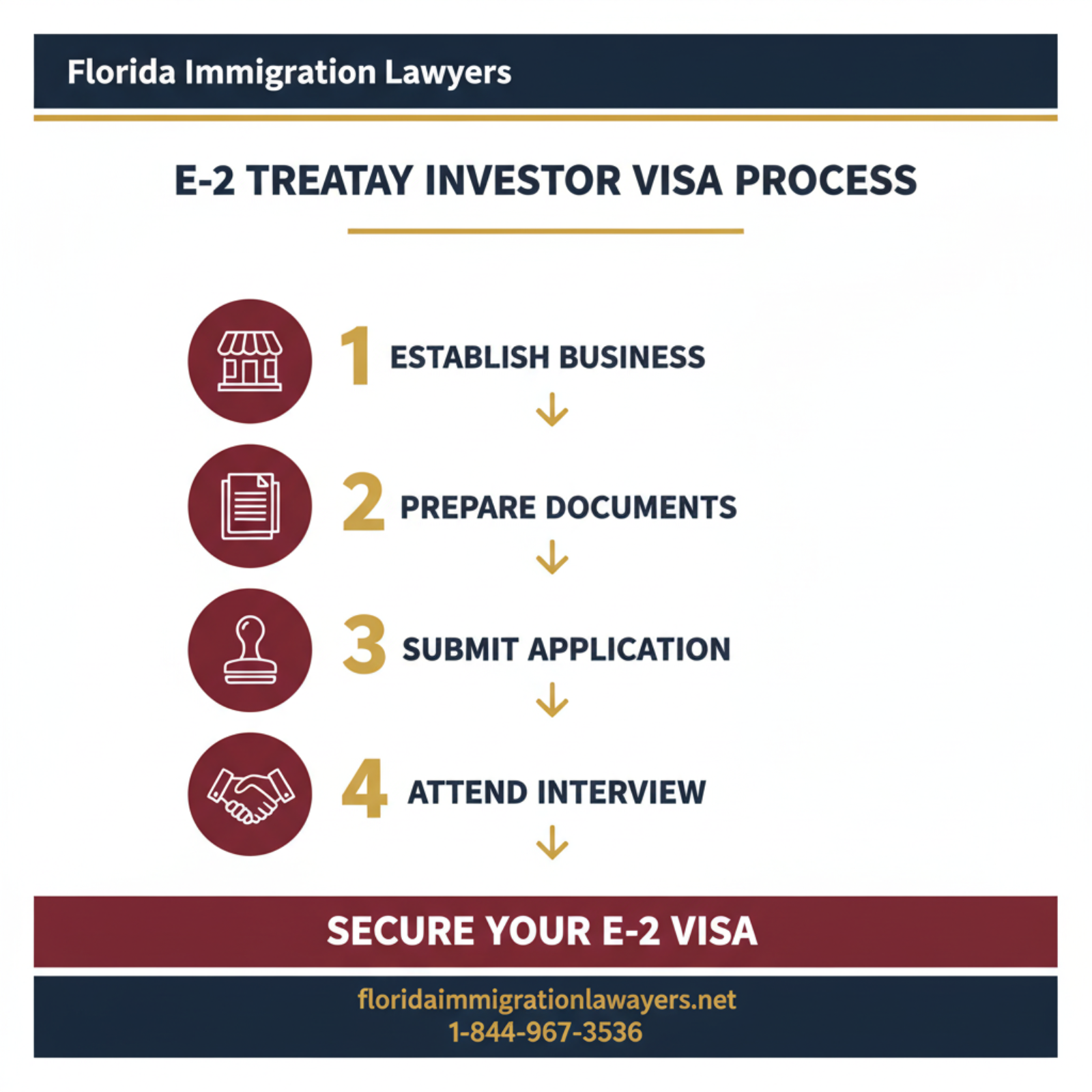
Consider the H-1B visa lottery; if demand continues to outpace supply, the odds of selection could decrease further. In such a scenario, individuals might need to explore alternative pathways such as O-1 visas for individuals with extraordinary ability, or E-2 investor visas if they meet the substantial investment criteria. For Florida businesses, understanding these alternatives and preparing robust petitions is crucial for retaining and attracting global talent. Proactive engagement with immigration counsel, such as ${FIRM_NAME}, can help strategize for these competitive environments.
Navigating Tourist and Student Visas
Florida is a global hub for tourism and education, meaning B (visitor) and F/M (student) visas are always in high demand. In 2026, there could be changes to interview procedures, documentation requirements, or even travel restrictions that impact these temporary visa categories. International students flock to Florida's universities, and tourists are vital to its economy. Applicants for these visas must demonstrate clear intent to return to their home country and sufficient financial resources. Any changes in policy could affect how easily individuals can visit or study in the U.S., necessitating careful planning and adherence to all guidelines. For specific guidance on temporary visas, remember that ${FIRM_NAME} is here to assist you.
A practical tip for student visa applicants is to thoroughly prepare for the consular interview by having all financial documents, acceptance letters, and a clear study plan readily available. Demonstrating strong ties to your home country – such as property ownership, family obligations, or job offers – is paramount to overcoming the presumption of immigrant intent. For tourists, having a detailed itinerary, proof of return travel, and evidence of stable employment abroad can significantly strengthen their application. The guidance of Florida Immigration Lawyers can be invaluable in preparing for these critical interviews.
Special Considerations for Asylum Seekers and Deportation Defense in Florida
For individuals fleeing persecution or facing removal from the U.S., the stakes are incredibly high. Florida's geographical location and diverse population mean that issues related to asylum and deportation defense are particularly prevalent. The legal landscape in these areas is often complex and subject to rapid change, making expert legal representation not just beneficial, but often critical. For immediate assistance with asylum claims or deportation defense, contact the compassionate and skilled attorneys at ${FIRM_NAME} at ${FIRM_PHONE}.
The unique challenges faced by asylum seekers arriving in Florida, often after arduous journeys, necessitate a deep understanding of both U.S. and international law. Many individuals arrive with limited resources, language barriers, and significant trauma, making it difficult to navigate the complex legal system alone. The role of an experienced Florida Immigration Lawyers team becomes indispensable in providing culturally sensitive and trauma-informed legal support from the initial credible fear interview through to the final asylum hearing.
Asylum Applications: Current Climate and Legal Pathways
The process for seeking asylum in the U.S. is rigorous and can be profoundly affected by shifts in policy and judicial interpretation. In 2026, we may see changes to credible fear interview standards, asylum eligibility criteria, or the adjudication process itself. Florida has a significant population of individuals seeking asylum, many of whom have endured unimaginable hardship. Understanding the specific legal pathways, whether affirmative asylum through USCIS or defensive asylum through immigration court, is paramount. Applicants must present compelling evidence of persecution based on race, religion, nationality, political opinion, or membership in a particular social group. The legal team at ${FIRM_NAME} at ${FIRM_PHONE} is dedicated to advocating for these vulnerable individuals.
A critical aspect of an asylum claim is providing detailed and consistent testimony, supported by corroborating evidence such as country conditions reports, medical records, or witness affidavits. For example, an individual fleeing political persecution might need to present news articles, human rights reports, and letters from family members detailing threats or harm. The legal team at ${FIRM_NAME} helps clients compile this extensive evidence, ensuring every detail strengthens their case and addresses potential challenges from immigration officials. The burden of proof rests heavily on the applicant, making professional guidance essential.
Processing times for asylum applications can be lengthy, often spanning several years. During this period, applicants may be eligible for employment authorization, allowing them to work legally while their case is pending. However, navigating these interim benefits and understanding the long-term implications of an asylum claim requires continuous legal support. Florida Immigration Lawyers are crucial in preparing clients for interviews, court hearings, and managing expectations throughout this challenging and often emotionally taxing journey.
Deportation Defense Strategies in Florida
For individuals facing removal proceedings, effective deportation defense is a matter of life or death. Common grounds for deportation can include visa overstays, criminal convictions, or violations of immigration law. In 2026, enforcement priorities might shift, potentially increasing the number of individuals placed in removal proceedings, particularly in states with large immigrant populations like Florida. It is vital to understand that receiving a Notice to Appear (NTA) is not the end of the road; there are numerous forms of relief available, but they require immediate and expert legal intervention.
Strategies for deportation defense can include seeking cancellation of removal for certain non-permanent residents, adjusting status if eligible, applying for waivers for certain inadmissibility grounds, or pursuing asylum or other humanitarian relief. For instance, a long-term resident with U.S. citizen children might qualify for cancellation of removal if they can demonstrate extreme and unusual hardship to their qualifying relatives. Each case is unique, and a skilled attorney from ${FIRM_NAME} can meticulously analyze the facts to identify the strongest defense strategy and present it compellingly before an immigration judge.
Beyond direct defense, attorneys also assist with bond hearings, striving to secure release from detention for clients. The ability to fight a case from outside detention significantly improves outcomes. Furthermore, for those who have already received a removal order, options like motions to reopen or appeals to the Board of Immigration Appeals (BIA) or federal courts might be available. The complexity and high stakes of deportation defense underscore why having experienced Florida Immigration Lawyers, like those at ${FIRM_NAME} (1-844-967-3536), is non-negotiable.
Community Resources and Advocacy for Immigrants
Beyond legal representation, navigating the immigration system is often made easier with the support of community resources and advocacy groups. In Florida, numerous non-profit organizations offer a range of services from language assistance and cultural orientation to mental health support and educational programs for immigrant families. These resources can be particularly vital for asylum seekers and those in vulnerable situations, providing a holistic support system that complements legal counsel.
Connecting with local community centers and immigrant rights organizations can provide access to crucial information, workshops on 'Know Your Rights,' and peer support networks. For example, a new arrival might find assistance with enrolling children in school, accessing healthcare services, or understanding local employment opportunities. While these organizations do not replace legal advice, they form an essential part of the support infrastructure for immigrants in Florida, helping individuals integrate and thrive in their new communities.
Advocacy efforts also play a significant role in shaping public opinion and policy, both at the state and federal levels. By engaging with and supporting these groups, immigrants and their allies can contribute to creating a more welcoming and equitable environment. Florida Immigration Lawyers often collaborate with these organizations, recognizing that a comprehensive approach to immigrant support involves both robust legal defense and strong community ties. Staying informed about available resources can empower individuals throughout their immigration journey.
Vasquez Law Firm
Equipo Legal
Por más de 15 años, Vasquez Law Firm ha estado sirviendo a clientes en Florida. Nos especializamos en inmigración, lesiones personales, defensa criminal, compensación laboral y derecho familiar.