I-601 Fraud Waiver Florida: Expert Guide to Overcoming Immigration Misrepresentation
Navigating I-601 fraud waivers in Florida? Our expert guide covers misrepresentation, extreme hardship, and the application process. Contact Florida Immigration Lawyers for a free consultation.
I-601 Fraud Waiver Florida: Expert Guide to Overcoming Immigration Misrepresentation
Navigating the complex landscape of U.S. immigration law can be daunting, especially when allegations of fraud or misrepresentation arise. For individuals in Florida facing such challenges, the I-601 Waiver of Grounds of Inadmissibility offers a critical pathway to overcoming certain obstacles and achieving legal status. This comprehensive guide, crafted by experienced Florida immigration lawyers, delves into the intricacies of the I-601 waiver, focusing on misrepresentation, eligibility, the application process, and why expert legal counsel is indispensable.
Understanding Immigration Fraud and Misrepresentation in Florida
Immigration fraud and misrepresentation are serious offenses under U.S. immigration law, carrying severe consequences that can impact an individual's ability to enter or remain in the country. Misrepresentation generally involves providing false information or concealing material facts to immigration officials, either orally or in writing, to obtain an immigration benefit. This can range from minor omissions to deliberate fabrication of documents or false statements under oath. The U.S. Citizenship and Immigration Services (USCIS) takes these matters very seriously, and a finding of fraud can lead to permanent inadmissibility. Understanding the nuances of what constitutes misrepresentation is the first step in addressing such allegations, and seeking guidance from a qualified attorney specializing in immigration law is crucial. For official guidelines and definitions, individuals can always refer to the USCIS website.
What Constitutes Misrepresentation?
Misrepresentation can take many forms. It includes, but is not limited to, making false statements on visa applications, green card petitions, or during interviews with immigration officers. Examples include falsely claiming U.S. citizenship, misrepresenting marital status, fabricating employment history, or submitting forged documents like birth certificates or marriage licenses. Crucially, the misrepresentation must be “material,” meaning it was a factor that would have influenced the decision of an immigration officer. Even an innocent mistake can sometimes be construed as misrepresentation if it pertains to a material fact. The intent behind the misrepresentation is often a key factor in determining the severity of the consequences and the potential for a waiver.
The Serious Consequences of Immigration Fraud
The repercussions of being found inadmissible due to immigration fraud or misrepresentation are severe. These can include denial of a visa or green card application, deportation from the United States, and a permanent bar from future immigration benefits. For those already in the U.S., a finding of fraud can initiate deportation proceedings, placing their entire future in jeopardy. The stakes are incredibly high, making it imperative to address any allegations of misrepresentation with the utmost seriousness and professional legal assistance. A permanent bar means that without a successful waiver, an individual may never be able to legally enter or reside in the U.S.
The I-601 Waiver: Your Path to Overcoming Inadmissibility
The I-601 Waiver of Grounds of Inadmissibility is a vital legal tool designed to help individuals overcome certain grounds of inadmissibility, including those related to fraud or misrepresentation. If an applicant is found inadmissible, meaning they are ineligible to receive a visa or adjust their status, the I-601 waiver allows them to request forgiveness from the U.S. government. This waiver is not a guaranteed solution but rather a discretionary relief granted based on compelling circumstances. It primarily applies to individuals who have a qualifying U.S. citizen or lawful permanent resident (LPR) spouse, parent, or in some cases, child, who would suffer “extreme hardship” if the applicant were denied admission to the U.S.
Eligibility Requirements for the I-601 Waiver
To be eligible for an I-601 waiver based on fraud or misrepresentation, an applicant must demonstrate several key factors. First, they must be inadmissible under Section 212(a)(6)(C)(i) of the Immigration and Nationality Act (INA) for misrepresentation. Second, they must have a qualifying relative (U.S. citizen or LPR spouse, parent, or sometimes child) who would experience “extreme hardship” if the applicant were denied admission to the U.S. The burden of proof lies with the applicant to clearly and convincingly demonstrate this extreme hardship. The specific grounds of inadmissibility for which the I-601 waiver can be sought are diverse, but for misrepresentation, the focus is squarely on the impact on the qualifying relative.
Demonstrating Extreme Hardship
Demonstrating “extreme hardship” is the cornerstone of a successful I-601 waiver application. This is not merely proving that the qualifying relative would experience normal difficulties or inconveniences if the applicant were denied. Instead, it requires showing a level of suffering that is substantially beyond what would typically be expected. Factors considered include the qualifying relative's health (physical and mental), financial impact, educational disruption, family ties in the U.S., community involvement, and the availability of similar medical or educational facilities in the applicant's home country. Comprehensive documentation, including medical records, financial statements, psychological evaluations, and expert testimonies, is crucial to building a compelling case. The U.S. Department of State's Bureau of Consular Affairs at travel.state.gov provides general information on visa processing and related requirements, which can indirectly inform waiver strategies.
The Application Process for the I-601 Waiver
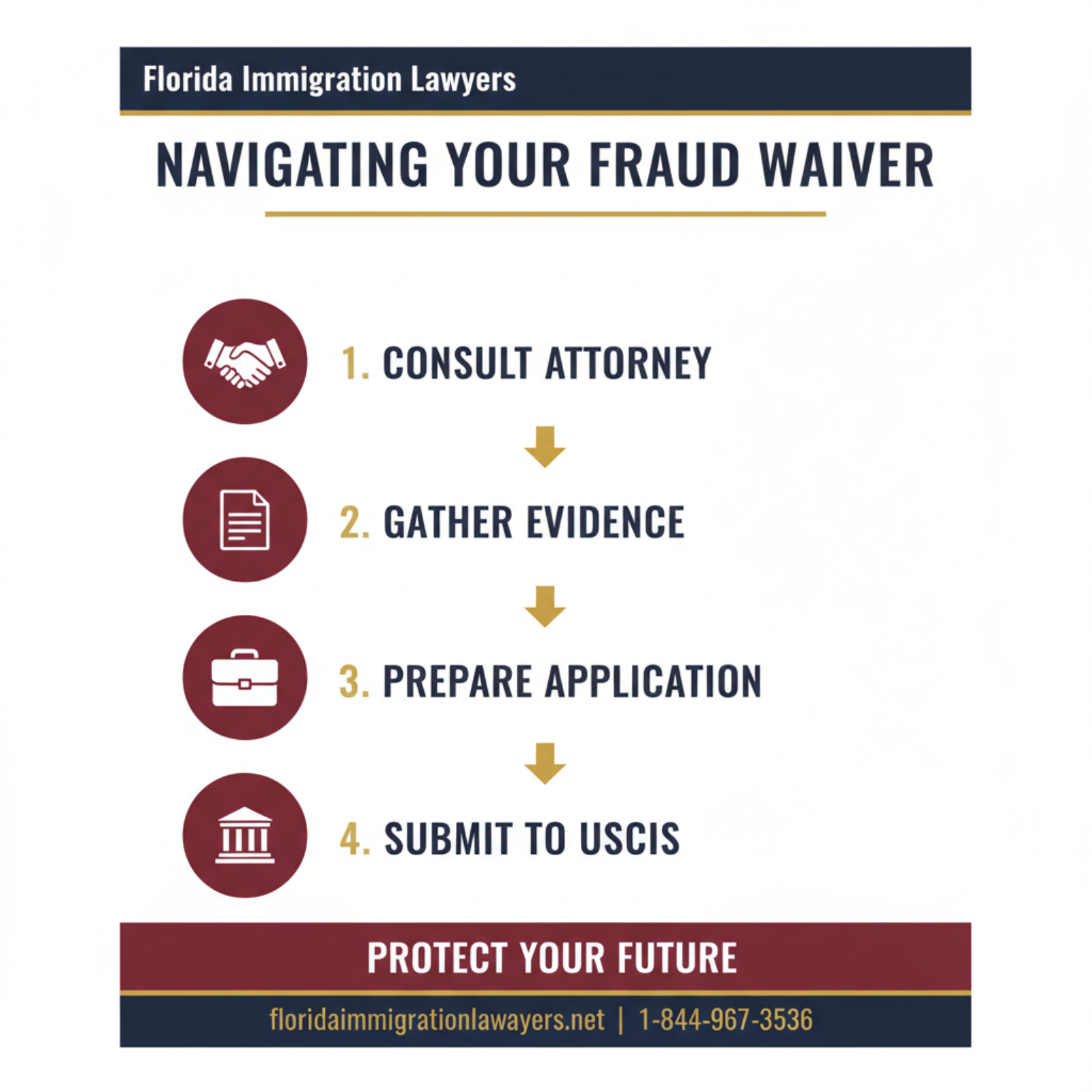
The application process for the I-601 waiver is intricate and demands meticulous attention to detail. It involves compiling extensive documentation, drafting a persuasive legal argument, and navigating complex procedural requirements. Typically, the I-601 waiver is filed after an applicant has been found inadmissible by a consular officer abroad during a visa interview or by USCIS during an adjustment of status application. The exact filing location and procedures can vary depending on whether the applicant is applying for an immigrant visa abroad (consular processing) or adjusting status within the U.S. (though for fraud waivers, consular processing is more common). Due to the discretionary nature of the waiver and the high evidentiary standard, professional legal representation is not just advisable but often essential for a successful outcome.
Gathering Essential Documentation
The success of an I-601 waiver hinges on the strength and breadth of the supporting documentation. This includes, but is not limited to, detailed affidavits from the applicant and the qualifying relative describing the hardship; medical records and psychological evaluations for any health conditions; financial records demonstrating economic impact; educational records for children; country conditions reports if relocation is considered; and letters of support from community leaders, employers, and family members. Every piece of evidence must directly support the claim of extreme hardship and be presented in a clear, organized, and compelling manner. Incomplete or poorly presented documentation is a common reason for denial.
Submitting Your Application
Once all documentation is meticulously prepared, the Form I-601, Application for Waiver of Grounds of Inadmissibility, along with all supporting evidence and the required filing fee, must be submitted to the appropriate USCIS office or U.S. Embassy/Consulate. For most fraud waivers processed abroad, the application is submitted to the USCIS office with jurisdiction over the consulate where the immigrant visa interview took place. It is crucial to follow all instructions precisely, including proper formatting and submission methods. Any errors or omissions can lead to delays or outright denial. Tracking the application's progress and responding promptly to any Requests for Evidence (RFEs) from USCIS are also critical steps in the process.
Common Pitfalls and How to Avoid Them
The I-601 waiver process is fraught with potential pitfalls that can jeopardize an applicant's chances of success. Understanding these common mistakes and proactively working to avoid them is paramount. Many applicants, attempting to navigate this complex legal terrain without experienced counsel, inadvertently undermine their own cases. One of the most frequent errors is underestimating the definition of “extreme hardship.” Applicants often provide general statements about inconvenience or emotional distress, which, while real, do not meet the stringent legal standard. USCIS requires specific, detailed, and corroborated evidence demonstrating suffering that is truly exceptional and beyond the normal difficulties associated with separation or relocation. This often necessitates expert opinions from medical professionals, psychologists, and financial advisors, which laypersons may not know how to obtain or present effectively. Another significant pitfall is the failure to adequately address the underlying misrepresentation itself. While the waiver focuses on hardship, the application still needs to acknowledge and, where appropriate, explain the circumstances of the misrepresentation without making admissions that could further complicate the case. This delicate balance requires a nuanced legal strategy. Furthermore, the sheer volume and complexity of required documentation can overwhelm applicants. Missing documents, submitting unorganized evidence, or failing to provide certified translations are all common errors that can lead to RFEs or denials. The discretionary nature of the waiver means that a strong, well-organized, and legally sound presentation is not just beneficial but absolutely essential. Consulting with experienced immigration attorneys who specialize in waivers can help identify and mitigate these risks, ensuring that every aspect of the application is robust and persuasive. They can guide you through gathering the right evidence, crafting compelling arguments, and avoiding procedural missteps that can derail your immigration journey. This proactive approach significantly increases the likelihood of a favorable outcome.
Incomplete Documentation
One of the most common reasons for I-601 waiver denials is incomplete or insufficient documentation. USCIS requires a comprehensive package of evidence to assess extreme hardship. Missing medical records, psychological evaluations, financial statements, or credible affidavits can severely weaken a case. It's not enough to simply list hardships; each claim must be substantiated with verifiable documents. Organizing all evidence clearly, providing indexes, and ensuring all foreign language documents are accompanied by certified English translations are critical steps to avoid this pitfall.
Insufficient Evidence of Hardship
As discussed, merely stating that a qualifying relative would miss the applicant or face some difficulty is not enough. The evidence must paint a vivid and compelling picture of “extreme hardship.” This means providing specific details about medical conditions requiring specialized care, significant financial burdens, educational disruptions, or severe psychological impact. Generic letters of support or brief statements are often insufficient. A strong application will include detailed reports from doctors, therapists, financial experts, and educators, all tailored to the specific circumstances of the qualifying relative.
Missing Deadlines
Immigration processes are characterized by strict deadlines. Missing a deadline for filing the I-601 waiver, responding to an RFE, or submitting additional information can result in the denial of the application or the closure of the case without further consideration. It is crucial to be aware of all relevant dates and to submit all required materials well in advance. An experienced immigration attorney can help manage these timelines and ensure all submissions are made promptly and correctly, preventing unnecessary delays or adverse outcomes.
Beyond the I-601: Other Waivers and Legal Avenues
While the I-601 waiver is critical for overcoming inadmissibility due to fraud or misrepresentation, it's important to recognize that other waivers and legal avenues exist for different grounds of inadmissibility. Immigration law is vast, and various situations may require different forms of relief. Understanding the specific waiver applicable to one's unique circumstances is essential for pursuing the correct legal path. This highlights the importance of a thorough legal consultation to assess all potential options.
Provisional Unlawful Presence Waiver (I-601A)
Distinct from the I-601, the I-601A Provisional Unlawful Presence Waiver allows certain eligible individuals who are in the United States to apply for a waiver of unlawful presence before they depart for their immigrant visa interview abroad. This waiver is designed to reduce the time U.S. citizens and lawful permanent resident family members are separated from their relatives. It specifically addresses inadmissibility due to unlawful presence, not fraud or misrepresentation, though it can be part of a broader strategy if other inadmissibility grounds exist. The I-601A is a significant development, allowing applicants to know if their waiver is approved before leaving the U.S., thereby mitigating the risk of being stranded abroad.
Waivers for Criminal Offenses
Individuals with certain criminal convictions may also be inadmissible to the U.S. and require waivers, such as the I-212 (Application for Permission to Reapply for Admission into the United States After Deportation or Removal) or specific waivers for certain criminal grounds under INA 212(h). These waivers are highly complex and depend heavily on the nature of the crime, the sentence imposed, and the time elapsed since the conviction. The U.S. Department of Justice at justice.gov provides information on federal criminal justice matters that can be relevant to understanding the implications of certain offenses. For those facing criminal inadmissibility, or even those seeking asylum who may have minor criminal histories, specialized legal expertise is crucial.
Why Expert Legal Representation is Crucial
The journey through immigration waivers, particularly the I-601 for fraud and misrepresentation, is incredibly complex and high-stakes. The discretionary nature of these waivers, coupled with the stringent evidentiary requirements and the severe consequences of denial, means that attempting to navigate this process without expert legal counsel can be a grave mistake. An experienced immigration attorney can provide invaluable assistance by: thoroughly evaluating your case and identifying all grounds of inadmissibility; advising on the strongest arguments for extreme hardship; meticulously gathering and organizing all necessary documentation; drafting compelling legal briefs; preparing you for interviews; and representing you before USCIS or consular officers. Their expertise can significantly enhance your chances of a favorable outcome, providing peace of mind during a challenging time. Don't face these critical immigration challenges alone. Contact Florida Immigration Lawyers today for a consultation to discuss your specific situation and explore your best path forward.
Preguntas Frecuentes
Vasquez Law Firm
Equipo Legal
Por más de 15 años, Vasquez Law Firm ha estado sirviendo a clientes en Florida. Nos especializamos en inmigración, lesiones personales, defensa criminal, compensación laboral y derecho familiar.